Loading video…


 24 Concepts
 53.1K views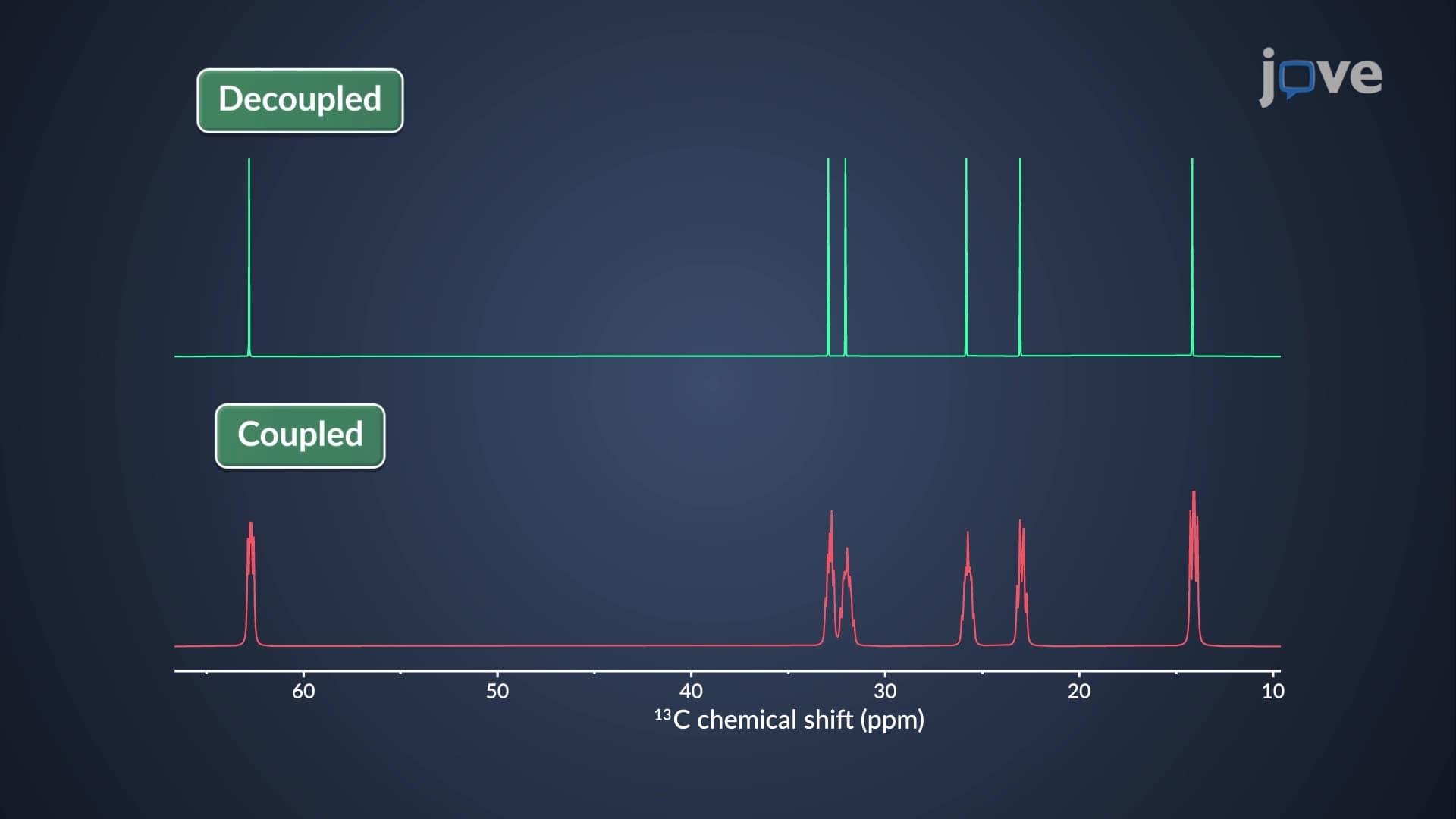

Video Summary: C Nmr H C Decoupling Explained
Ever wonder why carbon-13 NMR spectra look so clean compared to proton NMR? 13C NMR decoupling explained reveals how scientists eliminate confusing signal splitting to create crystal-clear spectra. This technique is essential in pharmaceutical labs across the US, from Pfizer to Merck, where chemists analyze drug compounds daily. ³C NMR H ³C decoupling uses sophisticated radio frequency manipulation to simplify complex carbon signals into single, sharp peaks. Watch the full video on JoVE Coach to master this concept with expert-led visuals and step-by-step explanations.
Carbon-13 NMR spectroscopy faces unique challenges that make decoupling essential. Unlike proton NMR, where abundant ¹H nuclei create complex coupling patterns, carbon-13 has only 1.1% natural abundance. This scarcity means finding two adjacent ¹³C atoms is statistically unlikely, effectively eliminating carbon-carbon J-coupling in most organic molecules.
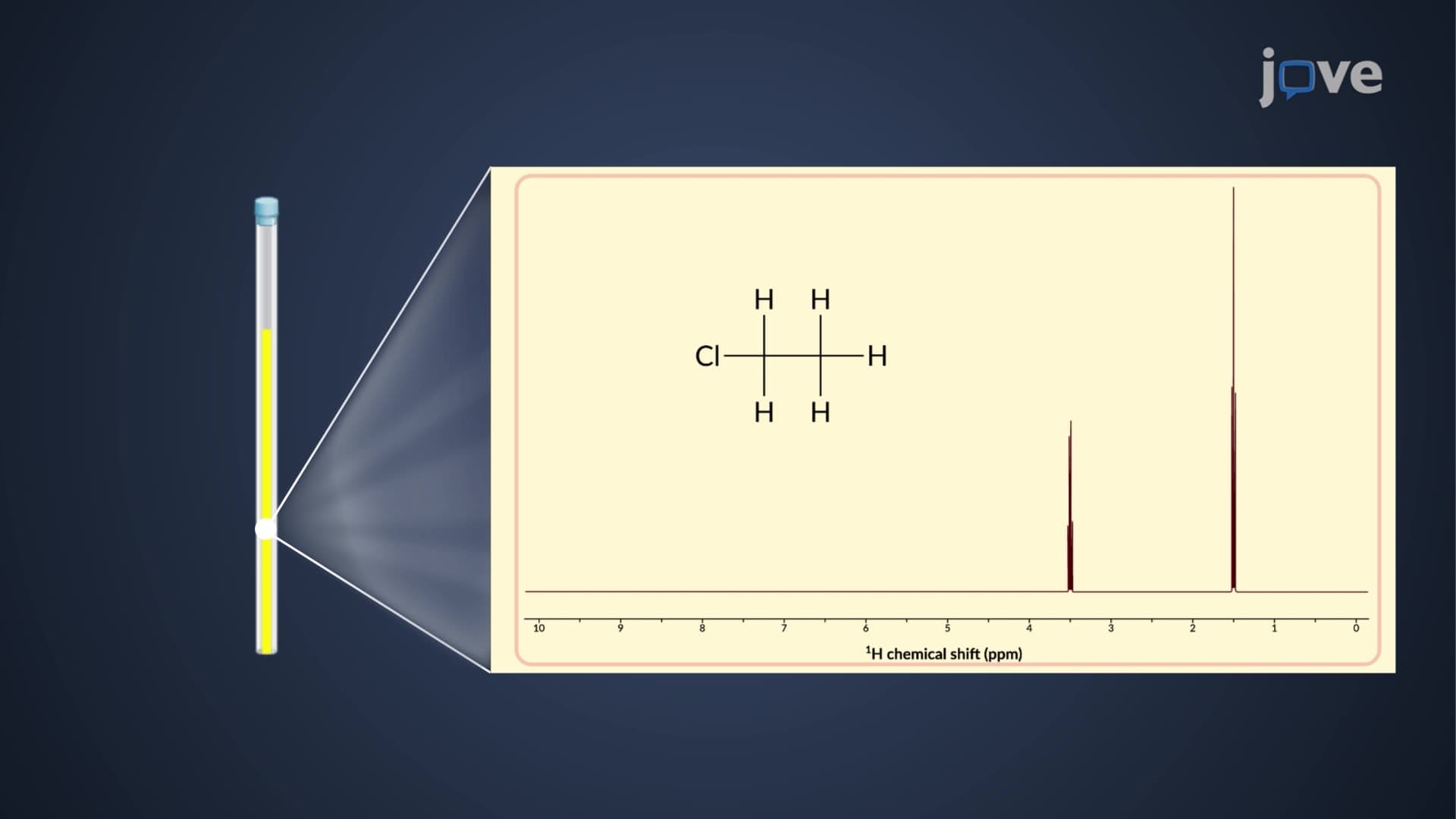
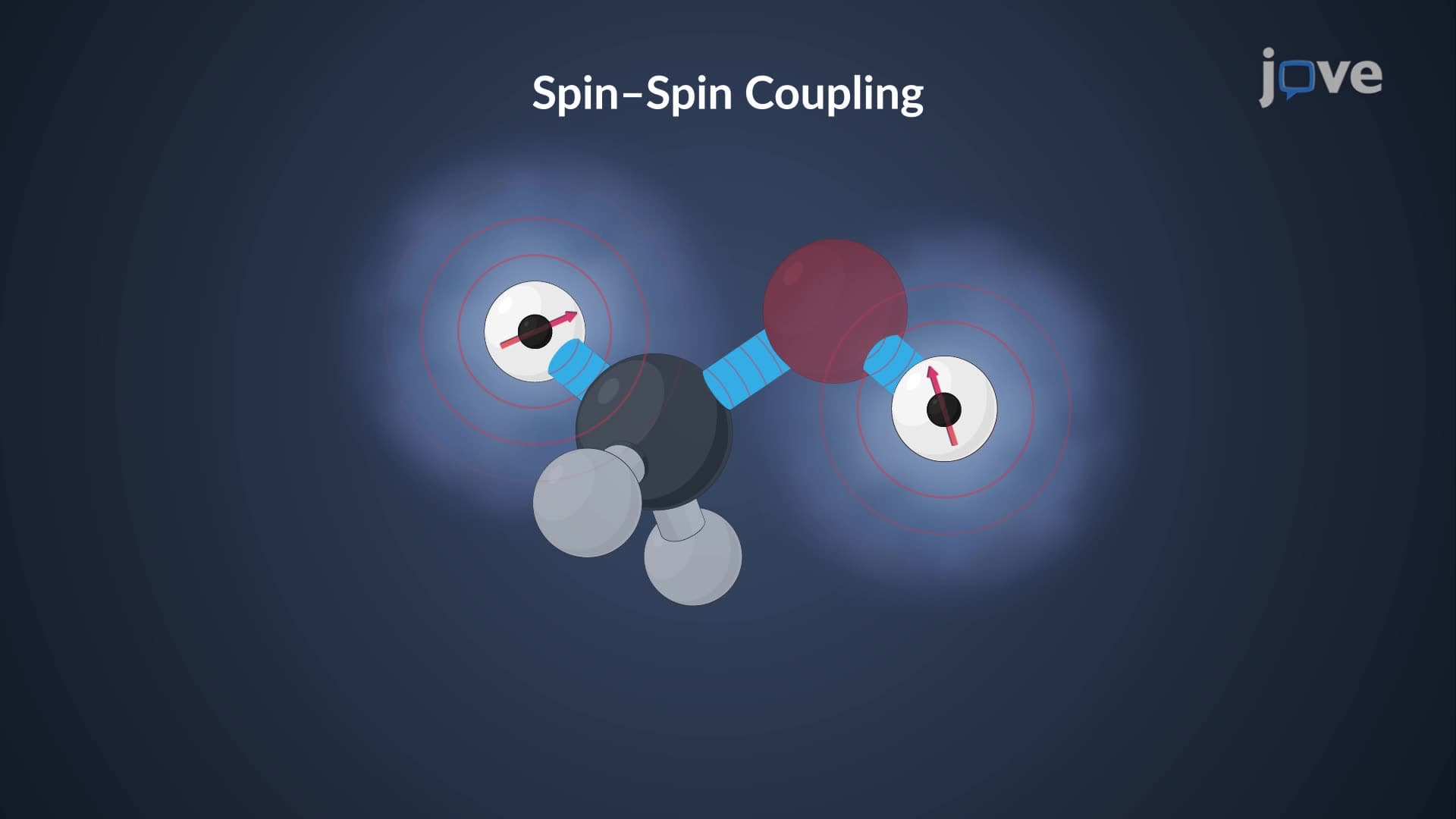
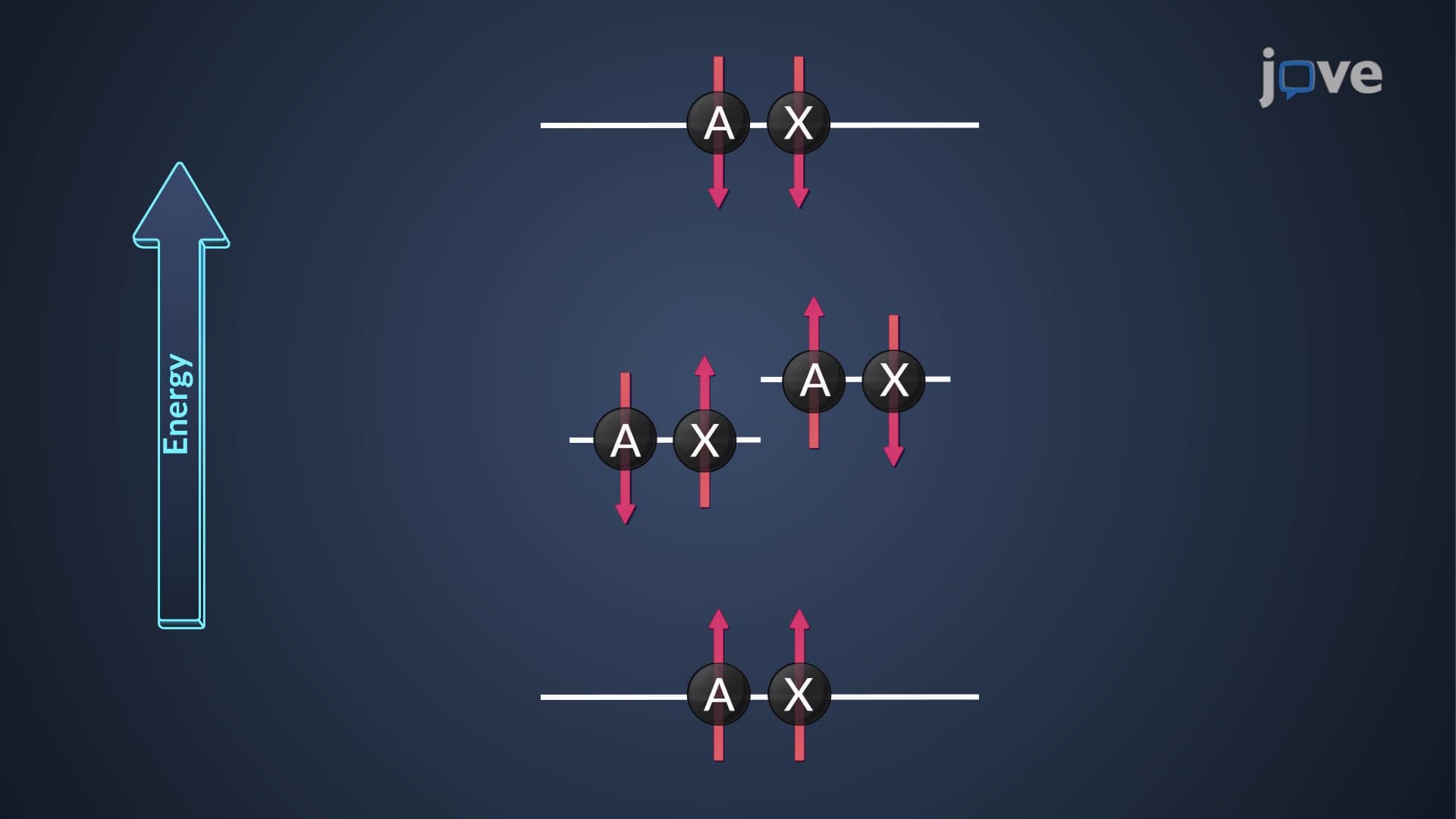
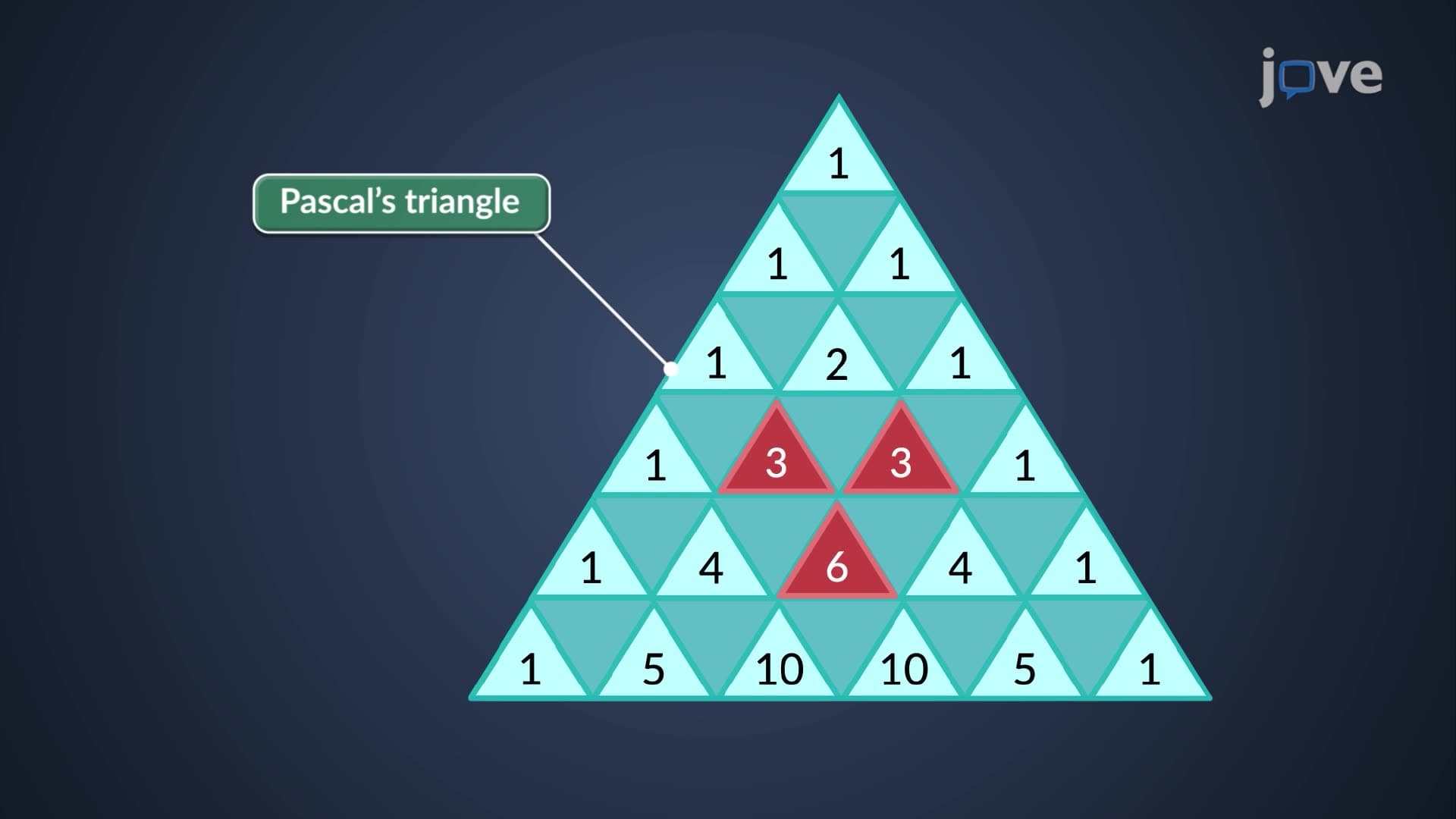
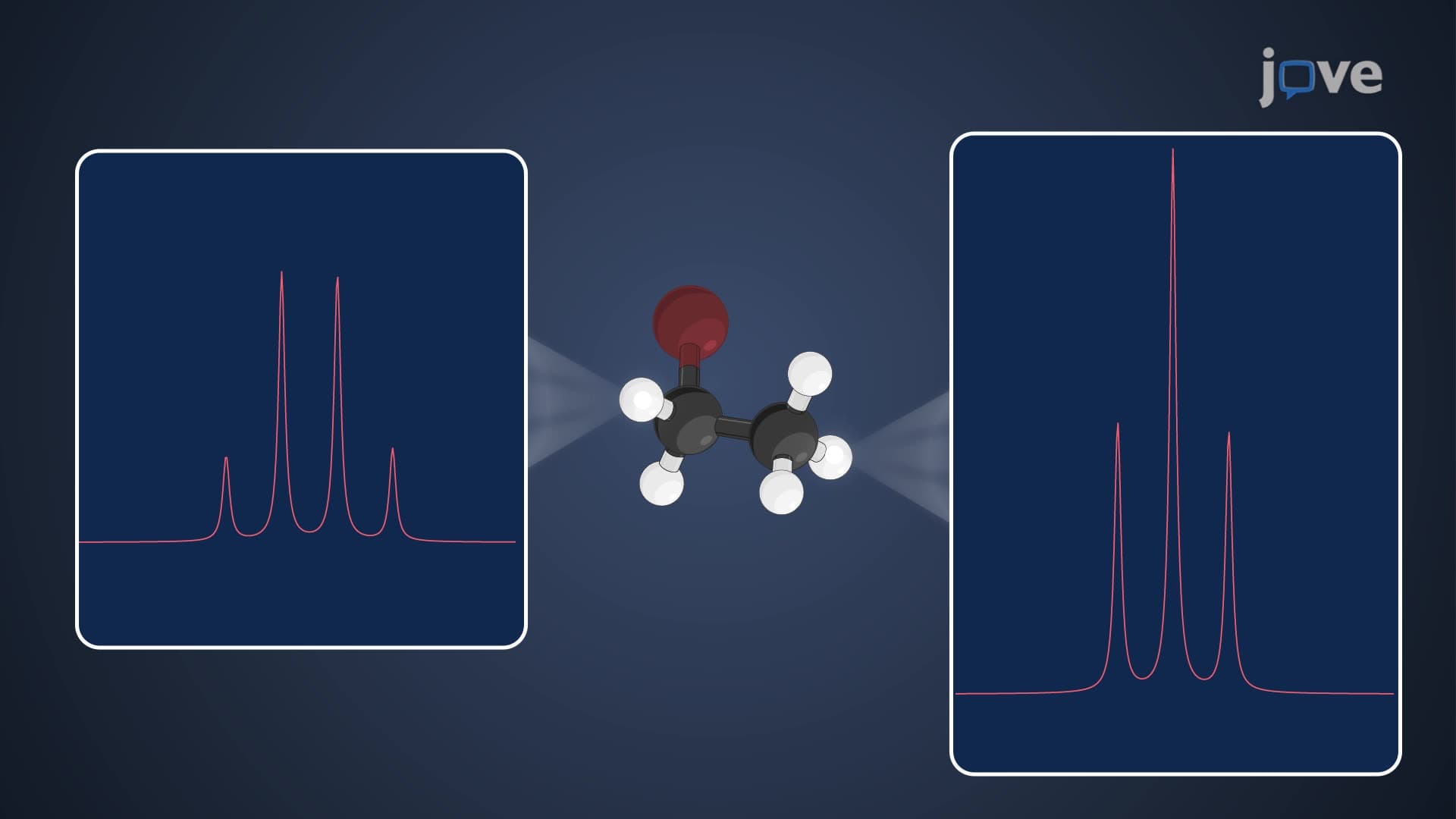
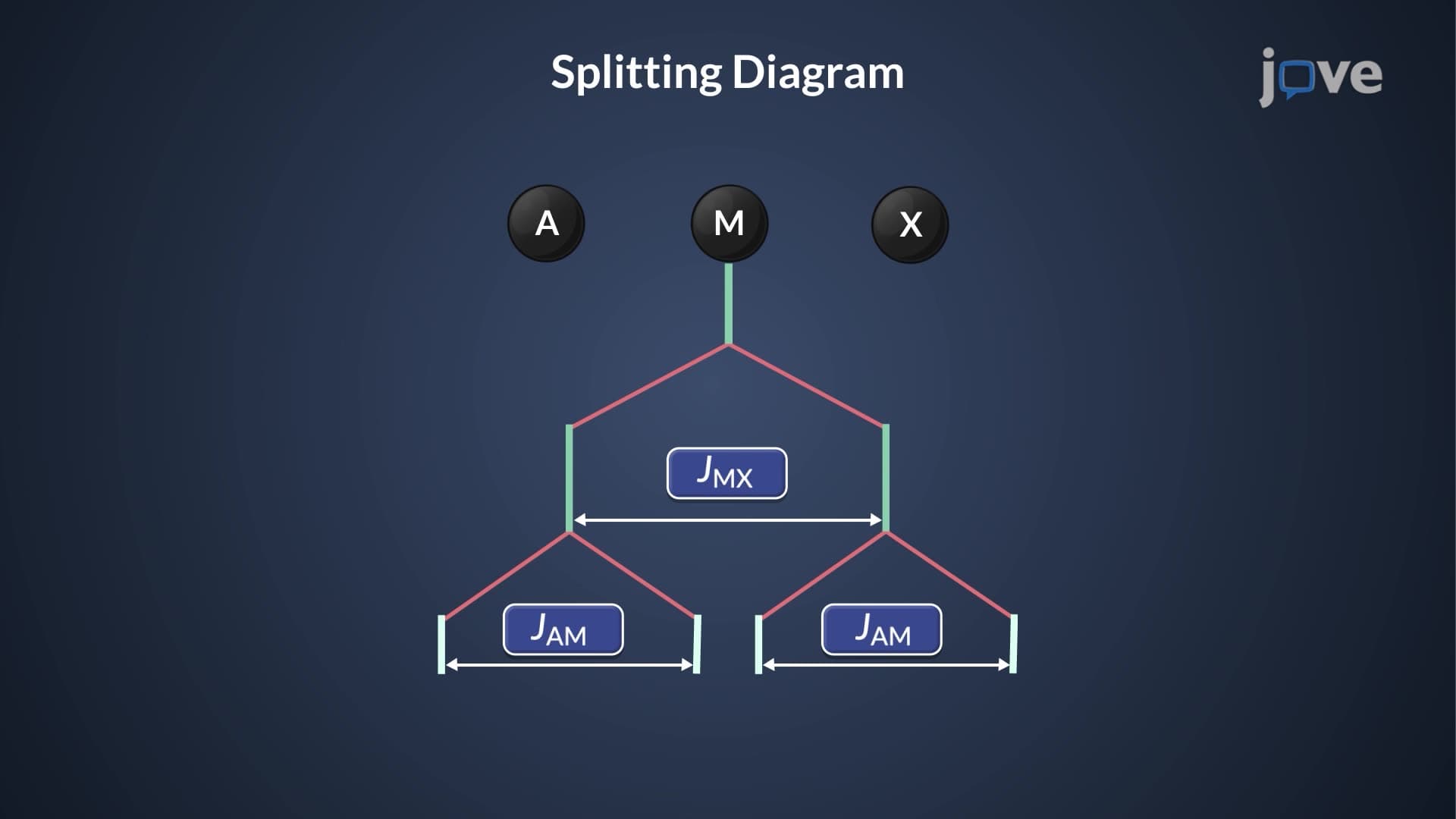
However, the real complexity comes from H C decoupling 13C NMR interactions. Neighboring protons split carbon signals according to the n+1 rule, where n represents the number of equivalent protons. A carbon attached to three equivalent protons would appear as a quartet, making spectrum interpretation challenging.
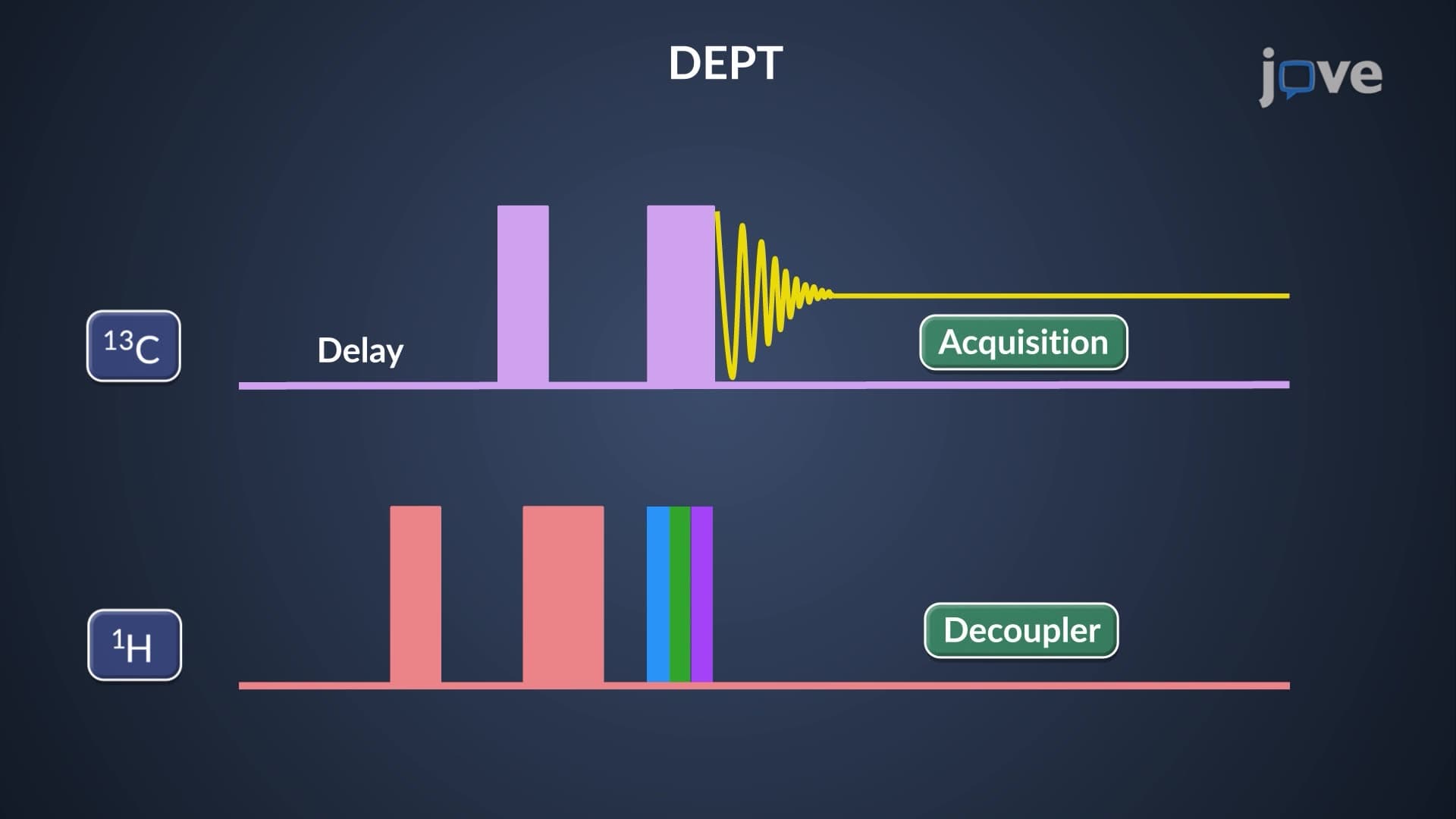
The solution involves how proton decoupling works in 13C NMR through sophisticated instrumentation. Two separate transmitters operate simultaneously: one generates radiofrequency pulses targeting ¹³C nuclei at their specific resonance frequency, while a second transmitter produces a continuous broadband of frequencies affecting all protons in the molecule.
This broadband decoupling 13C technique causes protons to rapidly flip between their α and β spin states. The switching happens so quickly that carbon nuclei experience only an averaged magnetic field from surrounding protons, effectively nullifying spin-spin coupling interactions.
Students preparing for AP Chemistry exams or college organic chemistry courses frequently encounter proton decoupled carbon NMR spectra. The Mayo Clinic's research laboratories, Stanford University's chemistry department, and pharmaceutical companies like Johnson & Johnson routinely use this technique for compound identification.
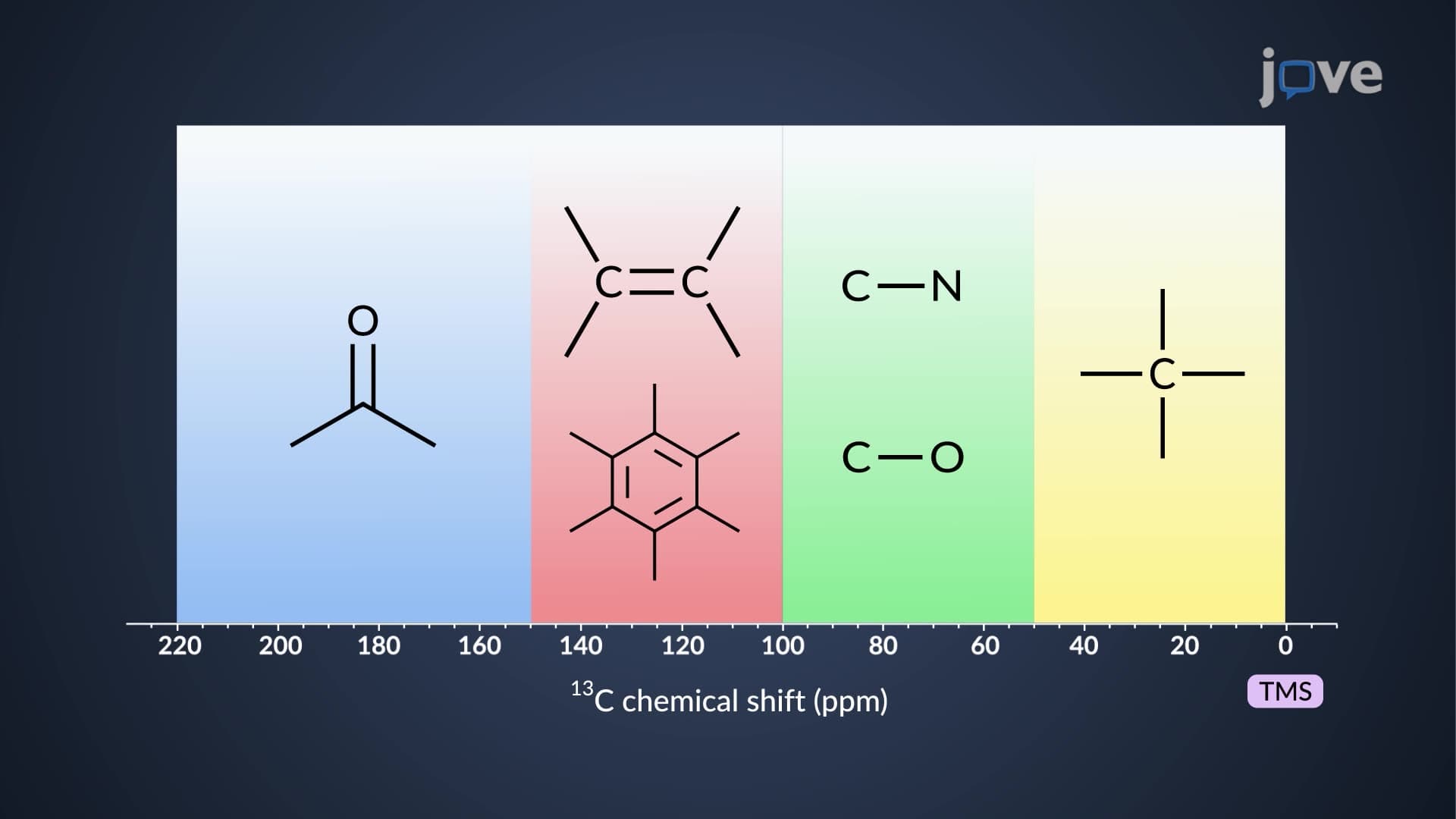
Understanding decoupled carbon spectrum interpretation is crucial for MCAT preparation, particularly in organic chemistry passages. Students learn to count carbon environments, identify functional groups, and determine molecular connectivity using clean, single-peak carbon signals.
The technique also enables NOE enhancement decoupling, where signal intensity increases due to nuclear Overhauser effects, making weak carbon signals more detectable in complex molecules like steroids or natural products studied in US research institutions.
Related Micro-courses