Loading video…


 24 Concepts
 53.1K views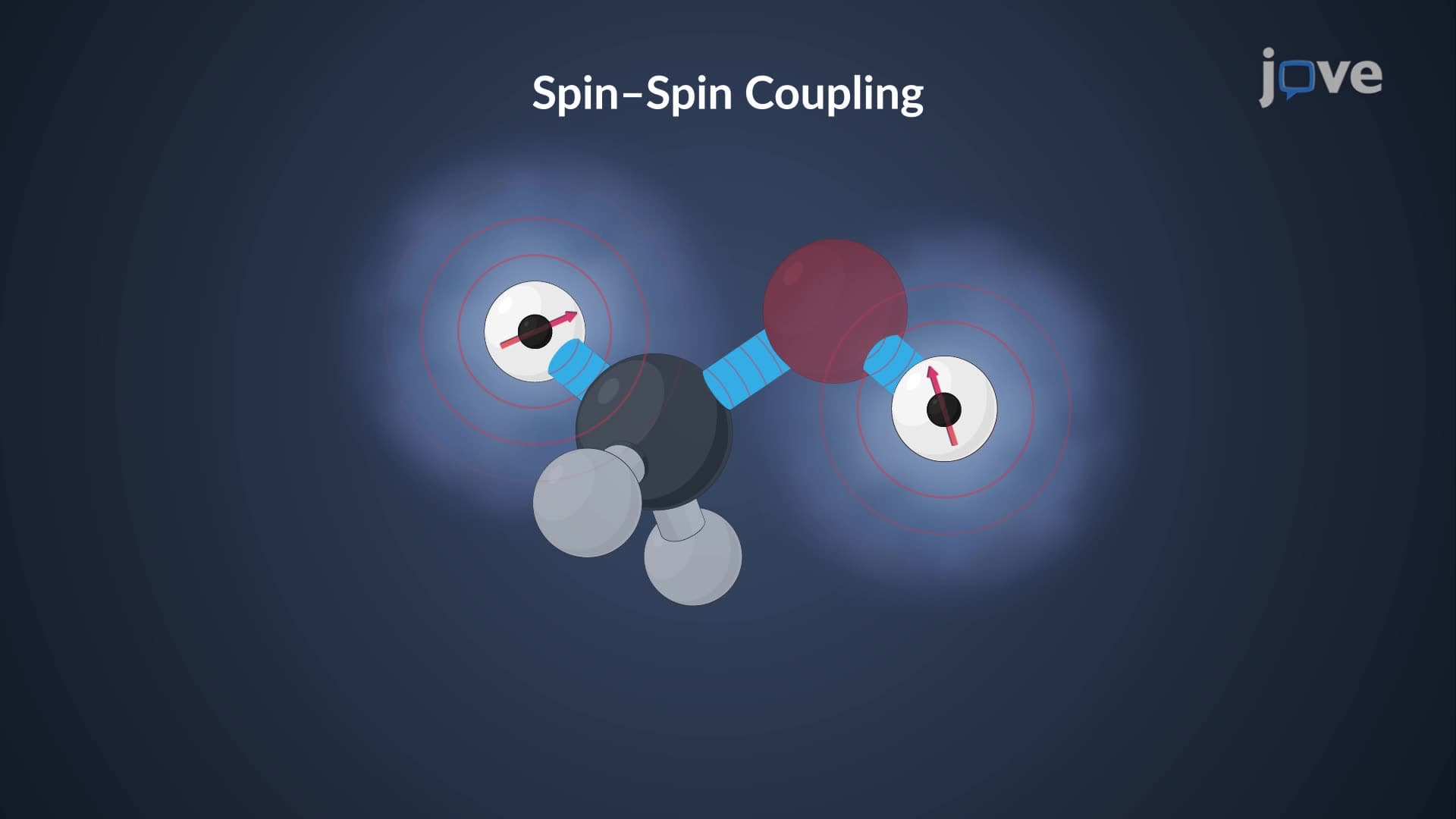

Video Summary: Nmr Spectroscopy Spin Spin Coupling Explained
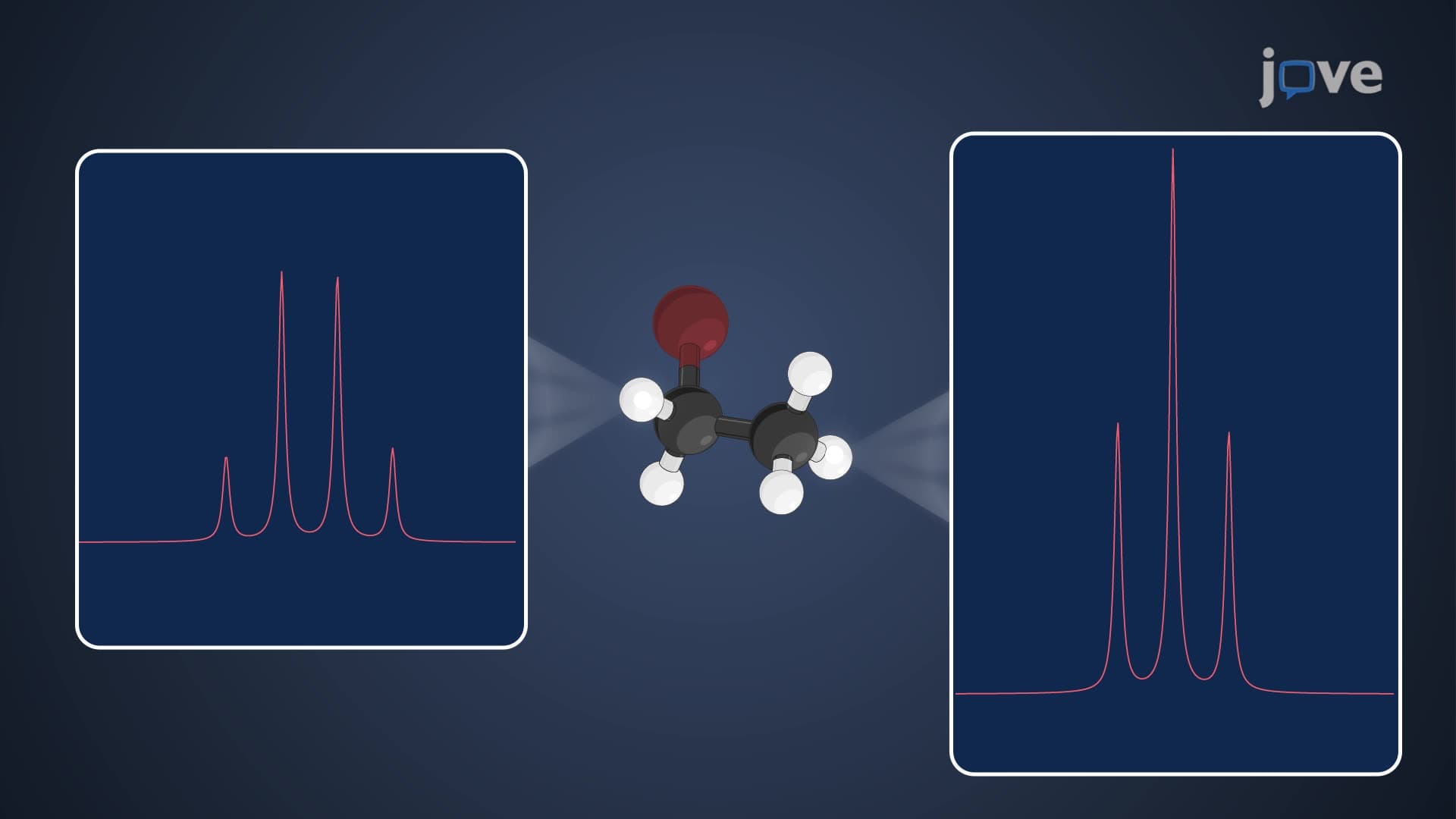
Ever wonder why some NMR peaks appear as doublets or triplets instead of single lines? Spin spin coupling NMR creates these characteristic splitting patterns when neighboring nuclei influence each other's magnetic environments through chemical bonds. For instance, in ethanol analysis at pharmaceutical companies like Pfizer, the CH3 group appears as a triplet due to coupling with adjacent CH2 protons. NMR Spectroscopy Spin Spin Coupling Explained reveals how this through-bond interaction extends up to three bonds away, fundamentally changing how we interpret spectral data. Watch the full video on JoVE Coach to master this concept with expert-led visuals and step-by-step explanations.
NMR Spectroscopy Spin Spin Coupling Explained begins with recognizing that atomic nuclei act like tiny magnets. When NMR-active nuclei are close enough-typically within three bonds-they can sense each other's magnetic fields. This interaction doesn't occur through space but travels through the electron clouds of intervening chemical bonds, creating what spectroscopists call scalar coupling NMR or through-bond coupling NMR.
The coupling mechanism works because nuclear spins influence the electrons in nearby bonds, and these electronic changes propagate to neighboring nuclei. Think of it like a molecular telephone game where magnetic information passes from nucleus to nucleus via the bonding electrons. This spin coupling interaction is mutual-if nucleus A affects nucleus B, then nucleus B equally affects nucleus A.
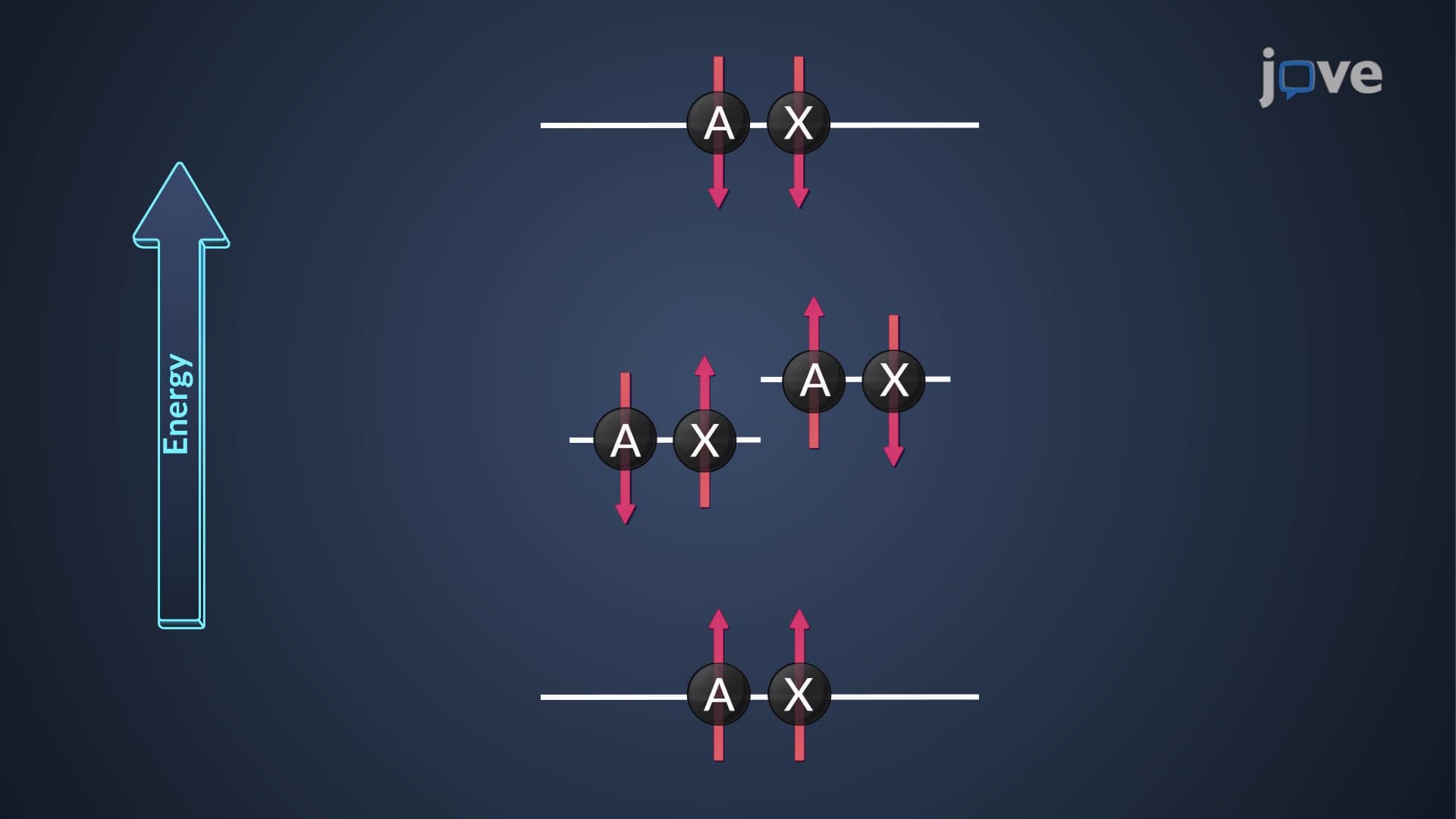
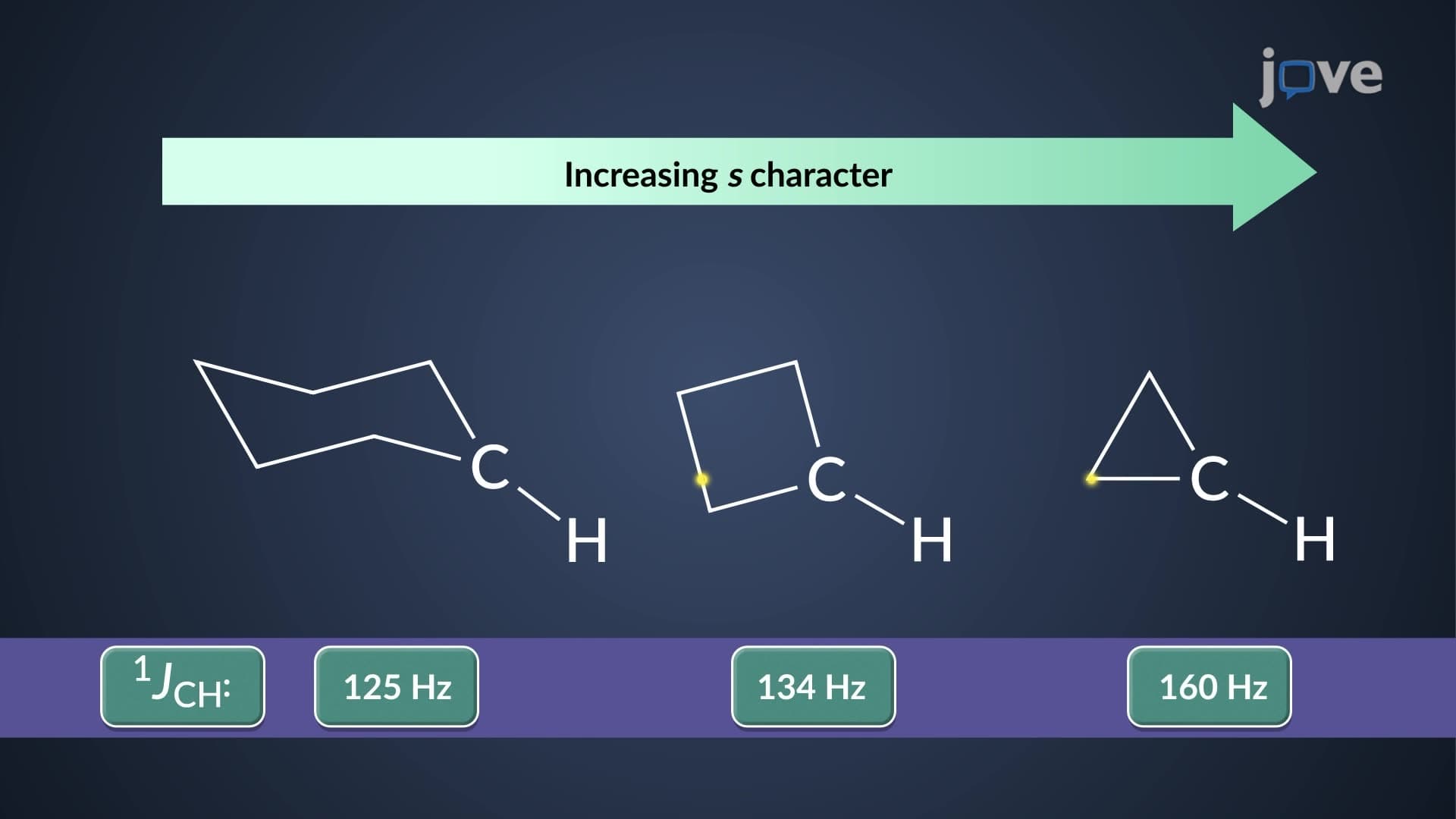
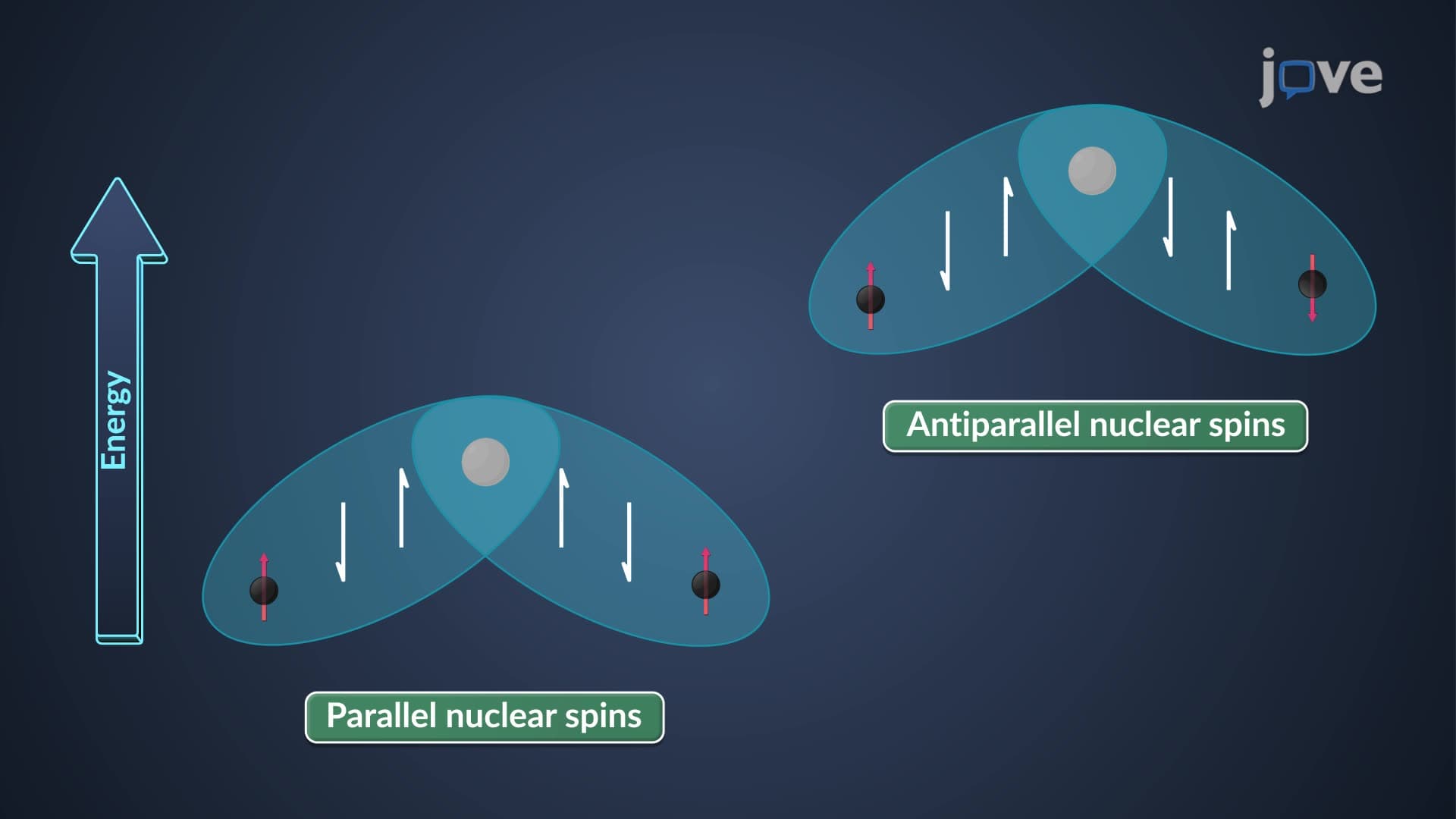
The strength of J coupling NMR spectroscopy interactions is quantified by the coupling constant (J), measured in Hertz. When two nuclei couple, their energy levels split based on whether their spins are parallel or antiparallel. For example, if proton A couples with proton X, the energy required to flip proton A's spin depends on whether proton X is spinning "up" or "down."
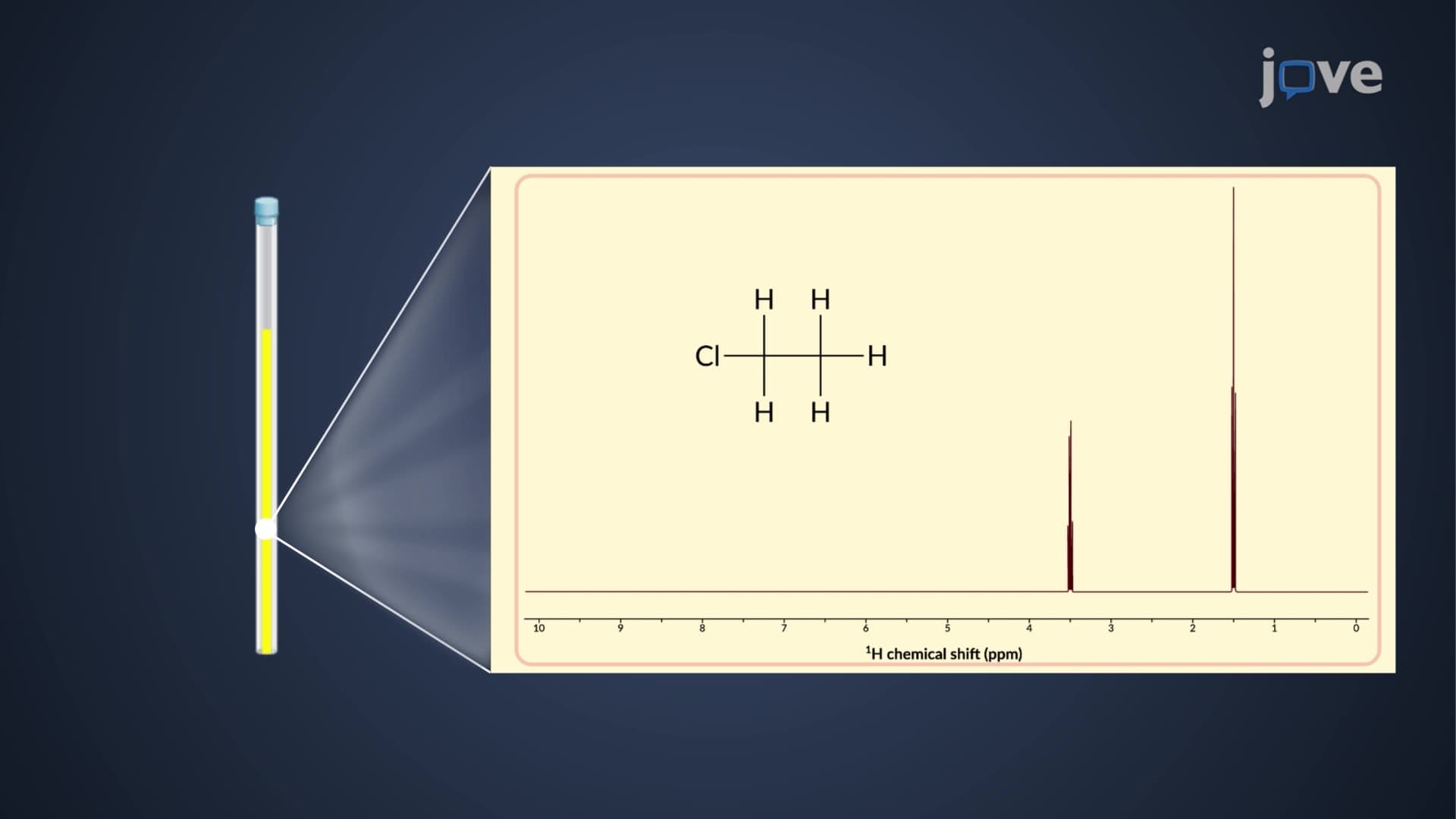
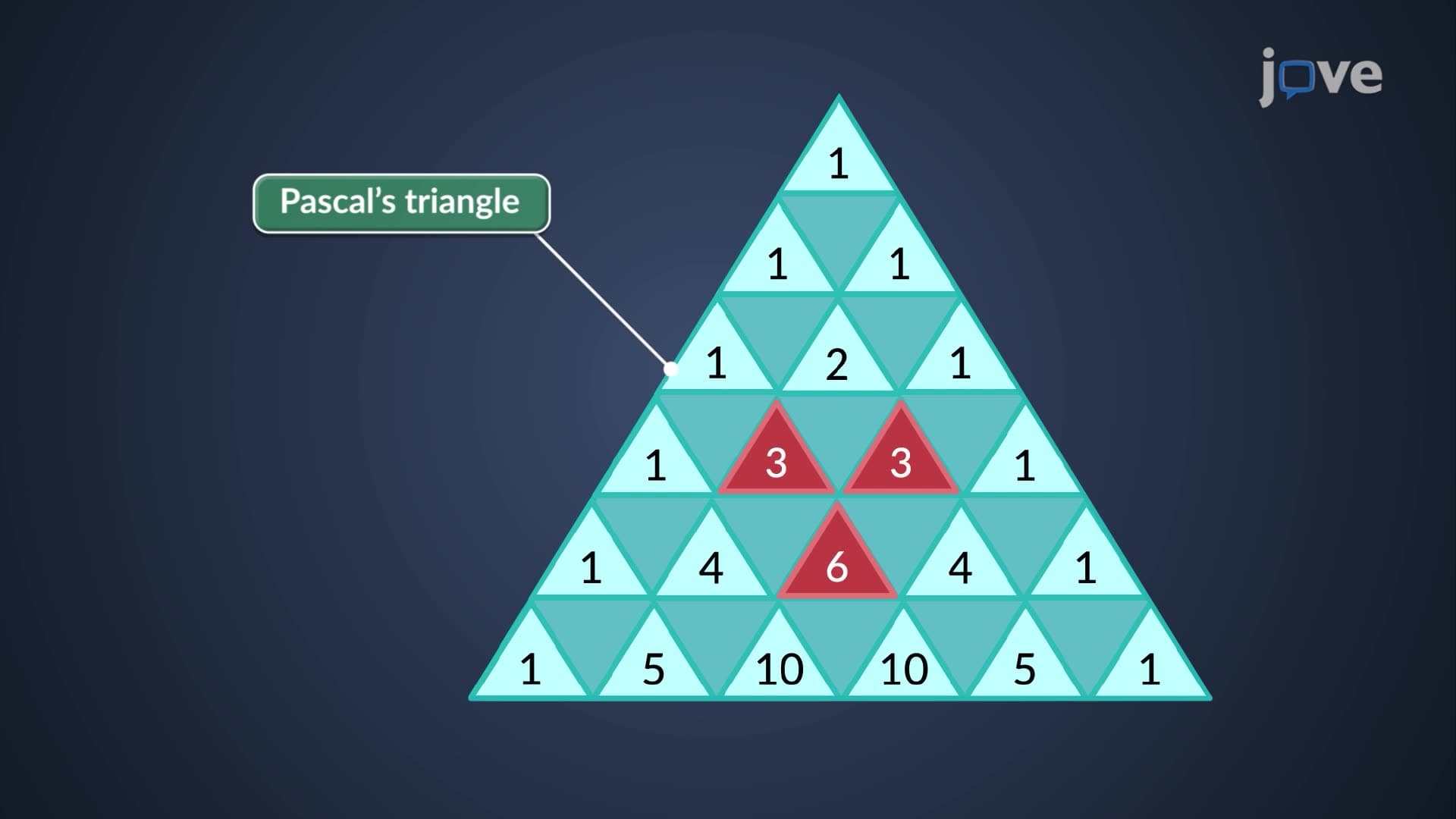
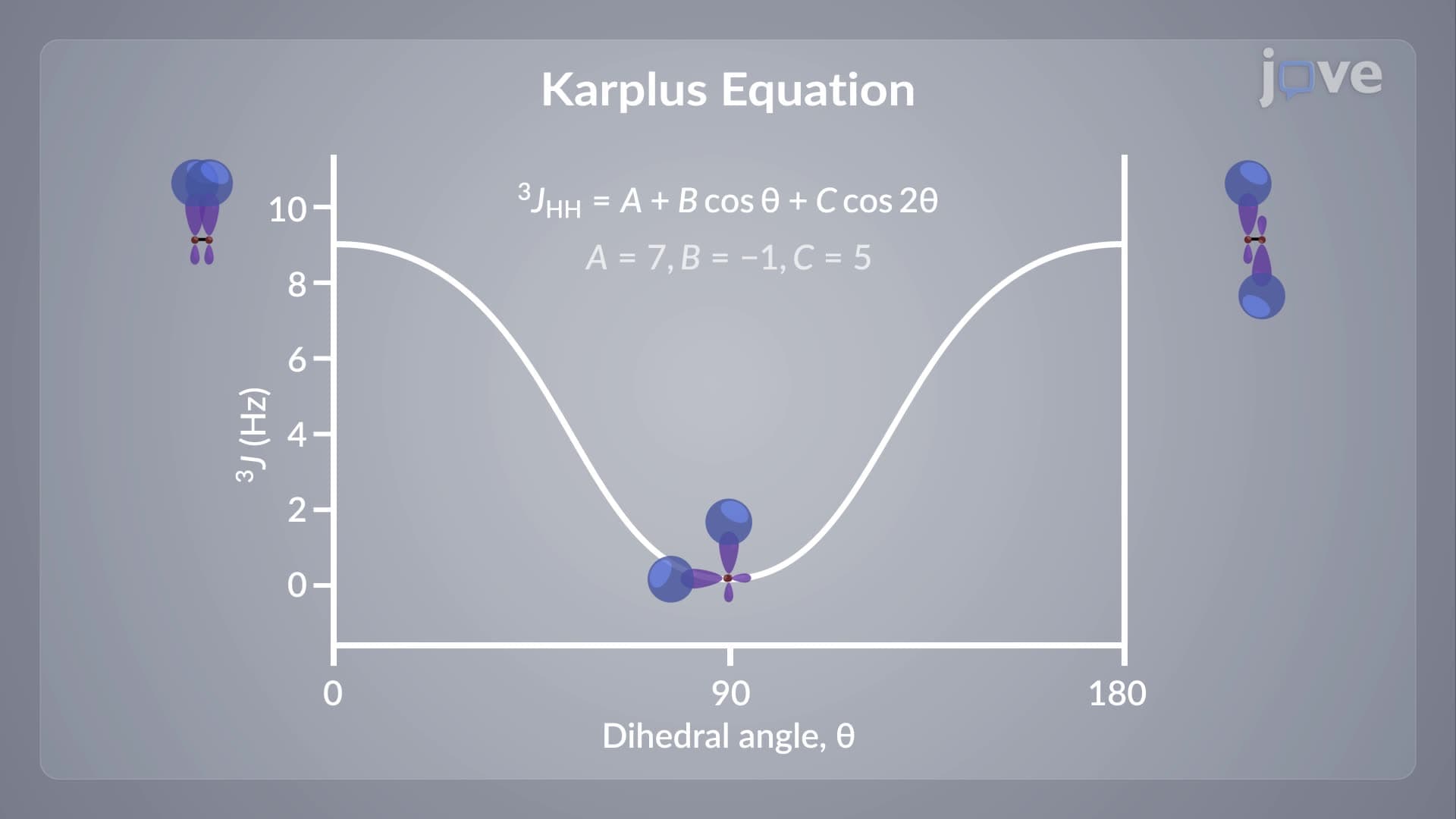
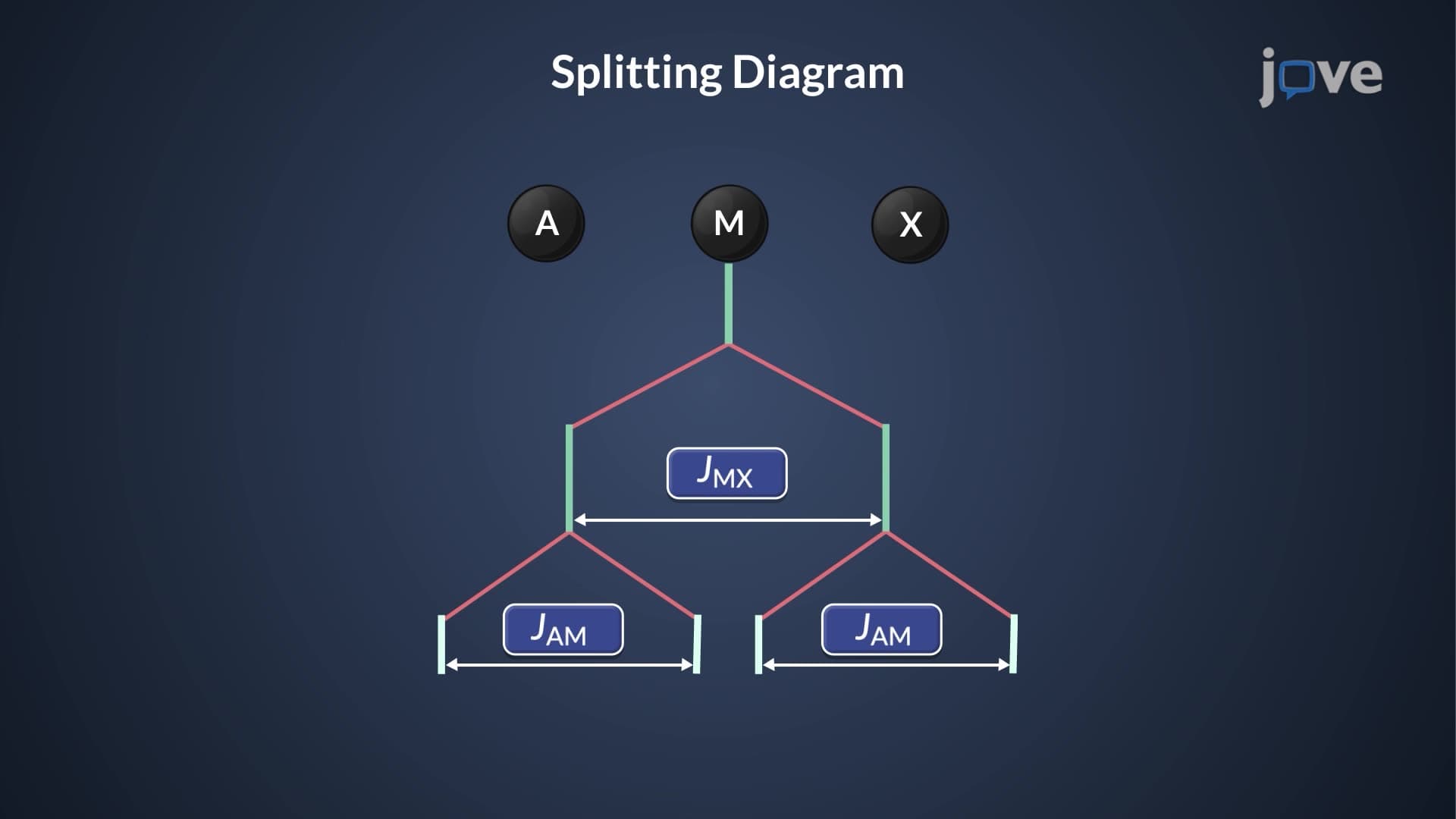
This energy difference creates the characteristic splitting patterns seen in NMR spectra. A proton coupled to one neighbor appears as a doublet, while coupling to two equivalent neighbors produces a triplet. The coupling constant NMR basics follow predictable rules: geminal coupling (across two bonds) typically shows J values of 10-18 Hz, while vicinal coupling (across three bonds) ranges from 0-20 Hz depending on molecular geometry.
In college organic chemistry courses and AP Chemistry exams, students primarily encounter homonuclear 1H-1H coupling. Classic examples include ethyl groups in compounds like ethyl acetate, where the CH3 protons couple with CH2 protons to create the familiar triplet-quartet pattern. This splitting helps identify molecular fragments and connectivity.
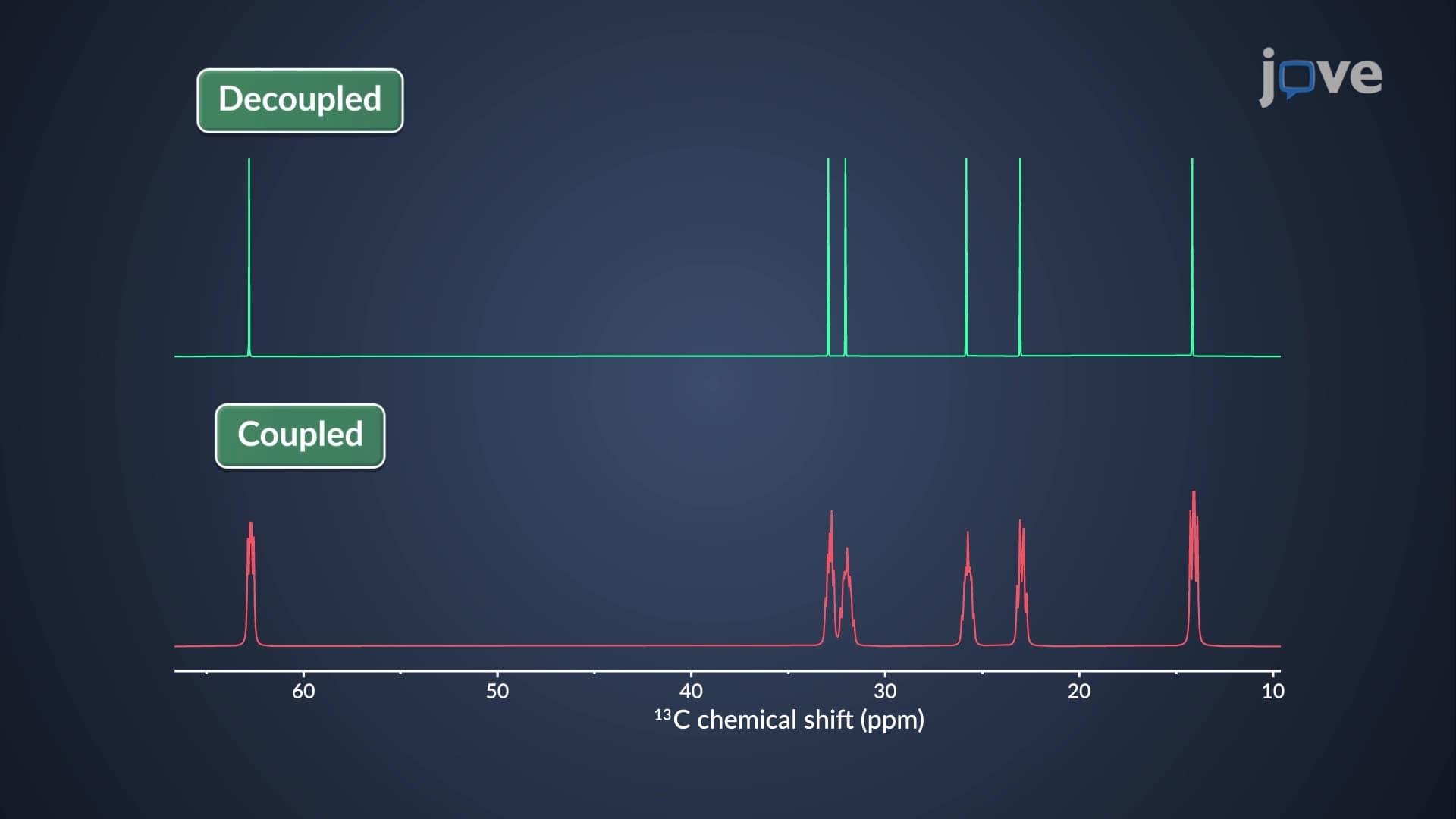
Heteronuclear coupling, such as 1H-13C or 1H-19F interactions, becomes crucial in advanced spectroscopy applications. Pharmaceutical companies like Johnson & Johnson use these techniques for drug structure verification, while academic research labs employ heteronuclear coupling to study protein structures and metabolic pathways.
Medical schools teaching biochemistry use spin spin coupling NMR principles when analyzing metabolites in patient samples. The MCAT often includes questions about NMR interpretation, particularly focusing on how coupling patterns reveal molecular connectivity. Similarly, organic chemistry courses at institutions like MIT and Stanford emphasize coupling analysis for structure determination problems that appear on ACS standardized exams.
Related Micro-courses