Loading video…


 22 Concepts
 72.7K views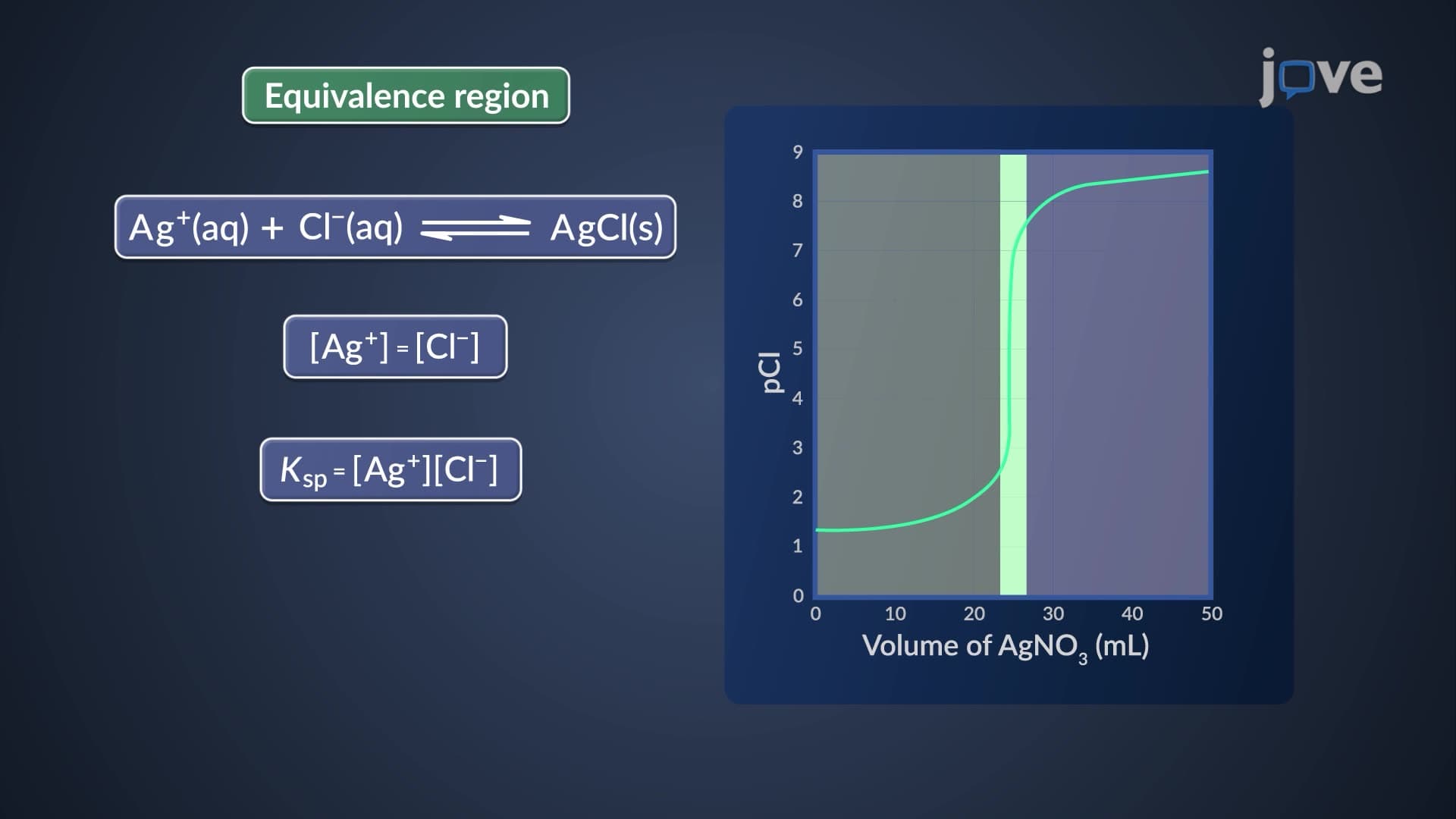

Video Summary: What Is Precipitation Titration
Ever wonder how forensic labs determine the exact salt content in crime scene evidence? Precipitation titration basics involve using chemical reactions that form visible precipitates to quantify unknown concentrations with remarkable precision. The FDA uses argentometric titration to measure chloride levels in processed foods, ensuring consumer safety standards. What is precipitation titration becomes clear when you see how silver nitrate creates distinct color changes that signal reaction completion. Watch the full video on JoVE Coach to master this concept with expert-led visuals and step-by-step explanations.
Precipitation titration definition chemistry centers on quantitative analysis where the analyte and titrant react to form an insoluble precipitate. Unlike acid-base titrations that rely on pH changes, precipitation titrations depend on the formation of poorly soluble compounds that visually indicate reaction progress. This technique proves invaluable when analyzing halide ions, sulfates, and other anions that form characteristic precipitates.
The most widely used precipitation method involves argentometric titration with silver nitrate (AgNO₃) as the titrant. When analyzing chloride samples, the reaction proceeds: Ag⁺ + Cl⁻ → AgCl(s). This silver nitrate titration produces a white precipitate that signals analyte consumption. US pharmaceutical companies routinely employ this method to verify sodium chloride purity in IV solutions, while environmental agencies use it to monitor chloride pollution in groundwater systems.
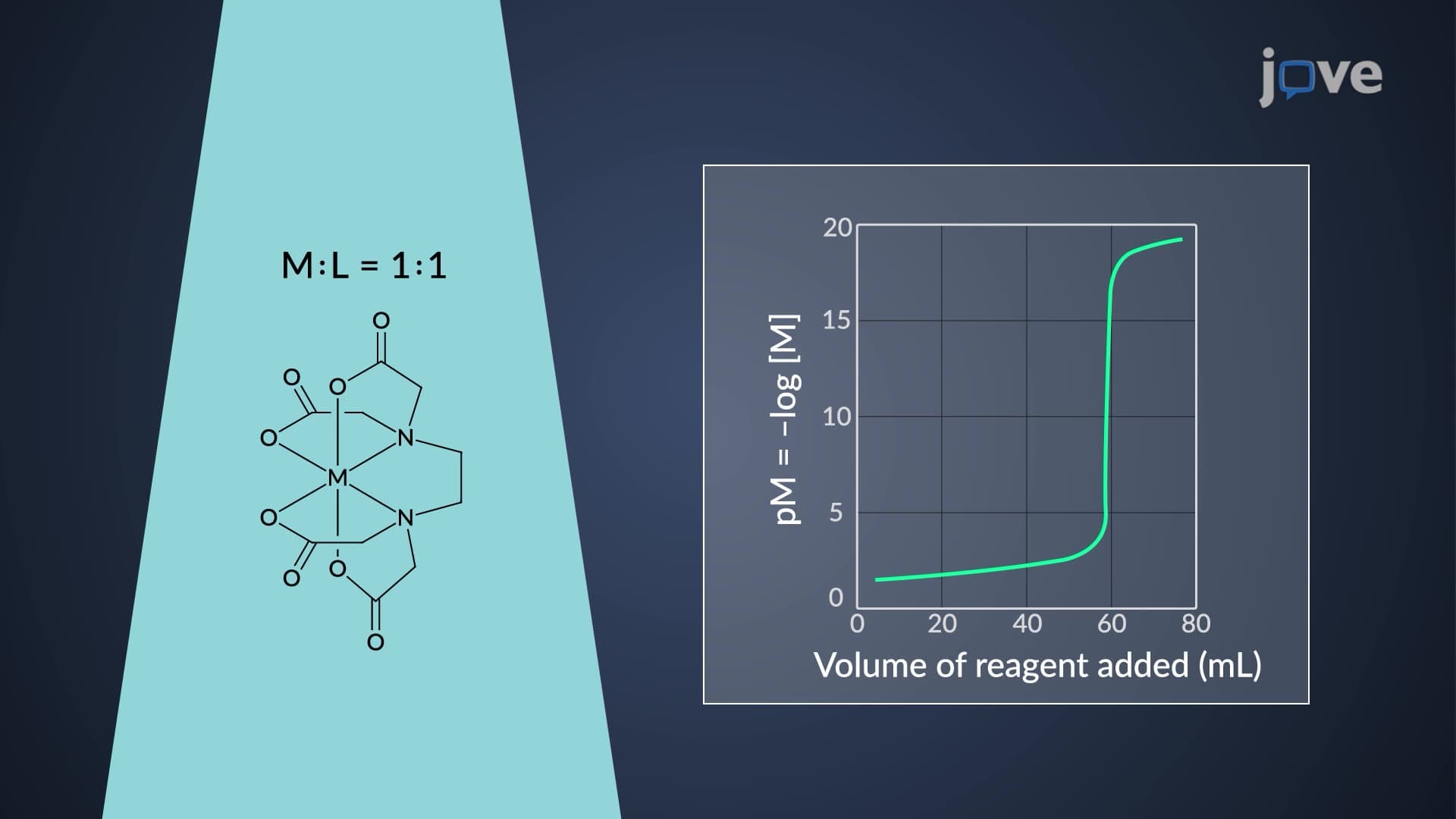
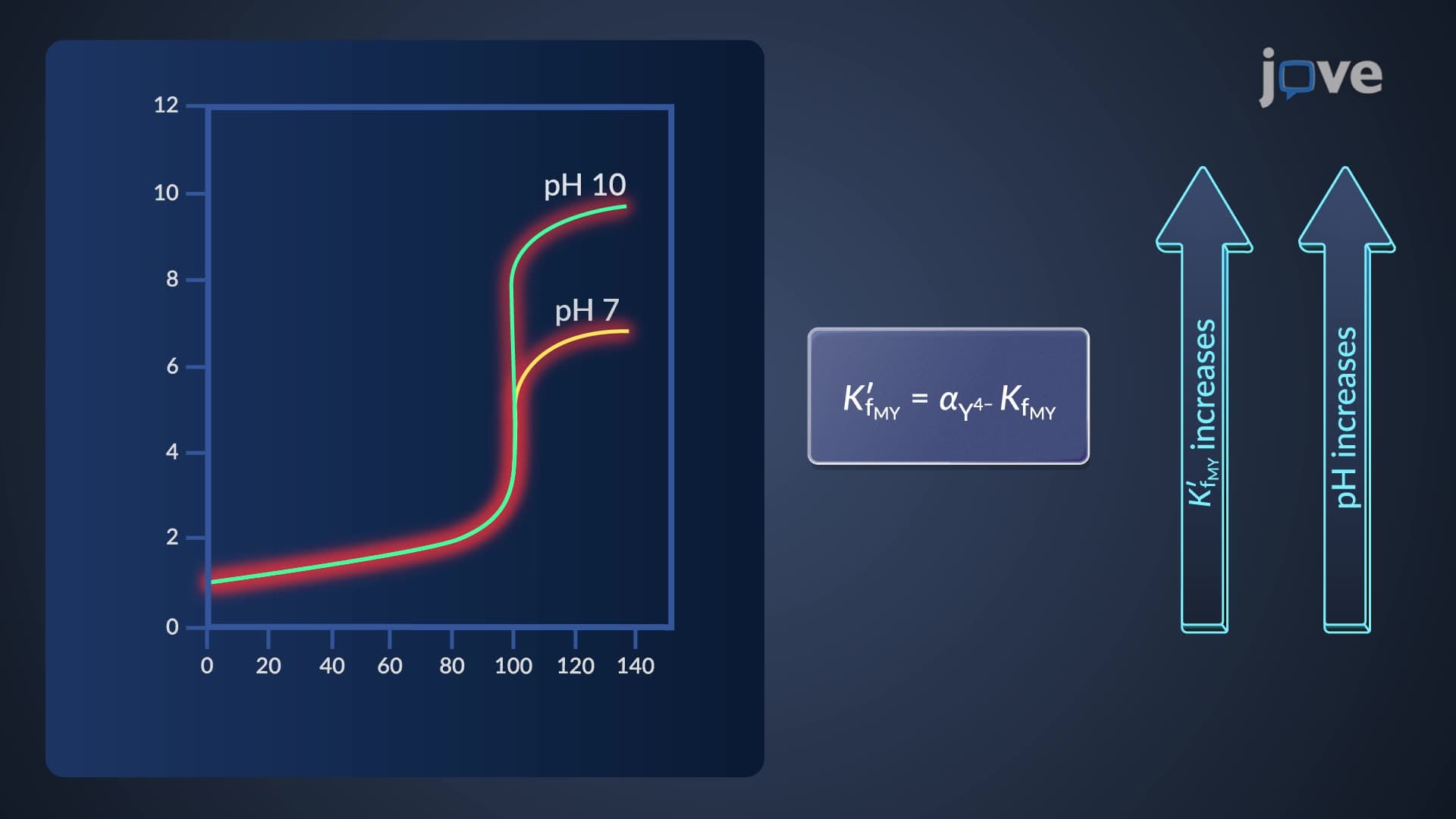
How does precipitation titration work becomes evident when examining the characteristic three-region curve. In the pre-equivalence region, excess analyte dominates, and concentration calculations use the simple relationship: [Cl⁻] = (initial moles - consumed moles)/total volume. At the equivalence point, the precipitate reaches equilibrium, requiring solubility product (Ksp) calculations: [Ag⁺][Cl⁻] = Ksp(AgCl). Beyond equivalence, excess titrant controls the system, with [Ag⁺] determined from surplus silver ions.
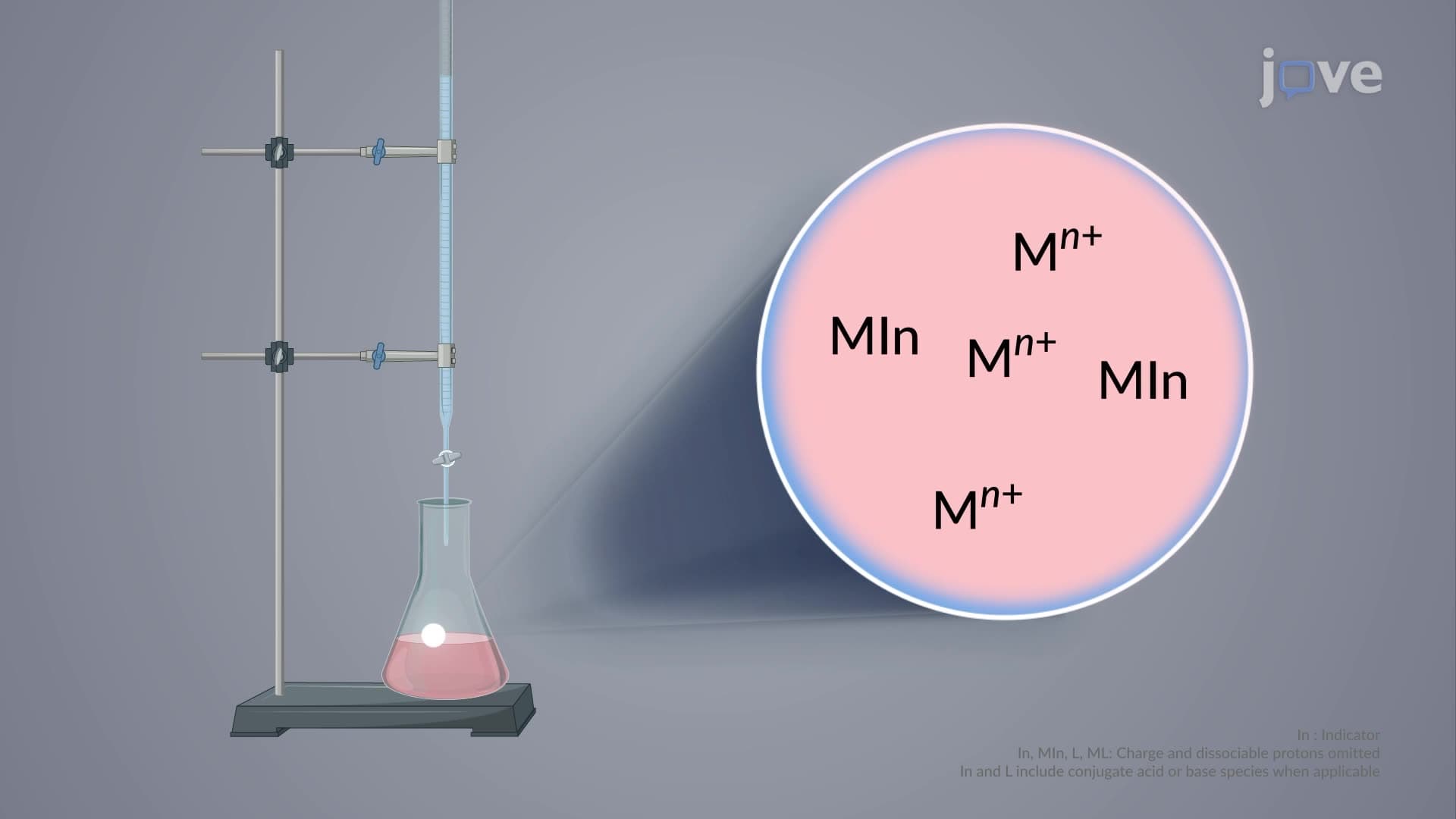
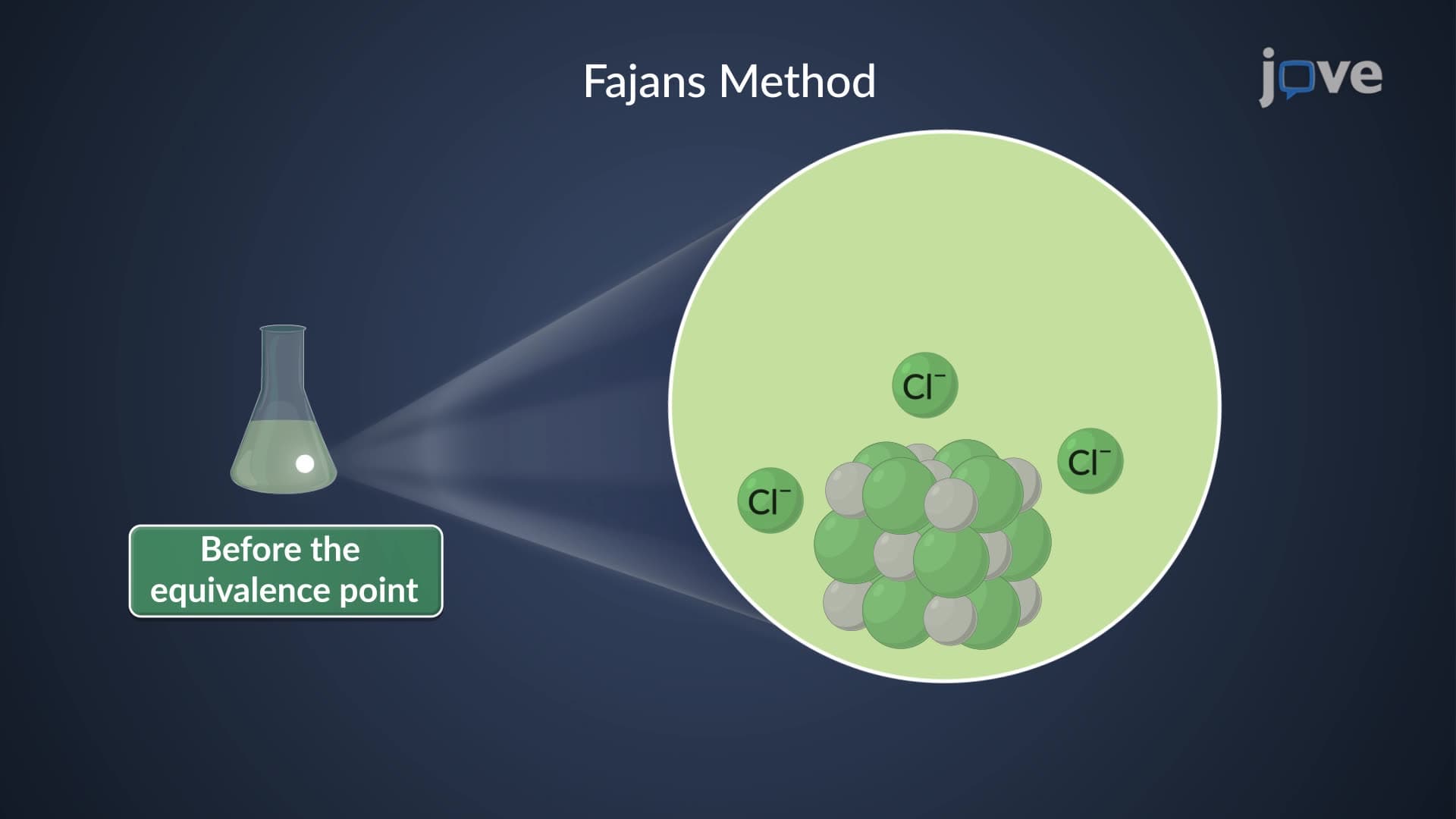
The Mohr Volhard Fajans method represents three distinct endpoint detection approaches. Mohr method uses chromate indicator, producing red Ag₂CrO₄ at the endpoint. Volhard method employs back-titration with thiocyanate, while Fajans method utilizes adsorption indicators like fluorescein. These halide precipitation titration techniques appear frequently on AP Chemistry exams and college analytical chemistry courses.
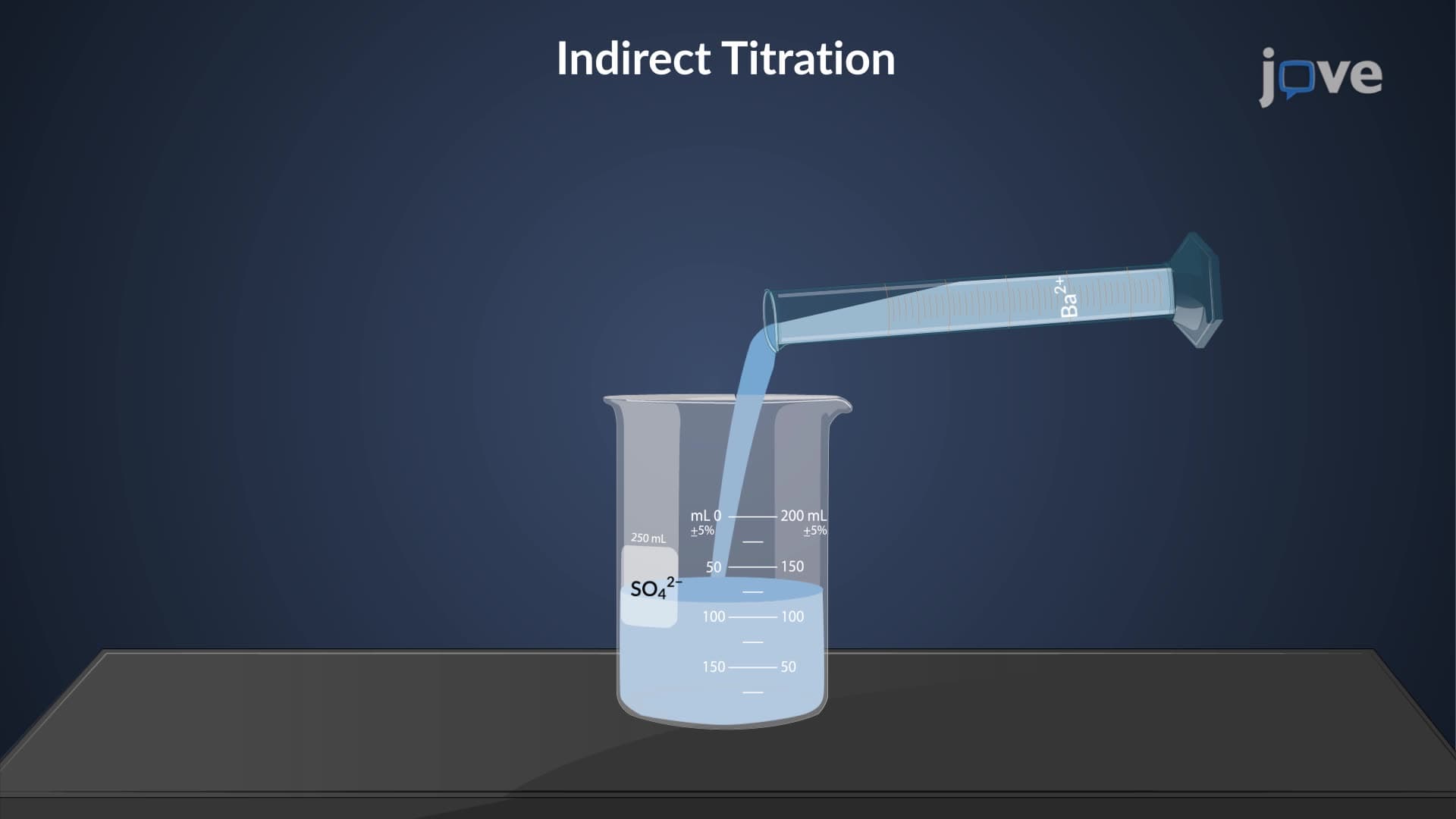
Precipitation reaction volumetric analysis extends beyond simple chloride determination. Food scientists analyze sulfate in wine using barium chloride titrations, while forensic laboratories determine fluoride in dental products. The EPA mandates precipitation titration protocols for measuring various ionic pollutants in industrial wastewater, demonstrating the method's regulatory importance.
Students preparing for the MCAT will encounter precipitation titration in general chemistry sections, particularly when calculating equivalence points and interpreting solubility equilibria. College organic chemistry labs frequently incorporate these techniques when purifying compounds and verifying product identity.
Related Micro-courses