Loading subject page…


72,642 views

Video Summary: What Is Edta Chemistry and Properties
Ever wondered how water treatment plants in cities like Los Angeles remove toxic heavy metals from drinking water? EDTA chemistry properties make this possible through a fascinating process called chelation, where this powerful molecule acts like a molecular claw. Ethylenediaminetetraacetic acid (EDTA) forms incredibly stable cage-like structures around metal ions, with its behavior dramatically changing based on pH levels-from inactive at low pH to fully active above pH 10. Watch the full video on JoVE Coach to master this concept with expert-led visuals and step-by-step explanations.
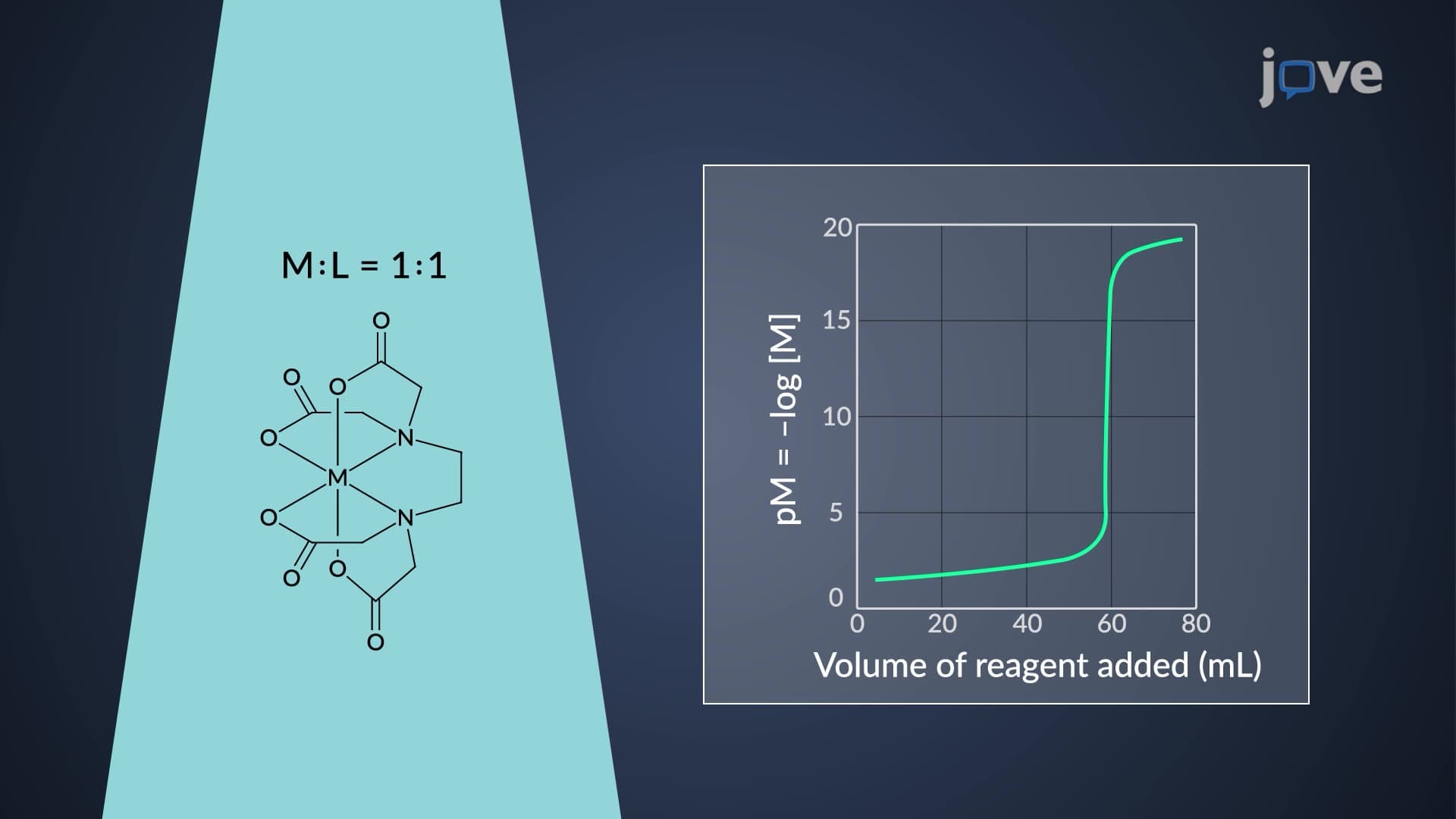
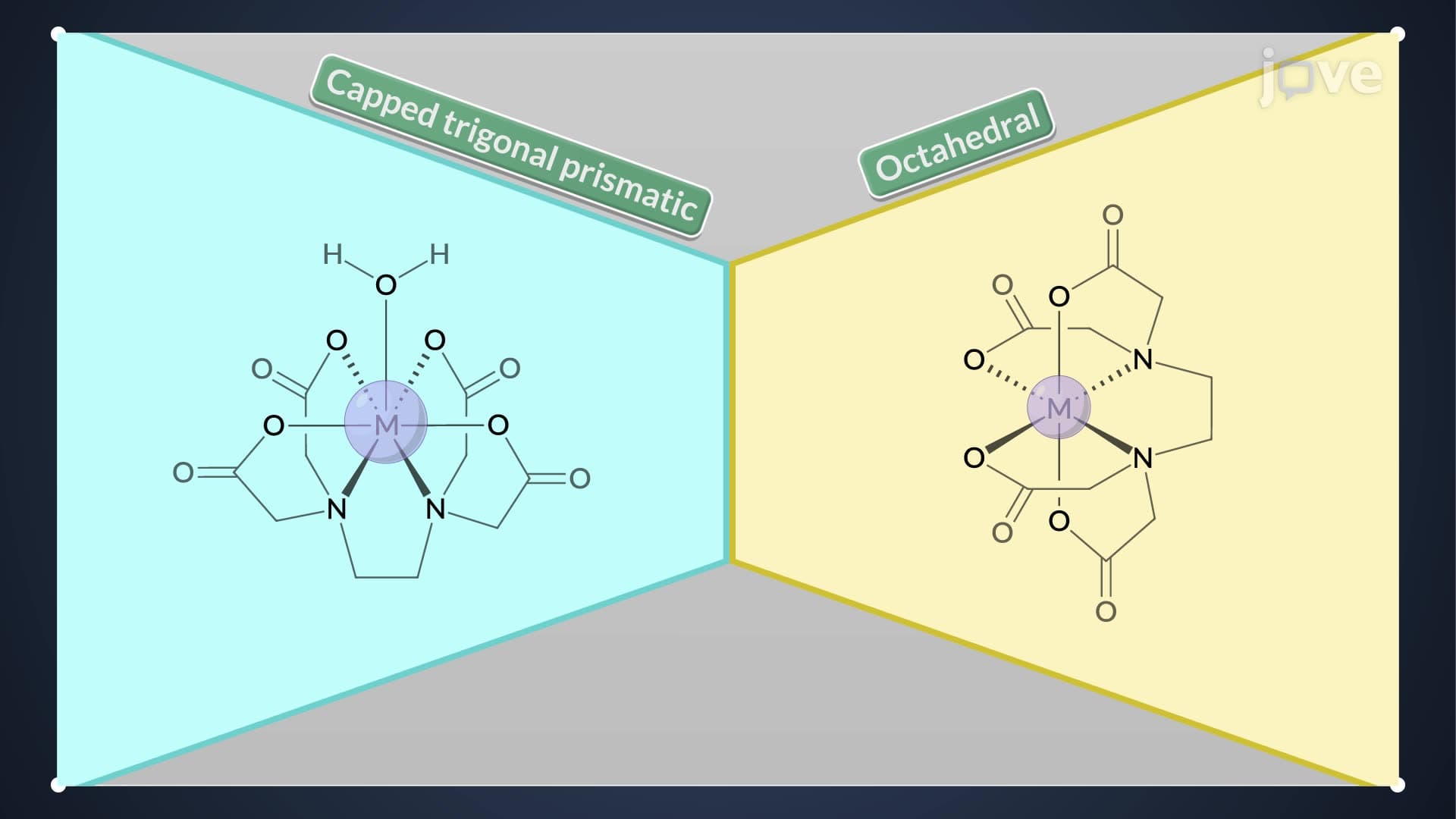
EDTA chemistry properties center around ethylenediaminetetraacetic acid's unique ability to form extraordinarily stable complexes with metal ions. Unlike simple monodentate ligands that bind through single attachment points, EDTA functions as a hexadentate ligand, meaning it can form six simultaneous bonds with a single metal ion. This creates a cage-like structure that essentially "locks" the metal ion in place, making EDTA invaluable in applications from medical treatments for heavy metal poisoning to industrial water treatment processes across the United States.
The molecular architecture of EDTA includes four carboxyl groups (-COOH) and two amine groups (-NH-), each containing lone pairs of electrons capable of donating to metal centers. When EDTA chemical properties analytical applications are considered, this structure becomes crucial. The resulting metal-EDTA complexes adopt geometries that vary based on the size and electronic configuration of the coordinated metal ion. Larger ions like calcium and magnesium form different spatial arrangements compared to smaller transition metals like copper or zinc, affecting both stability and analytical detection methods.
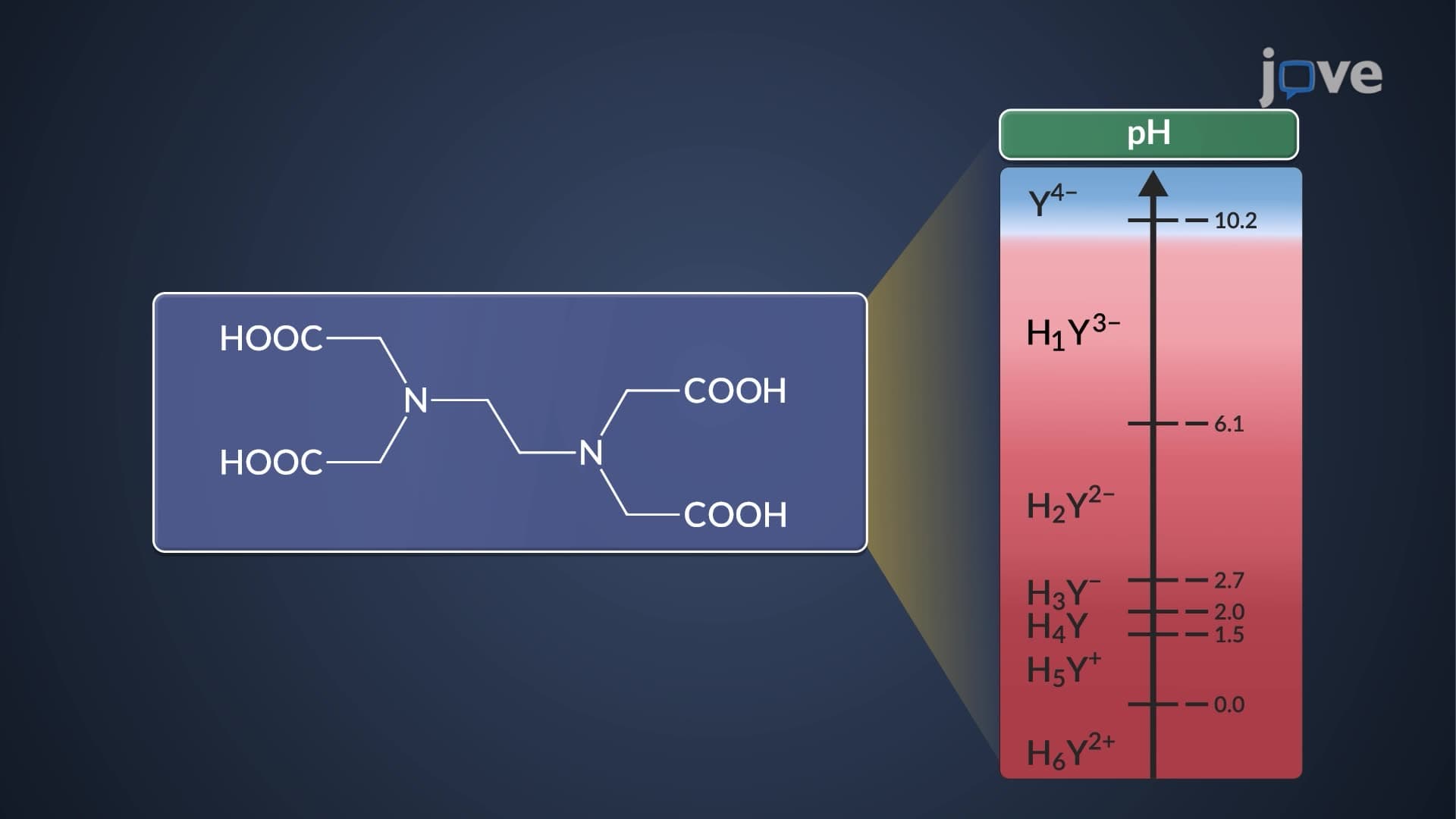
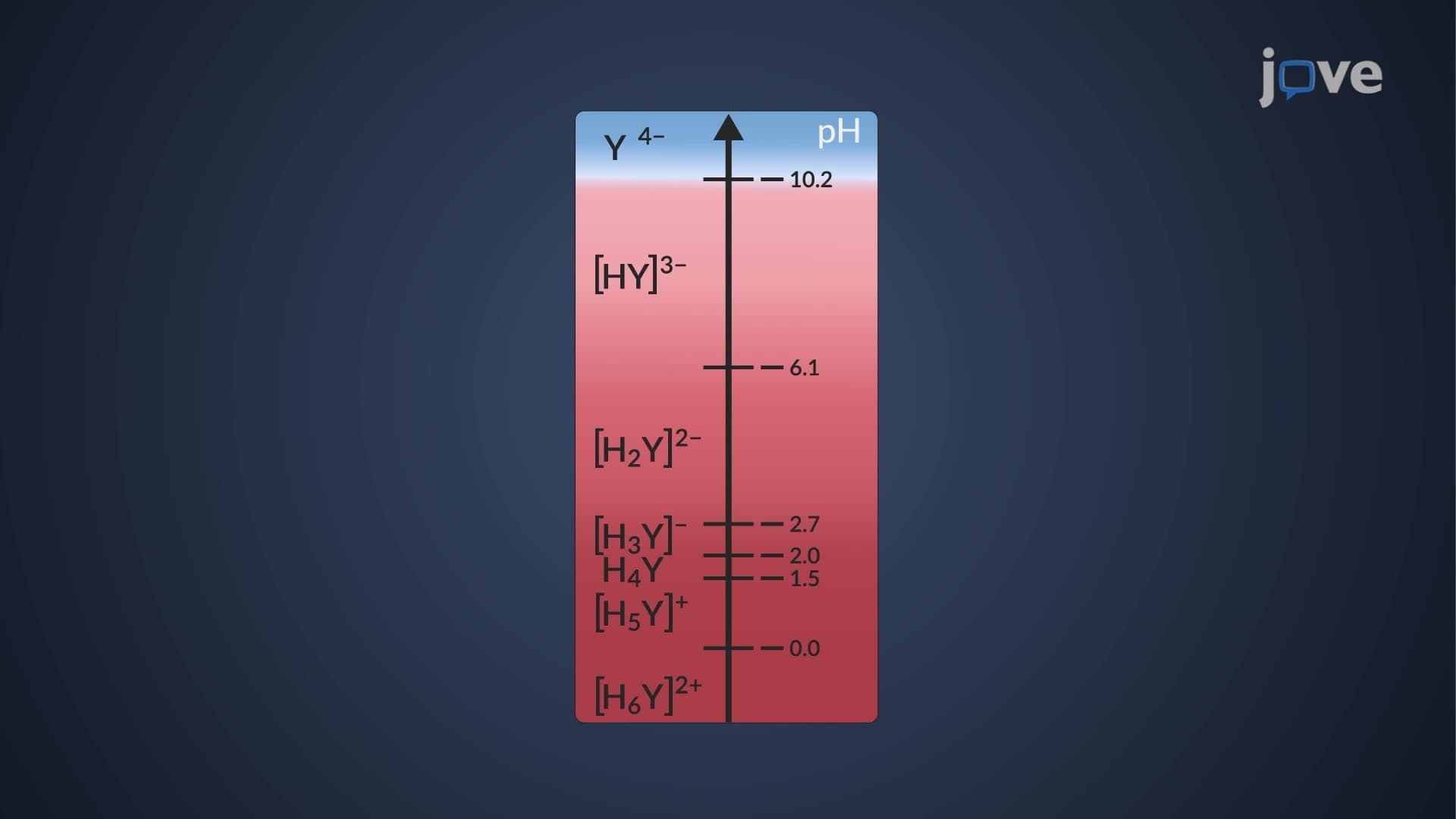
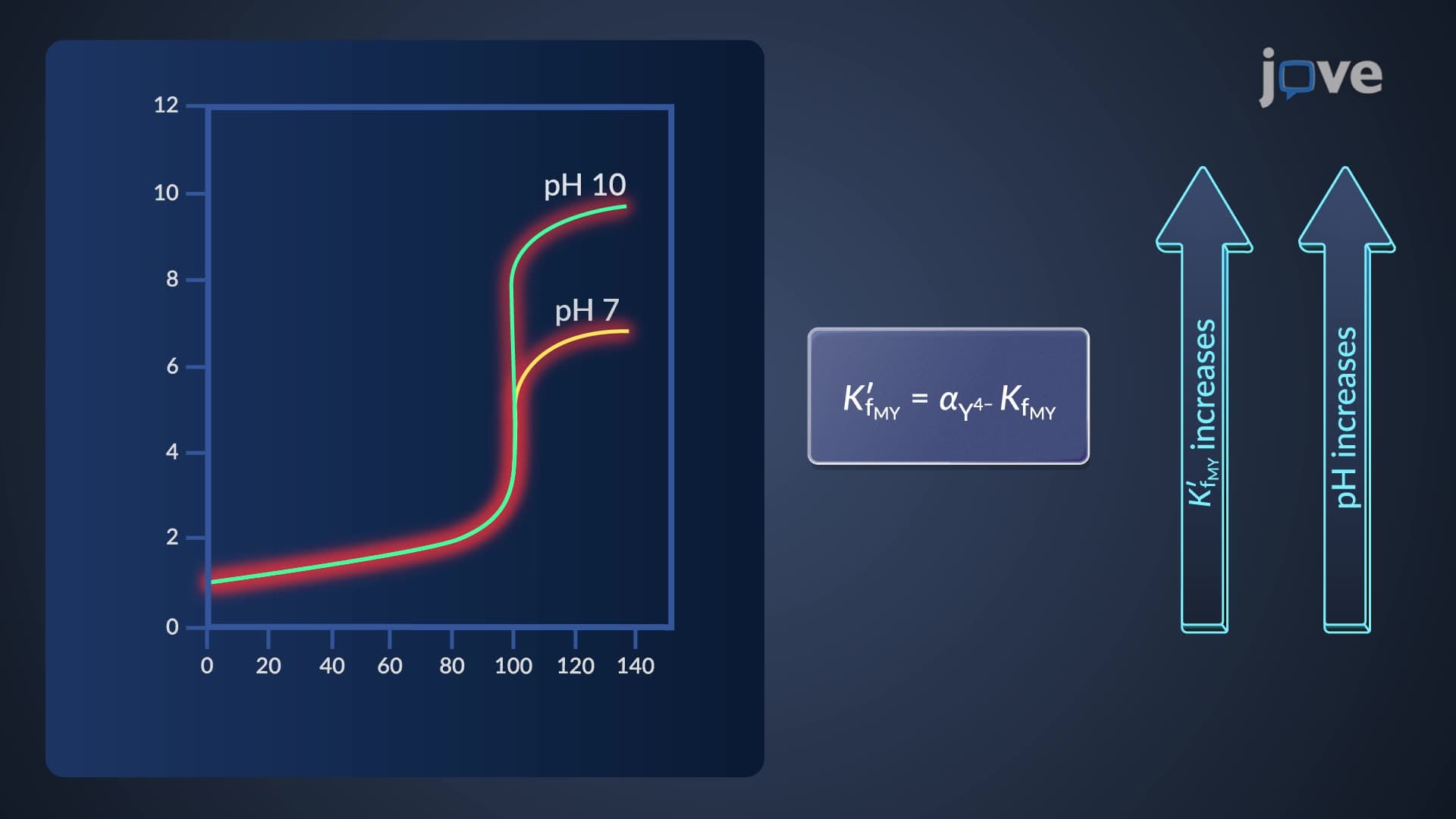
One of the most critical aspects of what are the properties of EDTA in chemistry involves understanding its pH-sensitive behavior. At extremely low pH values (below 2), EDTA exists primarily as a hexaprotic acid, with all six potential binding sites protonated and unavailable for metal coordination. As pH increases, successive deprotonation occurs, creating penta-, tetra-, tri-, di-, and monoprotic species. The fully deprotonated form, predominant above pH 10, represents EDTA's most active chelating state. This pH dependence is crucial for AP Chemistry students to master, as it directly impacts analytical procedures and explains why EDTA titrations require specific pH buffering.
For college-level analytical chemistry courses and standardized exams like the MCAT, understanding EDTA's chelate effect becomes essential. The stability of EDTA complexes far exceeds that of comparable monodentate ligands due to favorable entropy changes during complex formation. In practical US applications, this principle enables EDTA's use in everything from food preservation (preventing metal-catalyzed oxidation) to medical chelation therapy for lead poisoning treatment in American hospitals. Students preparing for AP Chemistry exams should focus on calculating formation constants and predicting complex stability based on pH conditions.
Related Micro-courses