Loading video…


 22 Concepts
 72.7K views

Video Summary: What Is Gravimetry
Ever wondered how forensic scientists determine the exact silver content in a piece of evidence, or how environmental labs measure pollutants in water samples? Gravimetry analytical chemistry provides the answer through precise weighing techniques that form the backbone of quantitative analysis. This fundamental method isolates and weighs analytes directly or after chemical conversion, with applications ranging from EPA water testing to pharmaceutical quality control. Watch the full video on JoVE Coach to master this concept with expert-led visuals and step-by-step explanations.
Gravimetry analytical chemistry represents one of the oldest and most reliable quantitative analysis methods, where accuracy depends on precise mass measurements rather than instrument calibration. Unlike spectroscopic methods that rely on light absorption or emission, gravimetric techniques provide absolute measurements through direct weighing, making them invaluable reference standards in analytical laboratories across the United States.
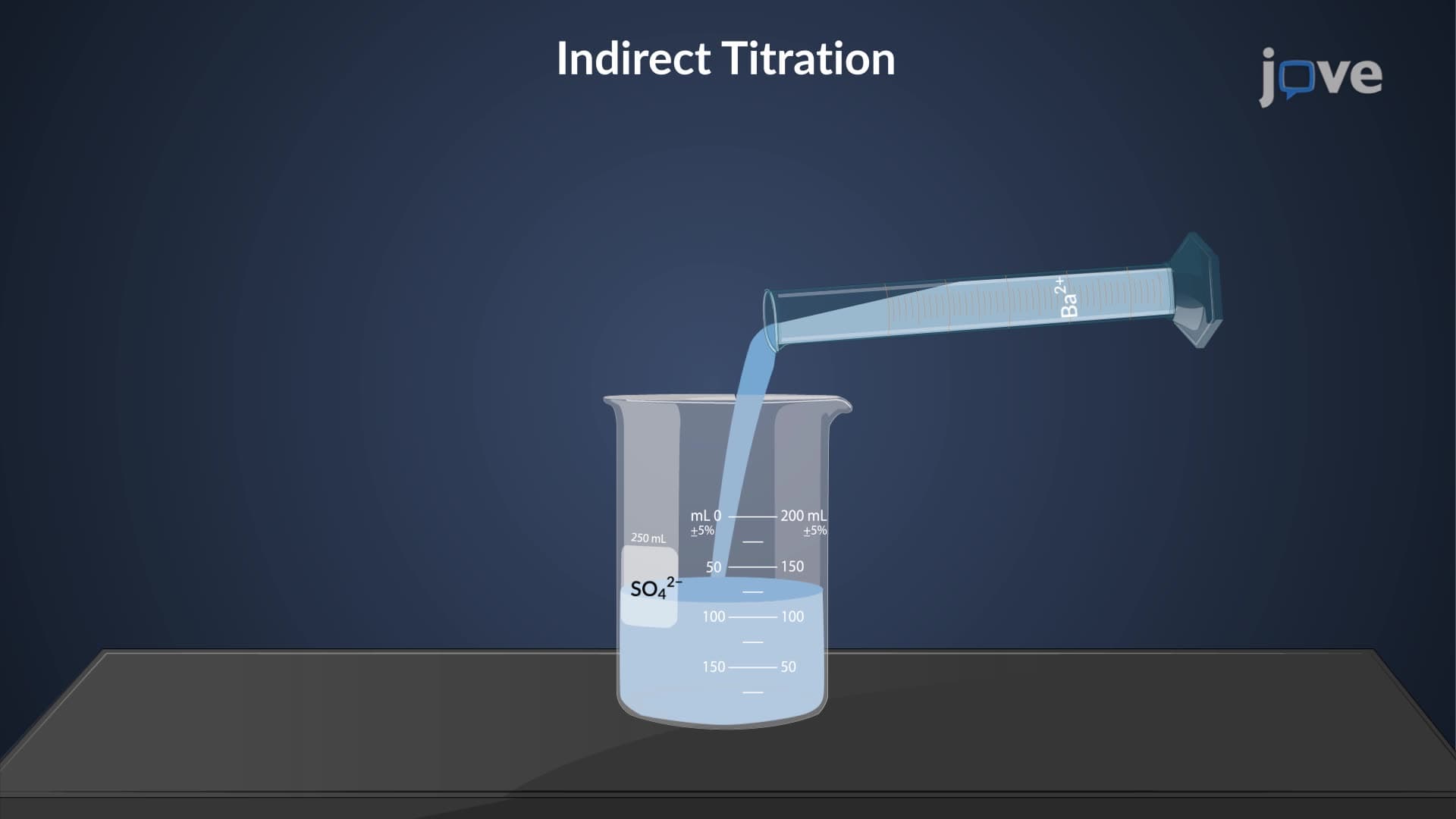
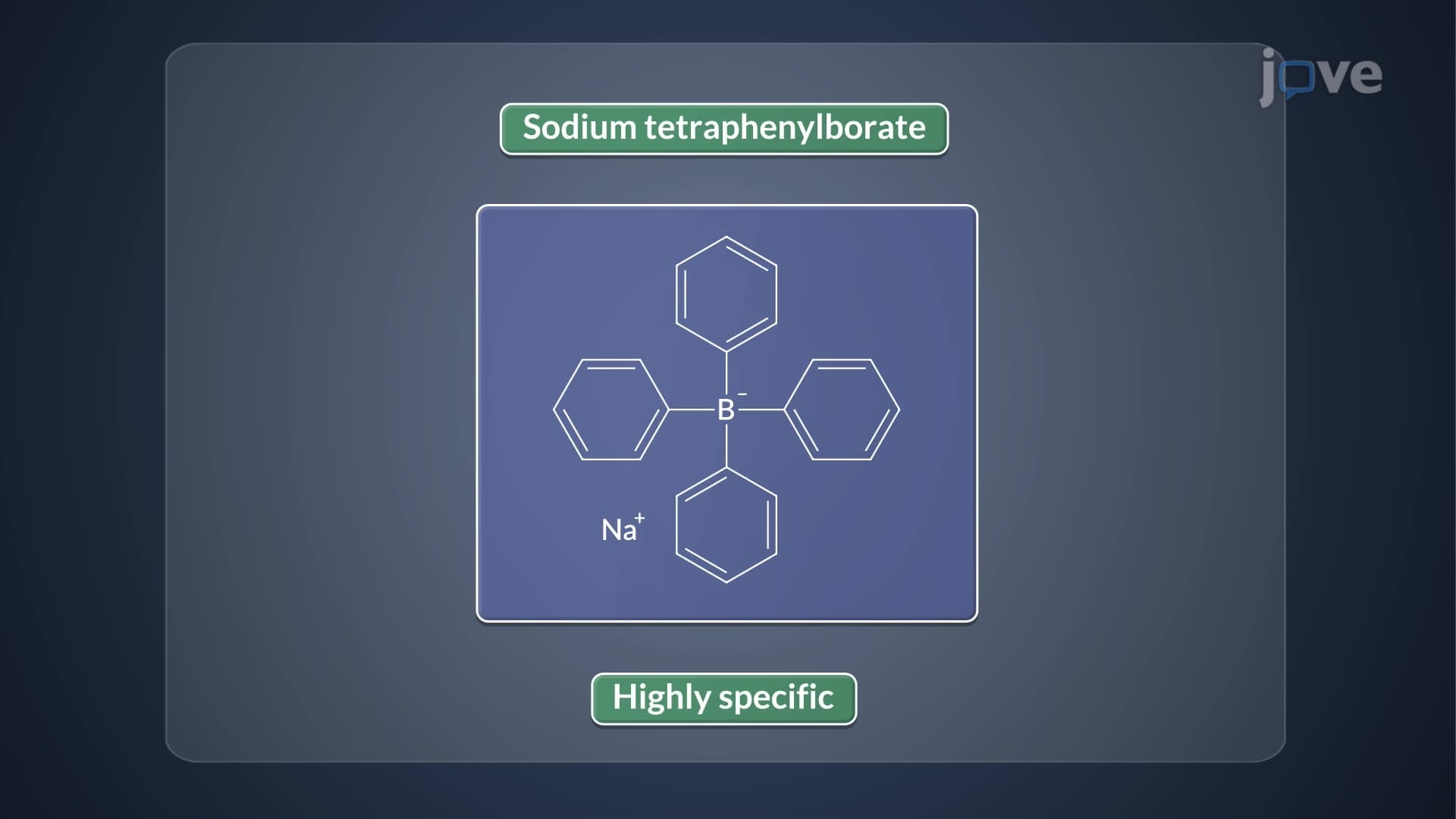
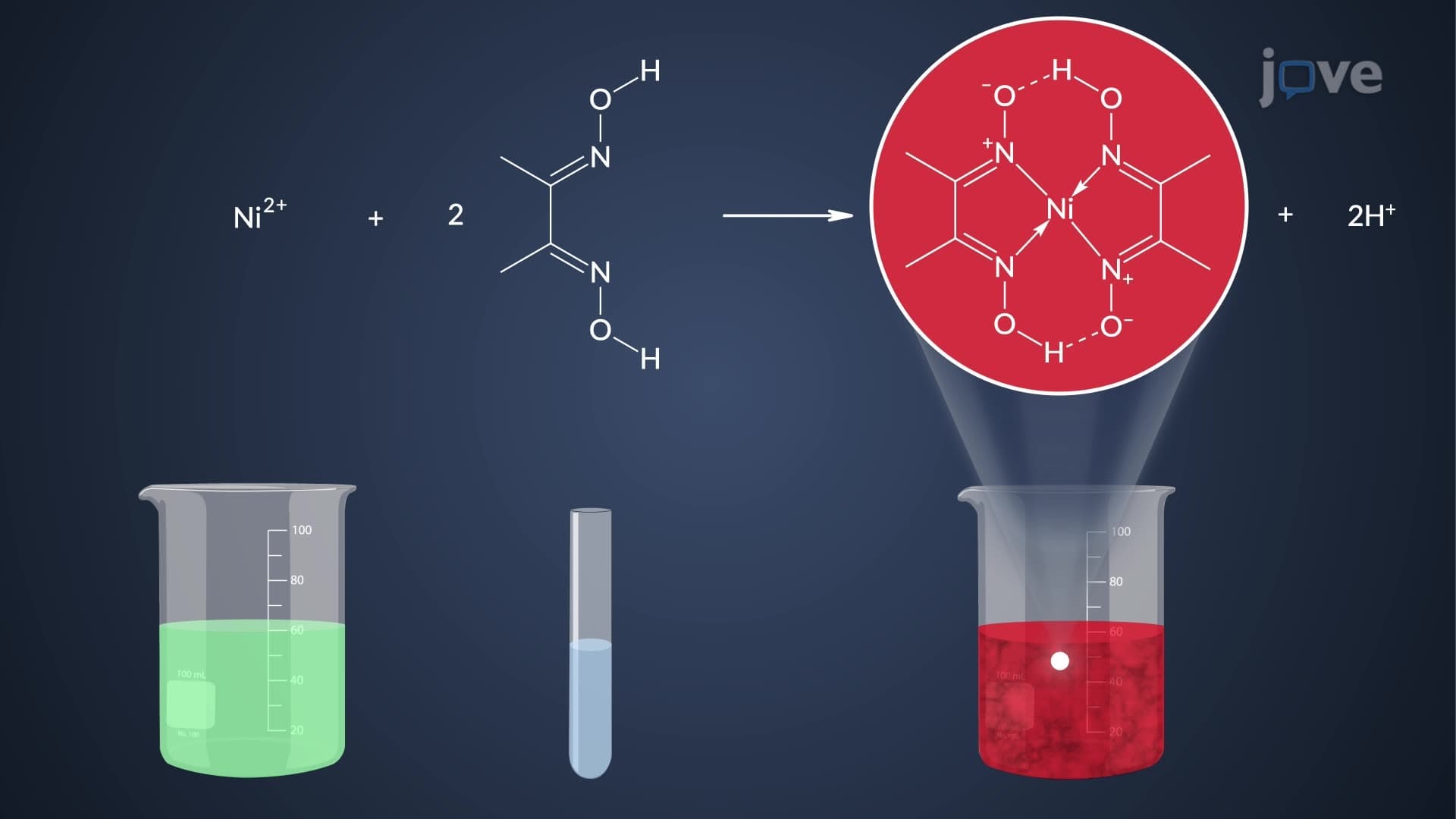
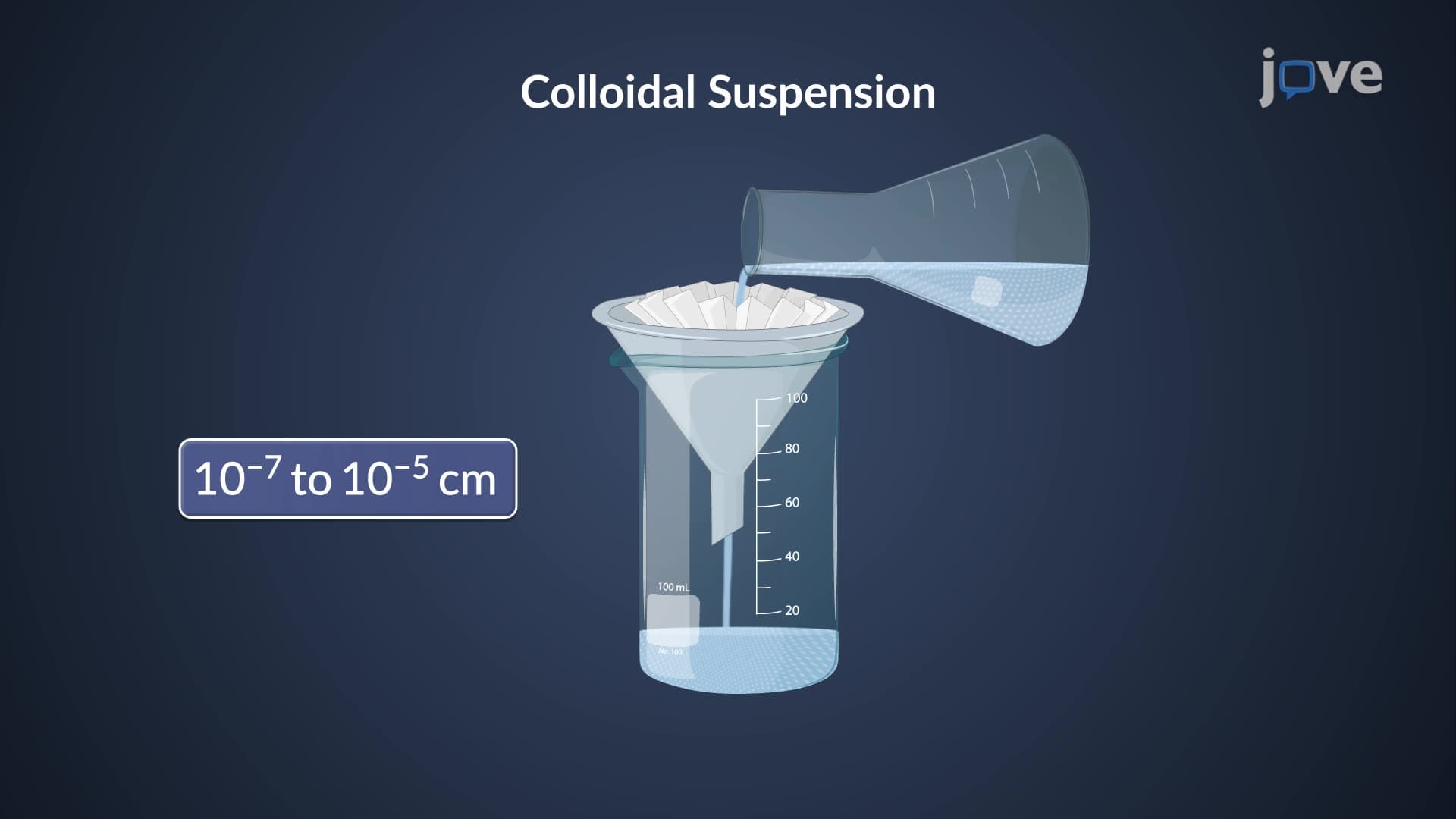
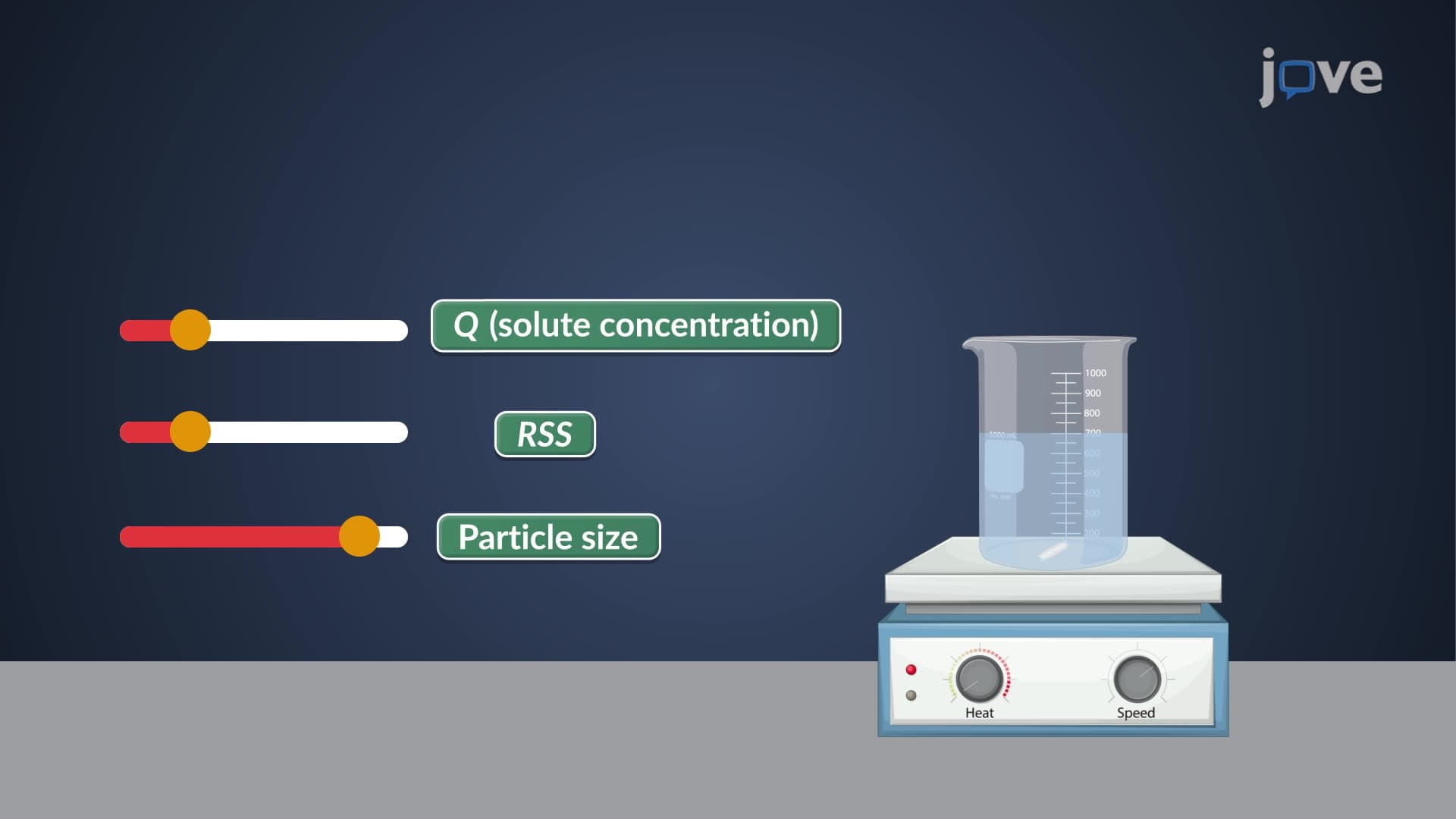
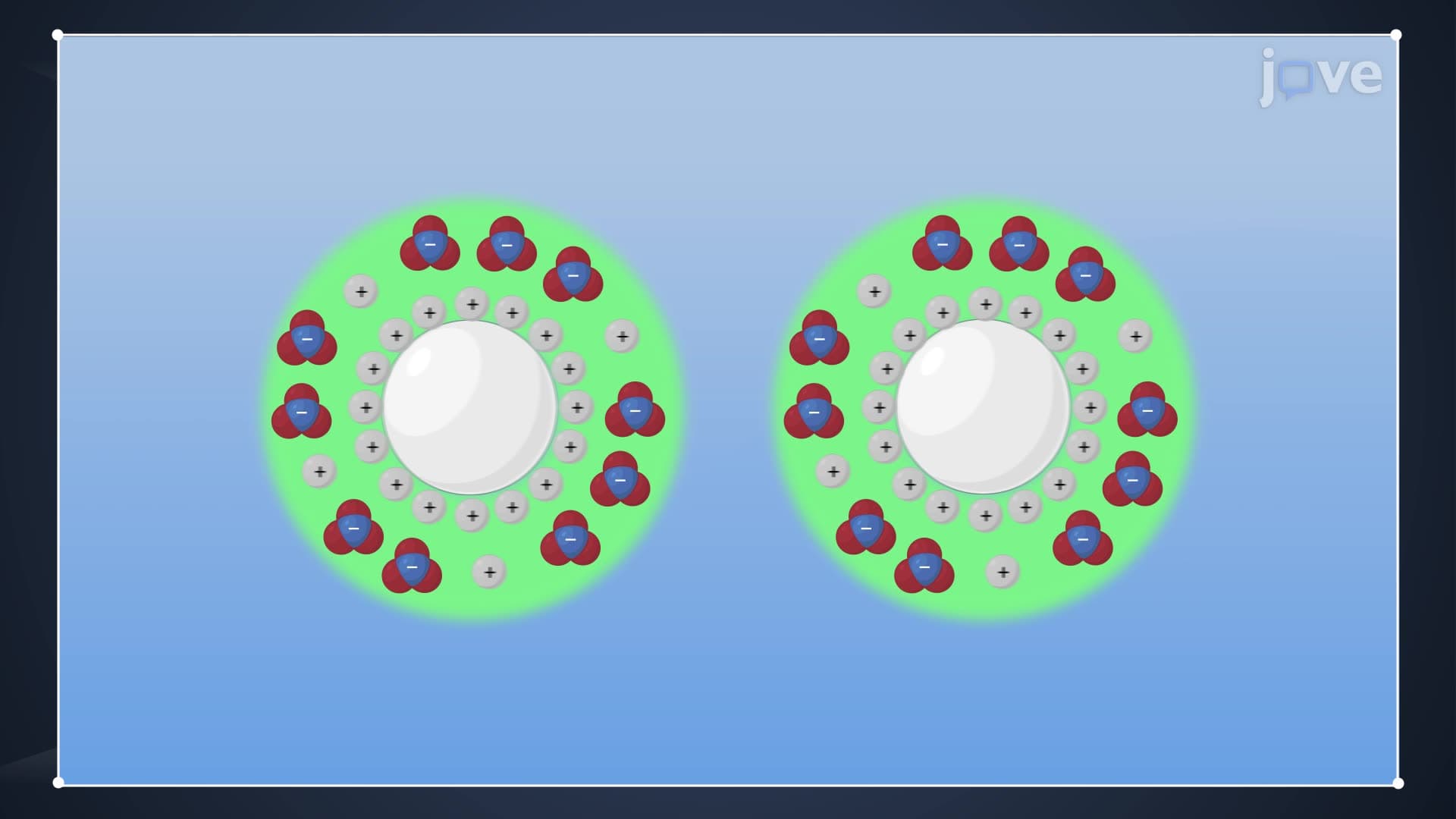
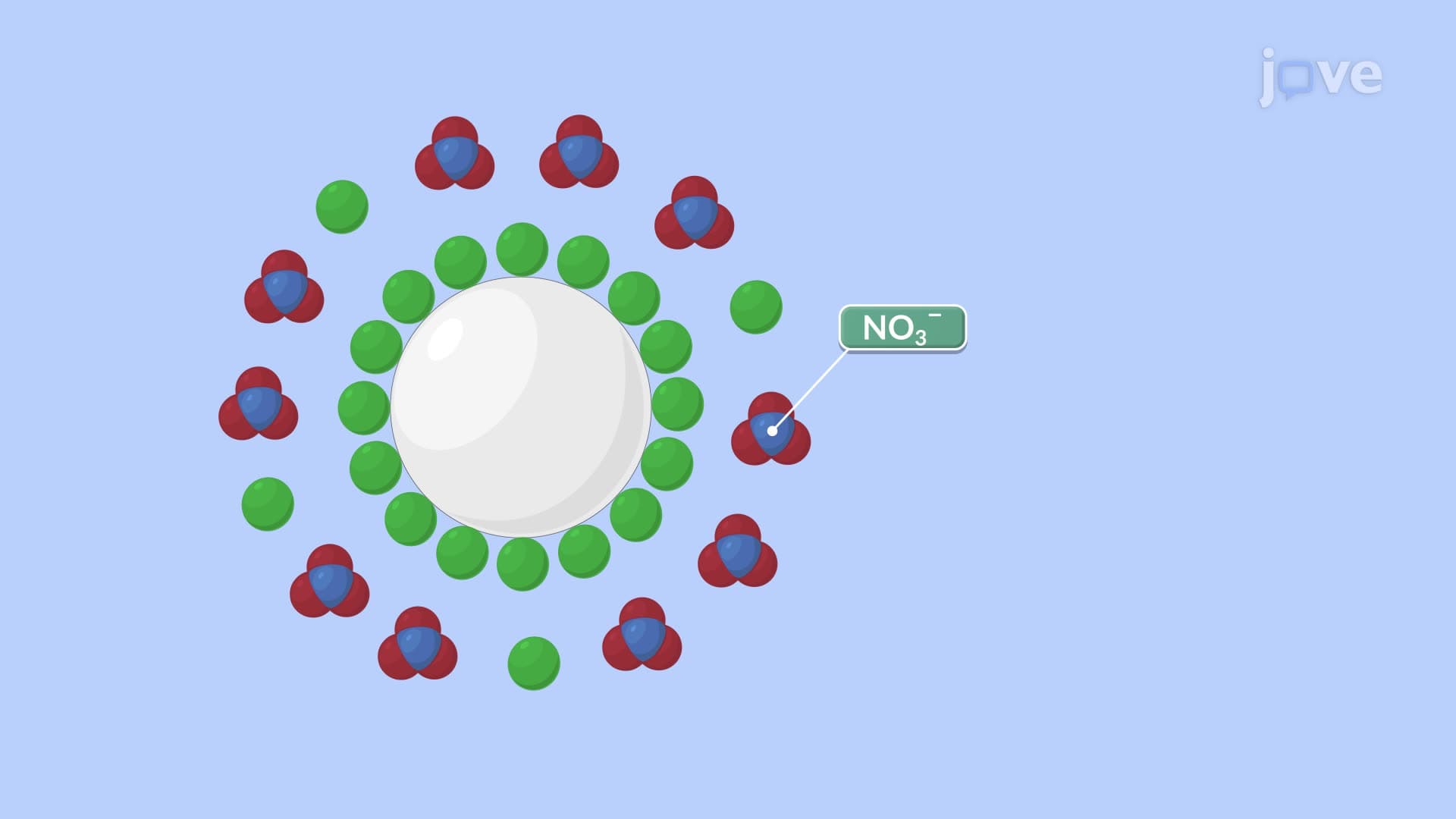
Precipitation gravimetry technique dominates gravimetric analysis, accounting for approximately 70% of gravimetric procedures used in US analytical labs. The process involves converting the analyte into an insoluble precipitate with known stoichiometry. For example, silver analysis in jewelry authentication requires converting silver ions to silver chloride precipitate using hydrochloric acid. The precipitate's mass directly correlates to the original silver content through stoichiometric calculations. Students preparing for AP Chemistry exams frequently encounter precipitation problems involving barium sulfate formation for sulfate determination or calcium oxalate precipitation for calcium analysis.
Electrogravimetry utilizes electrical current to deposit metal ions onto electrodes, enabling precise quantification through mass difference measurements. US copper refineries employ this technique for purity analysis, where copper ions plate onto cathodes under controlled voltage conditions. The method's precision makes it essential for quality control in electronics manufacturing, where copper purity directly impacts conductivity. College analytical chemistry courses emphasize electrogravimetric calculations involving Faraday's laws and current efficiency.
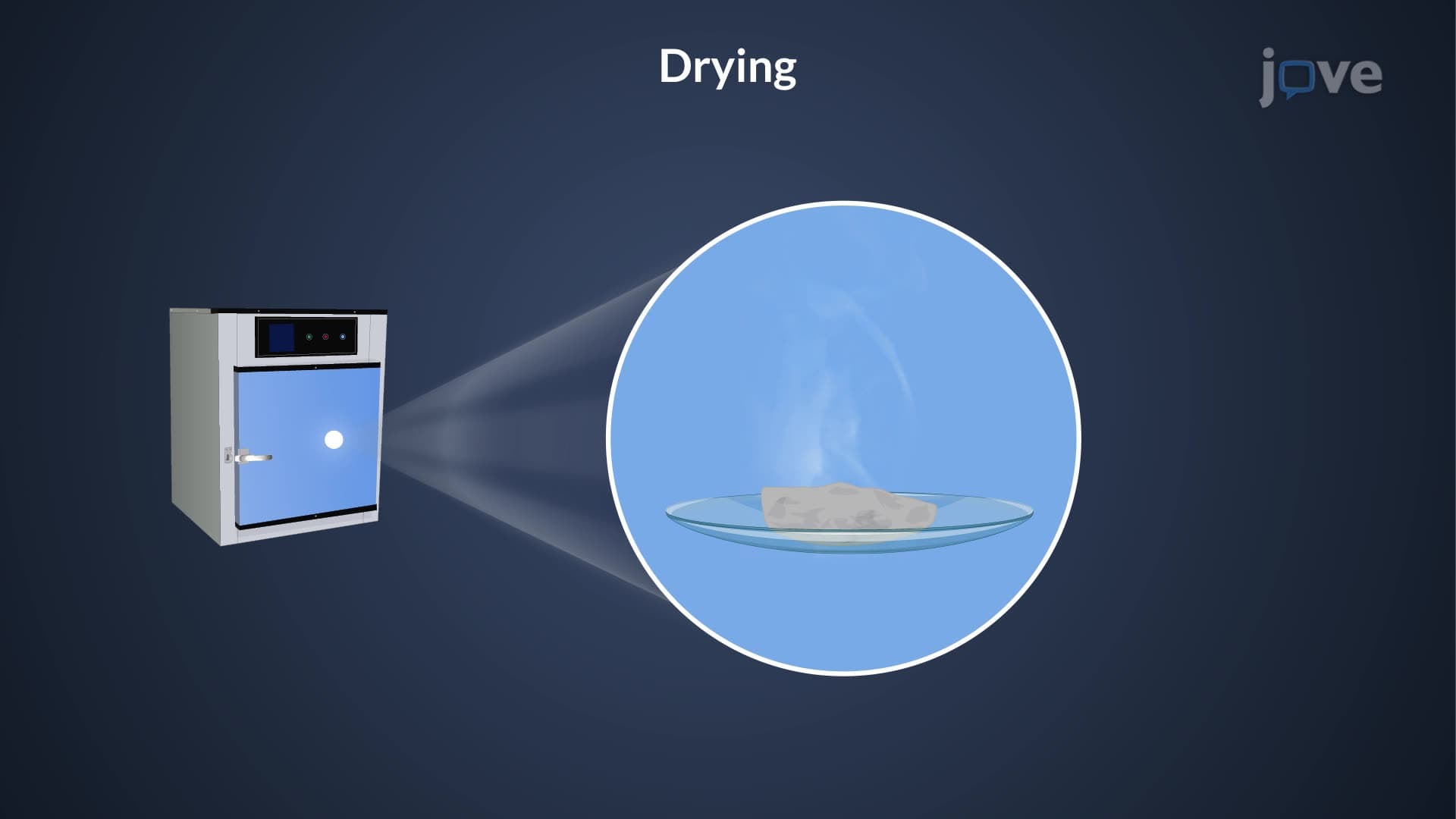
Volatilization gravimetry serves critical roles in environmental monitoring across US laboratories. EPA-certified labs use this method to determine moisture content in soil samples by measuring mass loss upon heating, or to quantify carbonate content in geological samples through CO2 evolution. Particulate gravimetry applications include measuring suspended solids in wastewater treatment facilities and determining particulate matter concentrations in air quality studies. These methods support regulatory compliance and environmental protection initiatives nationwide.
The gravimetric factor calculation remains fundamental to all gravimetric methods, converting measured precipitate or deposit masses to analyte concentrations. Students mastering these calculations demonstrate quantitative reasoning skills essential for MCAT success and advanced chemistry coursework.
Related Micro-courses