Loading video…


 22 Concepts
 72.7K views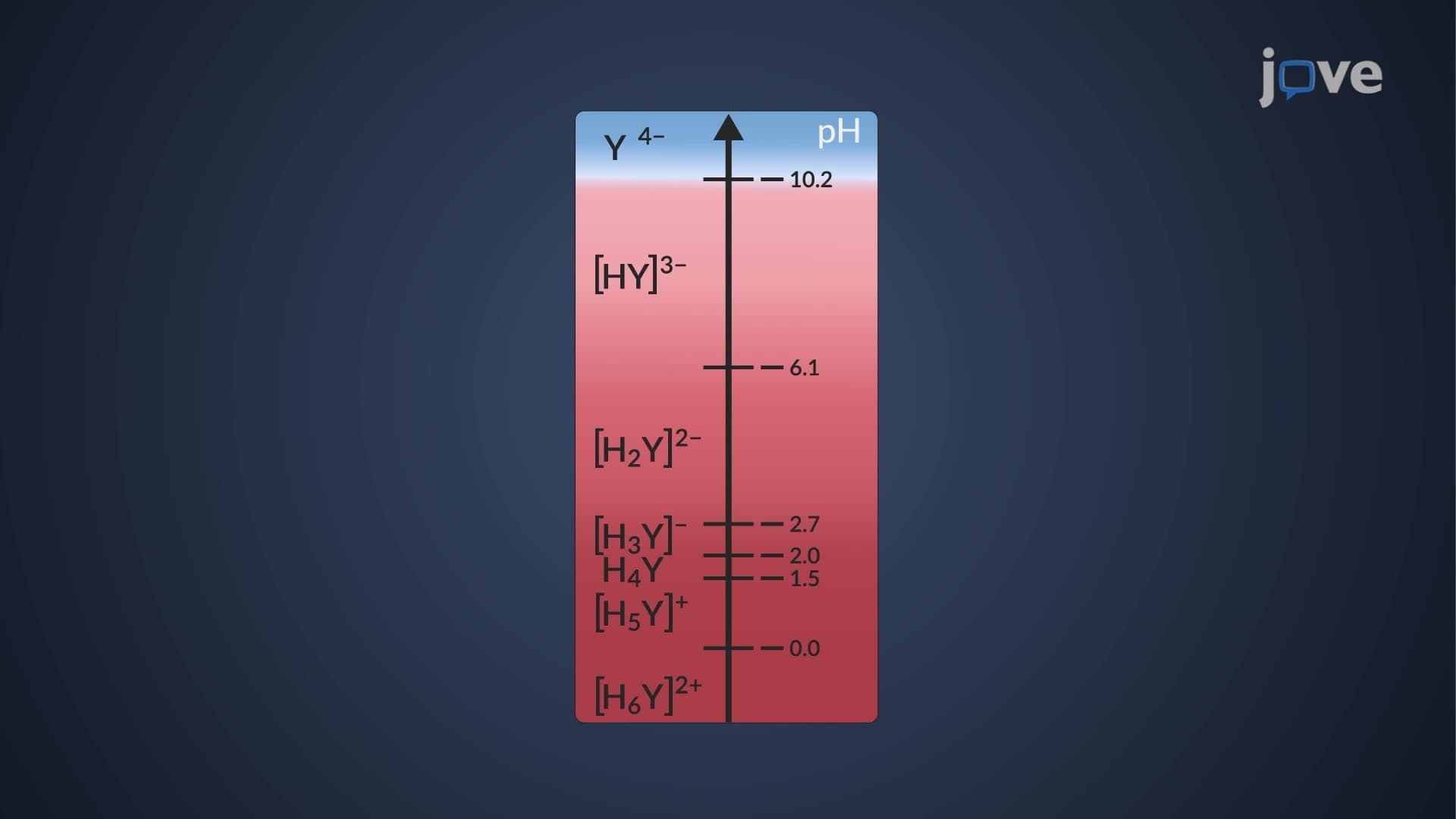

Video Summary: What are Edta Auxiliary Complexing Reagents
Ever wonder why water treatment plants can accurately measure metal contamination even when dealing with complex chemical mixtures? EDTA auxiliary complexing reagents make this precision possible by preventing unwanted precipitation during metal ion analysis. These specialized chemicals, like ammonia in zinc titrations, keep metal ions dissolved and available for measurement in laboratories across the United States, from environmental testing facilities to pharmaceutical quality control labs. Watch the full video on JoVE Coach to master this concept with expert-led visuals and step-by-step explanations.
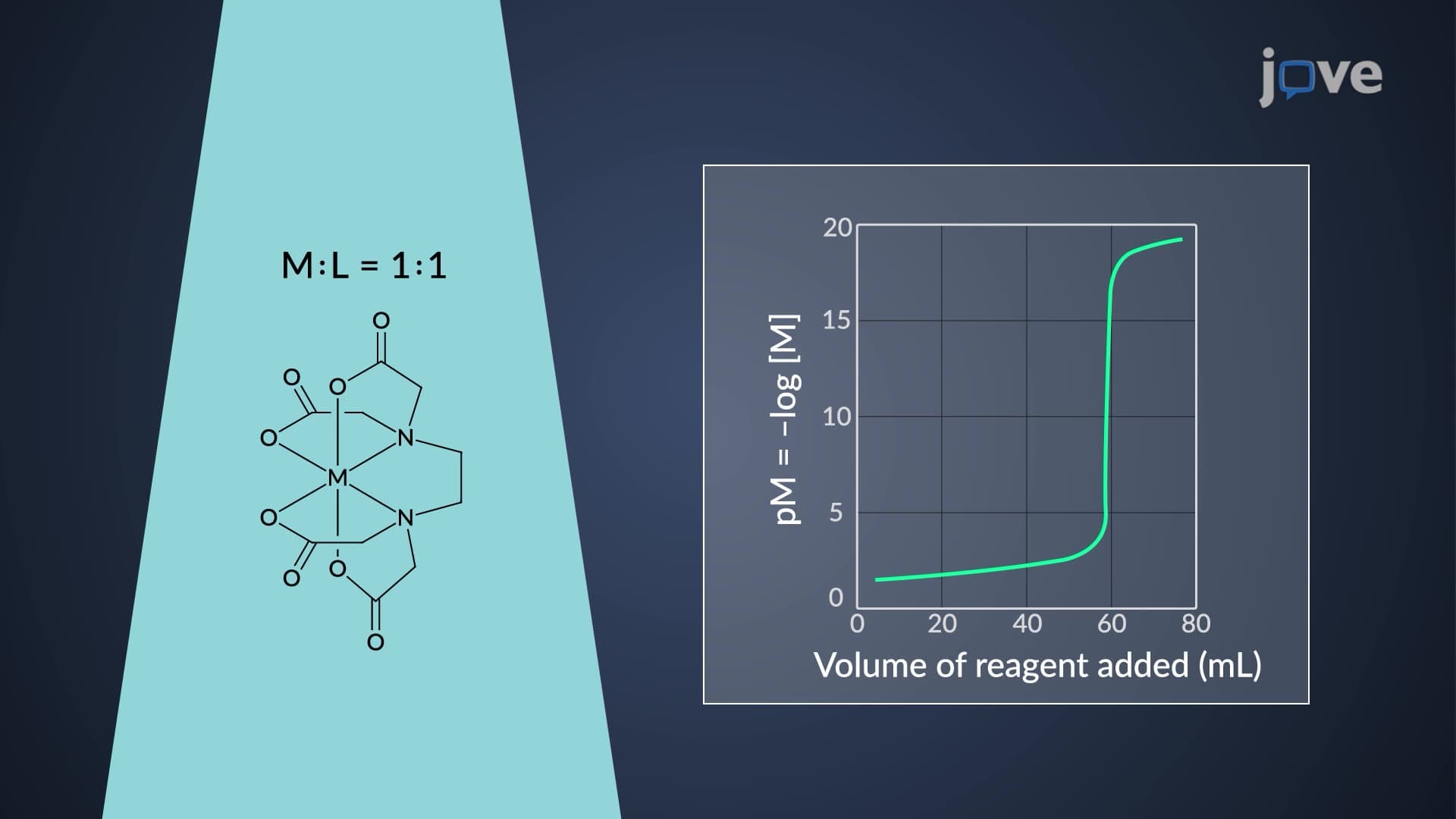
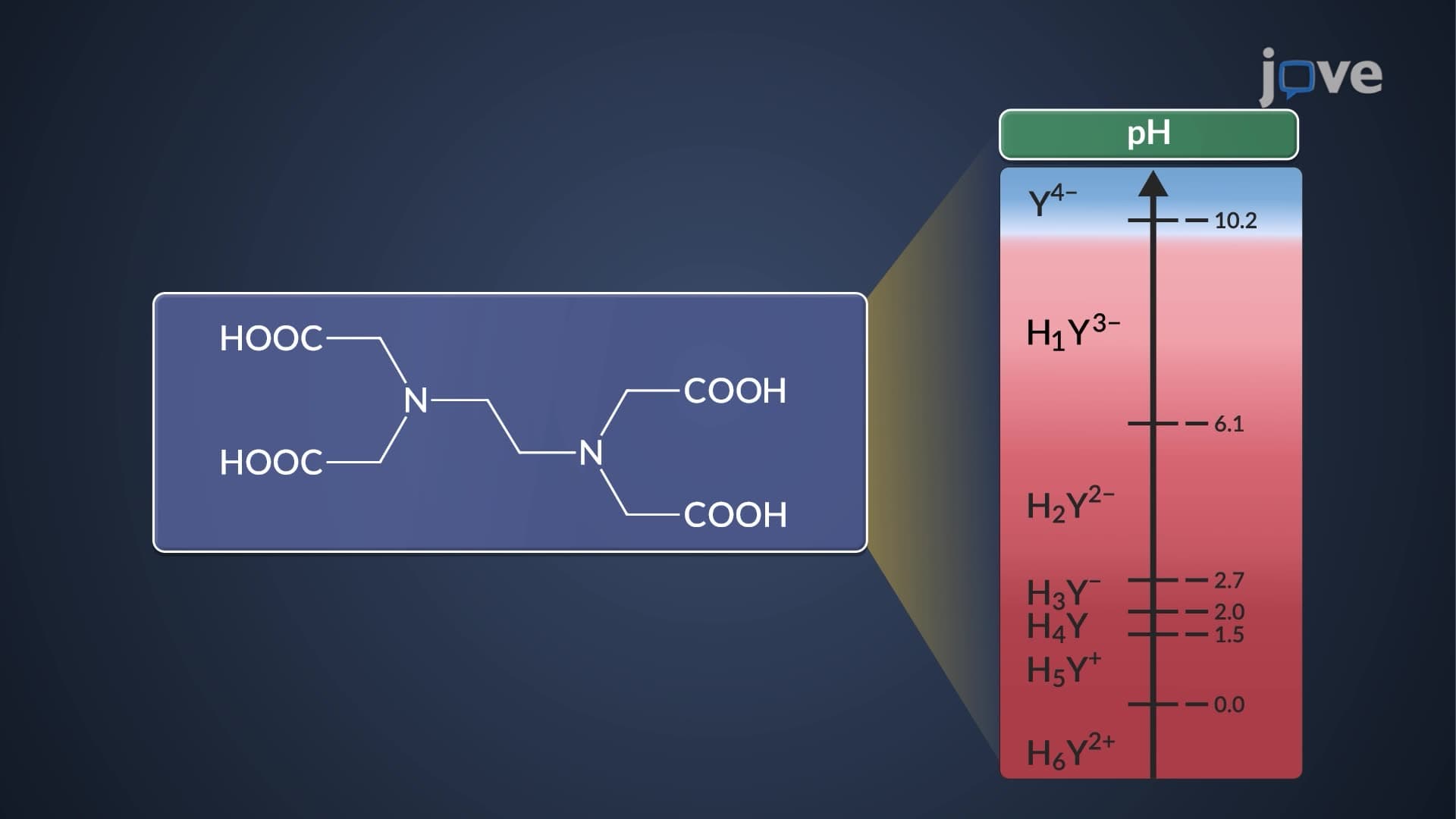
EDTA auxiliary complexing reagents are specialized chemicals that work alongside EDTA to ensure accurate metal ion analysis. These auxiliary ligands solve a critical problem: while EDTA titrations require high pH conditions (typically above 8) for optimal performance, many metal ions form insoluble hydroxide precipitates under these alkaline conditions. This precipitation removes metal ions from solution, leading to inaccurate results in analytical procedures used across industries from water treatment to pharmaceutical manufacturing.
The mechanism behind auxiliary complexing agents involves competitive binding. Take zinc analysis as a prime example-when analyzing zinc content in galvanized steel samples (common in US construction), chemists use ammonia as an auxiliary complexing agent. The ammonia molecules bind with zinc ions, forming soluble zinc-ammonia complexes like Zn(NH3)4^2+. These complexes remain dissolved even at high pH levels, keeping the zinc available for subsequent EDTA binding.
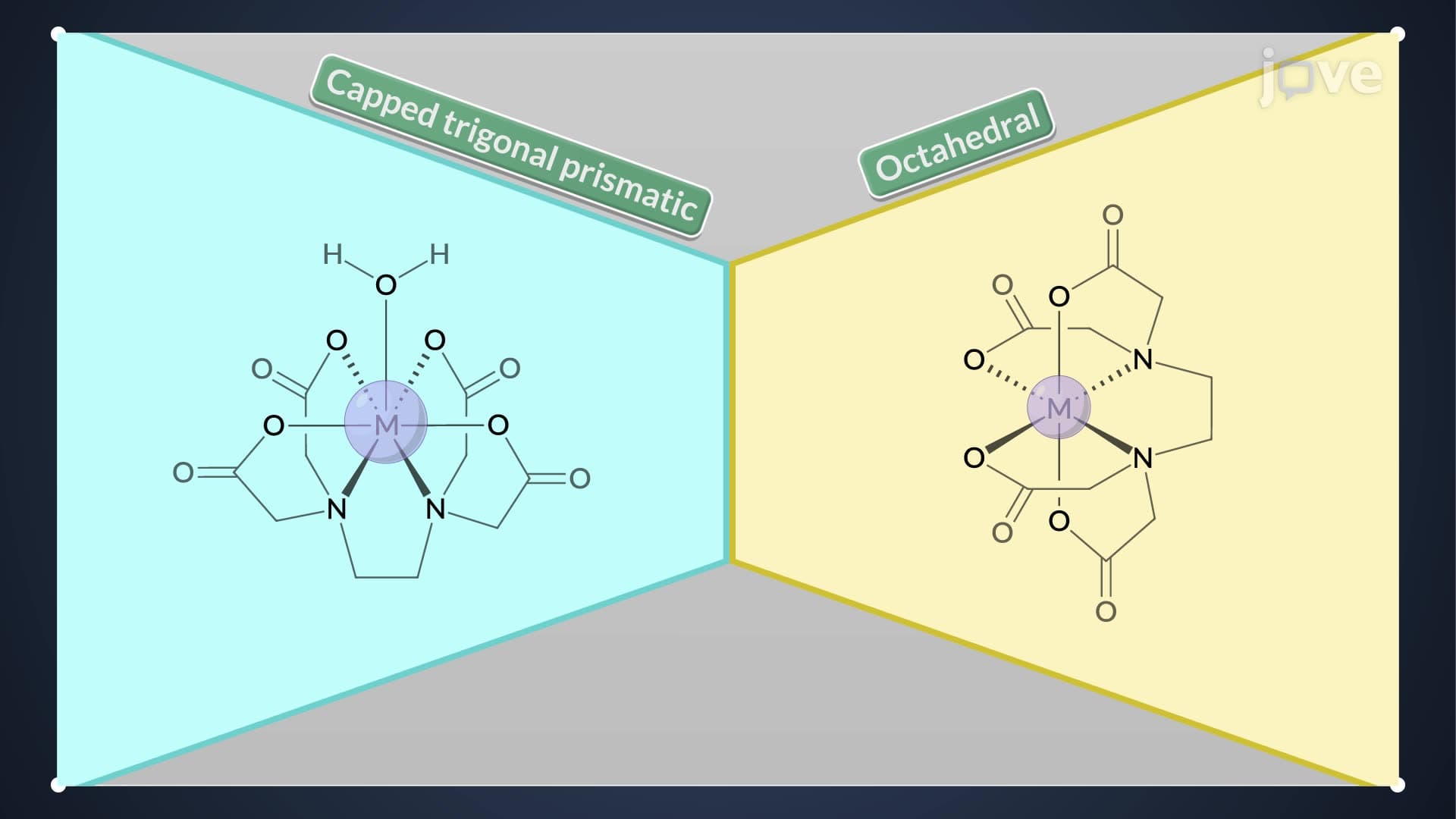
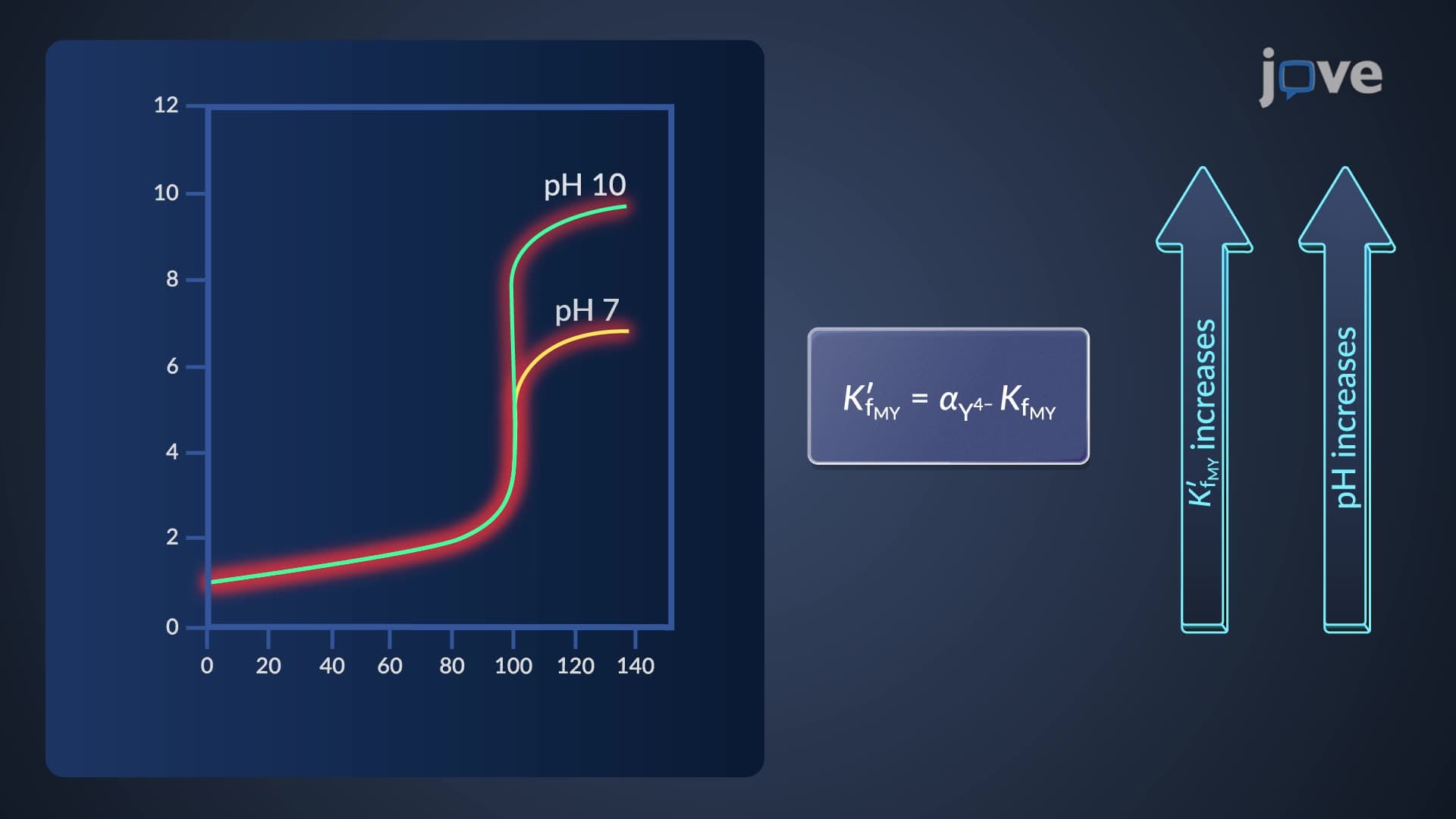
During the actual titration, EDTA displaces the weaker auxiliary ligands because EDTA forms more thermodynamically stable complexes. This displacement follows predictable patterns that analytical chemists exploit. The conditional formation constant (K'f) accounts for both the pH effects and the presence of auxiliary ligands, providing a more accurate representation of the titration equilibrium than simple formation constants.
For students preparing for AP Chemistry or college analytical chemistry courses, understanding that K'f = αY4- × αM × Kf is crucial, where α represents the fraction of each species in its active form. This relationship frequently appears on exams and explains why auxiliary reagents don't interfere with final results-they actually improve accuracy.
US pharmaceutical companies routinely use auxiliary complexing agents when analyzing drug formulations containing multiple metal ions. Environmental testing labs analyzing water samples from the Great Lakes or Colorado River system rely on these techniques to measure trace metals accurately. These real-world applications make auxiliary complexing reagents a favorite topic for MCAT passages and analytical chemistry midterms, where students must interpret data from complex titration scenarios.
Related Micro-courses