Loading subject page…


72,646 views

Video Summary: Precipitation Titration Endpoint Detection Methods Guide
Ever wondered how water treatment facilities know exactly when they've removed all chloride contaminants? Precipitation endpoint detection makes this precision possible through three powerful visual techniques. The EPA relies on these methods daily to monitor drinking water quality across the United States. This Precipitation Titration Endpoint Detection Methods Guide reveals how the Mohr, Volhard, and Fajans methods transform invisible chemical changes into clear visual signals that any analyst can interpret. Watch the full video on JoVE Coach to master this concept with expert-led visuals and step-by-step explanations.
Precipitation endpoint detection forms the backbone of quantitative halide analysis in environmental monitoring, pharmaceutical quality control, and clinical diagnostics. These methods exploit the dramatic visual changes that occur when precipitation reactions reach completion, providing analysts with reliable, cost-effective alternatives to expensive instrumental techniques.
The Mohr method represents the most straightforward approach to endpoint detection precipitation titration. This technique employs potassium chromate as an indicator, which remains yellow in solution until the first excess of silver ions appears. At this critical moment, silver chromate precipitates as a distinctive brick-red solid, clearly marking the endpoint.
Water treatment facilities across the United States routinely use the Mohr method to determine chloride levels in drinking water supplies. The method works optimally at pH 6.5-10.5, making it ideal for most environmental samples. However, analysts must exercise caution with highly colored samples, as they can mask the subtle red precipitate formation.
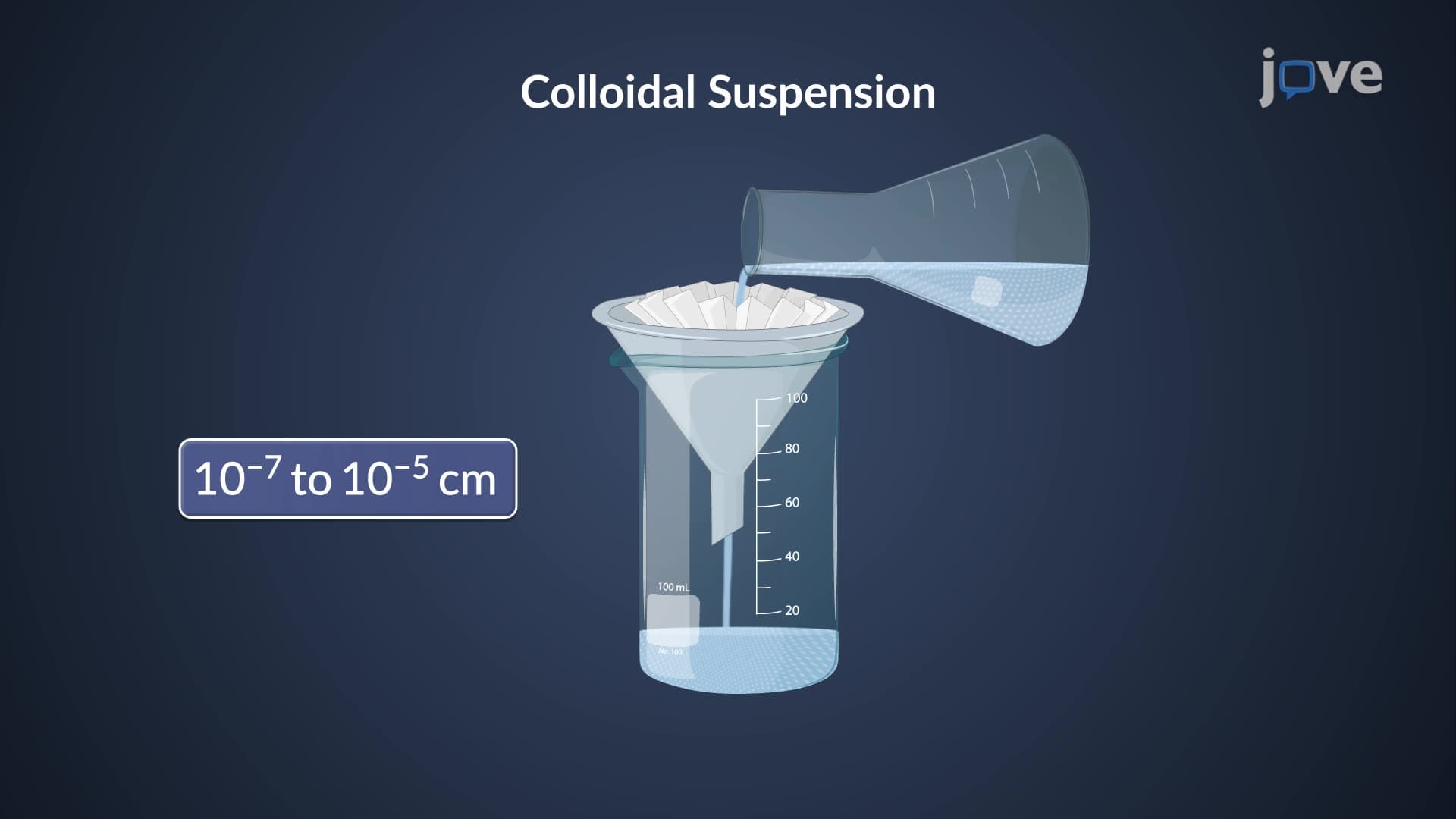
When direct titration proves challenging, the Volhard method offers an elegant back-titration solution. This technique deliberately adds excess silver nitrate to the sample, removes the resulting silver chloride precipitate by filtration, then titrates the remaining silver ions with standard thiocyanate solution using ferric iron as an indicator.
The formation of the blood-red iron(III) thiocyanate complex provides an unmistakable endpoint signal. Pharmaceutical companies favor this method for drug purity analysis, particularly when dealing with colored or turbid samples that would interfere with direct visual detection. The method's versatility extends to bromide and iodide determinations, making it invaluable for comprehensive halide analysis.
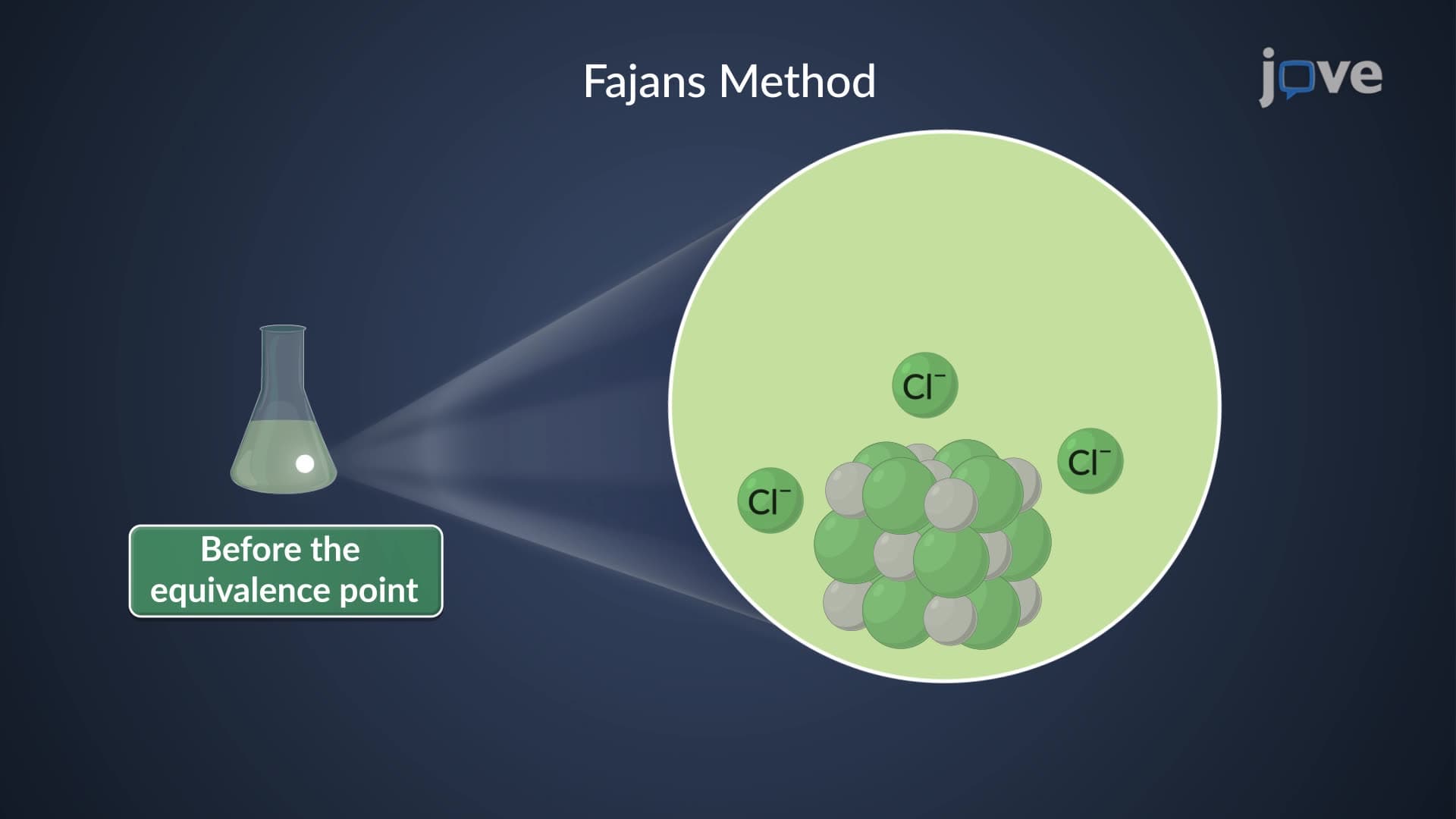
The Fajans method revolutionized methods to detect endpoint in precipitation titration through its use of adsorption indicators. These specialized dyes, such as fluorescein or eosin, exhibit dramatically different colors when adsorbed on precipitate surfaces versus remaining in solution.
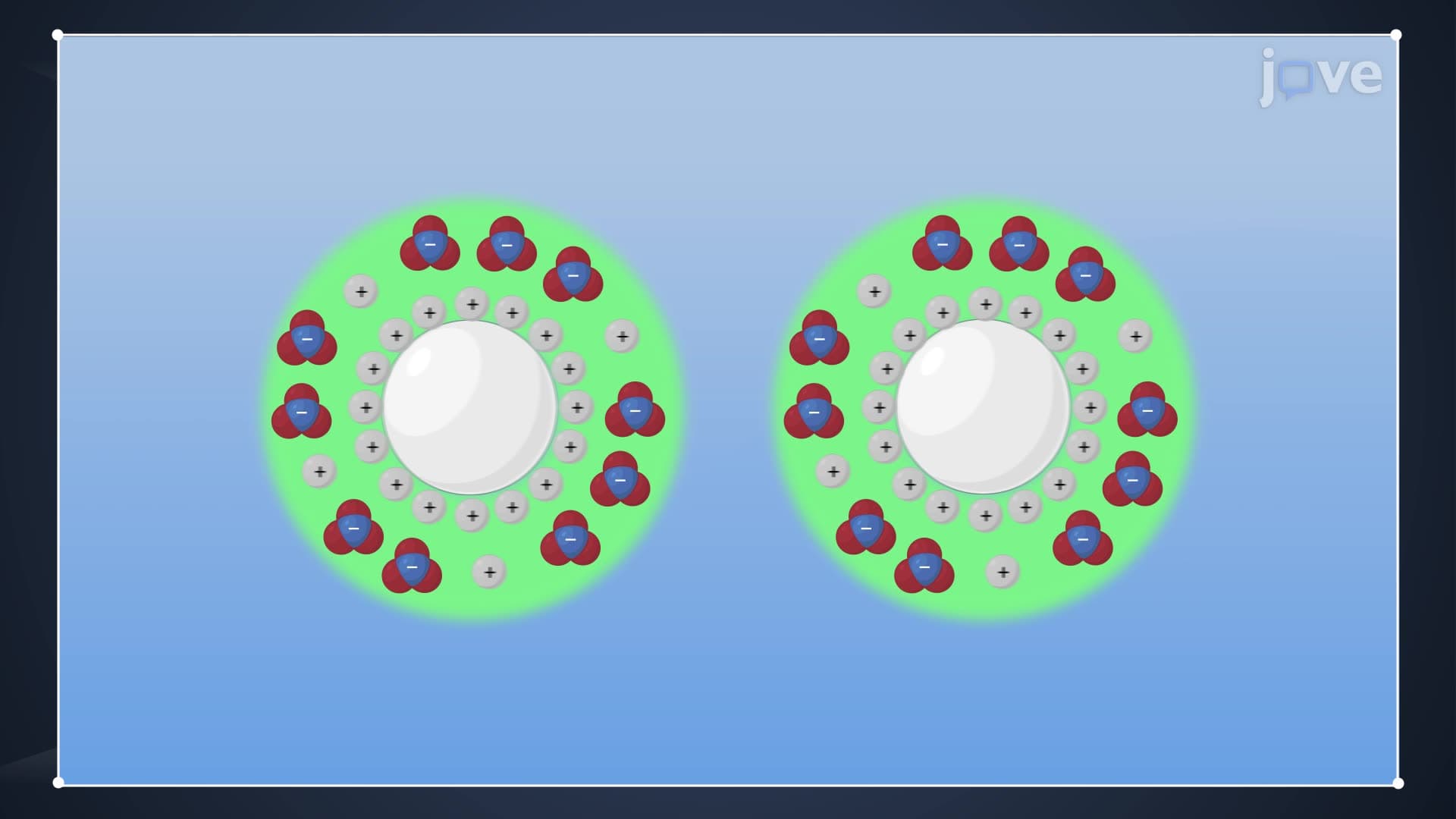
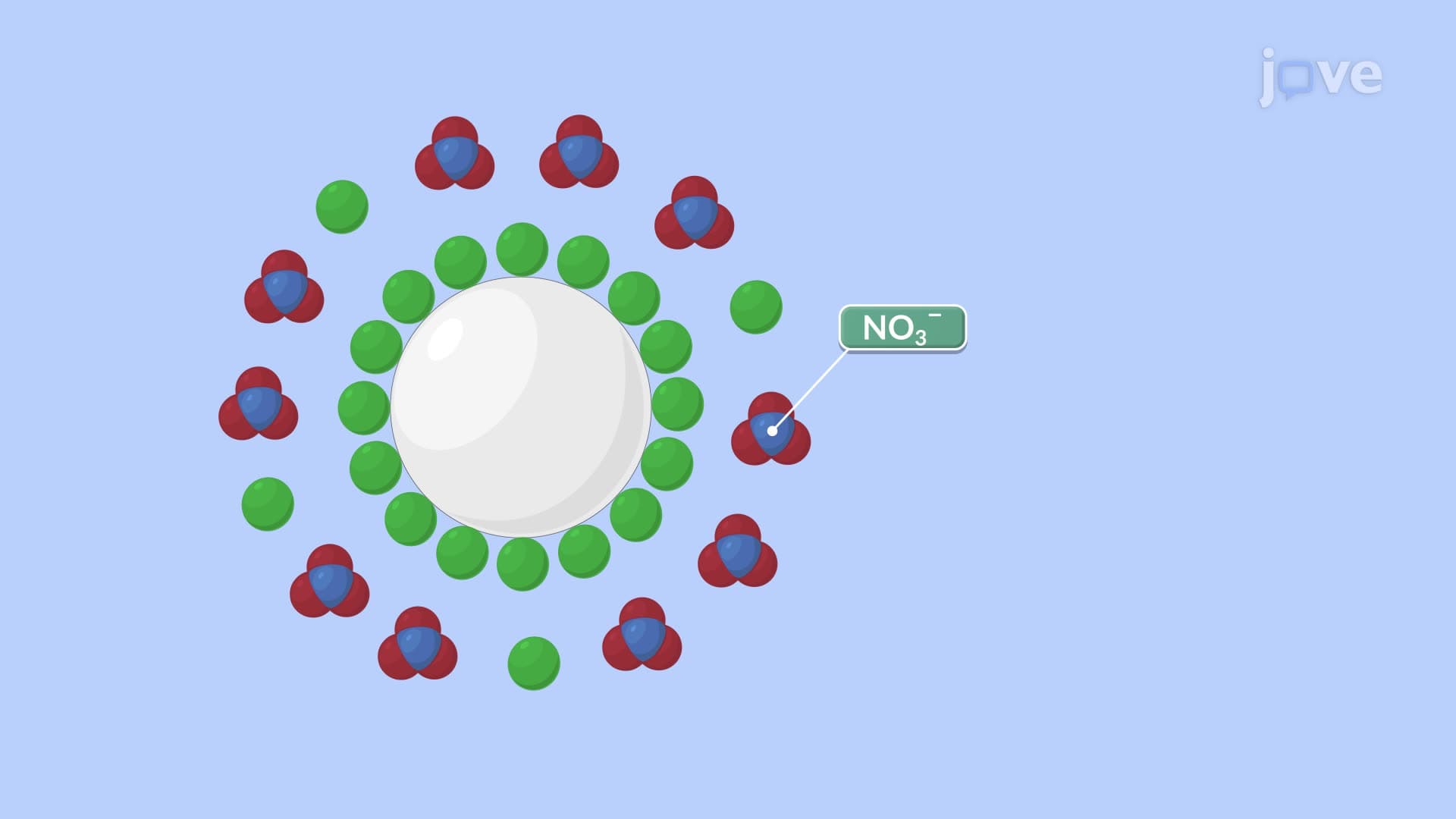
Before the equivalence point, excess chloride ions create a negatively charged precipitate surface that repels anionic indicators, keeping them in solution with their characteristic color. Beyond the equivalence point, the precipitate surface becomes positively charged due to excess silver ions, attracting the indicator and triggering a sharp color transition.
Clinical laboratories frequently employ the Fajans method for rapid chloride determinations in biological fluids, as it provides excellent precision with minimal sample volumes. This efficiency proves crucial for pediatric samples where specimen conservation is paramount.
These endpoint detection methods appear regularly on AP Chemistry exams, MCAT practice tests, and college analytical chemistry courses. Students should focus on understanding the underlying principles rather than memorizing procedures, as exam questions often present novel scenarios requiring method selection and troubleshooting skills.
Related Micro-courses