Loading video…


 14 Concepts
 36.7K views

Video Summary: What Is Spectrophotometry Introduction
Ever wonder how forensic scientists identify unknown substances at crime scenes or how pharmaceutical companies ensure drug purity? The answer lies in spectrophotometry introduction principles that measure how materials interact with light. This quantitative analytical technique forms the backbone of quality control at companies like Pfizer and Johnson & Johnson, where precise measurements can mean the difference between life-saving medications and dangerous contaminants. What is spectrophotometry introduction reveals a world where invisible electromagnetic radiation becomes our window into molecular structure and composition. Watch the full video on JoVE Coach to master this concept with expert-led visuals and step-by-step explanations.
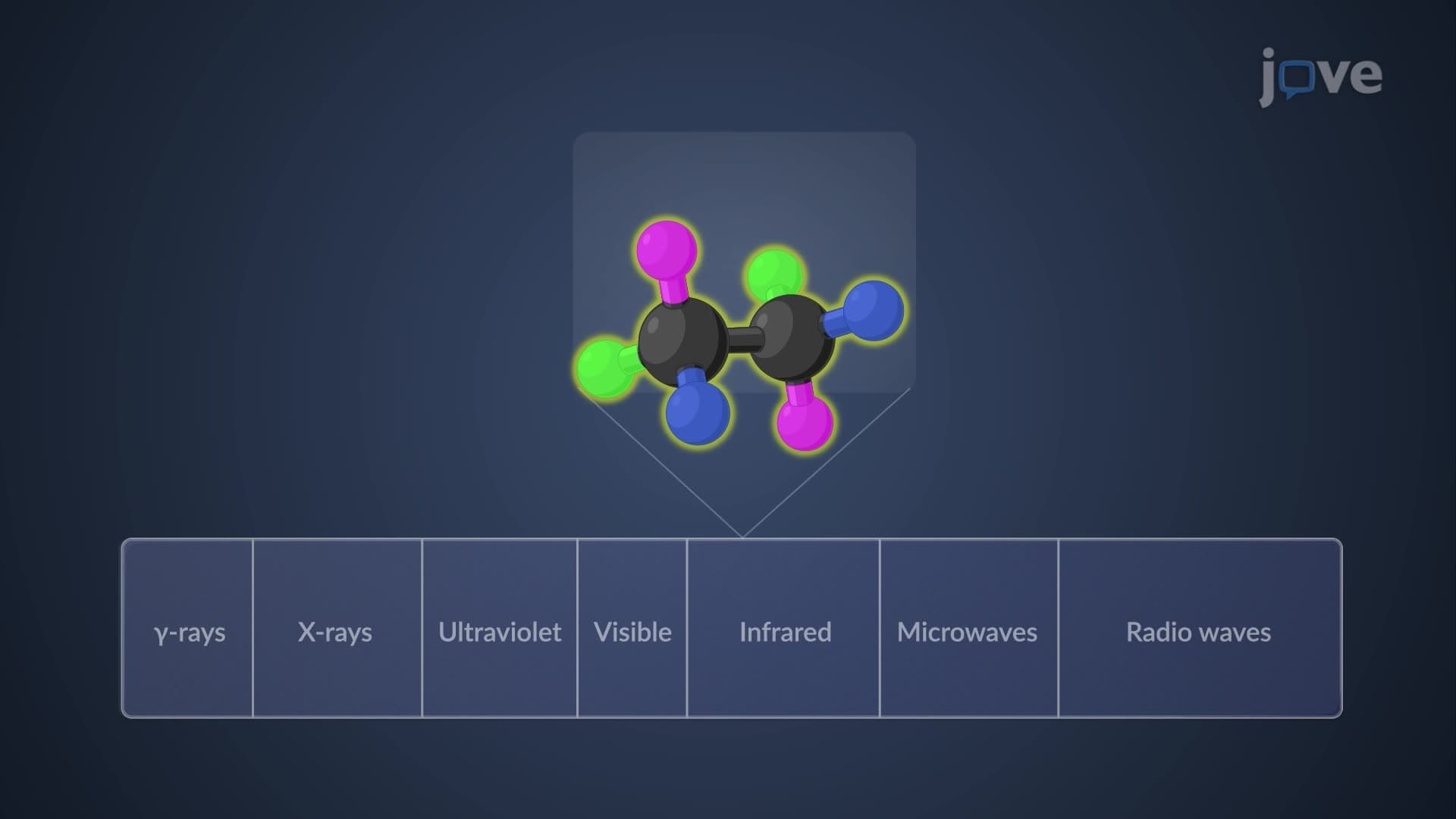
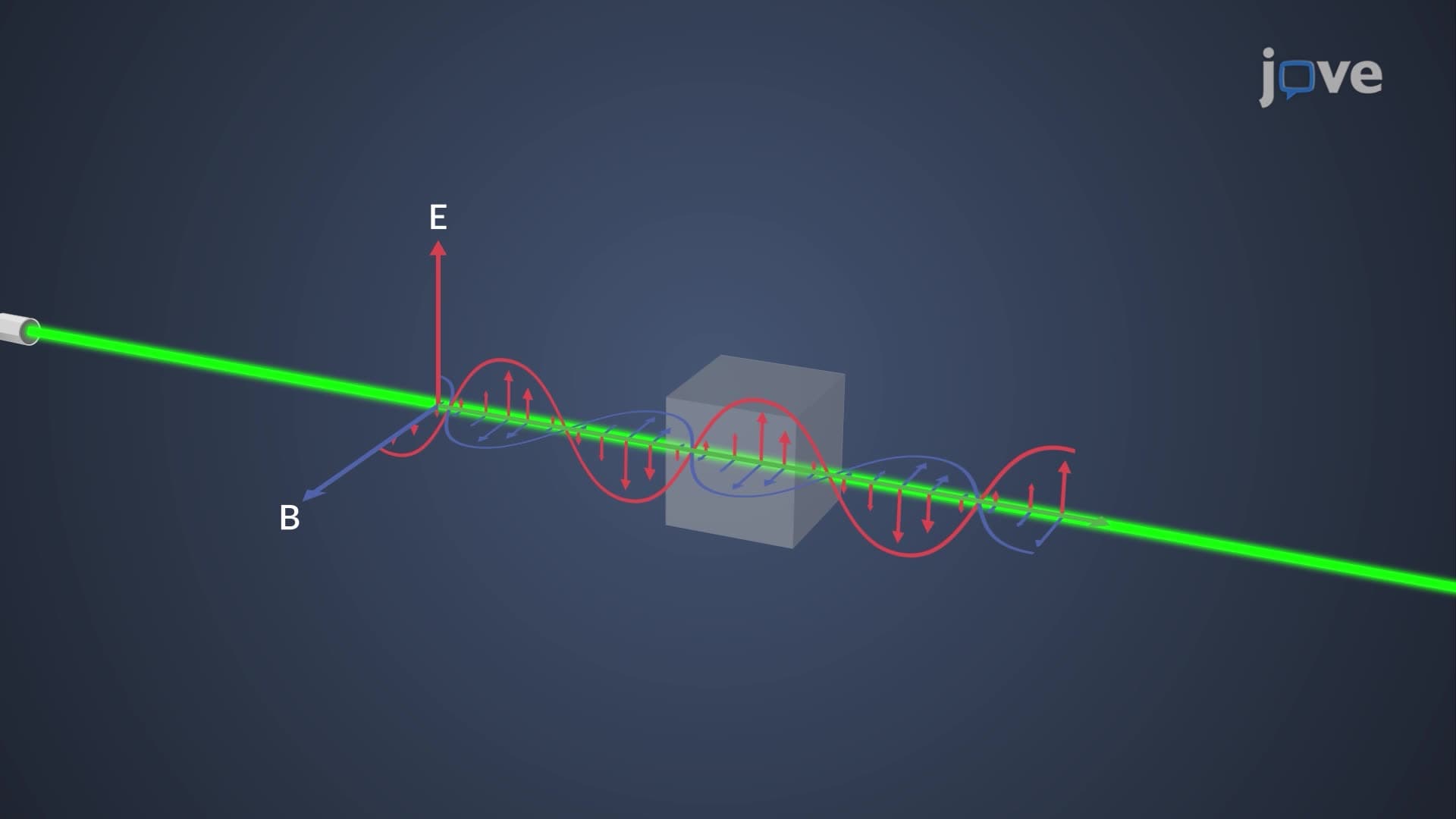
What is spectrophotometry introduction encompasses the systematic study of how electromagnetic radiation interacts with matter to provide both qualitative and quantitative analytical information. This powerful technique measures the intensity of radiation before and after interaction with a sample, creating a quantitative picture of molecular behavior that's essential in modern analytical chemistry.
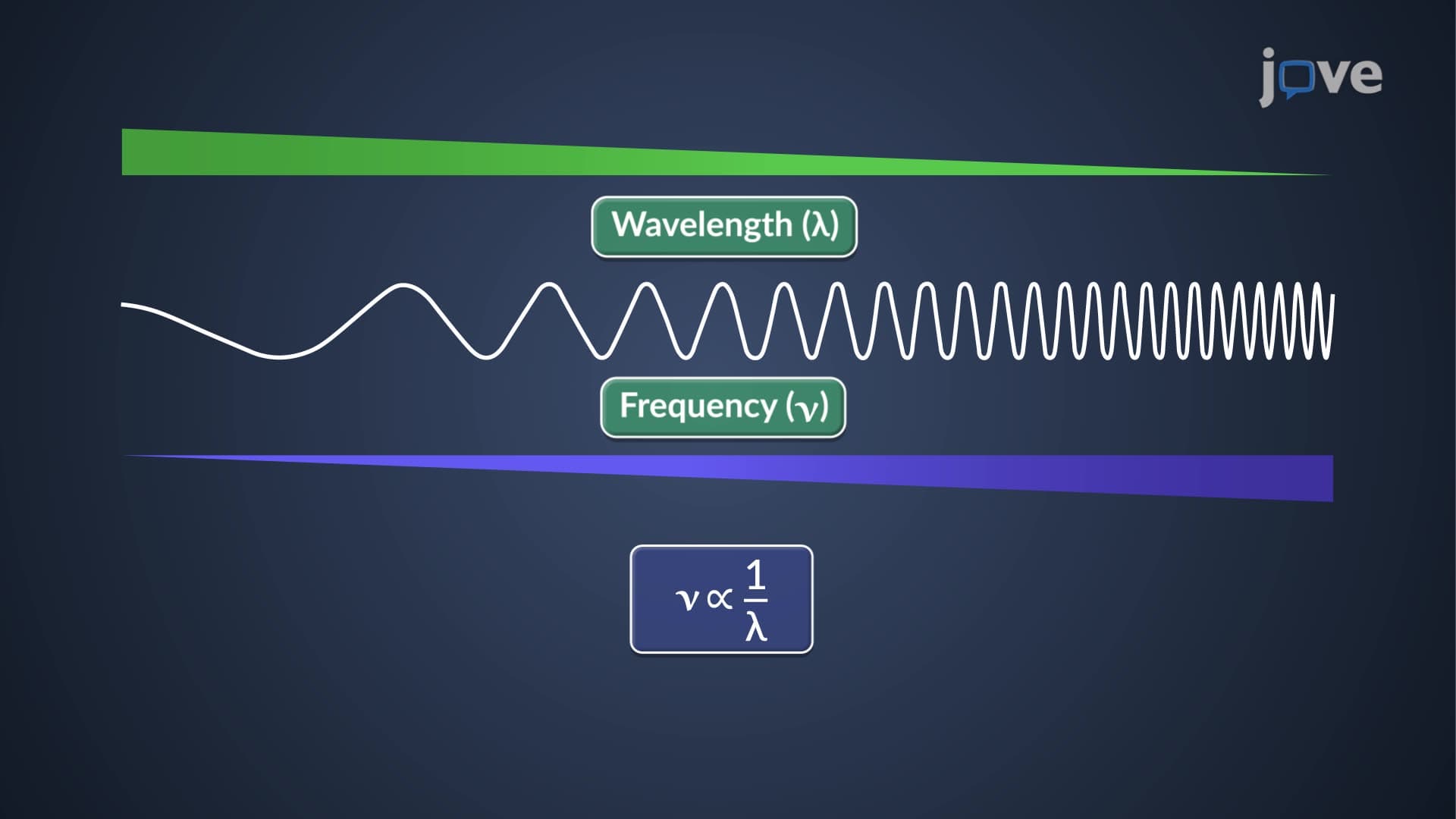
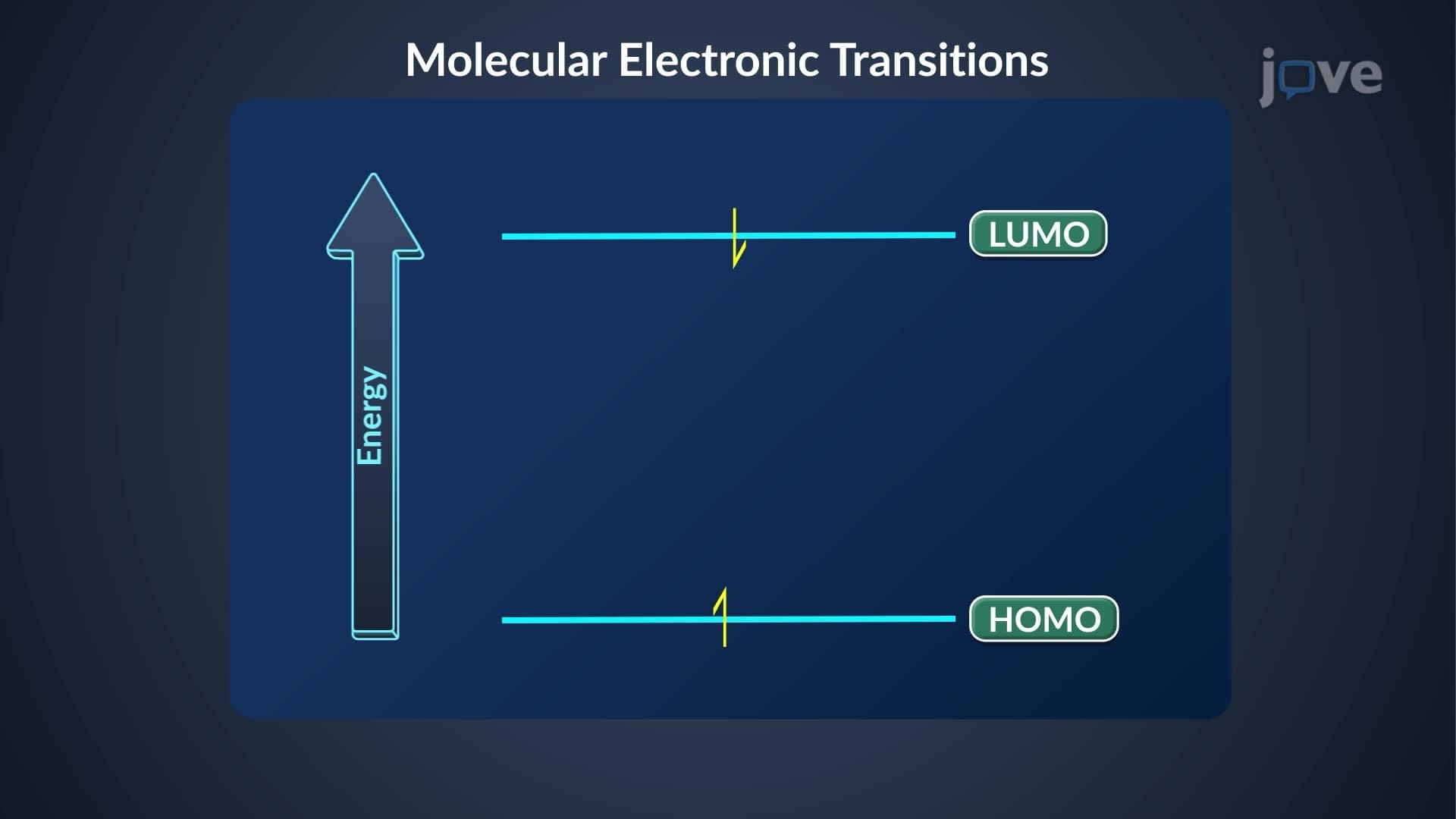
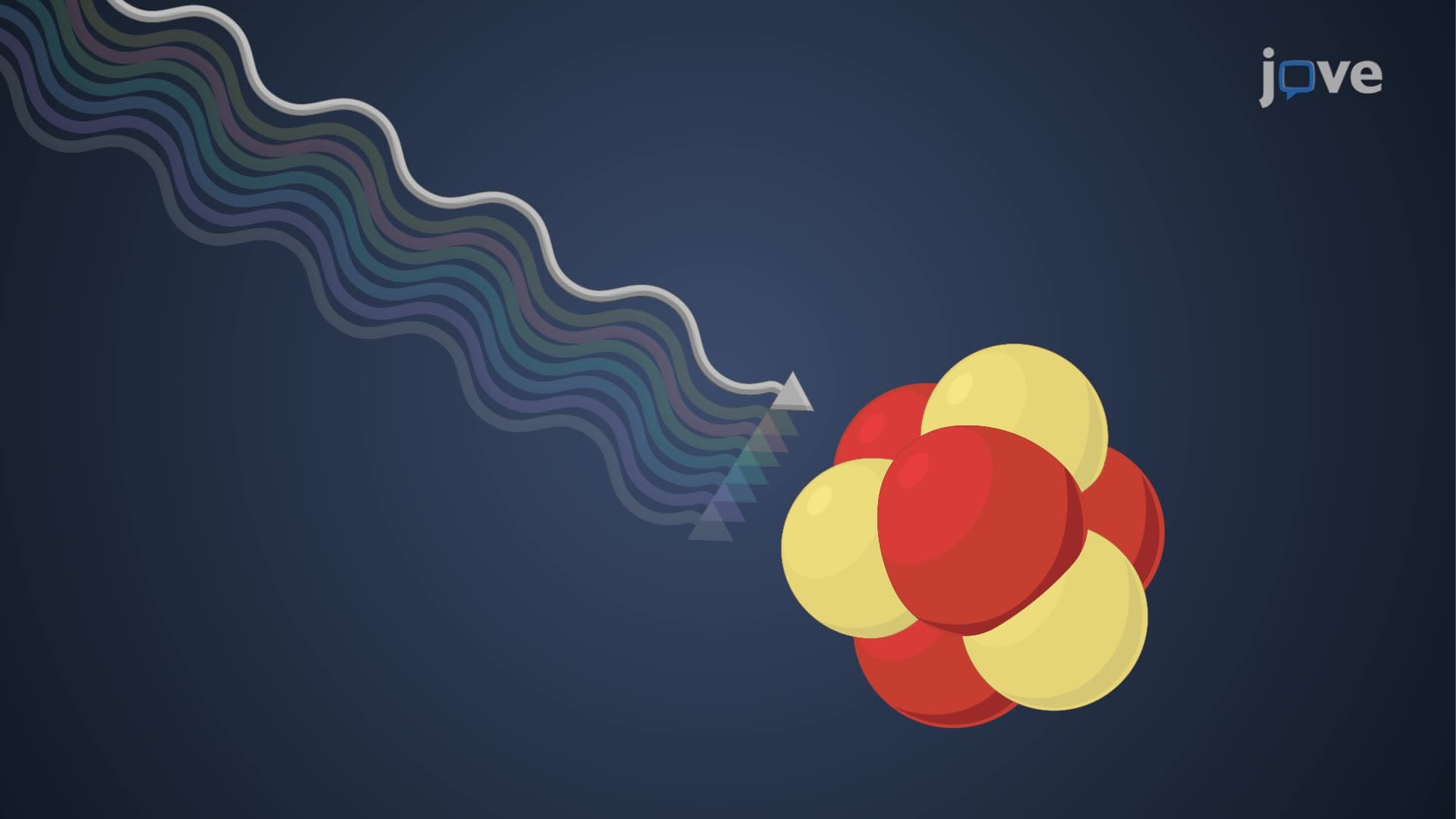
The fundamental principle relies on the quantum mechanical nature of molecular energy levels. When electromagnetic radiation encounters a molecule, specific wavelengths can be absorbed if their energy exactly matches the difference between two energy states within the molecule. This creates the foundation for spectrophotometer principle applications across multiple fields.
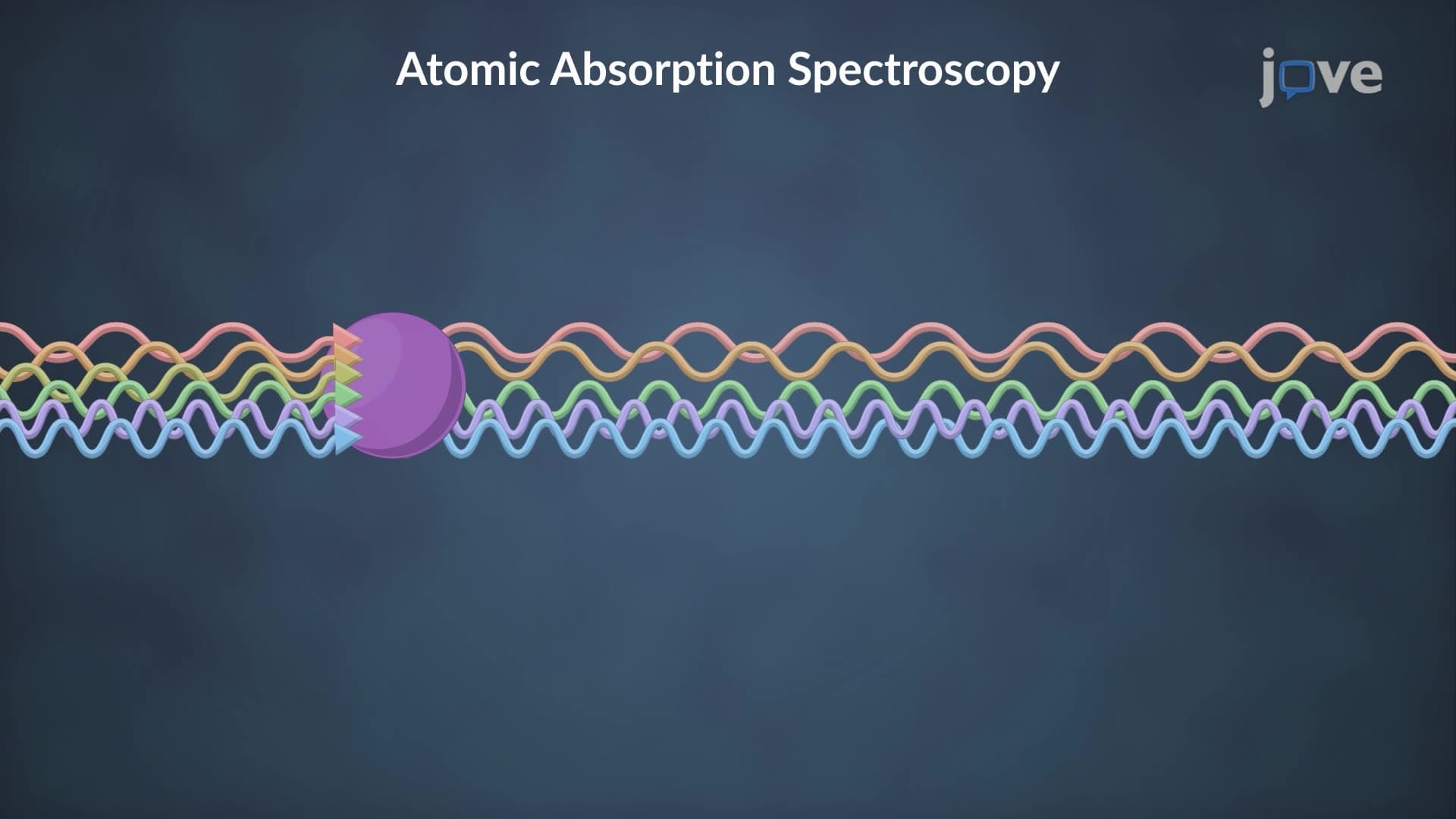
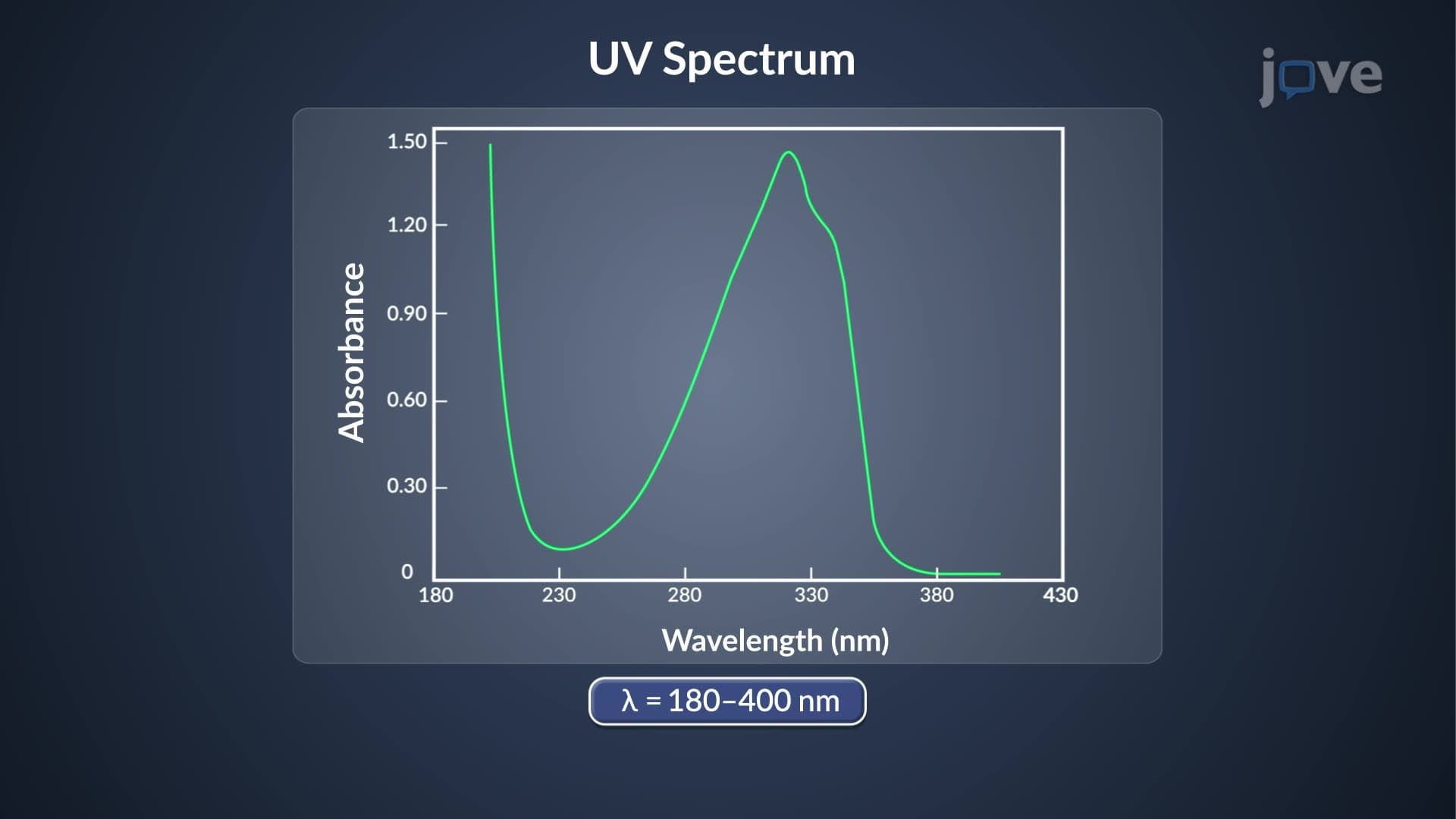
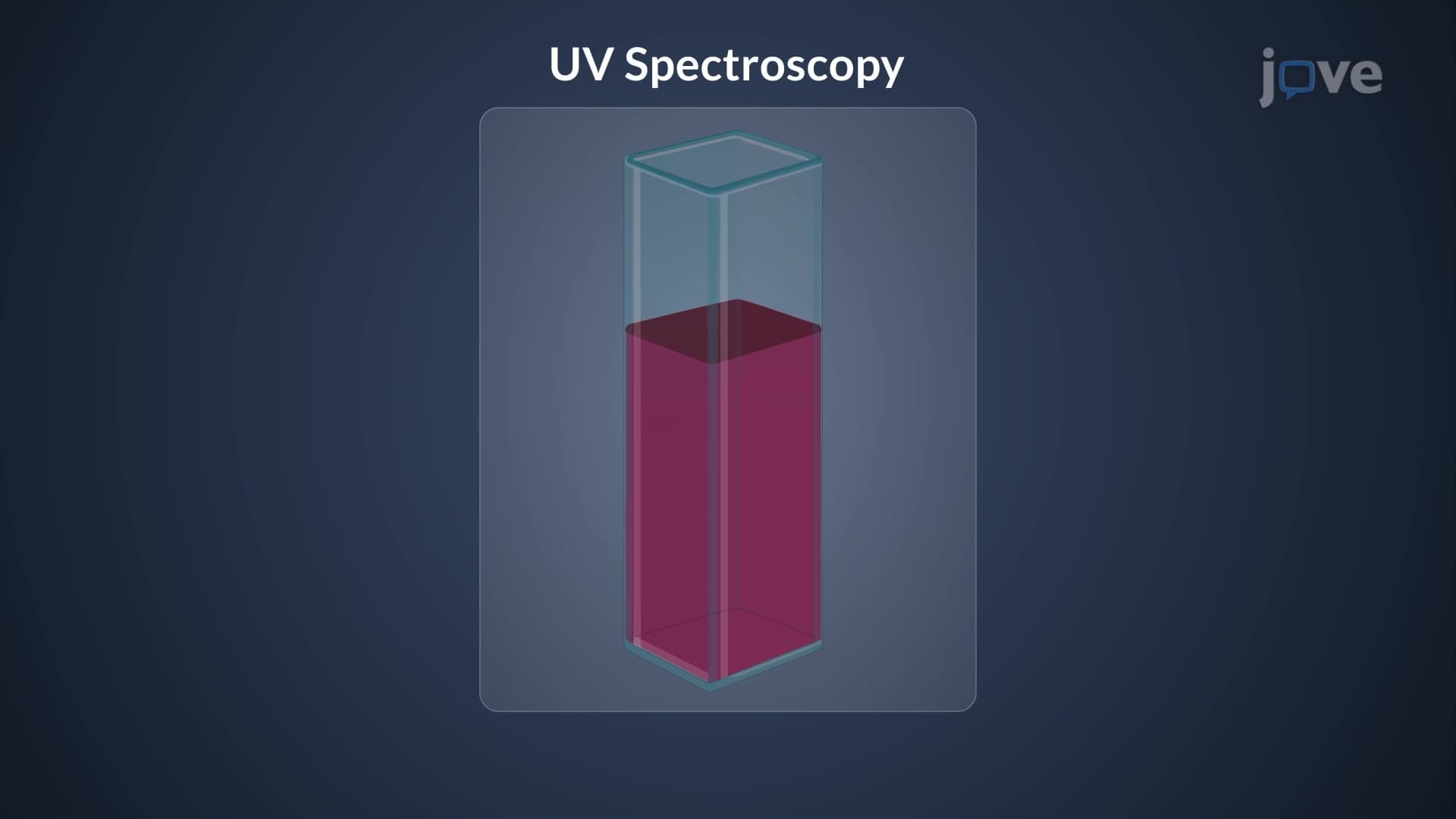
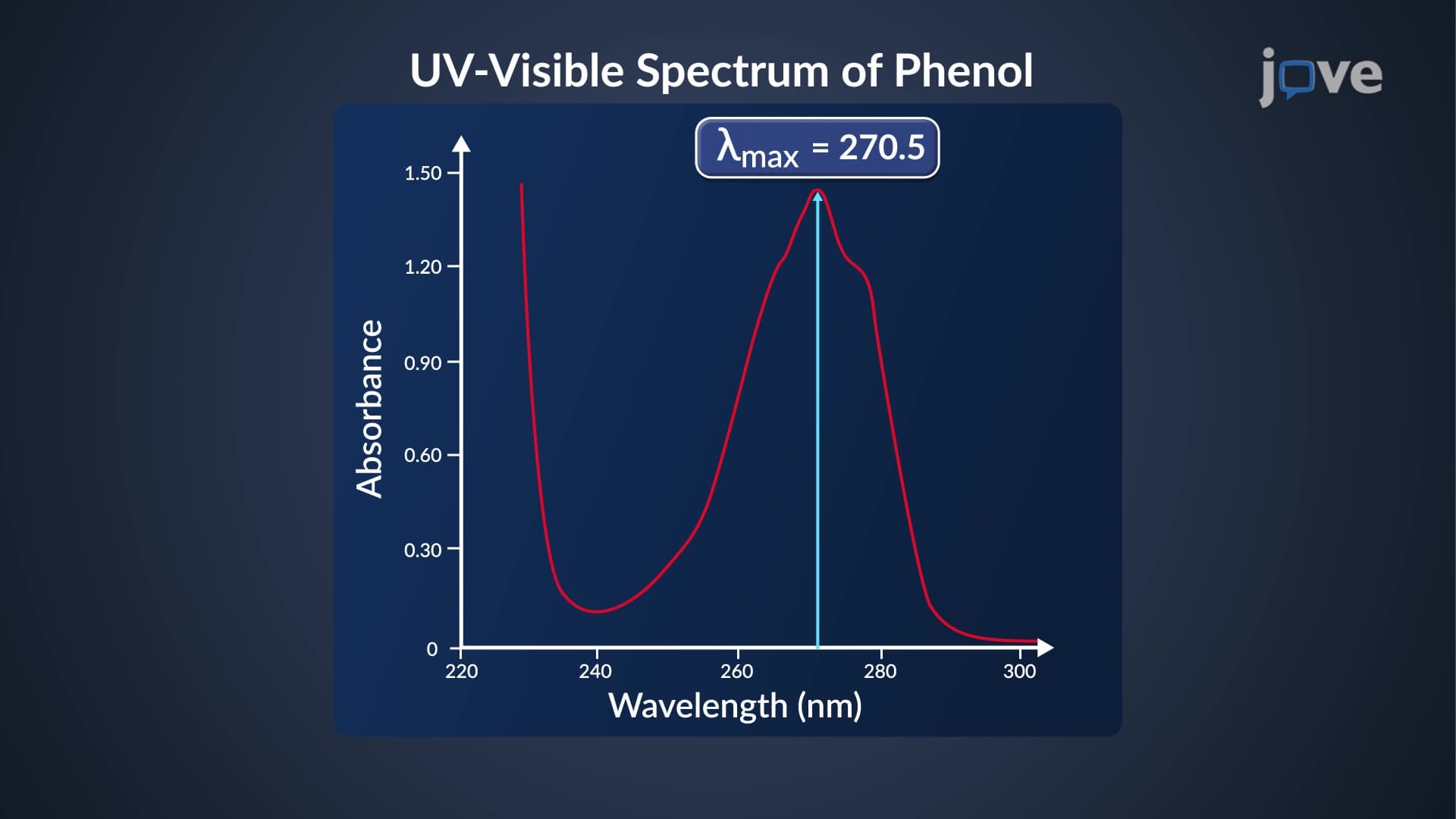
Absorbance transmittance spectrophotometry represents the most common analytical approach, where radiation passes through a sample and the detector measures what emerges. The difference between incident and transmitted radiation reveals absorption characteristics. UV Vis spectrophotometry specifically uses ultraviolet and visible light (200-800 nm) to probe electronic transitions in molecules, making it invaluable for analyzing organic compounds and transition metal complexes.
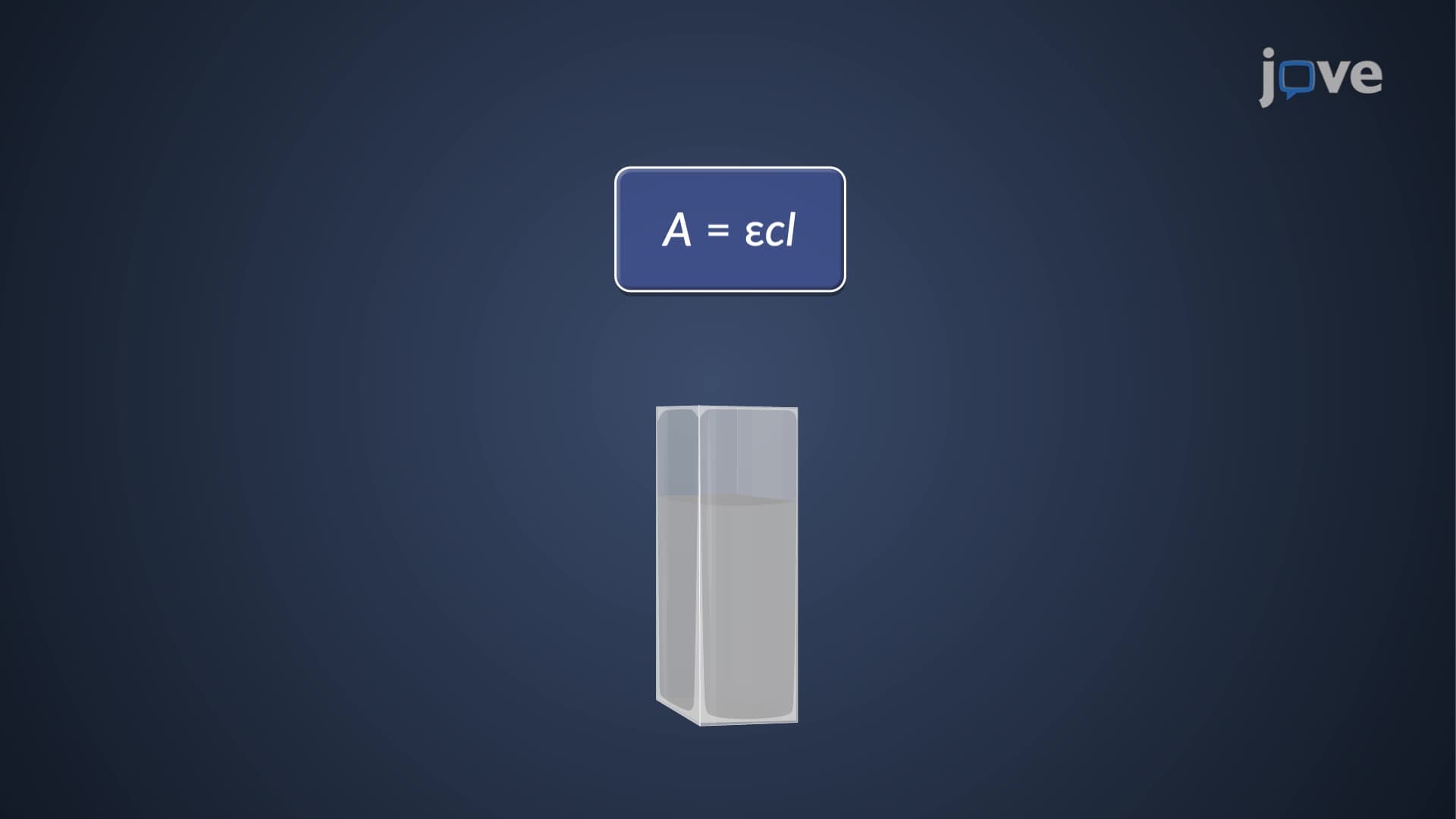
In clinical laboratories across the United States, hospitals like Mayo Clinic and Cleveland Clinic use these principles daily for blood analysis, measuring everything from glucose levels to liver enzymes. The quantitative spectrophotometry approach allows technicians to determine exact concentrations by comparing sample absorbance to calibration standards.
Spectrophotometric analysis introduction concepts appear prominently in AP Chemistry curricula and college-level analytical chemistry courses. Students at universities like MIT and Stanford learn to interpret absorption spectra during laboratory exercises, connecting molecular structure to spectral features. The technique proves essential for MCAT preparation, where understanding molecular transitions and Beer's Law calculations frequently appear in chemistry and physics sections.
Industrial applications span pharmaceutical quality control at FDA-regulated facilities, environmental monitoring by the EPA, and food safety testing by the USDA. Companies like Abbott Laboratories and Thermo Fisher Scientific manufacture sophisticated spectrophotometers that implement these fundamental principles for routine analysis in thousands of US laboratories.
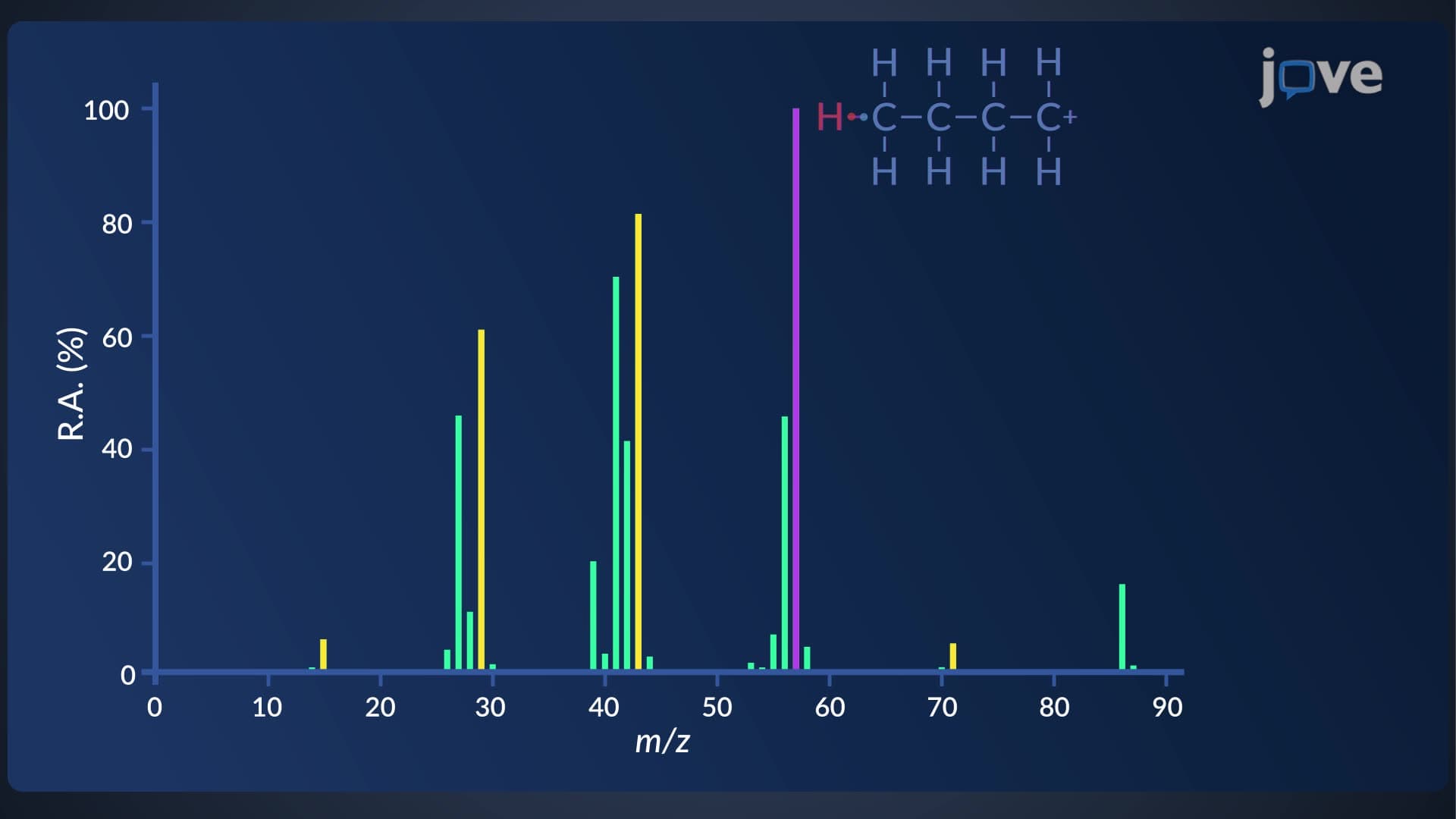
Modern spectrophotometry basics explained extend beyond simple absorption measurements to include fluorescence, phosphorescence, and Raman spectroscopy techniques. These advanced methods provide complementary information about molecular structure and dynamics, enabling researchers to solve complex analytical challenges in drug development, materials science, and environmental monitoring.
Related Micro-courses