Loading video…


 14 Concepts
 36.7K views

Video Summary: Variables Affecting Phosphorescence and Fluorescence Explained
Did you know that a highlighter pen glows under UV light due to specific molecular factors affecting fluorescence phosphorescence? The brightness and color of fluorescent materials-from the sodium fluorescein used in Chicago River dyeing to medical imaging dyes-depend on precise molecular variables including structure, temperature, and chemical environment. Variables Affecting Phosphorescence And Fluorescence Explained reveals how quantum efficiency, molecular rigidity, and environmental conditions control these light-emission phenomena. Watch the full video on JoVE Coach to master this concept with expert-led visuals and step-by-step explanations.
The ability of molecules to emit light through fluorescence and phosphorescence depends on intricate relationships between molecular structure and environmental conditions. These photophysical processes are fundamental to technologies ranging from medical diagnostics to environmental monitoring, making understanding these variables essential for students pursuing careers in chemistry, biochemistry, or materials science.
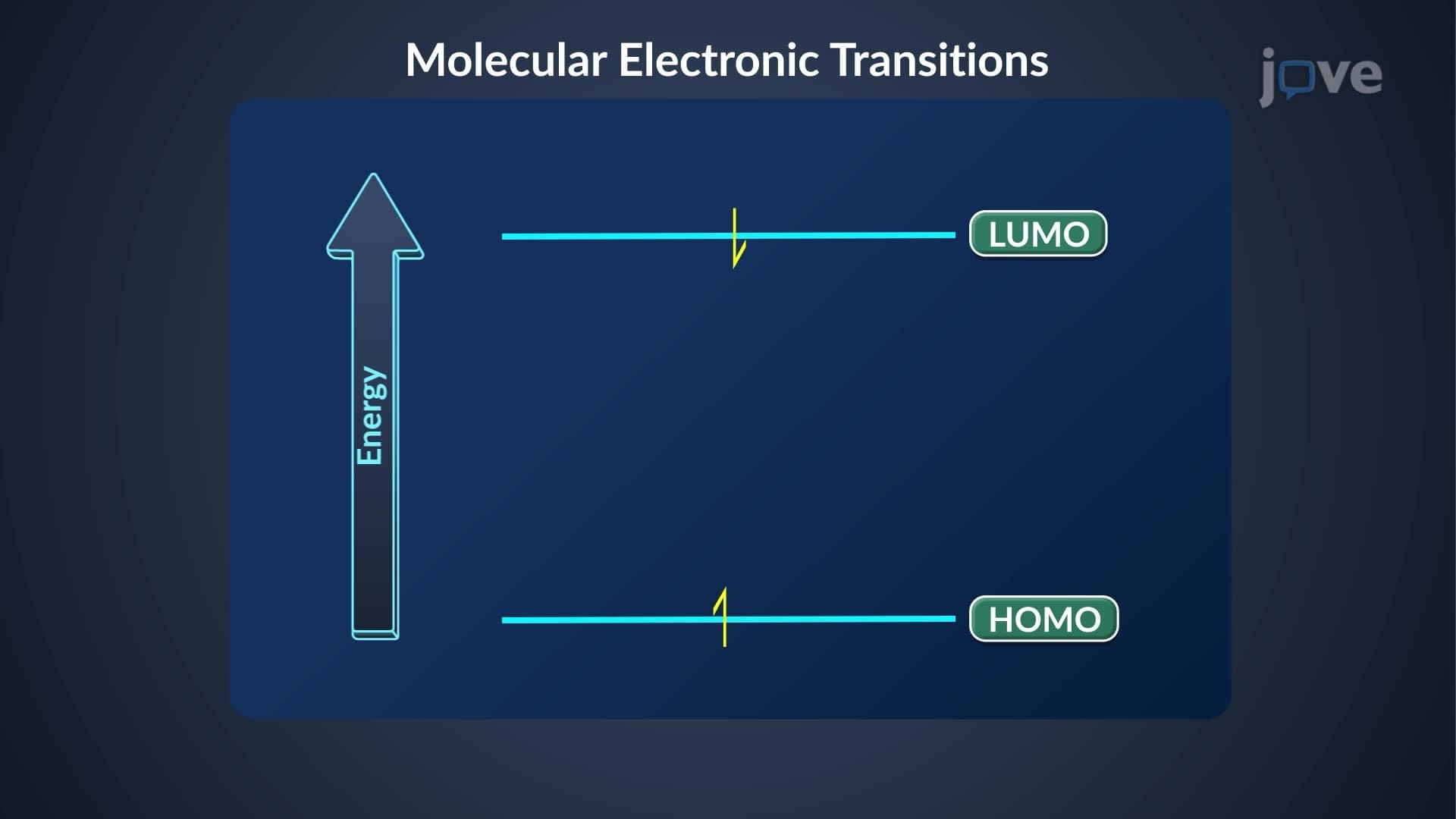
Quantum efficiency-the ratio of photons emitted to photons absorbed-serves as the primary measure of fluorescence effectiveness. Aromatic compounds with extensive pi-electron systems, such as anthracene and pyrene used in research laboratories, demonstrate high quantum efficiencies due to their low-energy pi-to-pi* electronic transitions. The number of fused benzene rings directly correlates with fluorescence intensity, explaining why naphthalene (two rings) fluoresces more intensely than benzene (one ring).
Substitution patterns significantly alter these variables influencing fluorescence emission. The heavy-atom effect demonstrates how bromine or iodine substituents decrease fluorescence by promoting intersystem crossing to triplet states, a principle utilized in flame-retardant materials. Conversely, electron-withdrawing groups like carboxylic acids often quench fluorescence by altering the electronic structure, while electron-donating groups can enhance emission.
Temperature and solvent effects represent critical variables influencing fluorescence emission in laboratory and industrial applications. Increased temperature enhances molecular motion and collision frequency, promoting nonradiative relaxation pathways that compete with fluorescence. This temperature quenching explains why fluorescent proteins used in biological research show decreased intensity at elevated temperatures.
Solvent viscosity inversely affects quenching fluorescence effect-higher viscosity reduces molecular collisions, preserving fluorescence intensity. This principle applies in analytical chemistry, where glycerol solutions often enhance fluorescence measurements. The concentration fluorescence effect also influences emission, with high concentrations leading to self-quenching through energy transfer between adjacent molecules.
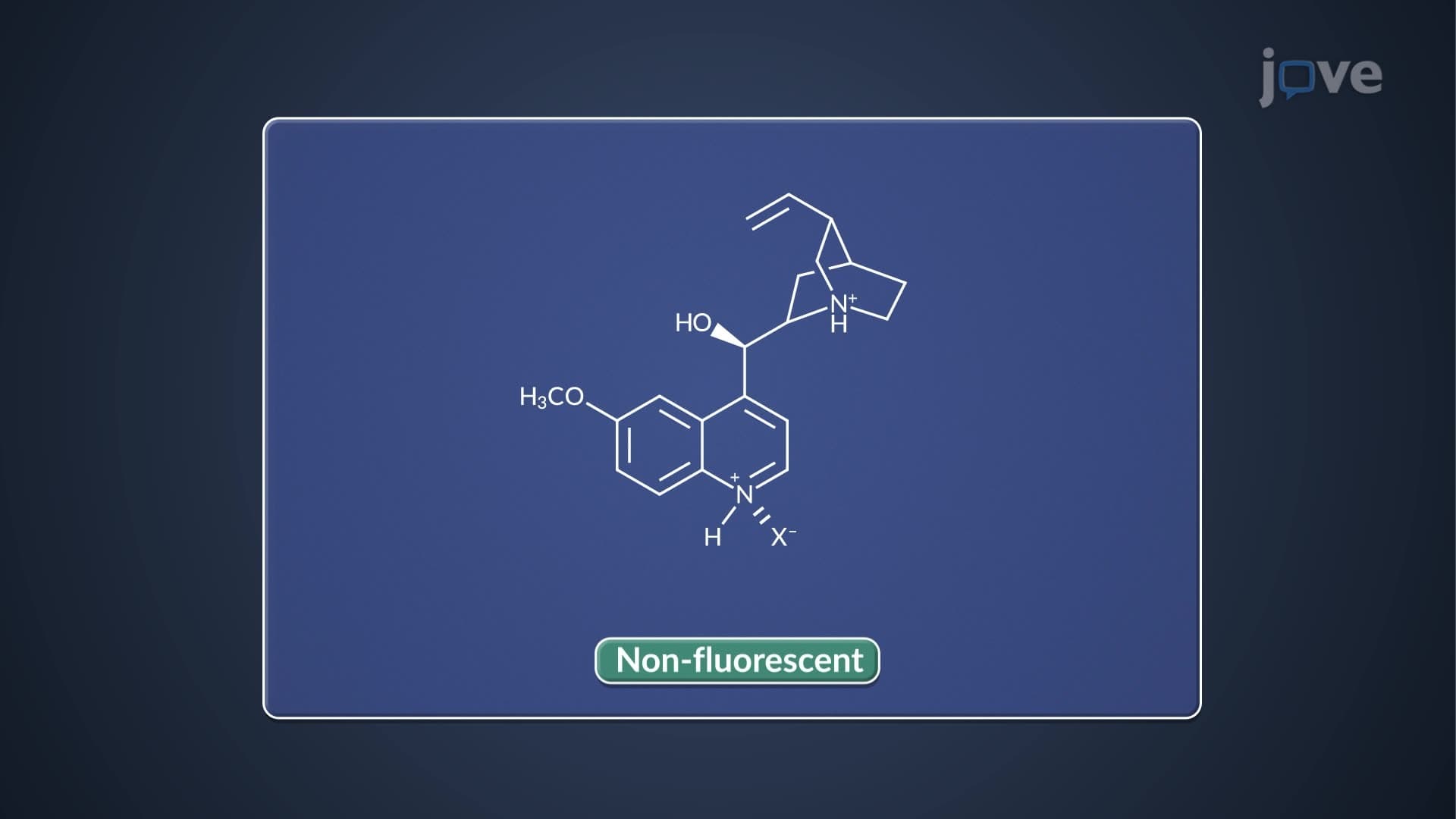
The pH effect fluorescence becomes particularly important in biological systems and analytical applications. Compounds like fluorescein exhibit dramatic pH-dependent color changes, shifting from colorless at acidic pH to bright green under alkaline conditions. This property makes such compounds valuable as pH indicators in biochemical research and environmental monitoring.
For AP Chemistry and college-level courses, understanding these concepts helps explain real-world phenomena like the operation of fluorescent lights, LED phosphors, and medical imaging contrast agents used in US hospitals.
Related Micro-courses