Loading video…


 26 Concepts
 99.2K views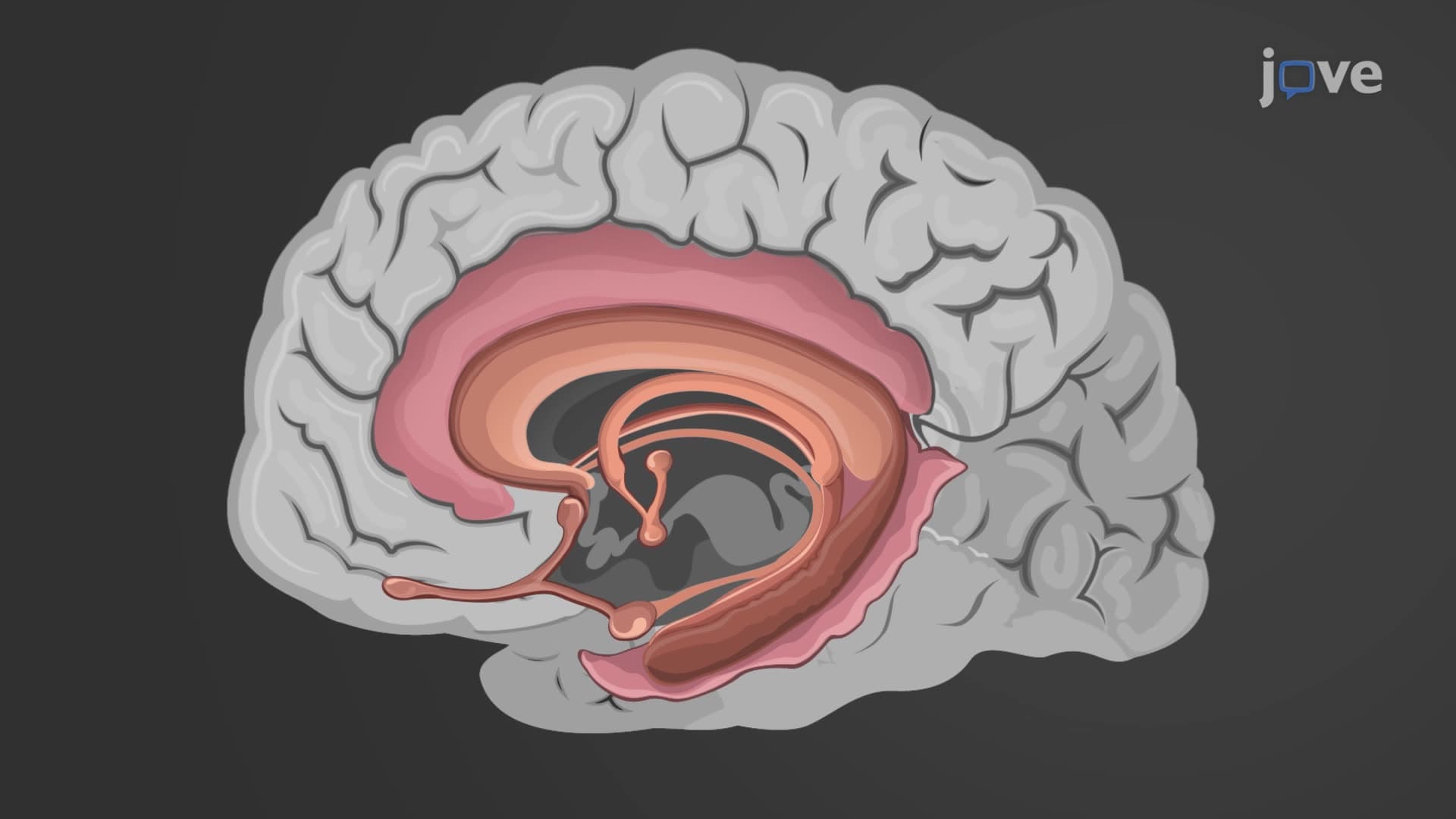

Video Summary: Functional Brain Systems Limbic System Explained
Ever wonder why the smell of freshly baked cookies instantly transports you back to your grandmother's kitchen? The limbic system brain function controls these powerful emotional memories and responses. This complex network of brain structures, including the amygdala and hippocampus, processes everything from fear responses during a horror movie to the nostalgic feelings triggered by your high school yearbook. Understanding the Functional Brain Systems Limbic System Explained reveals how our brains seamlessly connect emotions, memories, and behaviors in daily life. Watch the full video on JoVE Coach to master this concept with expert-led visuals and step-by-step explanations.
The limbic system brain function represents one of neuroscience's most fascinating discoveries-a network of interconnected brain regions that orchestrate our emotional lives and memory formation. Unlike other brain systems with clearly defined boundaries, the brain limbic system explained reveals a complex circuit that bridges primitive survival instincts with sophisticated human behaviors.
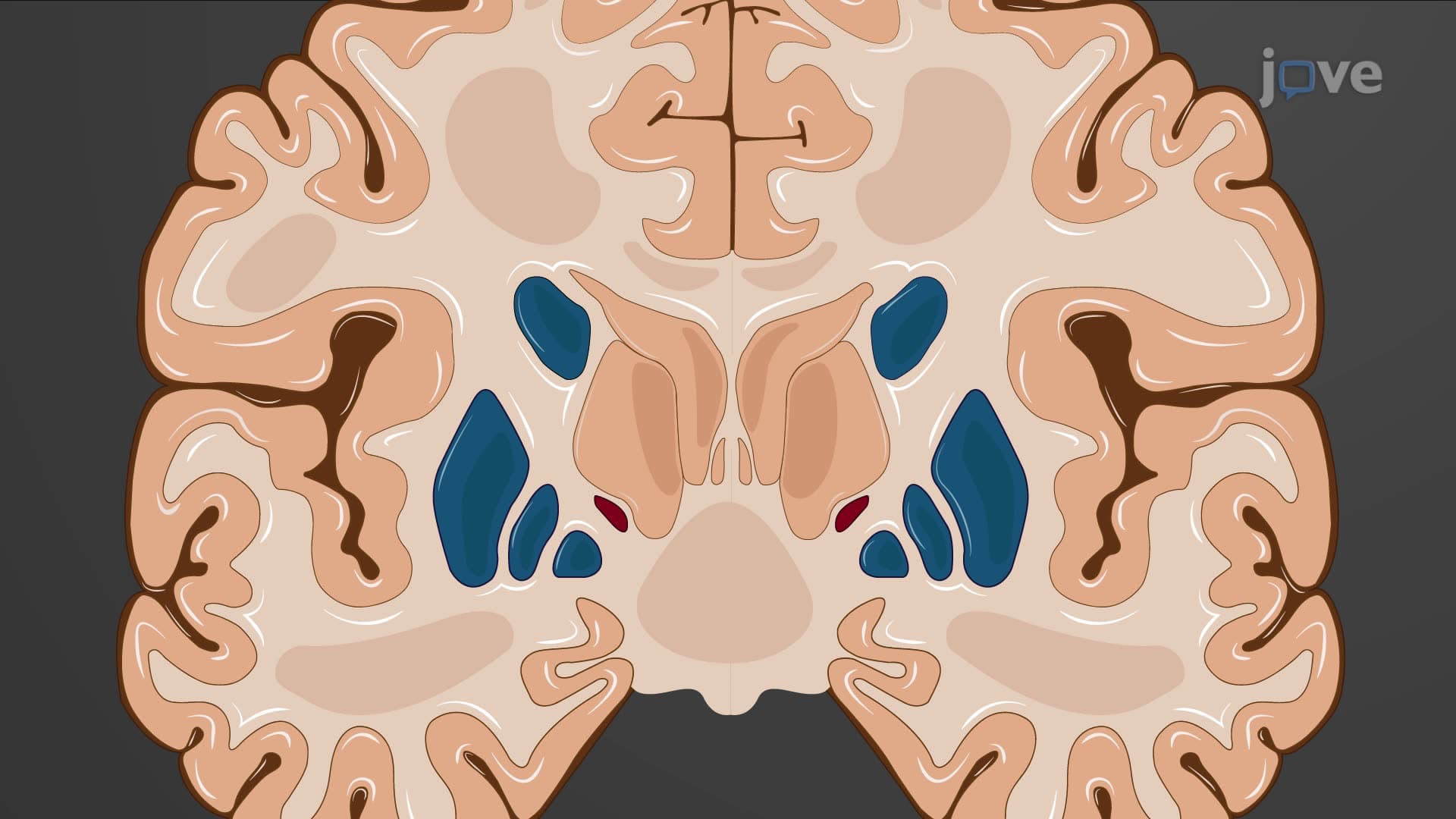
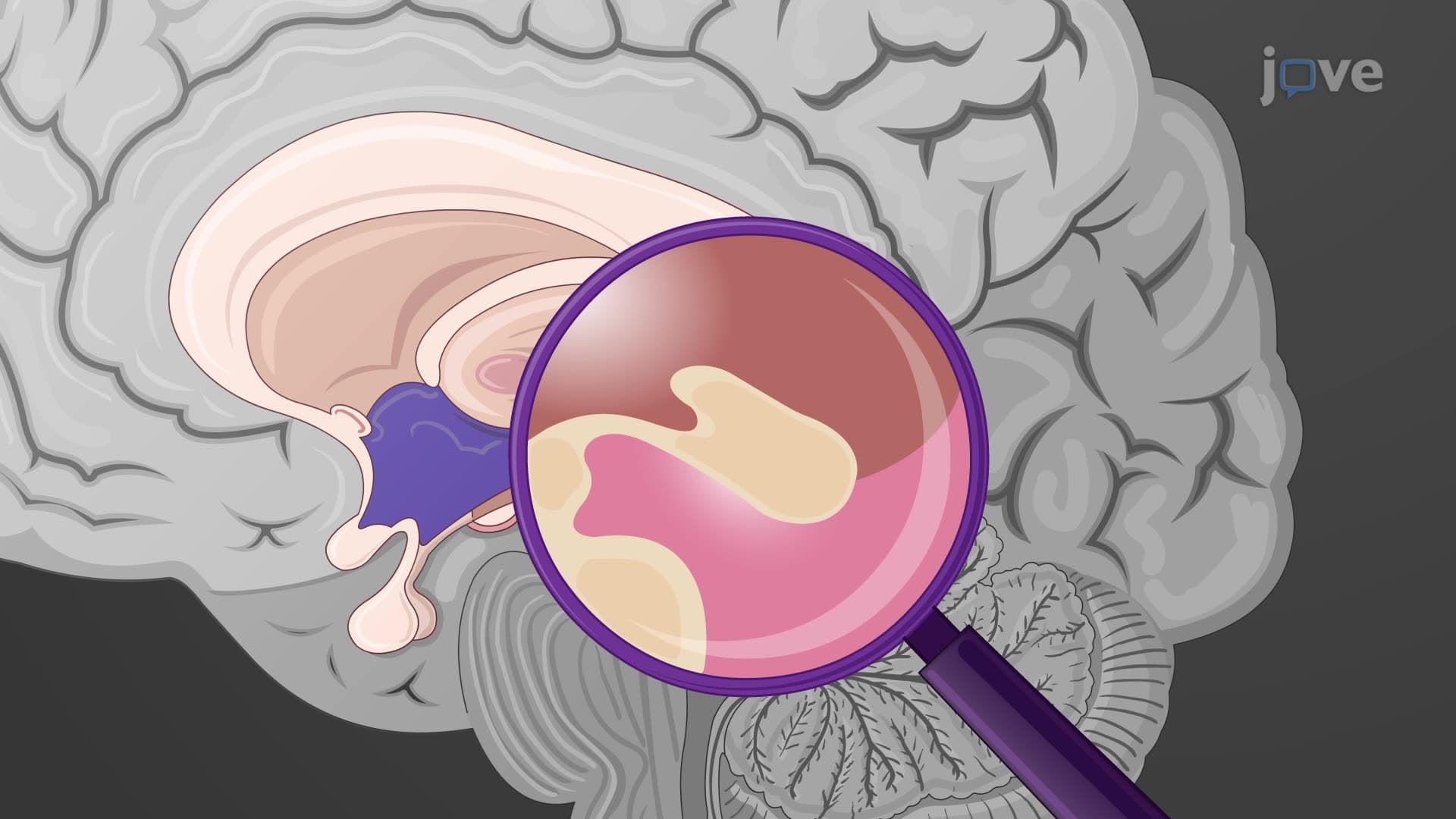
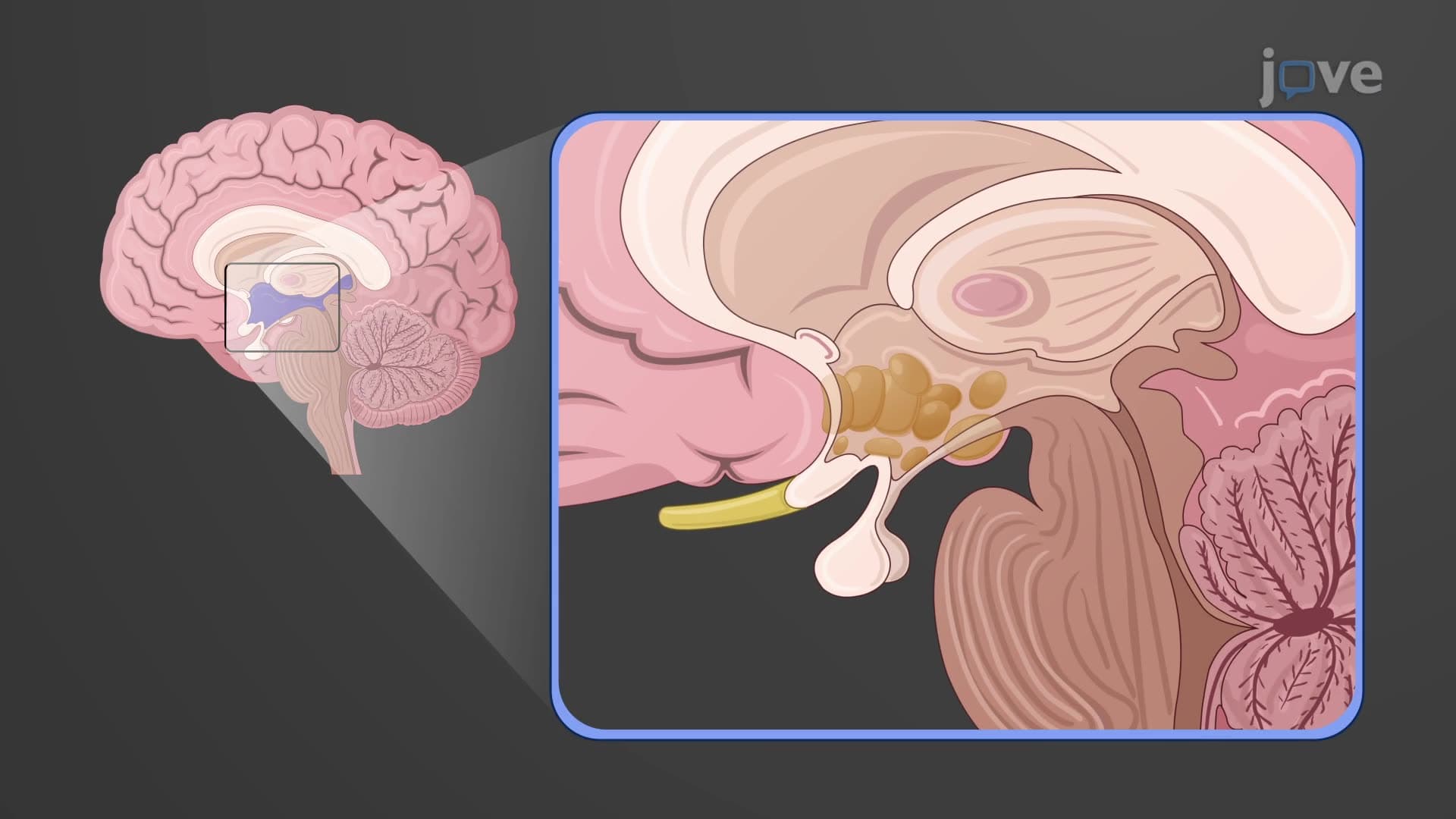
The limbic system's architecture spans multiple brain regions, creating an integrated network for emotional processing. The limbic lobe consists of three primary gyri: the cingulate gyrus positioned above the corpus callosum, the parahippocampal gyrus located in the temporal lobe's inferior region, and the dentate gyrus nestled between the parahippocampus and hippocampus proper.
The amygdala, often called the brain's alarm system, serves as the emotional command center. This almond-shaped cluster of nuclei in the temporal lobe processes threat detection with remarkable speed-faster than conscious thought. When a college student encounters an aggressive dog while jogging, the amygdala fear emotion limbic response triggers immediate fight-or-flight reactions before the prefrontal cortex can even assess the actual danger level.
The hippocampus memory limbic connection forms the foundation of episodic and spatial memory formation. Medical students preparing for the MCAT often study how hippocampal damage, like that seen in patient H.M. (Henry Molaison) at MIT's research studies, prevents new memory formation while leaving older memories intact. This demonstrates the hippocampus's critical role in memory consolidation-the process of converting short-term experiences into long-term storage.
The cingulate gyrus limbic system serves as an emotional expression hub, translating internal feelings into observable behaviors. During high-stress situations like SAT testing, the anterior cingulate cortex helps students regulate anxiety while maintaining focus on problem-solving tasks. This emotional regulation proves essential for academic success and social functioning.
The olfaction limbic system pathway creates some of our most powerful memory triggers. Unlike other sensory systems that relay through the thalamus, olfactory information travels directly to limbic structures. This explains why the scent of a particular perfume can instantly evoke memories of a high school dance or why hospital odors might trigger anxiety in patients with previous medical trauma. These what is the limbic system as a functional brain system demonstrations show how evolution preserved this ancient connection between smell and emotional memory.
Related Micro-courses