Loading video…


 38 Concepts
 218.4K views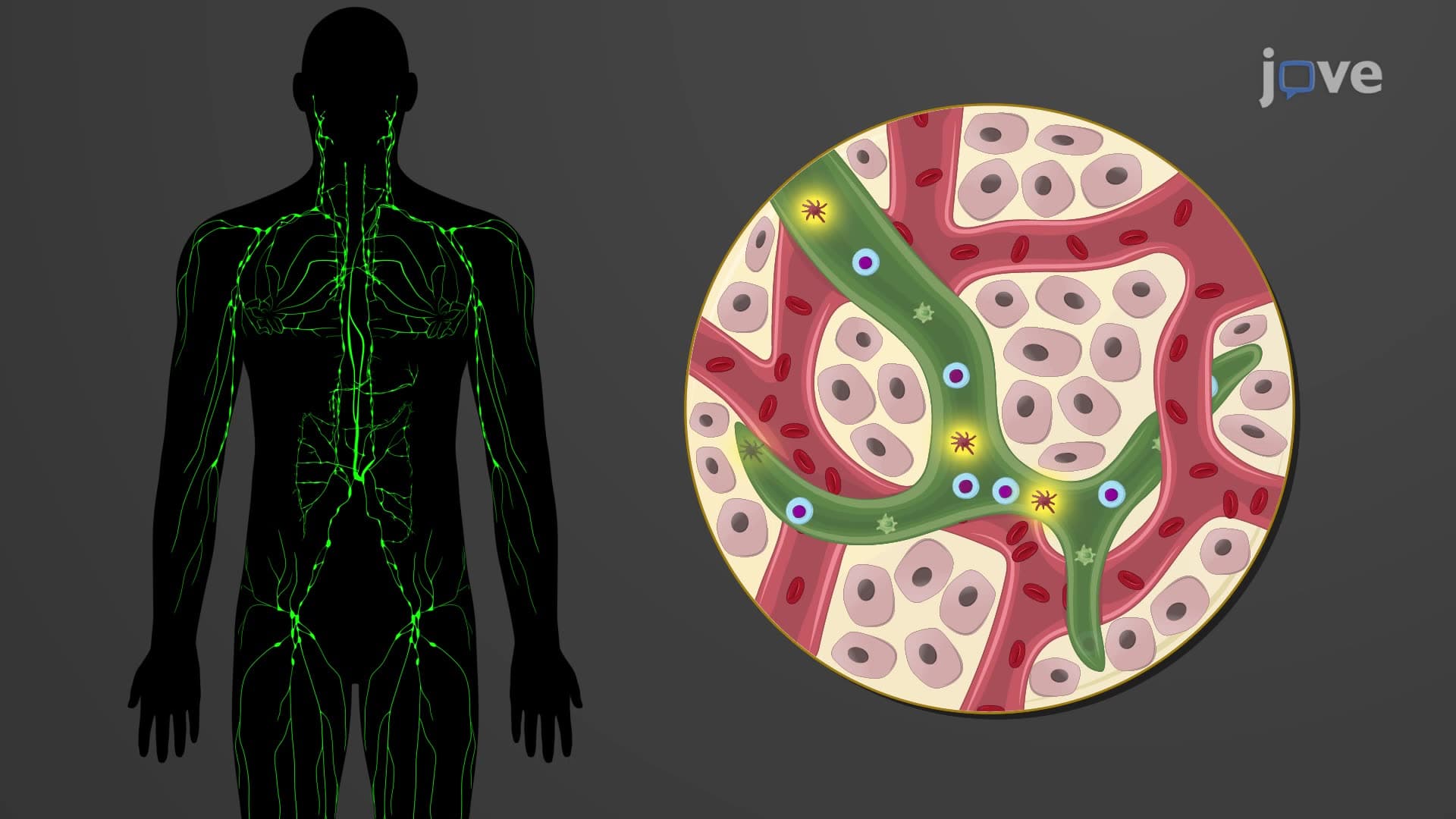

Video Summary: Functions Lymphatic and Immune System Explained
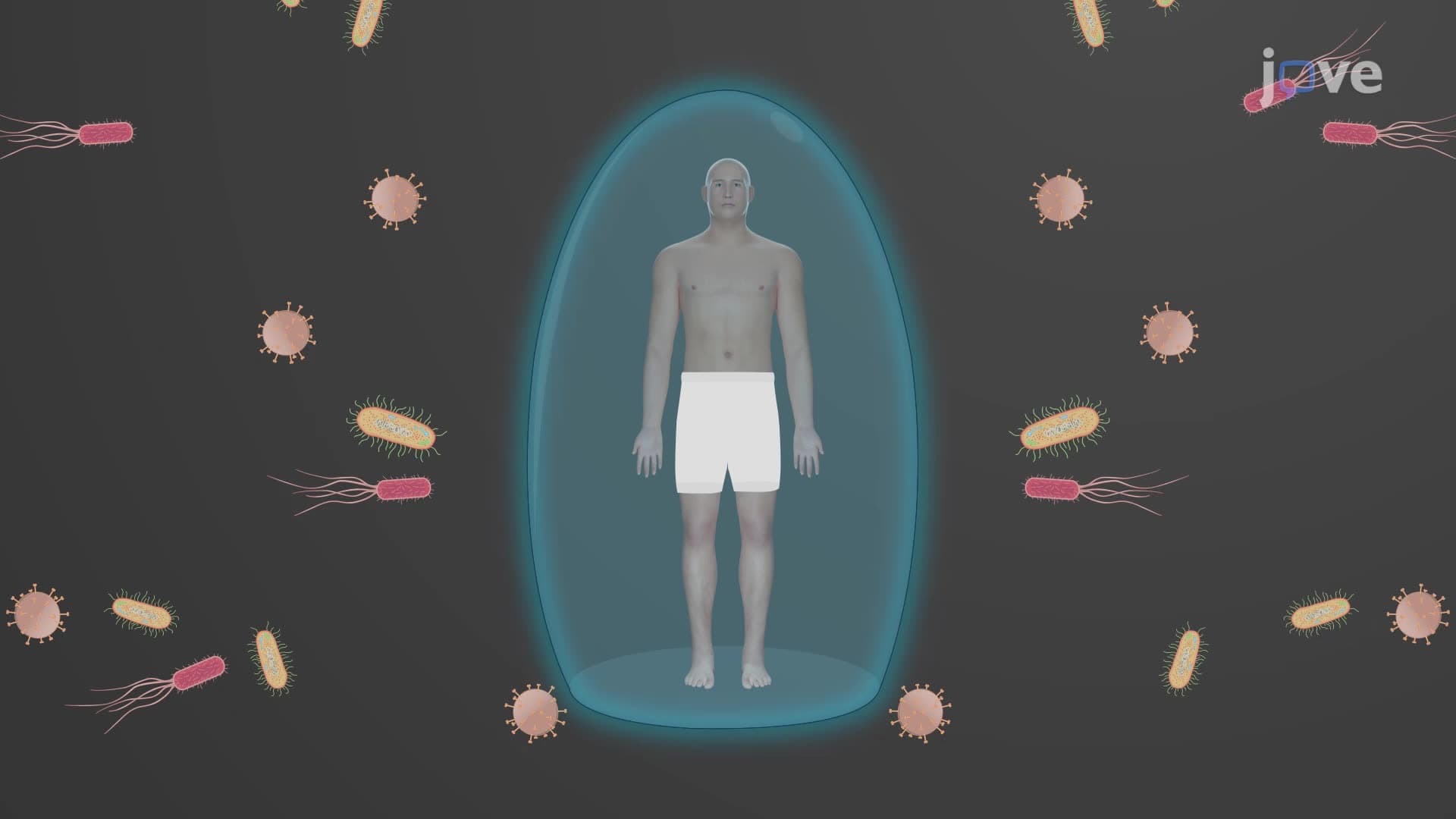
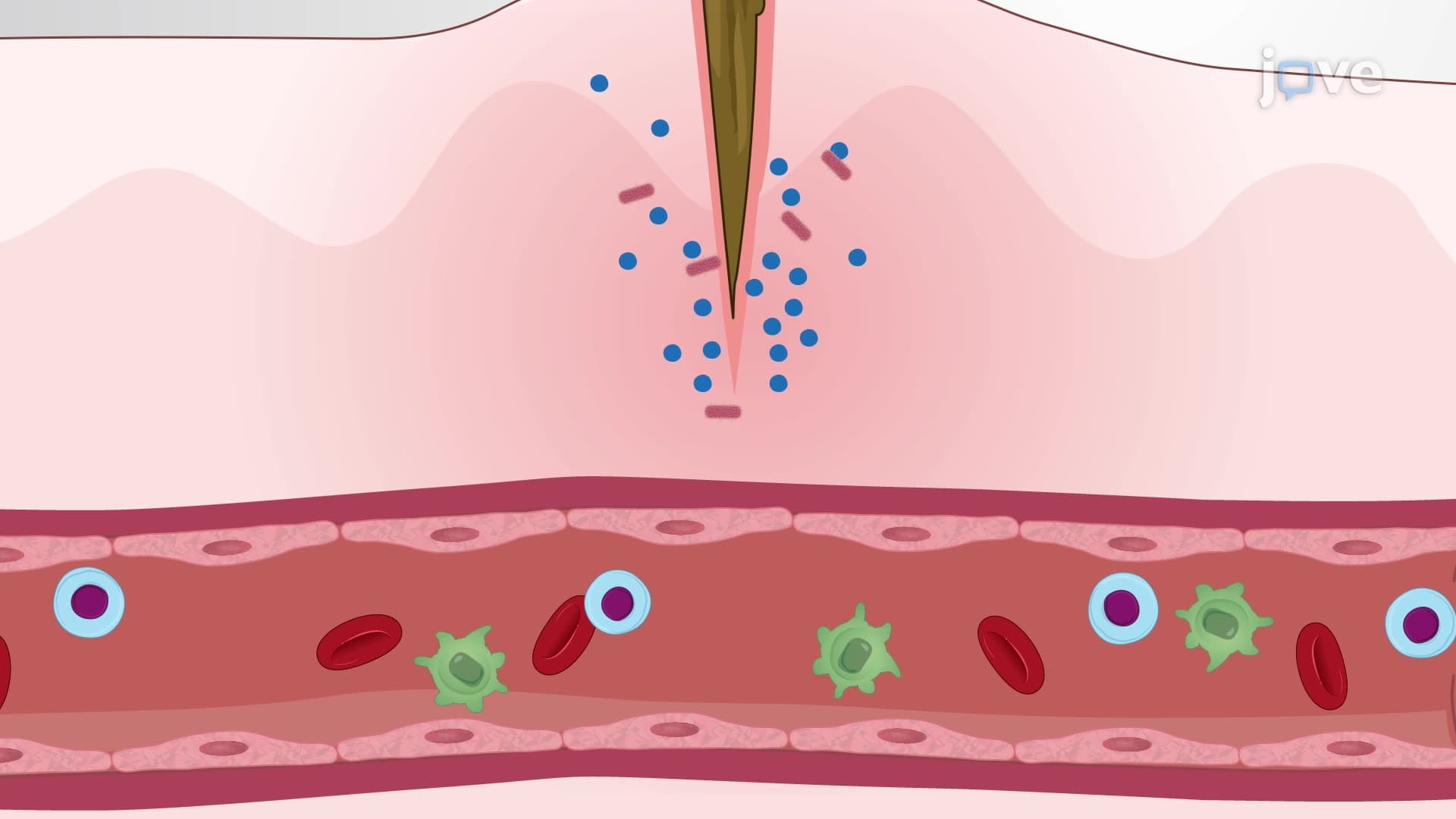
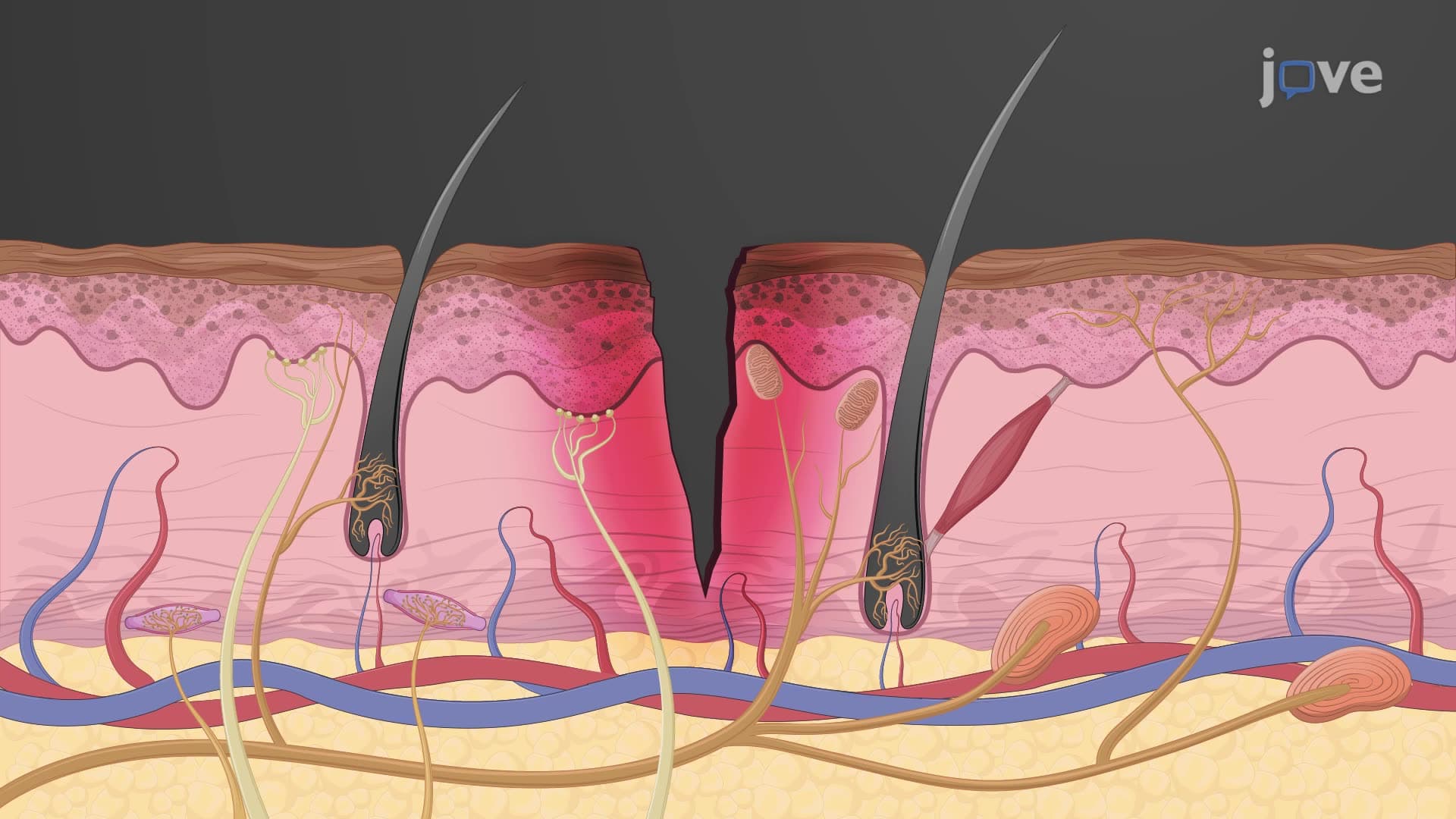
Did you know your body fights off thousands of potential infections daily without you even realizing it? The lymphatic immune system functions work together as your body's sophisticated defense network, combining fluid regulation with pathogen elimination. Consider how a simple paper cut heals without infection-that's your lymphatic and immune systems collaborating to transport infection-fighting cells and maintain tissue fluid balance. Functions Lymphatic And Immune System Explained reveals how this dual-purpose network protects Americans from everything from common colds to serious bacterial infections. Watch the full video on JoVE Coach to master this concept with expert-led visuals and step-by-step explanations.
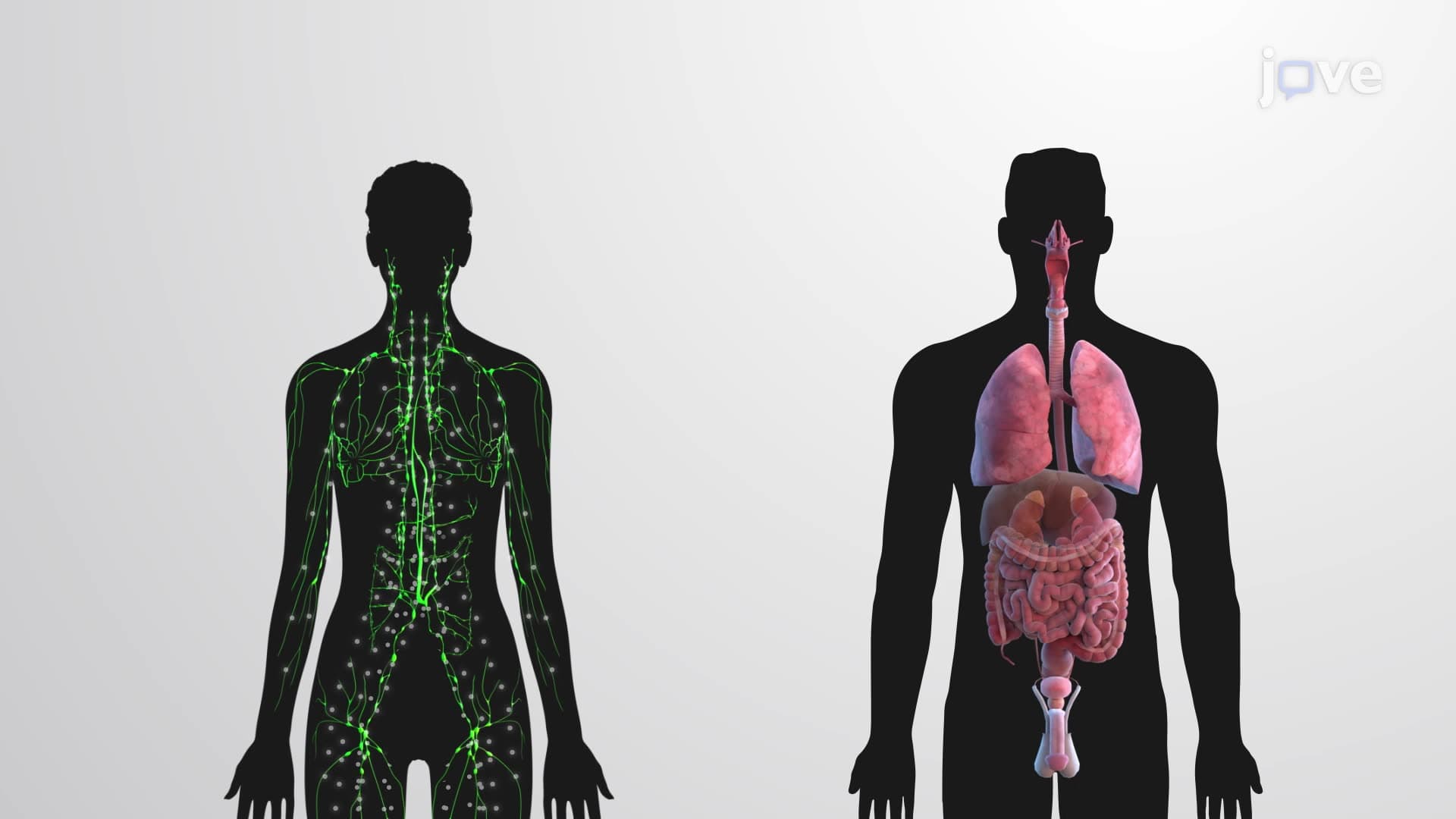
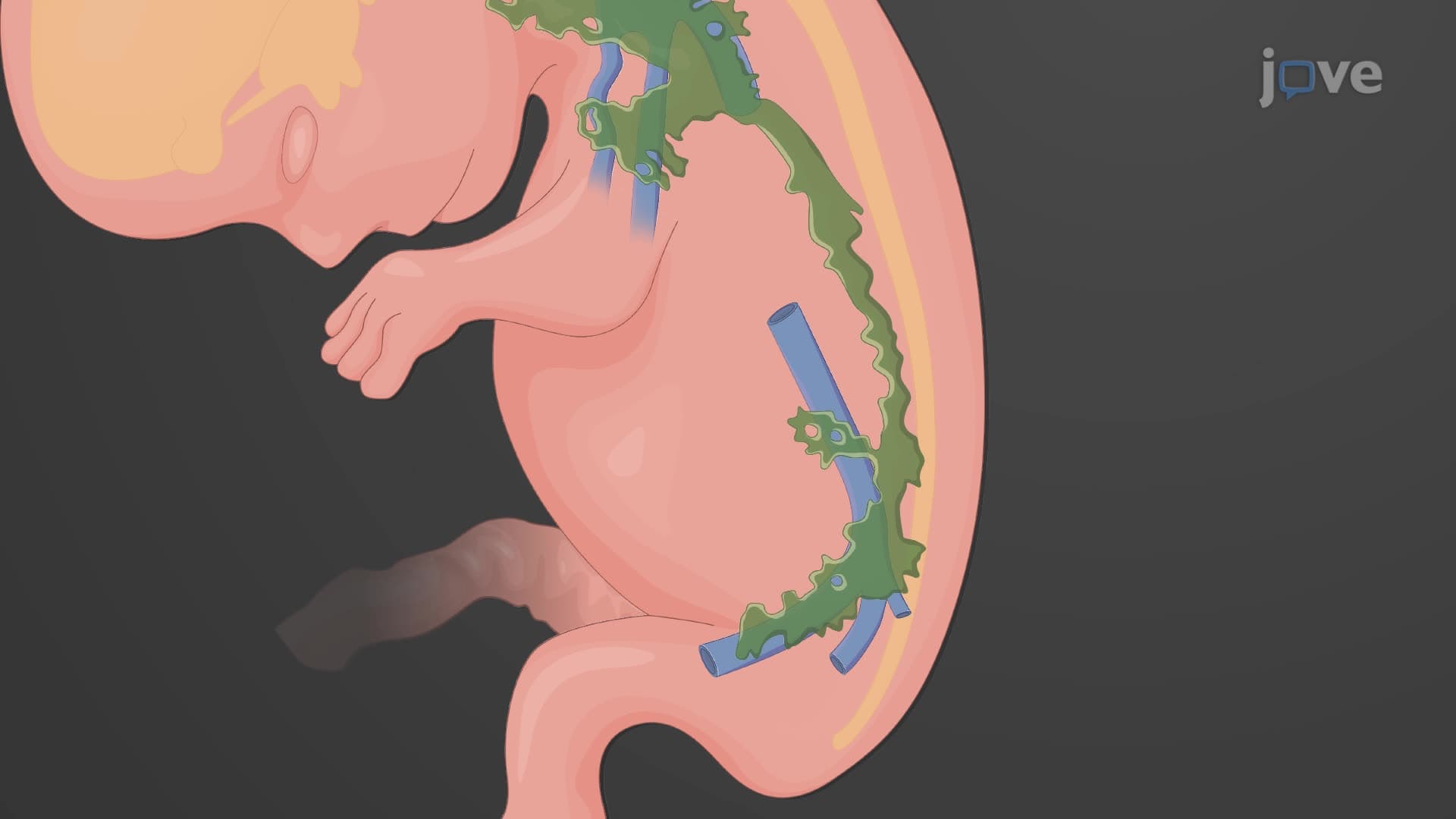
The lymphatic and immune systems represent one of biology's most elegant examples of structural-functional integration. Unlike other body systems that serve single primary purposes, this network simultaneously manages three critical functions: immune surveillance, fluid homeostasis, and lipid transport. This integration explains why lymphatic disorders often manifest as both immune deficiencies and fluid balance problems.
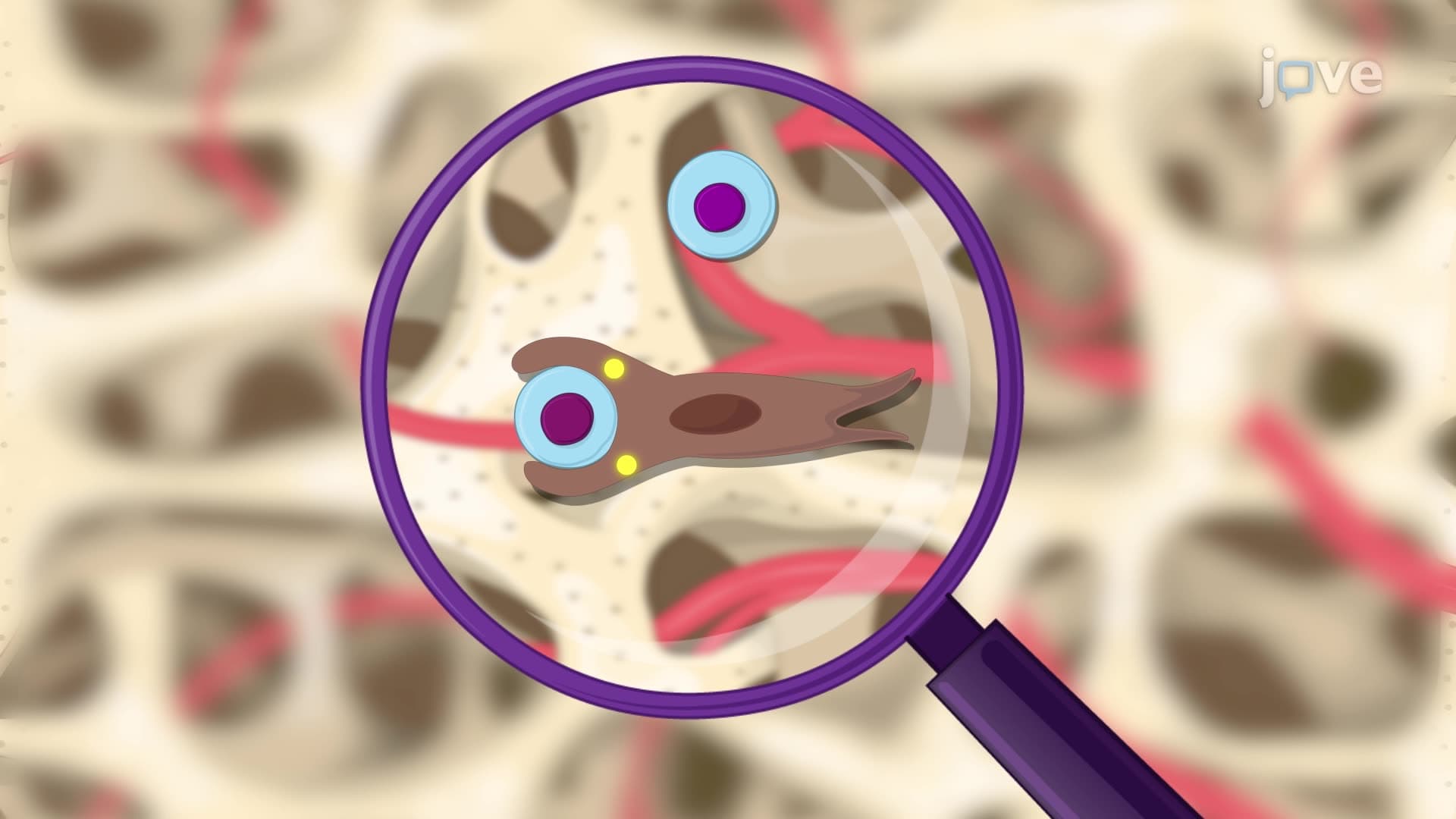
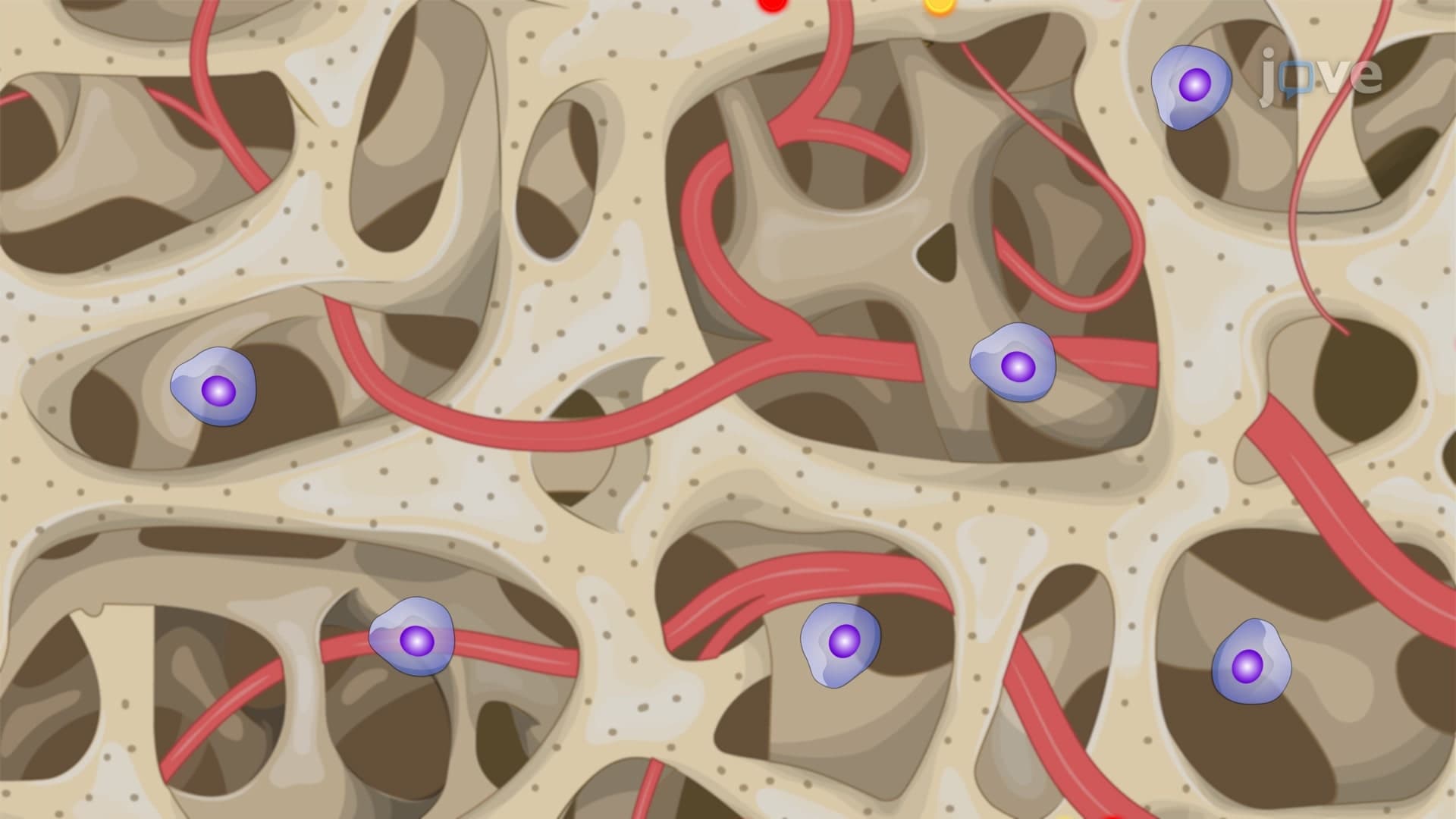
The bone marrow and thymus serve as the body's immune cell "boot camps." Bone marrow produces all blood cells through hematopoiesis, including lymphocyte precursors that will become B cells or migrate to the thymus for T cell development. The thymus, located above the heart, educates T cells through positive and negative selection processes-eliminating cells that would attack the body's own tissues while preserving those capable of recognizing foreign antigens.
This concept frequently appears on AP Biology exams and MCAT questions, particularly regarding autoimmune disease mechanisms. Students should understand that thymic involution (shrinkage) with age partially explains why elderly populations show increased infection susceptibility and reduced vaccine responses-a principle relevant to current COVID-19 vaccination strategies in nursing homes across the United States.
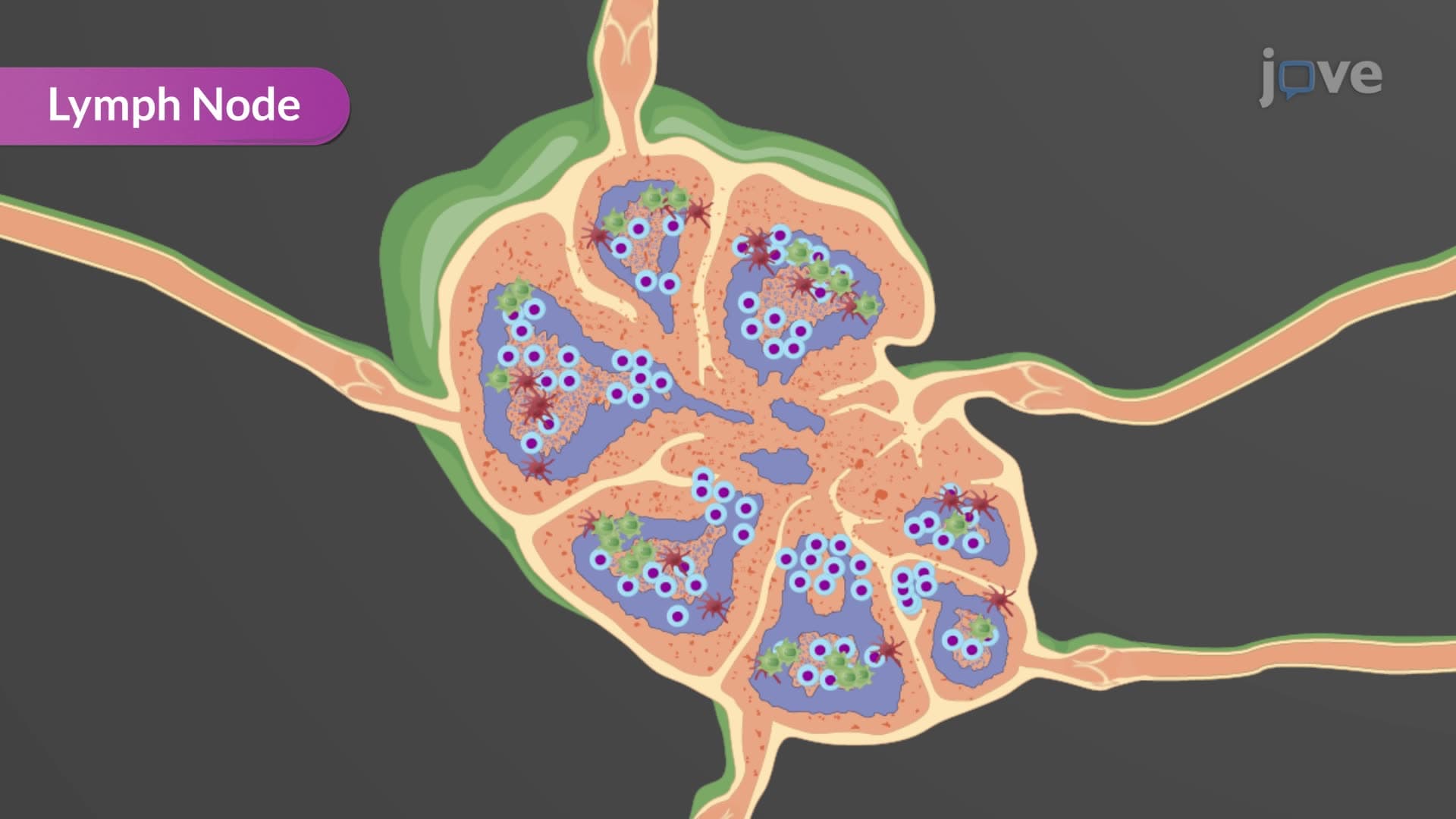
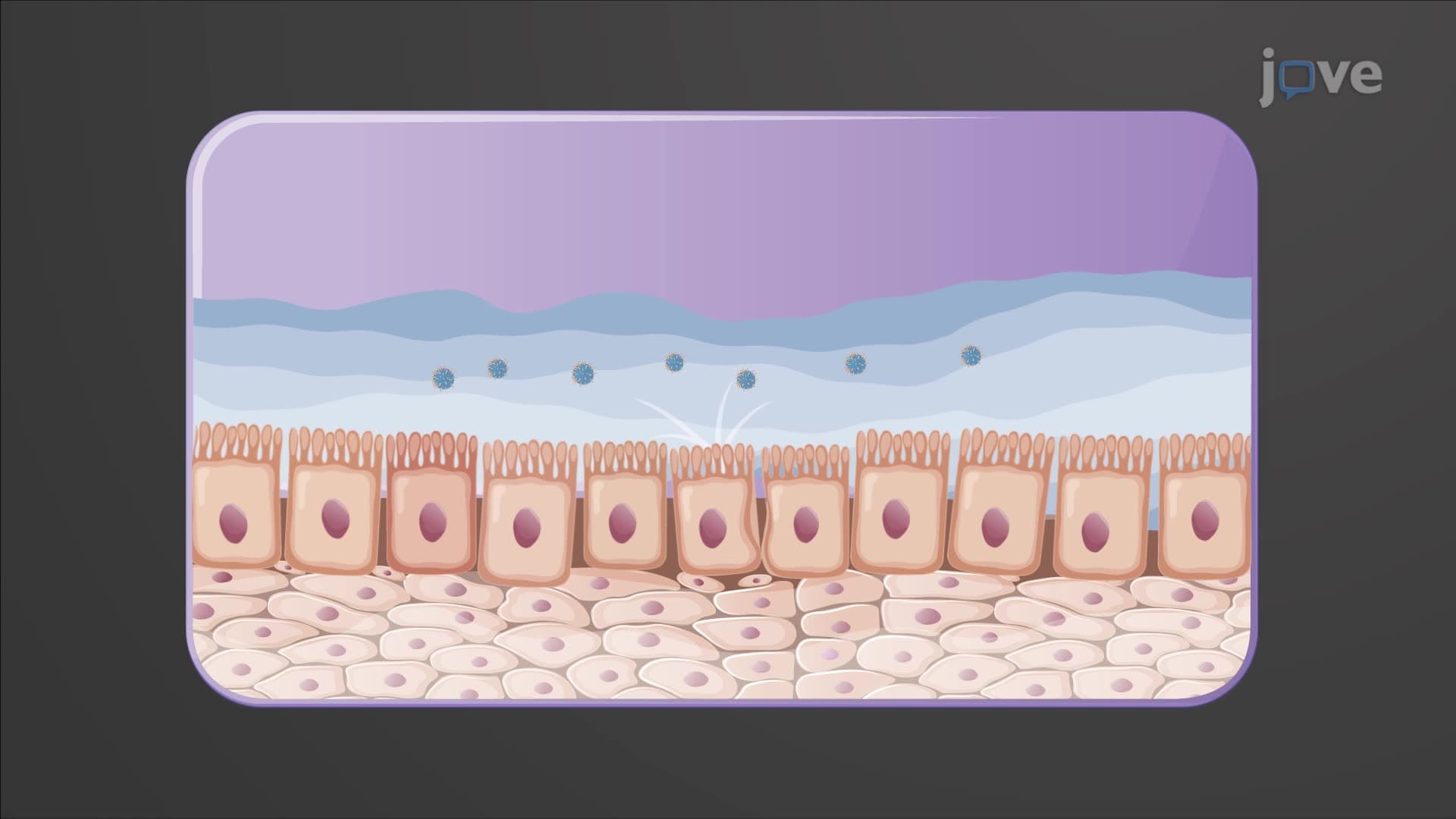
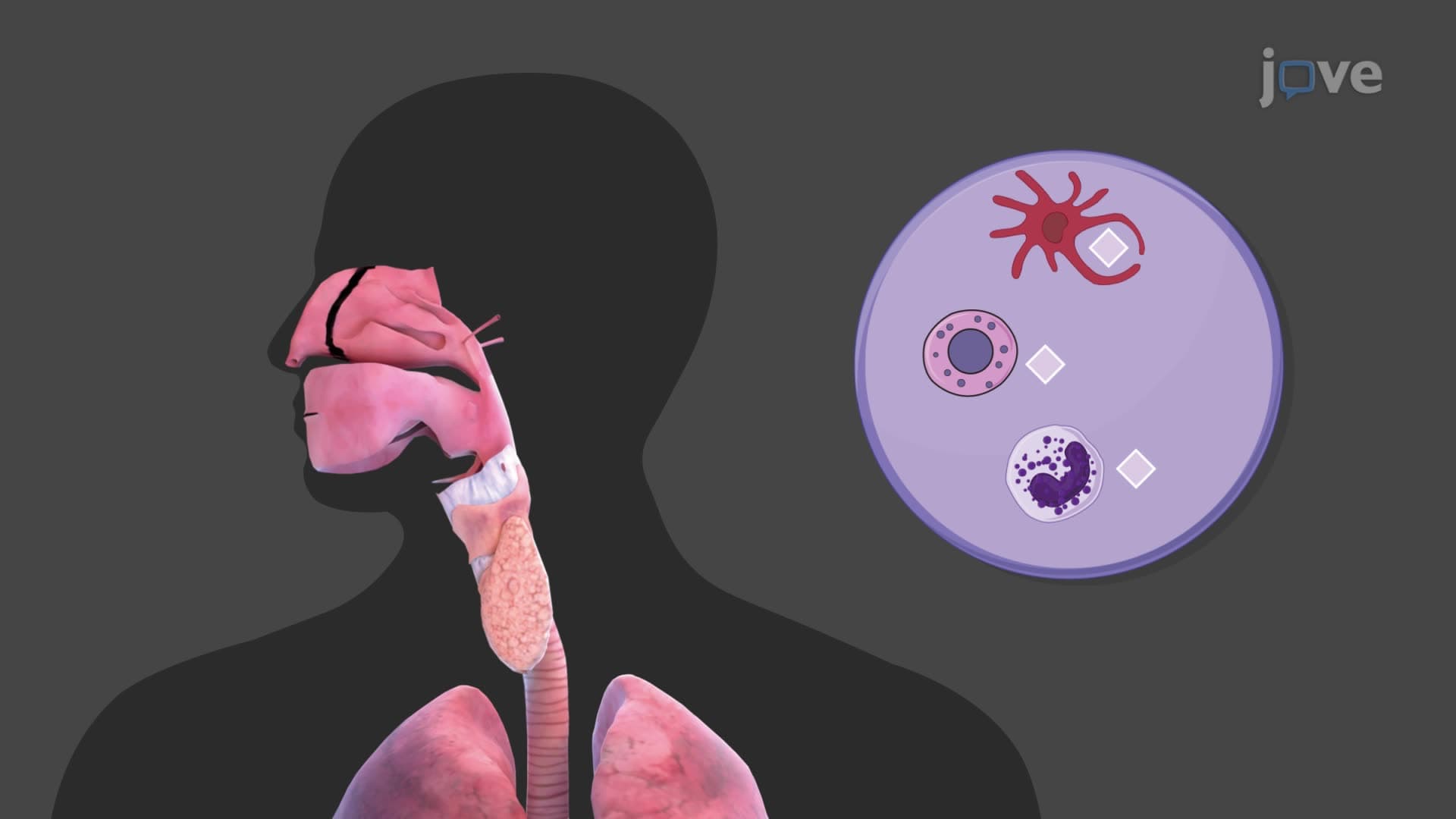
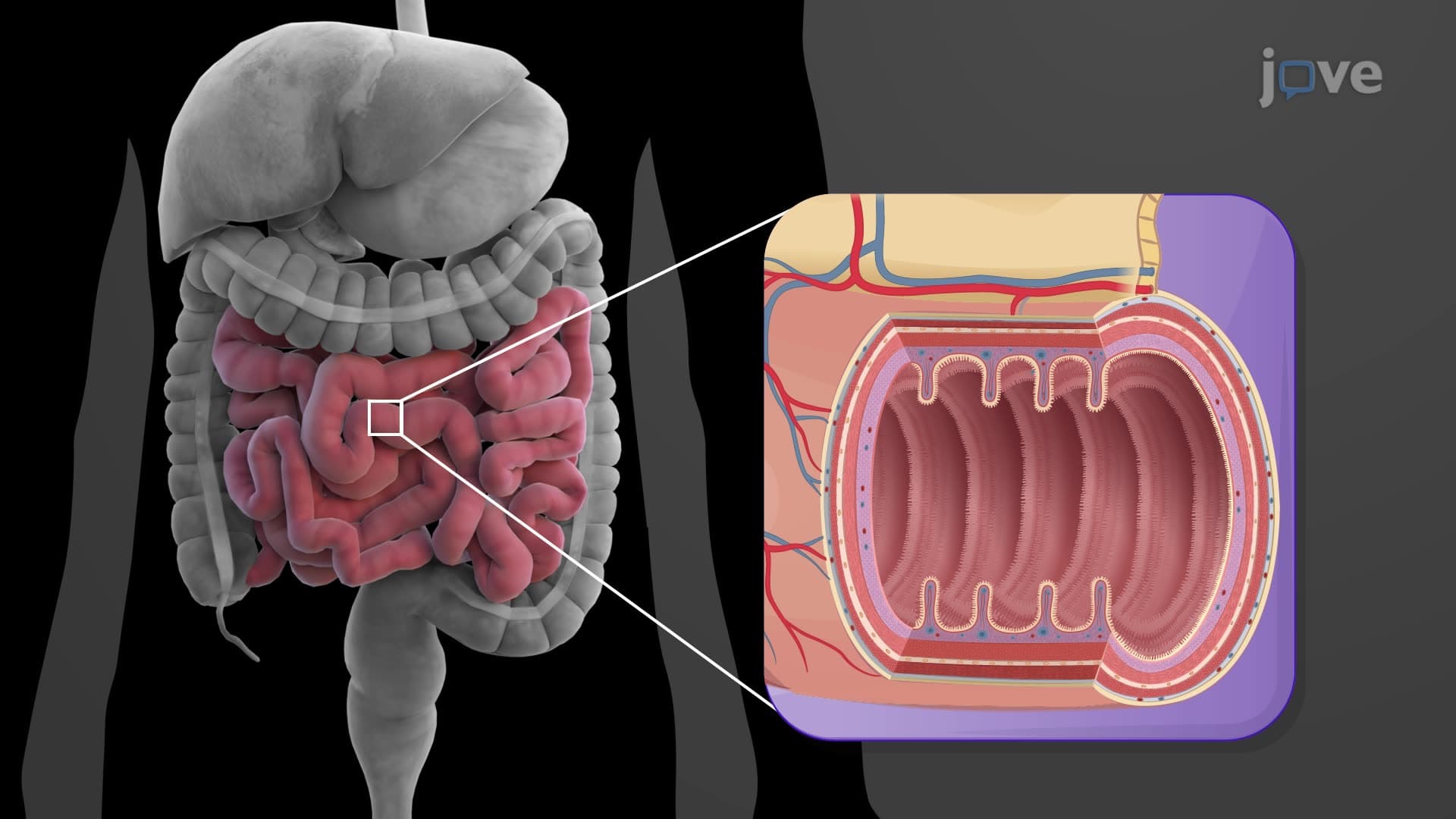
Secondary lymphoid organs like lymph nodes, spleen, and mucosa-associated lymphoid tissue (MALT) function as immune system "meeting places" where antigens encounter naive lymphocytes. MALT deserves special attention because it guards the body's most vulnerable entry points-respiratory and digestive tracts. Peyer's patches in the small intestine exemplify this function, constantly sampling intestinal contents and initiating responses against harmful bacteria while tolerating beneficial microbiota.
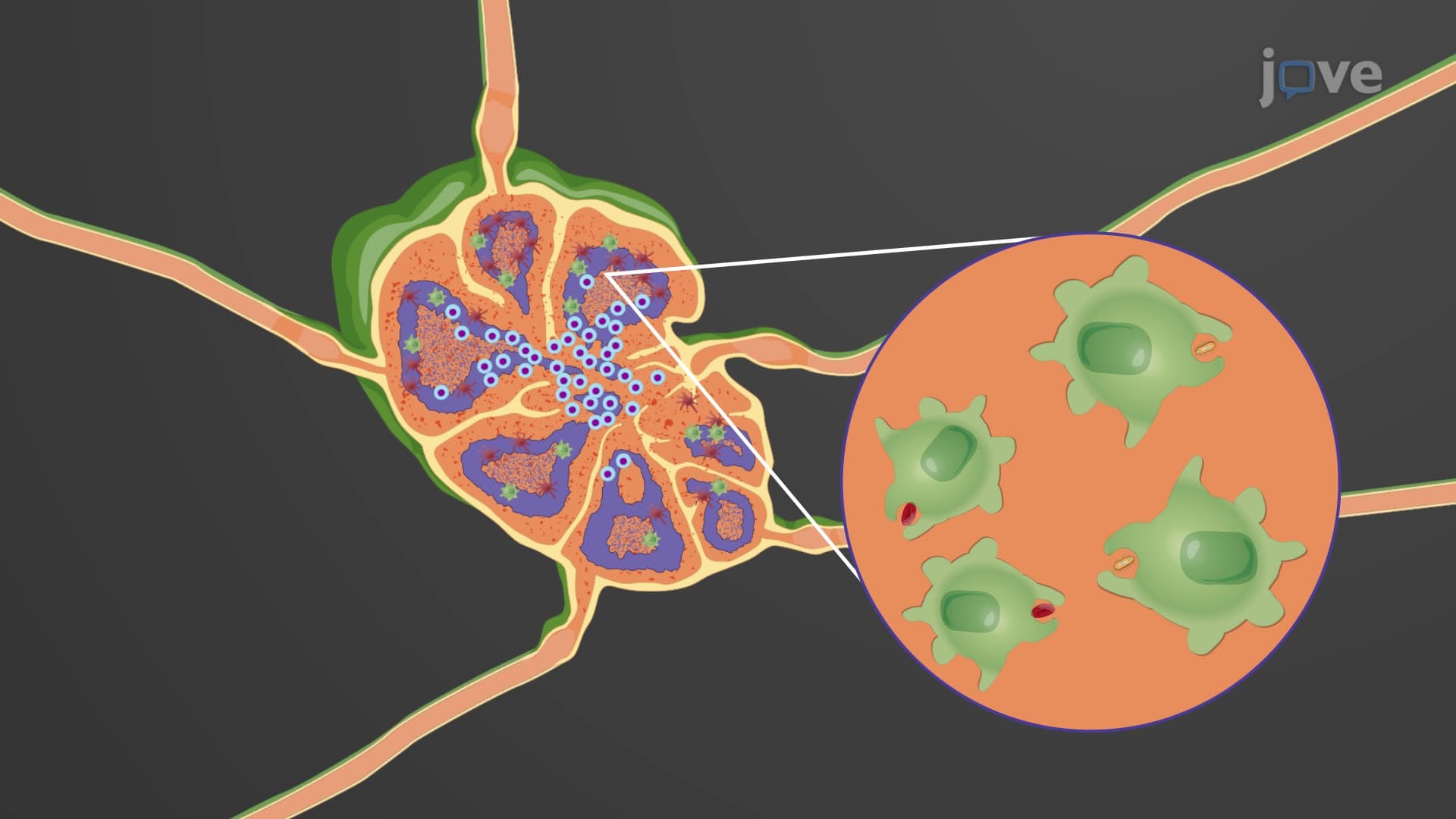
The lymph node immune function operates like a biological security checkpoint. Lymph fluid carrying potential threats must pass through multiple nodes before returning to circulation, allowing resident immune cells to screen for pathogens. This explains why swollen lymph nodes often accompany infections-they're working overtime to contain and eliminate threats.
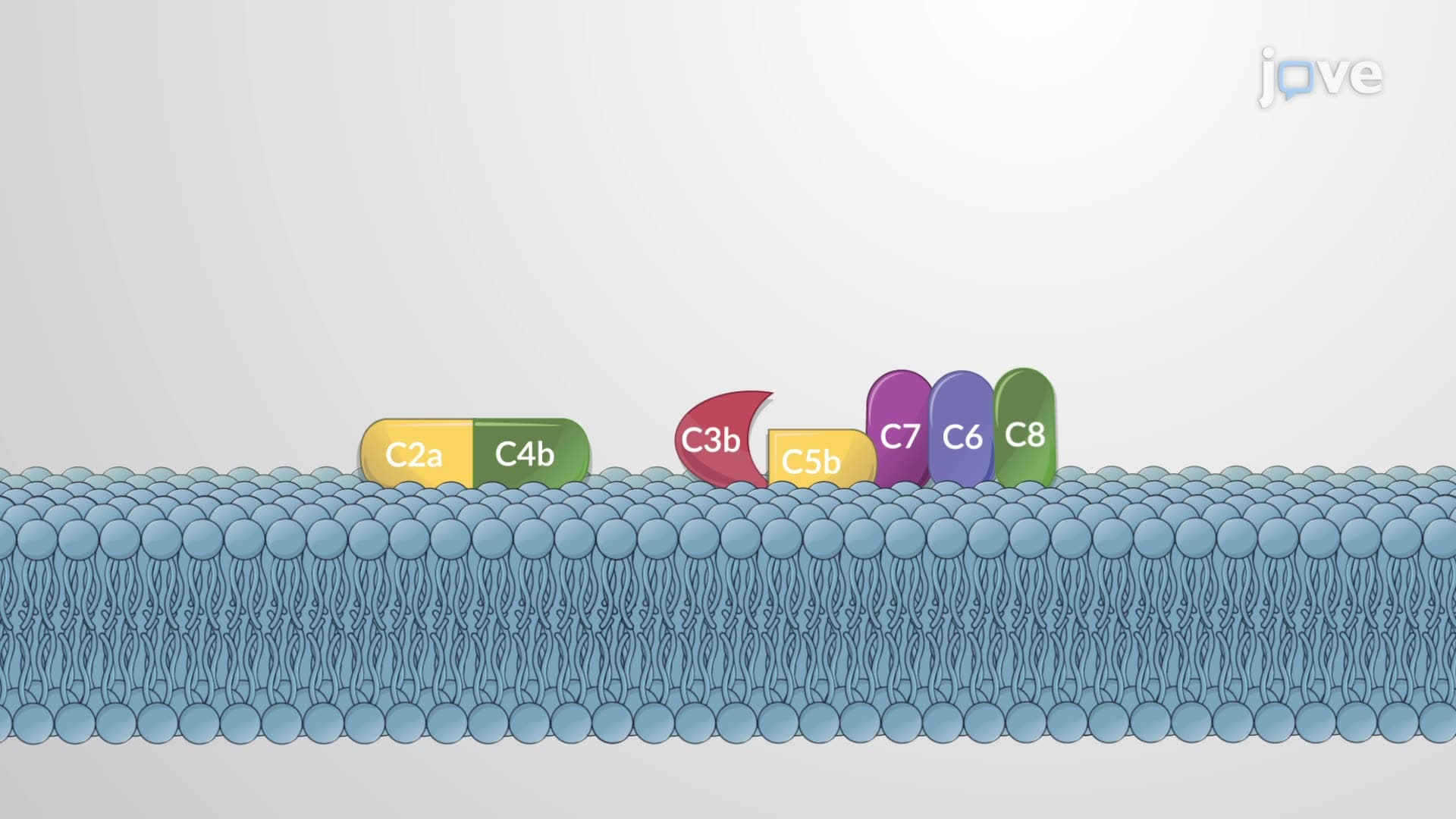
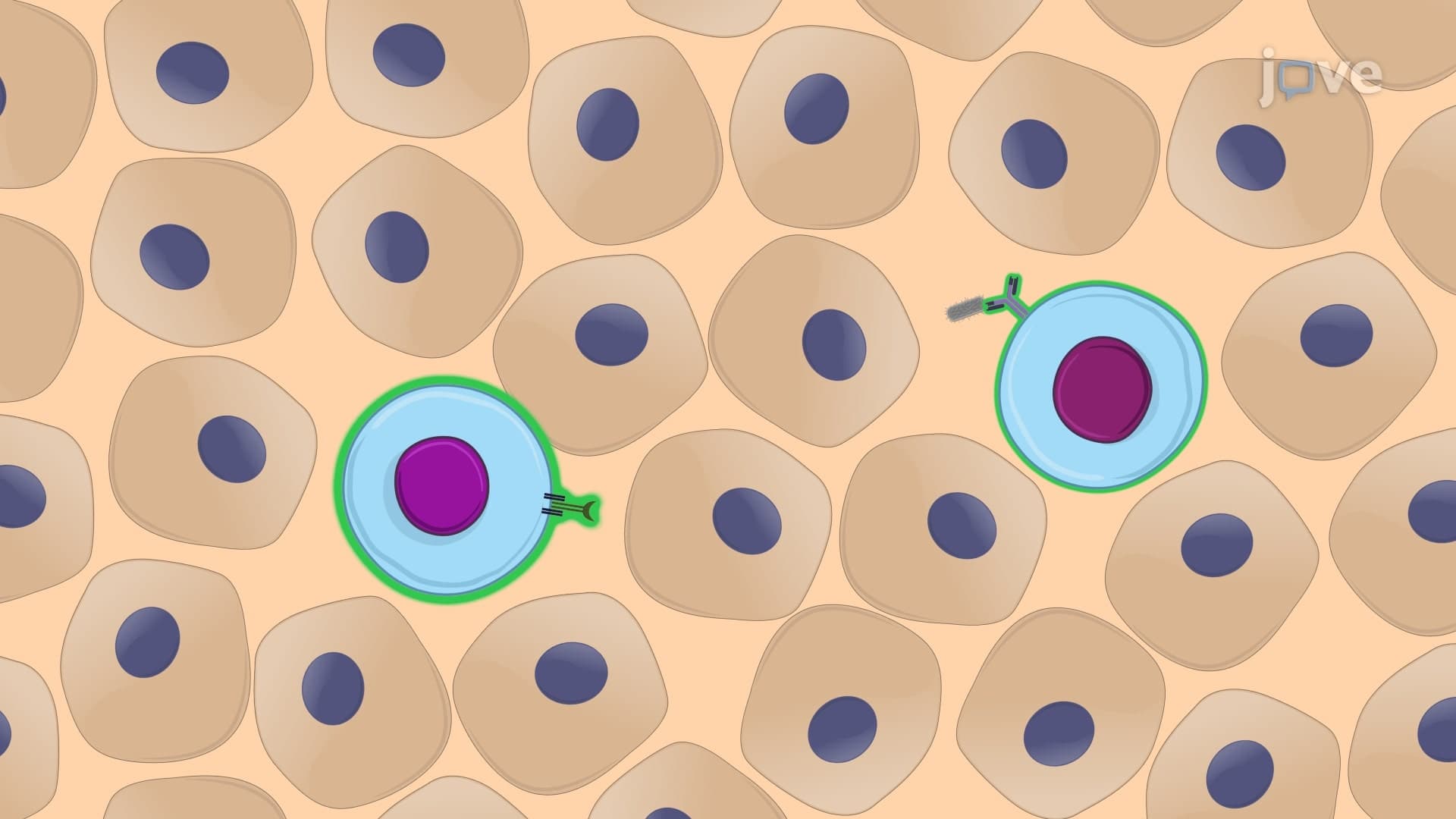
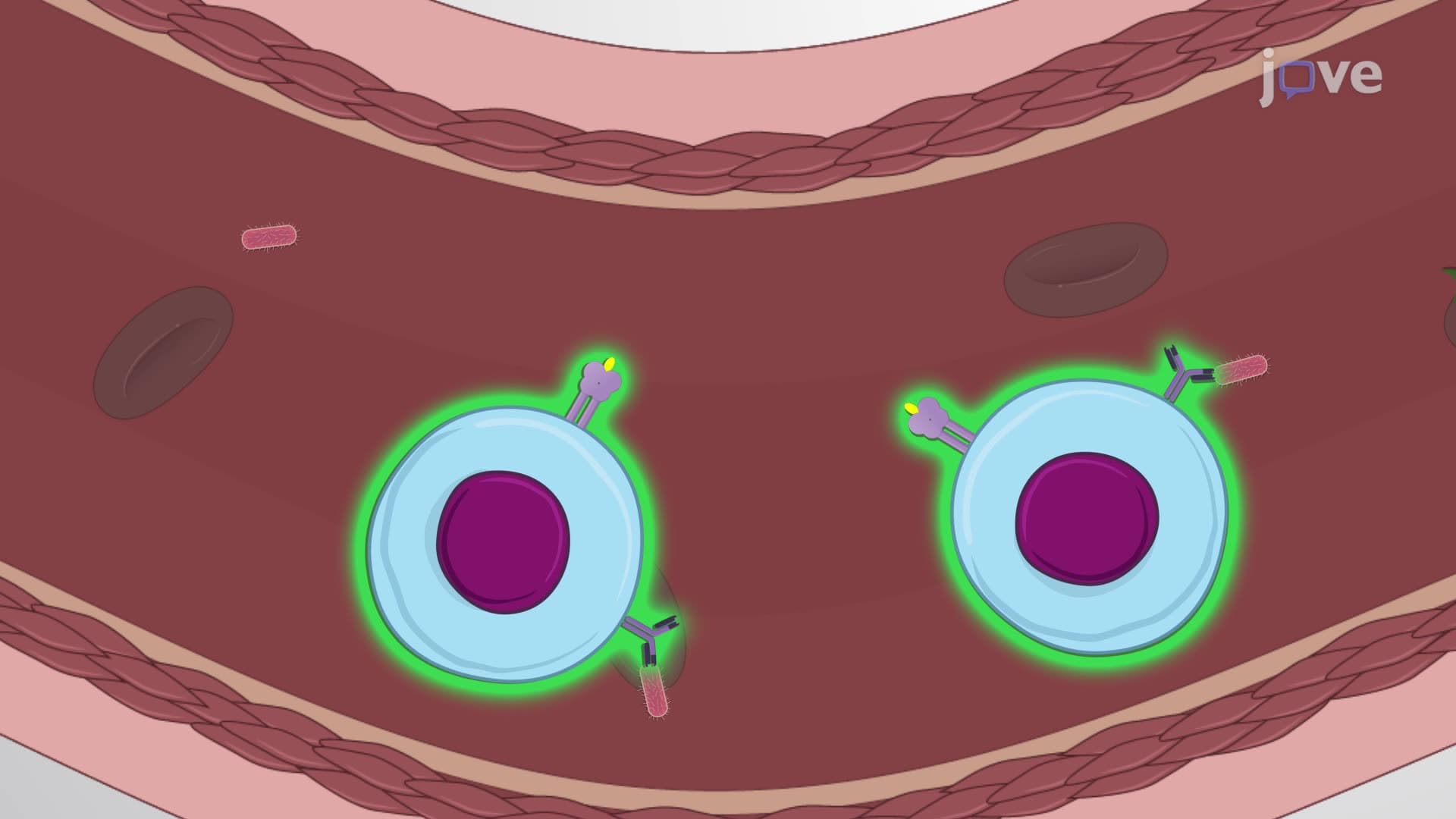
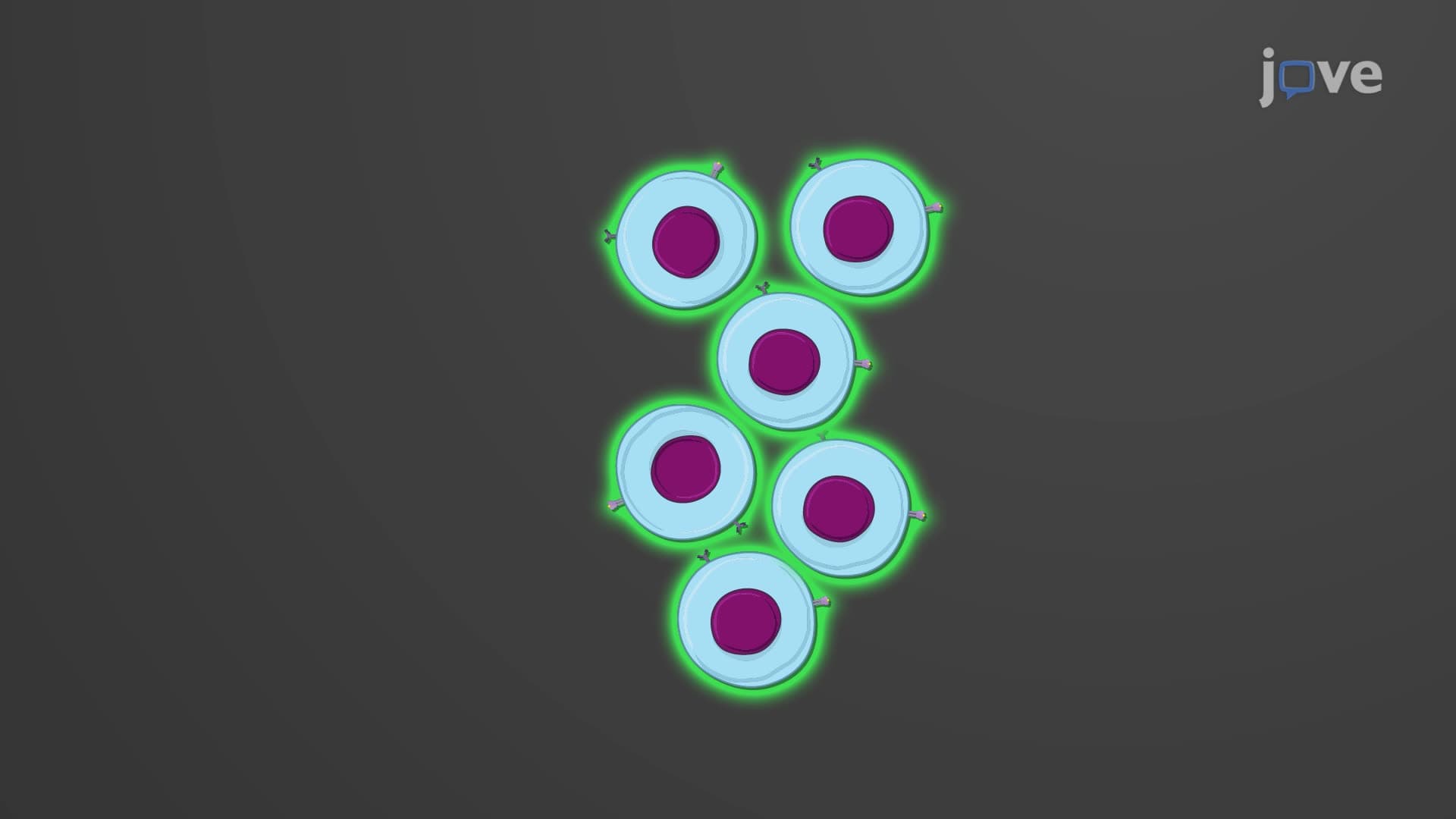
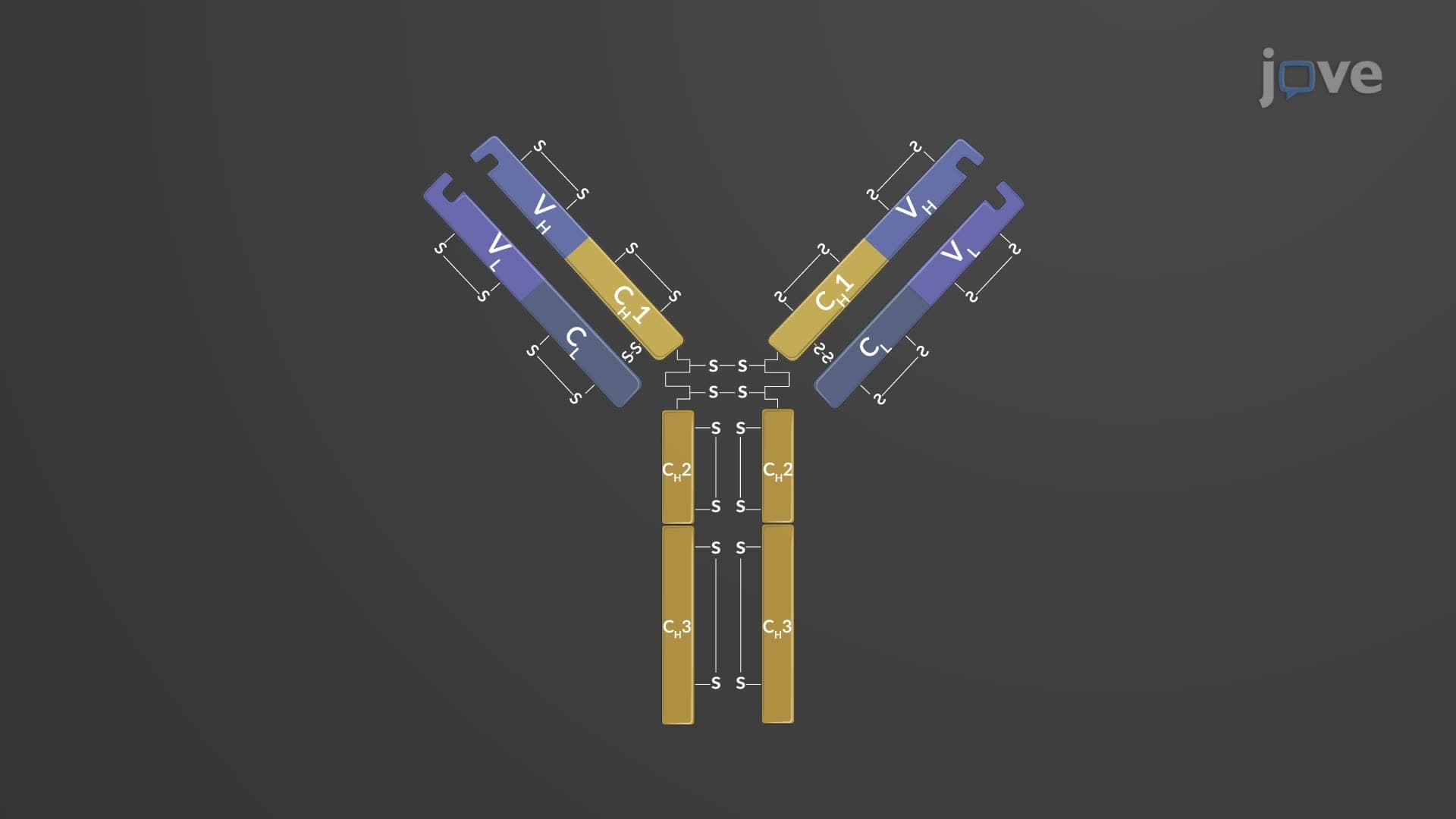
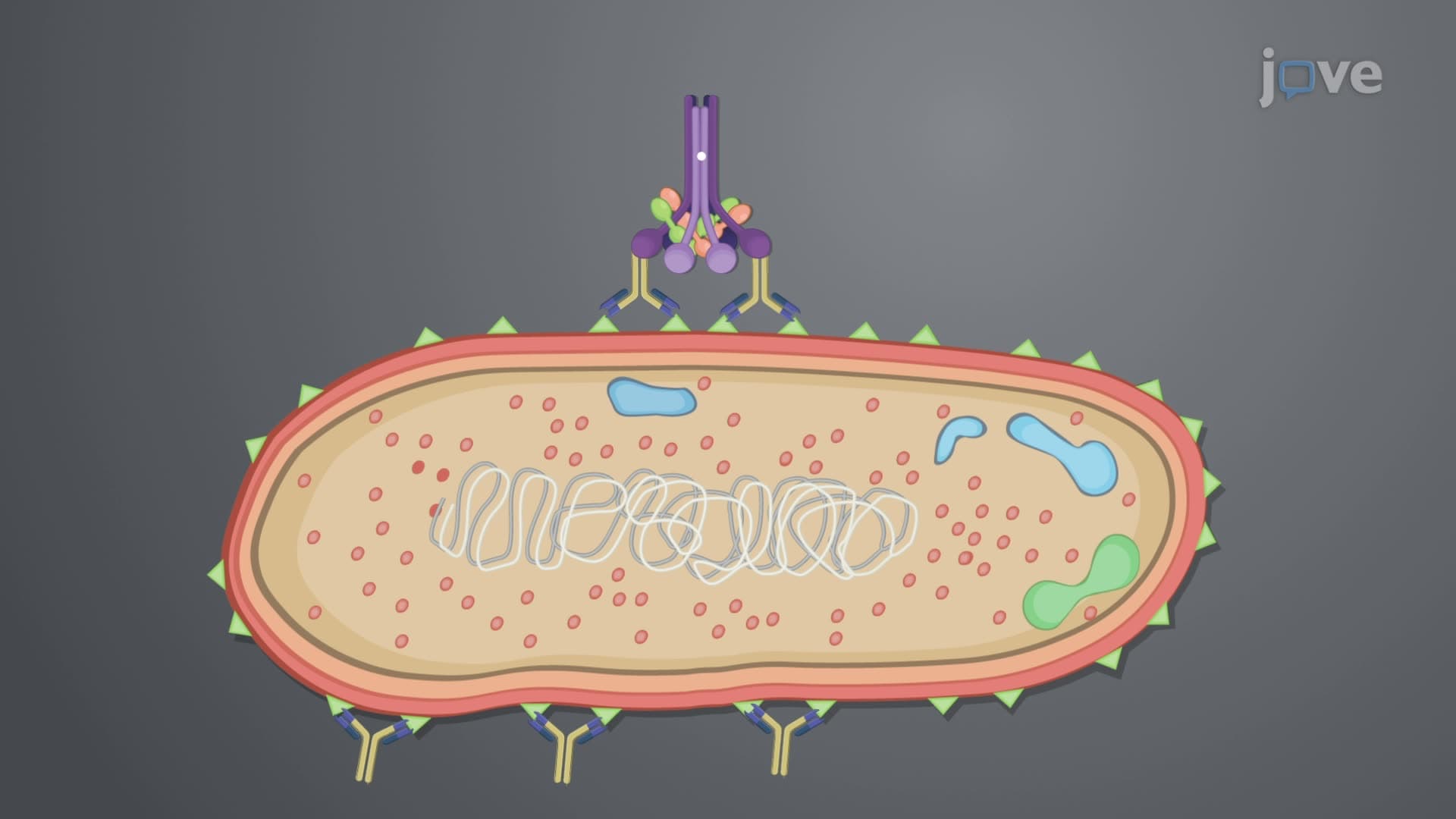
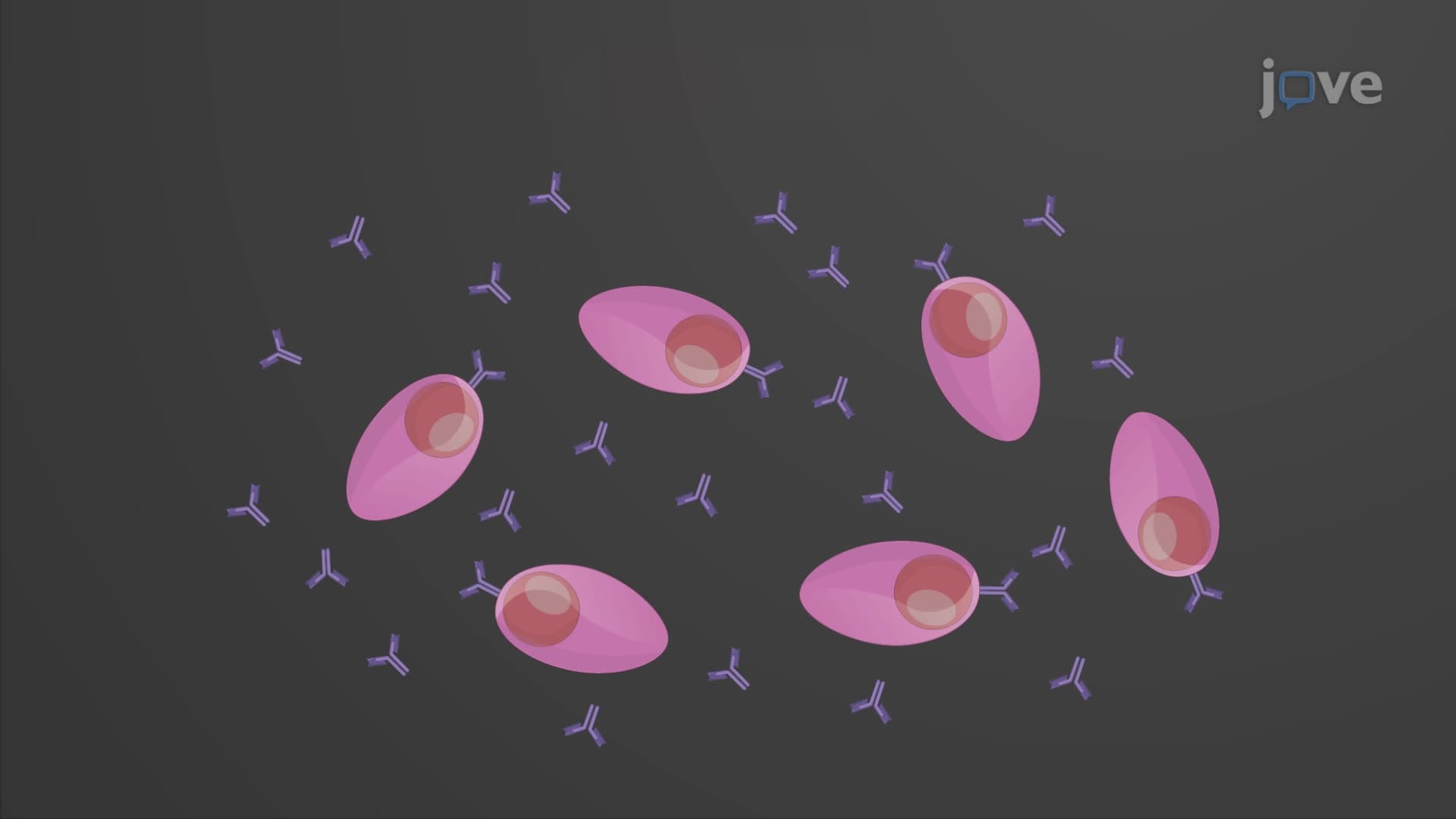
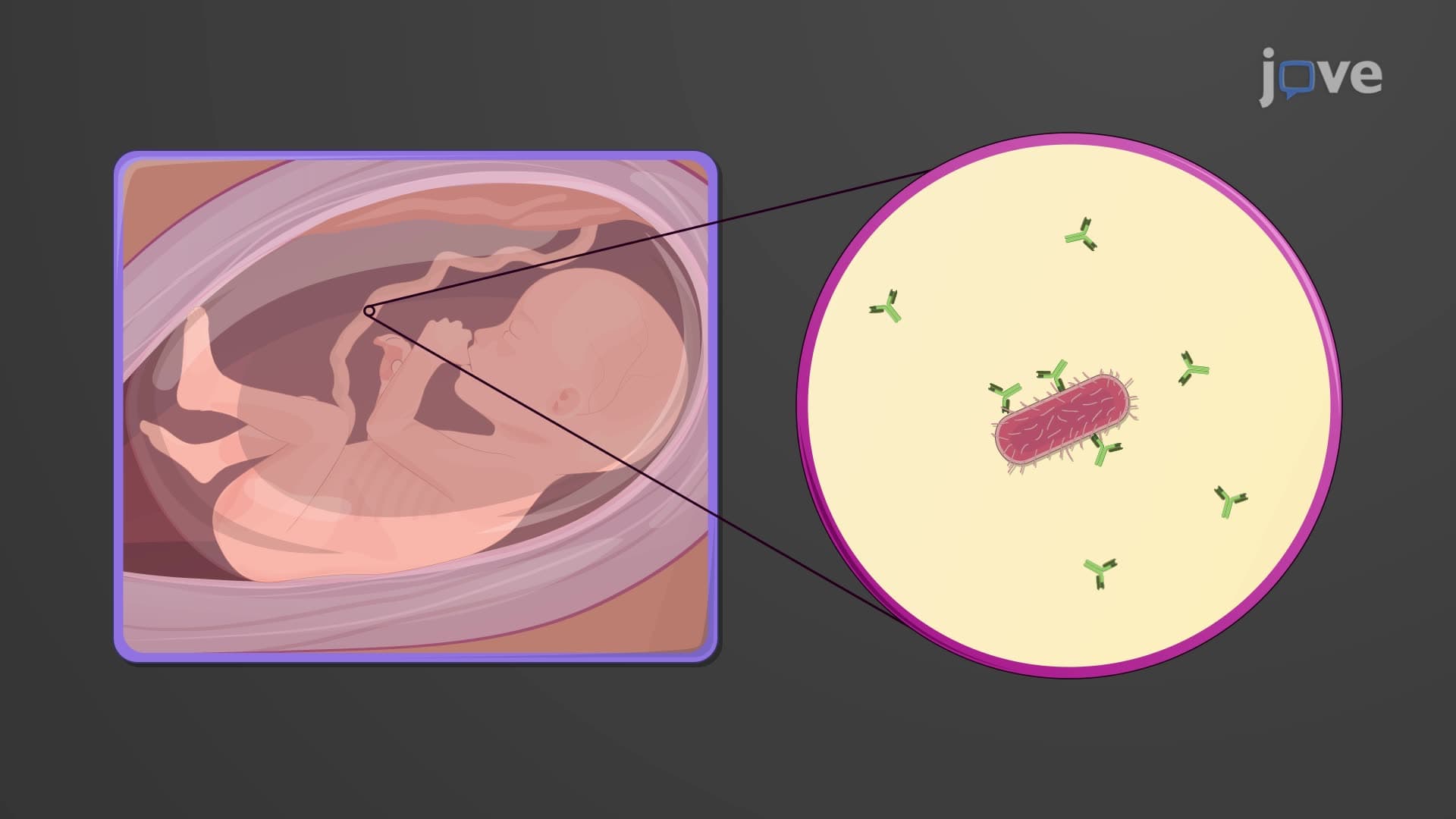
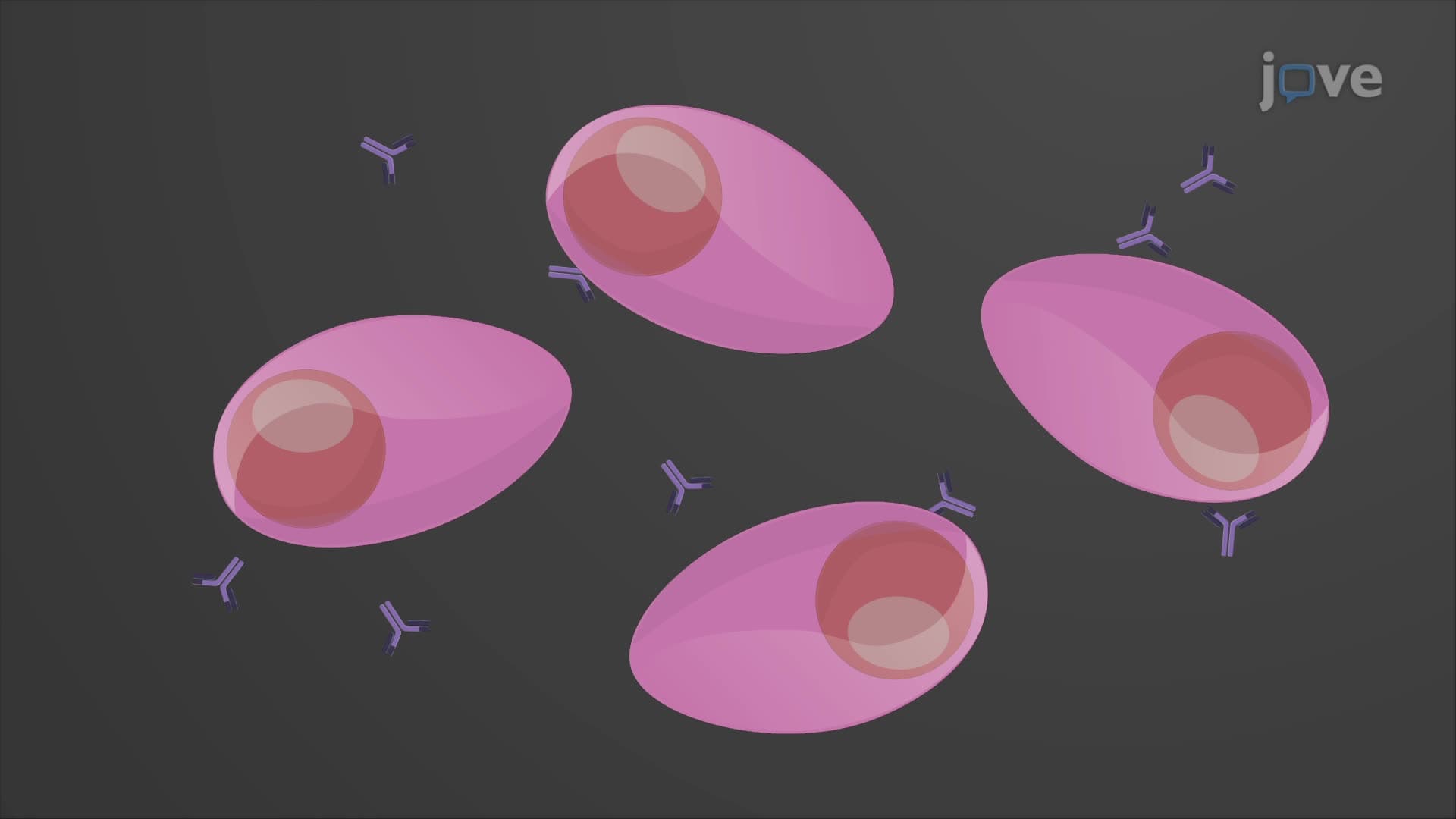
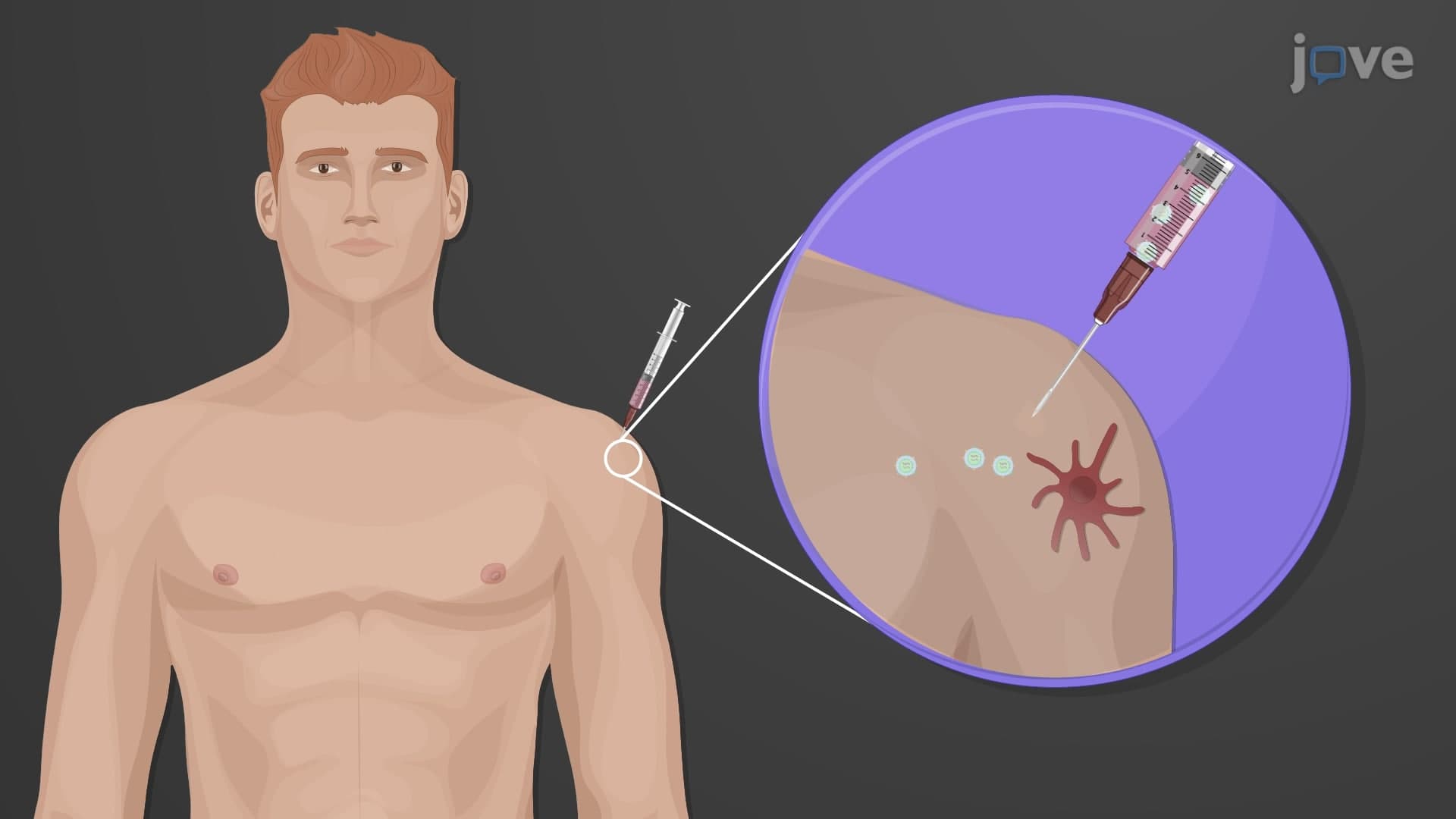
B lymphocytes and T lymphocytes represent the adaptive immune system's specialized forces. B cells function as the body's antibody factories, producing immunoglobulins that neutralize pathogens through various mechanisms including neutralization, opsonization, and complement activation. Each B cell produces antibodies specific to one antigen, explaining why vaccination creates lasting immunity against specific diseases.
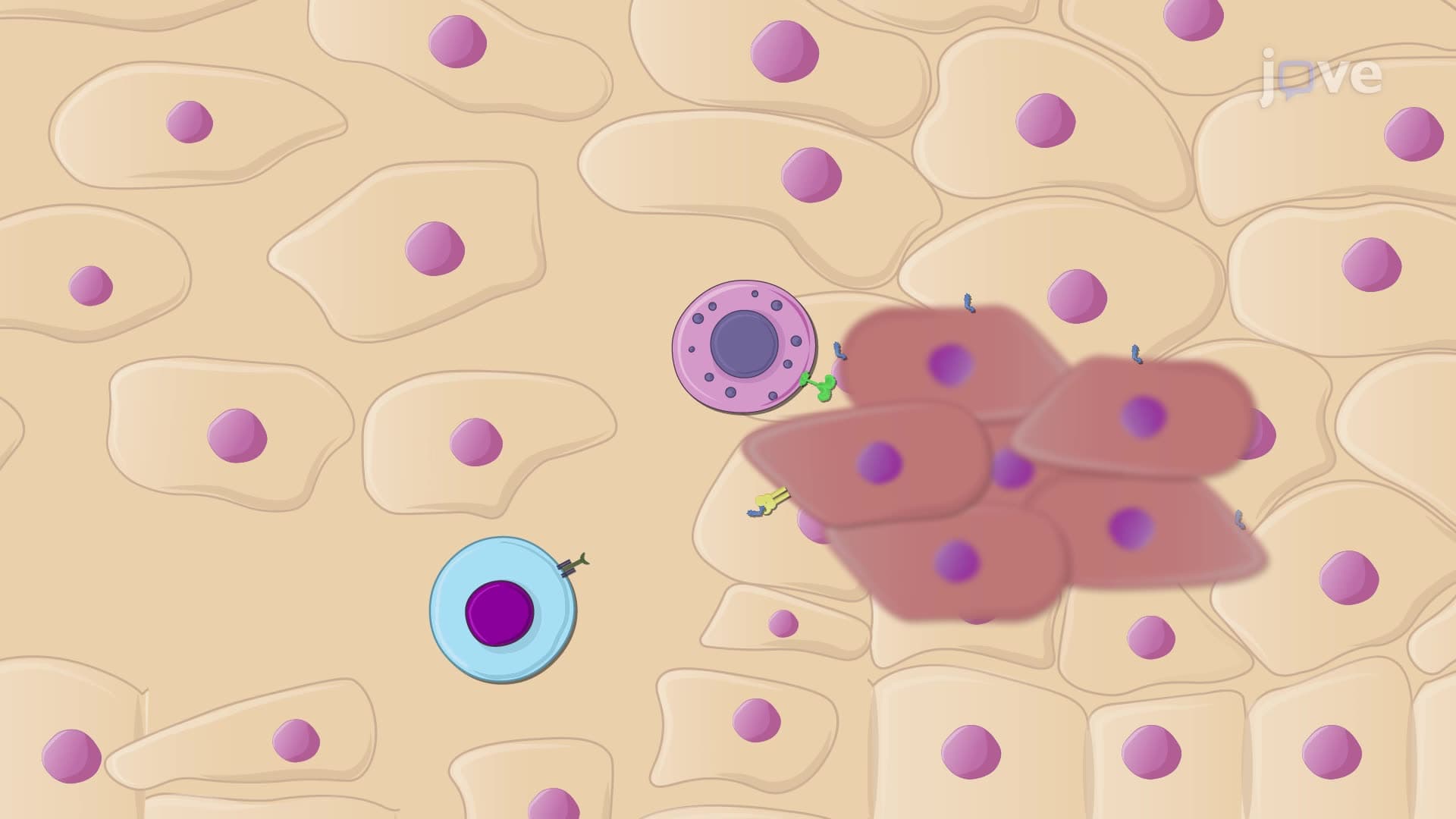
Cytotoxic T lymphocytes (CD8+ T cells) operate as cellular assassins, directly destroying infected cells through perforin and granzyme release. This cell-mediated cytotoxicity proves crucial for eliminating virus-infected cells and tumor cells that evade antibody-mediated responses. Understanding this distinction helps explain why some immunodeficiency diseases affect humoral immunity (antibody-related) while others compromise cellular immunity.
Related Micro-courses