Loading video…


 38 Concepts
 218.4K views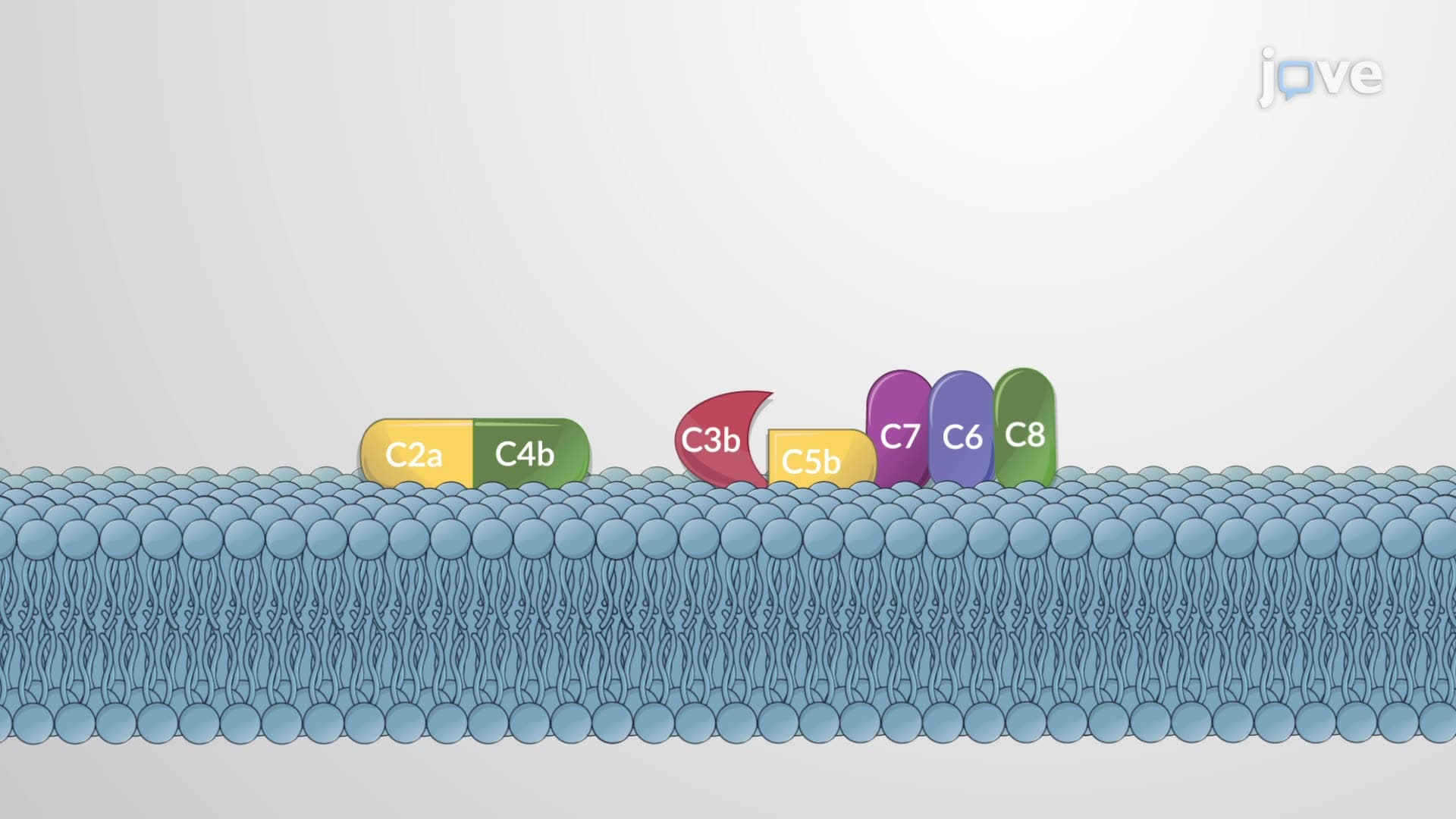

Video Summary: What Is Complement System
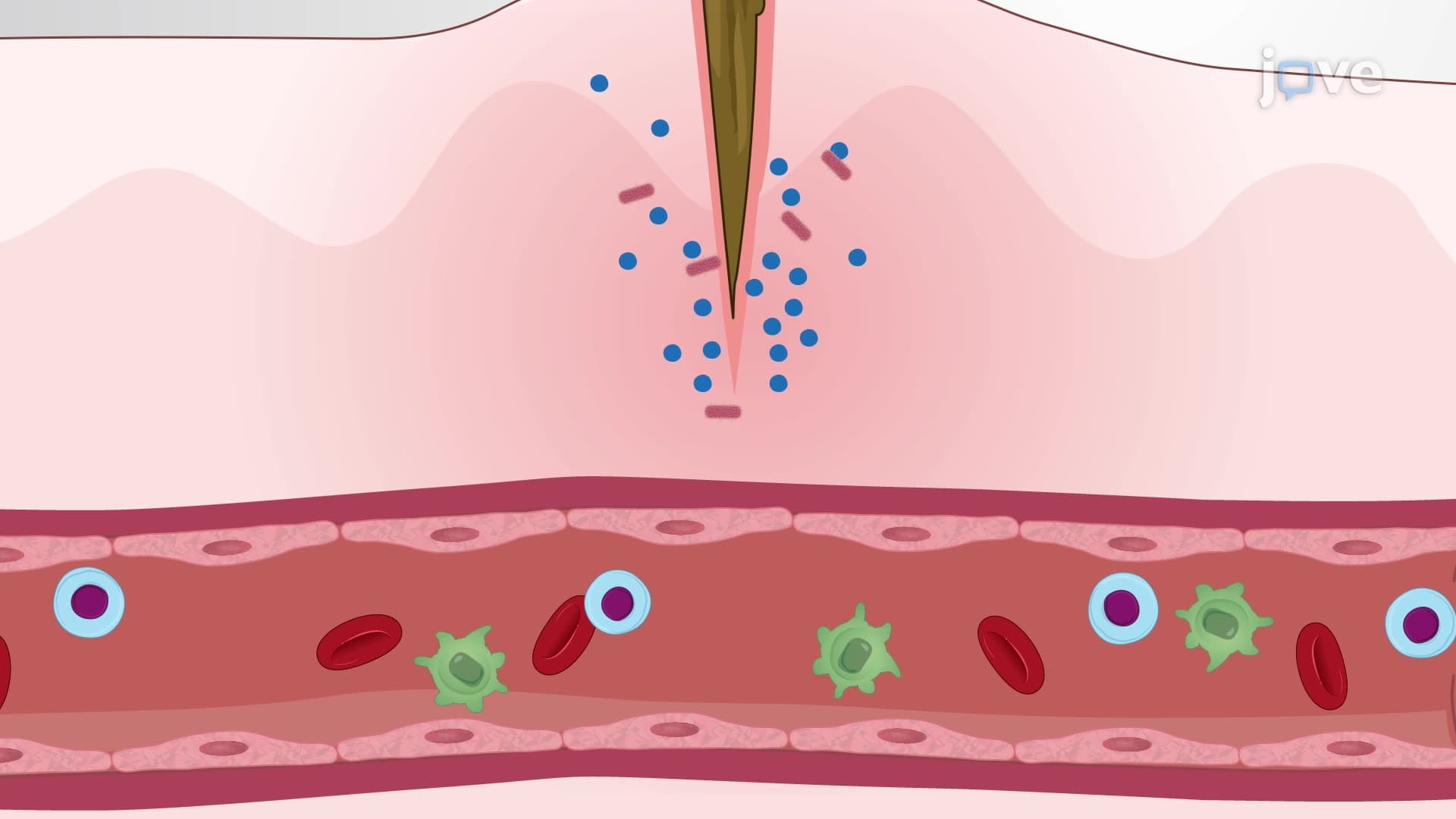
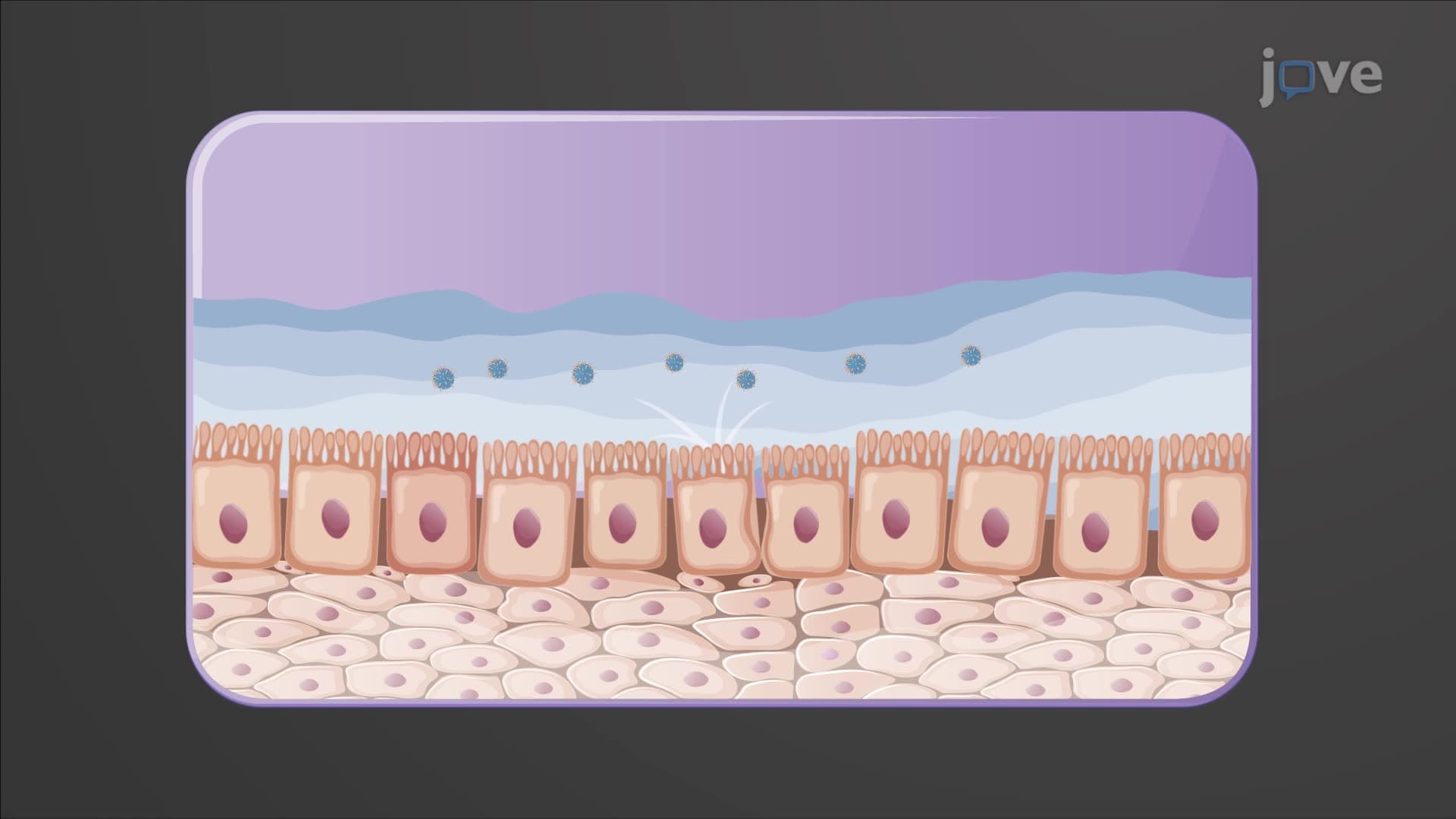
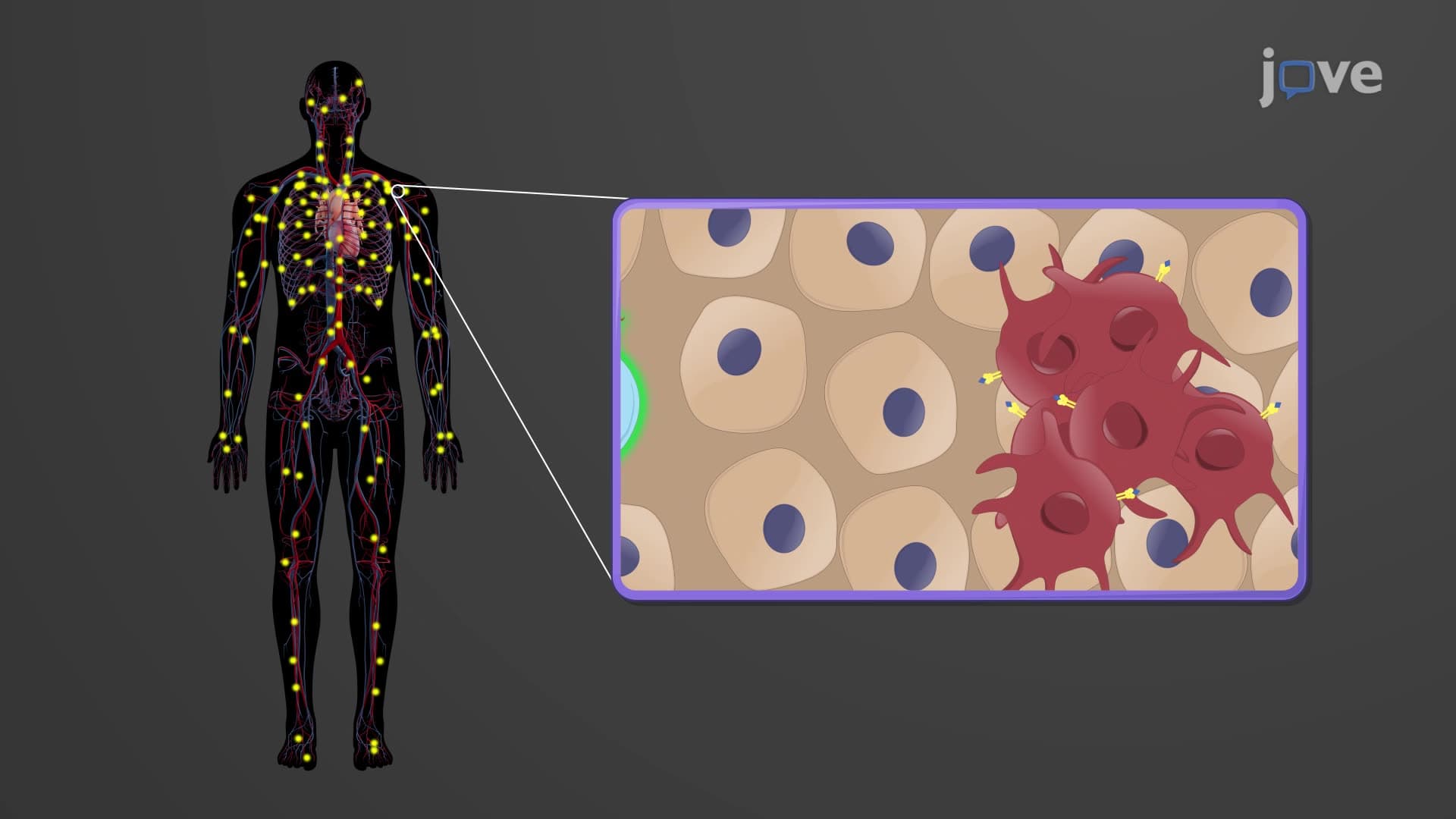
Did you know that your blood contains a microscopic army of about 20 proteins that can literally punch holes in invading bacteria? The complement system immunity works like a sophisticated defense network, using three distinct activation pathways to destroy pathogens through opsonization, inflammation, and direct cell destruction. For example, when a patient at Johns Hopkins Hospital receives treatment for a bacterial infection, their complement system is actively forming membrane attack complexes to eliminate the invaders. Watch the full video on JoVE Coach to master this concept with expert-led visuals and step-by-step explanations.
The complement system represents one of the most sophisticated components of innate immunity, functioning as a rapid-response mechanism that bridges innate and adaptive immune responses. Unlike the transcript's basic overview, this system operates with remarkable precision-imagine it as a molecular cascade where each protein acts like a domino, triggering the next in sequence until a devastating final blow is delivered to invading pathogens.
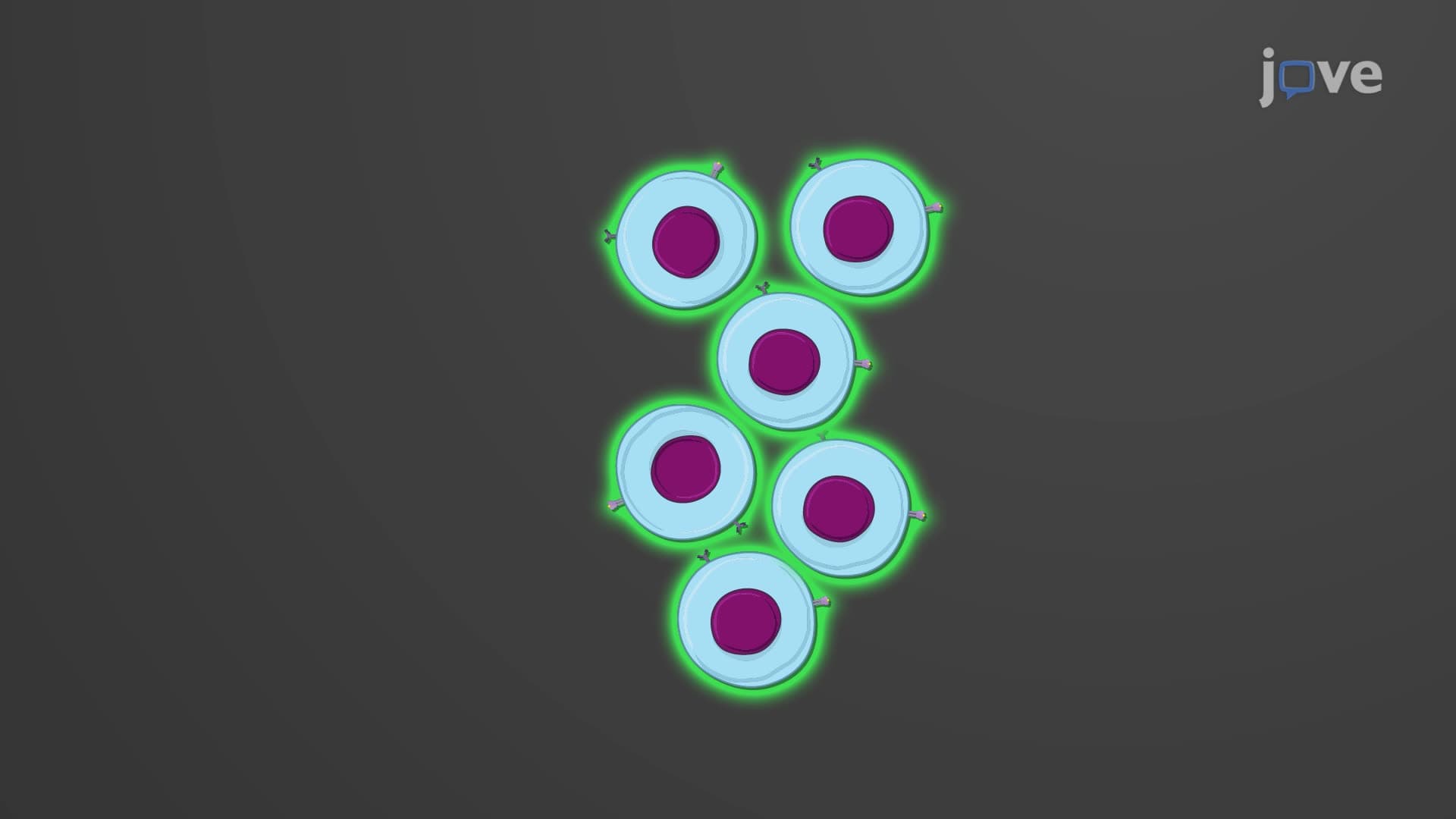
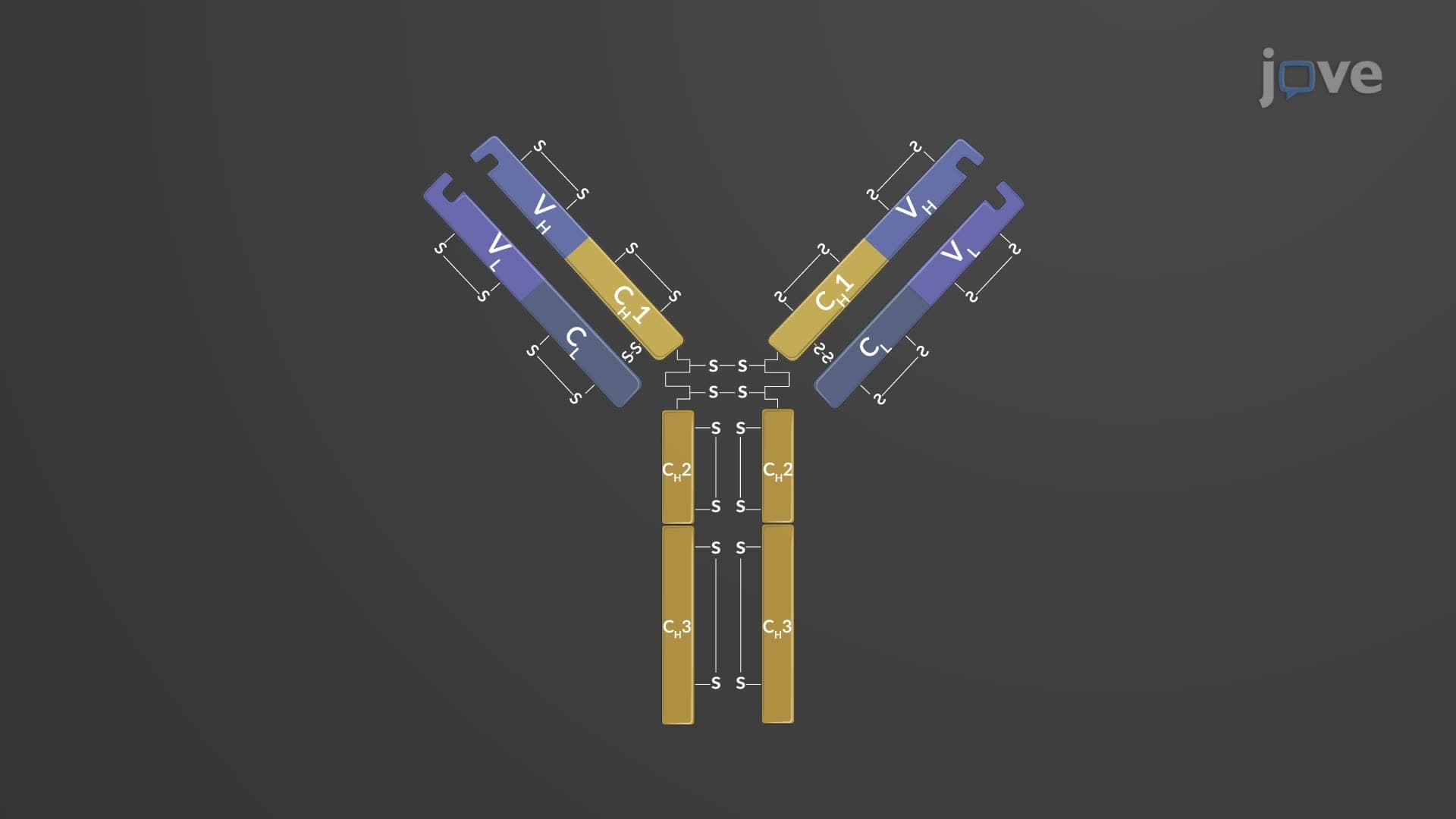
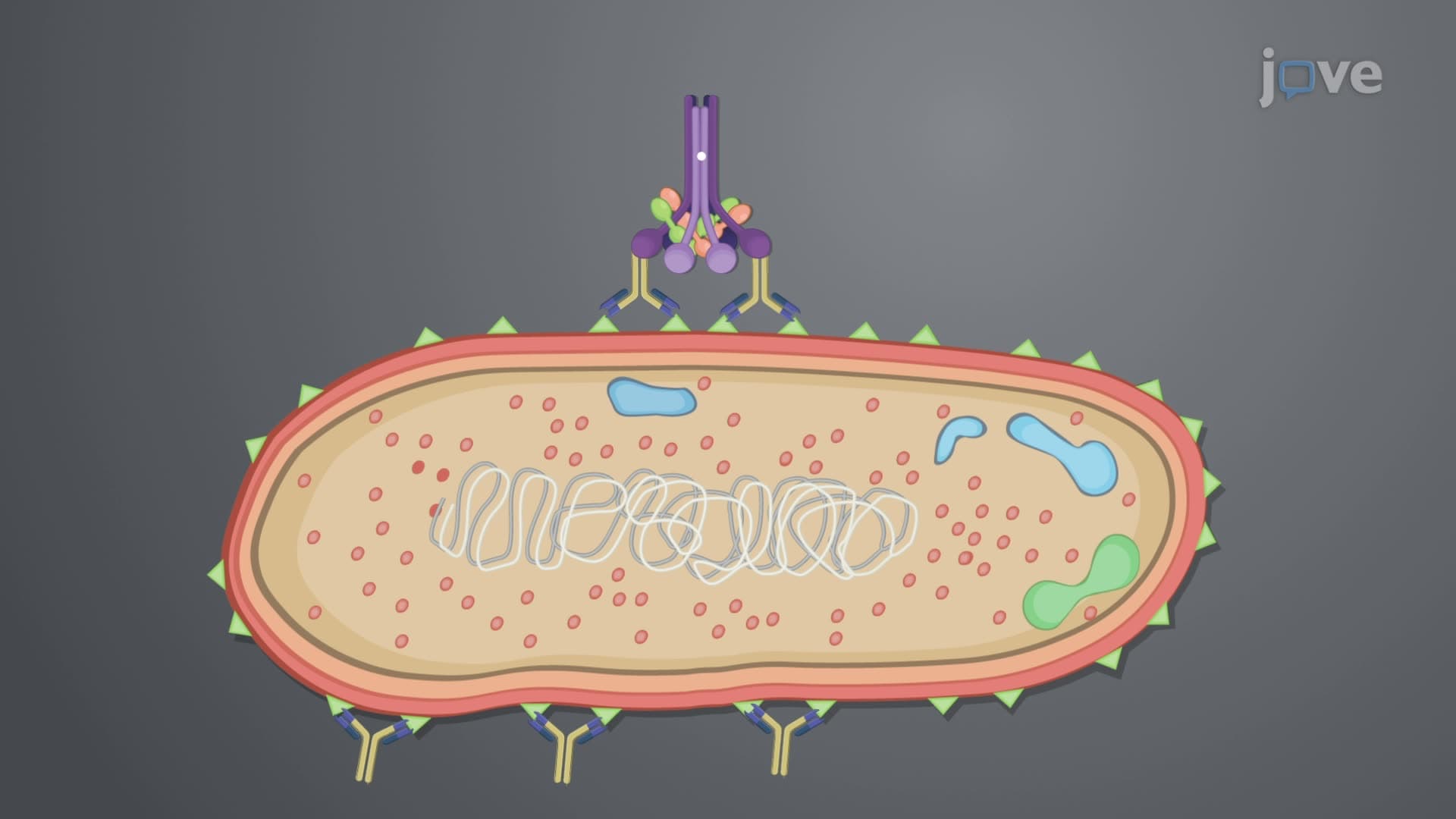
The complement cascade explained biology reveals three distinct activation routes, each designed to recognize different pathogen signatures. The classical pathway responds to antigen-antibody complexes, making it particularly important when adaptive immunity has already identified threats. Students preparing for the MCAT should note that this pathway requires prior antibody production, unlike the other two routes.
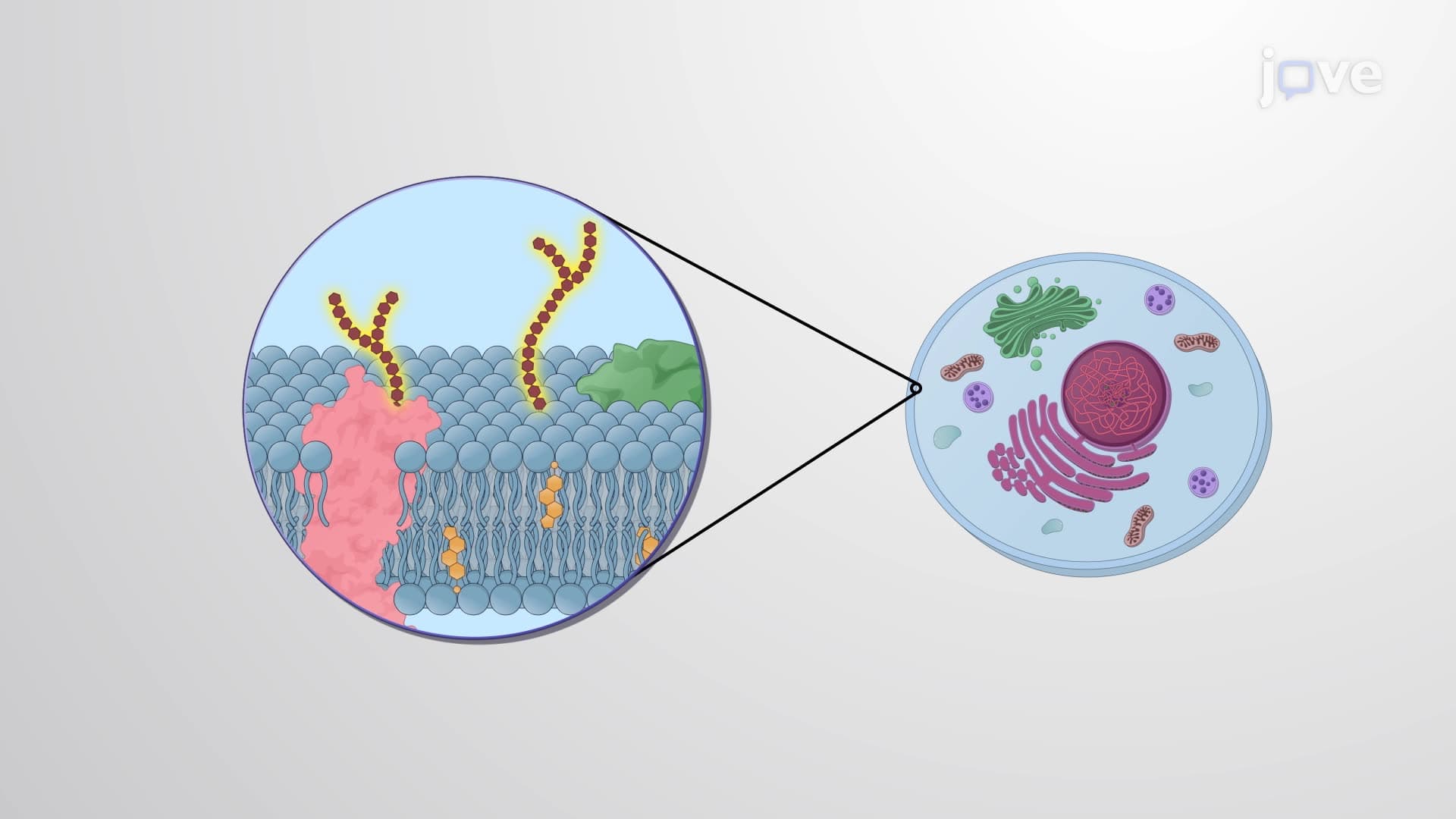
The lectin pathway activates when mannose-binding lectin (MBL) recognizes repetitive carbohydrate patterns on microbial surfaces-a feature absent from human cells. This pathway is clinically significant because MBL deficiency affects approximately 5% of the US population, leading to increased susceptibility to respiratory infections.
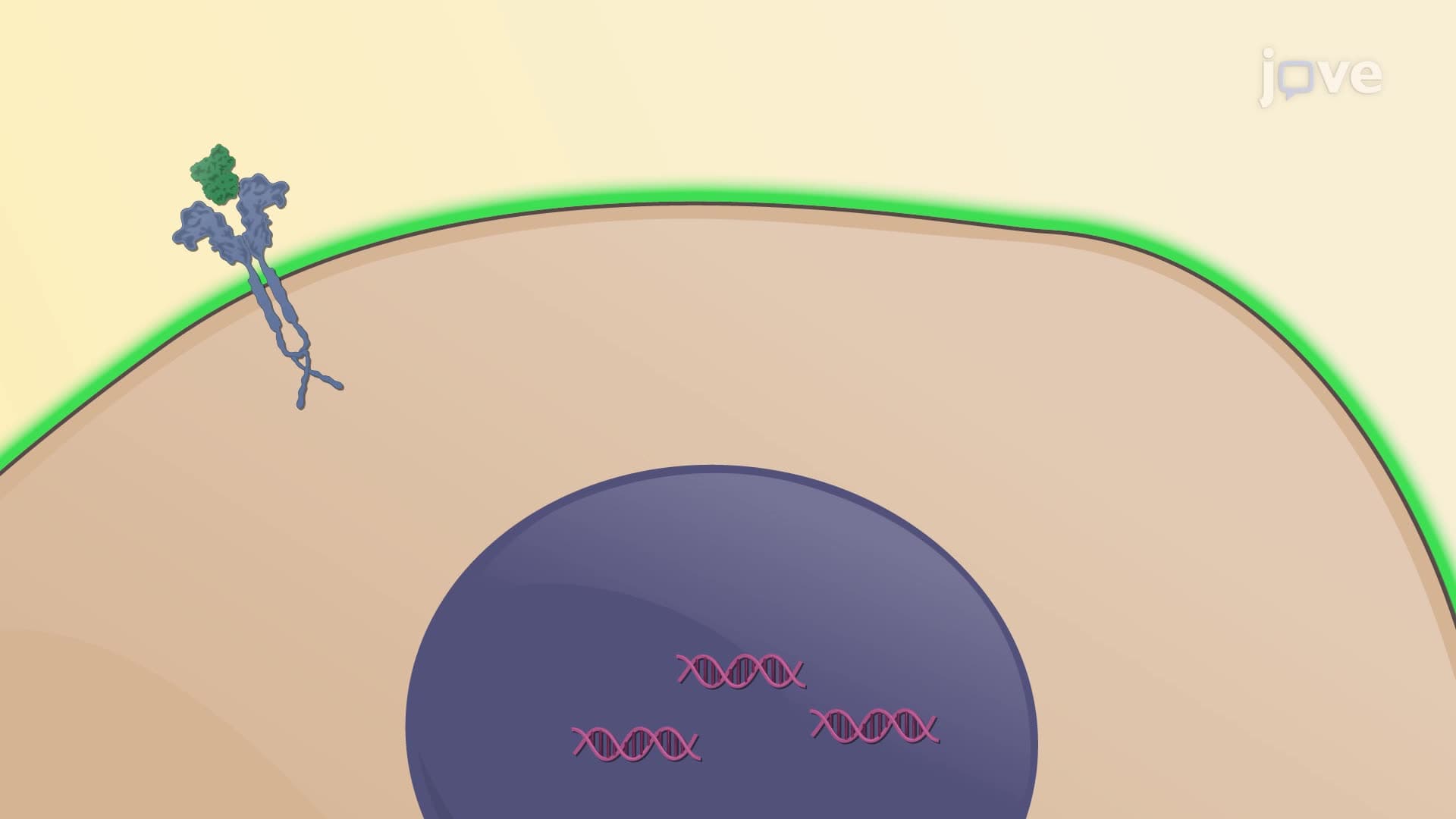
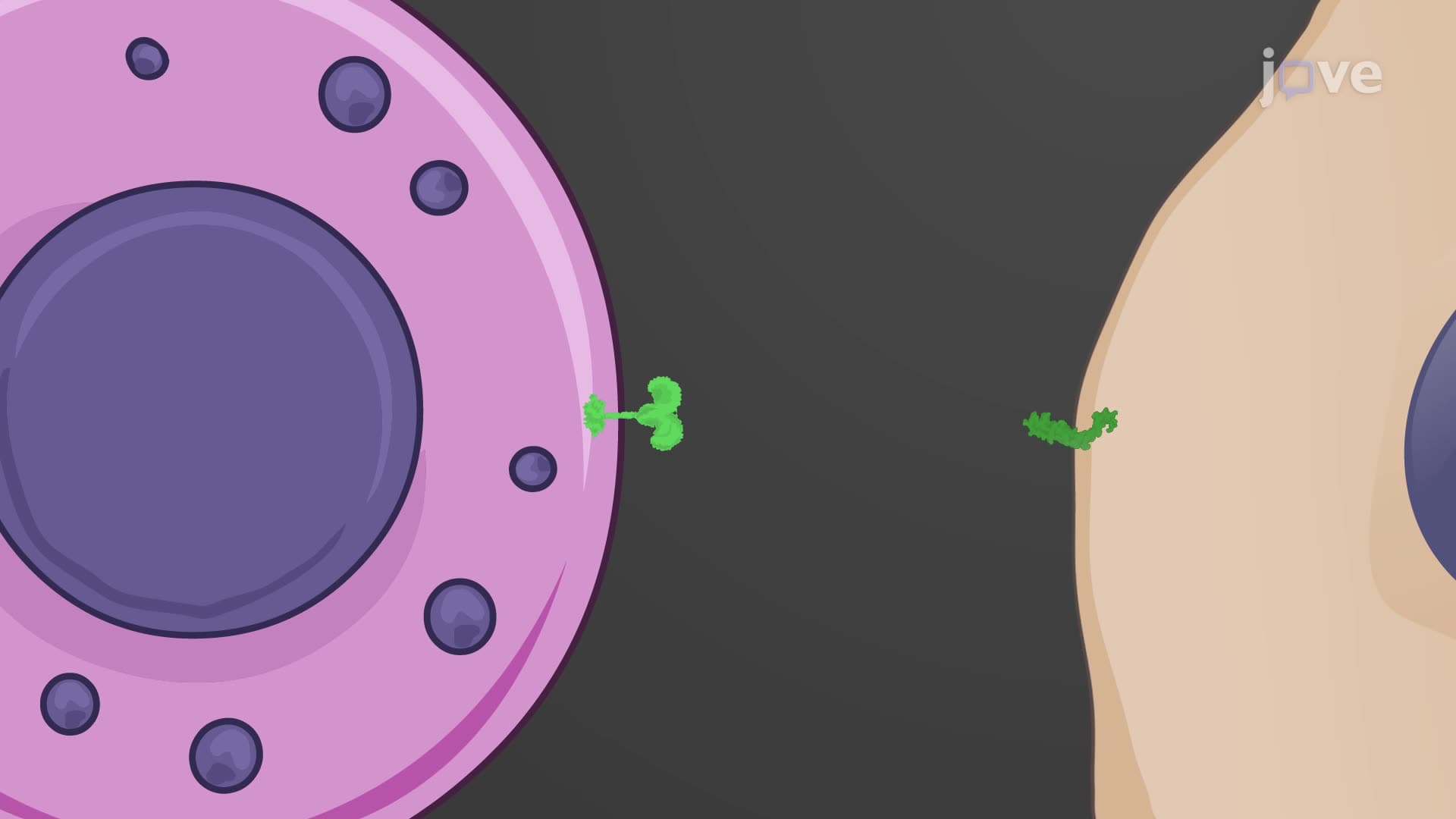
The alternative pathway provides continuous surveillance, spontaneously activating on foreign surfaces while being inhibited on host cells by regulatory proteins like Factor H and Factor I. This pathway is particularly relevant for AP Biology students studying how the immune system distinguishes self from non-self.
All three complement activation pathways converge at C3 cleavage, the system's central amplification step. C3b fragments coat pathogens in a process called opsonization, essentially "tagging" them for destruction by phagocytes. Meanwhile, C3a acts as an anaphylatoxin, recruiting inflammatory cells to infection sites.
The formation of the membrane attack complex (MAC) represents the complement system's most dramatic function. C5b-9 complexes literally drill pores through pathogen membranes, causing osmotic lysis. However, gram-positive bacteria resist MAC-mediated killing due to their thick peptidoglycan walls, explaining why complement is most effective against gram-negative bacteria and enveloped viruses.
For pre-med students preparing for the USMLE Step 1, understanding complement dysfunction is crucial. Hereditary angioedema results from C1 esterase inhibitor deficiency, while paroxysmal nocturnal hemoglobinuria involves defective complement regulation on red blood cells.
Related Micro-courses