Loading subject page…


218,425 views

Video Summary: T Cell Types and Functions Explained
Did you know that when you recover from a cold, specialized immune cells called T cells remember that virus for years? T cell types functions biology reveals how your immune system creates different cellular defenders-from CD4 helper cells that coordinate attacks to CD8 cytotoxic cells that directly destroy infected cells. The FDA's approval process for CAR-T cell therapies demonstrates how understanding T Cell Types And Functions Explained is revolutionizing cancer treatment in American hospitals. Watch the full video on JoVE Coach to master this concept with expert-led visuals and step-by-step explanations.
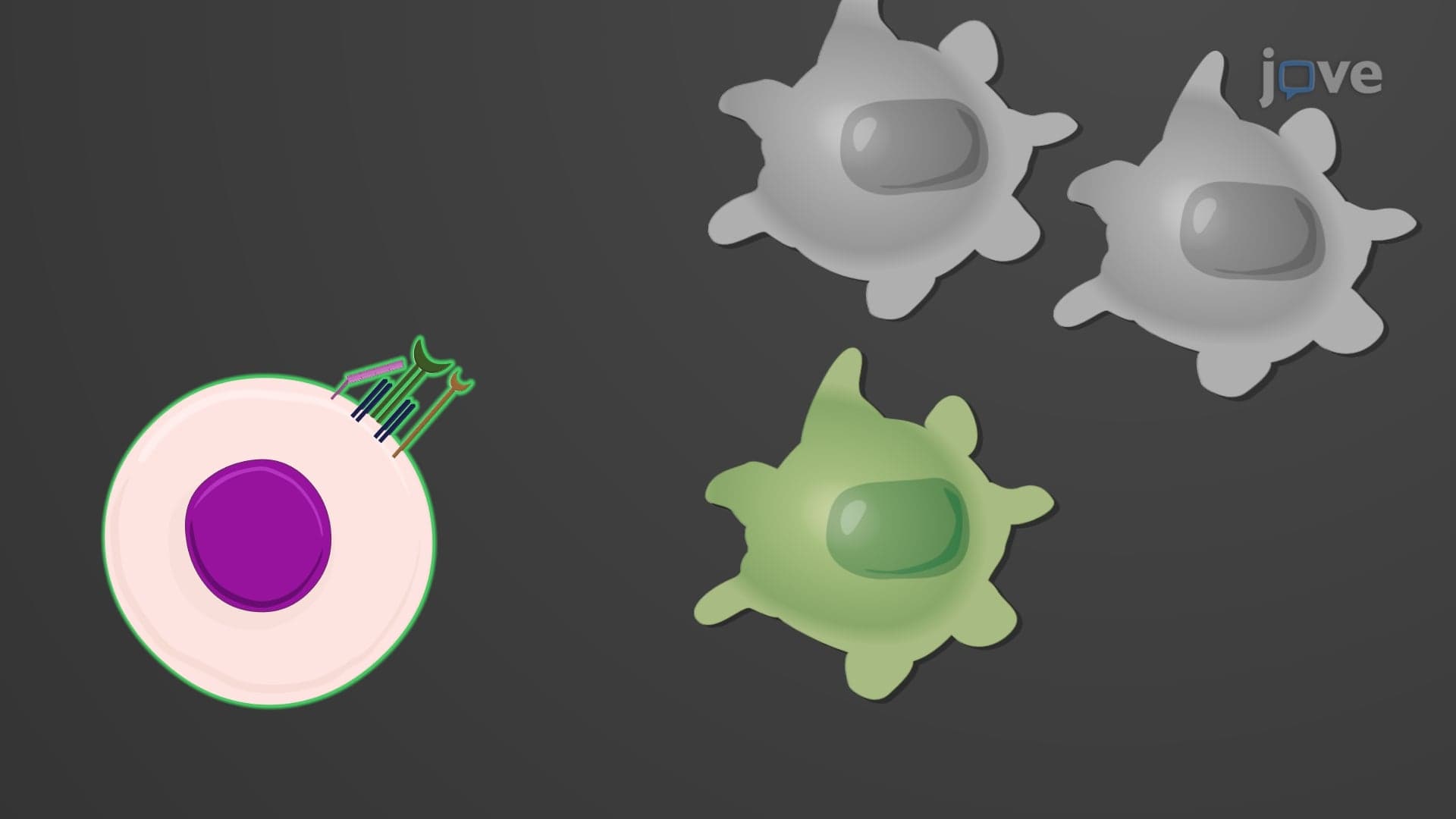
T cells represent the adaptive immune system's most sophisticated cellular army, with each type serving distinct battlefield roles. Unlike the innate immune system's broad-spectrum approach, T cells provide targeted, memorable responses that form the foundation of vaccination success and long-term immunity.
CD4 T cells differentiate into specialized helper subsets based on the threats they encounter. TH1 cells excel at coordinating responses against intracellular pathogens like tuberculosis bacteria hiding inside macrophages-a major public health concern affecting over 9,000 Americans annually according to the CDC. These cells release interferon-gamma to activate macrophages and promote CD8 T cell maturation.
TH2 cells orchestrate responses against parasites and allergens by secreting IL-4, which stimulates B cells to produce antibodies. This mechanism explains why Americans with seasonal allergies experience heightened antibody responses to pollen. TH17 cells combat extracellular bacteria and fungi through IL-17 production, but dysregulated TH17 responses contribute to autoimmune diseases like psoriasis, affecting 7.5 million Americans.
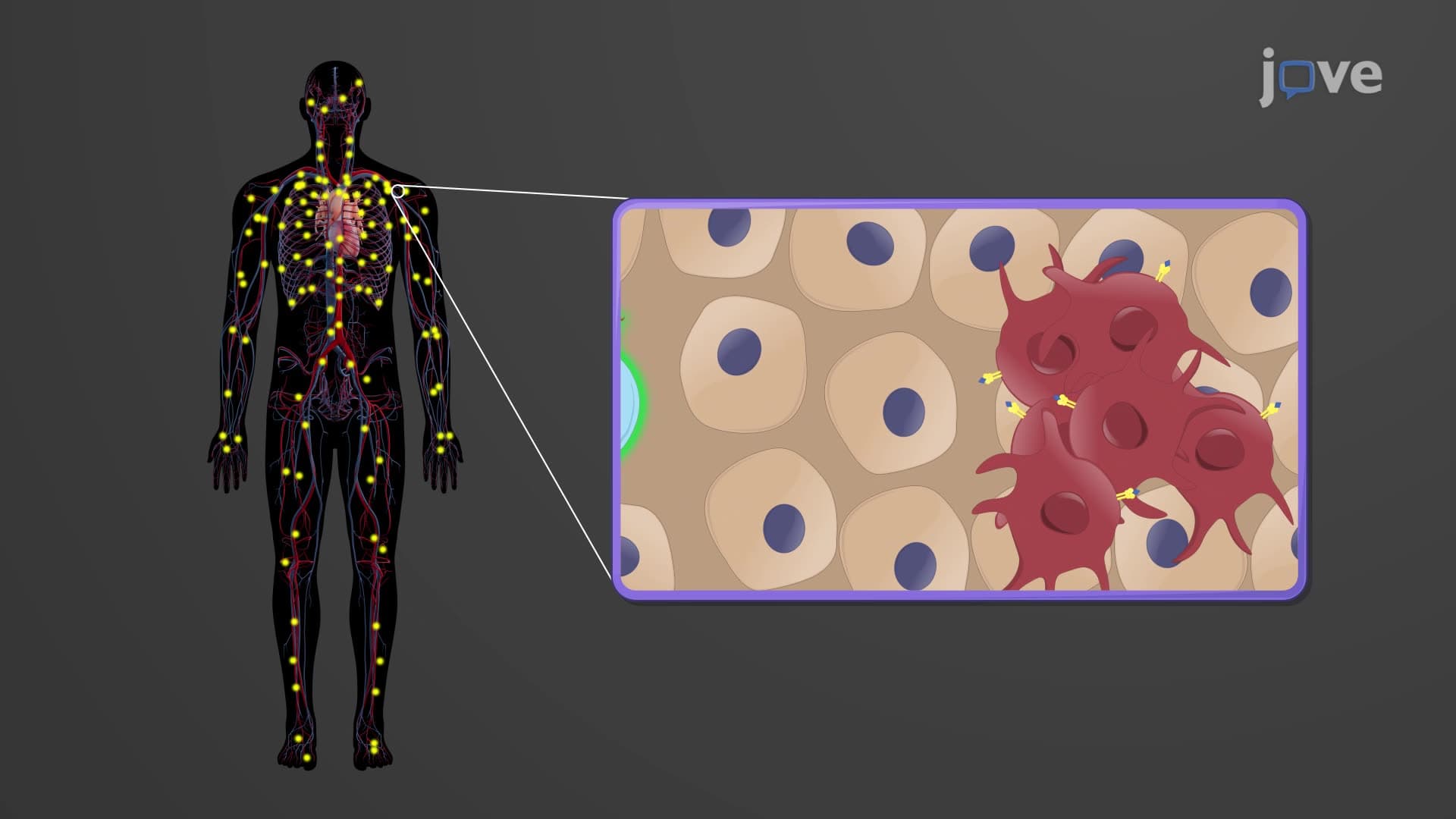
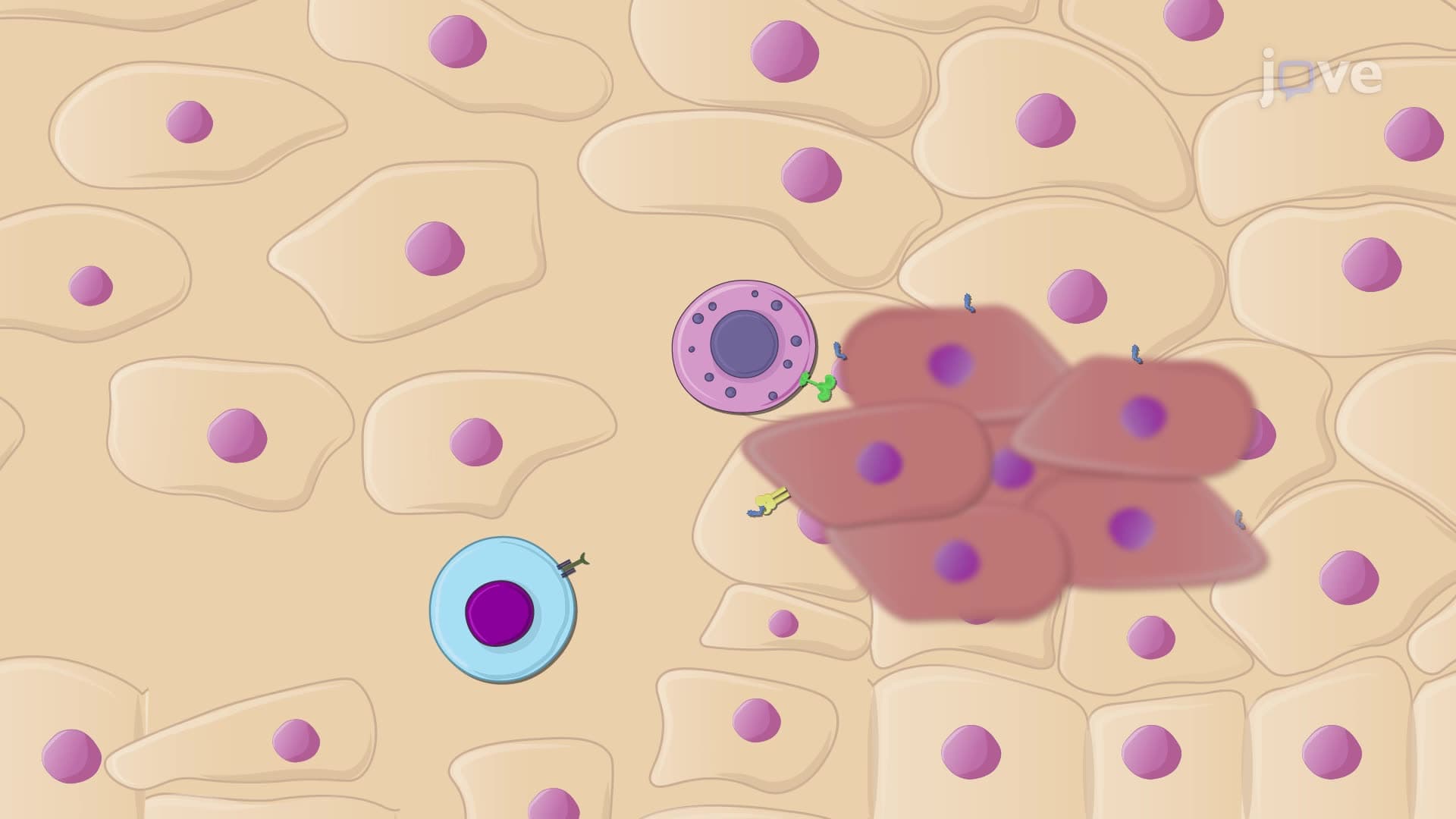
Cytotoxic T lymphocytes (CTLs) serve as the immune system's elite elimination squad. They patrol tissues seeking cells displaying foreign or abnormal proteins on their surface. When a CTL recognizes a virus-infected cell or tumor cell, it releases perforin and granzymes that trigger programmed cell death. This mechanism underlies CAR-T cell therapies now approved by the FDA for treating certain blood cancers, with over 20,000 American patients treated since 2017.
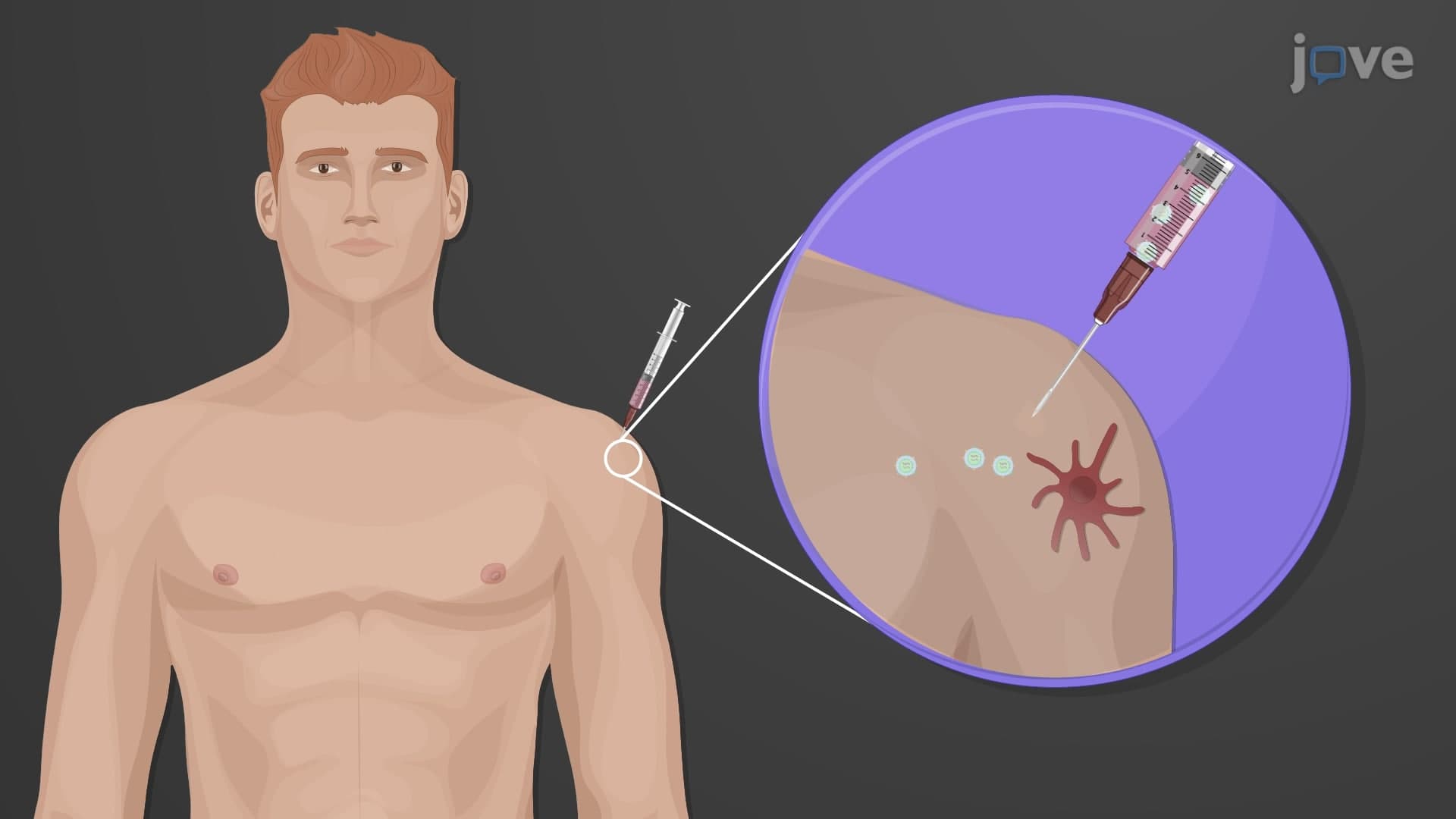
Regulatory T cells (Tregs) prevent immune overreactions that could damage healthy tissues. Treg dysfunction contributes to autoimmune diseases affecting millions of Americans, including Type 1 diabetes and inflammatory bowel disease. Meanwhile, memory T cells provide the immunological basis for vaccine effectiveness-explaining why childhood vaccinations protect Americans throughout adulthood.
This knowledge directly applies to MCAT immunology passages, AP Biology Unit 3 questions, and college-level immunology courses where students must analyze clinical scenarios involving T cell dysfunction or therapeutic applications.
Related Micro-courses