Loading video…


 38 Concepts
 218.4K views

Video Summary: What Is Active Versus Passive Immunity
Did you know that newborn babies receive temporary immunity from their mothers without any vaccines? Active vs passive immunity represents two fundamentally different ways our bodies gain protection against diseases. Active immunity occurs when your immune system creates its own antibodies through infection or vaccination, while passive immunity involves receiving ready-made antibodies from another source. The COVID-19 vaccines developed in the US demonstrate active immunity in action, training our immune systems to recognize and fight the virus. Watch the full video on JoVE Coach to master this concept with expert-led visuals and step-by-step explanations.
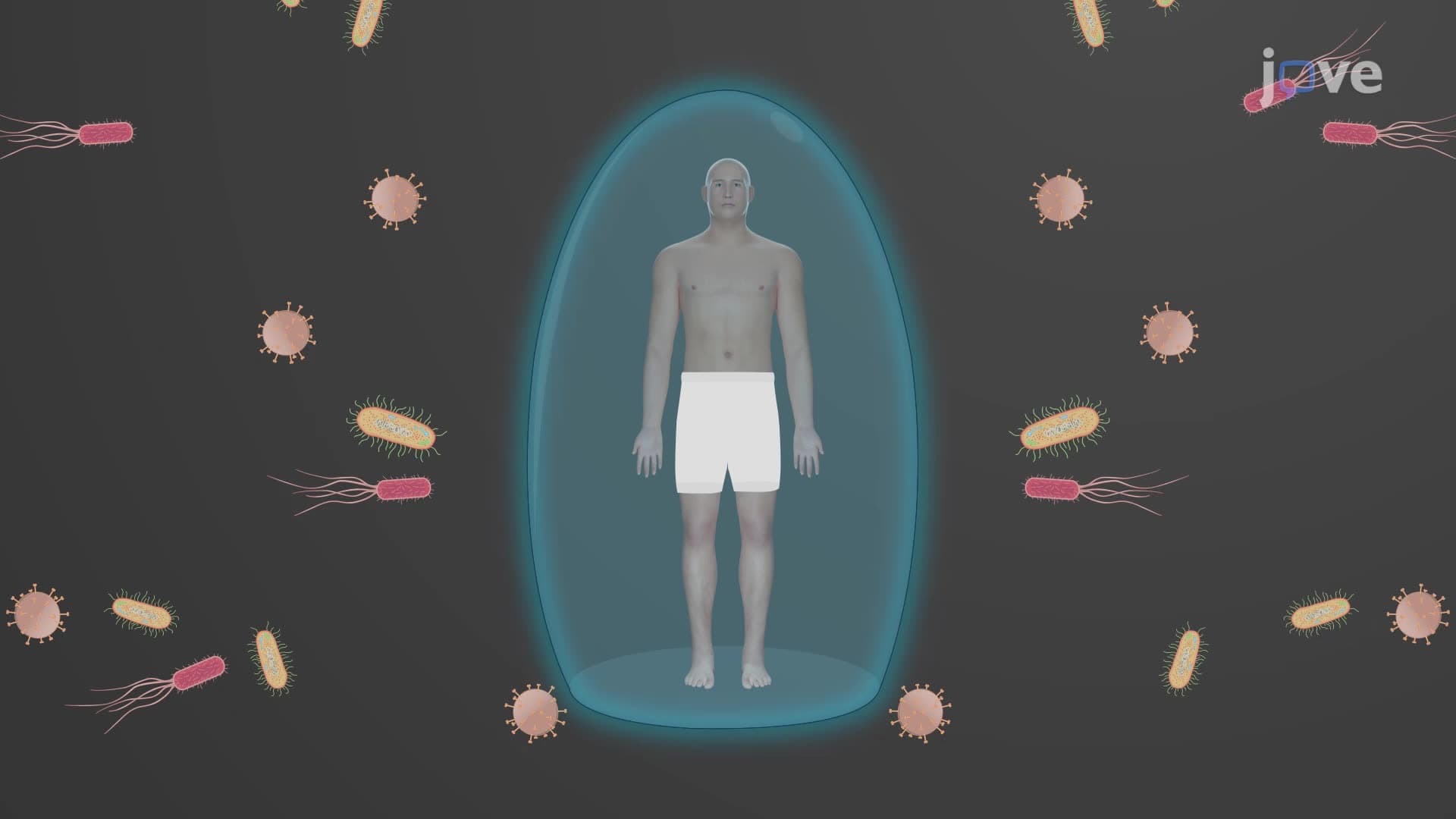
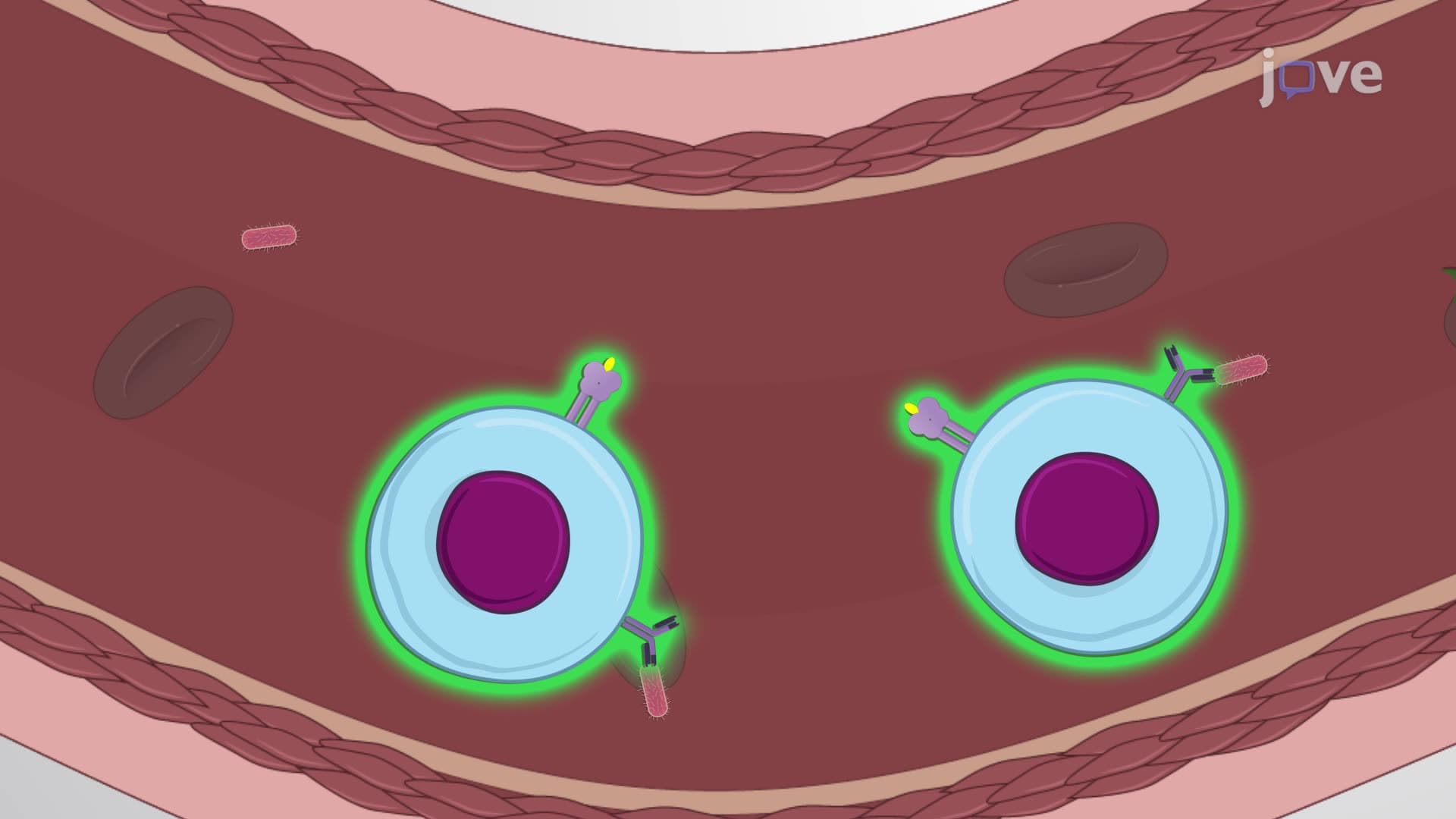
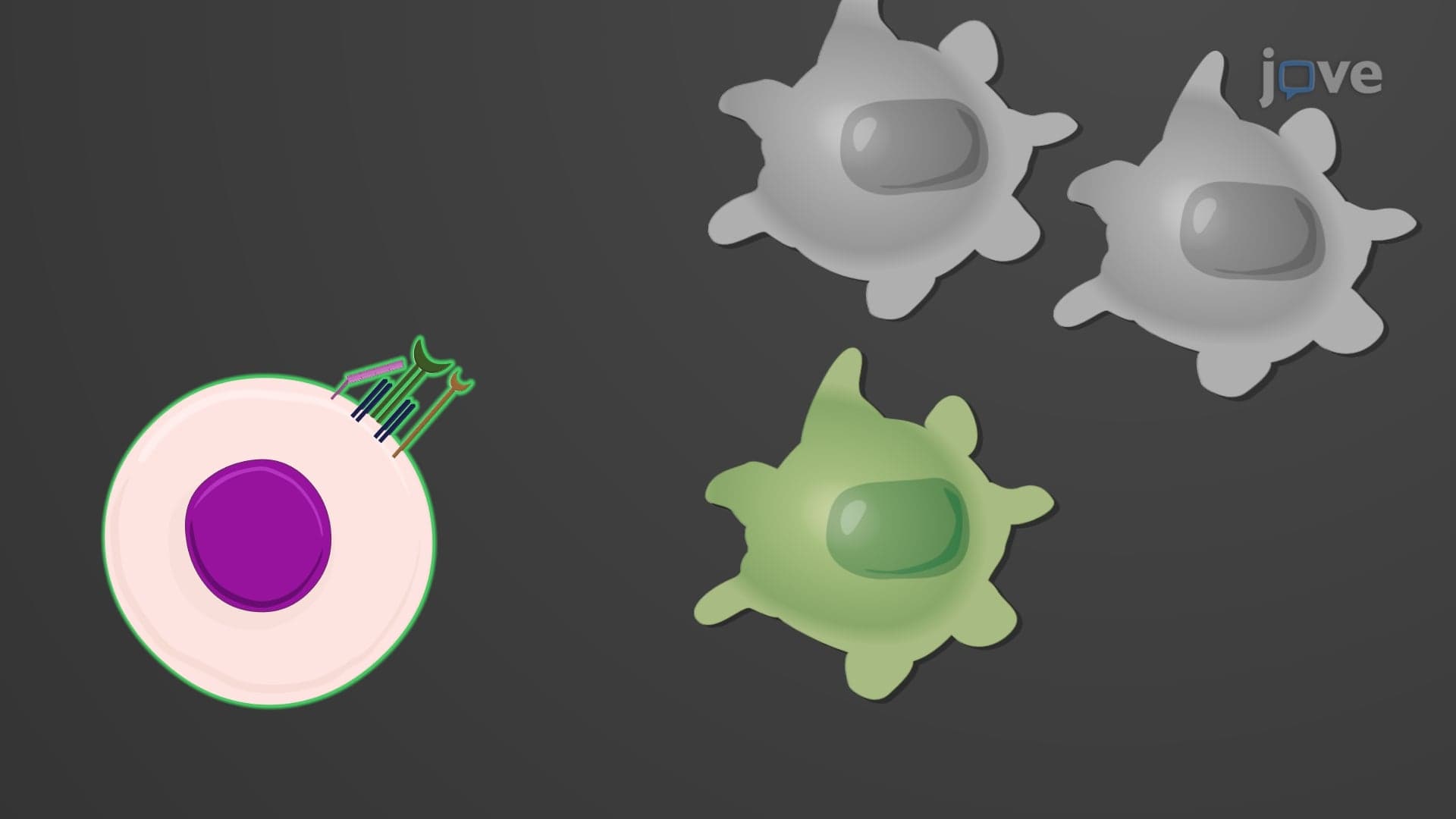
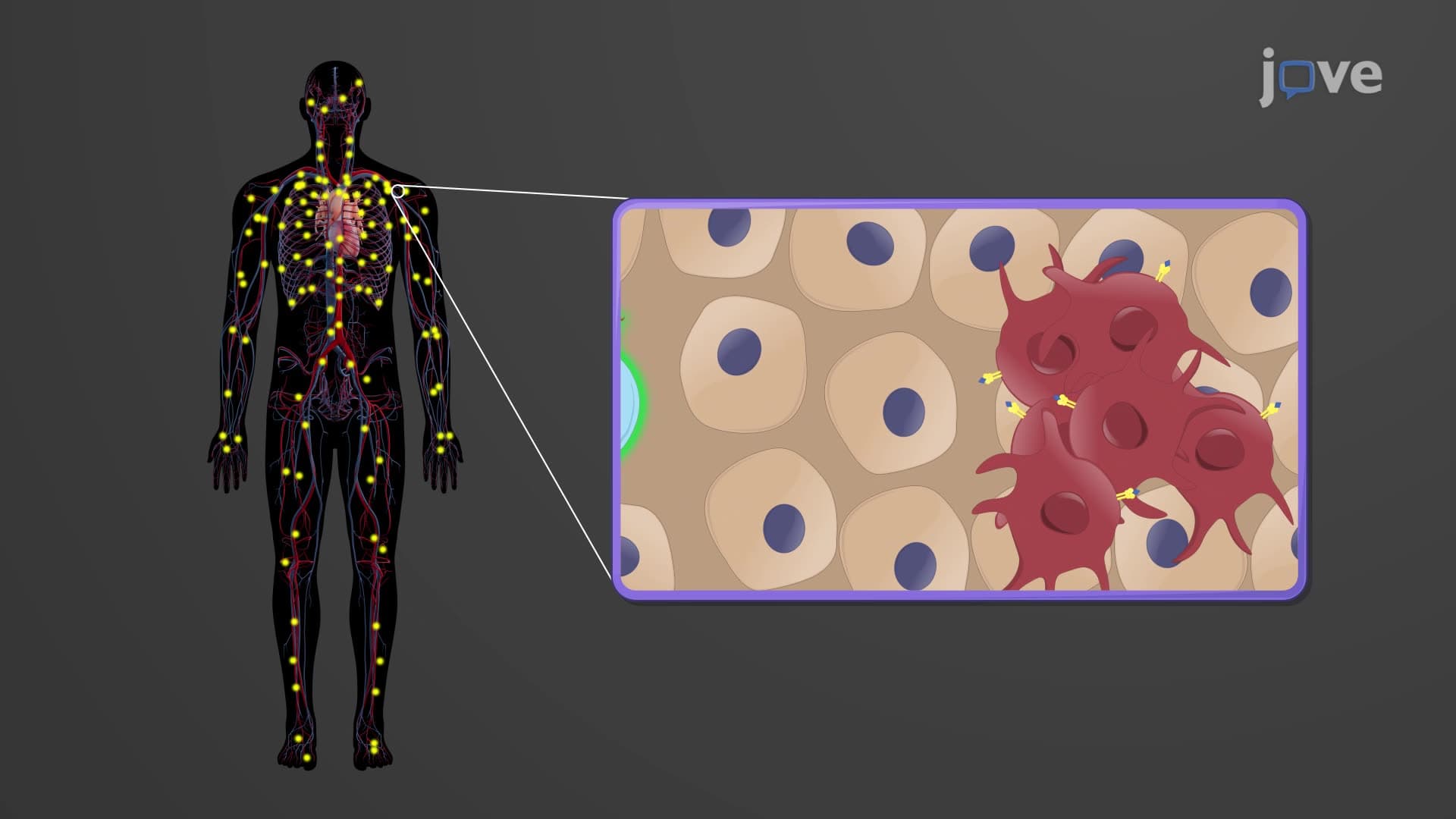
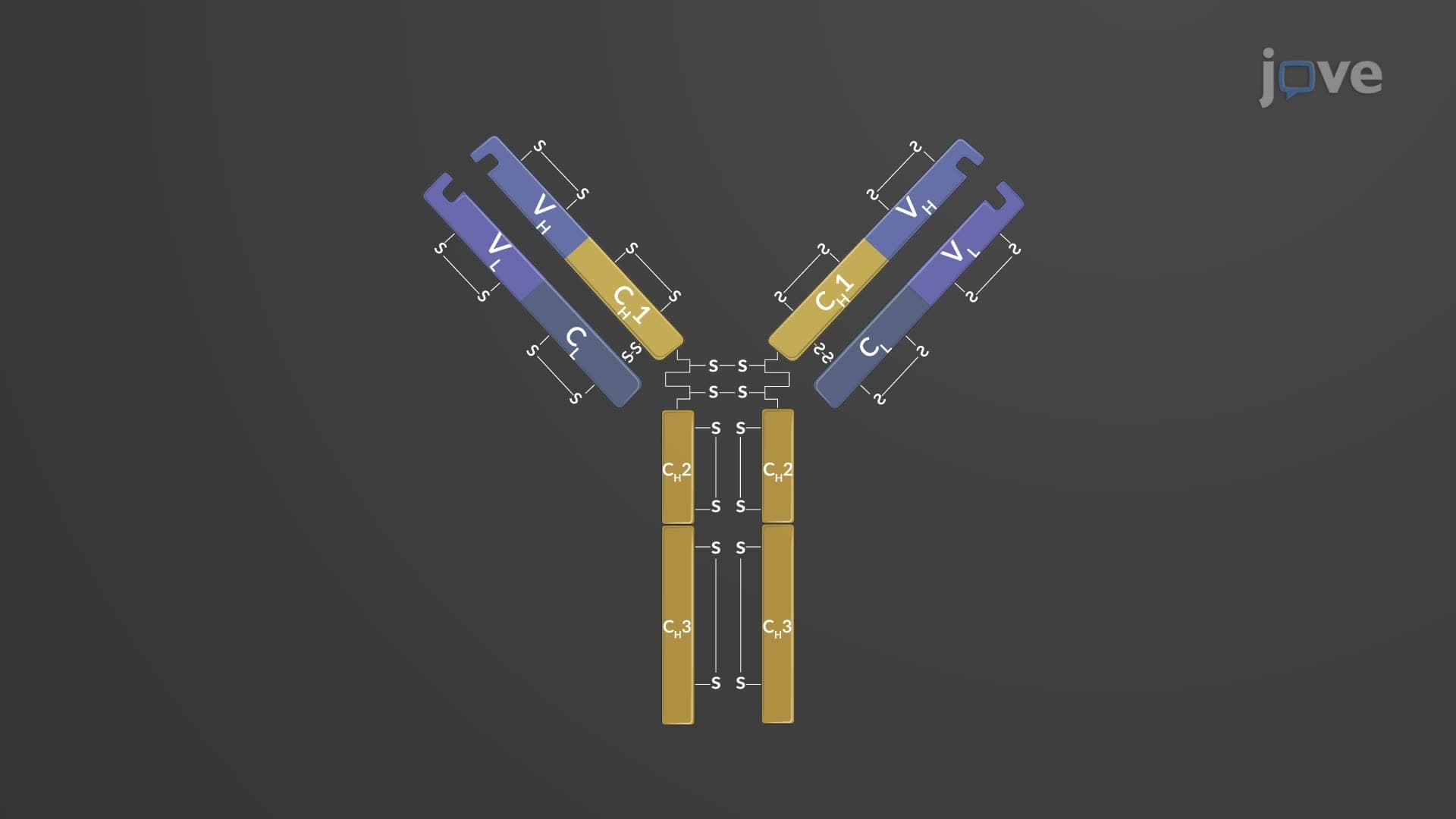
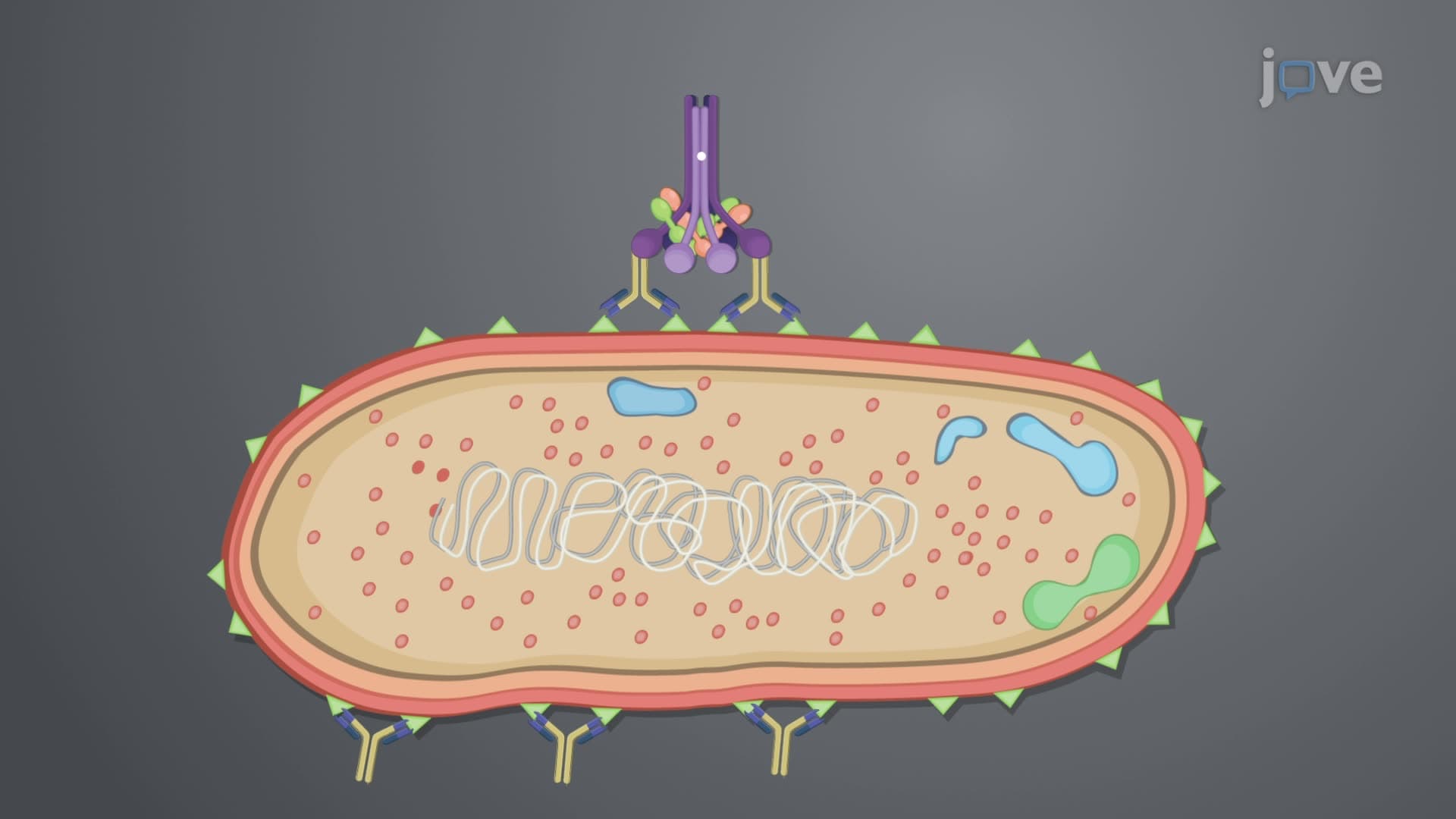
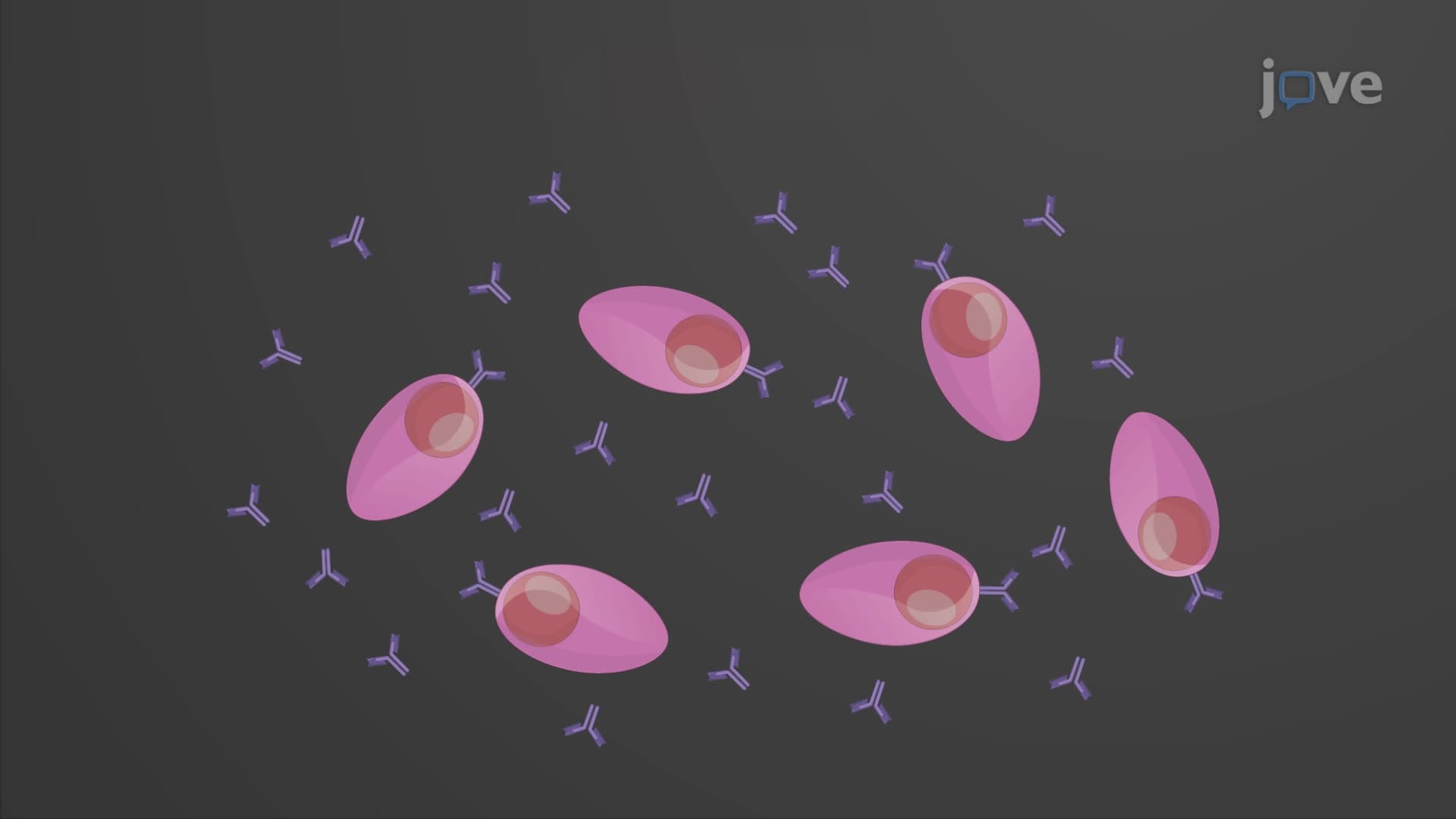
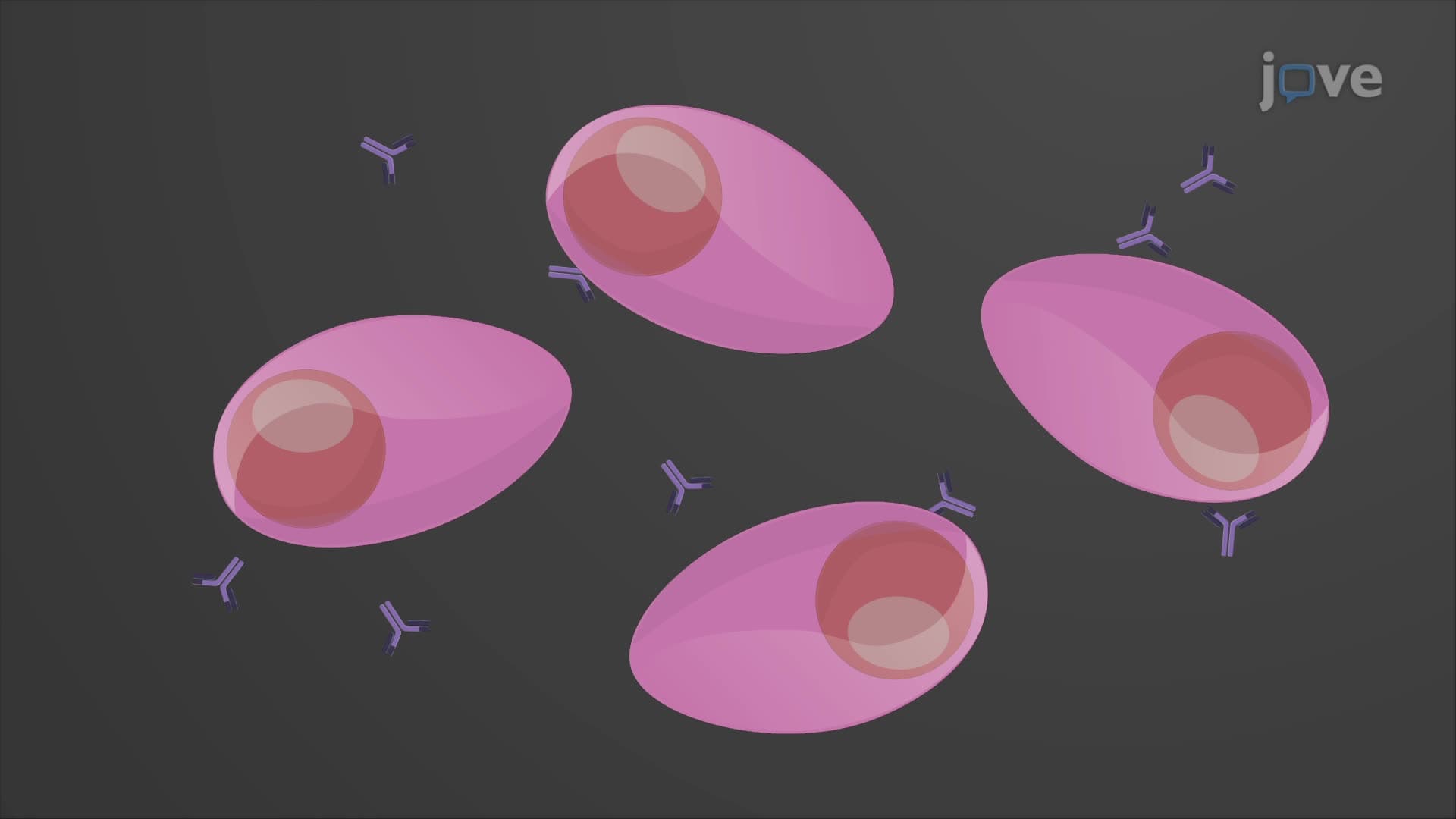
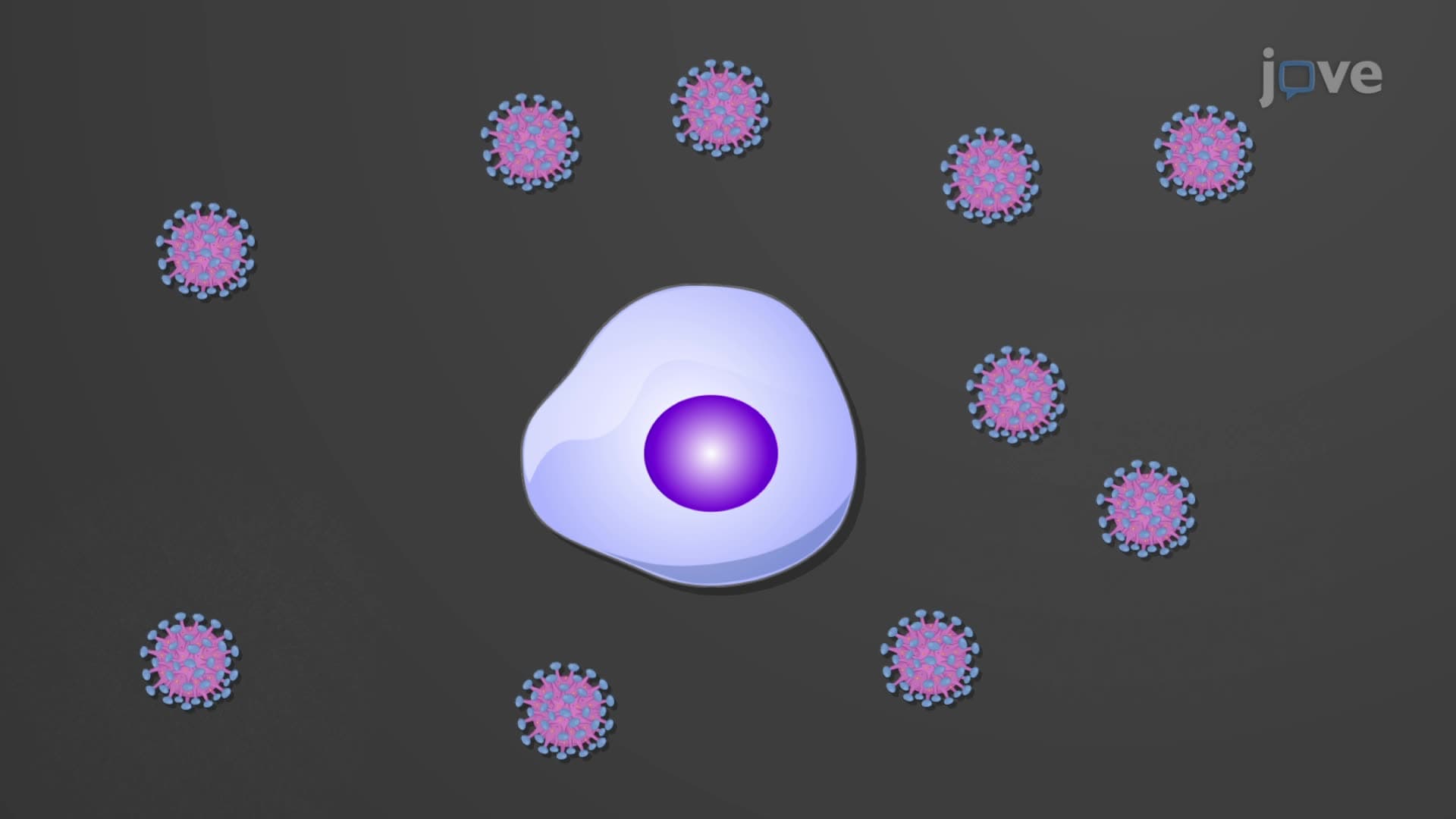
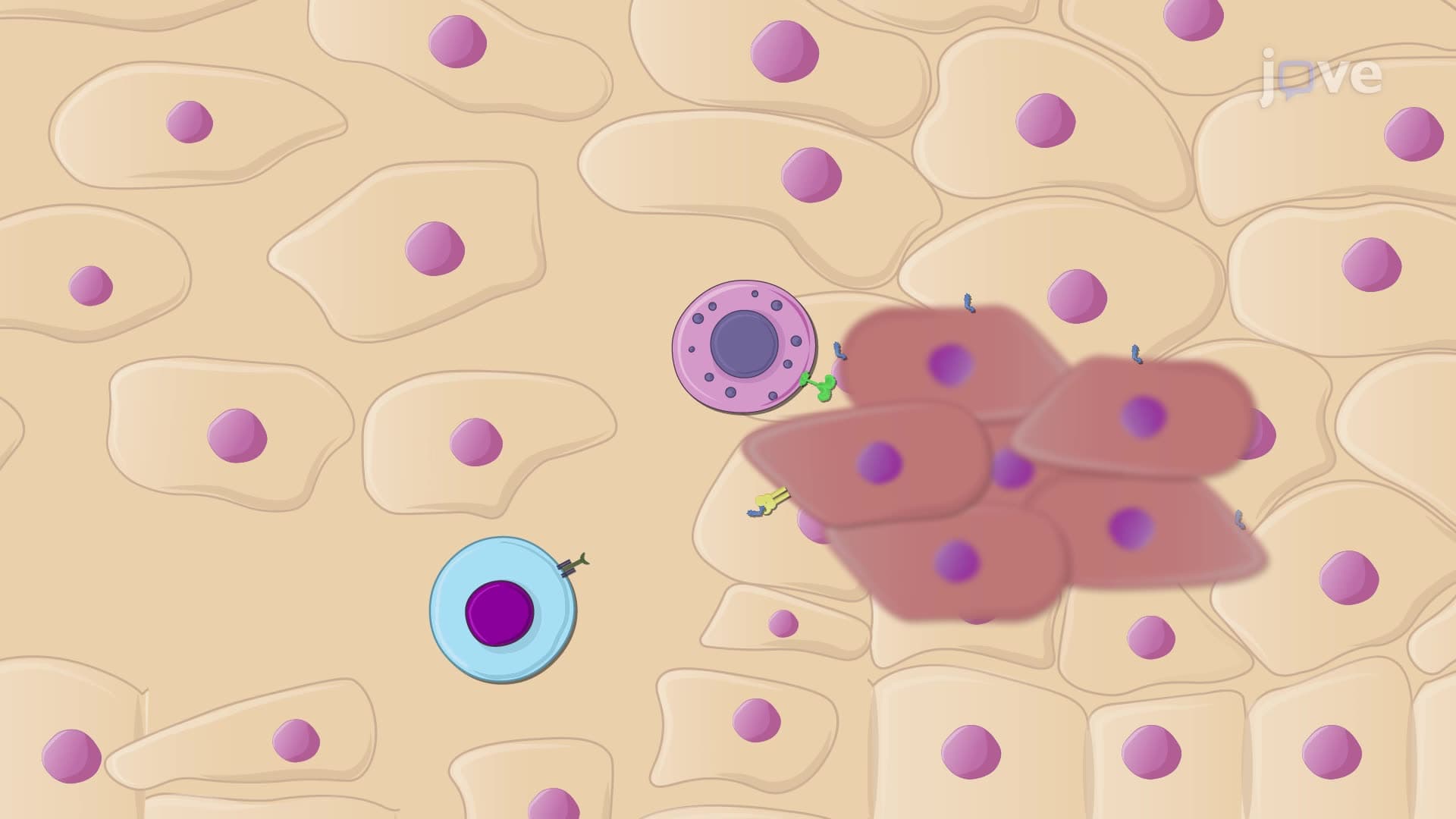
What is active versus passive immunity? These represent two distinct pathways by which organisms acquire protection against pathogens. Active immunity involves the host's immune system actively producing antibodies and developing immunological memory, while passive immunity relies on receiving pre-formed antibodies from an external source.
The distinction becomes crucial when considering duration and effectiveness. Active immunity typically provides long-lasting protection-sometimes lifelong-because it creates immunological memory through B and T cell activation. Passive immunity offers immediate but temporary protection, lasting only as long as the transferred antibodies remain functional in the recipient's system.
Naturally acquired active immunity develops when an individual contracts and recovers from an infectious disease. The immune system encounters the pathogen, mounts a response, and creates lasting memory cells. Classic examples include childhood diseases like chickenpox, where recovery typically confers lifelong immunity.
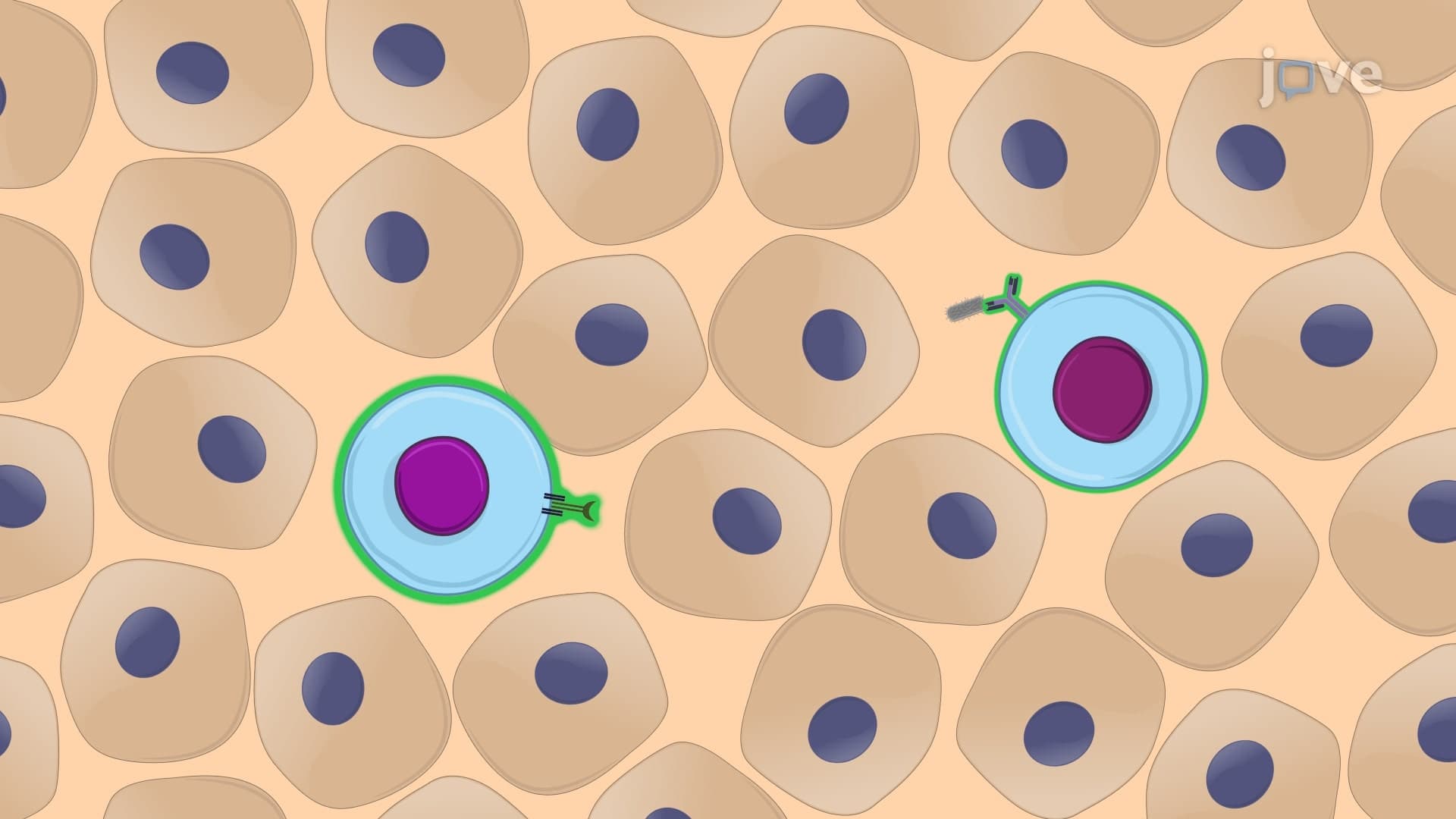
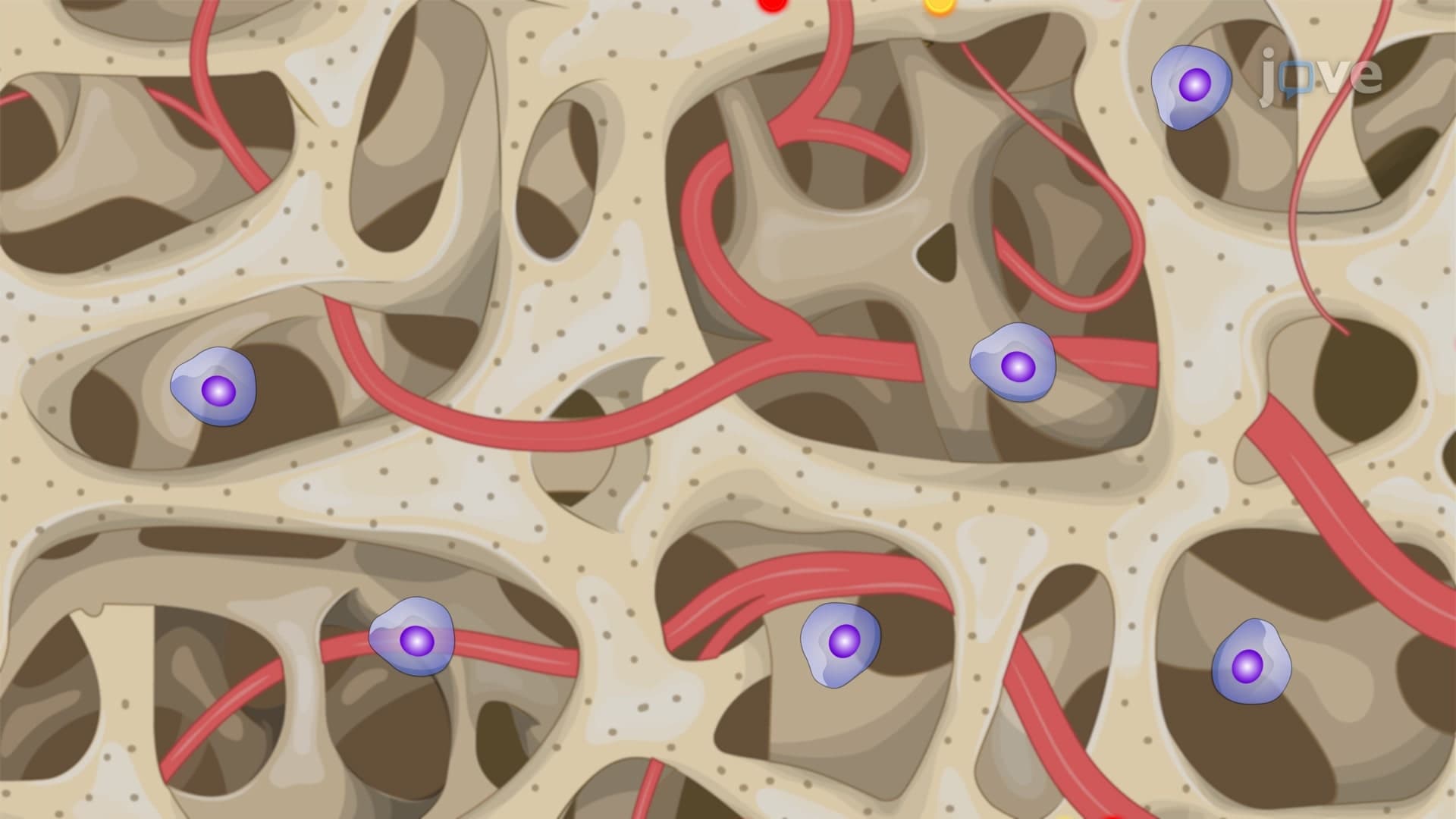
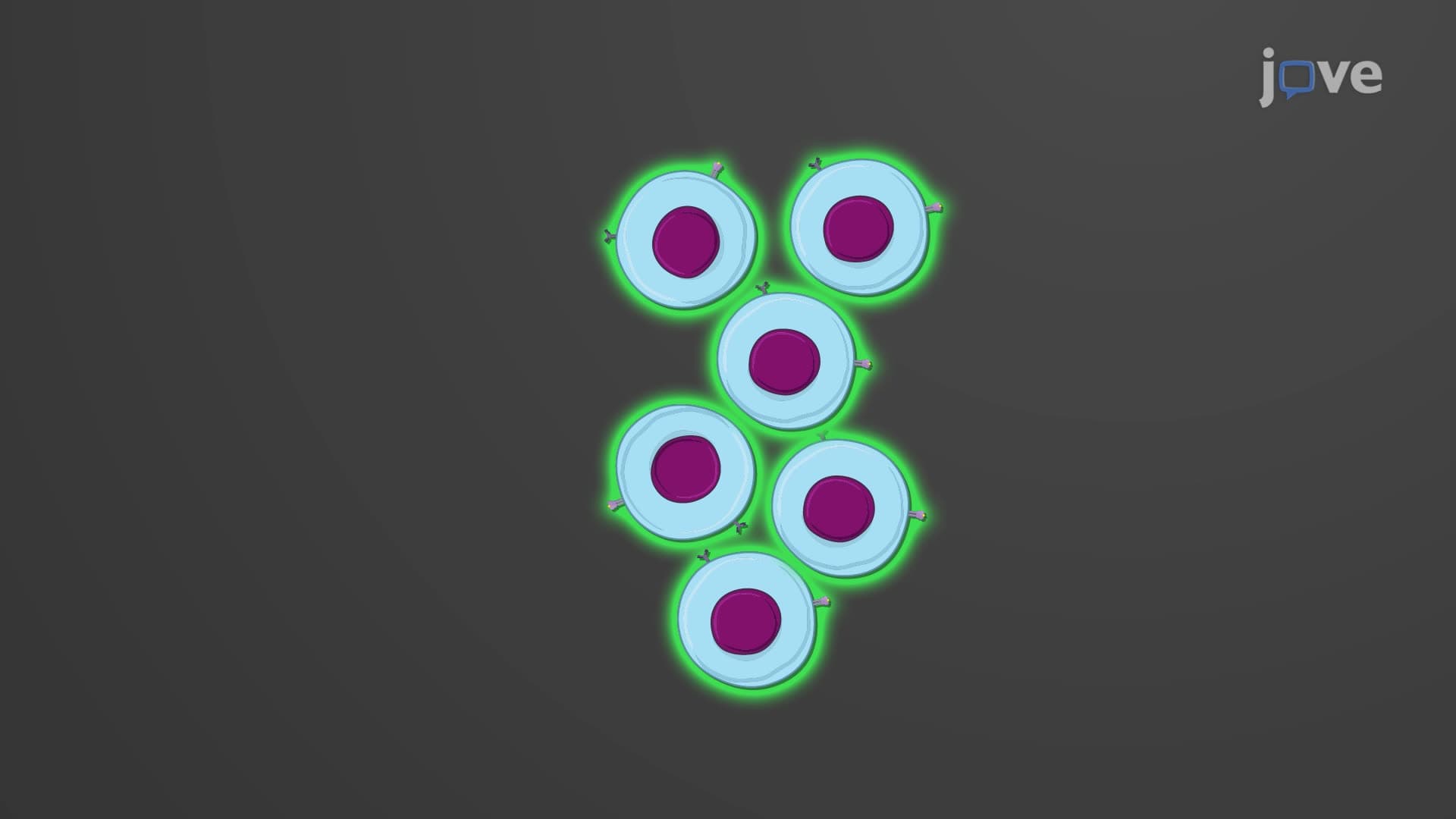
This process involves both humoral immunity (antibody production by B cells) and cellular immunity (T cell responses). The primary immune response takes days to weeks to develop fully, but subsequent exposures trigger rapid, robust secondary responses. Students preparing for the MCAT should understand that this mechanism explains why some vaccines require booster shots while others provide lifelong protection.
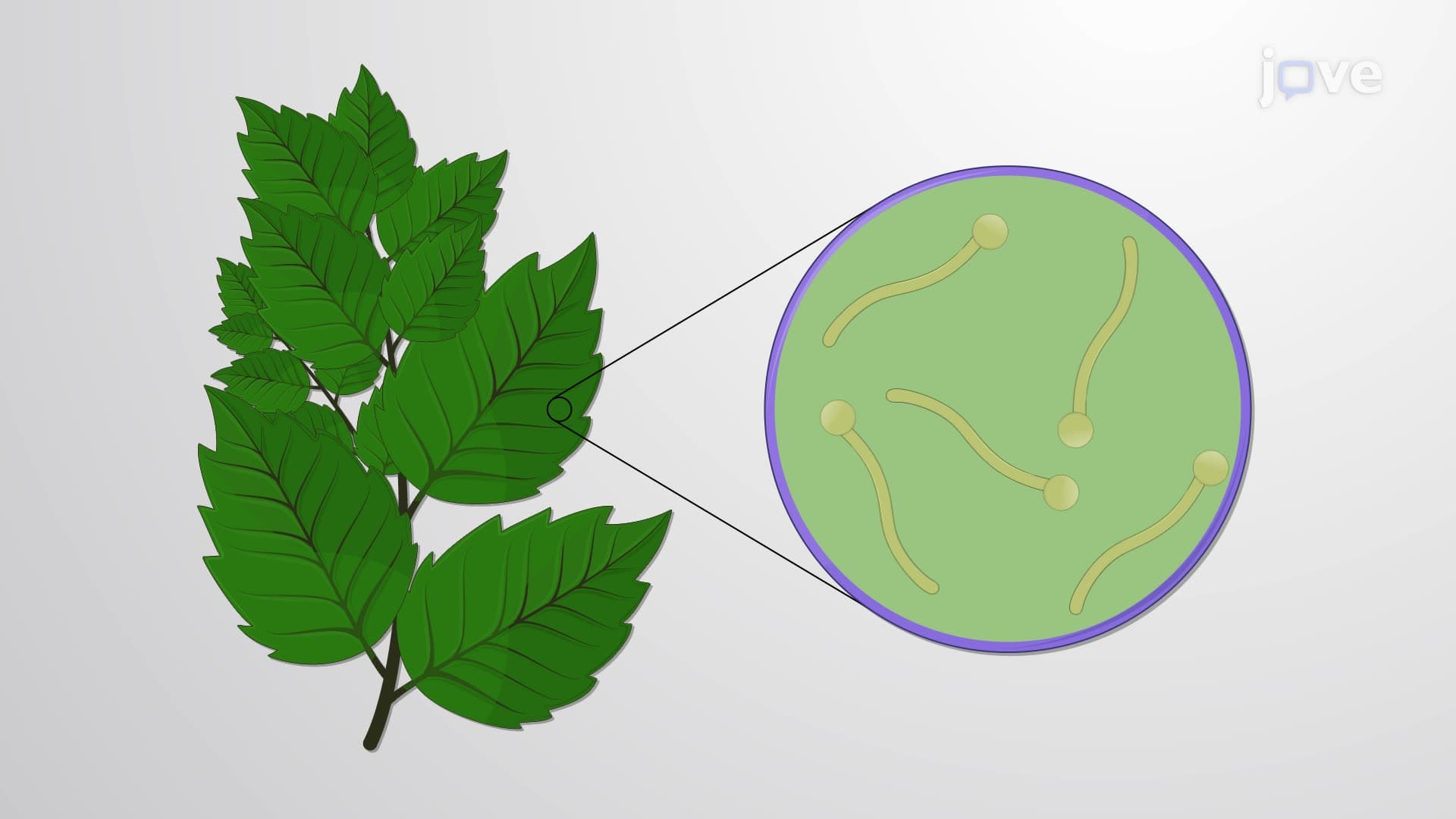
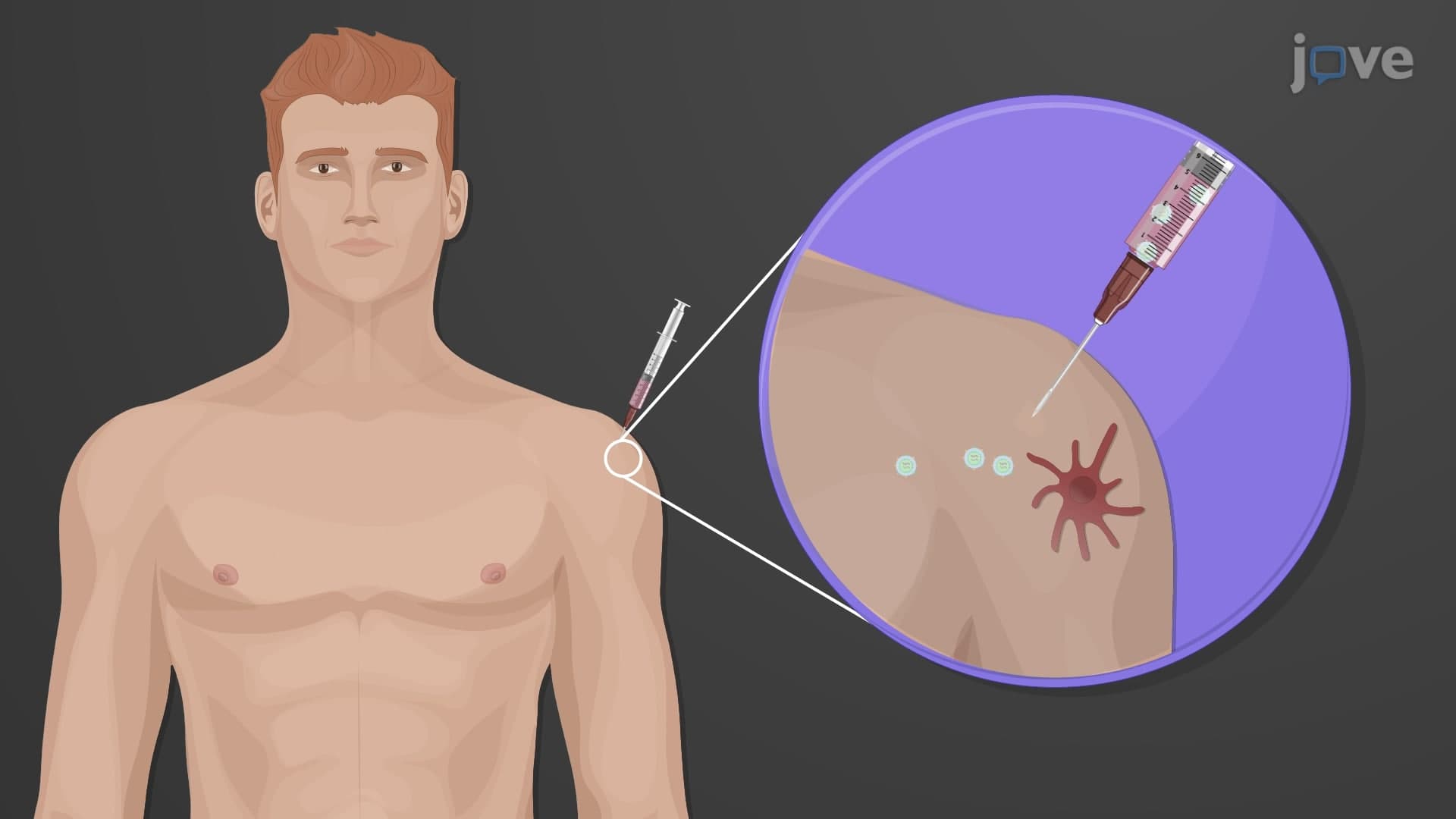
Artificially induced vaccine active immunity represents one of medicine's greatest achievements. Vaccines contain weakened, killed, or component parts of pathogens that stimulate immune responses without causing disease. The US vaccination schedule includes examples like the measles, mumps, and rubella (MMR) vaccine, which provides decades-long protection.
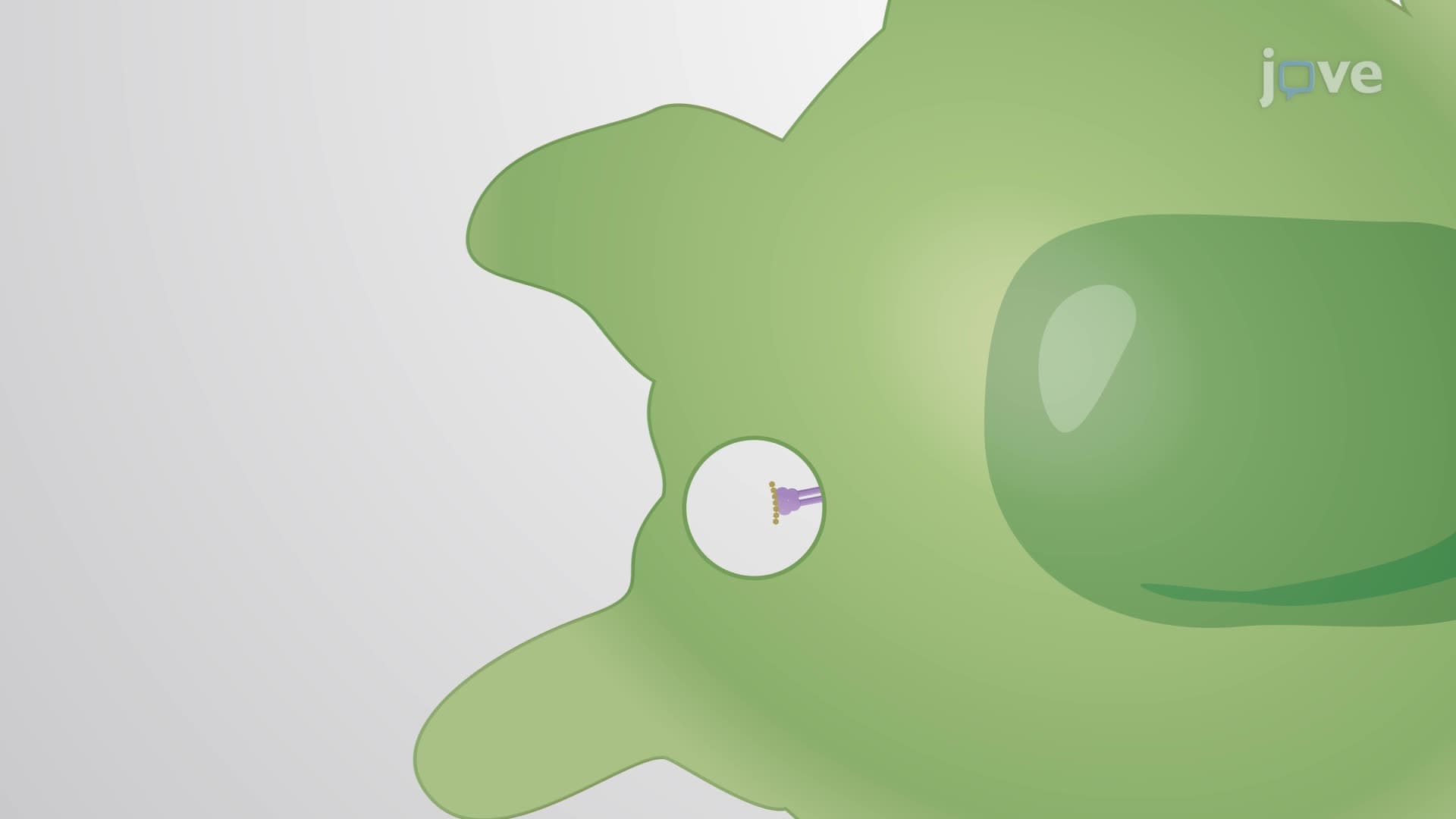
Modern vaccine technology includes various approaches: live attenuated vaccines (like MMR), inactivated vaccines (like influenza), and newer mRNA vaccines (like COVID-19 vaccines from Pfizer and Moderna). Each type stimulates active immunity differently, but all create the immunological memory essential for long-term protection. AP Biology students should recognize that vaccine effectiveness depends on proper antigen presentation and T-helper cell activation.
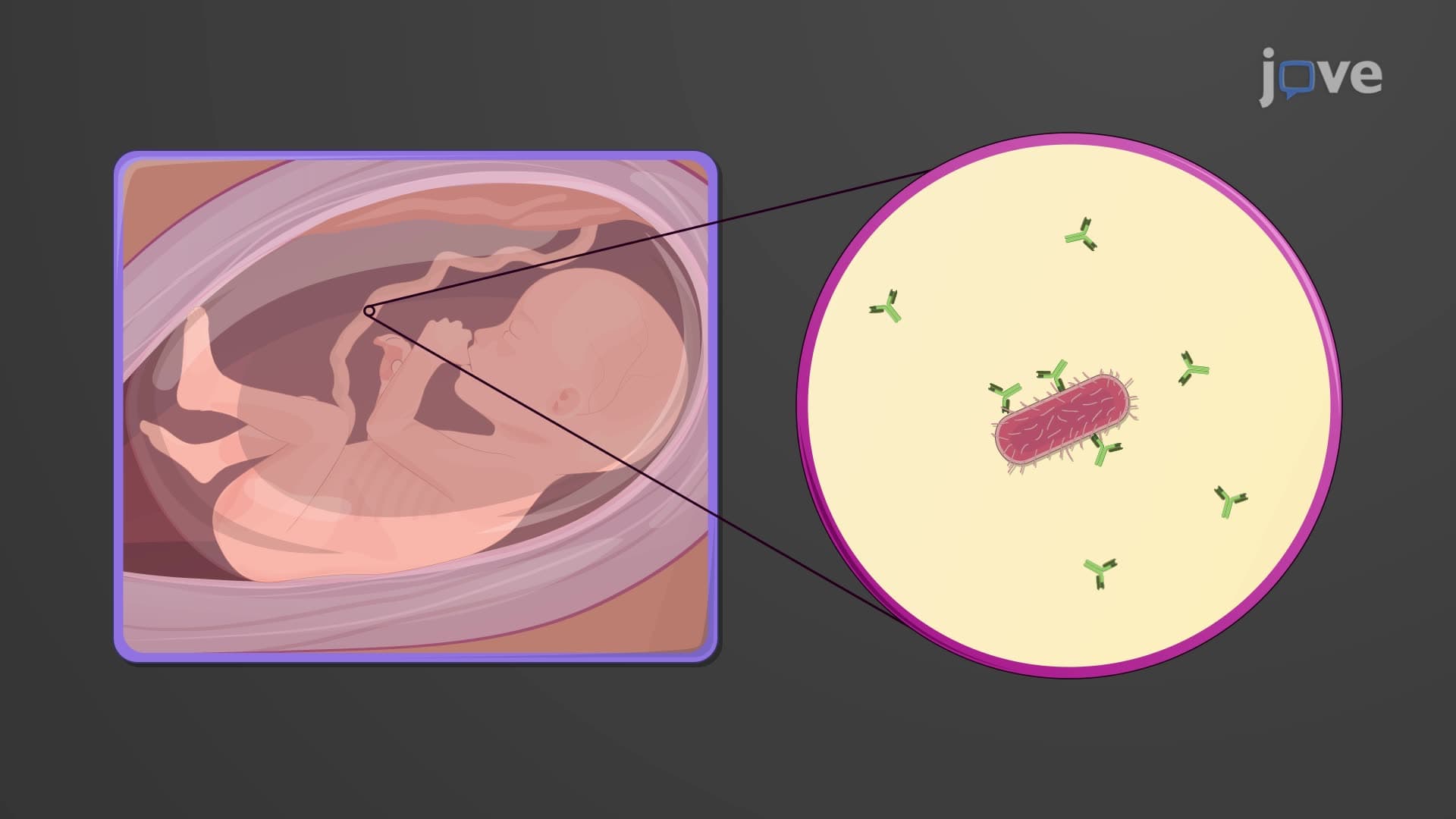
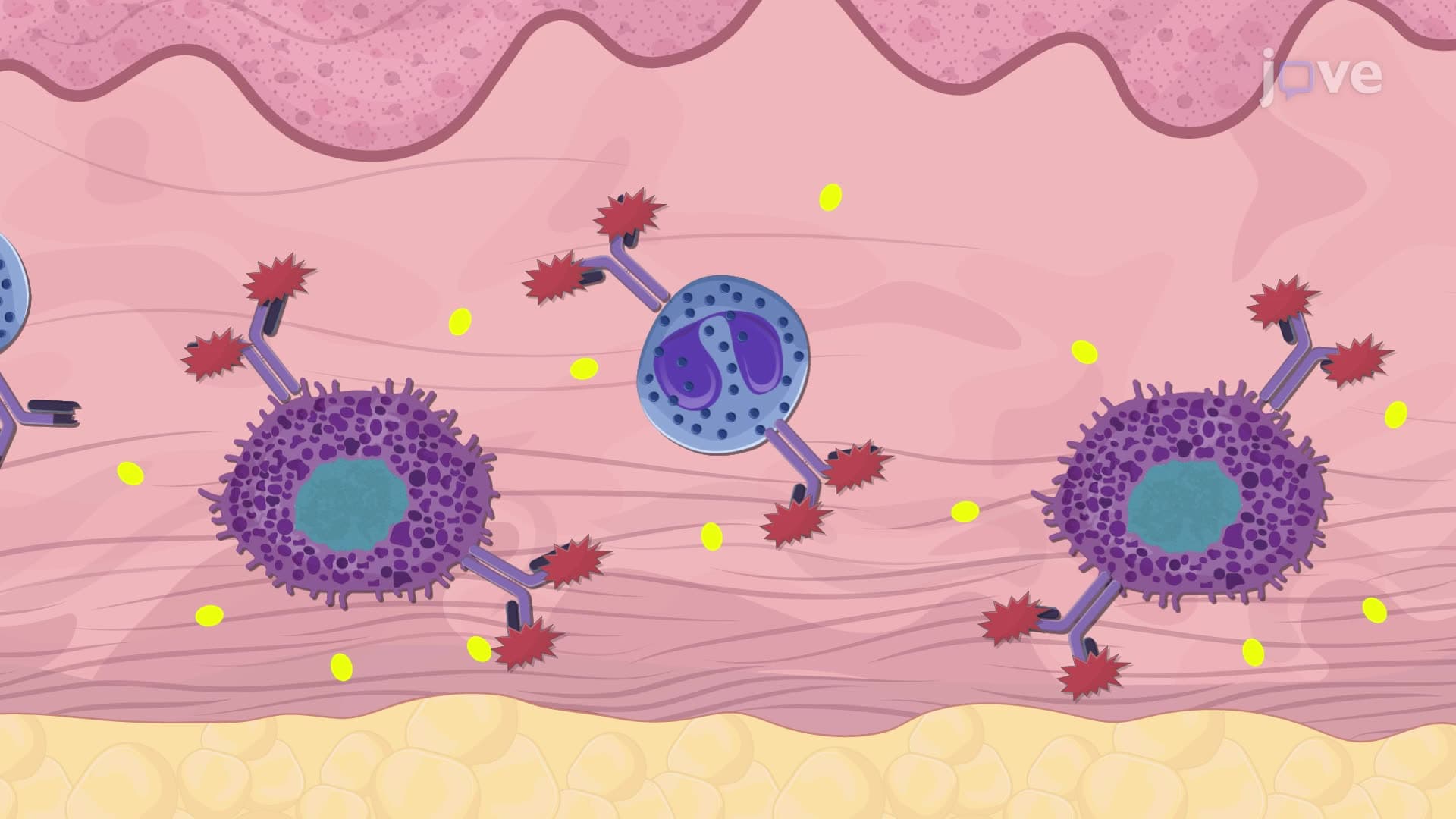
Passive maternal antibody transfer represents the most common form of naturally acquired passive immunity. Maternal IgG antibodies cross the placenta during pregnancy and are also transmitted through breast milk as IgA antibodies. This mechanism protects newborns during their first months of life when their immune systems are immature.
Passive therapeutic immune treatments provide immediate protection in emergency situations. Examples include rabies immune globulin administered after potential rabies exposure, or antivenom for snake bites common in states like Arizona and Texas. These treatments contain high concentrations of specific antibodies that neutralize toxins or pathogens immediately, buying time for medical intervention or the development of active immunity through concurrent vaccination.
Related Micro-courses