Loading video…


 38 Concepts
 218.4K views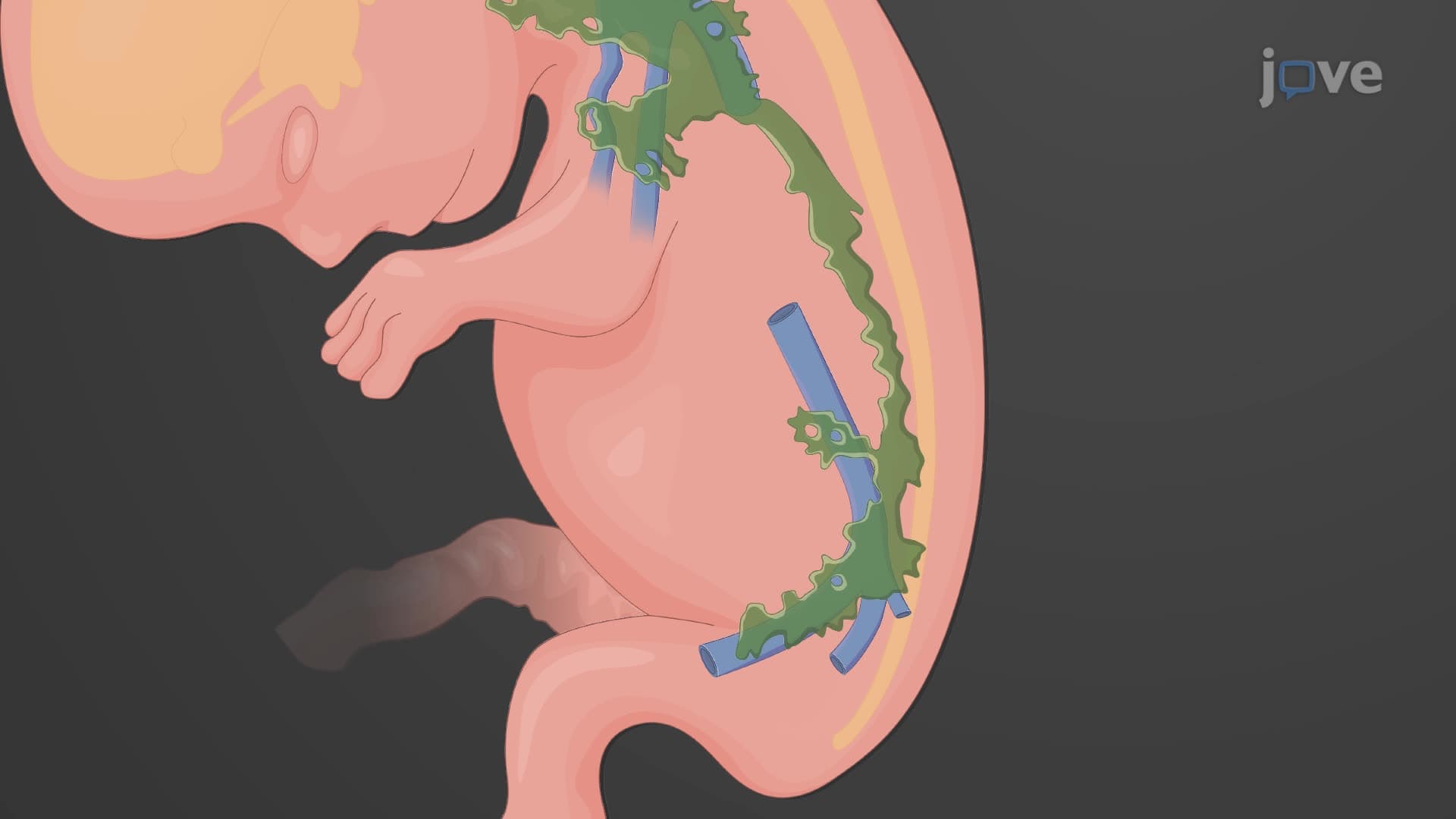

Video Summary: What Is Development Lymphatic System
Ever wonder how your body's "second circulatory system" forms during pregnancy? Lymphatic system development biology begins remarkably early in human embryos, with specialized lymph sacs emerging from blood vessel precursors to create our infection-fighting network. At major medical schools like Johns Hopkins, students study how paired jugular lymph sacs form first, establishing the foundation for our body's fluid balance and immune surveillance. What is development lymphatic system involves a precise sequence of embryonic transformations that create lymph nodes, vessels, and organs essential for health. Watch the full video on JoVE Coach to master this concept with expert-led visuals and step-by-step explanations.
Lymphatic system development biology represents one of the most intricate processes in human embryogenesis, involving precise coordination between multiple cell types and signaling pathways. Unlike the cardiovascular system, which forms through vasculogenesis and angiogenesis, the lymphatic system develops through a unique process called lymphangiogenesis lymphatic growth-where specialized endothelial cells separate from existing veins to form lymphatic structures.
Lymphatic system embryology begins around the sixth week of human development when mesodermal cells adjacent to developing veins undergo remarkable transformation. The process starts with lymphatic sac development, where five primary sacs emerge in a predictable sequence. The paired jugular lymph sacs form first at critical junction points where internal jugular and subclavian veins meet-locations that remain clinically significant in modern medicine. At hospitals like Mayo Clinic, physicians recognize these anatomical landmarks when placing central venous catheters, directly applying embryological knowledge to patient care.
The retroperitoneal lymph sac follows, developing from primitive vena cava connections and establishing the abdominal lymphatic network. Meanwhile, the cisterna chyli-a dilated lymphatic chamber-forms to collect lymph from intestinal and lumbar lymphatics. This structure becomes the origin point for the thoracic duct, the body's largest lymphatic vessel, which students encounter frequently on MCAT anatomy sections and medical school practical exams.
Understanding lymphatic vessel embryology proves essential for medical students and healthcare professionals. At institutions like Harvard Medical School, embryology courses emphasize how developmental abnormalities create conditions like lymphedema, cystic hygroma, and lymphangiomatosis. These disorders, affecting thousands of Americans annually, result from disrupted embryonic lymphatic development and require treatment approaches that consider the underlying developmental biology.
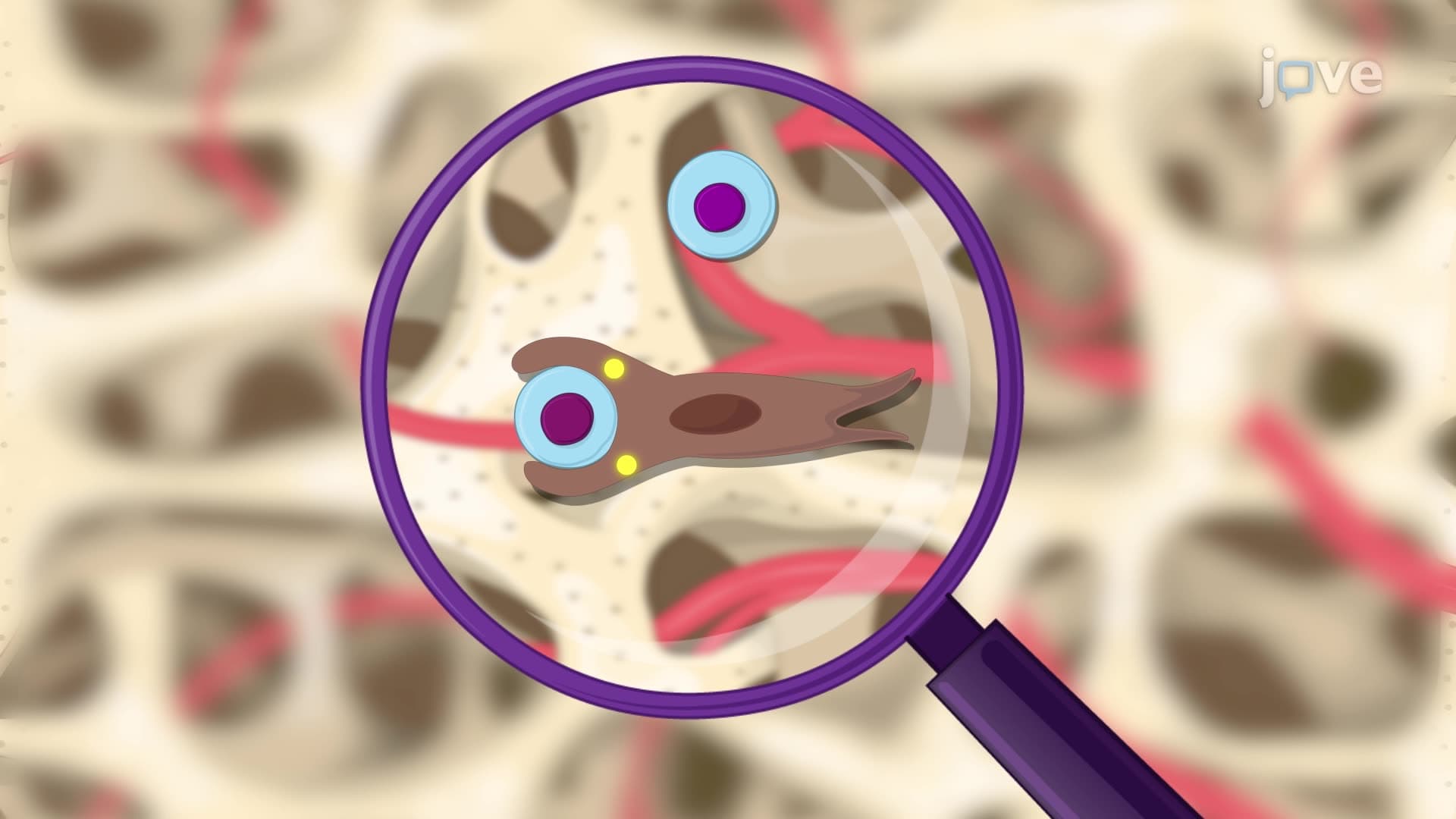
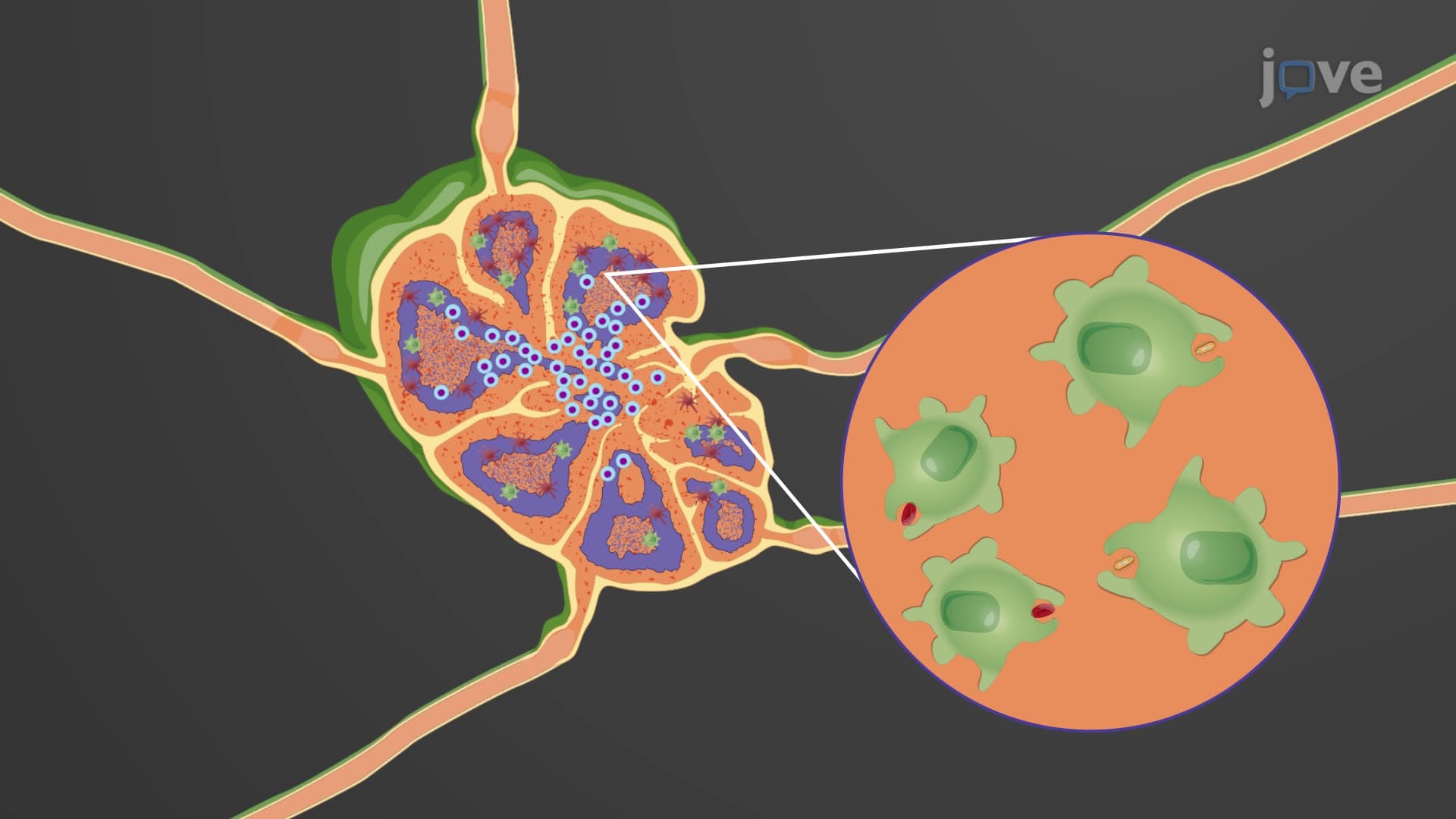
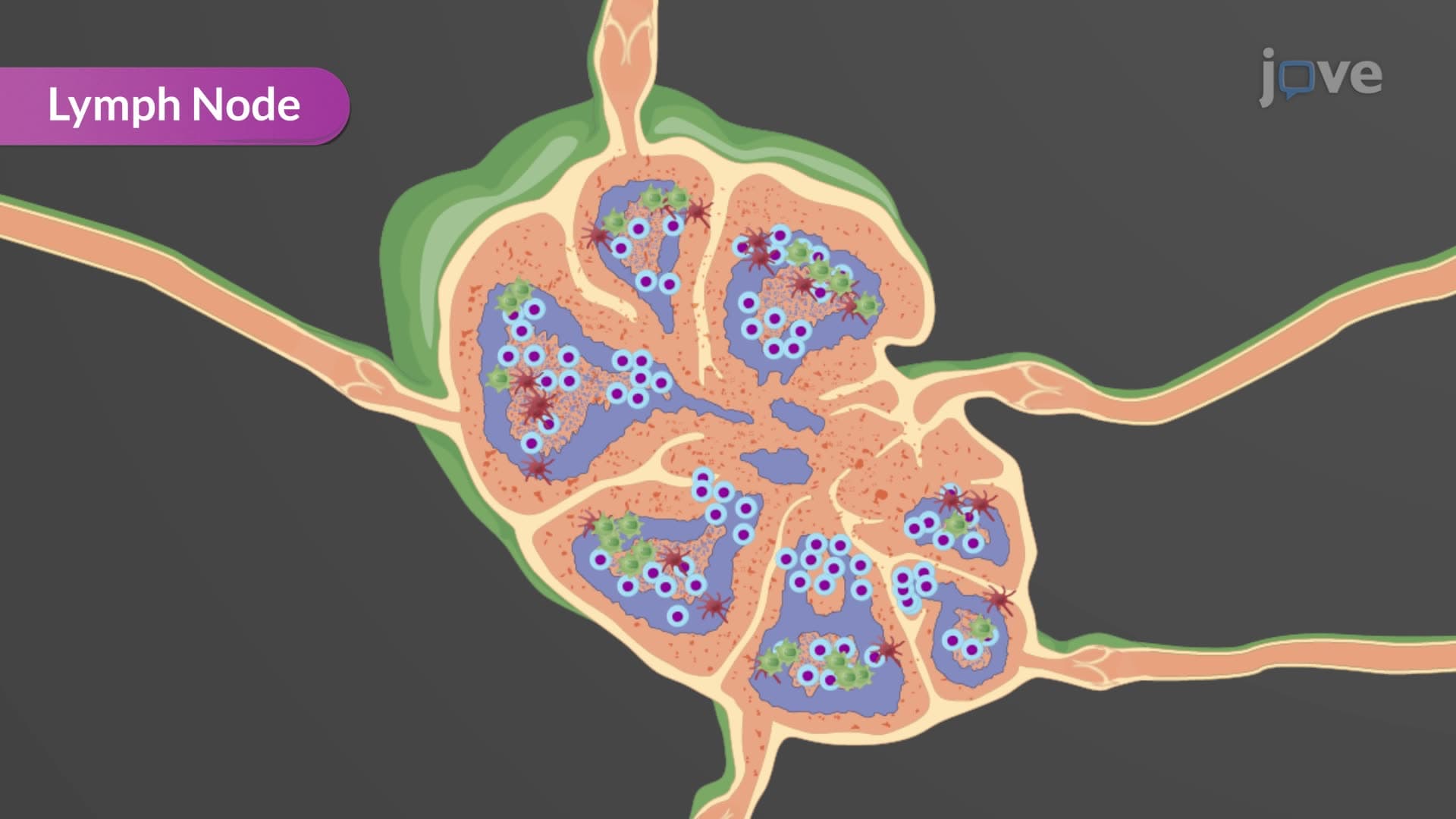
The transformation of primitive lymph sacs into mature lymph nodes represents a critical phase in lymphoid organ development. Mesenchymal cells-multipotent stem cells-differentiate into various lymph node components, including reticular fibers, supporting stromal cells, and specialized antigen-presenting cells. This process establishes the architectural framework that enables effective immune responses throughout life, a concept frequently tested on AP Biology exams and college immunology courses.
Related Micro-courses