Loading video…


 14 Concepts
 1.8M views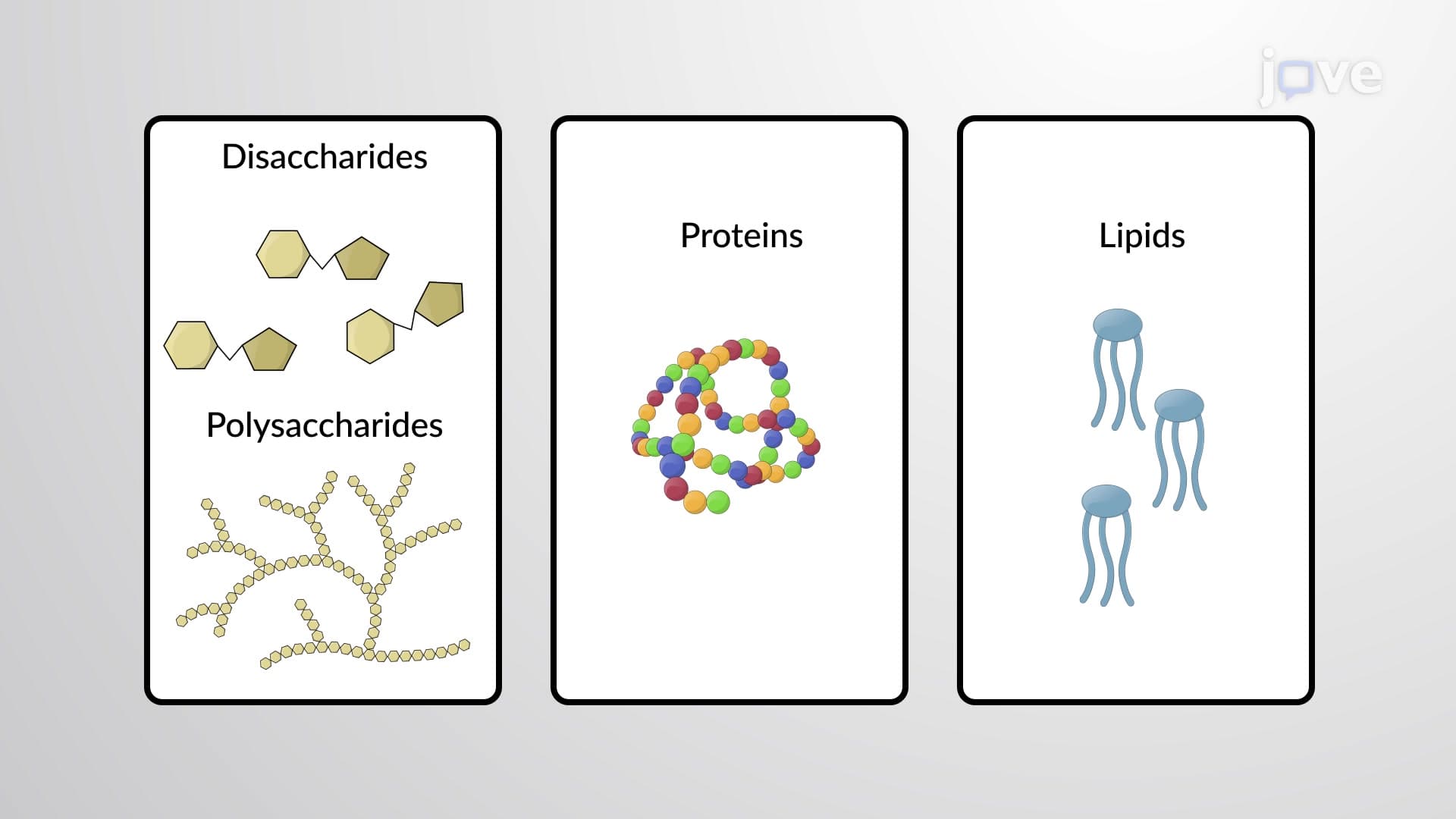

Video Summary: What Is Dietary Connections
Ever wonder how your morning bagel becomes the energy powering your brain during a chemistry exam? Dietary connections reveal the fascinating metabolic pathways that transform the food on your plate into cellular fuel. When a high school athlete consumes a sports drink containing sucrose, their body breaks it down into glucose and fructose, channeling both through glycolysis to generate ATP for muscle contraction. What is Dietary Connections explores how carbohydrates, proteins, and lipids all converge into unified energy-producing pathways within our cells. Watch the full video on JoVE Coach to master this concept with expert-led visuals and step-by-step explanations.
Dietary connections represent the remarkable convergence of all major food components-carbohydrates, proteins, and lipids-into shared metabolic pathways that produce cellular energy. Rather than operating as isolated systems, these macromolecules follow interconnected routes that ultimately channel into glycolysis and the citric acid cycle, creating an elegant metabolic network.
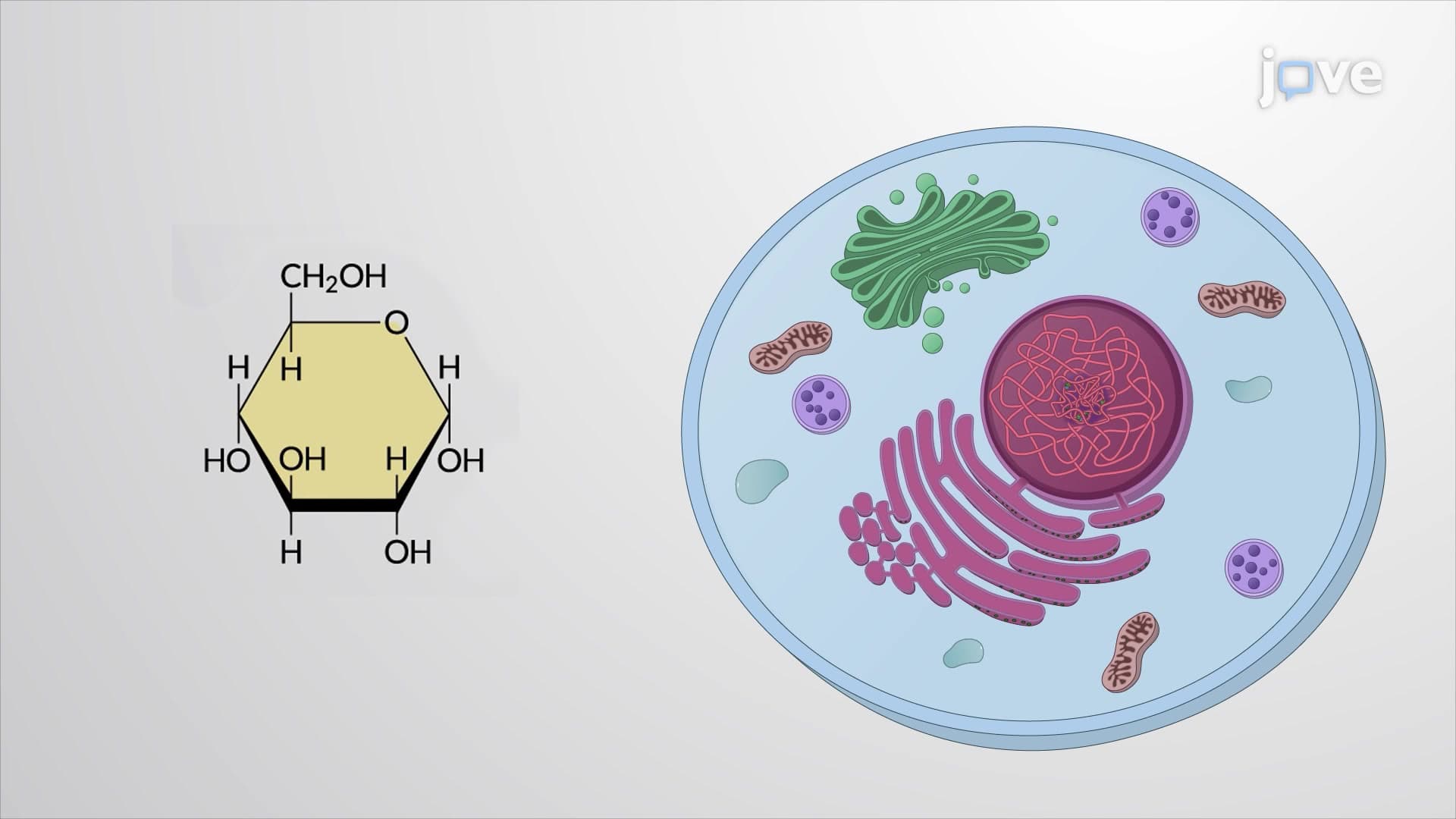
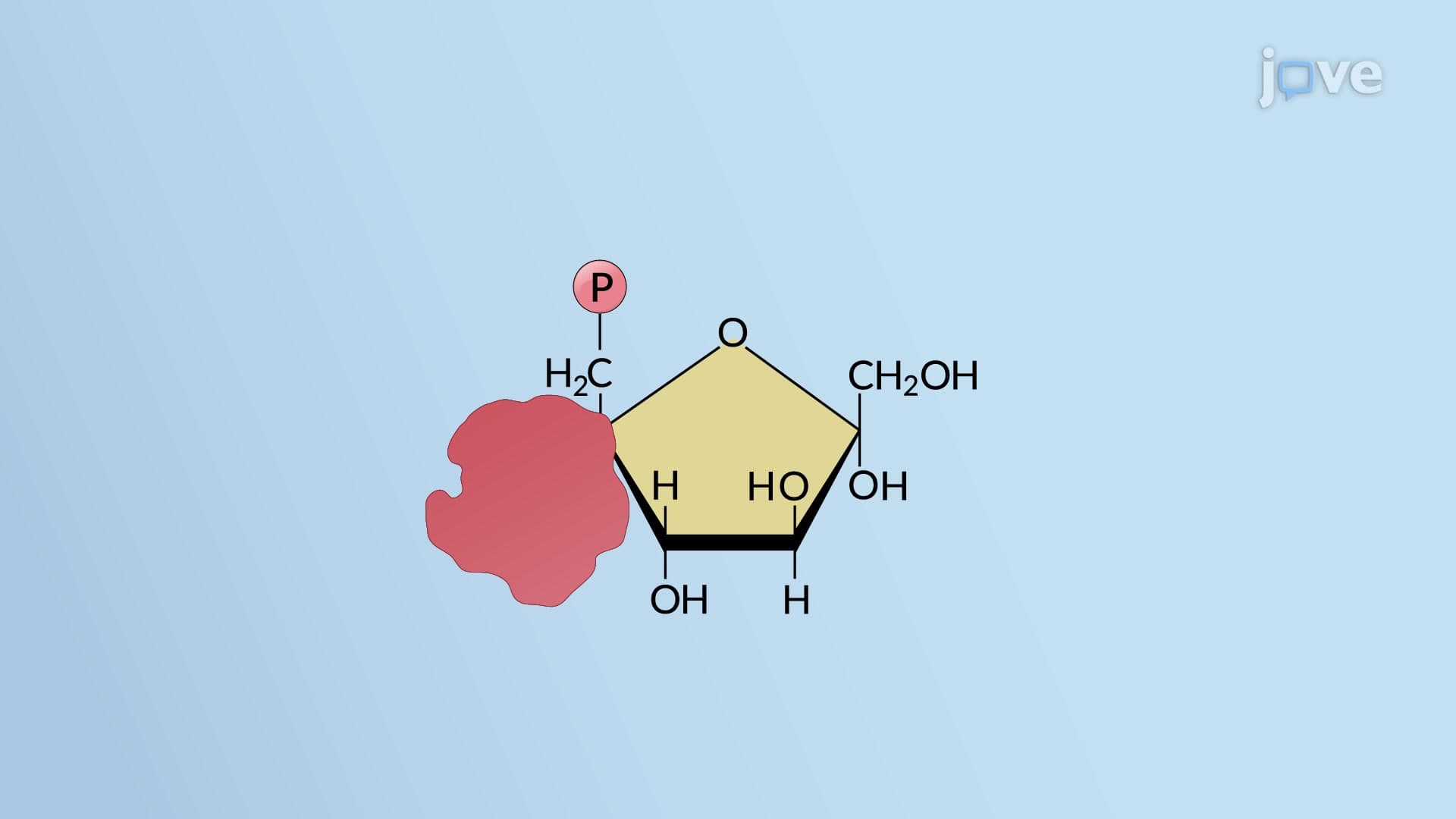
Complex carbohydrates dominate the American diet, from breakfast cereals to whole grain breads. Polysaccharides like starch undergo enzymatic hydrolysis in the digestive system, breaking down into glucose molecules that directly enter glycolysis. Glycogen, the body's glucose storage form found primarily in liver and muscle tissue, follows a similar pathway through glycogenolysis. Disaccharides present unique dietary connections definition examples: sucrose from sugar cane (common in Southern US agriculture) splits into glucose and fructose, with fructose following an alternative entry route through the liver before joining the glycolytic sequence.
Dietary proteins from sources like Nebraska beef or Pacific salmon undergo systematic breakdown into constituent amino acids. While protein synthesis claims priority for most amino acids, excess amounts or specific metabolic conditions trigger deamination-the removal of amino groups. The resulting carbon skeletons can enter glycolysis at various points or proceed directly to the citric acid cycle, depending on their specific structure. This flexibility explains how high-protein diets can contribute to energy production during periods of carbohydrate restriction.
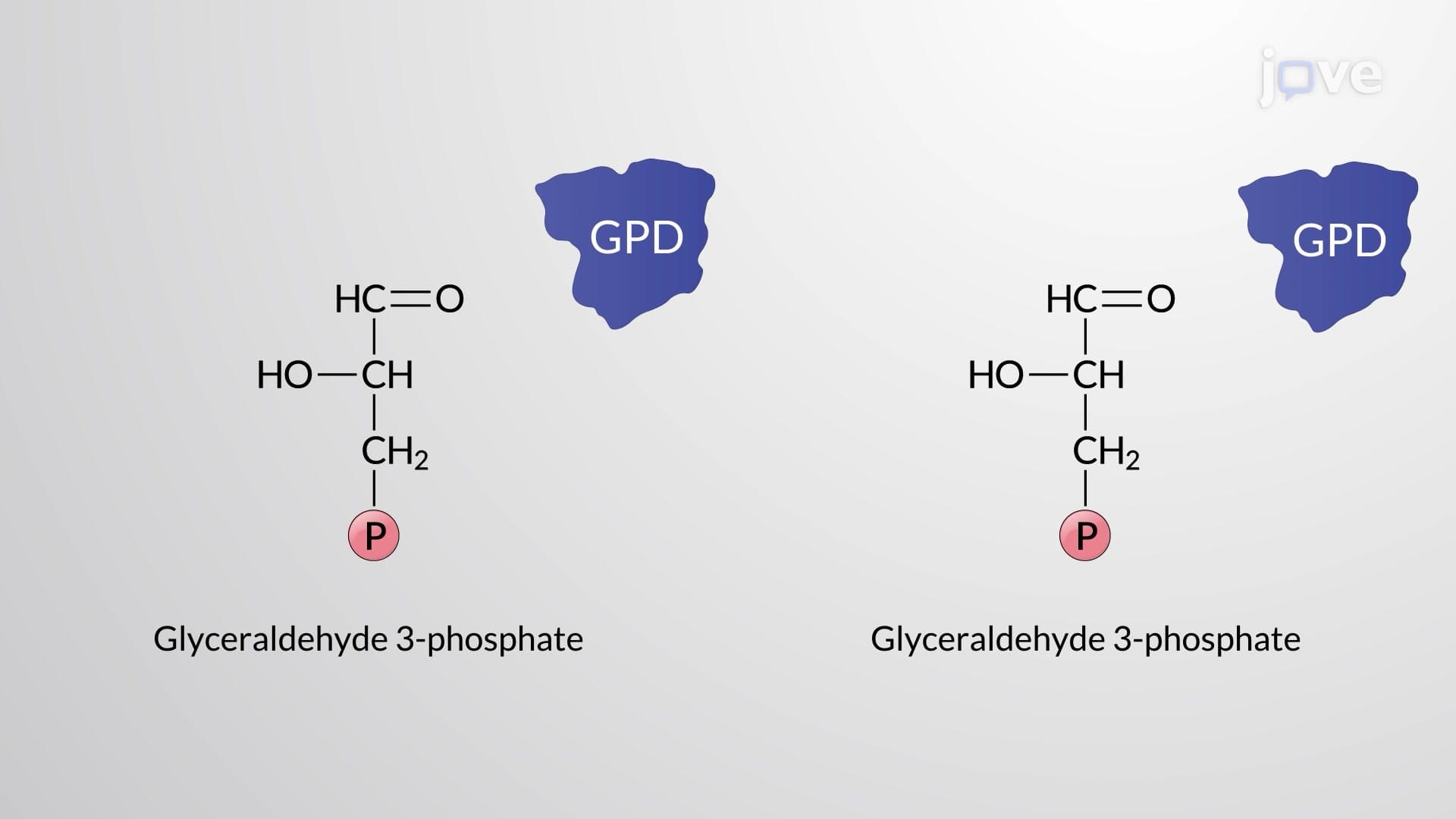
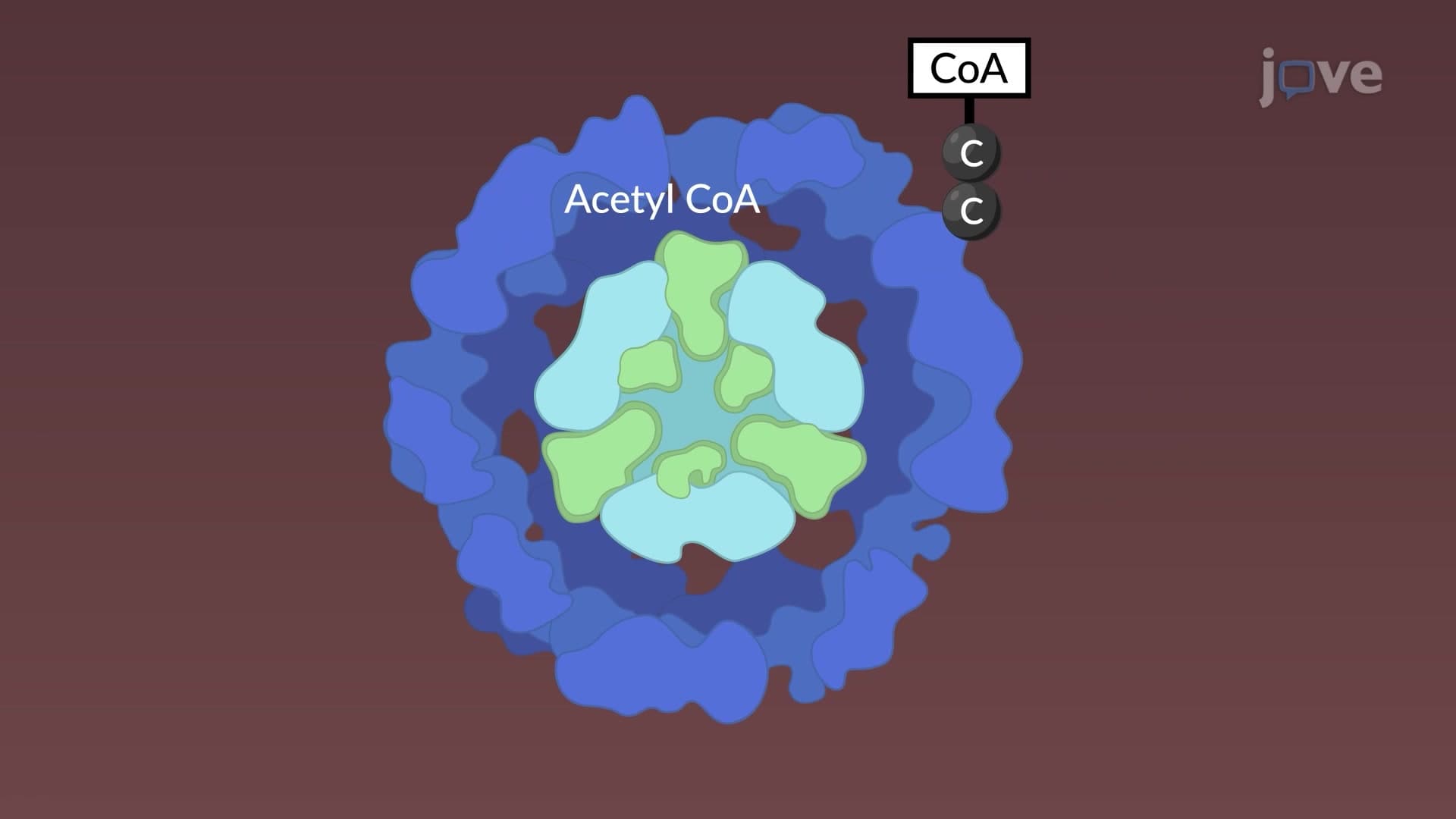
Triglycerides, abundant in foods like California avocados and Midwest corn oil, undergo systematic breakdown through lipolysis. The glycerol backbone converts to glycerol-3-phosphate, directly entering glycolysis alongside glucose. Meanwhile, fatty acid chains undergo beta-oxidation, a repetitive process that systematically removes two-carbon units as acetyl CoA. These acetyl CoA molecules bypass glycolysis entirely, entering the citric acid cycle for ATP generation. This dietary connections overview demonstrates how different nutrients can access the same final energy-producing machinery through distinct but coordinated pathways.
Understanding these connections proves essential for AP Biology students tackling metabolism questions and pre-med students preparing for MCAT biochemistry sections, where pathway integration frequently appears in complex scenarios.
Related Micro-courses