Loading video…


 14 Concepts
 1.8M views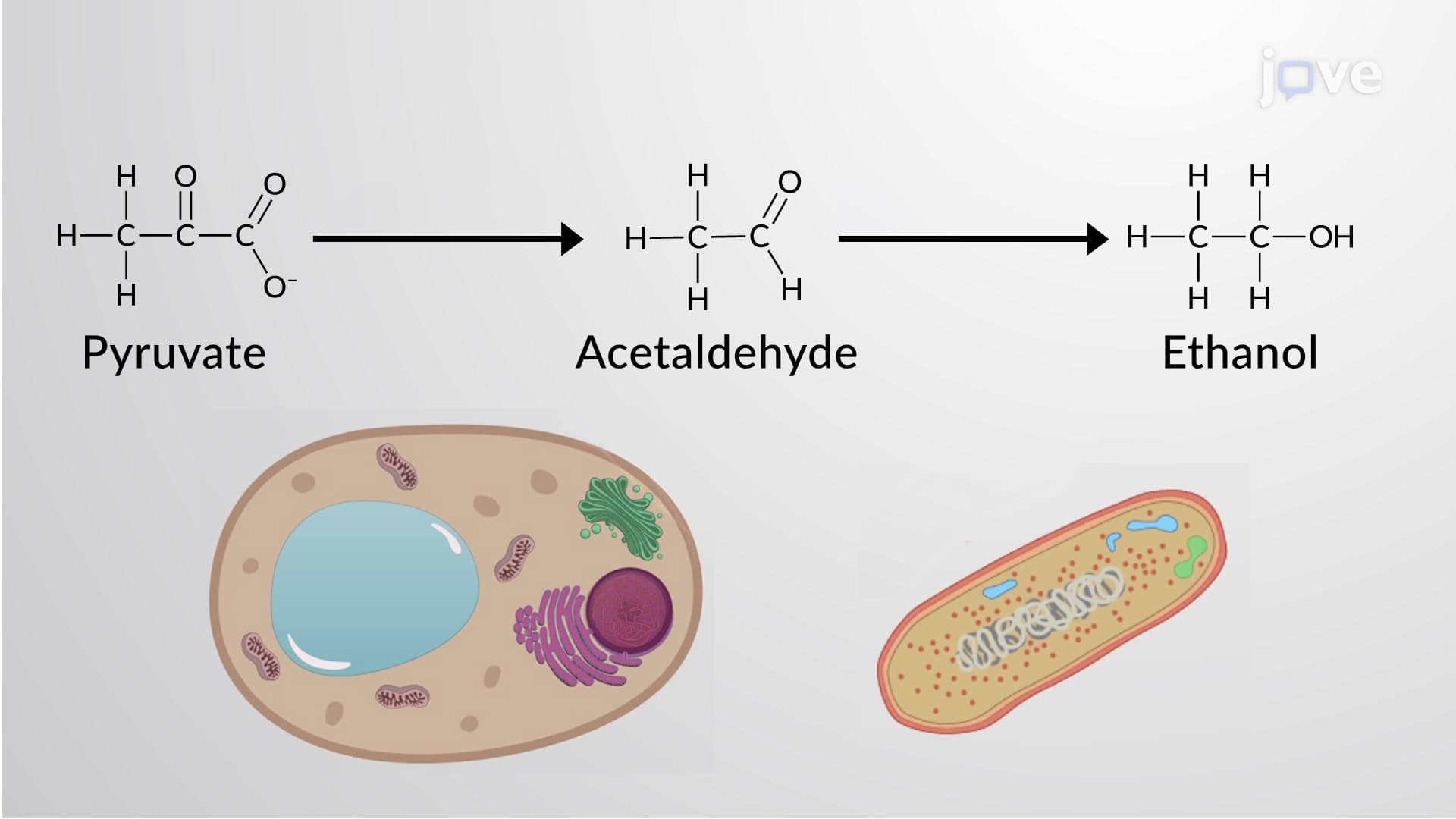

Video Summary: What Is Fermentation
Ever wonder why your muscles burn during an intense workout or how bread rises? Fermentation is the metabolic process that breaks down carbohydrates without oxygen, producing energy when cells can't access sufficient oxygen for normal respiration. From the lactic acid buildup in a marathon runner's legs to the alcohol production in craft breweries across America, fermentation plays crucial roles in both human physiology and industrial applications. Watch the full video on JoVE Coach to master this concept with expert-led visuals and step-by-step explanations.
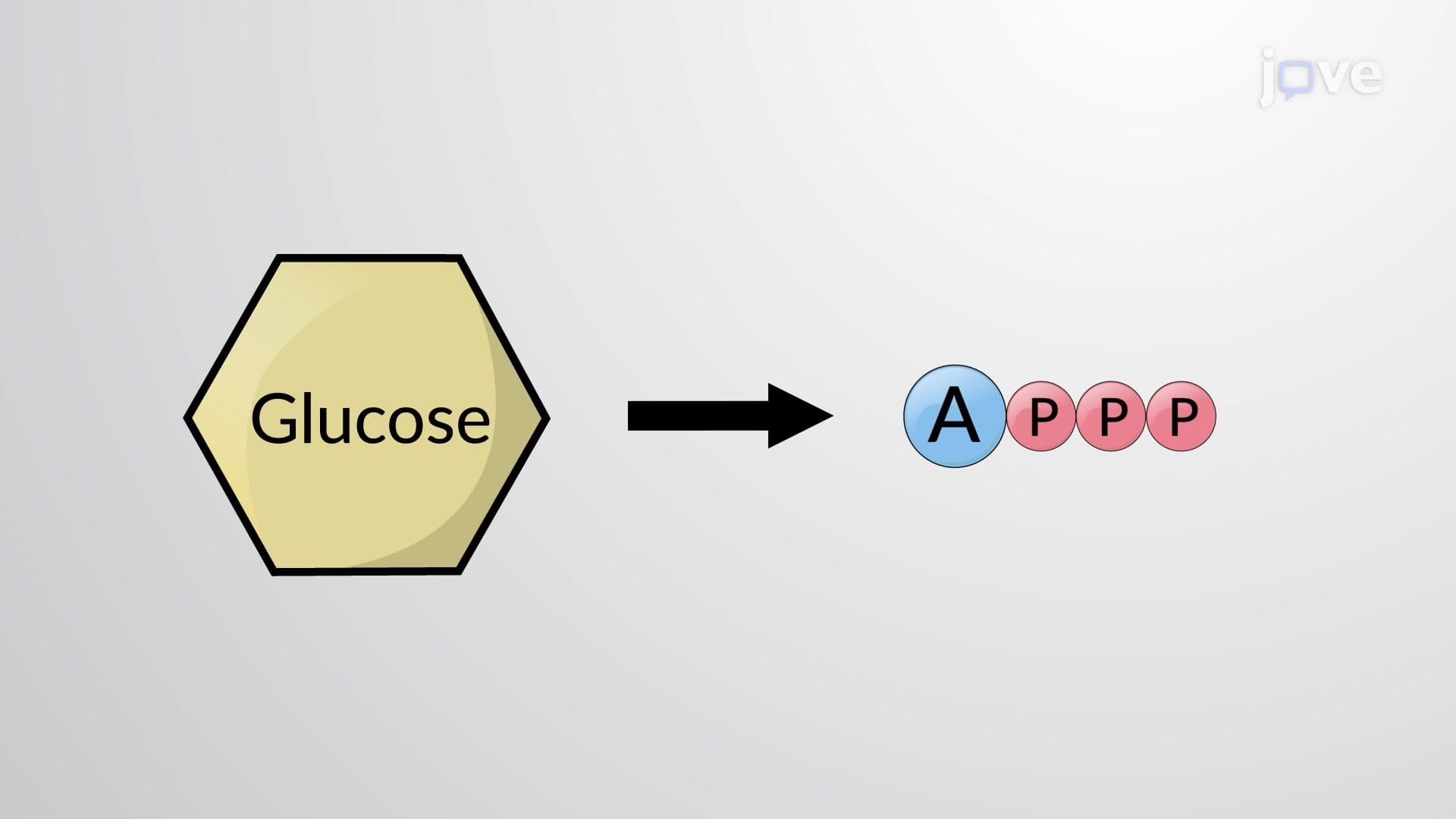
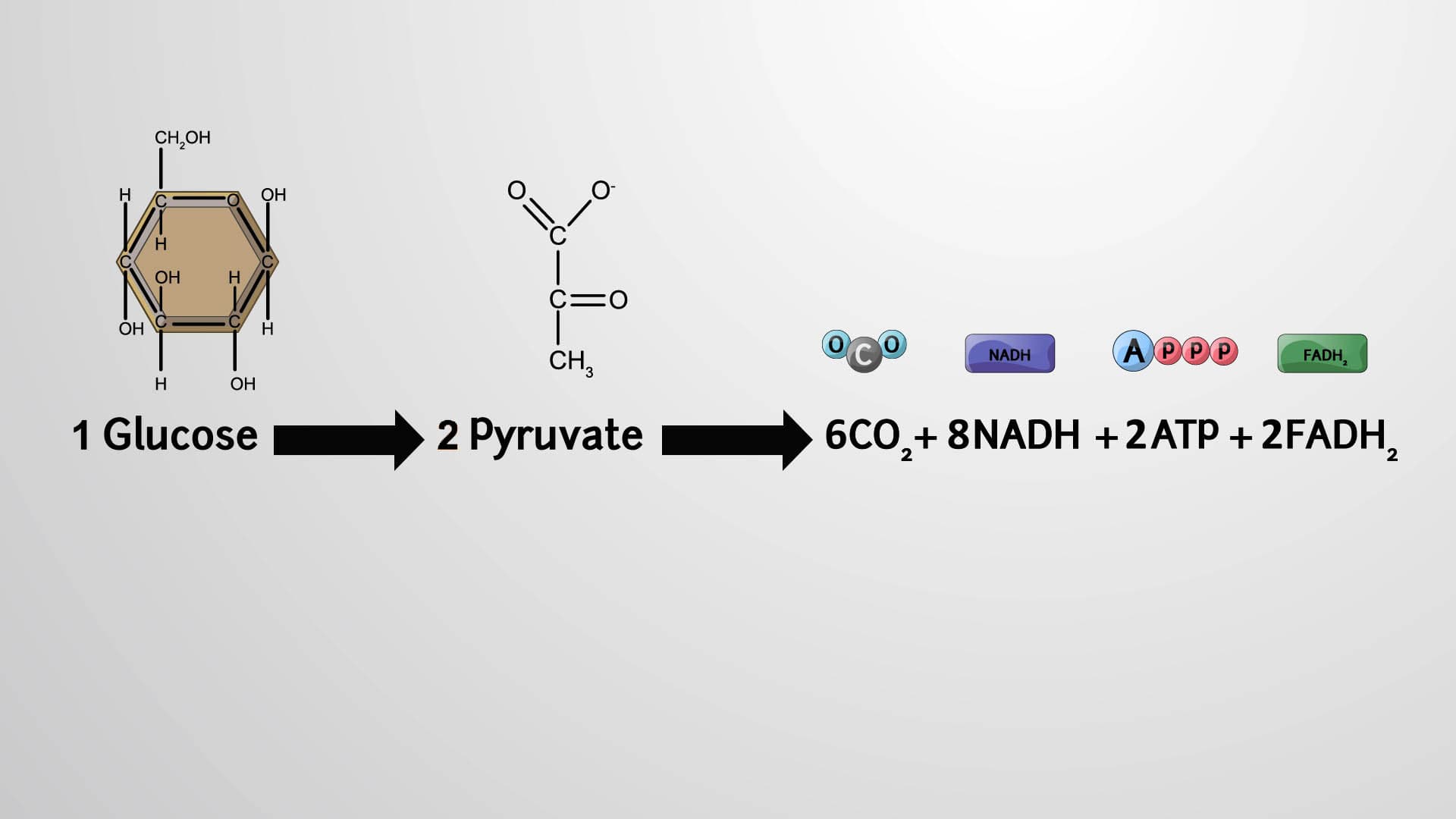
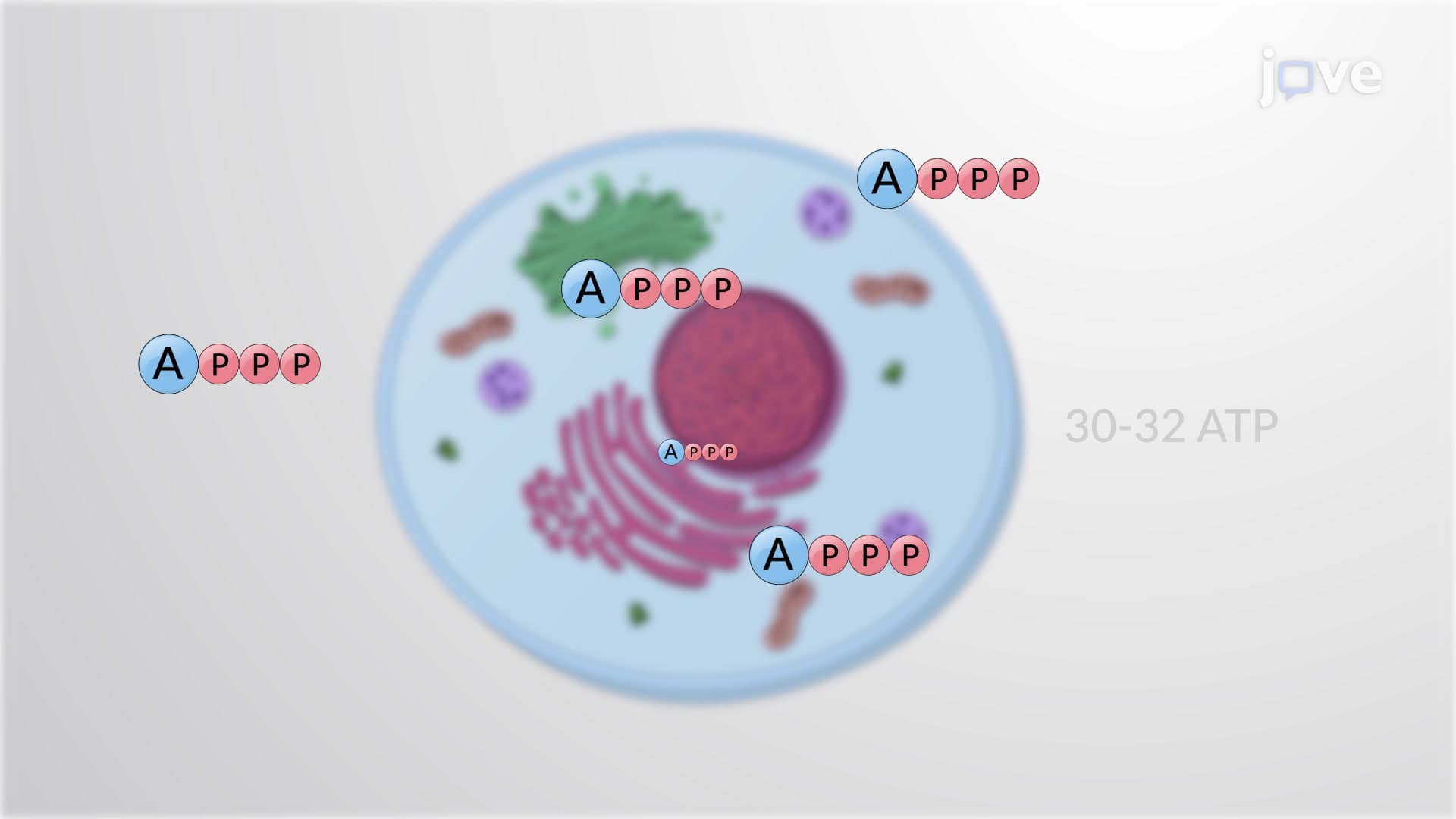
What is fermentation? This essential metabolic process represents cells' backup energy system when oxygen becomes scarce. Unlike aerobic respiration that requires oxygen and produces 36-38 ATP molecules per glucose, fermentation operates in anaerobic conditions and yields only 2 ATP molecules per glucose. This dramatic difference in energy efficiency explains why you can't sprint indefinitely-your muscles eventually switch to fermentation, producing less energy per unit of glucose consumed.
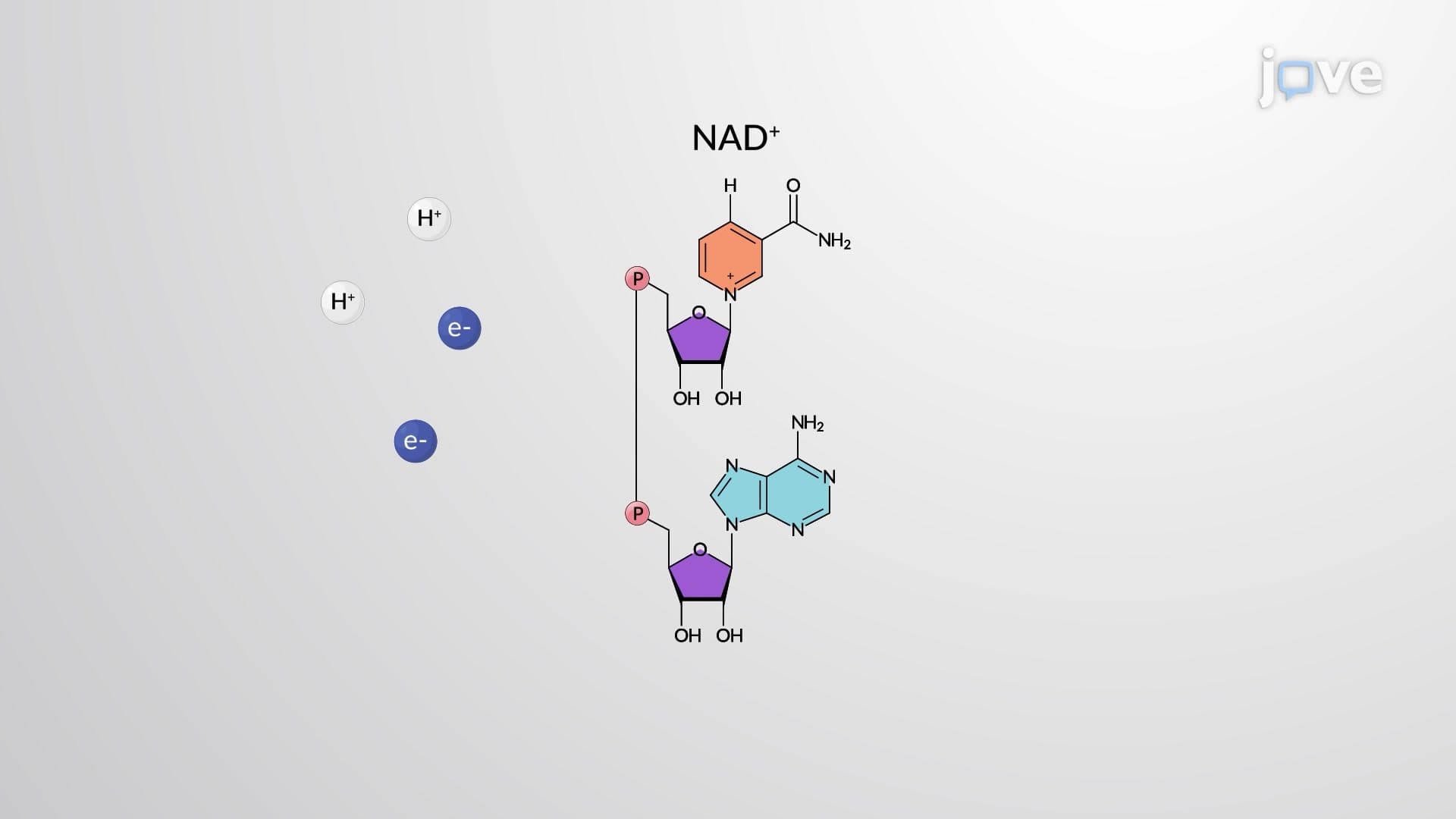
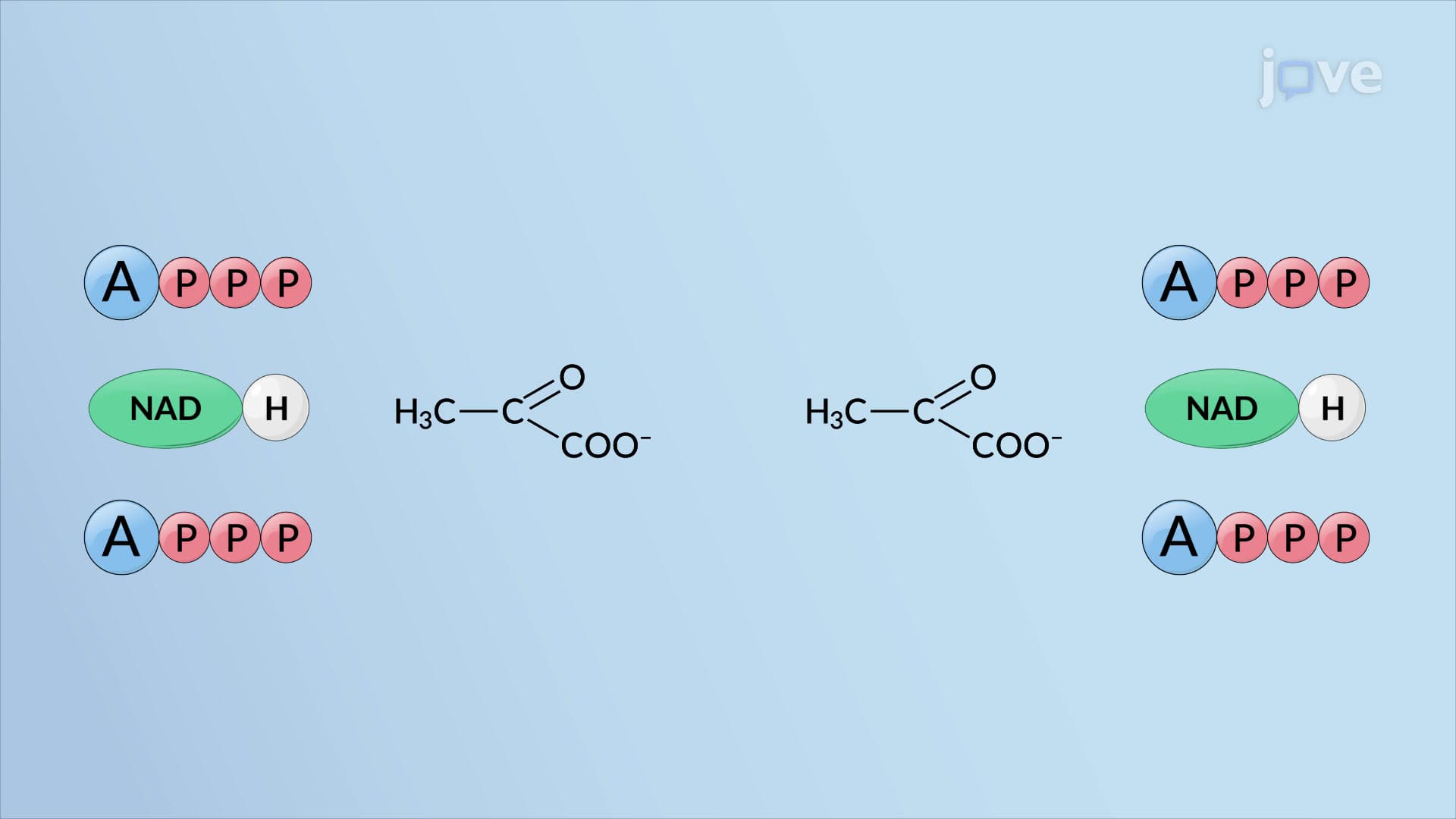
In American high school athletics, every track athlete experiences lactic acid fermentation firsthand. During the final sprint of a 400-meter dash, muscle cells consume oxygen faster than the circulatory system can supply it. The enzyme lactate dehydrogenase converts pyruvate (from glycolysis) into lactate while simultaneously regenerating NAD+ from NADH. This NAD+ regeneration is crucial because glycolysis cannot continue without available NAD+ molecules. The burning sensation in overworked muscles results from lactate accumulation, not "lactic acid buildup" as commonly misunderstood.
Ethanol fermentation drives America's craft brewing and biofuel industries. Yeast cells like Saccharomyces cerevisiae perform a two-step process: pyruvate decarboxylase first removes CO2 from pyruvate to form acetaldehyde, then alcohol dehydrogenase reduces acetaldehyde to ethanol. This process not only produces the alcohol in beverages but also generates the CO2 that makes bread rise in bakeries nationwide. The same biochemical pathway powers ethanol biofuel production in states like Iowa and Nebraska.
For pre-med students preparing for the MCAT, fermentation questions frequently appear in biochemistry sections. AP Biology students encounter fermentation in Unit 3 (Cellular Energetics), often in free-response questions asking students to compare energy yields between fermentation and aerobic respiration. Understanding fermentation also proves essential for students entering nursing programs, as lactate levels serve as clinical indicators during patient monitoring in intensive care units.
Related Micro-courses