Loading video…

 16 Concepts
 2.1M views

Video Summary: An Electrochemical Gradient Definition
Did you know that nerve cells in your brain can fire electrical signals at speeds up to 120 meters per second? This incredible speed depends on the electrochemical gradient, which combines both concentration and electrical gradients across cell membranes. Consider how medications like local anesthetics used by dentists in the US work by disrupting these gradients in nerve cells. An electrochemical gradient definition reveals how cells maintain the delicate balance of ions like sodium and potassium that powers everything from muscle contractions to thoughts. Watch the full video on JoVE Coach to master this concept with expert-led visuals and step-by-step explanations.
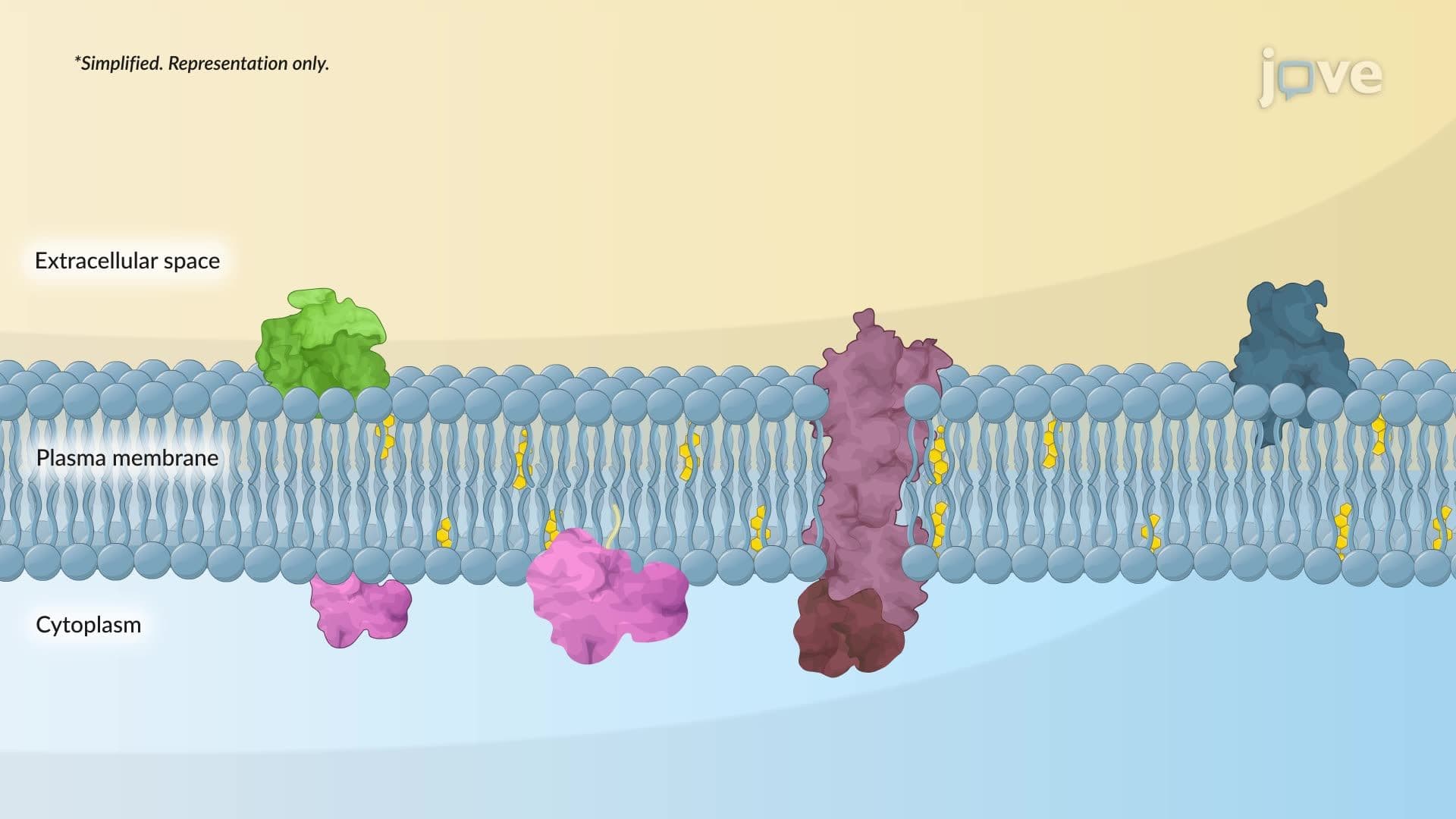
An electrochemical gradient represents one of the most fundamental concepts in cellular biology, combining two distinct but interconnected forces that drive cellular processes. This gradient consists of both a concentration gradient (chemical gradient) and an electrical gradient working together across biological membranes. Students studying for the AP Biology exam or college-level physiology courses must grasp how these gradients power essential cellular functions from ATP synthesis to neurotransmission.
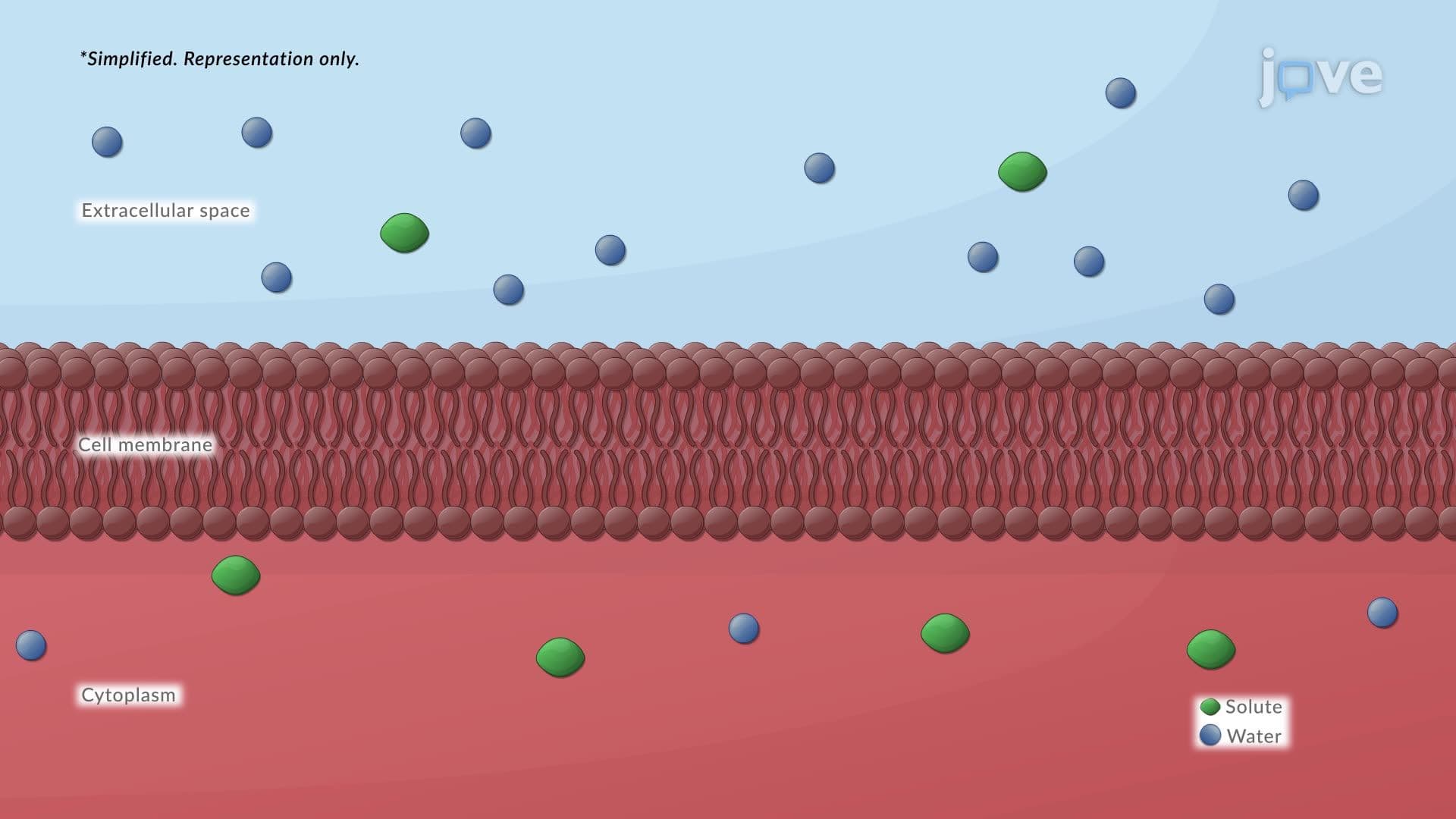
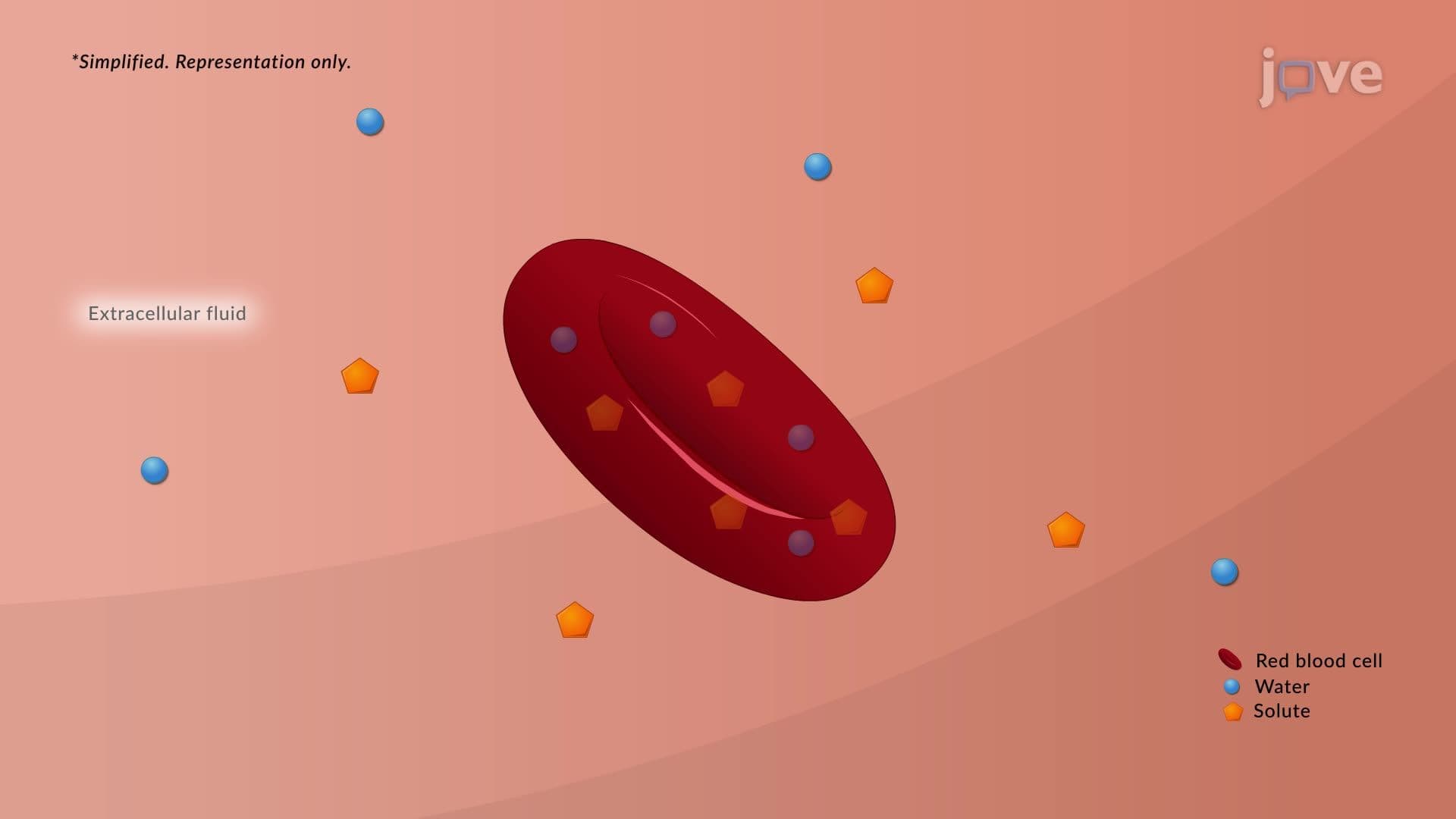
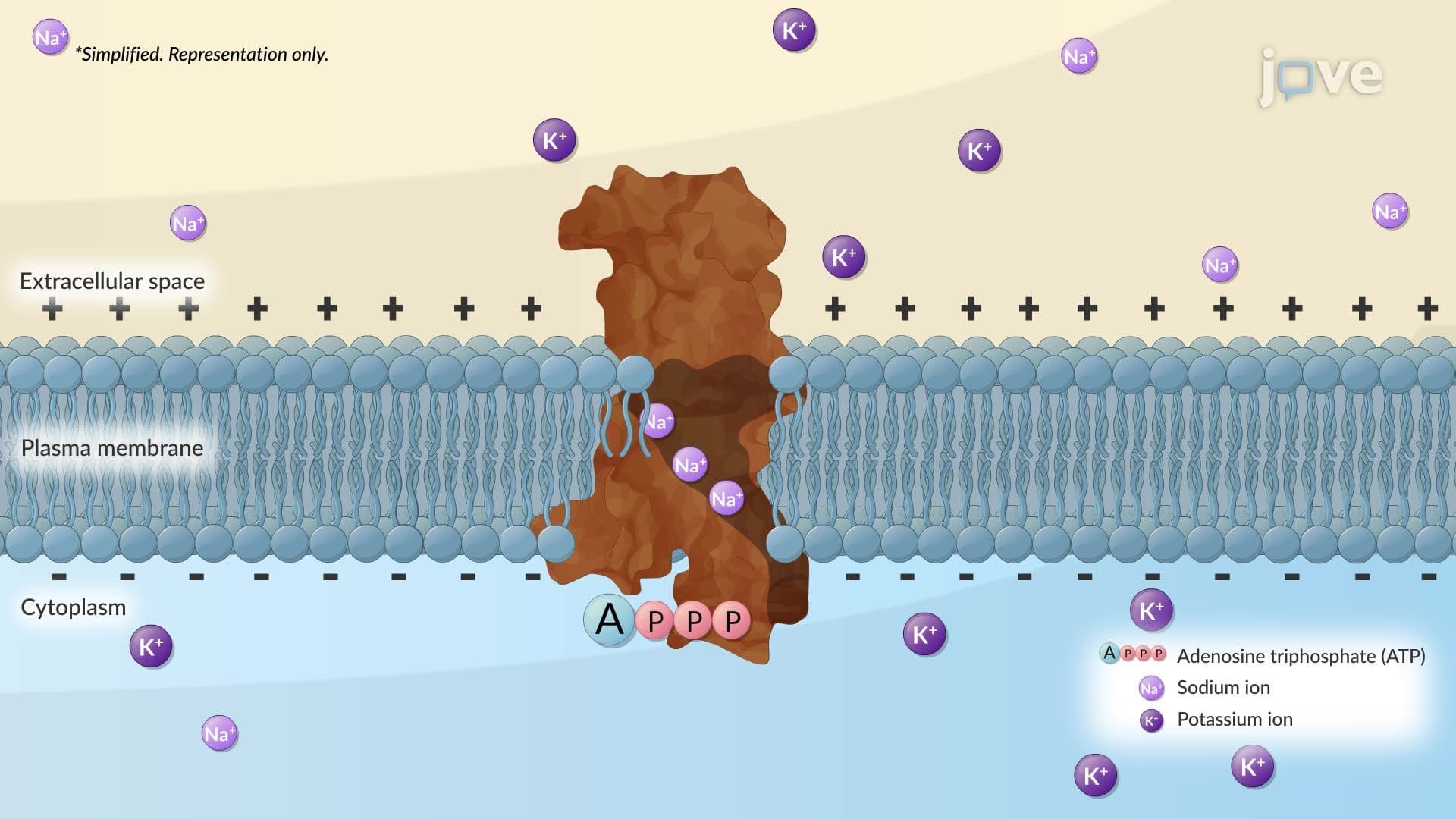
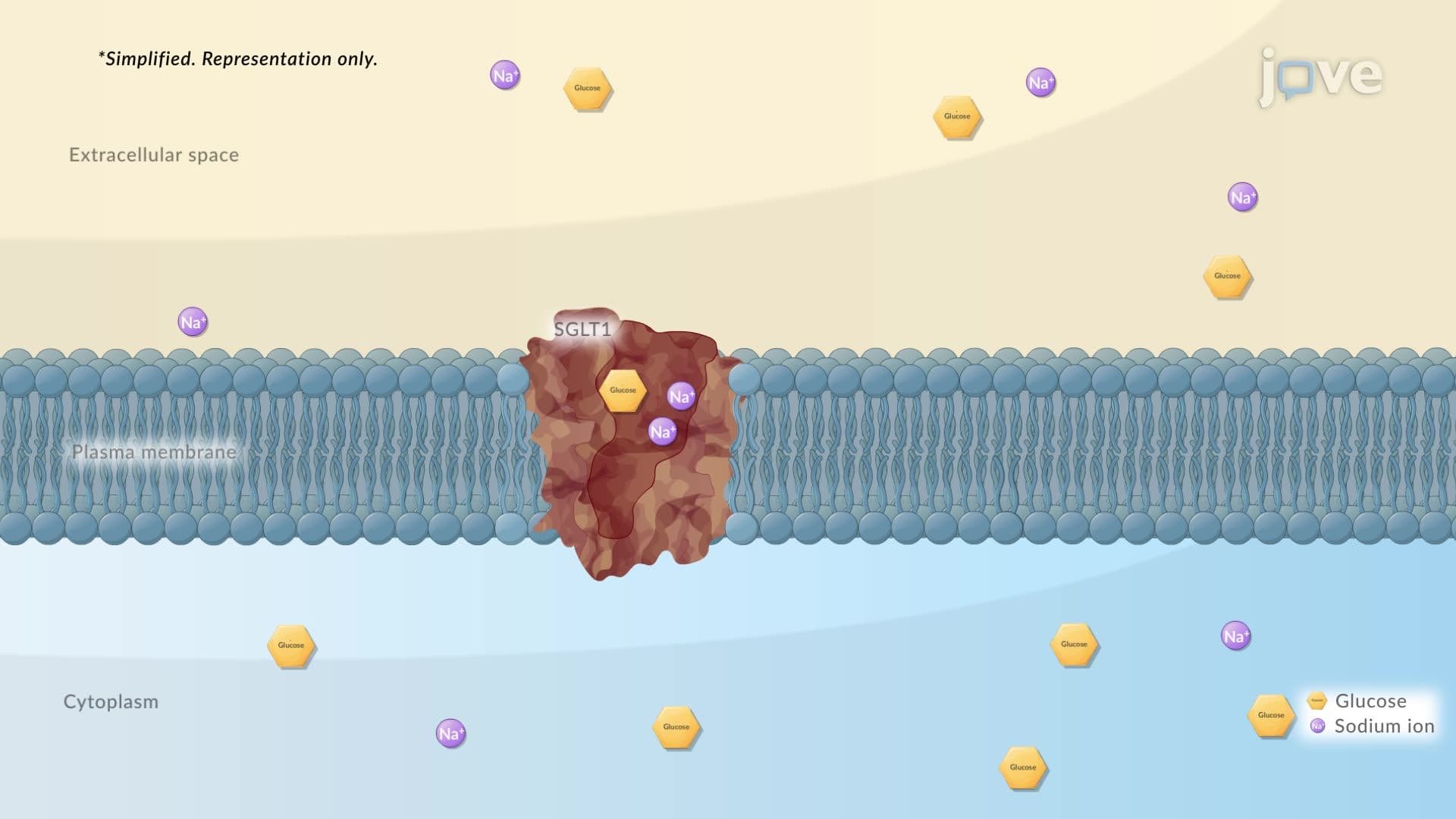
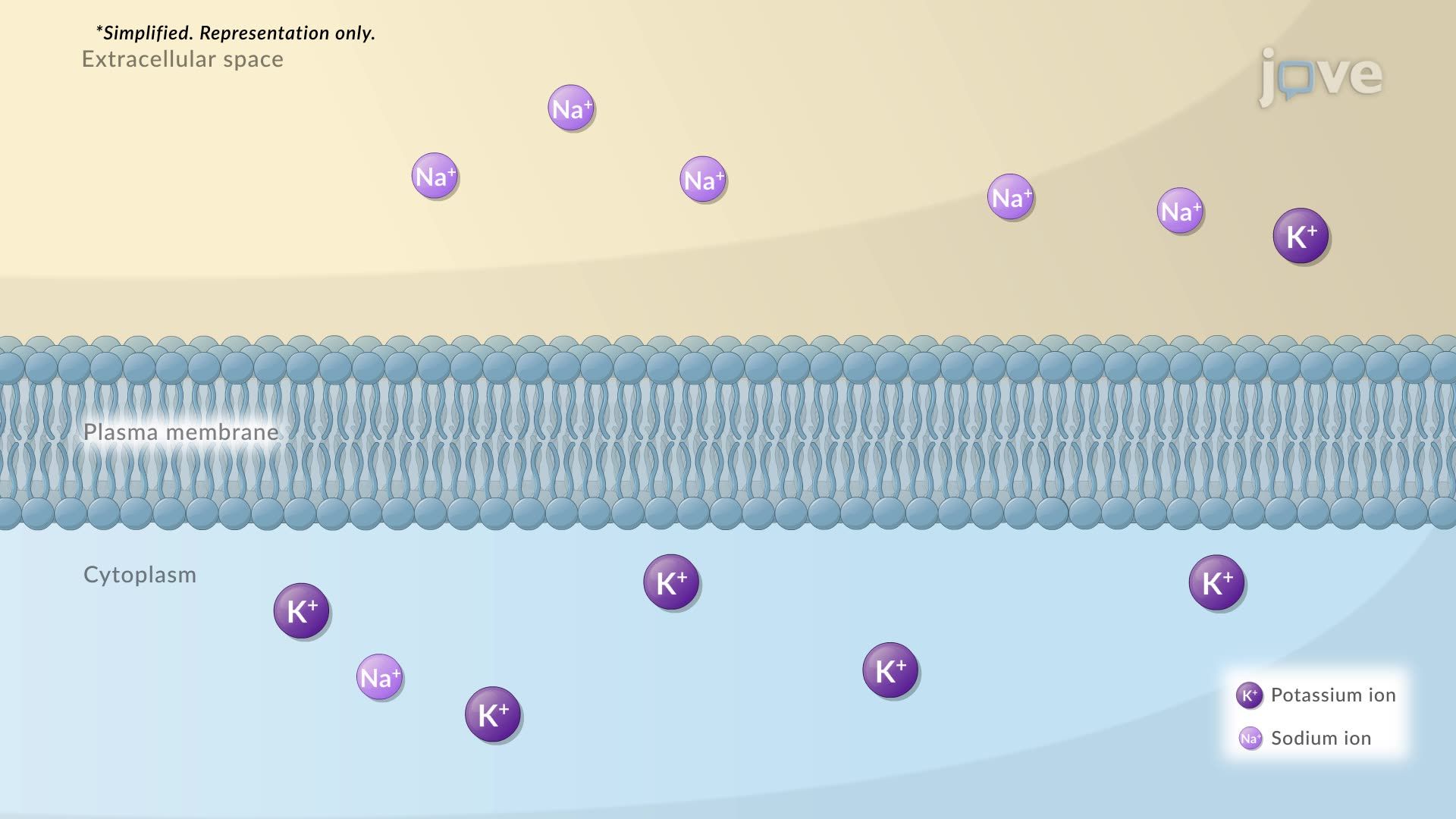
The concentration gradient forms when specific ions exist in different amounts on either side of a membrane. In typical mammalian cells, sodium ions (Na+) concentrate at roughly 145 mM outside the cell compared to only 15 mM inside. Conversely, potassium ions (K+) reach concentrations of 140 mM inside cells while dropping to just 5 mM in extracellular fluid. This uneven distribution creates a driving force where ions naturally want to move from high to low concentration areas, similar to how students spread out from crowded hallways into empty classrooms.
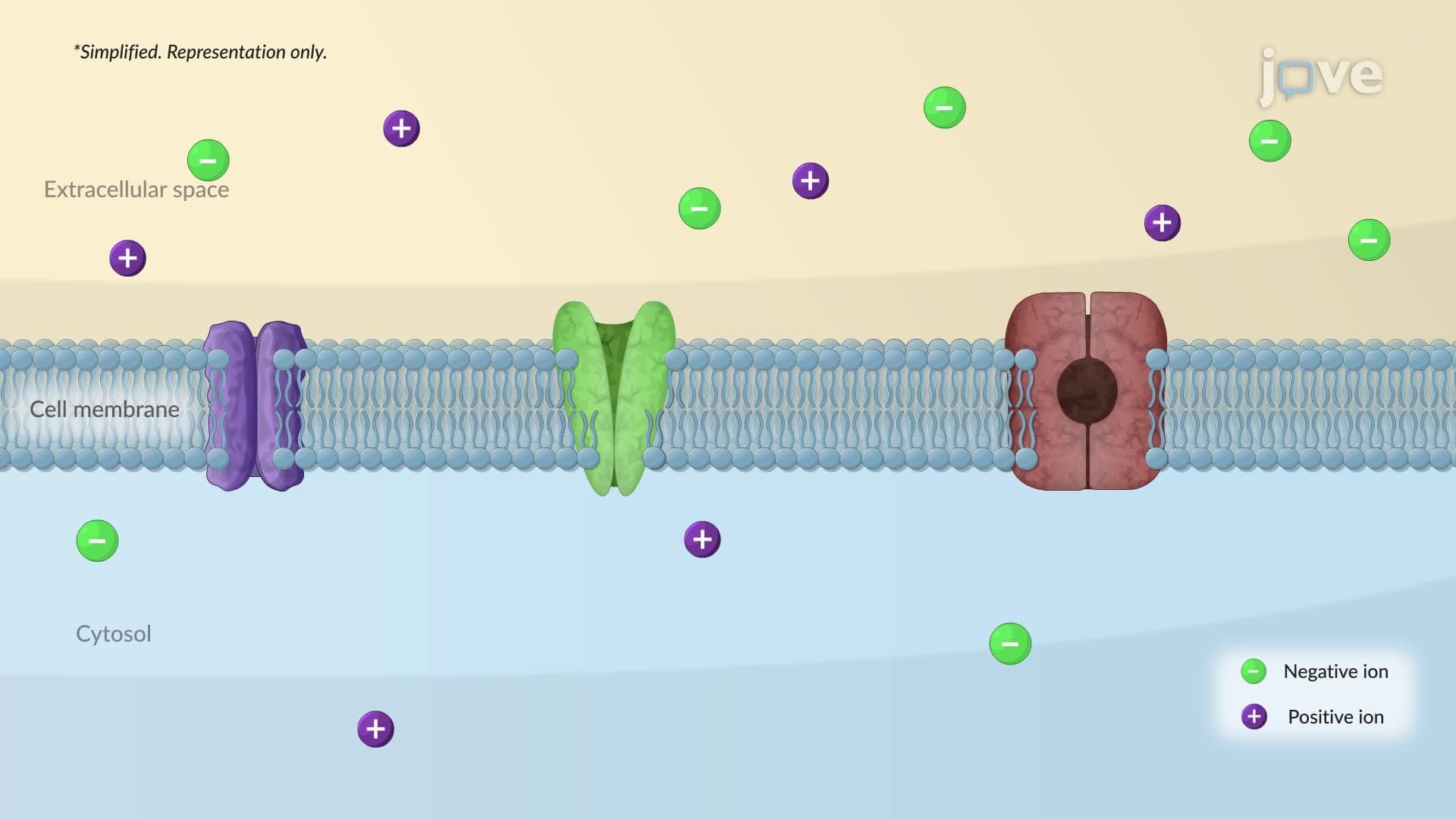
The electrical gradient emerges from charge differences across membranes. Cell interiors typically maintain a negative charge of approximately -70 millivolts relative to the outside environment. This negativity results from large, negatively charged proteins trapped inside cells and the selective movement of ions. The electrical gradient can either reinforce or oppose the concentration gradient, depending on an ion's charge and the membrane potential.
Understanding electrochemical gradients proves essential for MCAT preparation and nursing school entrance exams like HESI A2 and TEAS. Medical students studying for USMLE Step 1 encounter these concepts when learning about cardiac action potentials and antiarrhythmic drugs. In real-world healthcare, conditions like hyperkalemia (elevated blood potassium) can dangerously alter electrochemical gradients in heart muscle cells, potentially causing fatal arrhythmias that emergency physicians at hospitals like Johns Hopkins or Mayo Clinic must rapidly recognize and treat.
Related Micro-courses