Loading subject page…


2,101,788 views


Video Summary: What Is Pinocytosis
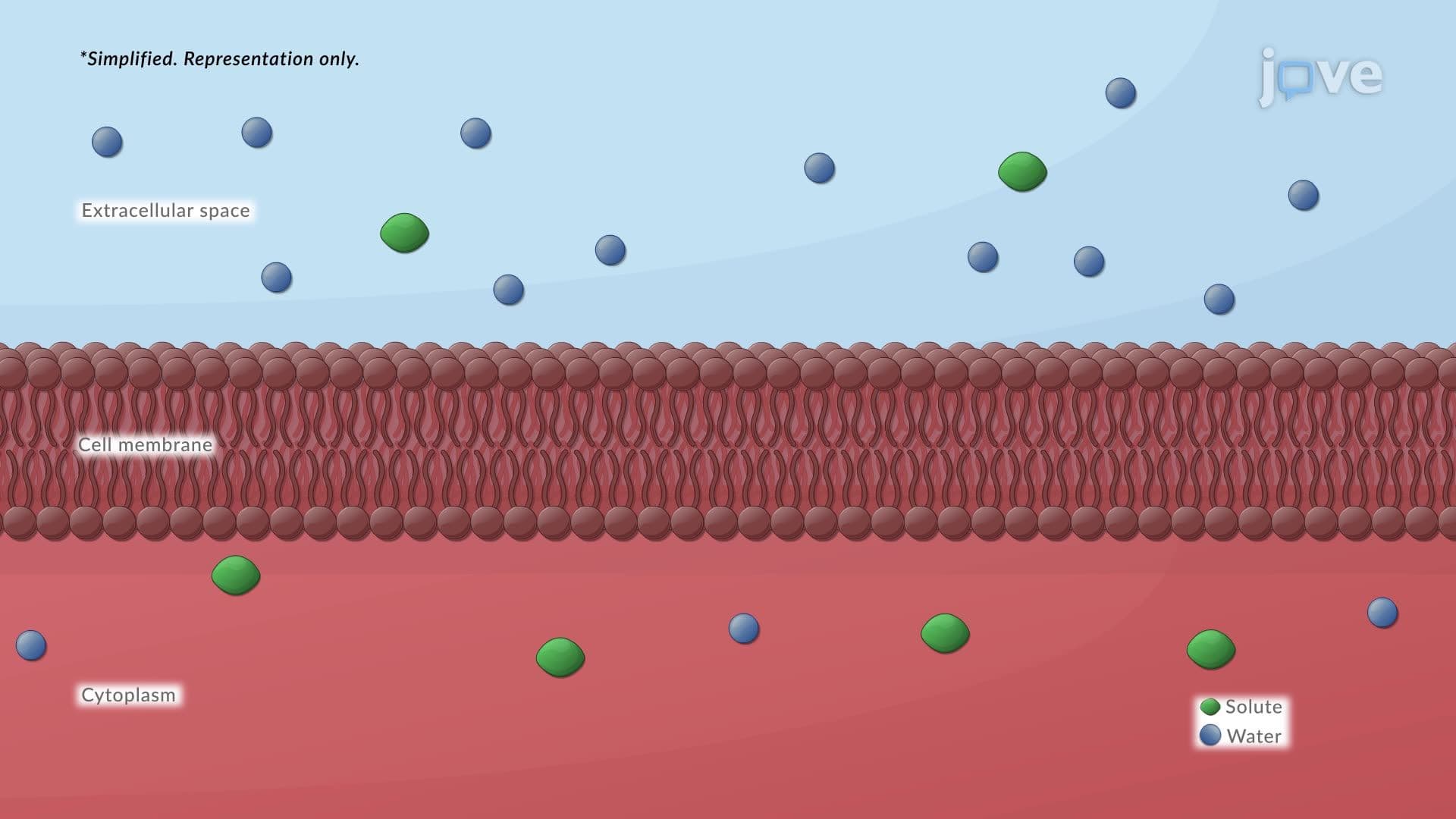
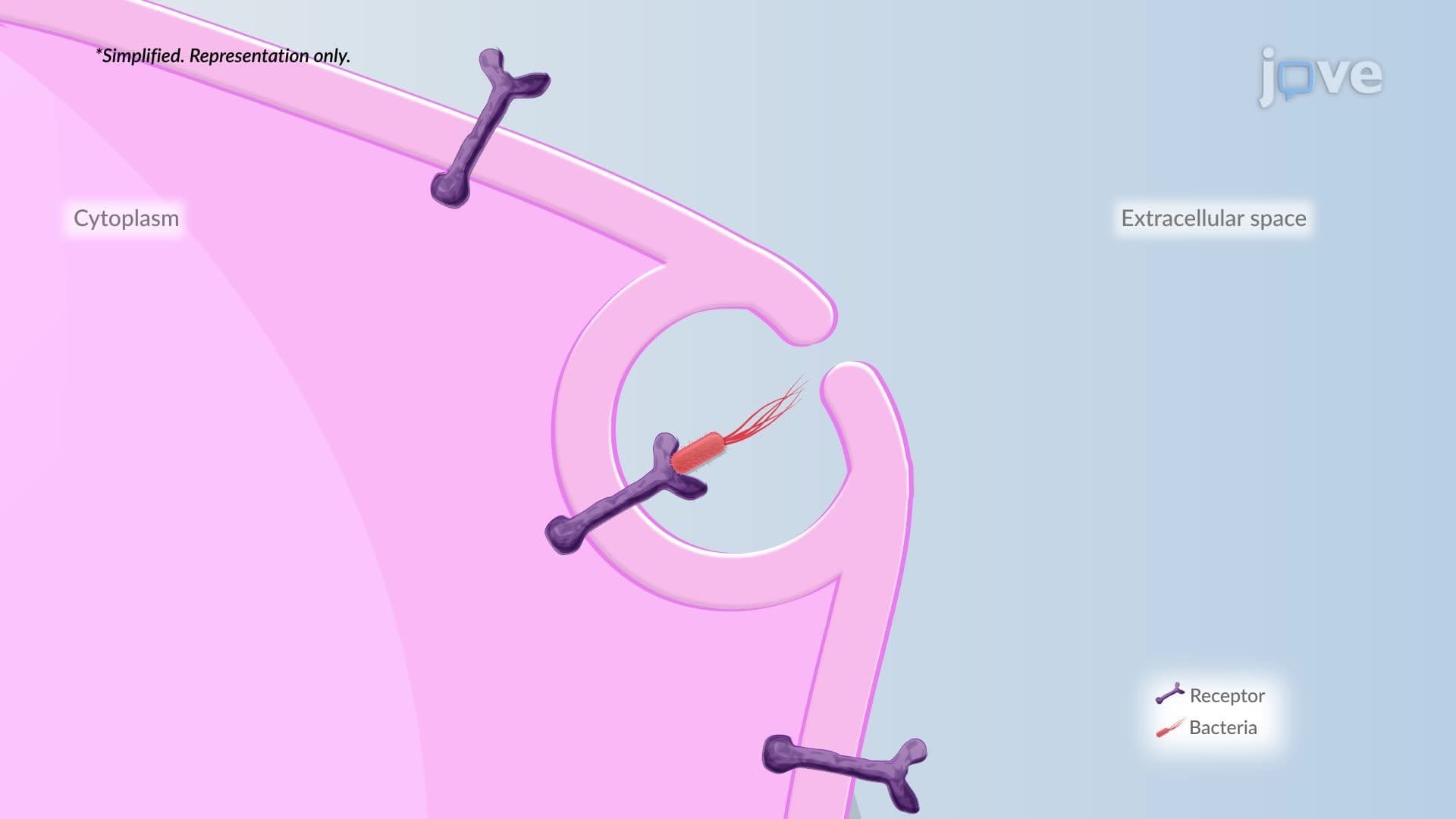
Ever wonder how a single human cell can "drink" the fluid around it, consuming nutrients dissolved in water? Pinocytosis is the cellular process that makes this possible, allowing cells to engulf extracellular fluid through specialized membrane invagination. For instance, kidney cells in US dialysis patients rely on this mechanism to absorb essential nutrients from filtered blood plasma. This non-specific endocytic process involves clathrin proteins forming curved pits that pinch off into transport vesicles. Watch the full video on JoVE Coach to master this concept with expert-led visuals and step-by-step explanations.
Pinocytosis represents one of nature's most elegant solutions for cellular nutrition. Unlike the dramatic engulfment seen in phagocytosis where cells "eat" large particles, pinocytosis operates as a continuous, subtle process where cells "drink" their surrounding fluid environment. This mechanism proves essential for cellular survival, particularly in tissues where nutrients exist in dissolved form rather than as discrete particles.
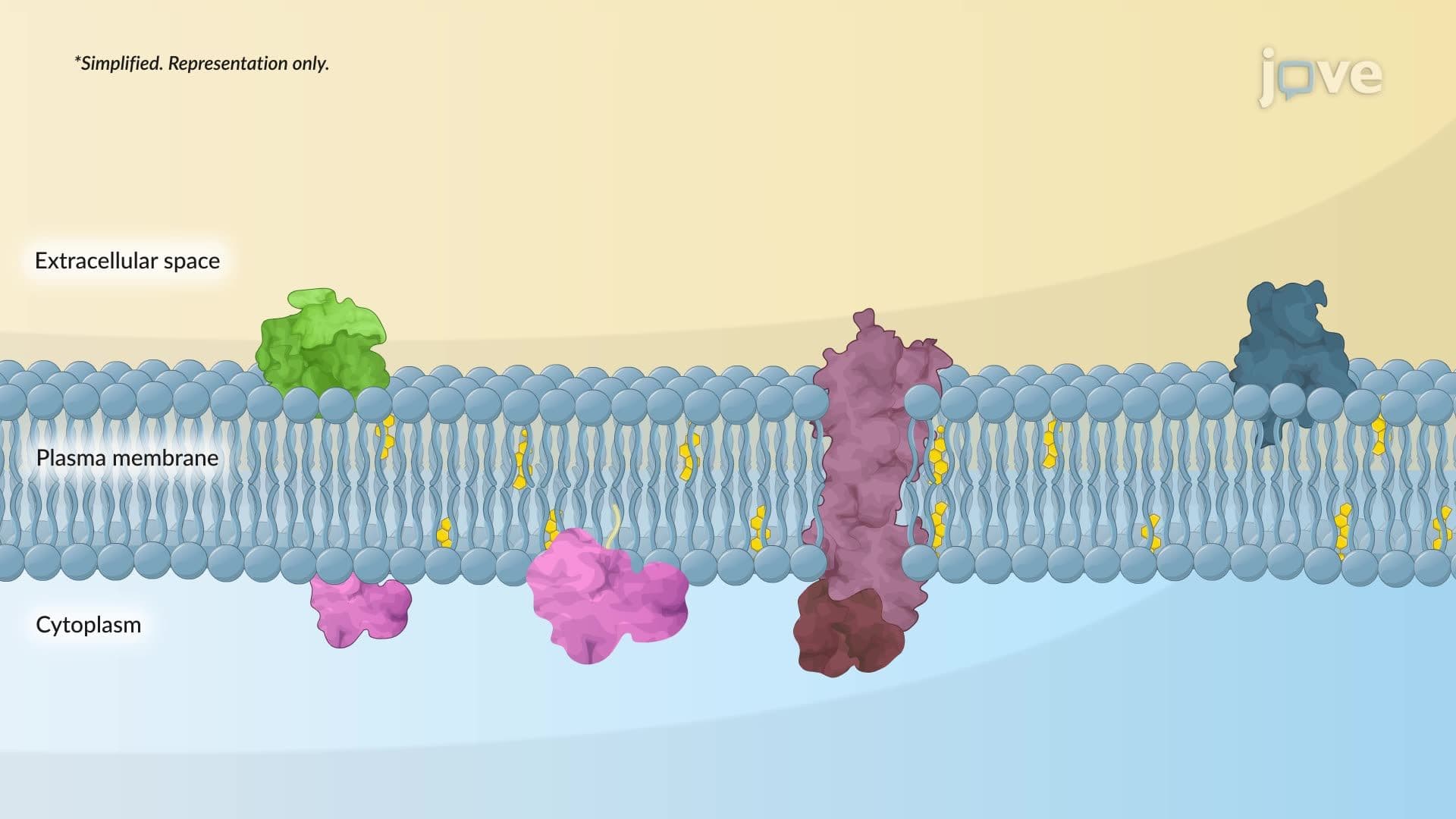
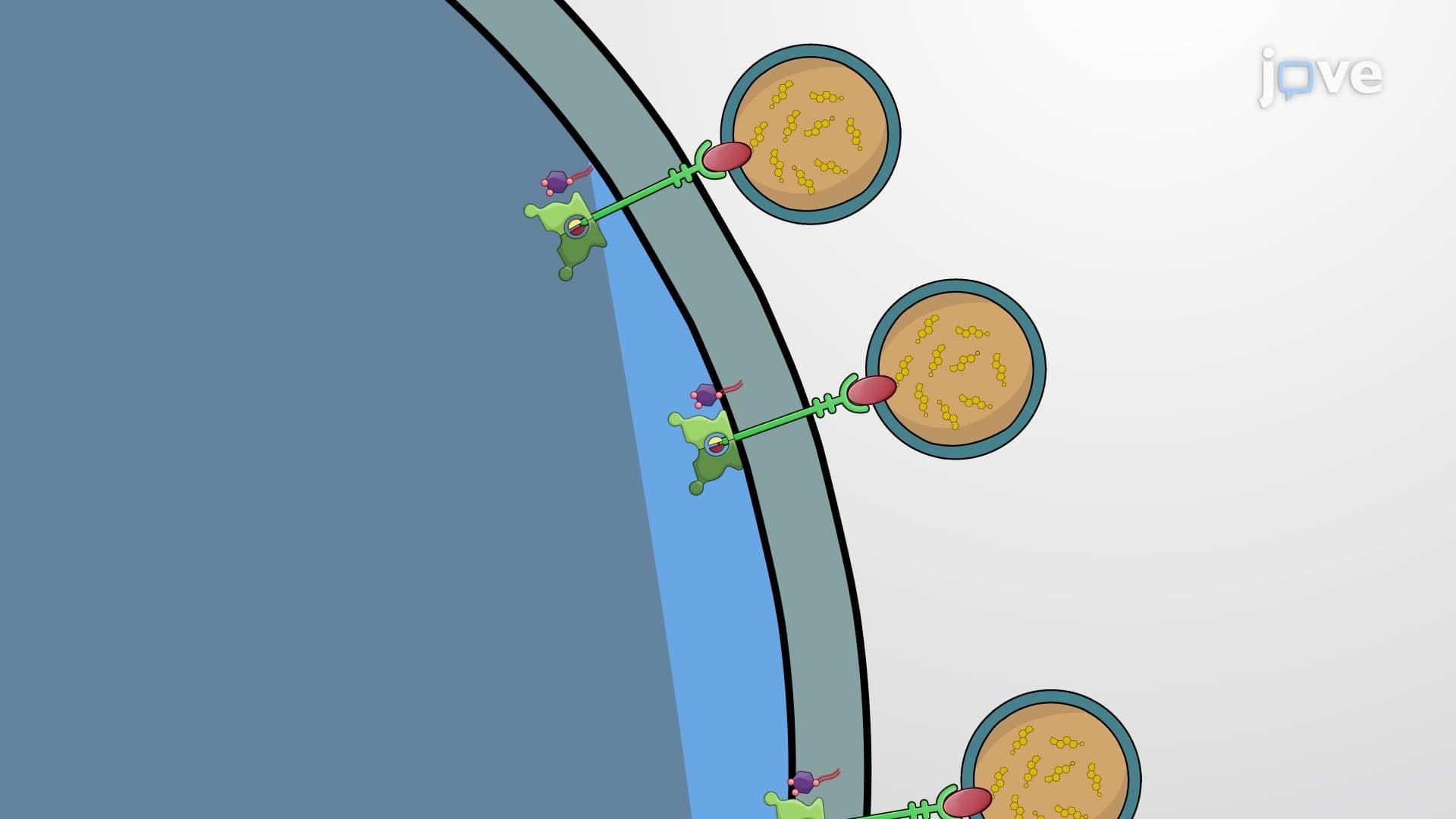
The pinocytosis process begins with clathrin triskelions-three-legged protein structures that assemble like molecular scaffolding on the cytosolic side of the plasma membrane. These proteins create characteristic curved pits that gradually deepen and eventually pinch off to form coated vesicles. This process occurs rapidly and continuously, with some cell types forming hundreds of pinocytic vesicles per minute. The clathrin coat serves as both structural support and regulatory mechanism, ensuring efficient vesicle formation and subsequent transport.
In American hospitals, understanding pinocytosis proves crucial for medical professionals treating patients with various conditions. For example, oncologists designing chemotherapy protocols must consider how cancer drugs enter cells through pinocytic pathways. Similarly, nephrologists treating kidney disease patients understand that impaired pinocytosis in renal tubular cells can compromise the reabsorption of essential proteins and nutrients from urine.
Students preparing for AP Biology exams frequently encounter pinocytosis questions that test understanding of membrane transport mechanisms. The MCAT includes this topic in biological and biochemical foundations sections, often asking students to distinguish between different endocytic processes. College-level cell biology courses at institutions like UCLA or Harvard typically include laboratory exercises where students observe pinocytosis in cultured cells, reinforcing theoretical knowledge with practical observation skills essential for future healthcare careers.
Related Micro-courses