Loading video…


 21 Concepts
 852.1K views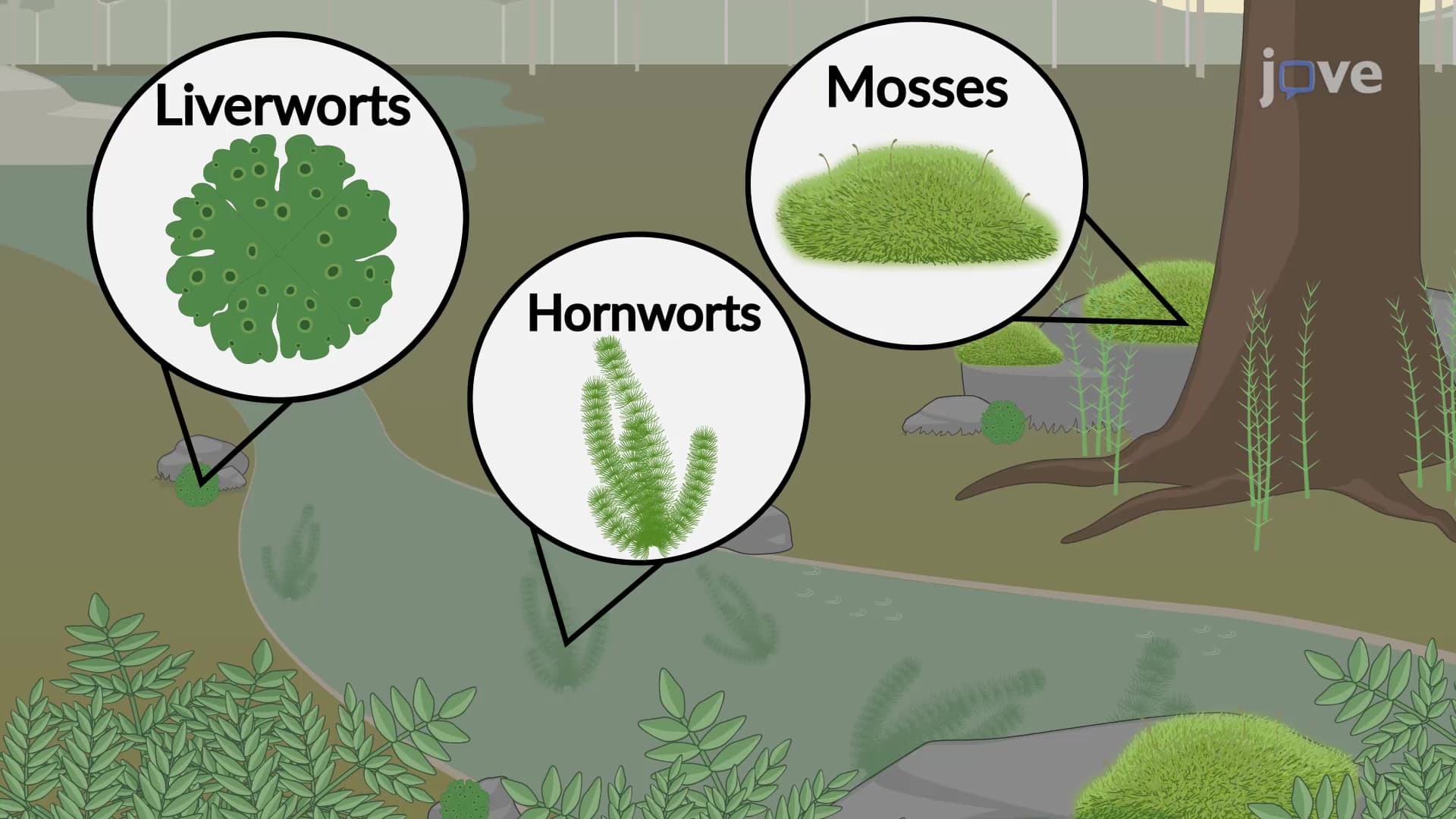

Video Summary: What Is Non Vascular Seedless Plants
Did you know that the soft moss covering rocks in Great Smoky Mountains National Park represents some of Earth's most ancient plant lineages? Non vascular seedless plants, including mosses, liverworts, and hornworts, dominated terrestrial landscapes millions of years before flowering plants evolved. These remarkable bryophytes lack true roots, stems, and leaves, yet continue thriving in moist environments from Pacific Northwest rainforests to Appalachian stream banks. Watch the full video on JoVE Coach to master this concept with expert-led visuals and step-by-step explanations.
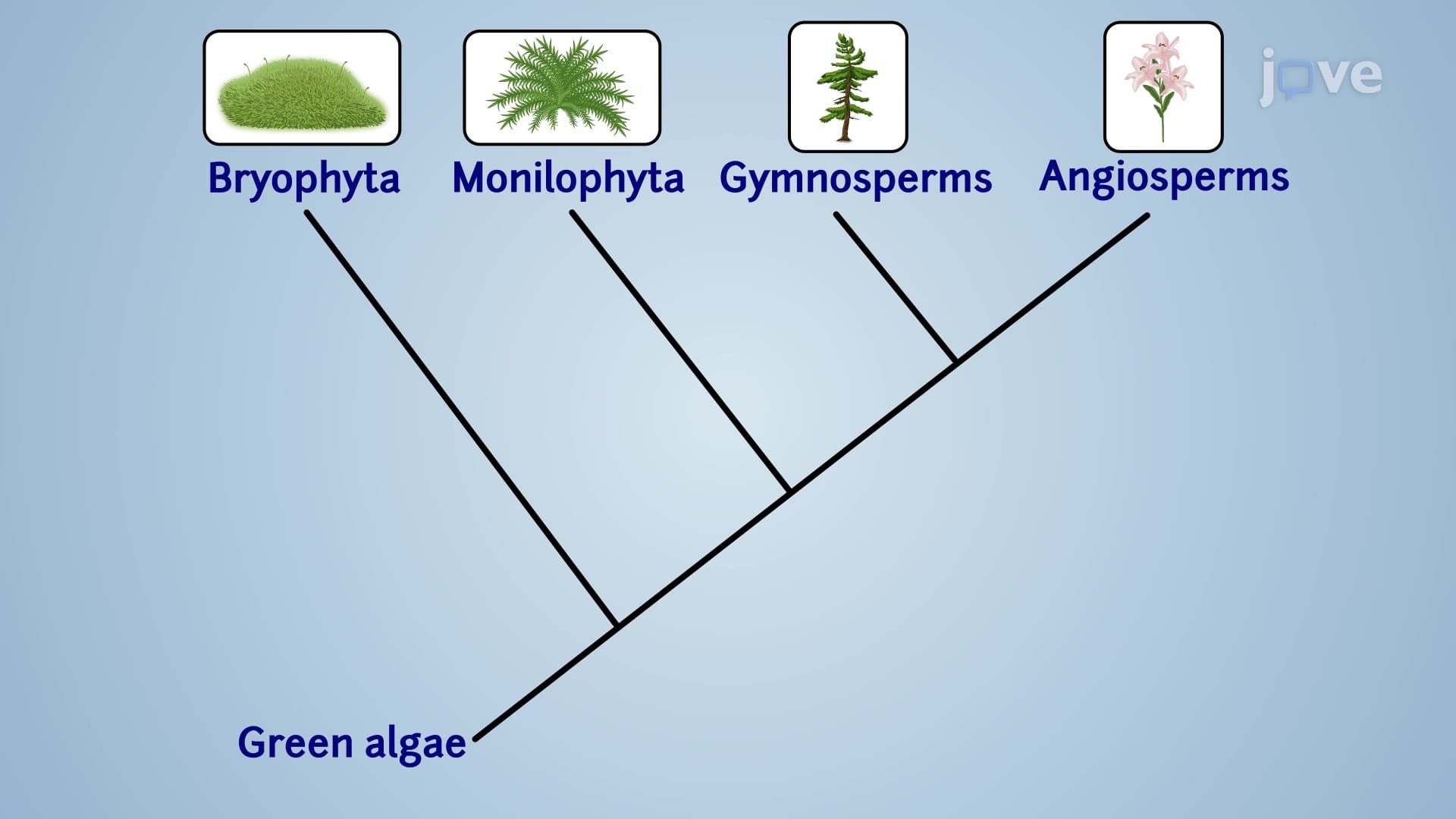
Non vascular seedless plants represent a crucial evolutionary bridge between aquatic algae and complex terrestrial vegetation. These plants, collectively termed bryophytes, include approximately 20,000 species worldwide, with over 1,000 species documented across North American ecosystems from Alaska's tundra to Florida's wetlands.
Unlike vascular plants, bryophytes lack specialized transport tissues (xylem and phloem), true roots, stems, and leaves. Instead, they possess simple structures called rhizoids for anchoring and specialized cells for water and nutrient absorption. This limitation restricts most bryophytes to heights under 10 centimeters and requires direct contact with moisture sources.
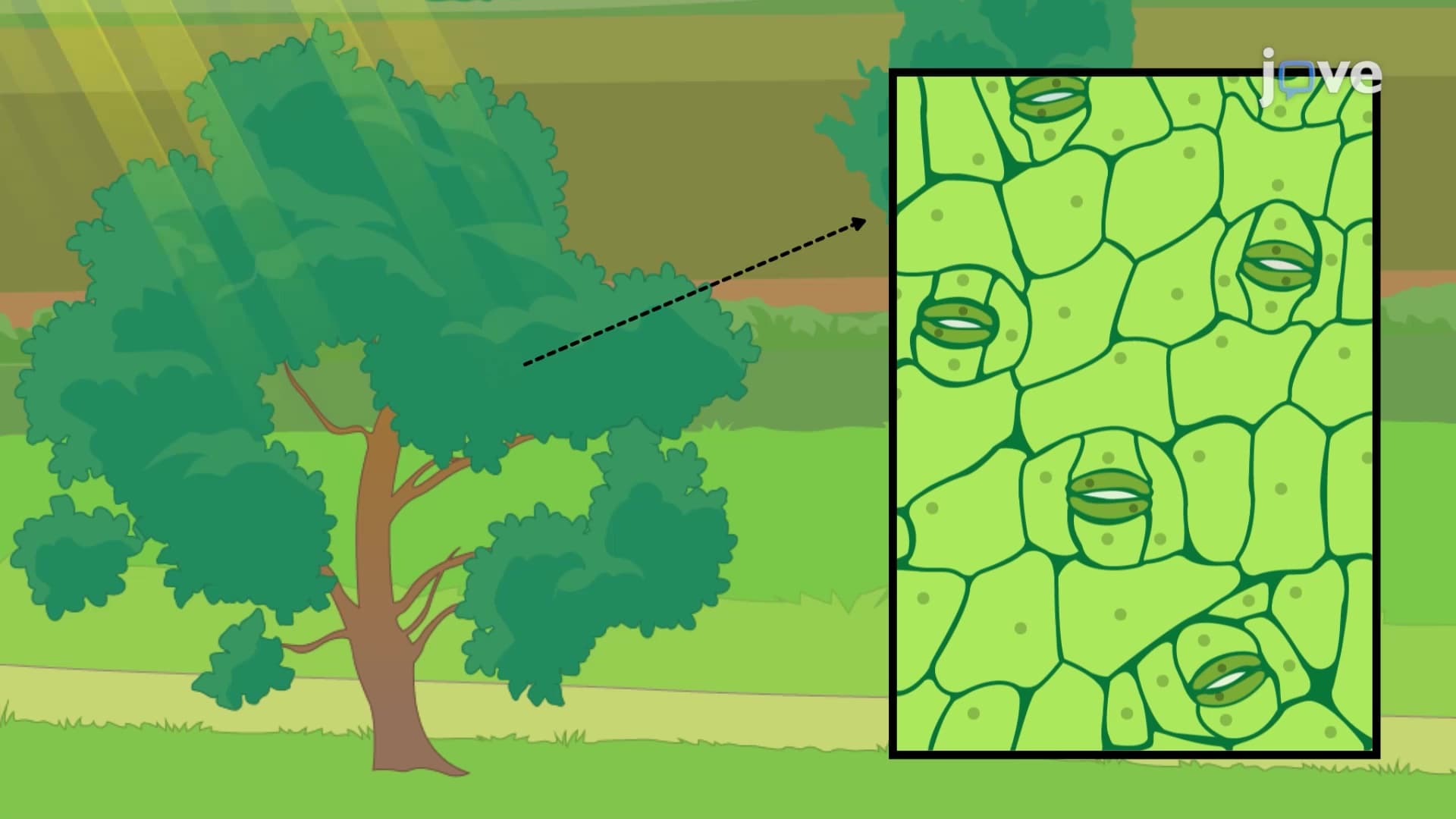
The absence of cuticles and stomata in many bryophytes allows direct gas exchange and water absorption across cell surfaces. This adaptation proves advantageous in consistently moist environments but makes them vulnerable to desiccation, explaining their prevalence in Pacific coastal forests and Great Lakes regions.
Bryophyte reproduction demonstrates a unique gametophyte-dominated alternation of generations. The conspicuous green moss you observe represents the haploid gametophyte stage, while the small, dependent sporophyte remains attached throughout its lifecycle. This contrasts sharply with seed plants, where diploid sporophytes dominate.
Fertilization requires water for flagellated sperm to reach archegonia (female reproductive structures). Even minimal moisture from morning dew enables successful reproduction, though this water dependency limits reproductive success in arid regions. Following fertilization, sporophytes develop within protective gametophyte tissue, producing spores through meiosis for dispersal.
Bryophytes serve critical ecological functions often tested in AP Environmental Science and college ecology courses. Sphagnum moss forms peat bogs covering millions of acres in northern states like Minnesota and Maine, storing approximately 30% of global soil carbon. These ecosystems support specialized wildlife including carnivorous plants and migratory waterfowl.
In urban environments, bryophytes indicate air quality levels, with sensitive species declining in polluted areas. This bioindicator function appears frequently in environmental monitoring questions on standardized exams and college assessments.
Related Micro-courses