Loading video…


 21 Concepts
 852.1K views

Video Summary: What Is Primary and Secondary Growth
Ever wonder how a tiny oak seedling becomes a massive 100-foot tree dominating American forests? Primary and secondary growth work together to transform plants from delicate sprouts into towering giants. Primary growth extends roots and shoots lengthwise, while secondary growth adds thickness and strength. Consider California's giant sequoias-they achieve their incredible height through primary growth, then secondary growth creates their massive trunk girth that can exceed 30 feet in diameter. Watch the full video on JoVE Coach to master this concept with expert-led visuals and step-by-step explanations.
Plant growth occurs through two distinct but complementary processes that enable everything from garden vegetables to forest giants to reach their full potential. Primary growth extends plants vertically and horizontally, while secondary growth increases diameter and structural strength. These mechanisms explain why American elm trees can grow 80 feet tall while developing trunks thick enough to support their massive canopies.
Primary growth originates from apical meristems-specialized regions of actively dividing cells located at root and shoot tips. In shoots, the shoot apical meristem produces three primary meristems that differentiate into distinct tissue systems. The protoderm develops into the protective epidermis, the ground meristem forms supportive cortex and storage pith, and the procambium creates the vascular system of primary xylem and phloem for water and nutrient transport.
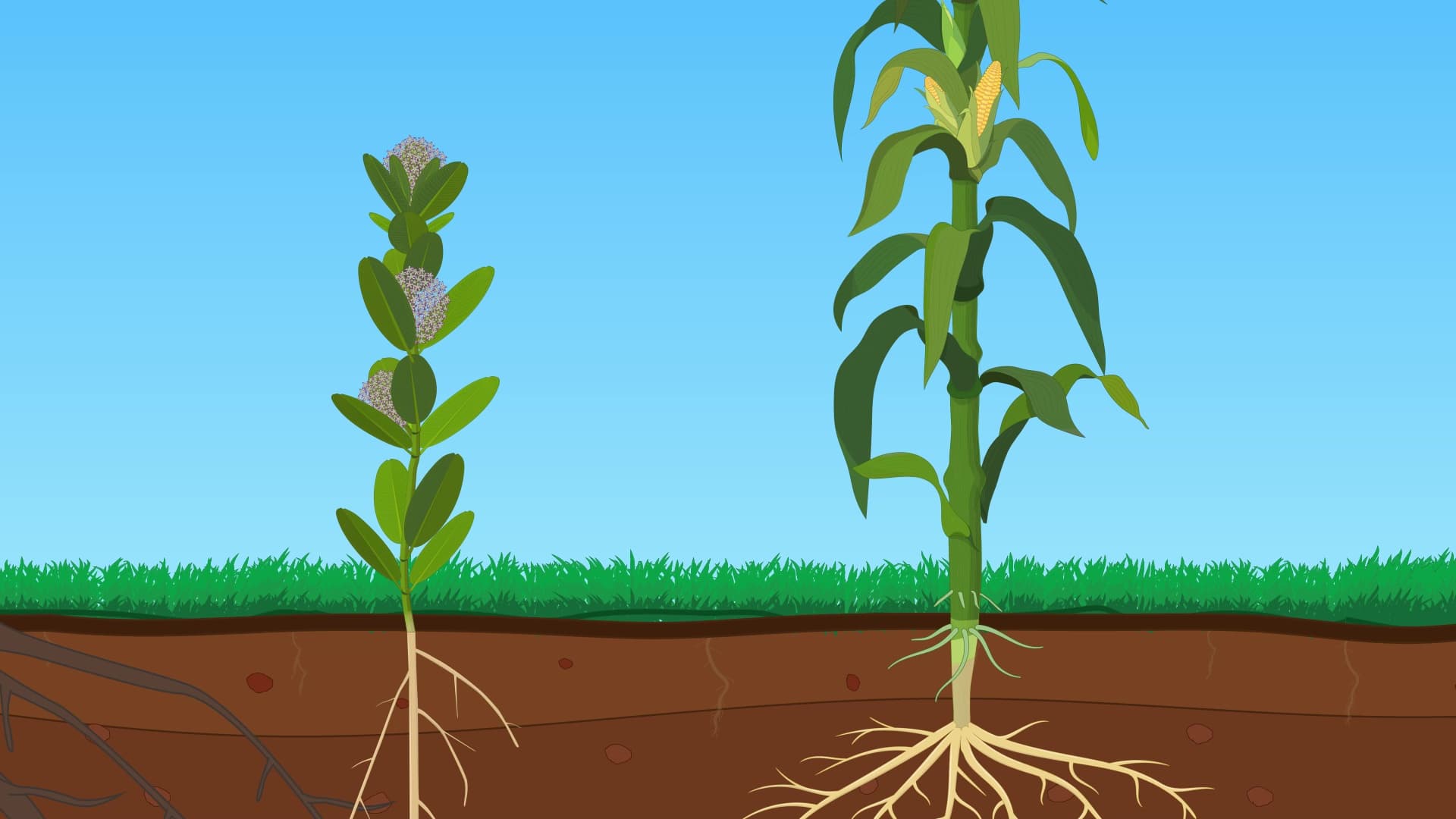
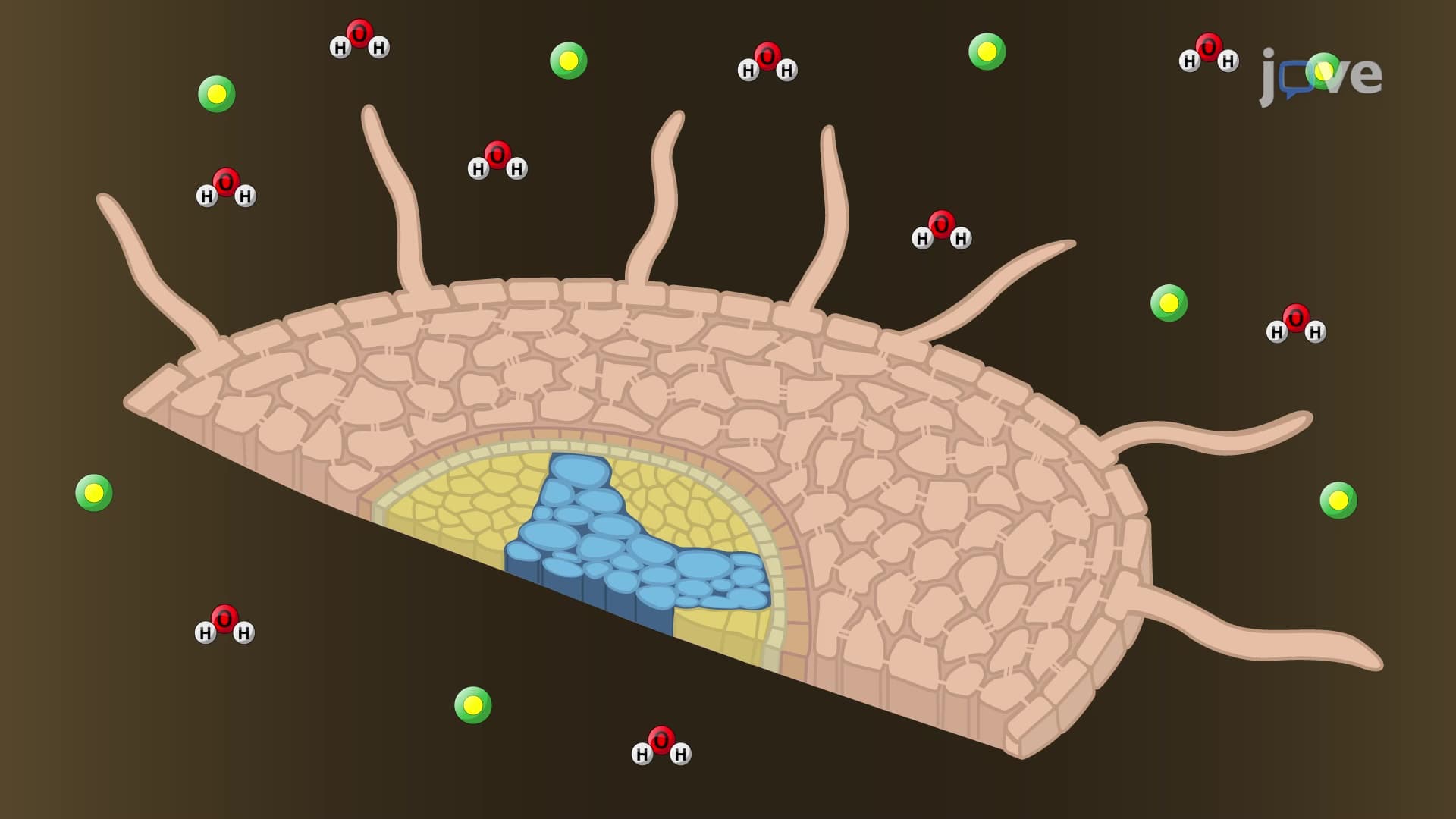
Root primary growth follows a more organized pattern through three overlapping zones. The division zone houses the root apical meristem, the elongation zone extends newly formed cells to push roots deeper into soil, and the differentiation zone specializes cells for specific functions. This systematic approach allows plants like corn to develop extensive root systems reaching 6 feet deep in Midwestern farmland.
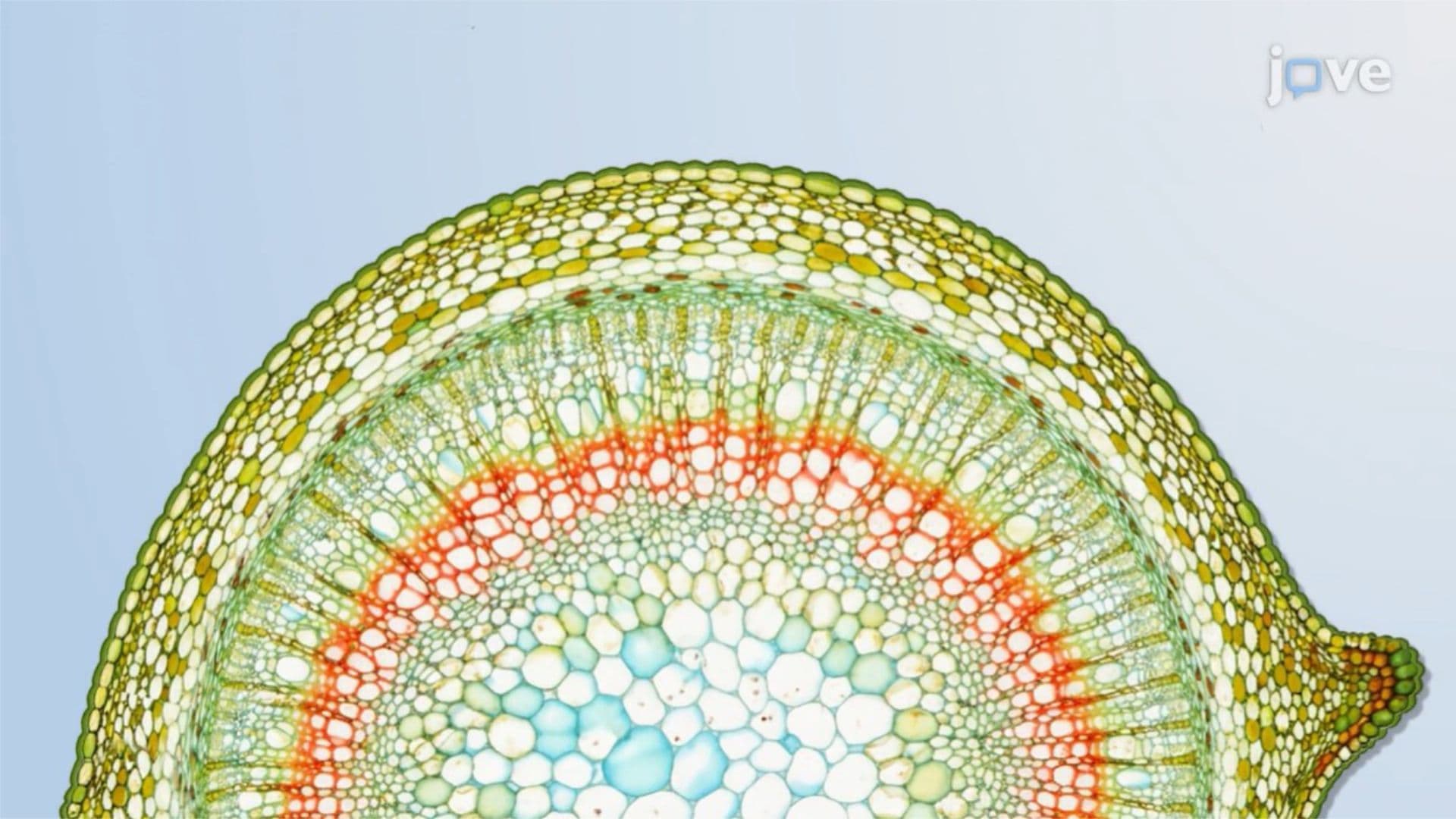
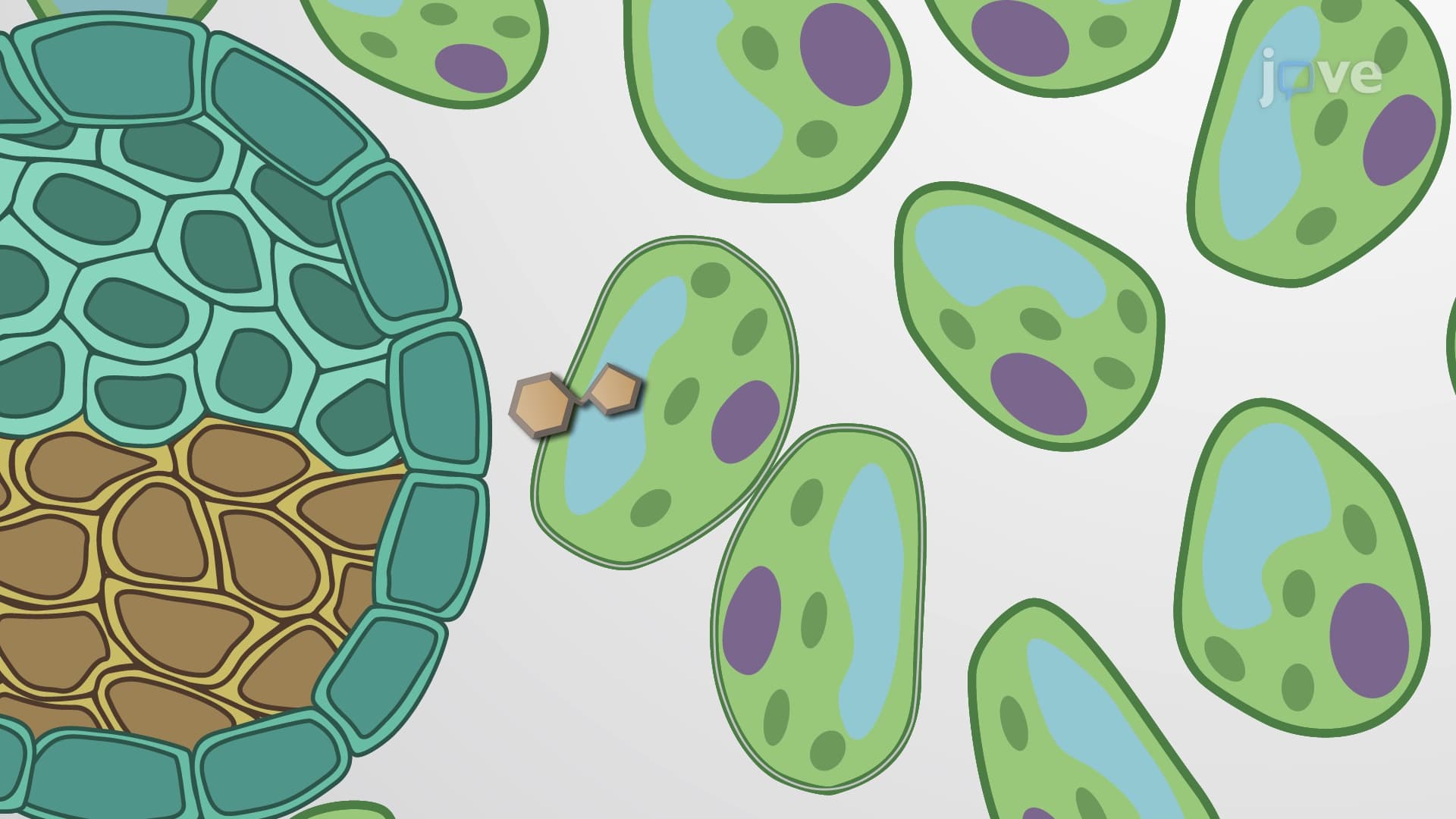
Secondary growth transforms herbaceous plants into woody specimens through two key cambial tissues. The vascular cambium produces secondary xylem (wood) inward and secondary phloem outward, creating the annual growth rings visible in cross-sections of American hardwoods like oak and maple. Meanwhile, cork cambium generates protective cork cells and phelloderm, replacing the original epidermis as stems thicken.
This process explains why tree trunks gradually shed their smooth bark-the original epidermis cannot expand indefinitely. Secondary growth also enables trees to survive decades of harsh winters across the northern United States, as thick bark protects vital cambial tissues from freezing temperatures.
Understanding these growth patterns proves essential for AP Biology students studying plant physiology and college botany courses. MCAT questions frequently test knowledge of meristematic tissue functions and growth zone characteristics. Additionally, this concept connects to agricultural practices-farmers utilize apical dominance principles when pruning fruit trees to encourage lateral branching and increase crop yields in orchards throughout California and Washington state.
Related Micro-courses