Loading video…

 12 Concepts
 284.3K views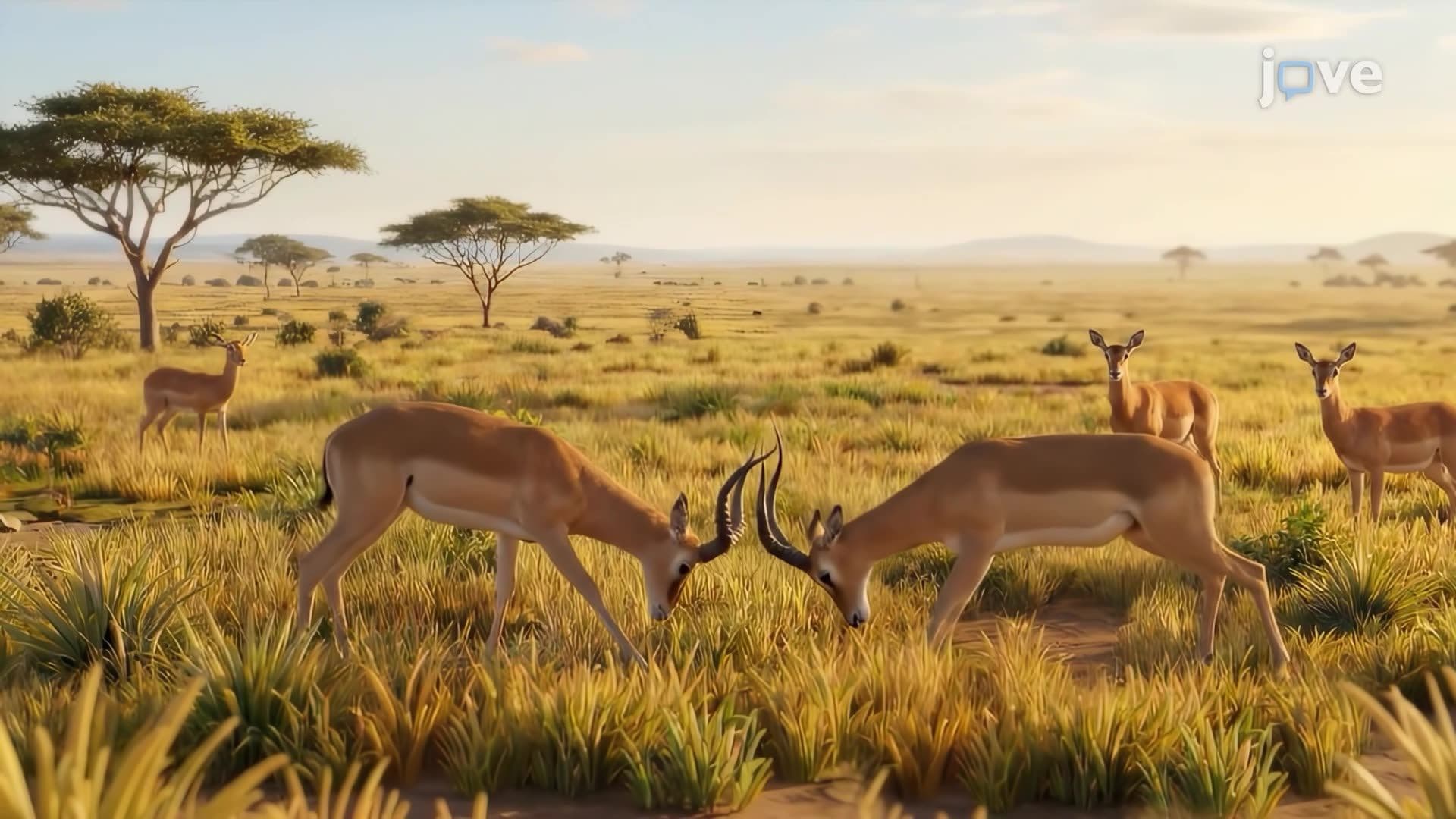

Video Summary: What Is Competition
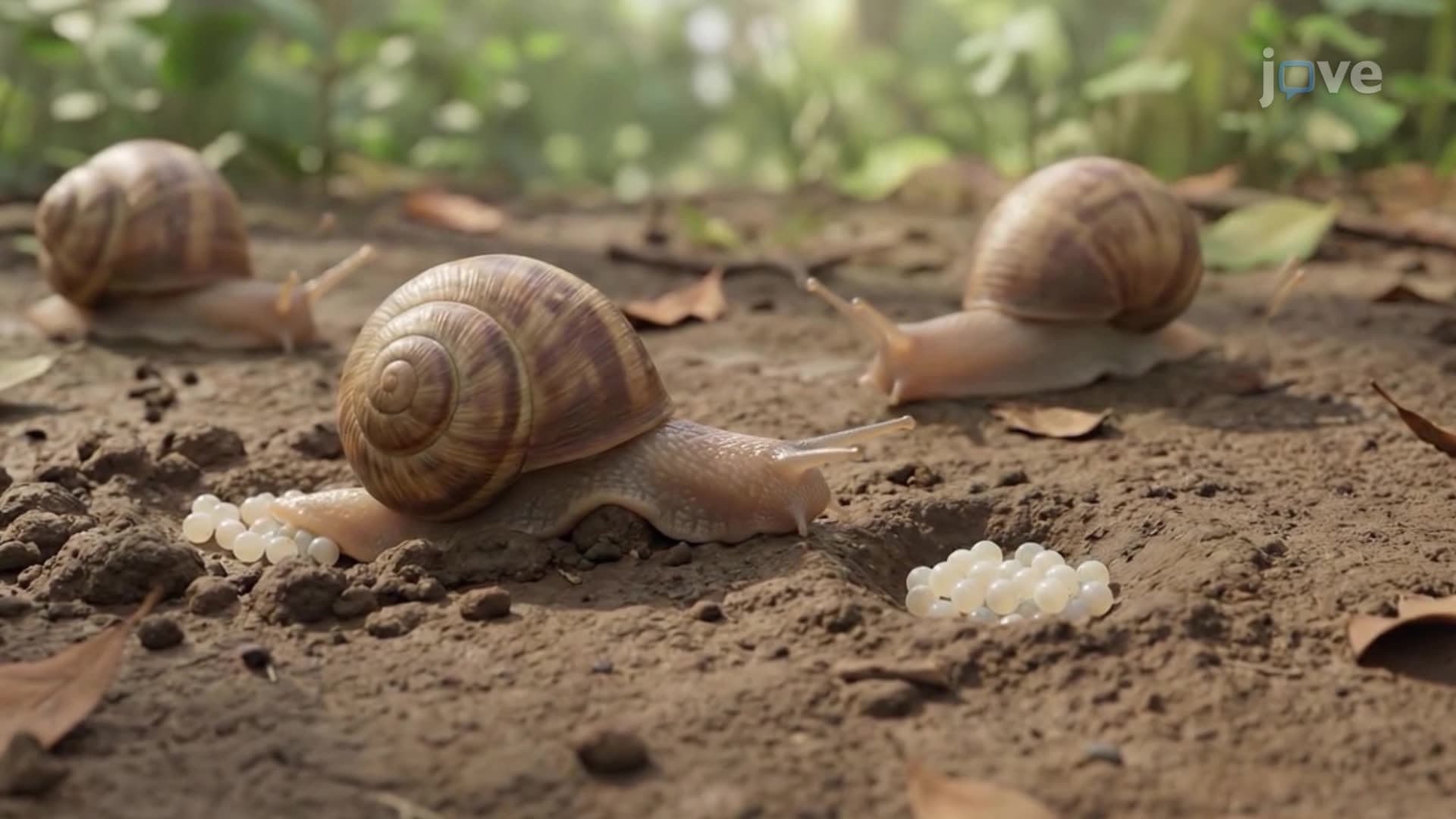
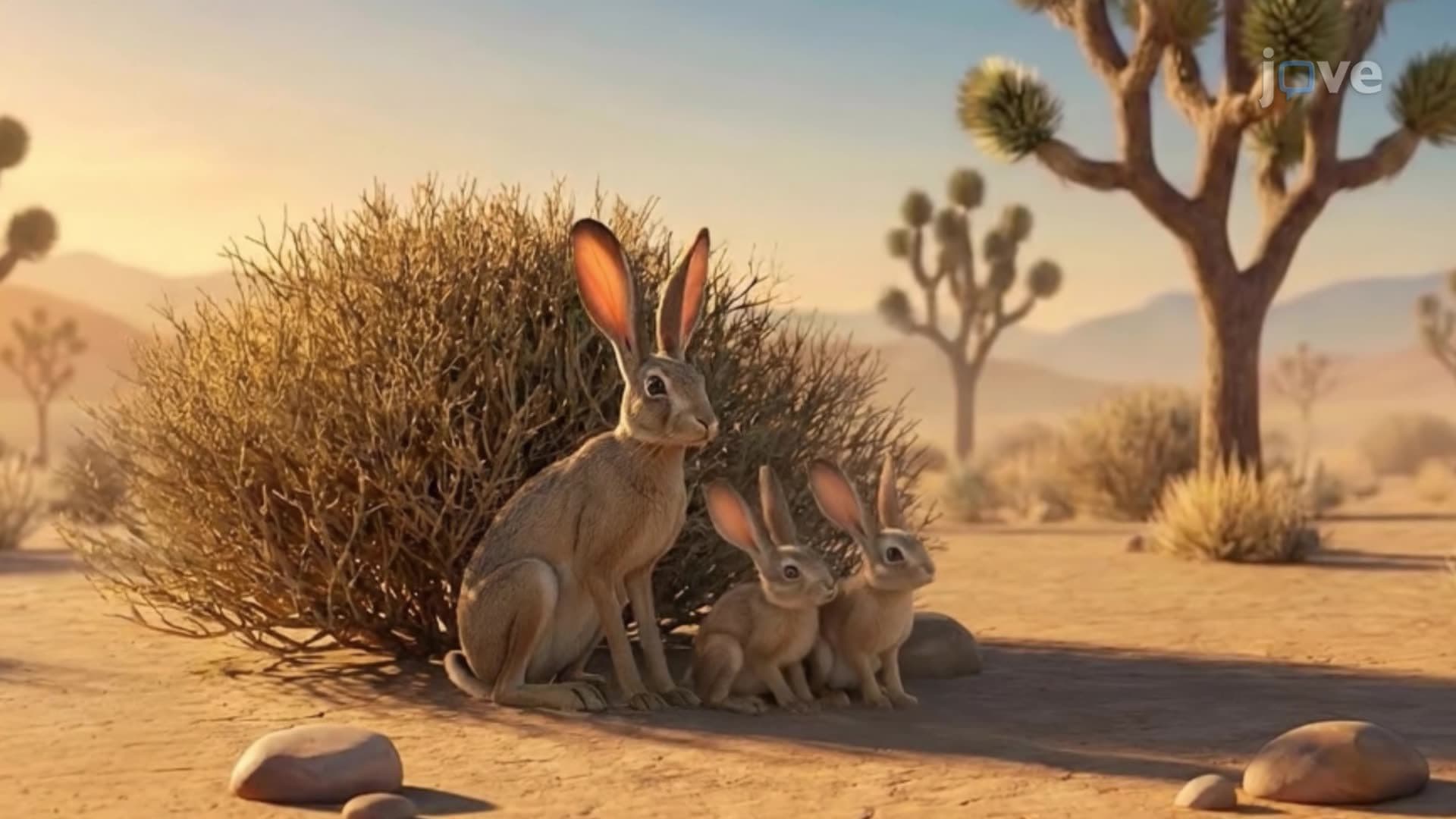
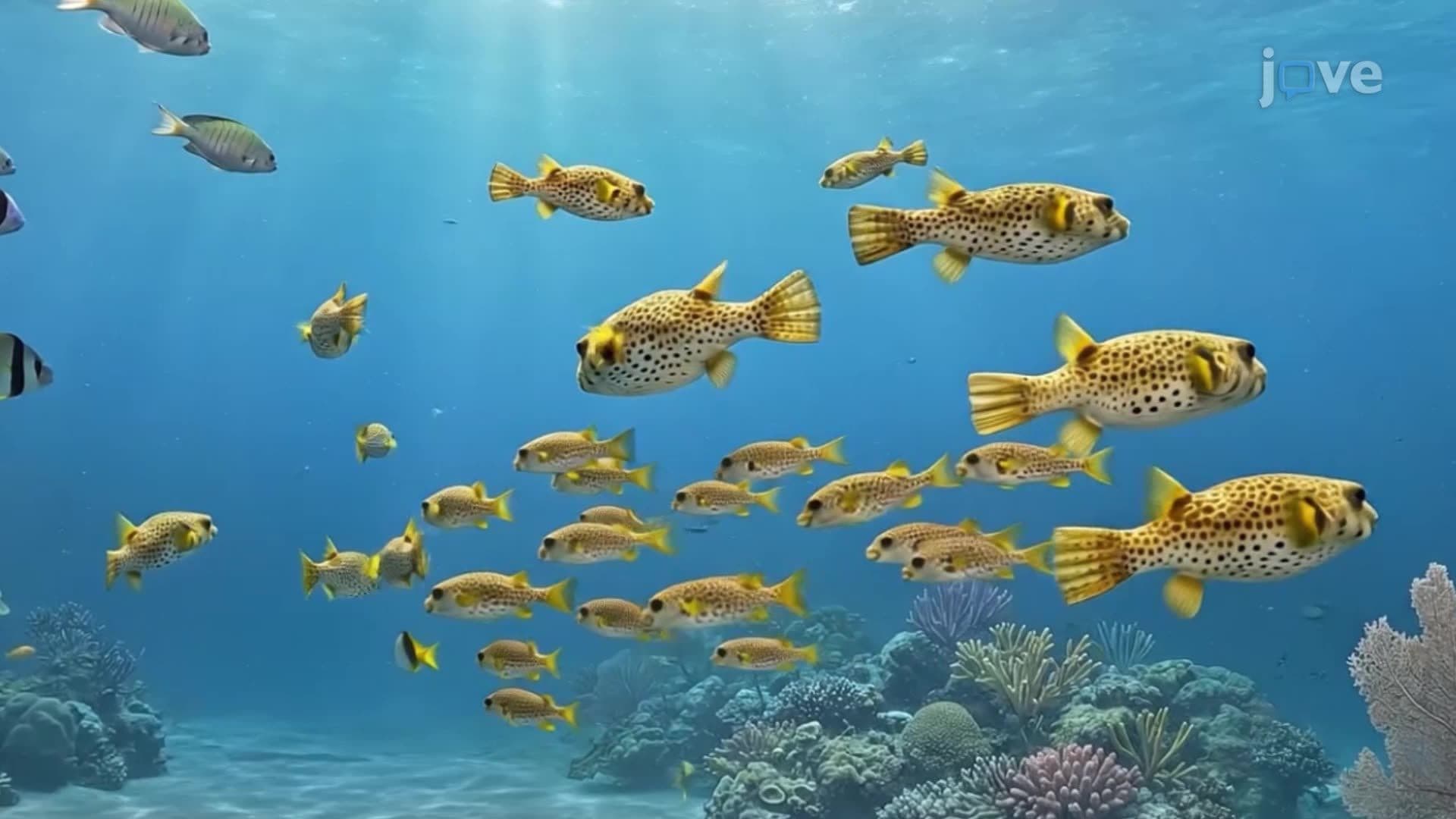
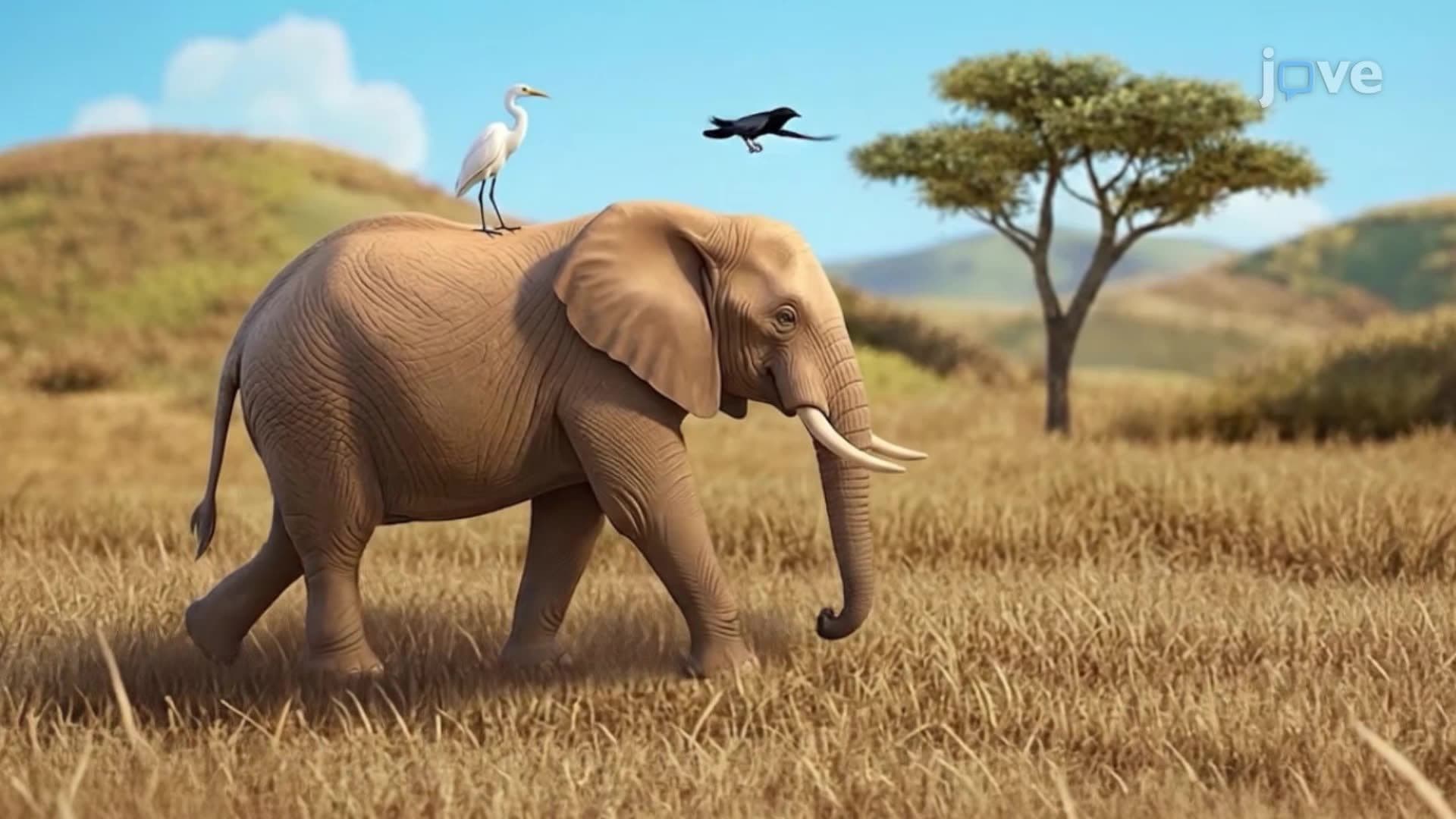
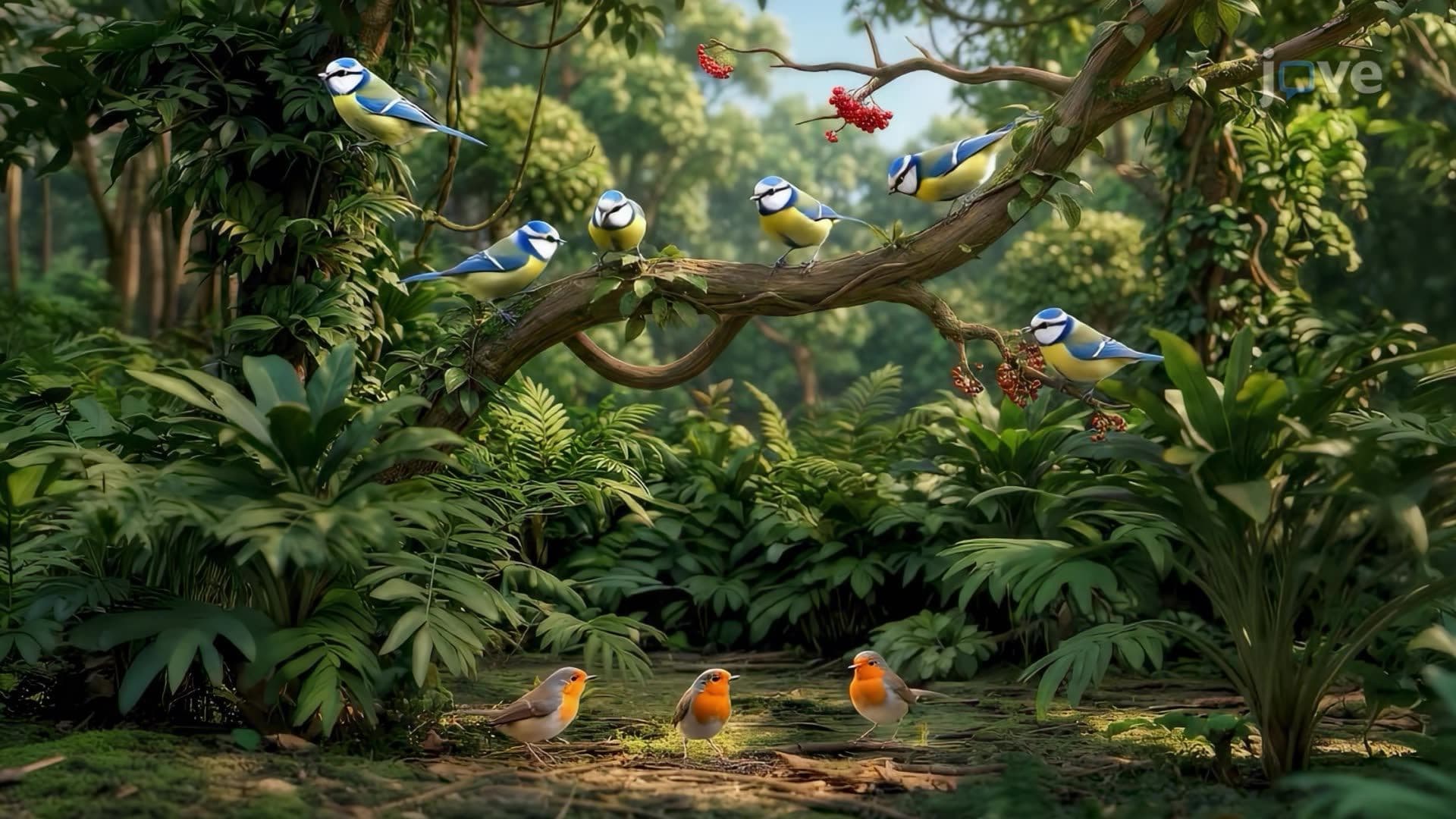
Ever wonder why there are fewer coyotes in Yellowstone National Park where wolves roam? Competition drives these fascinating ecological dynamics that shape ecosystems across America. Competition occurs when organisms vie for limited resources like food, territory, or mates, creating a natural struggle for survival. From wolves and coyotes battling over elk carcasses in Montana to male bighorn sheep clashing for breeding rights in Colorado's Rocky Mountains, competition defines how species interact and survive. Watch the full video on JoVE Coach to master this concept with expert-led visuals and step-by-step explanations.
Competition represents one of nature's most fundamental forces, occurring when two or more organisms require the same limited resource. This biological interaction shapes everything from the towering redwood forests of California to the prairie grasslands of Kansas. Unlike predation or mutualism, competition always results in at least one participant experiencing reduced fitness, making it a zero-sum game in the natural world.
The intensity of competition directly correlates with resource scarcity and niche overlap. When resources are abundant, organisms may coexist peacefully. However, during droughts in the American Southwest, desert bighorn sheep and mule deer compete intensely for limited water sources, demonstrating how environmental conditions can trigger competitive interactions.
Interspecific competition occurs between members of different species competing for shared resources. Classic examples include the ongoing competition between native red squirrels and introduced gray squirrels across New England forests. Gray squirrels often outcompete red squirrels for acorns and nesting sites, leading to declining red squirrel populations in many areas.
This type of competition frequently appears on AP Biology exams and college ecology courses, particularly regarding competitive exclusion-the principle that two species cannot indefinitely occupy identical niches. Students studying for the MCAT should understand how interspecific competition drives evolutionary adaptations and species distributions across North America.
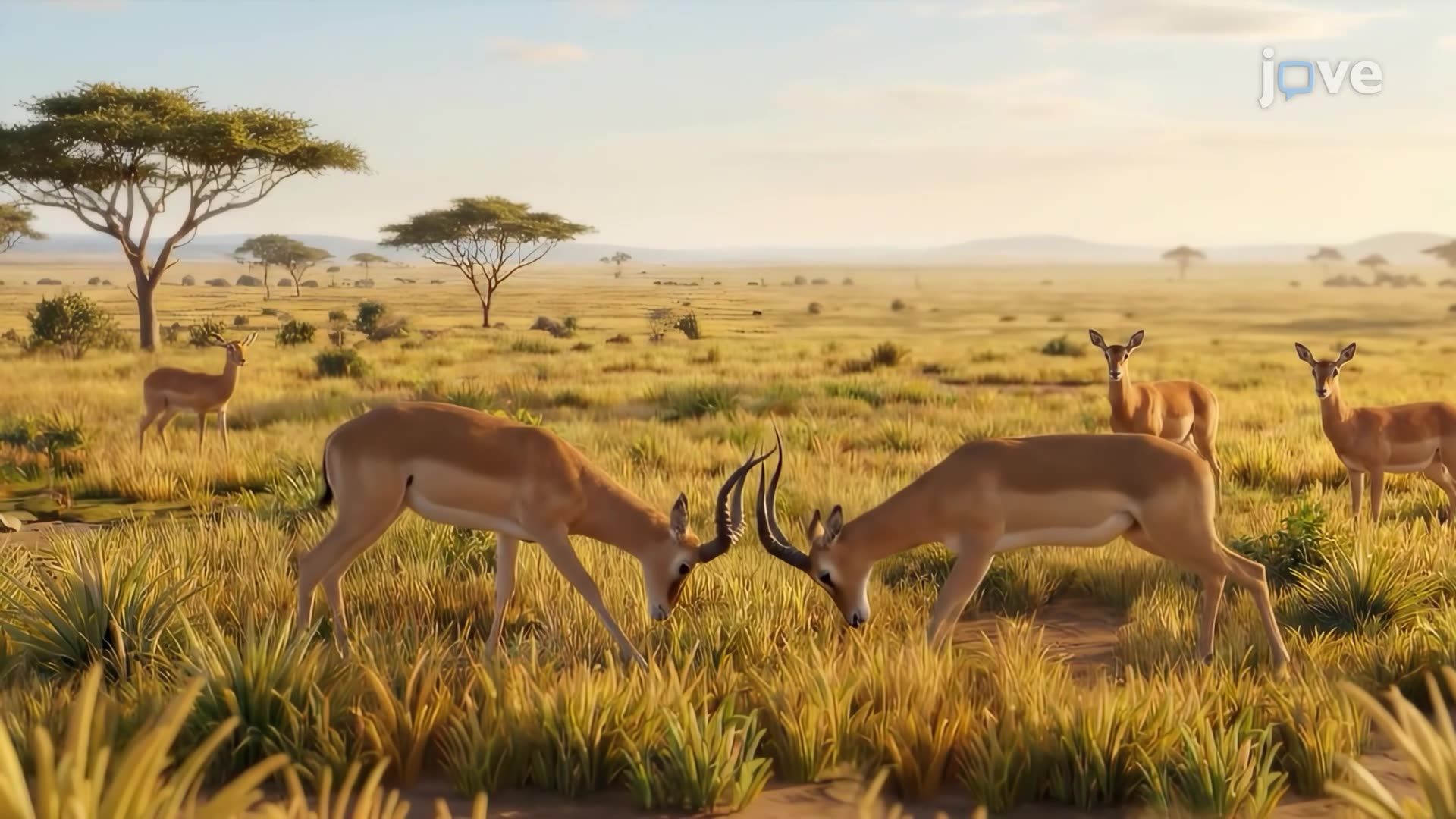
Intraspecific competition involves members of the same species competing for resources, mates, or territory. This competition is often more intense than interspecific competition because individuals share identical resource requirements. Male elk bugling and fighting during rutting season in Rocky Mountain National Park exemplifies intraspecific competition for mating opportunities.
Plant communities also demonstrate intraspecific competition beautifully. In dense stands of Douglas fir trees in the Pacific Northwest, individual trees compete for sunlight, leading to the characteristic tall, straight growth pattern as they race toward available light.
Competition manifests through two primary mechanisms. Direct competition involves active interference, such as territorial disputes between mountain lions in the Sierra Nevada mountains or aggressive encounters between male sea lions on California beaches. Indirect competition occurs through resource depletion without direct confrontation-when one organism consumes a resource, making it unavailable to competitors.
Understanding these mechanisms helps students tackle ecology questions on standardized tests and provides insight into population management strategies used by wildlife biologists across the United States.
Related Micro-courses