Loading video…

 12 Concepts
 284.3K views

Video Summary: What Is Populations and Communities Explained
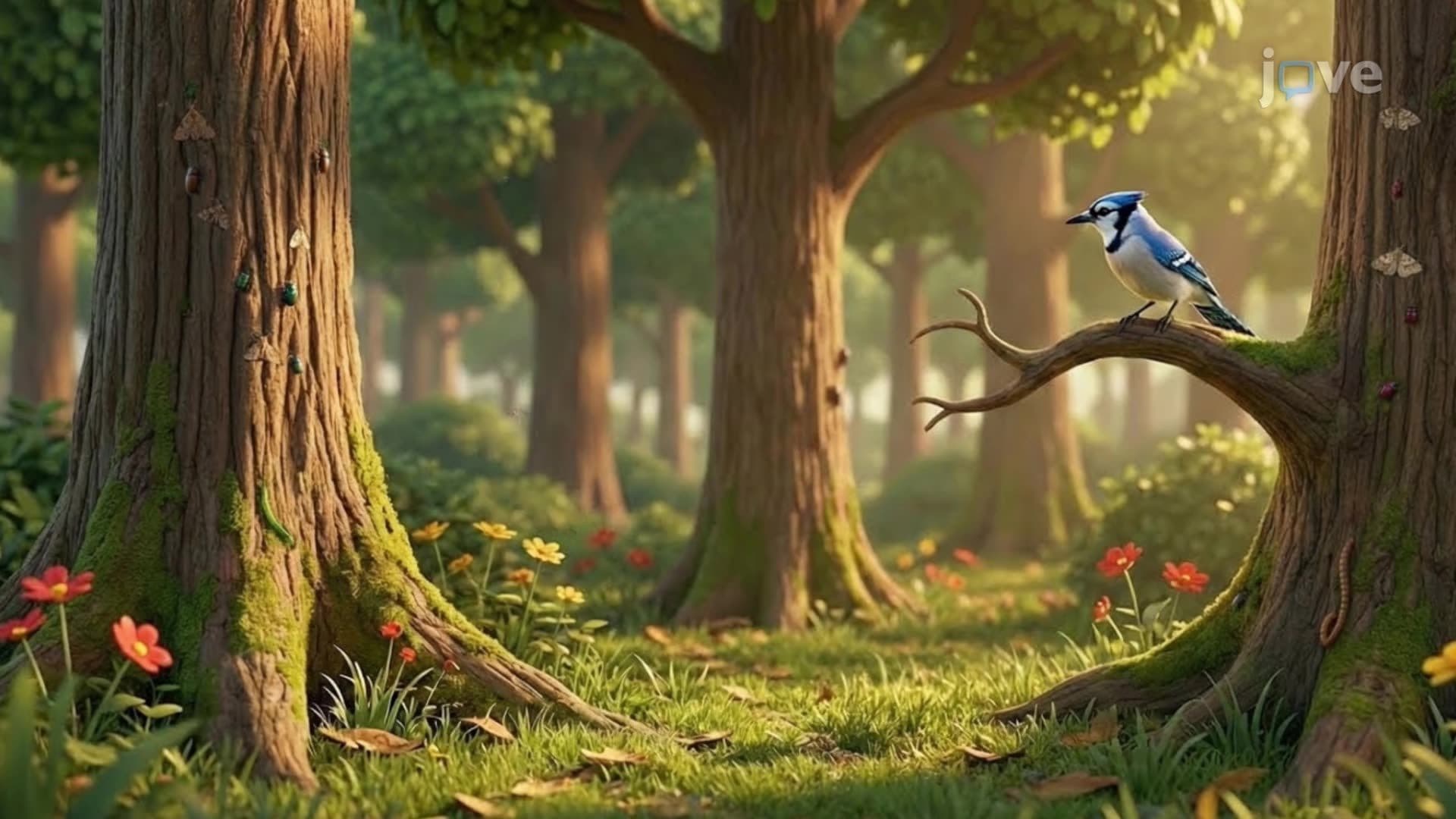
Did you know that a single Yellowstone wolf pack can influence the behavior of thousands of elk across hundreds of square miles? Populations and communities form the foundation of ecological relationships, where individual species groups interact within shared habitats. Consider how desert hares, coyotes, and lizards create complex survival networks in America's Southwest ecosystems. Understanding what is populations and communities explained reveals how species depend on each other for food, shelter, and survival in nature's interconnected web. Watch the full video on JoVE Coach to master this concept with expert-led visuals and step-by-step explanations.
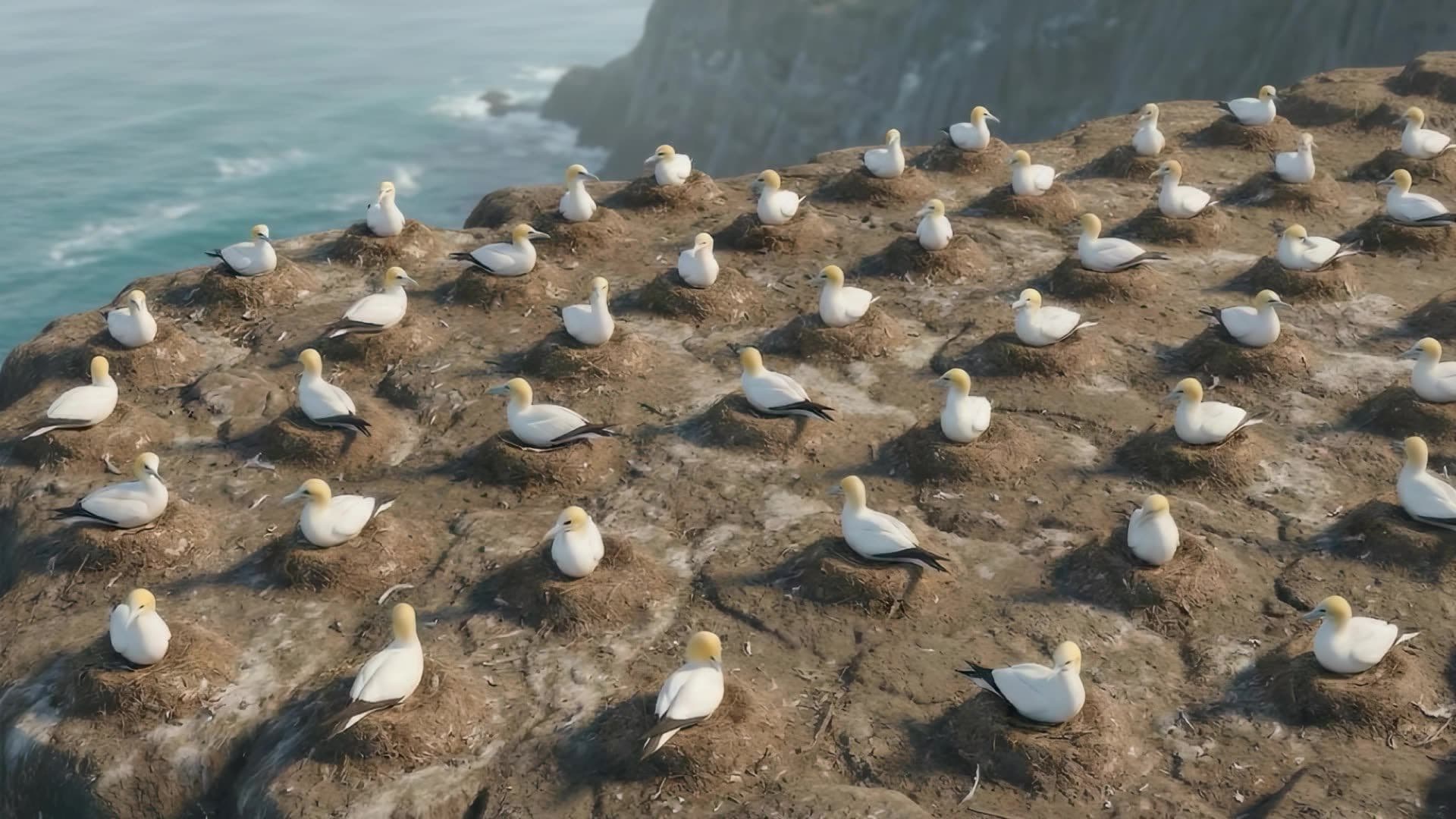
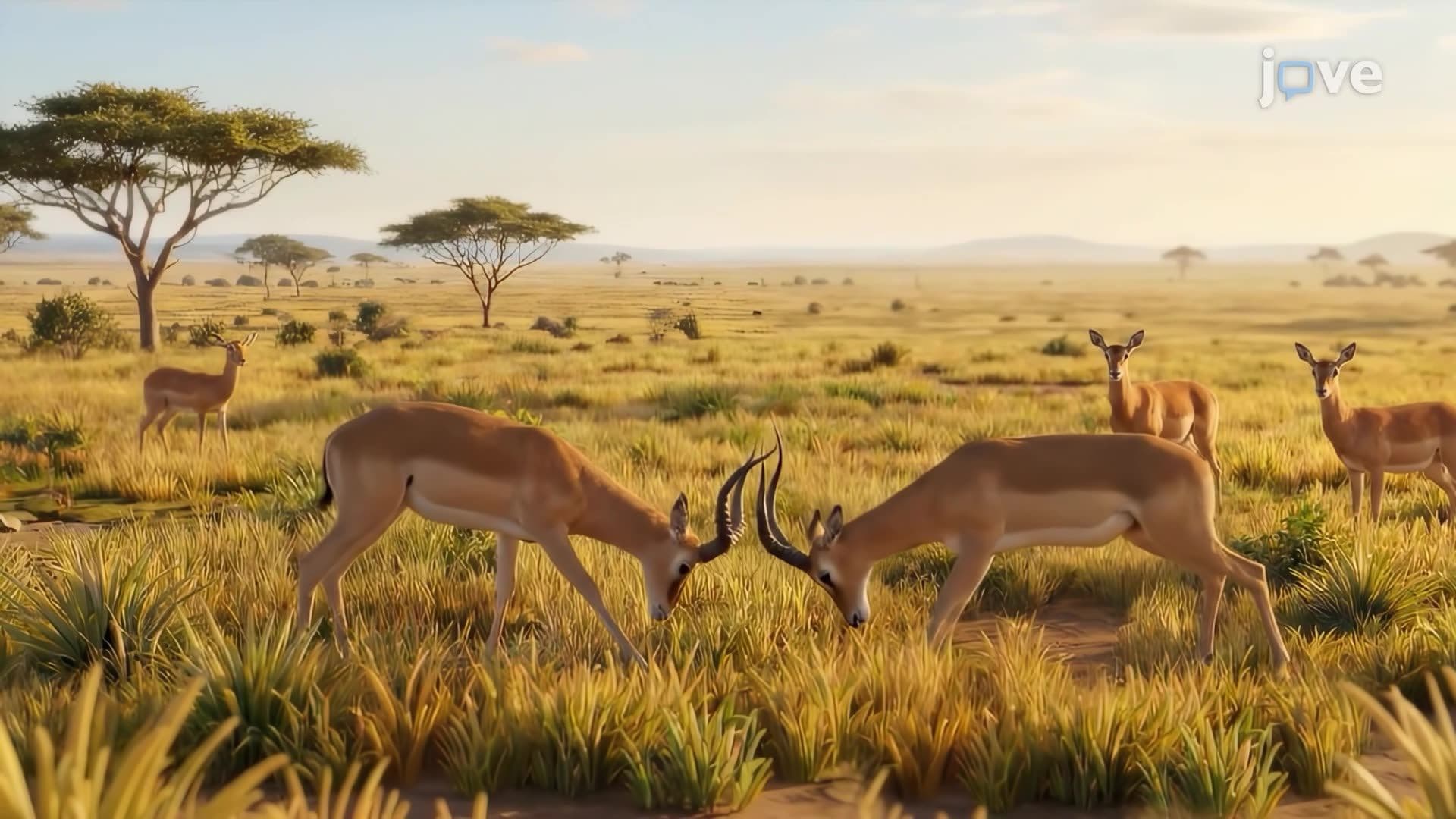
Populations and communities represent two essential levels of biological organization that ecologists study to understand life's interconnectedness. A population consists of all individuals of the same species living in a specific geographic area at the same time. For example, all the American bison in Yellowstone National Park form a single population, sharing resources and potentially interbreating within their defined habitat boundaries.
Populations exhibit measurable characteristics including size, density, distribution patterns, and growth rates. The California condor population, once reduced to just 27 individuals in 1987, demonstrates how population size directly impacts species survival. Through intensive conservation efforts, this population has grown to over 500 birds, illustrating population recovery dynamics that students encounter in AP Environmental Science courses.
Population growth follows predictable mathematical models. Exponential growth occurs when resources are unlimited, while logistic growth reflects real-world limitations as populations approach their habitat's carrying capacity. The reintroduction of gray wolves to Yellowstone in 1995 provides an excellent case study for understanding how predator populations regulate prey species through density-dependent factors.
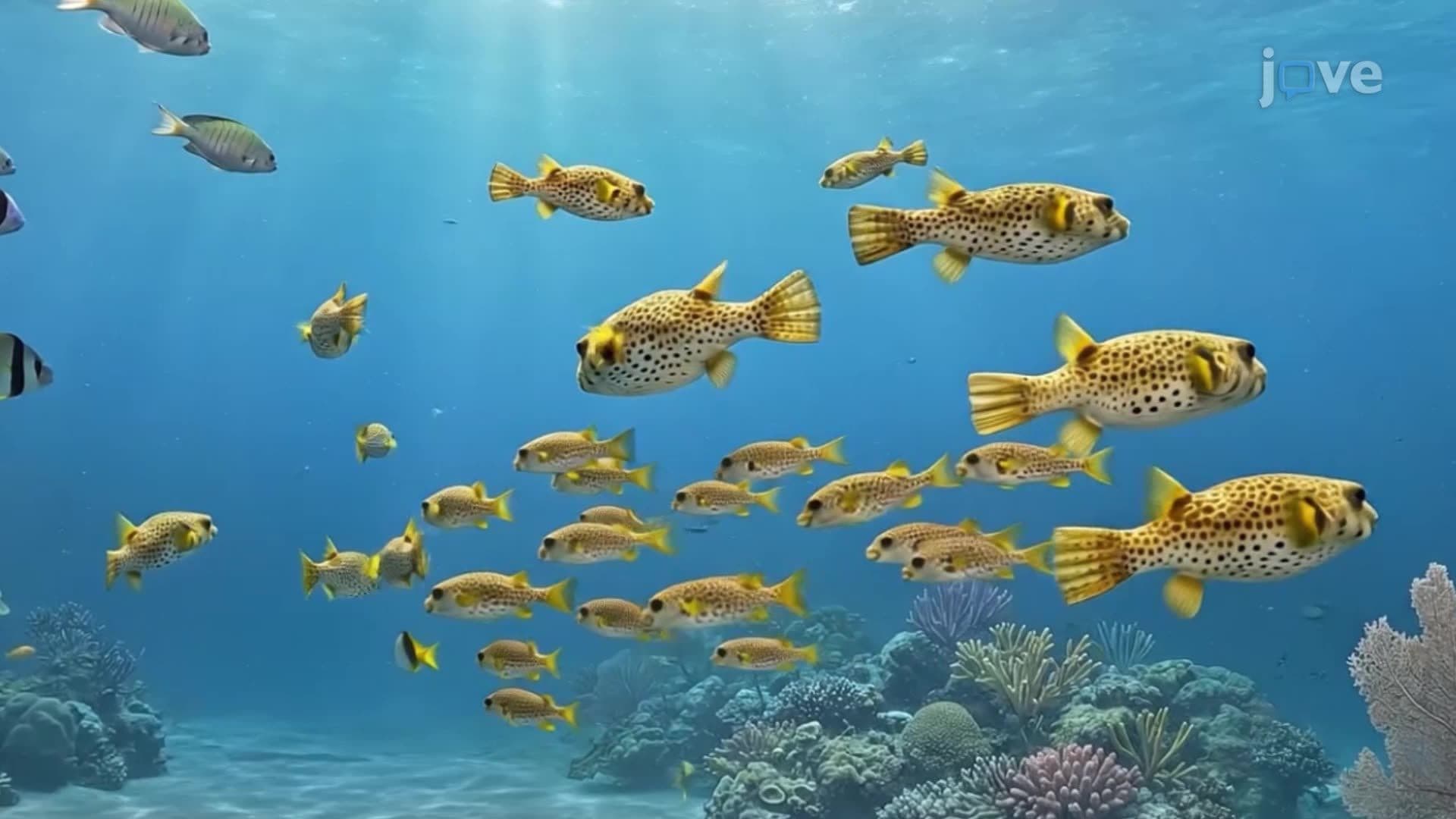
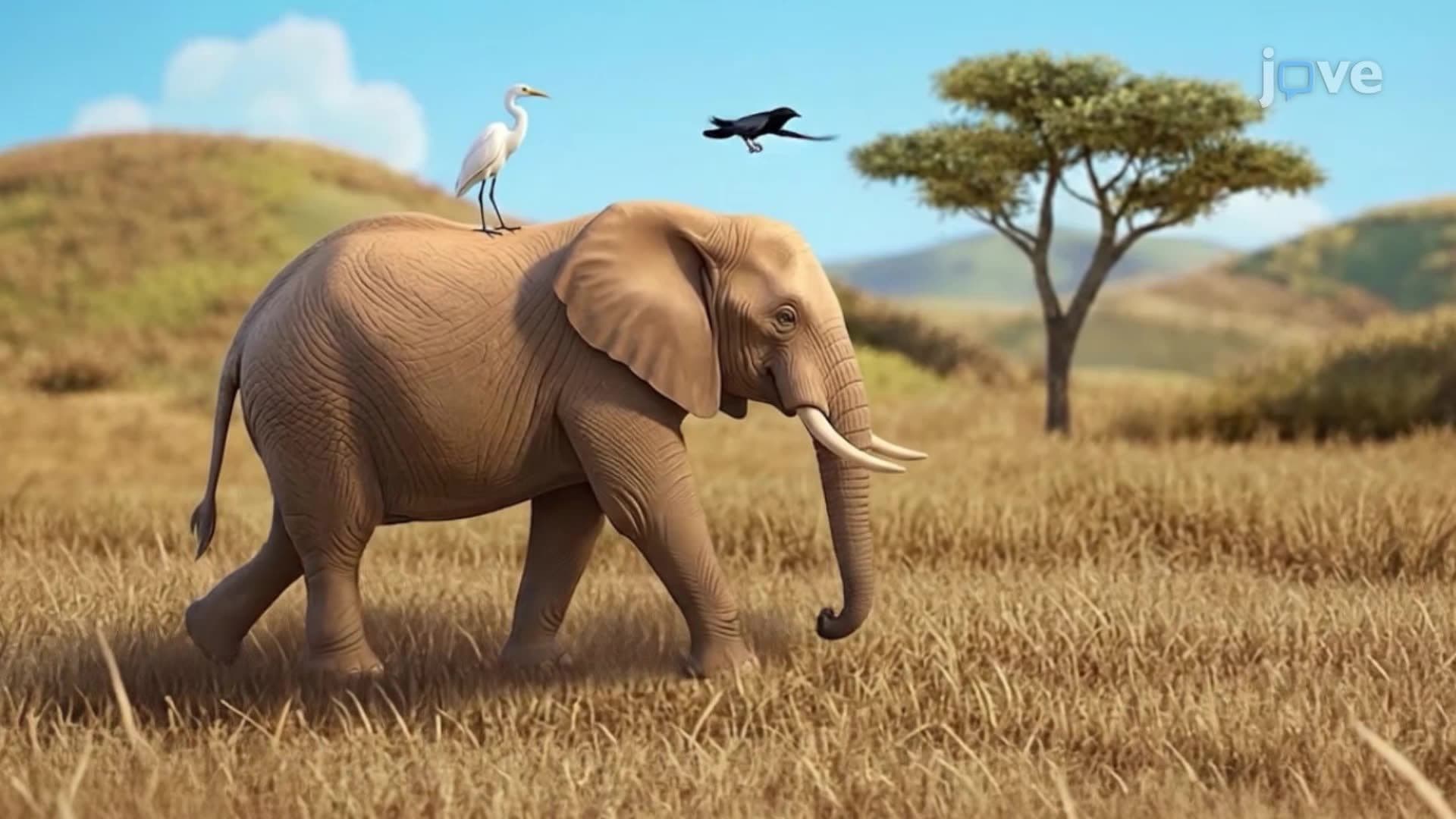
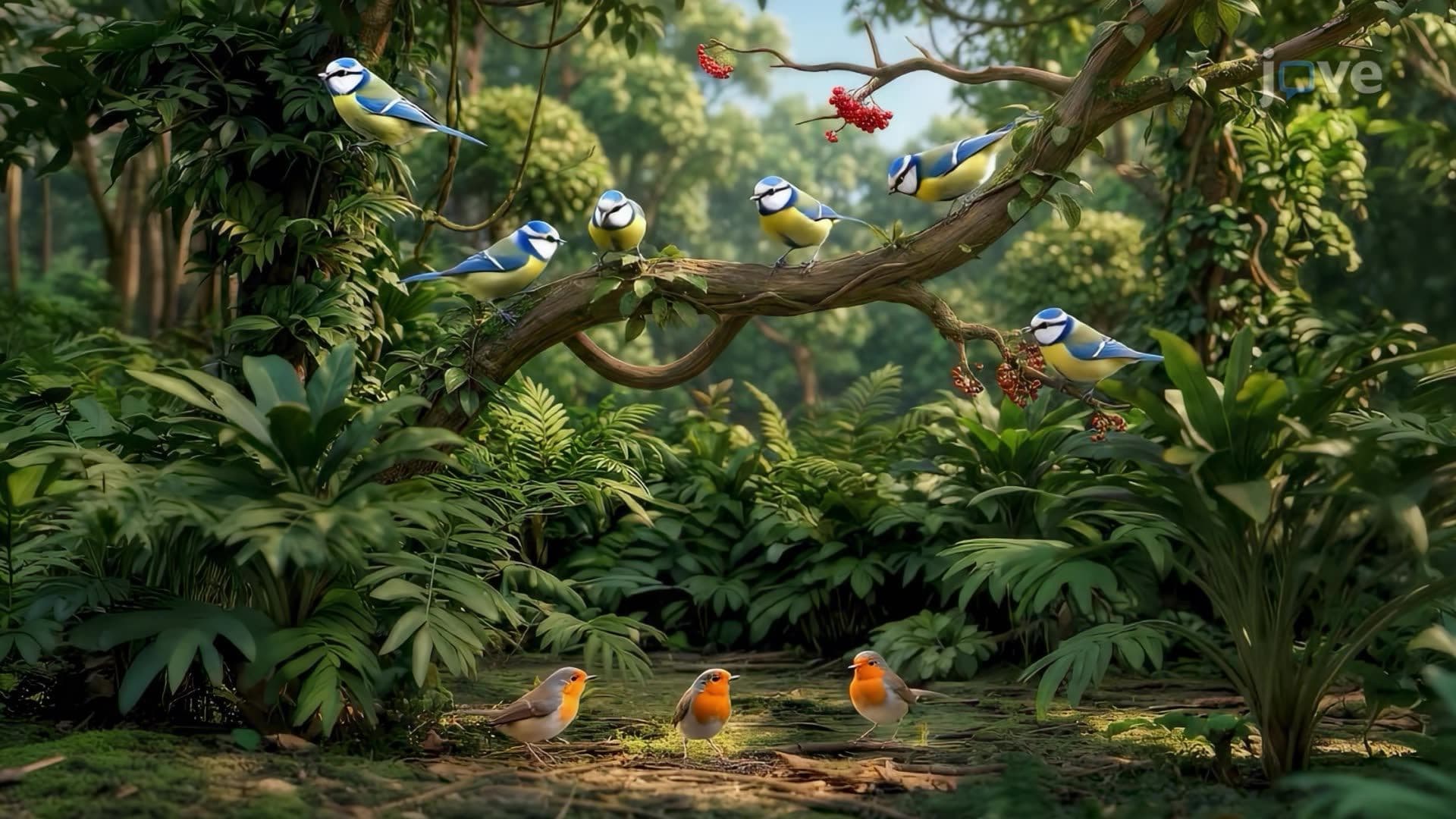
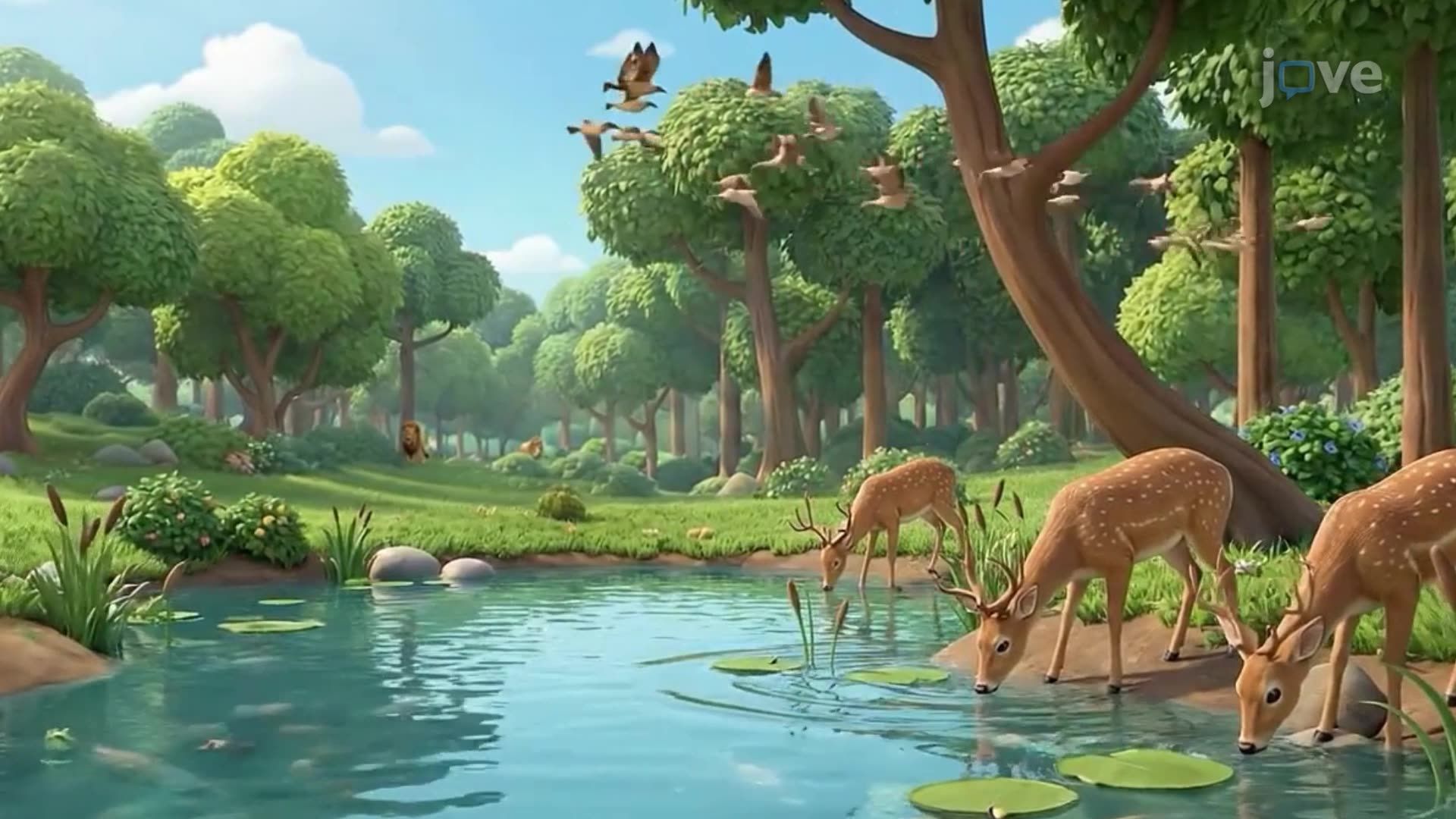
Communities encompass all populations of different species living and interacting within the same ecosystem. The Florida Everglades exemplifies community complexity, where alligators, wading birds, fish, and aquatic plants form intricate relationships. These interactions fall into several categories: predation (panthers hunting deer), competition (different bird species competing for nesting sites), mutualism (flowers and their pollinators), and commensalism (cattle egrets following grazing cattle).
Understanding populations and communities proves crucial for students preparing for standardized tests like the AP Biology exam, which frequently includes questions about community interactions and population ecology. The MCAT also tests these concepts, particularly in biological sciences sections focusing on ecology and evolution.
Wildlife biologists apply these principles when managing endangered species recovery programs, while environmental consultants use population and community data to assess ecosystem health before development projects. Students pursuing careers in conservation biology, environmental science, or wildlife management must master these fundamental concepts to succeed in upper-level coursework and professional applications.
Related Micro-courses