Loading video…

 12 Concepts
 284.3K views

Video Summary: What Is Predator Prey Interactions
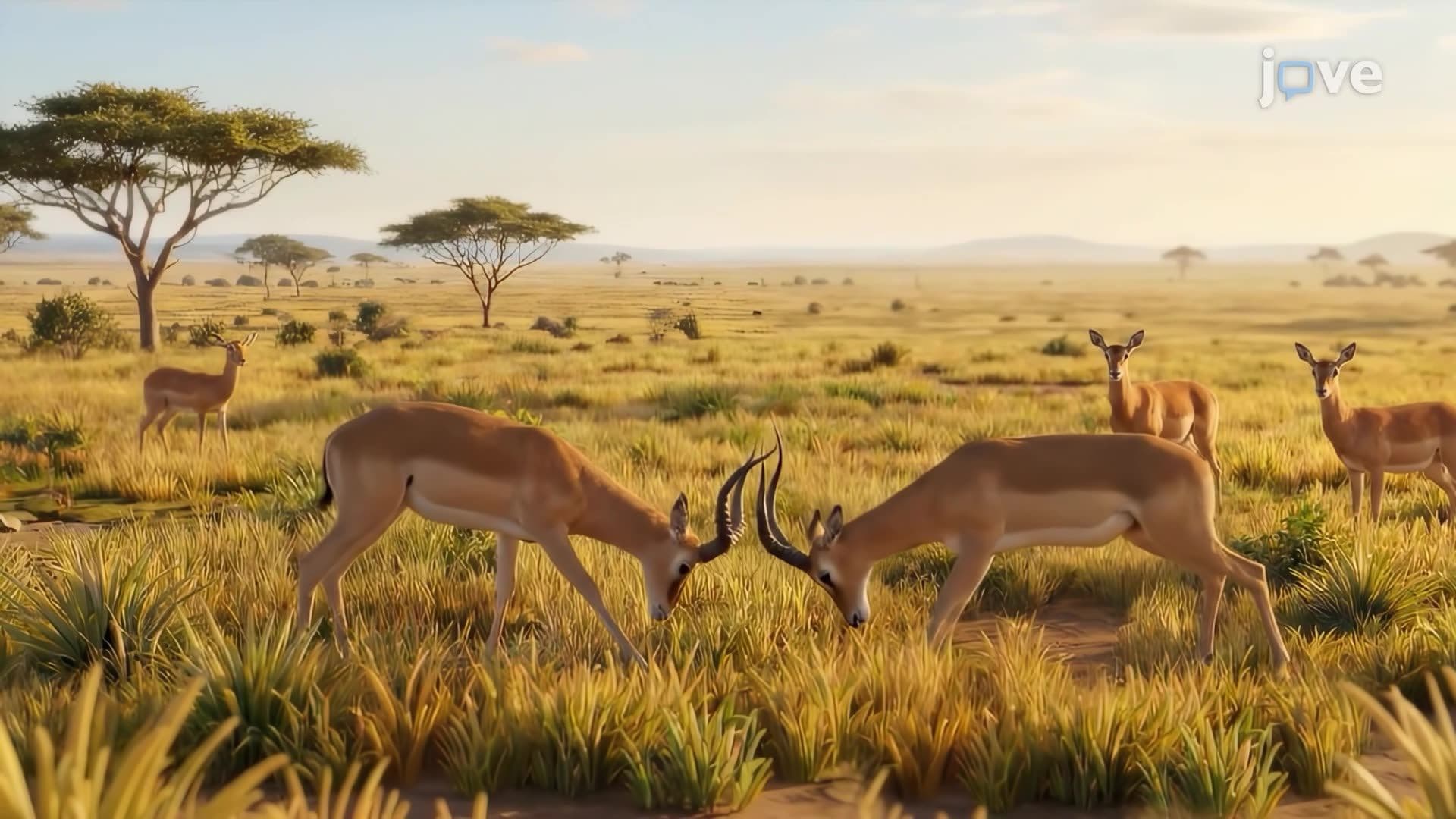
Did you know that cheetahs can reach speeds of 70 mph, evolving this incredible ability specifically to catch gazelles that have become faster over millions of years? Predator prey interactions represent one of nature's most dynamic evolutionary relationships, where hunters and hunted engage in an endless biological arms race. From the cryptic camouflage of peppered moths in Michigan forests to the warning colors of monarch butterflies migrating through Texas, these interactions shape ecosystems across America. Watch the full video on JoVE Coach to master this concept with expert-led visuals and step-by-step explanations.
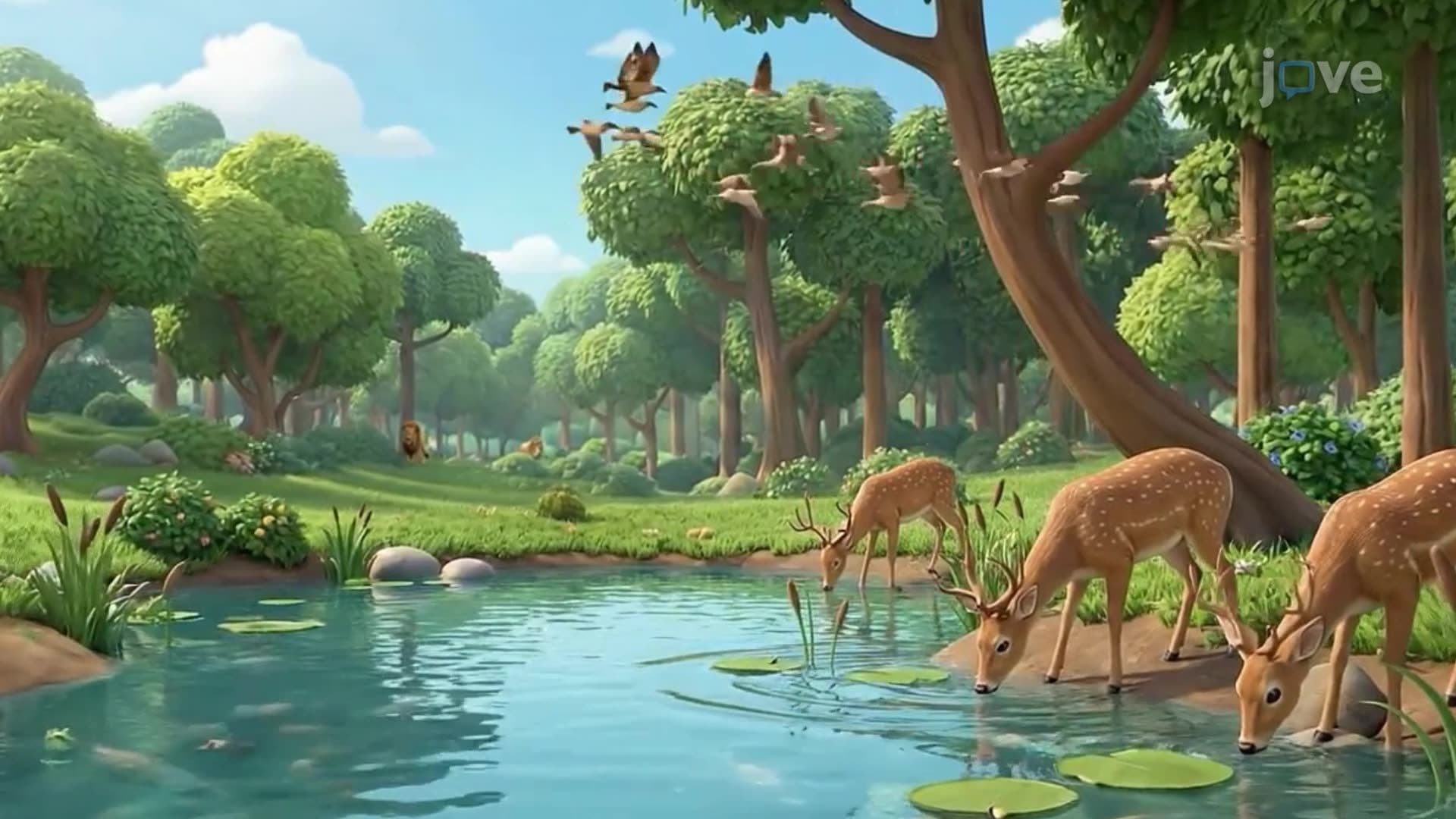
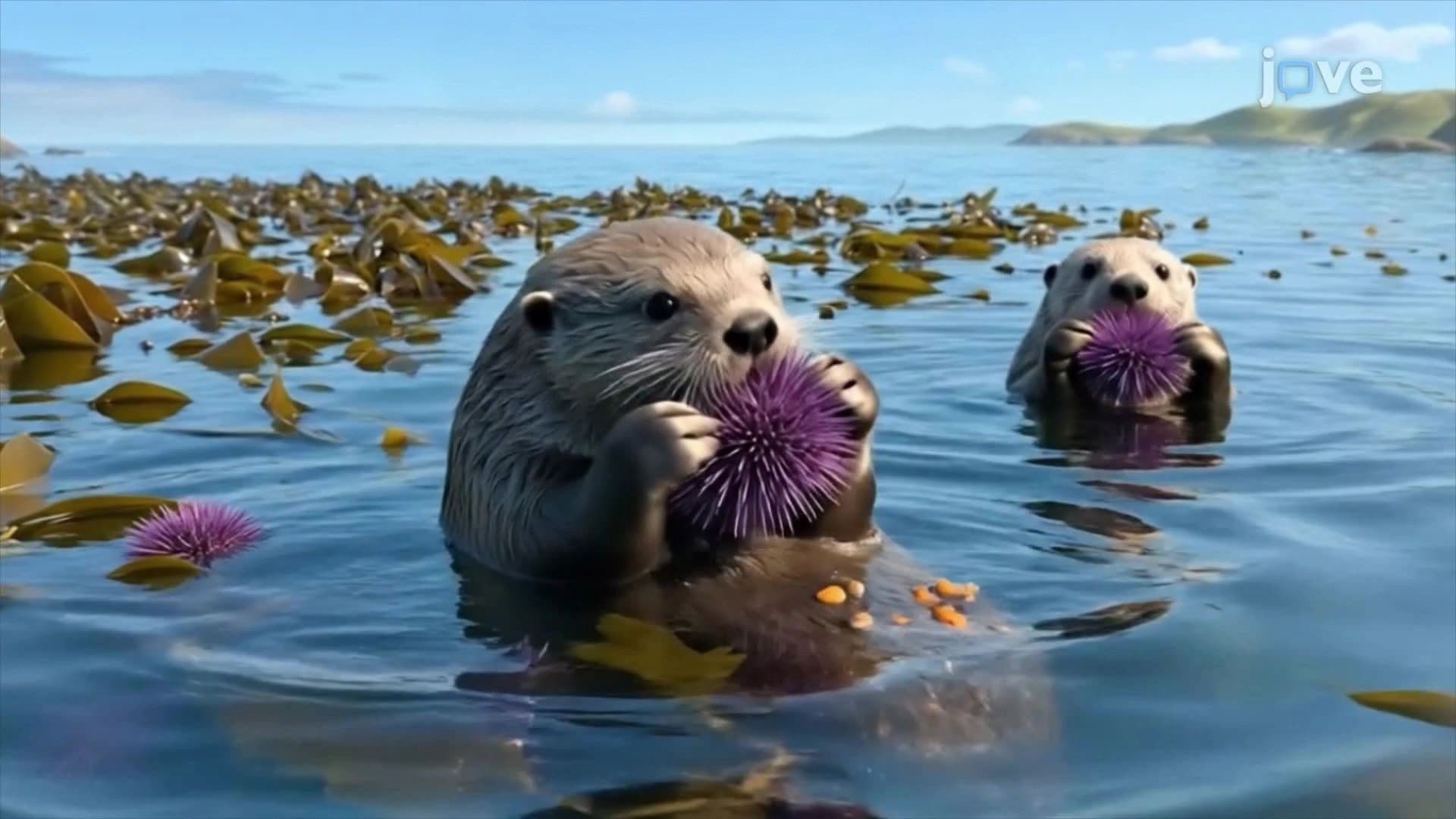
Predator prey interactions represent fundamental ecological relationships that have shaped life on Earth for millions of years. These interactions occur when one organism (the predator) hunts, captures, and consumes another organism (the prey) for energy and nutrients. Far from being simple one-sided relationships, these interactions create complex evolutionary pressures that drive adaptation and diversification in both species involved.
Successful predators have evolved remarkable adaptations for detecting, capturing, and consuming prey. Sensory enhancements include the exceptional eyesight of raptors like red-tailed hawks common across American skies, or the acute hearing of great horned owls that can locate mice beneath snow. Physical adaptations range from the razor-sharp talons of bald eagles to the powerful jaw muscles of American alligators in Florida's Everglades.
These adaptations are crucial concepts tested on AP Biology exams, where students must understand how natural selection favors traits that increase hunting success. College ecology courses frequently examine how predator efficiency affects prey population dynamics, making this knowledge essential for pre-med students preparing for the MCAT.
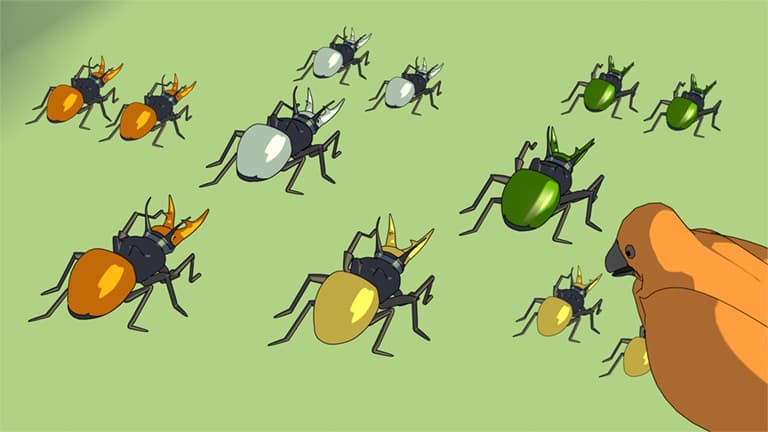
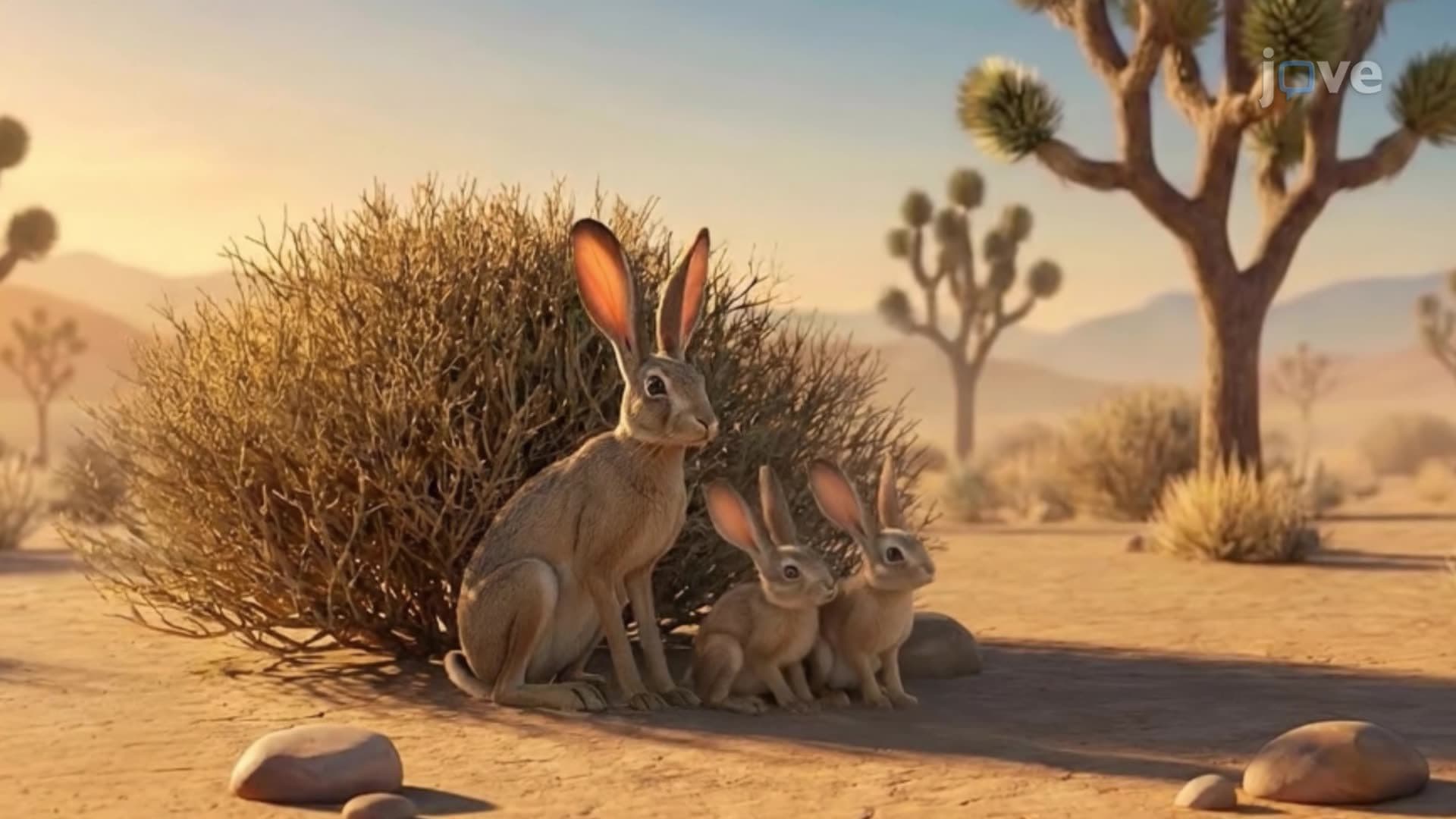
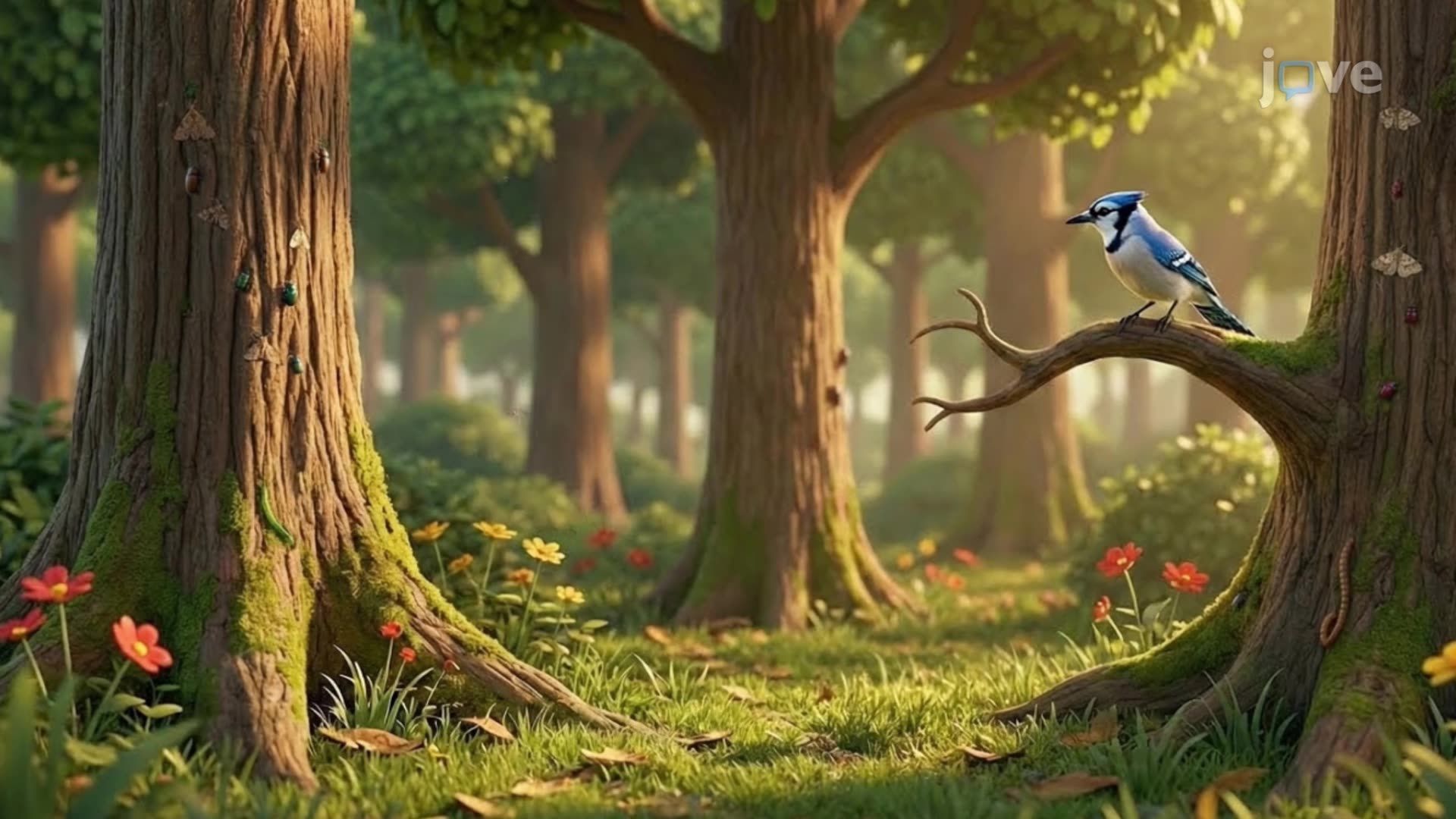
Prey species have evolved equally impressive defensive strategies. Cryptic coloration helps organisms blend seamlessly with their environment-consider how white-tailed deer fawns' spotted coats provide perfect camouflage in dappled forest sunlight throughout American woodlands. This camouflage strategy, called crypsis, demonstrates how prey species invest energy in avoiding detection rather than direct confrontation.
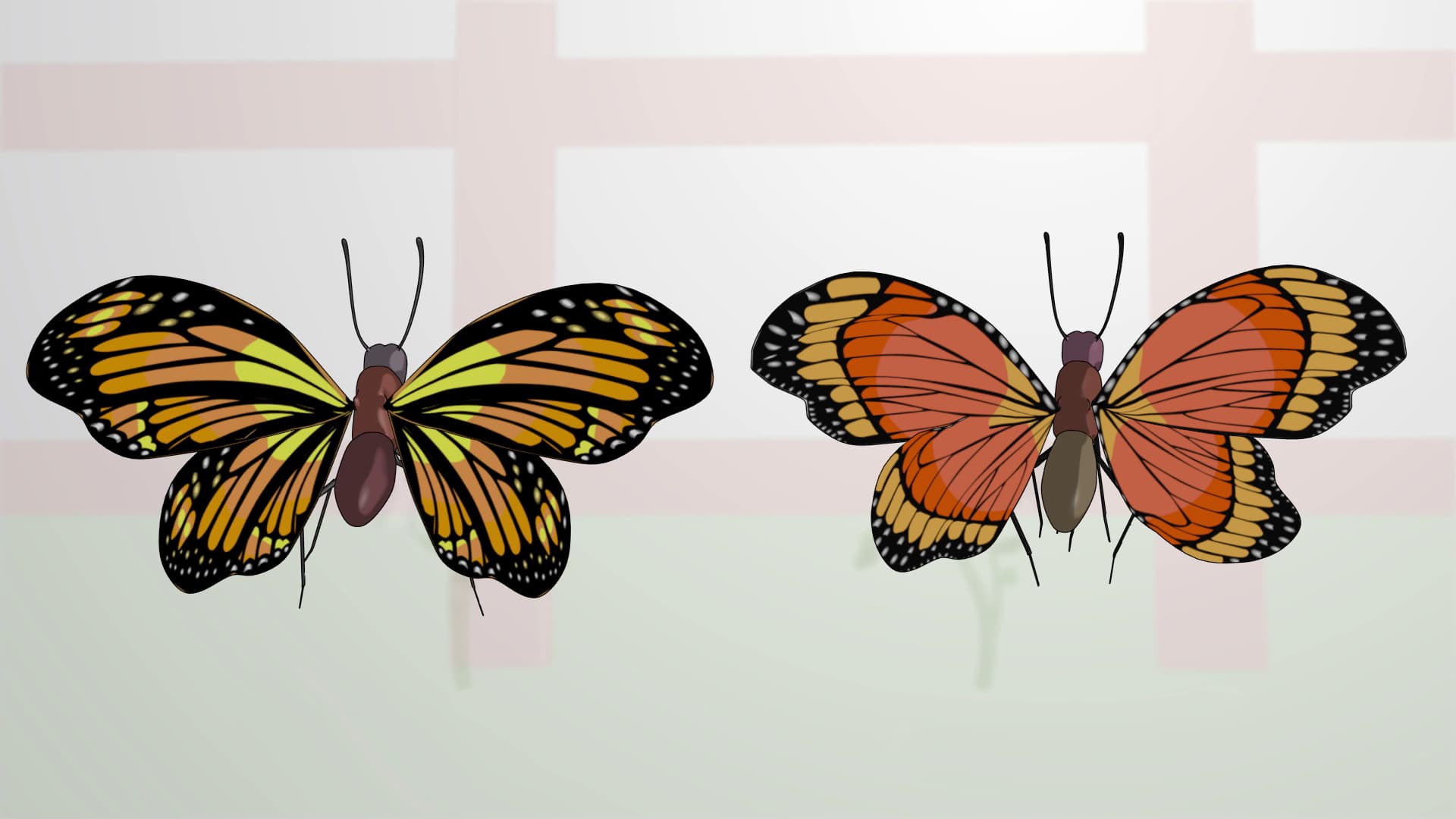
Some prey species take the opposite approach, advertising their danger through aposematism or warning coloration. The bright orange and black patterns of monarch butterflies serve as universal danger signals, warning predators of the toxins absorbed from milkweed plants during their larval stage. This relationship is particularly well-documented along monarch migration routes through states like Kansas and Oklahoma.
Mimicry adds another layer of complexity. In Mullerian mimicry, multiple toxic species share similar warning patterns, collectively educating predators more efficiently. Batesian mimicry involves harmless species copying dangerous ones-the classic example being non-venomous scarlet king snakes mimicking the deadly coral snake pattern found in southeastern states.
Perhaps most fascinating is how predator prey interactions drive coevolution, where reciprocal adaptations create evolutionary arms races. As prey become faster, predators evolve greater speed. As prey develop better camouflage, predators enhance their detection abilities. This concept appears regularly on standardized tests, particularly in questions about natural selection mechanisms and evolutionary theory.
Related Micro-courses