Loading subject page…

284,301 views

Video Summary: What Is Ecological Succession
Ever wonder how a devastated landscape after Mount St. Helens' 1980 eruption eventually transforms back into a thriving forest? Ecological succession is nature's remarkable recovery process, where communities of organisms gradually change and develop over time following environmental disturbances. This fundamental biological process occurs in two main forms: primary succession on bare rock surfaces and secondary succession in areas where soil remains intact after disturbances like forest fires in Yellowstone National Park. Watch the full video on JoVE Coach to master this concept with expert-led visuals and step-by-step explanations.
Ecological succession represents one of ecology's most fundamental processes-the predictable, sequential change in species composition within a community over time. This process demonstrates nature's remarkable ability to recover and rebuild following environmental disturbances, making it essential knowledge for students studying ecology, environmental science, and conservation biology.
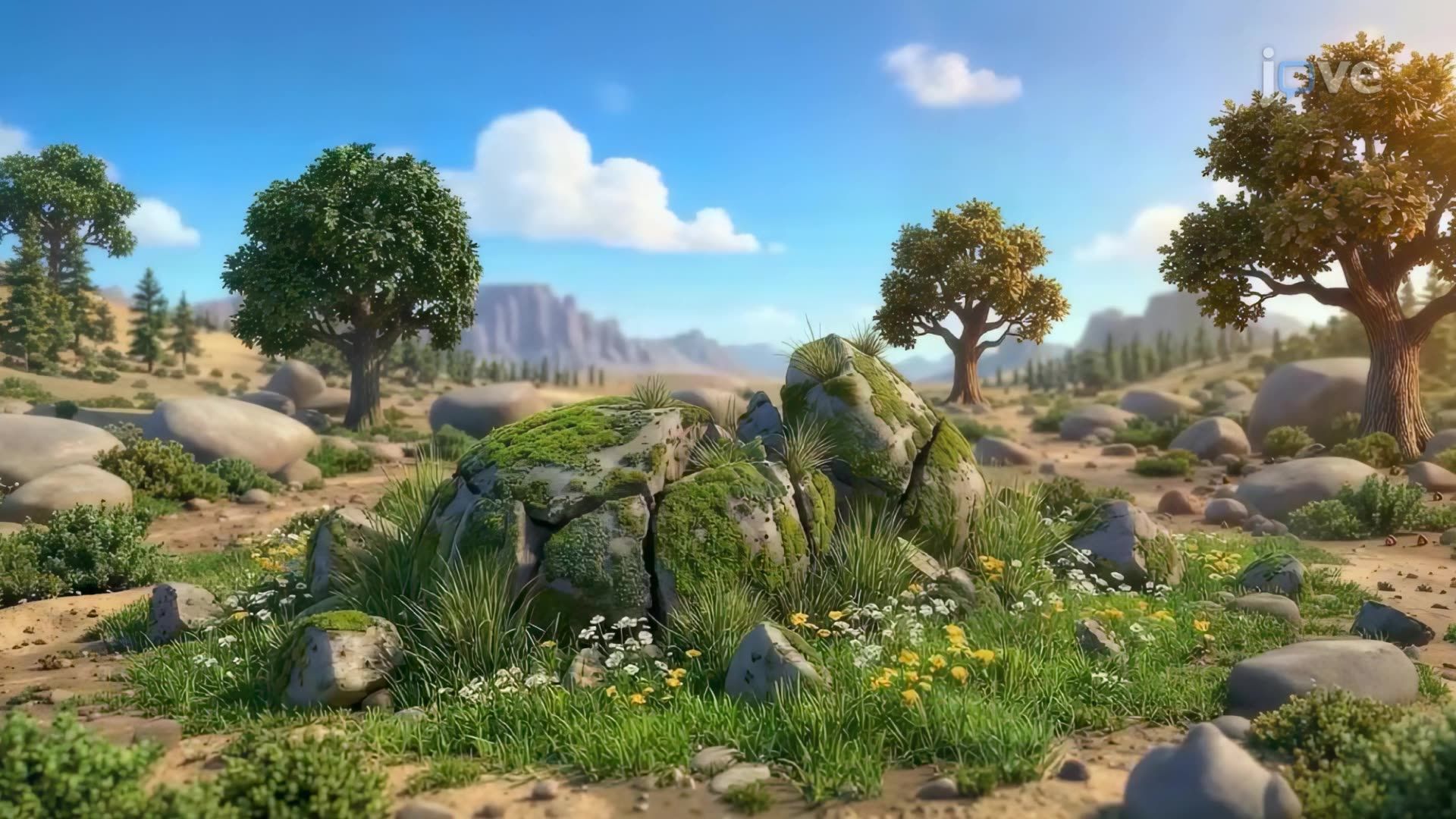
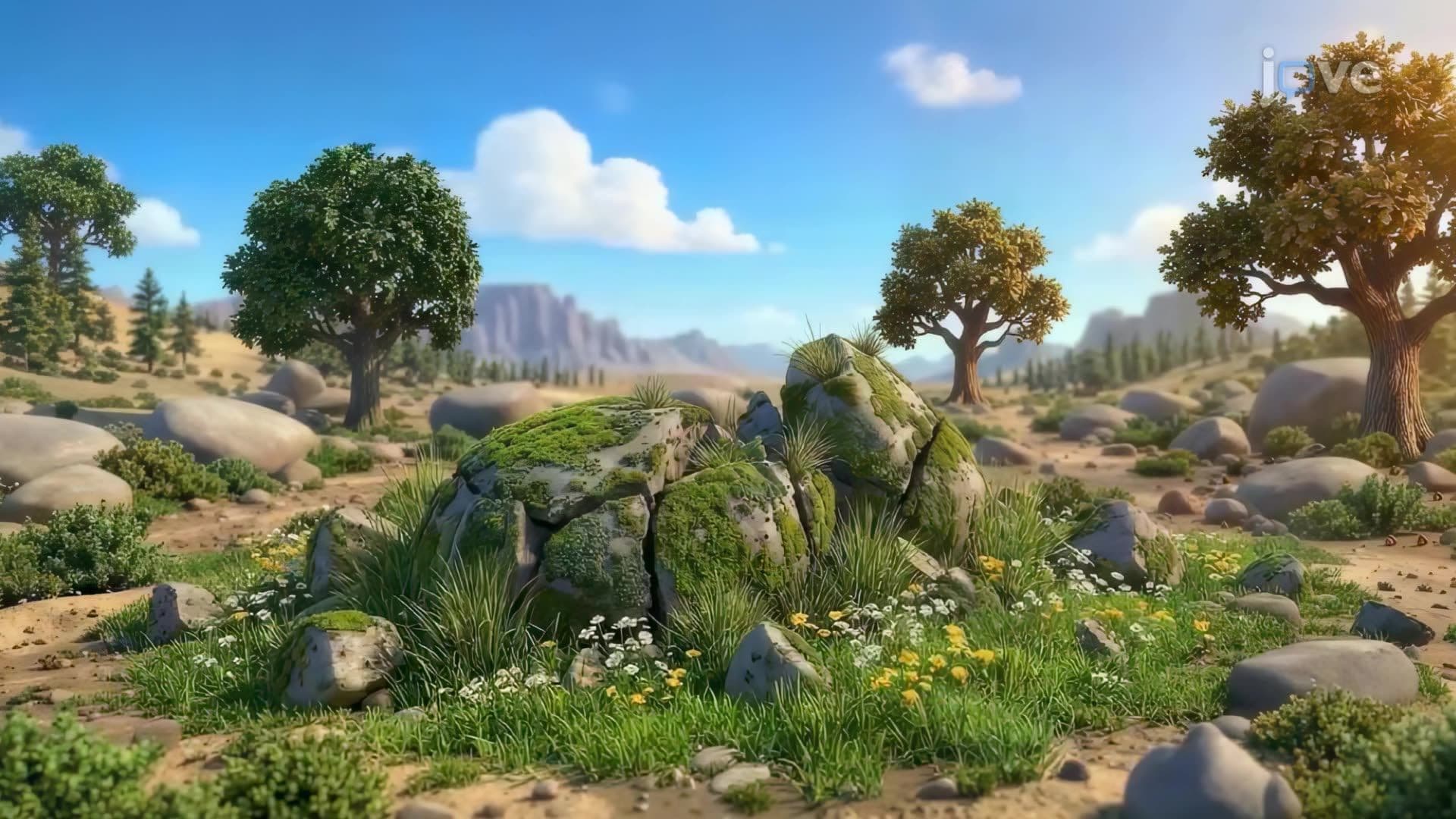
Primary succession occurs in environments completely devoid of soil and living organisms, such as newly formed volcanic islands like those in Hawaii or areas exposed by retreating glaciers in Alaska's Glacier Bay. The process begins with hardy pioneer species-organisms specially adapted to survive in extreme conditions with minimal resources.
Lichens serve as nature's ultimate pioneers, being composite organisms consisting of fungi and photosynthetic partners (algae or cyanobacteria). These remarkable organisms can extract nutrients directly from rock surfaces while producing their own food through photosynthesis. Over decades, lichens secrete acids that gradually break down rock, while their accumulated biomass begins soil formation. This process, though slow, creates the foundation for subsequent plant colonization.
Following lichens, the succession typically progresses through mosses, grasses, shrubs, and eventually trees. Fast-growing, shade-intolerant species like pines often dominate early forest stages before being replaced by shade-tolerant species such as oaks and maples. This entire process can take 300-1,000 years to reach a stable climax community.
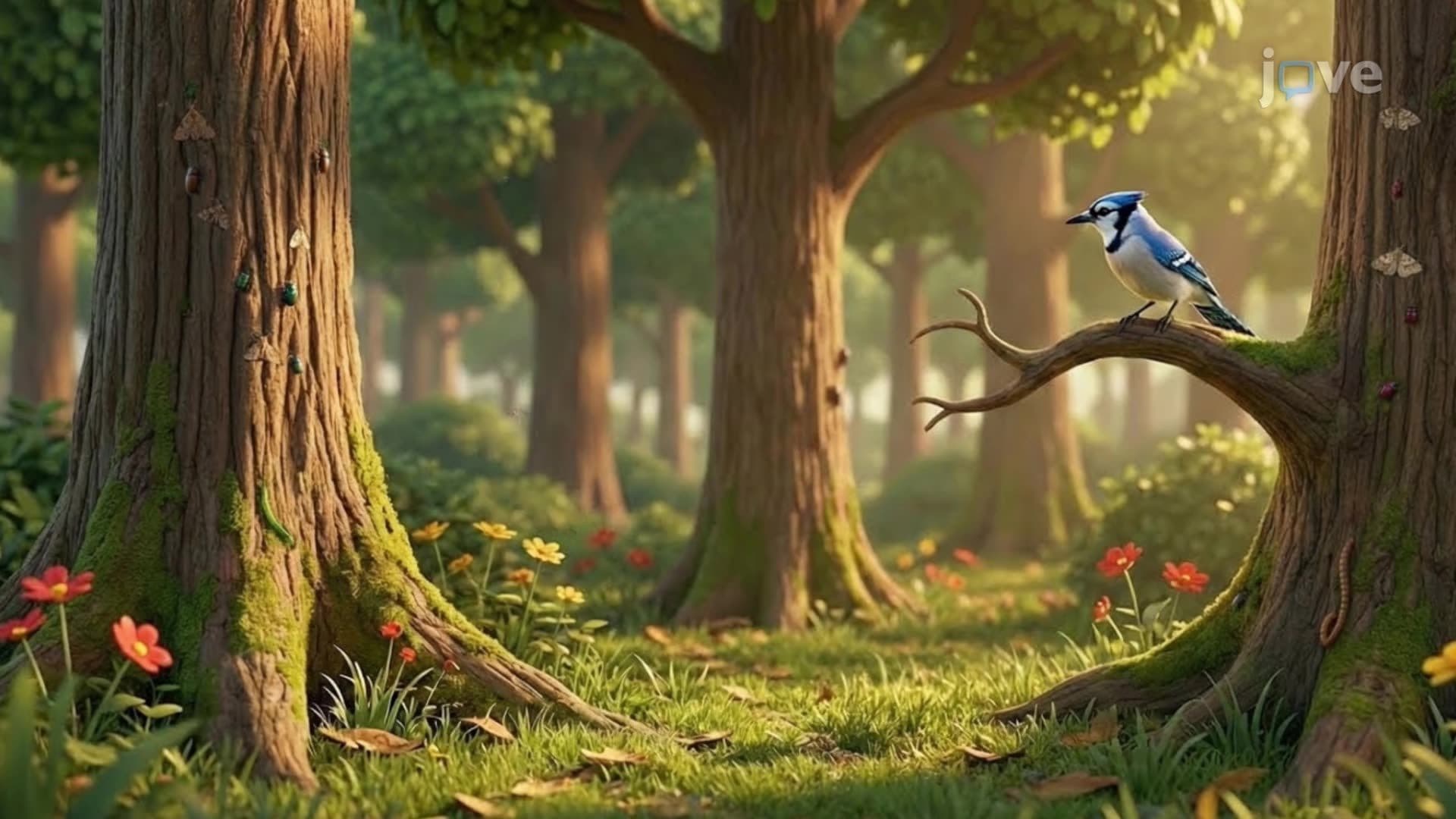
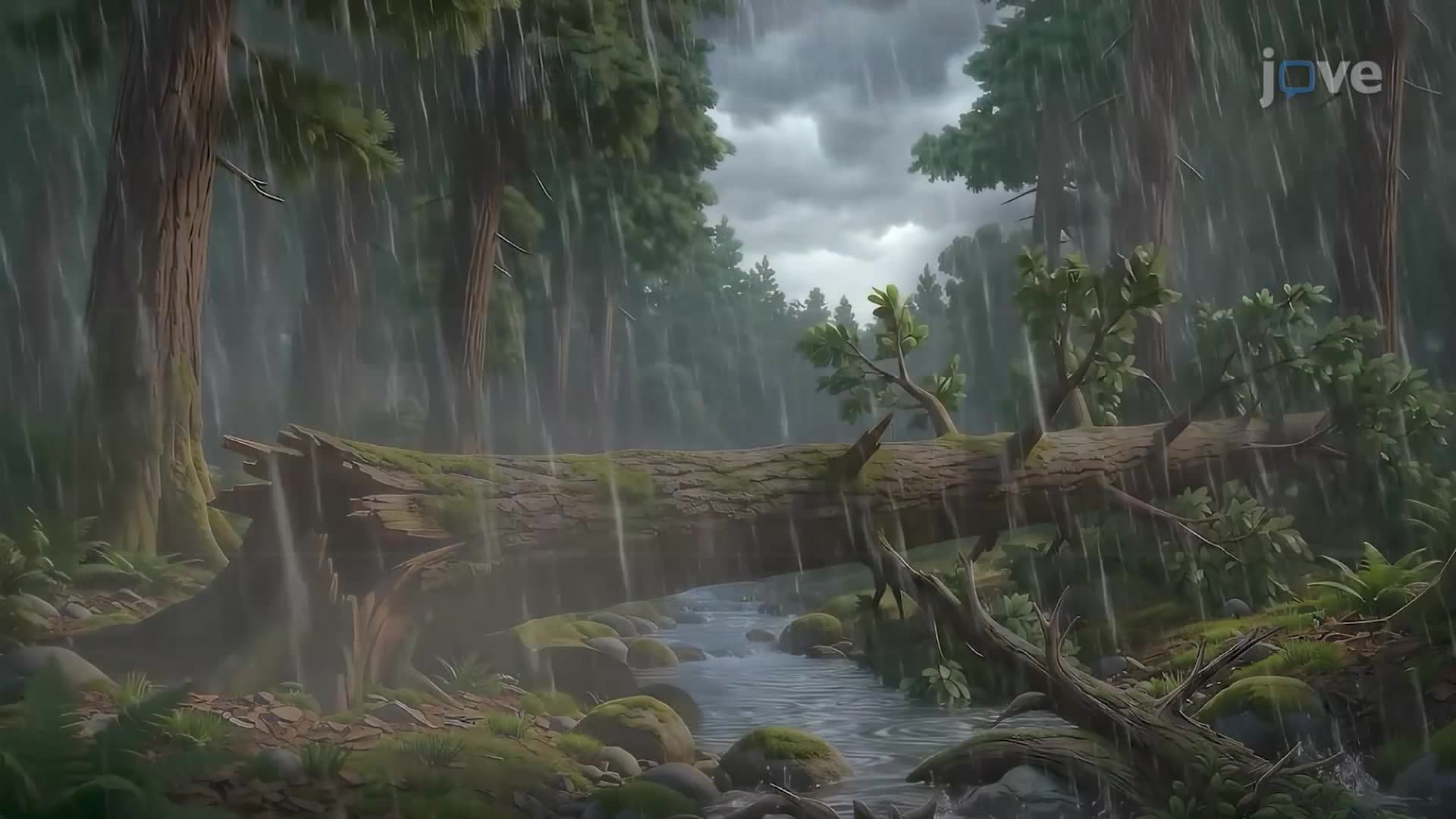
Secondary succession occurs when soil remains after a disturbance, dramatically accelerating the recovery process. Common triggers include forest fires (like those frequently occurring in California's chaparral ecosystems), agricultural abandonment, or severe storms. Since soil and seed banks often survive these disturbances, recolonization happens much more rapidly.
Pioneer species in secondary succession typically include fast-growing annual plants, perennial herbs, and grasses that can quickly establish in open, sunny conditions. Within decades, shrubs appear, followed by fast-growing trees. The eastern United States provides excellent examples, where abandoned farmland transitions through predictable stages to mature oak-hickory forests in approximately 150 years.
Understanding ecological succession is crucial for success on standardized tests including the AP Environmental Science exam, SAT Subject Tests in Biology, and college-level ecology courses. Students should focus on distinguishing between succession types, identifying pioneer species characteristics, and predicting community changes based on disturbance types-all common exam topics that require both conceptual understanding and practical application skills.
Related Micro-courses