Loading video…


 8 Concepts
 442K views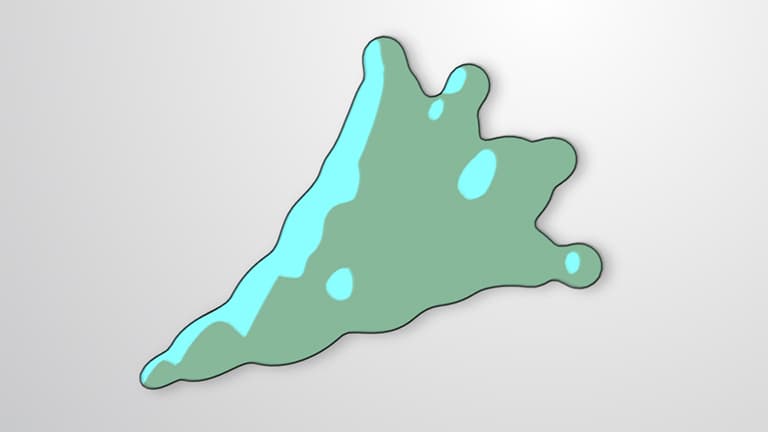

Video Summary: What Is Cell Migration
Did you know that your skin cells travel like tiny construction workers to heal a paper cut? Cell migration is the fundamental process by which cells move purposefully through your body, essential for everything from wound healing to immune responses. When you scrape your knee, fibroblasts migrate to the injury site to rebuild damaged tissue, demonstrating this critical biological mechanism in action. Watch the full video on JoVE Coach to master this concept with expert-led visuals and step-by-step explanations.
Cell migration represents one of biology's most sophisticated transportation systems, enabling cells to navigate through complex tissue environments with remarkable precision. This process goes far beyond simple movement-it's a coordinated cellular dance involving multiple molecular players working in perfect synchronization.
The migration process begins with signal detection, where cells respond to chemical gradients through specialized receptors. These signals might include growth factors released from injured tissue or immune system molecules directing white blood cells to infection sites. Once activated, cells undergo dramatic internal reorganization, with the cytoskeleton-composed of actin filaments and microtubules-becoming the primary engine of movement.
The leading edge extends forward through actin polymerization, creating finger-like projections called lamellipodia or spike-like filopodia. These structures probe the environment and establish new attachment points through integrin proteins that bind to extracellular matrix components. Meanwhile, myosin motors generate contractile forces that pull the cell body forward while simultaneously releasing adhesions at the trailing edge.
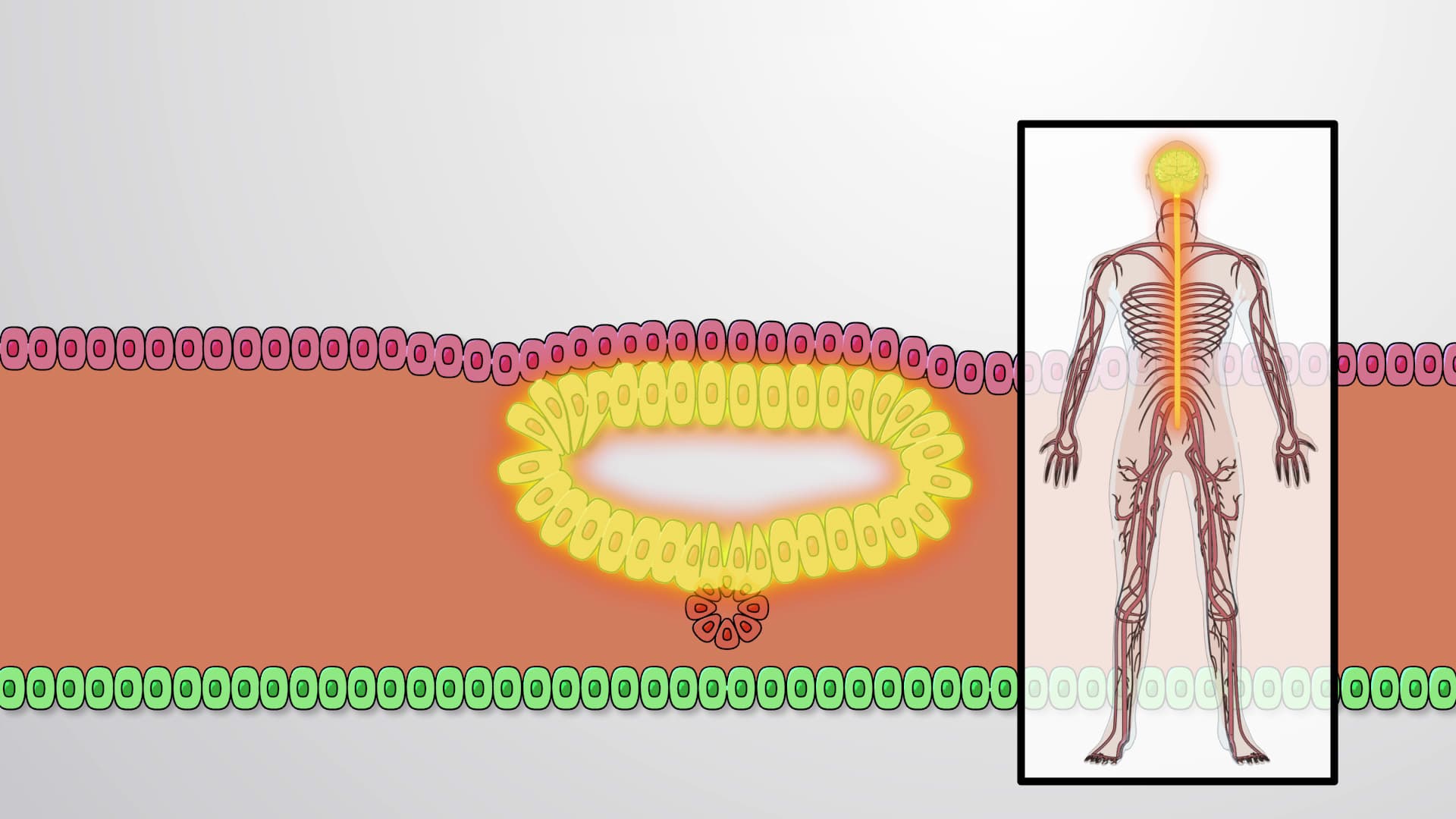
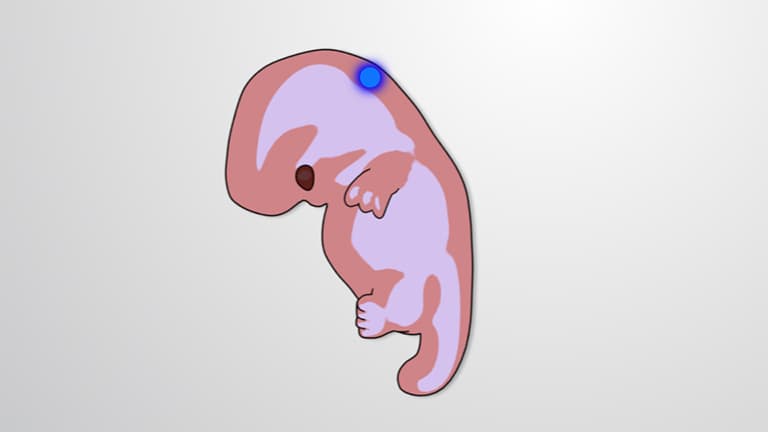
Cell migration plays crucial roles in numerous physiological processes. During embryonic development, neural crest cells migrate vast distances to form facial structures and peripheral nervous system components. In adults, immune cell migration enables rapid responses to infections-neutrophils can migrate from blood vessels into infected tissues within hours of pathogen detection.
Pathological cell migration also drives cancer metastasis, where tumor cells acquire enhanced migratory abilities, allowing them to invade surrounding tissues and establish secondary tumors. Understanding migration mechanisms has led to targeted therapies that disrupt cancer cell movement, representing a major frontier in oncology research.
Cell migration frequently appears on standardized exams including the AP Biology exam, MCAT, and college-level cell biology courses. Students should focus on understanding the sequential steps of migration, the role of cytoskeletal components, and the clinical implications. Practice questions often involve analyzing experimental scenarios where migration is disrupted or enhanced, requiring application of mechanistic knowledge to predict cellular behaviors.
Related Micro-courses