Loading subject page…


442,001 views

Video Summary: What Is Spermatogenesis
Every day, a healthy adult male produces approximately 300 million sperm cells through spermatogenesis biology explained, a remarkable process that transforms stem cells into functional gametes within the testes. This complex cellular journey occurs in specialized structures called seminiferous tubules, where precise hormonal signals and cellular divisions create the sperm necessary for human reproduction. Consider that male fertility clinics across the United States routinely analyze this process when diagnosing reproductive health issues. Watch the full video on JoVE Coach to master this concept with expert-led visuals and step-by-step explanations.
Spermatogenesis biology explained encompasses one of biology's most intricate cellular processes, where primitive stem cells undergo a precisely orchestrated transformation into highly specialized sperm cells. This 74-day journey occurs continuously within the seminiferous tubules of the testes, producing millions of gametes daily. For students preparing for the AP Biology exam or college-level reproductive physiology courses, understanding this process provides crucial insights into cellular differentiation, meiosis, and hormonal regulation.
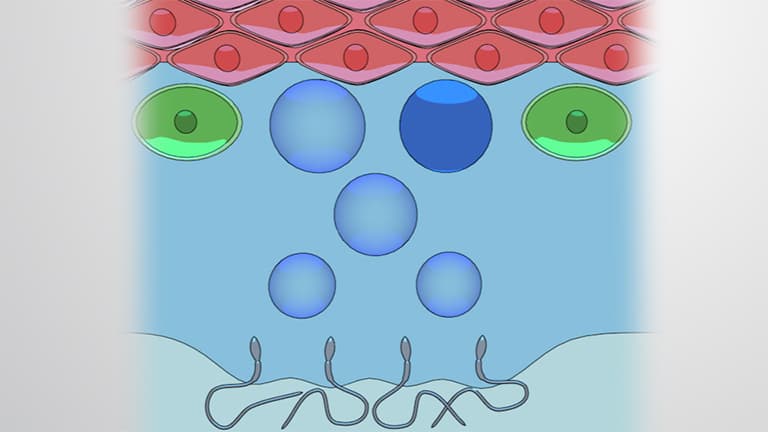
The sperm production process explained begins within seminiferous tubules, which function as highly organized cellular factories. These tubules contain distinct cellular zones: the outer basement membrane houses spermatogonial stem cells, while the inner lumen receives mature sperm. Sertoli cells act as "nurse cells," providing structural support and nutritional factors essential for developing gametes. This architectural organization ensures that spermatogonia spermatocyte development occurs in a controlled environment, preventing immune system interference with the developing sperm.
Understanding what is spermatogenesis in male biology requires recognizing its two distinct phases. The mitotic phase involves spermatogonial stem cell divisions that maintain the stem cell pool while producing committed precursor cells. These precursors undergo several mitotic divisions before differentiating into primary spermatocytes. The meiotic phase follows, where meiosis sperm formation reduces chromosome number from diploid to haploid. Each primary spermatocyte produces four haploid spermatids through two successive meiotic divisions, a concept frequently tested on the MCAT and college genetics exams.
The final stage involves sperm maturation spermatogenesis, where spherical spermatids transform into elongated, motile spermatozoa. This process, called spermiogenesis, includes flagella development, mitochondrial organization, and cytoplasmic reduction. Seminiferous tubule spermatogenesis dysfunction can result in male infertility, affecting approximately 7% of American men according to the CDC. Understanding spermatid spermatozoa formation helps students connect cellular biology concepts to real-world medical applications, including assisted reproductive technologies used in fertility clinics nationwide.
Related Micro-courses