Loading video…


 8 Concepts
 442K views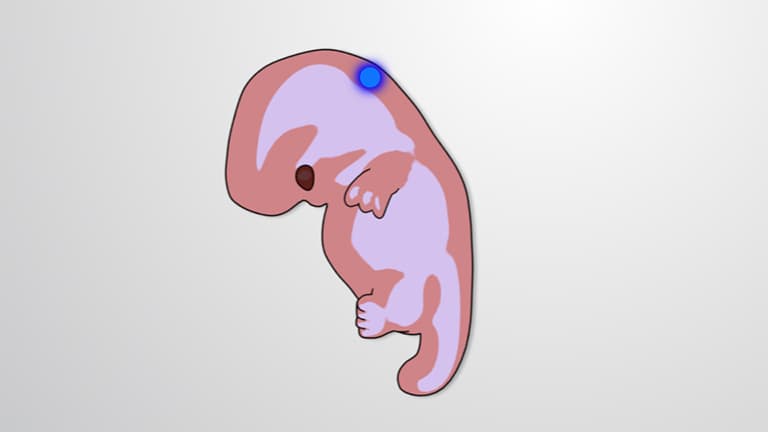

Video Summary: What Is Determination
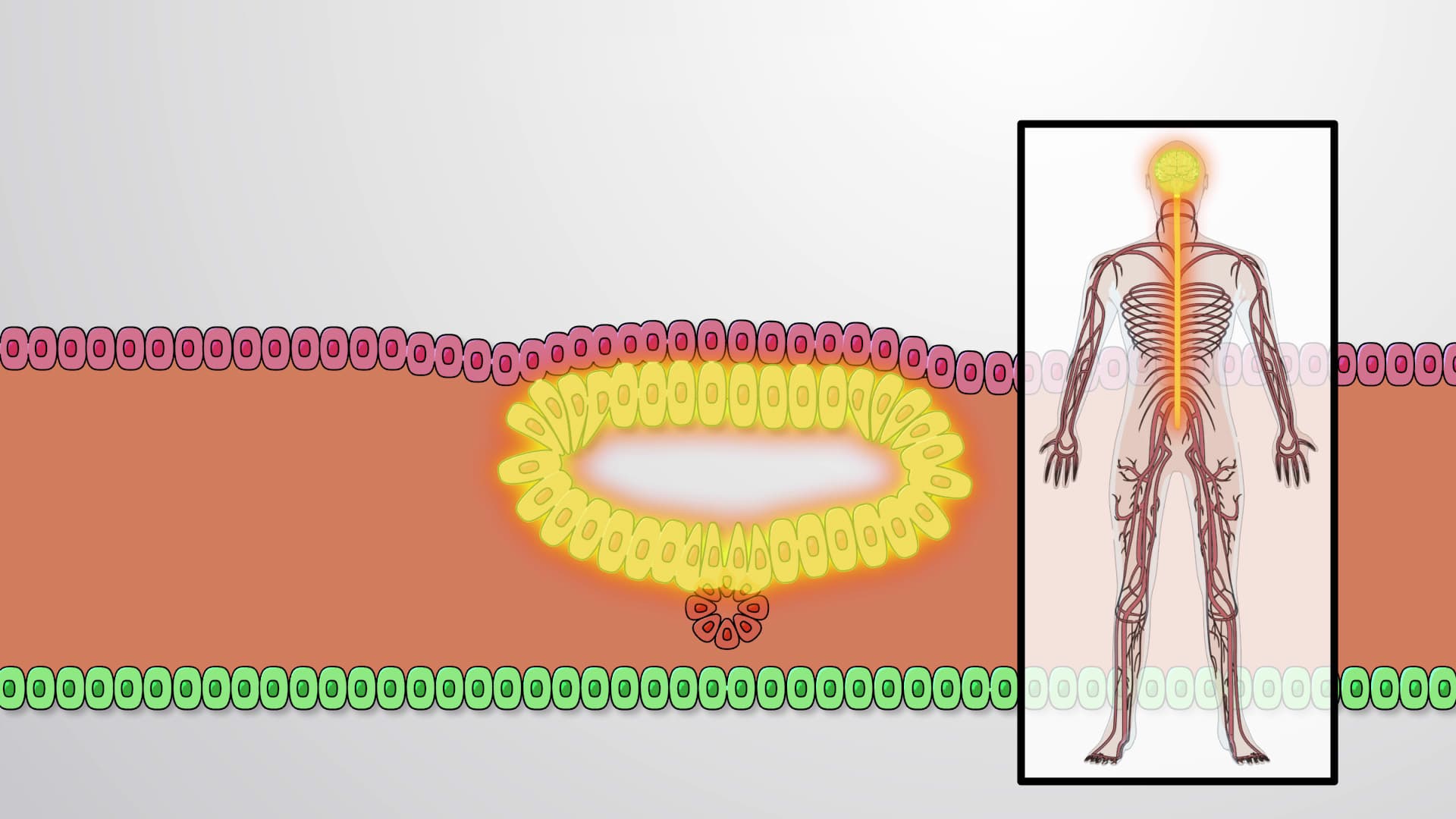
Did you know that a single embryonic cell can become locked into its destiny, unable to change course even when transplanted to completely different environments? Determination represents the critical second stage of cellular commitment, where cells become irreversibly dedicated to forming specific tissues like neurons or muscle. Unlike the earlier specification stage, determined cells maintain their developmental fate even when moved to new locations within an embryo-similar to how Stanford Medical School researchers have observed in developmental studies of neural tube formation. Watch the full video on JoVE Coach to master this concept with expert-led visuals and step-by-step explanations.
Determination represents a fundamental concept in developmental biology where embryonic cells become irreversibly committed to forming specific cell types. This process follows specification and marks the point of no return in cellular development. Unlike specification, where cellular fate can still be altered by environmental changes, determination locks cells into their developmental pathway regardless of external influences.
The journey from pluripotent embryonic cells to mature, specialized tissues occurs through a carefully orchestrated two-step process. During specification, cells respond to their position within the embryo and signals from neighboring cells. These positional cues-such as location along the dorsal-ventral axis-expose cells to unique combinations of molecular factors that begin steering them toward particular fates, like neural development.
However, specified cells retain flexibility. Laboratory experiments demonstrate that when specified cells are removed from their embryonic environment and placed in neutral culture conditions, they continue developing along their specified path. Yet if researchers introduce different proteins or growth factors, these cells can be redirected to form entirely different tissues. This plasticity disappears once cells undergo determination.
Determination occurs when continued exposure to positional factors within the embryo triggers irreversible molecular changes within specified cells. This process involves complex gene regulatory networks and epigenetic modifications that permanently activate or silence specific sets of genes. Once determined, cells cannot be reprogrammed by environmental signals.
The classic test for determination involves transplantation experiments. When determined cells are moved to different regions of an embryo-areas with completely different signaling environments-they maintain their original developmental program. A neuron-determined cell will form neural tissue even when transplanted to regions normally destined to become skin or muscle.
Understanding determination proves crucial for multiple fields. In regenerative medicine, researchers at institutions like Johns Hopkins and UCLA study how to potentially reverse determination to create therapeutic cell types. The concept frequently appears on AP Biology exams, MCAT questions, and college developmental biology courses, particularly when students analyze experimental scenarios involving cell transplantation.
Birth defects often result from disruptions in the specification-determination process. For example, neural tube defects can occur when signals required for proper neural determination are absent or misregulated during critical developmental windows.
Related Micro-courses