Loading subject page…


37,929 views
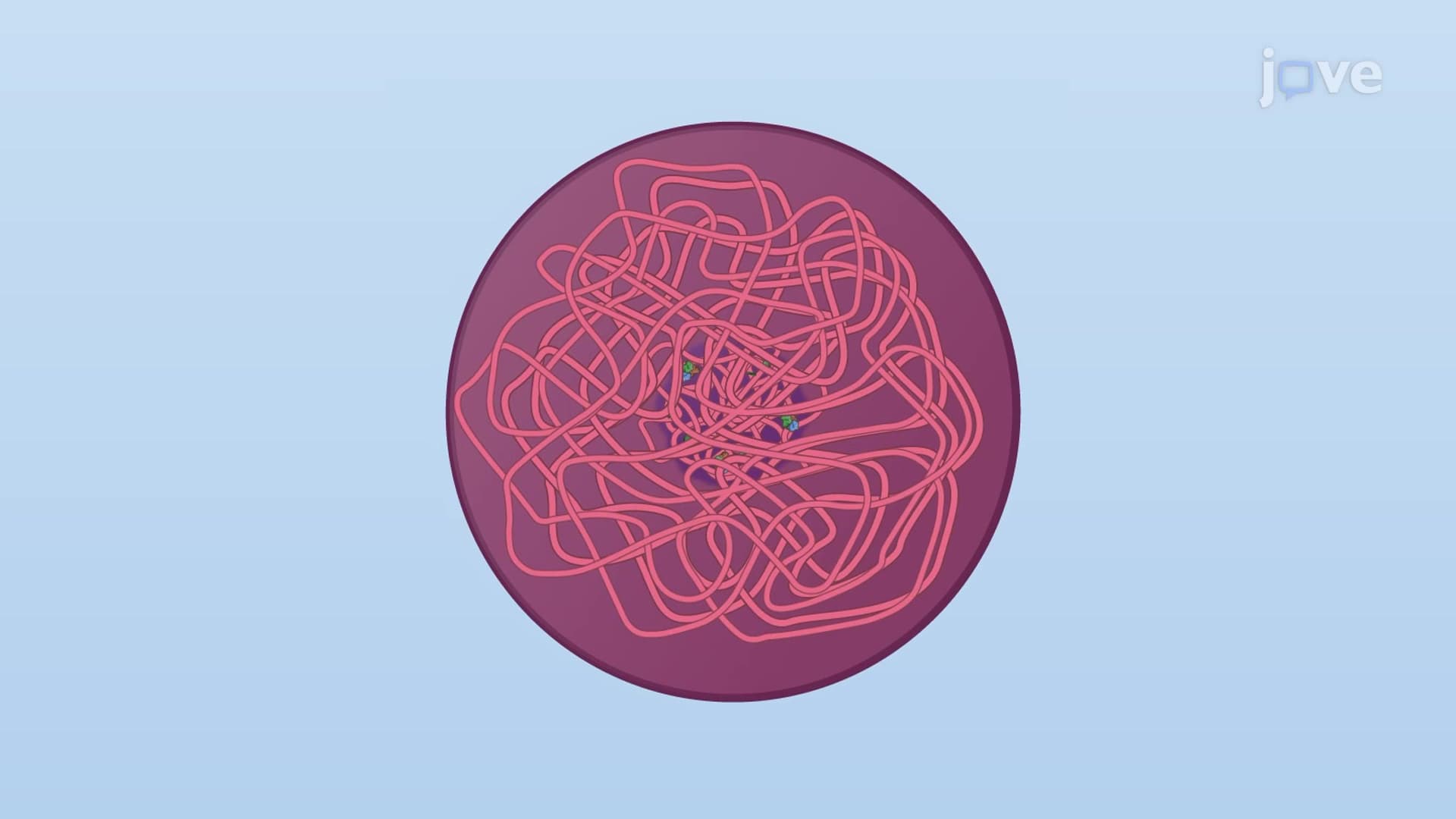

Video Summary: What Is Chromosome Duplication
Why do identical twins share the same DNA, yet each has trillions of unique cells? Chromosome duplication ensures that every cell division produces genetically identical copies, a process critical for human development and survival. During the S phase of the cell cycle, this intricate mechanism creates sister chromatids that maintain genomic stability-essential for preventing cancers like those treated at MD Anderson Cancer Center in Texas. Watch the full video on JoVE Coach to master this concept with expert-led visuals and step-by-step explanations.
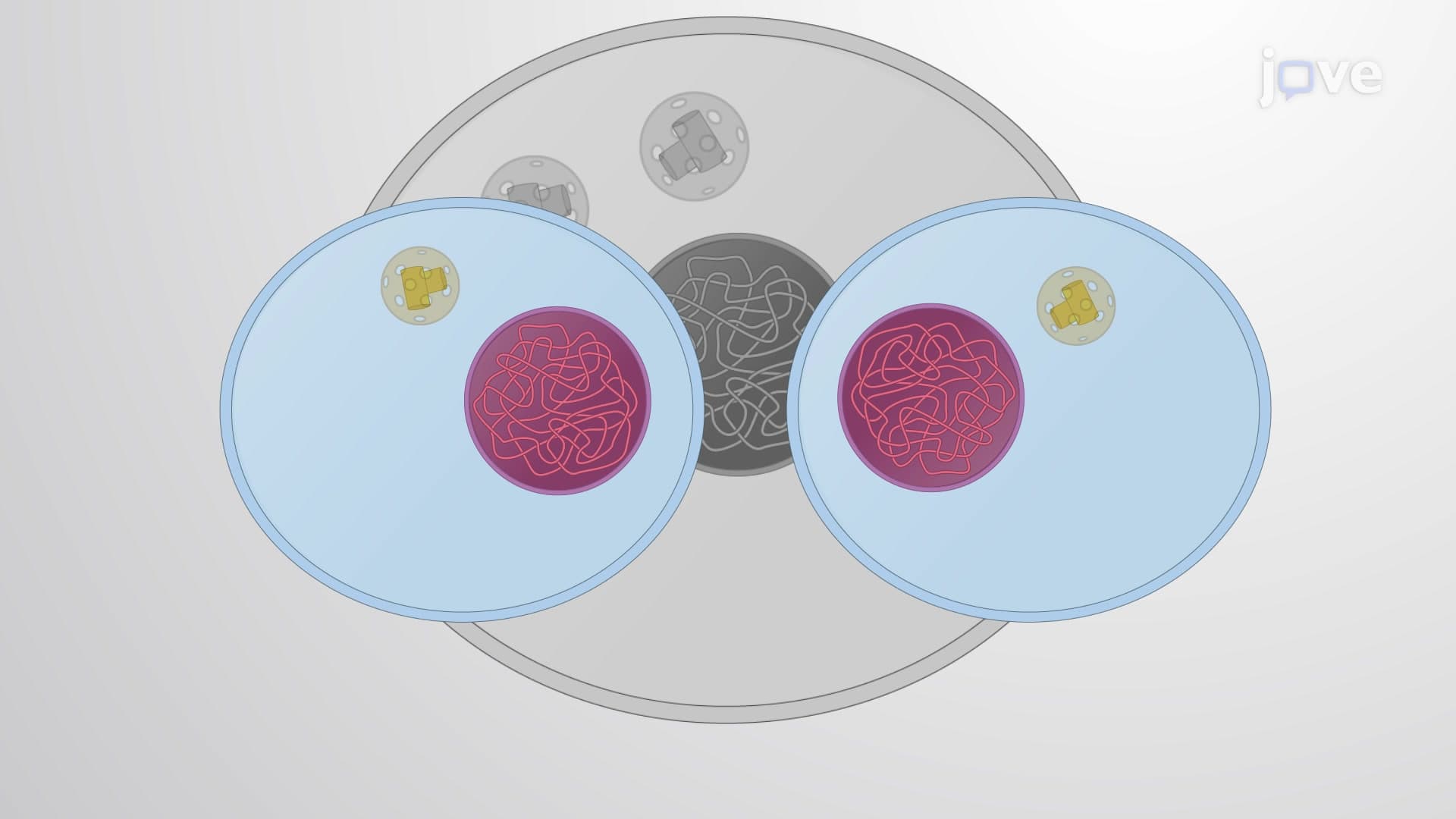
Chromosome duplication represents one of biology's most precisely orchestrated processes, occurring during the S (synthesis) phase of the cell cycle. This semi-conservative mechanism ensures that each daughter cell receives an exact copy of the parent cell's genetic information. The process begins at specific origin sites where the DNA double helix unwinds, creating replication bubbles that expand bidirectionally.
The replication process requires sophisticated enzymatic coordination. DNA helicase acts as the molecular motor, unwinding the double helix and creating replication forks. DNA polymerase synthesizes new strands with remarkable fidelity, achieving error rates as low as one mistake per billion nucleotides. Primase initiates synthesis by laying down short RNA primers, while DNA ligase seals the gaps between newly synthesized fragments on the lagging strand, creating continuous chromosomes.
Understanding chromosome duplication proves crucial for medical applications across the United States. Replication errors can trigger oncogenes or disable tumor suppressor genes, leading to cancers treated at institutions like the National Cancer Institute in Maryland. Pharmaceutical companies develop chemotherapy drugs that specifically target rapidly dividing cancer cells by interfering with their DNA replication machinery. Additionally, genetic counselors at major medical centers use replication principles to explain hereditary conditions to families.
This concept appears prominently in AP Biology exams, particularly in questions about cell cycle regulation and molecular genetics. College-level courses in genetics and molecular biology extensively cover replication mechanisms, while MCAT preparation requires deep understanding of enzymatic processes and error correction systems. Students preparing for these assessments should focus on the relationship between replication fidelity and genomic stability, as well as the technological applications that emerged from understanding these fundamental processes.
Related Micro-courses