Loading video…


 17 Concepts
 37.9K views

Video Summary: What Is Anaphase Promoting Complex
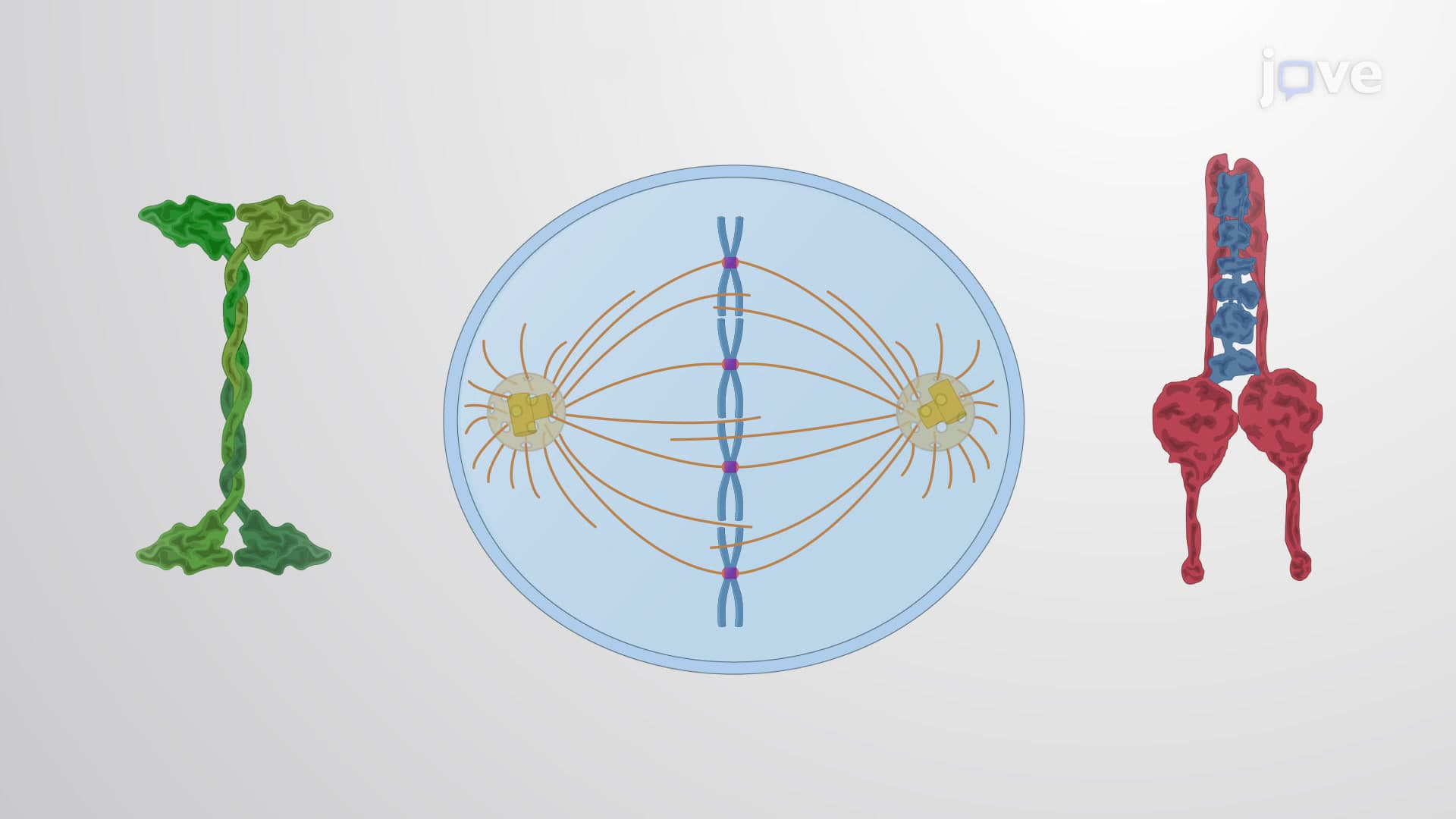
Ever wonder how your body ensures that 37 trillion cells divide without creating genetic chaos? The anaphase promoting complex acts as the cell's molecular "quality control manager," precisely timing when chromosomes separate during cell division. At major US cancer research centers like MD Anderson, scientists study how mutations in this complex contribute to tumor formation when cells lose control of their division process. Understanding what is anaphase promoting complex reveals the intricate machinery that prevents chromosomal disasters in every cell division. Watch the full video on JoVE Coach to master this concept with expert-led visuals and step-by-step explanations.
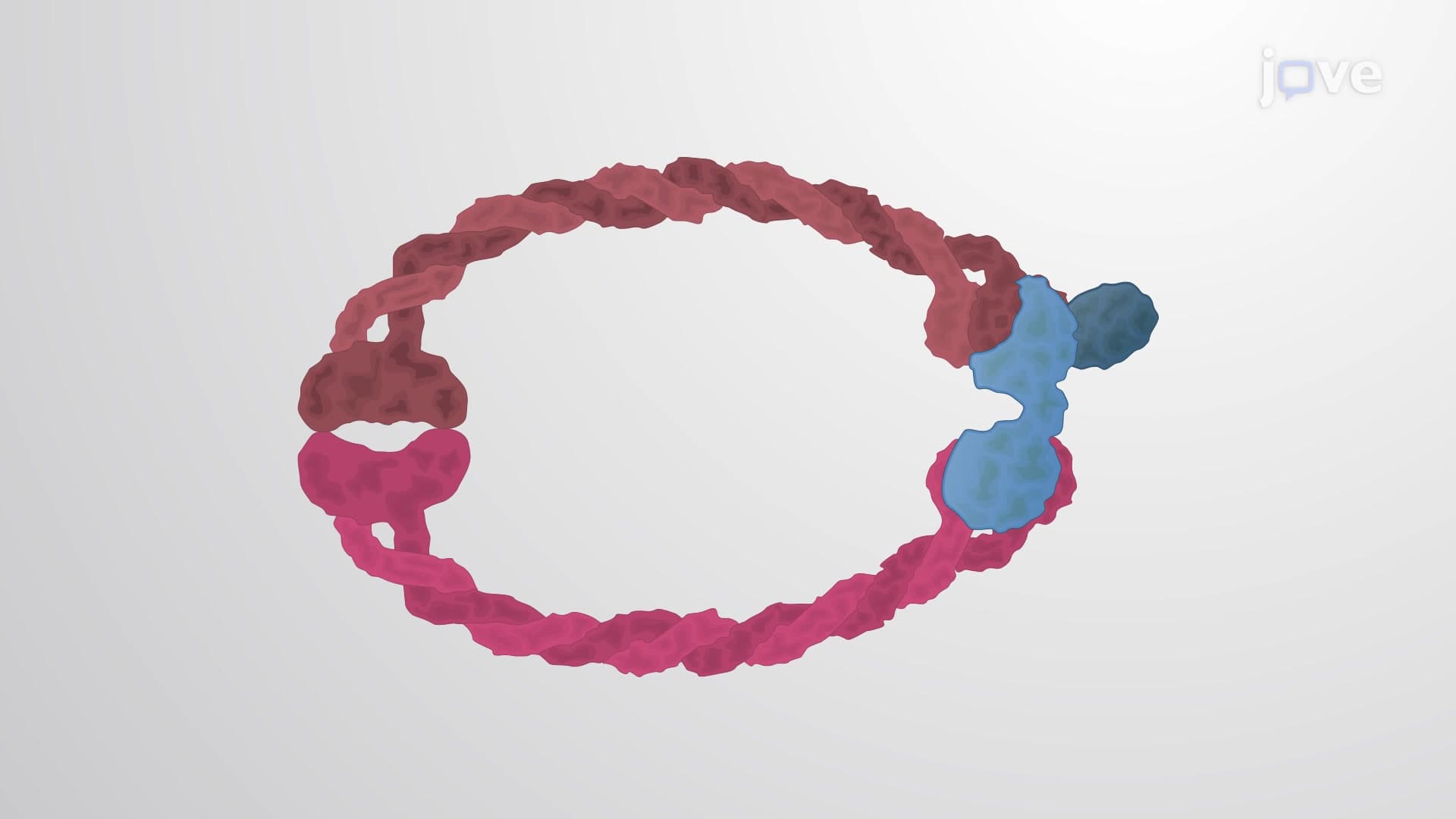
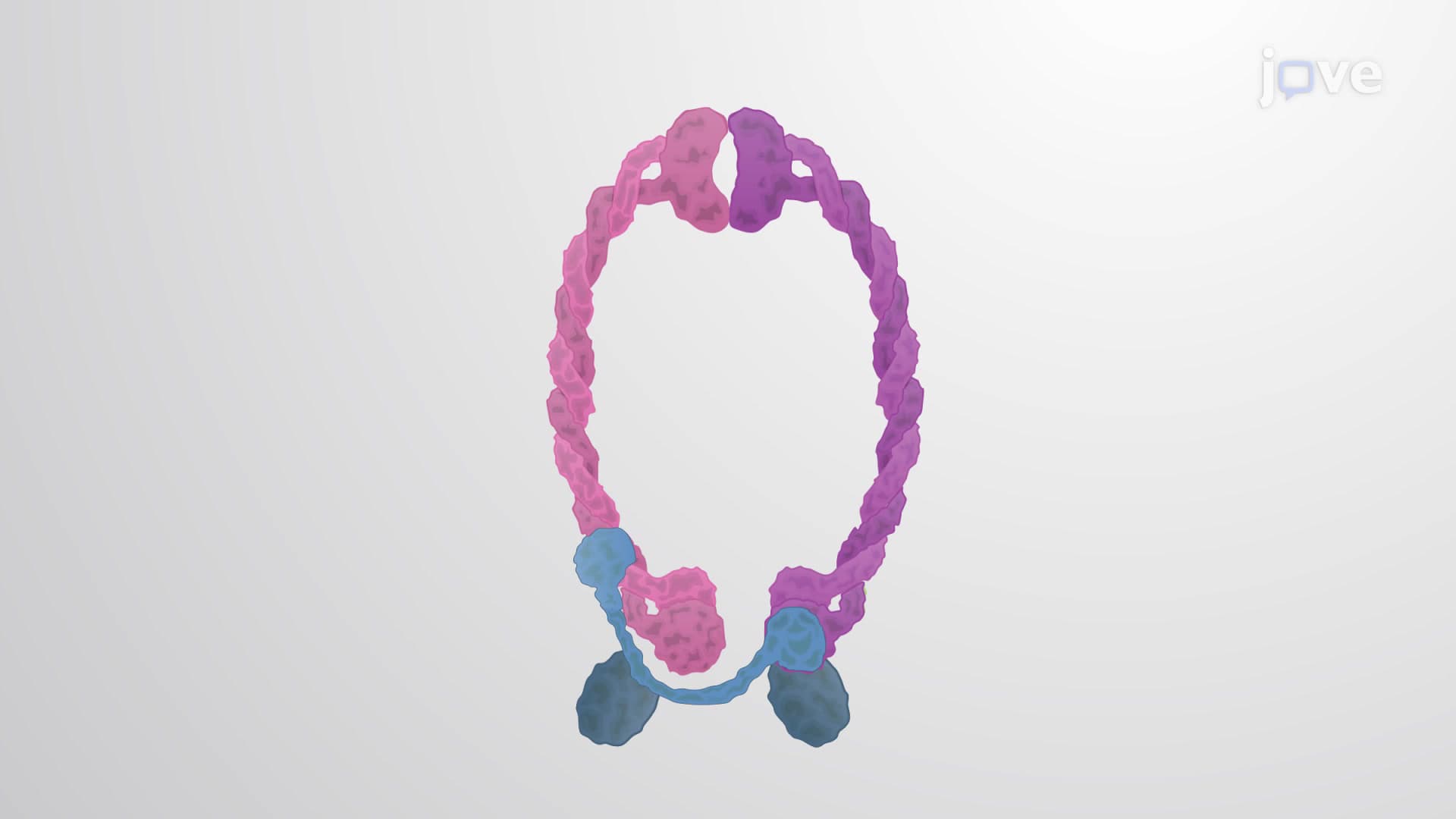
The anaphase promoting complex represents one of biology's most sophisticated molecular machines, orchestrating the precise timing of cell division events. This multi-subunit enzyme complex functions as an E3 ubiquitin ligase, essentially serving as a "molecular tag dispenser" that marks specific proteins for destruction at critical cell cycle checkpoints.
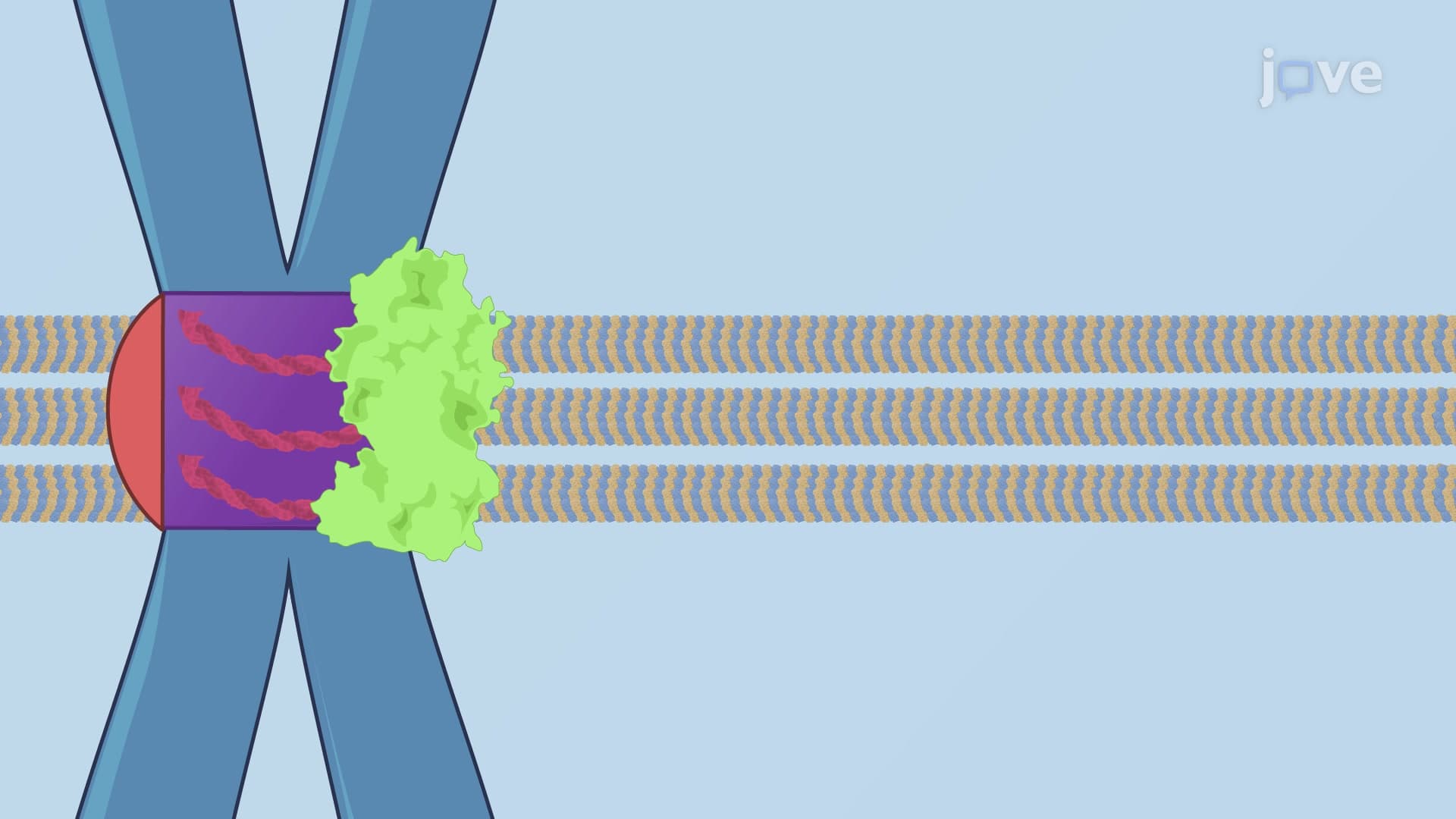
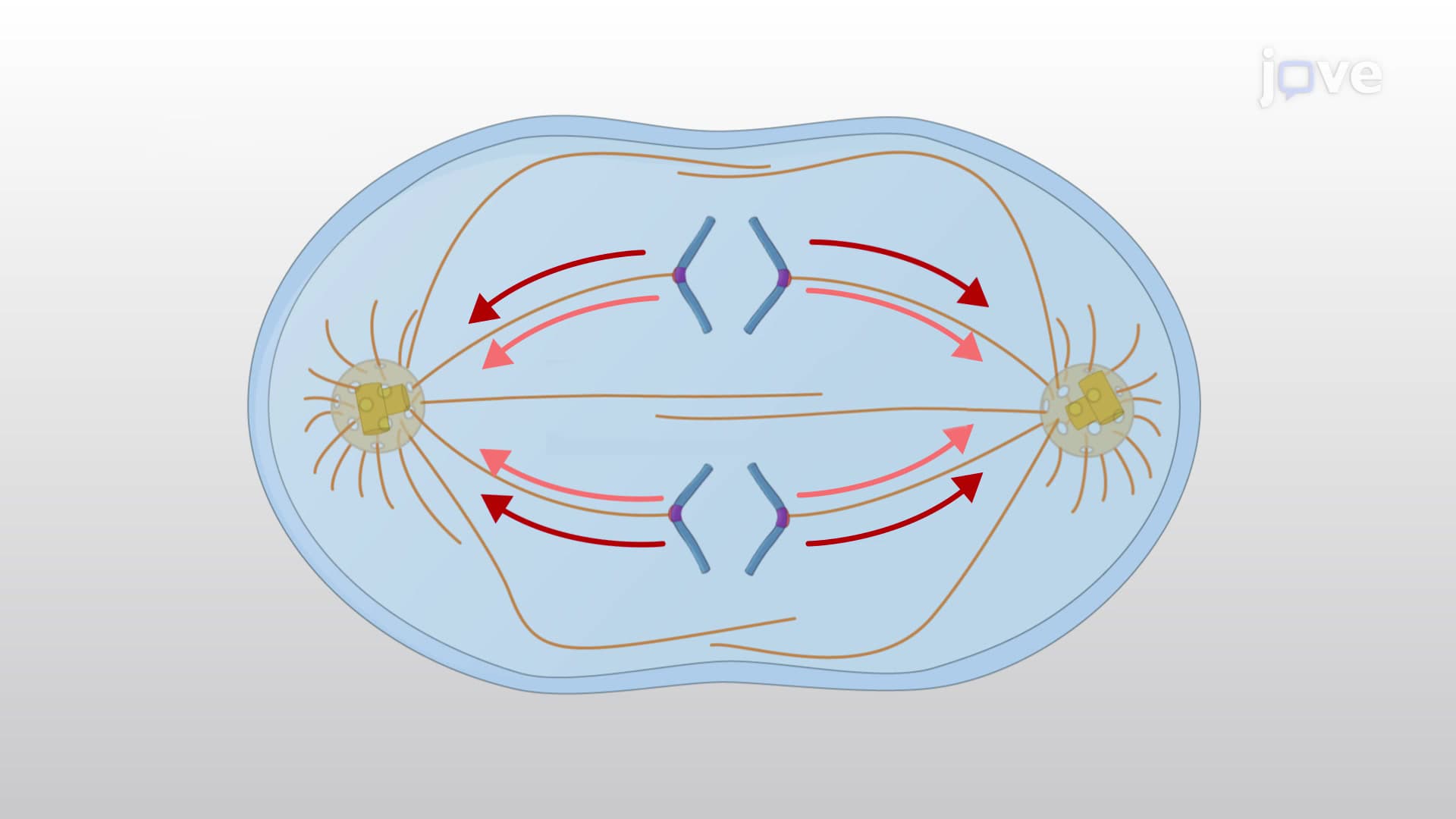
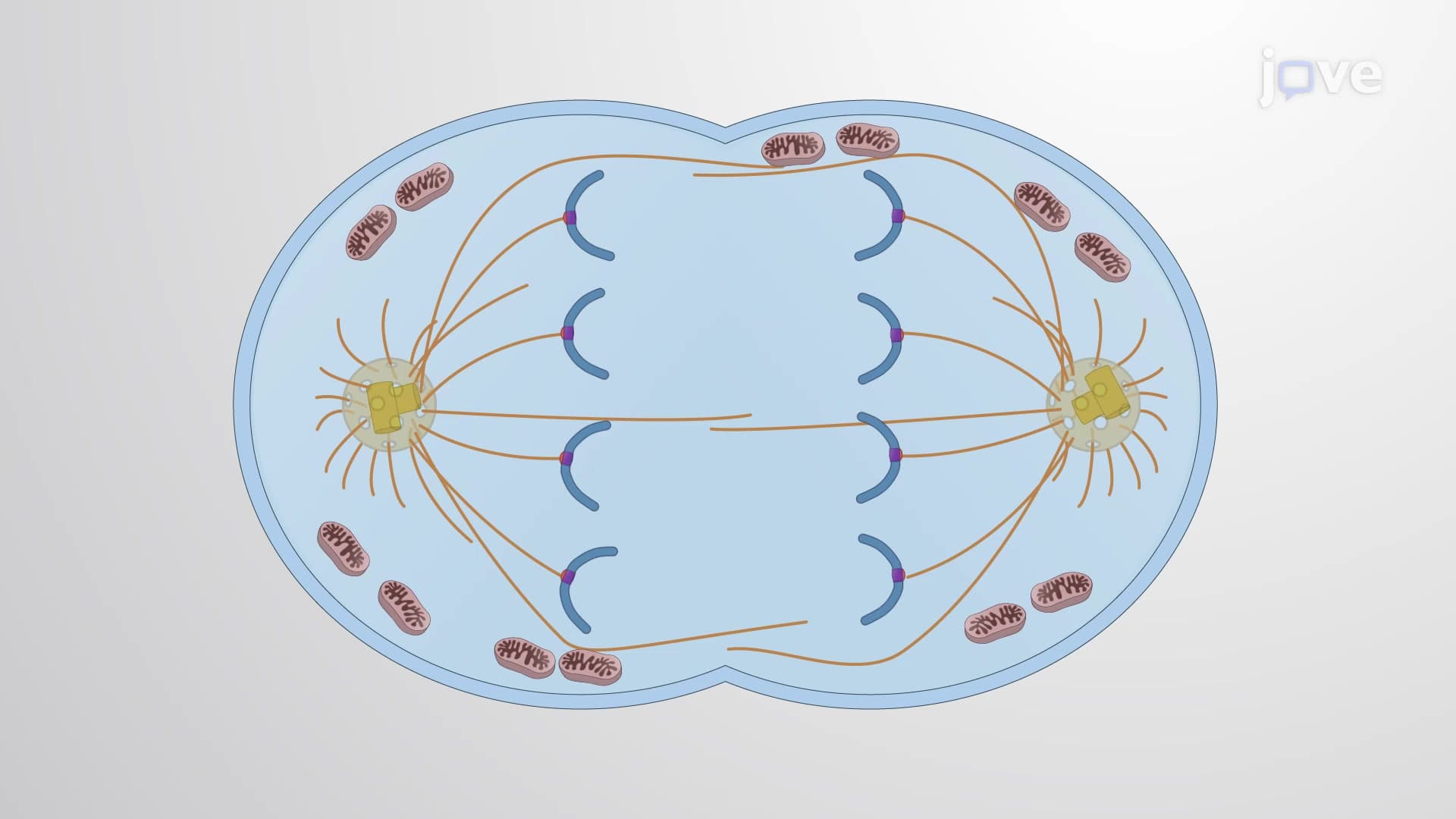
The APC/C operates through a sophisticated partnership with two key co-activators: Cdc20 and Cdh1. Think of these as specialized "targeting systems" that guide the complex to different substrates at appropriate times. During metaphase, APC/C-Cdc20 specifically targets securin proteins that normally restrain separase enzyme activity. Once securin is degraded, separase becomes active and cleaves the cohesin complexes holding sister chromatids together-triggering the dramatic chromosome separation visible under microscopes in biology labs across US high schools.
This mechanism is crucial for AP Biology students to understand, as it demonstrates how protein degradation, rather than synthesis, drives major cellular transitions. The subsequent activation of APC/C-Cdh1 maintains low cyclin B levels during G1 phase, preventing cells from prematurely entering S phase and duplicating their DNA.
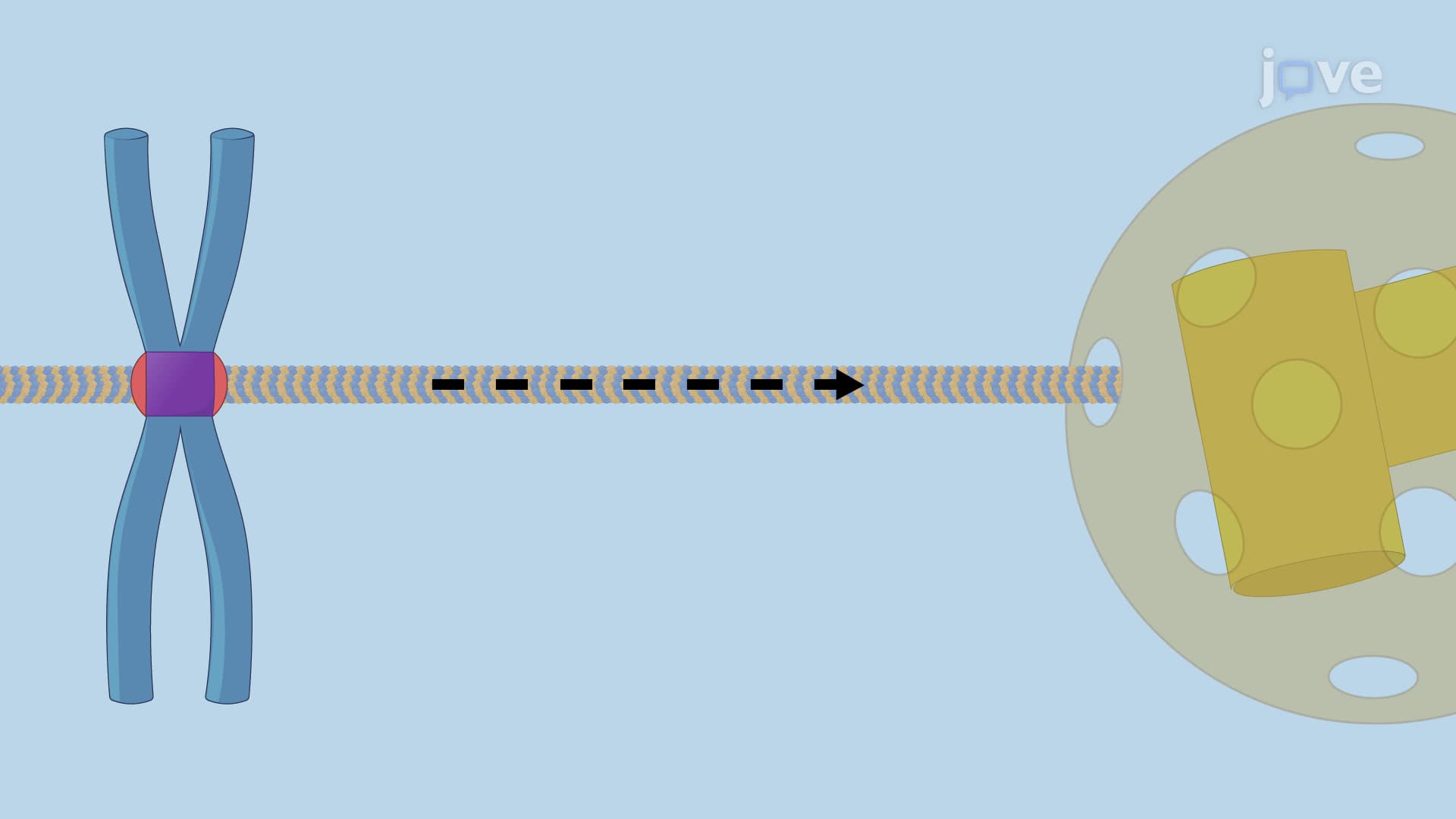
The anaphase promoting complex doesn't operate in isolation-it's intimately connected to the Spindle Assembly Checkpoint (SAC), a fail-safe system that prevents chromosome separation until every chromosome is properly attached to spindle fibers. US medical students studying for the MCAT encounter this concept when learning how cellular quality control prevents aneuploidy (abnormal chromosome numbers) that characterizes many cancers.
At research institutions like Johns Hopkins and Stanford, scientists have discovered that SAC proteins directly inhibit APC/C-Cdc20 activity until proper spindle attachment is achieved. This represents a beautiful example of negative regulation-the checkpoint essentially holds the "stop" signal until receiving an "all clear" from the spindle apparatus.
Understanding APC/C function has profound implications for cancer research and therapy development. When this complex malfunctions, cells can progress through mitosis with improperly attached chromosomes, leading to the chromosomal instability characteristic of tumor cells. Major US pharmaceutical companies are investigating APC/C components as potential therapeutic targets, particularly in cancers where traditional chemotherapy approaches have limited effectiveness.
Related Micro-courses