Loading video…


 17 Concepts
 37.9K views

Video Summary: What Is Spindle Assembly
Every second, millions of cells in your body must perfectly divide their chromosomes-one mistake can lead to cancer. Spindle assembly is the remarkable cellular process that builds the microscopic machinery responsible for accurate chromosome separation during cell division. When researchers at Johns Hopkins University study cancer cells, they often find defects in this precise molecular choreography. Understanding what spindle assembly involves reveals how cells maintain genetic stability and why errors in this process contribute to diseases affecting millions of Americans annually. Watch the full video on JoVE Coach to master this concept with expert-led visuals and step-by-step explanations.
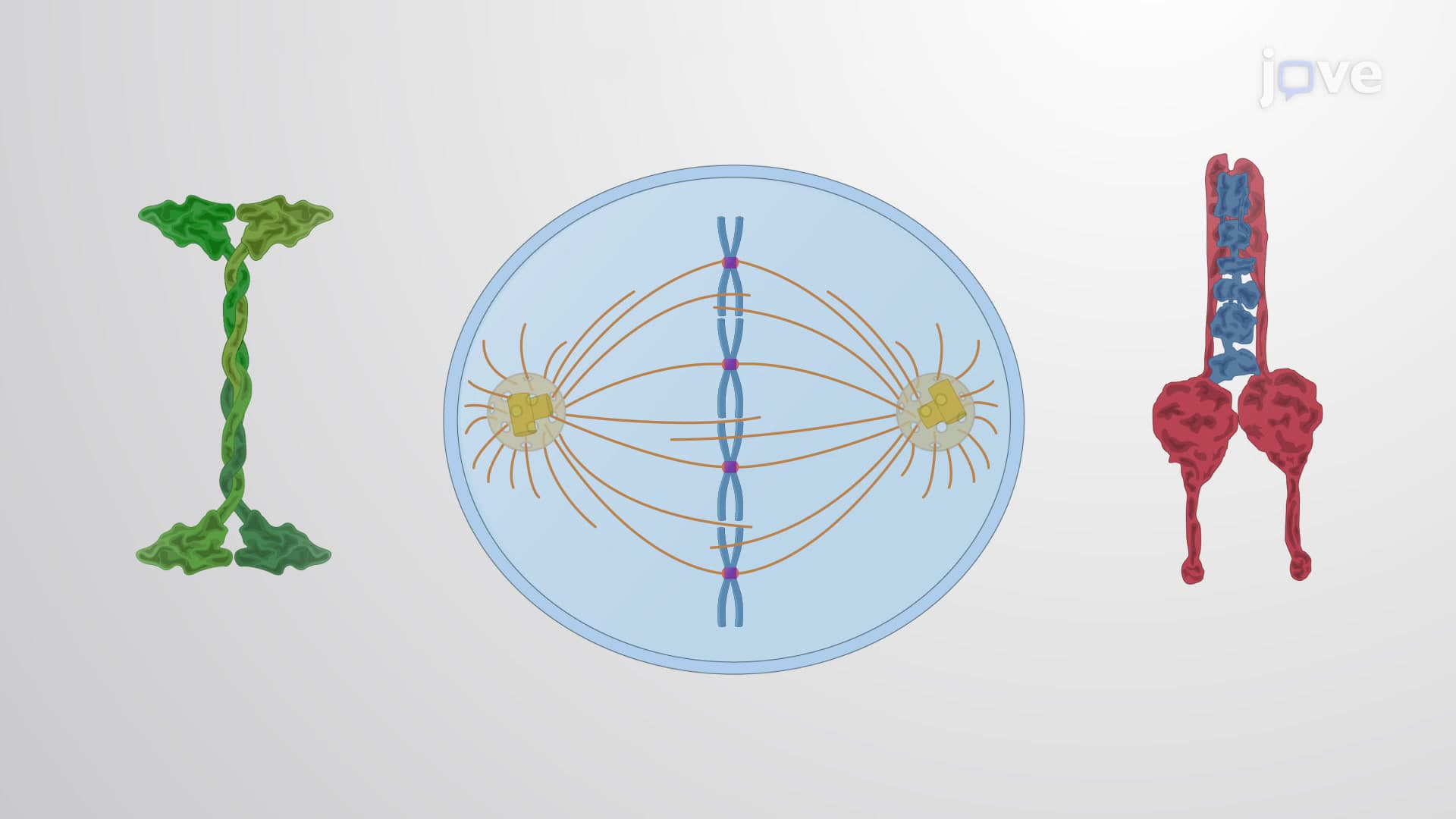
Spindle assembly represents one of biology's most precisely orchestrated processes, where cells construct a sophisticated molecular machine to distribute chromosomes equally between daughter cells. This intricate process ensures genetic continuity and prevents the chromosomal imbalances that characterize many cancers.
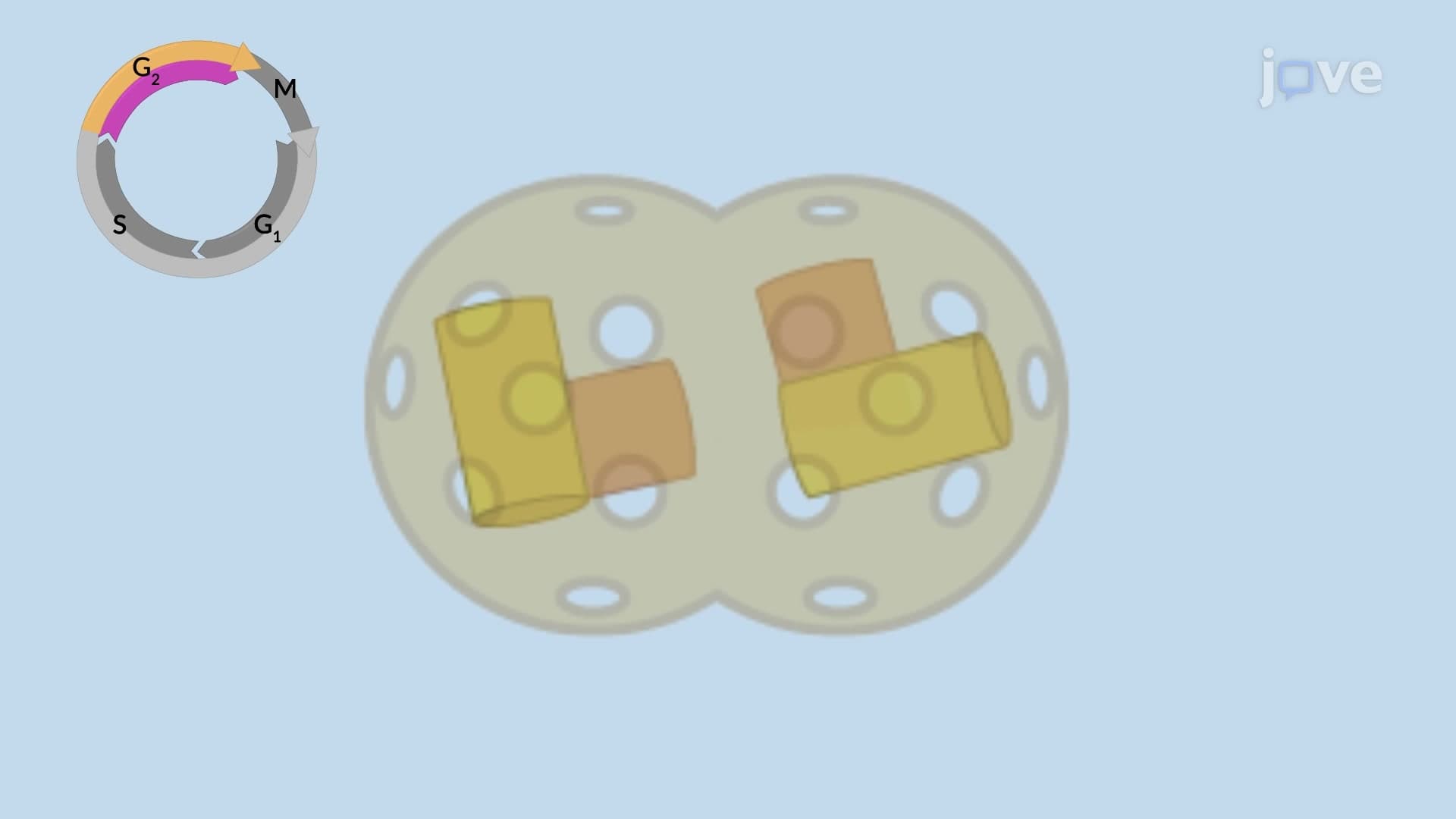
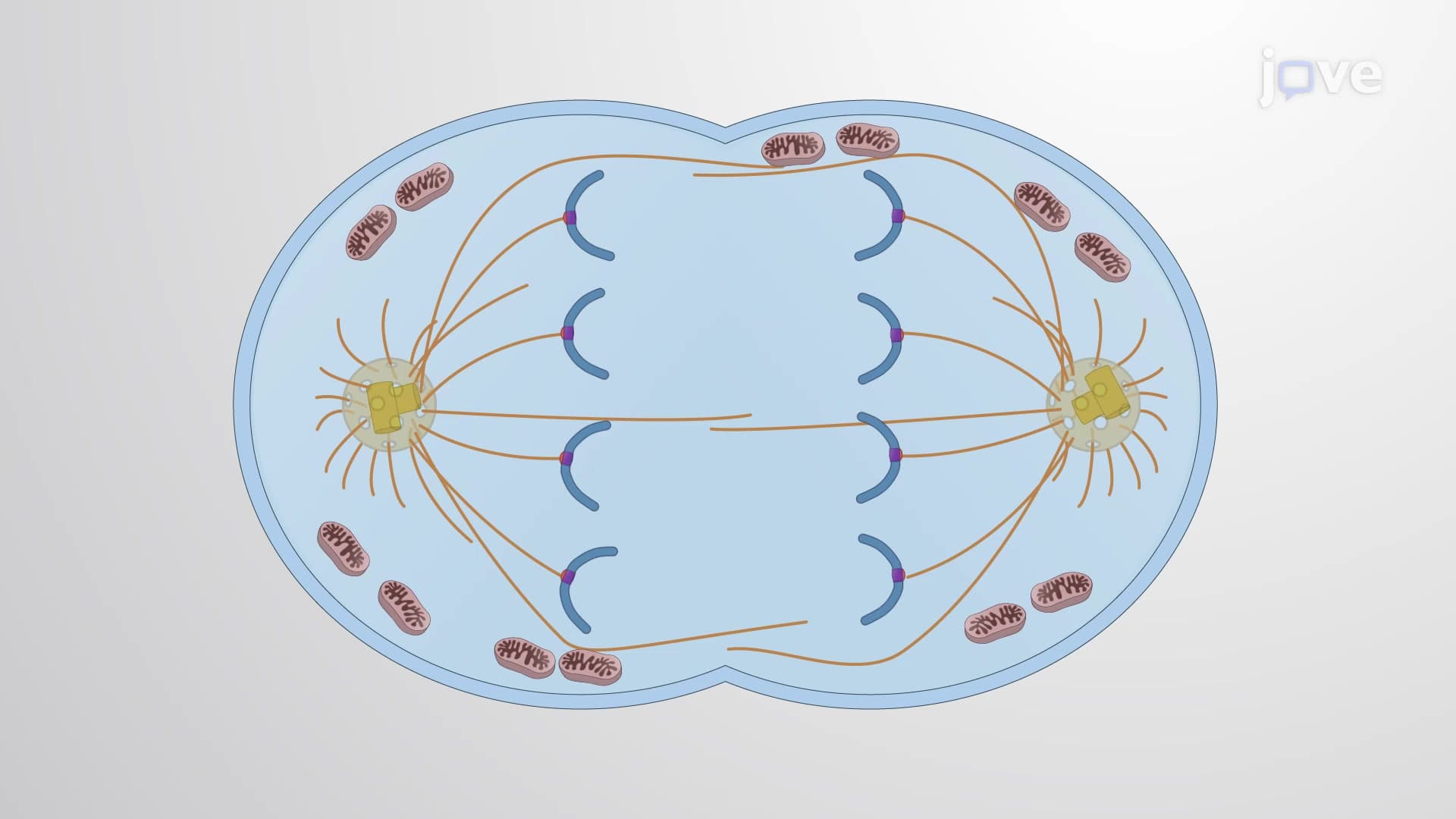
The cell employs two complementary strategies for spindle construction. The centrosome-dependent pathway utilizes these cellular organizing centers as primary microtubule nucleation sites, similar to how spokes radiate from a bicycle wheel's hub. Simultaneously, the chromosome-mediated pathway generates microtubules directly around chromosomes through the action of RanGTP, a molecular signal that creates a local environment favorable for microtubule growth. This dual approach provides redundancy-critical when cellular survival depends on perfect chromosome distribution.
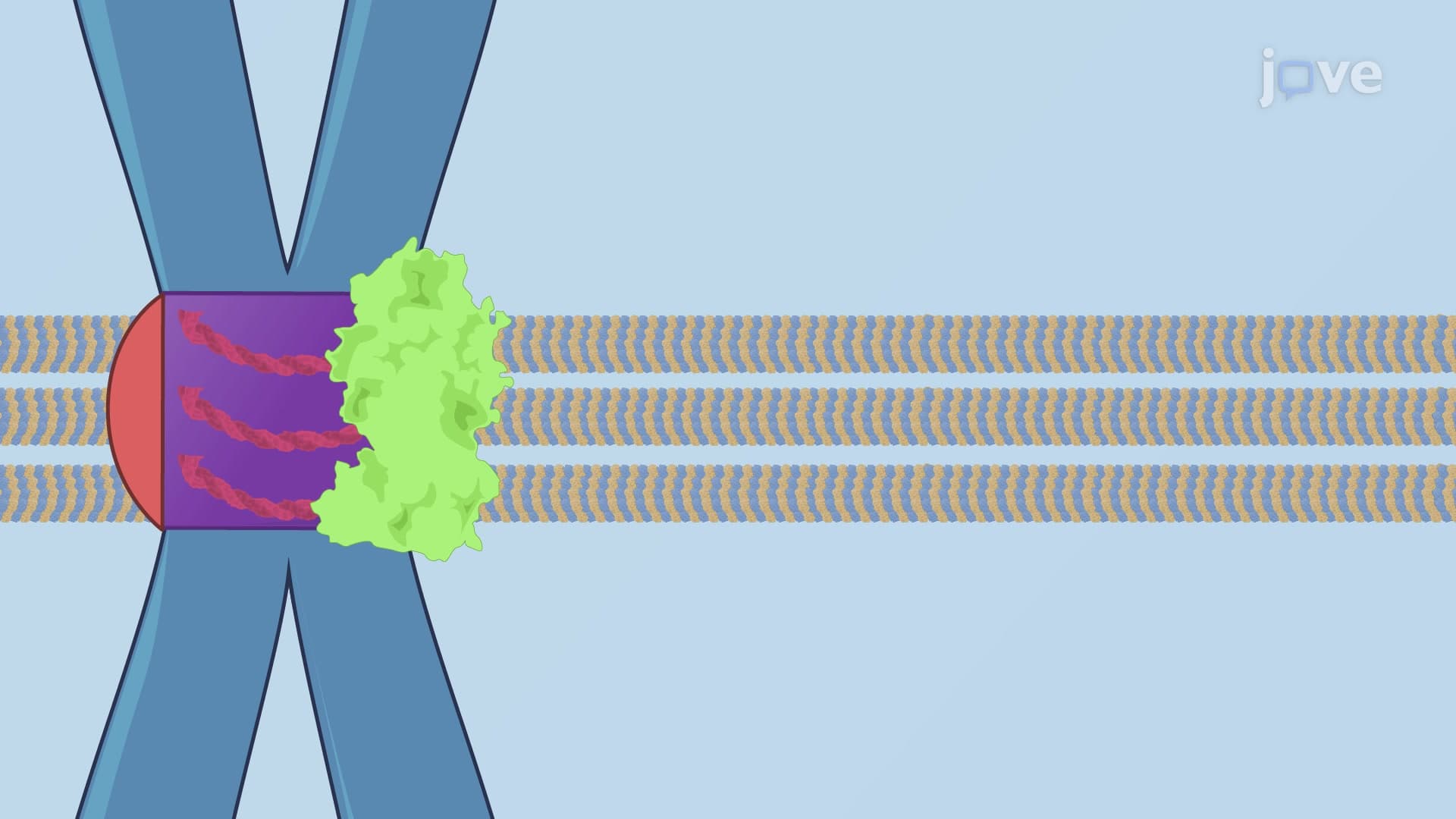
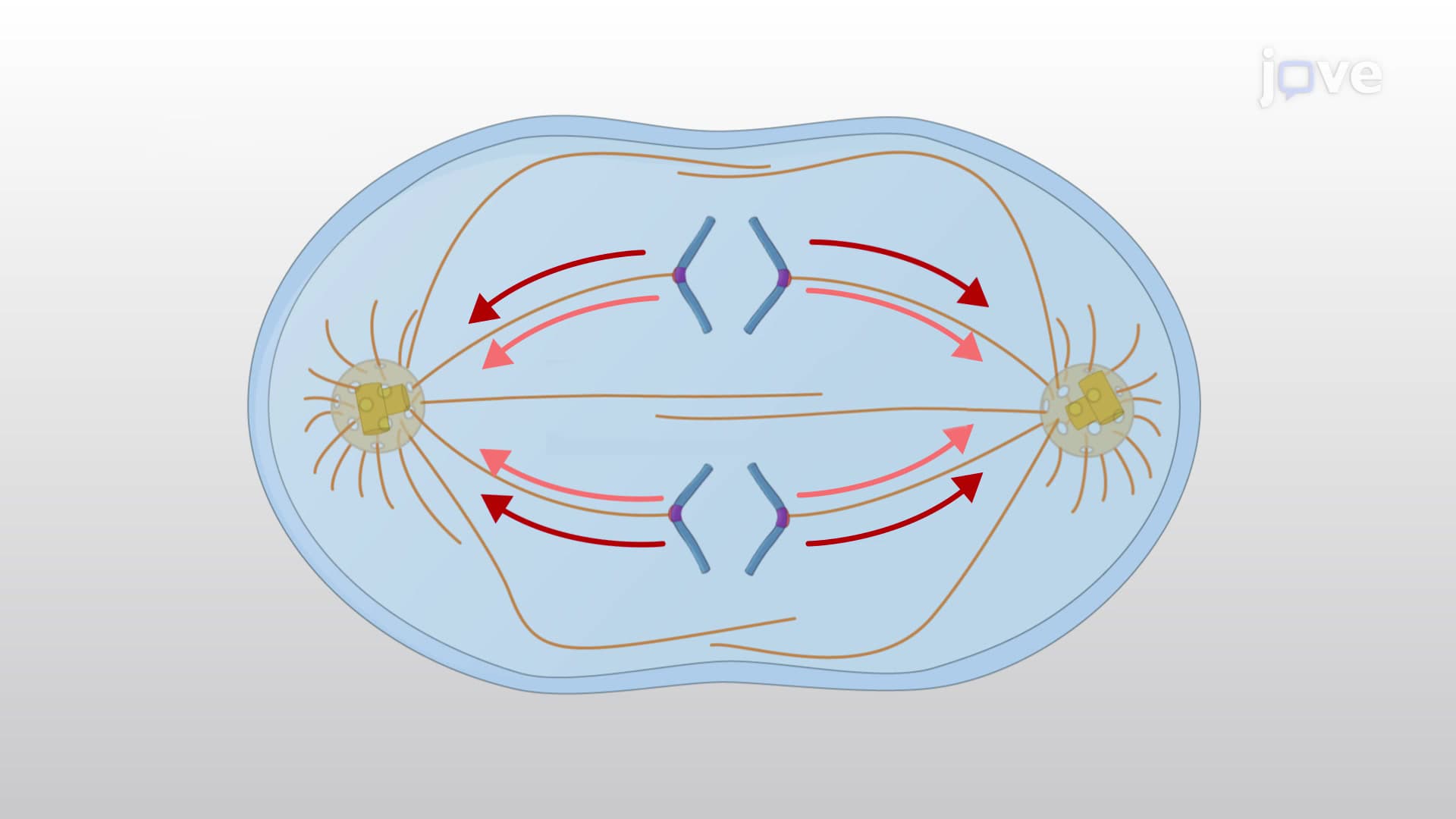
Motor proteins function as the spindle's construction workers, each with specialized roles. Kinesin-5 motors act like molecular crosslinks, sliding antiparallel microtubules apart to establish spindle bipolarity. Meanwhile, dynein motors help focus spindle poles and position centrosomes. These proteins work against the natural tendency of microtubules to form chaotic arrays, instead creating the organized bipolar structure essential for chromosome segregation.
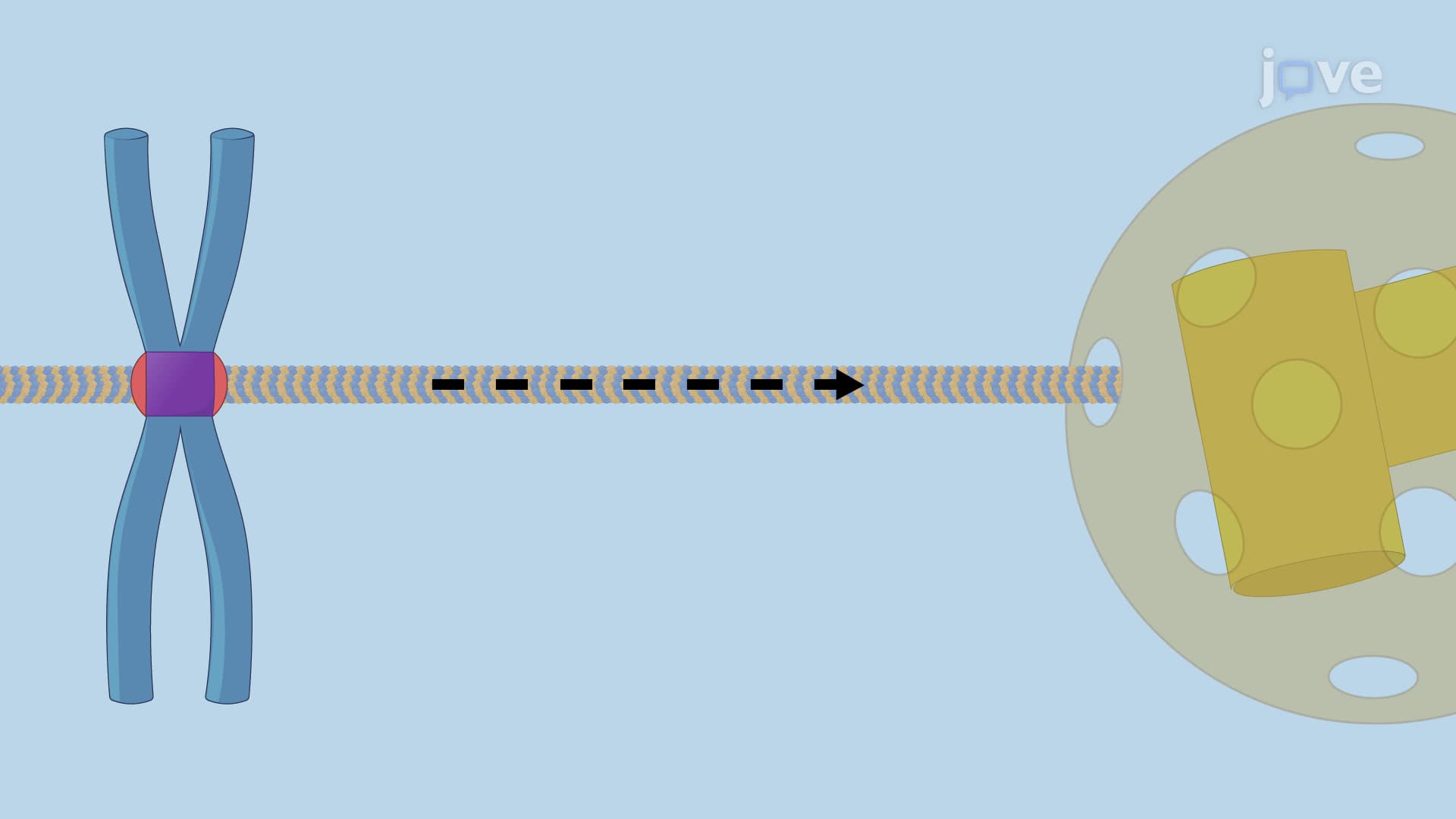
Perhaps most remarkably, cells possess an internal quality control system-the spindle assembly checkpoint-that monitors spindle assembly progress. This checkpoint prevents cell division until every chromosome properly attaches to spindle microtubules from opposite poles. Students preparing for the MCAT or AP Biology exams should understand that checkpoint failure often underlies the chromosomal instability seen in cancer cells, making this knowledge clinically relevant for future healthcare professionals.
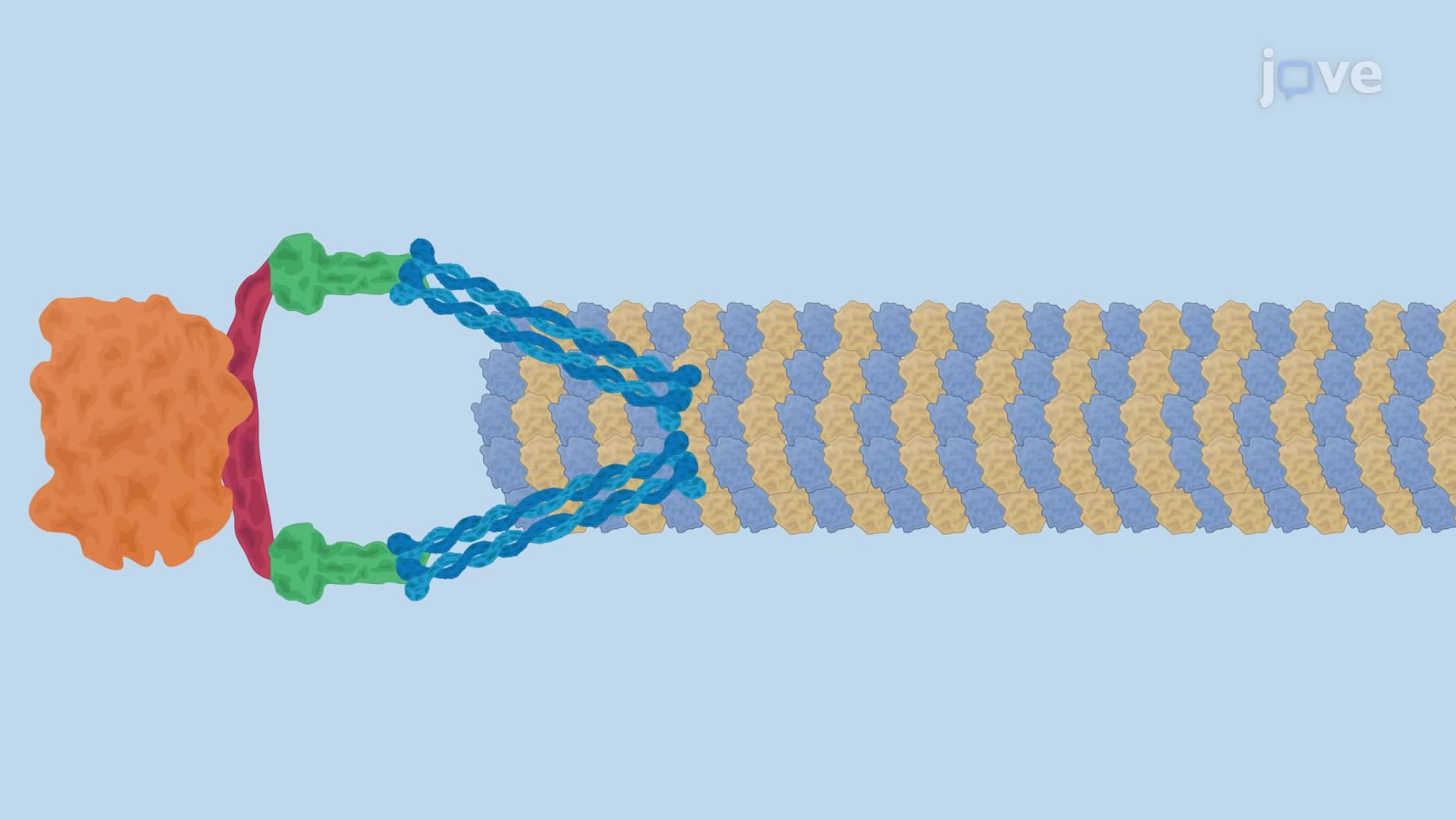
The dynamic nature of microtubules, constantly growing and shrinking through "dynamic instability," allows the spindle to search and capture chromosomes efficiently. This process, studied extensively at institutions like Harvard Medical School and Stanford University, continues revealing new therapeutic targets for cancer treatment, as many chemotherapy drugs specifically disrupt spindle assembly.
Related Micro-courses