Loading video…


 17 Concepts
 37.9K views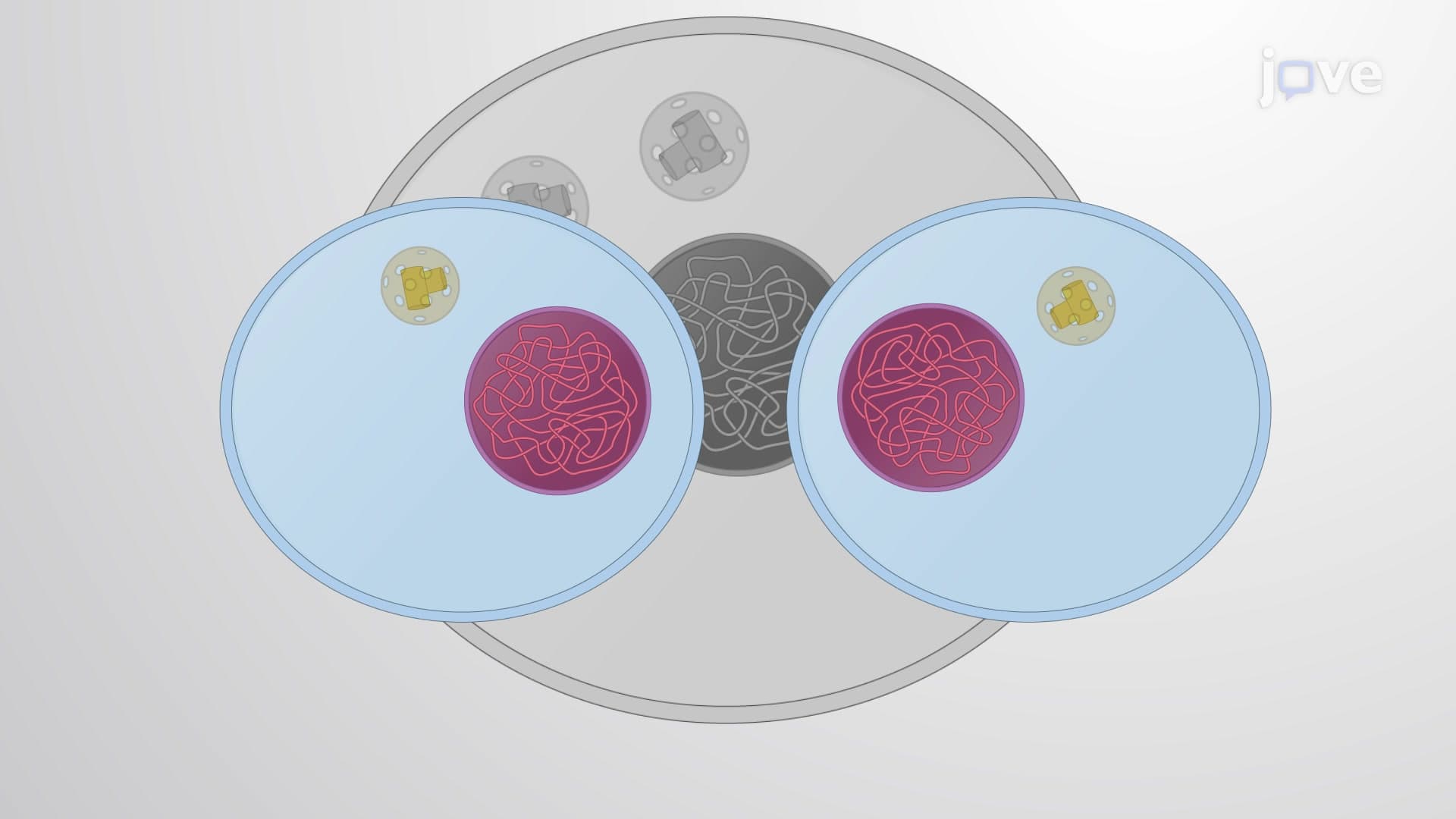

Video Summary: What Is Mitosis and Cytokinesis
Every second, millions of your cells undergo precise division to replace worn-out tissue, heal wounds, and fuel growth. Mitosis cytokinesis explained reveals how a single cell creates two identical copies through highly coordinated molecular machinery. Consider how skin cells in a healing cut must rapidly multiply while maintaining genetic fidelity-this process involves mitosis for nuclear division followed by cytokinesis for cellular splitting. Understanding what is mitosis and cytokinesis provides the foundation for grasping cancer biology, wound healing, and developmental processes studied in AP Biology and college courses. Watch the full video on JoVE Coach to master this concept with expert-led visuals and step-by-step explanations.
Mitosis and cytokinesis biology represents one of life's most fundamental processes-the ability of cells to reproduce themselves with remarkable precision. While often discussed together, these are distinct but coordinated events: mitosis handles nuclear division and chromosome distribution, while cytokinesis physically separates the cytoplasm to create two independent daughter cells.
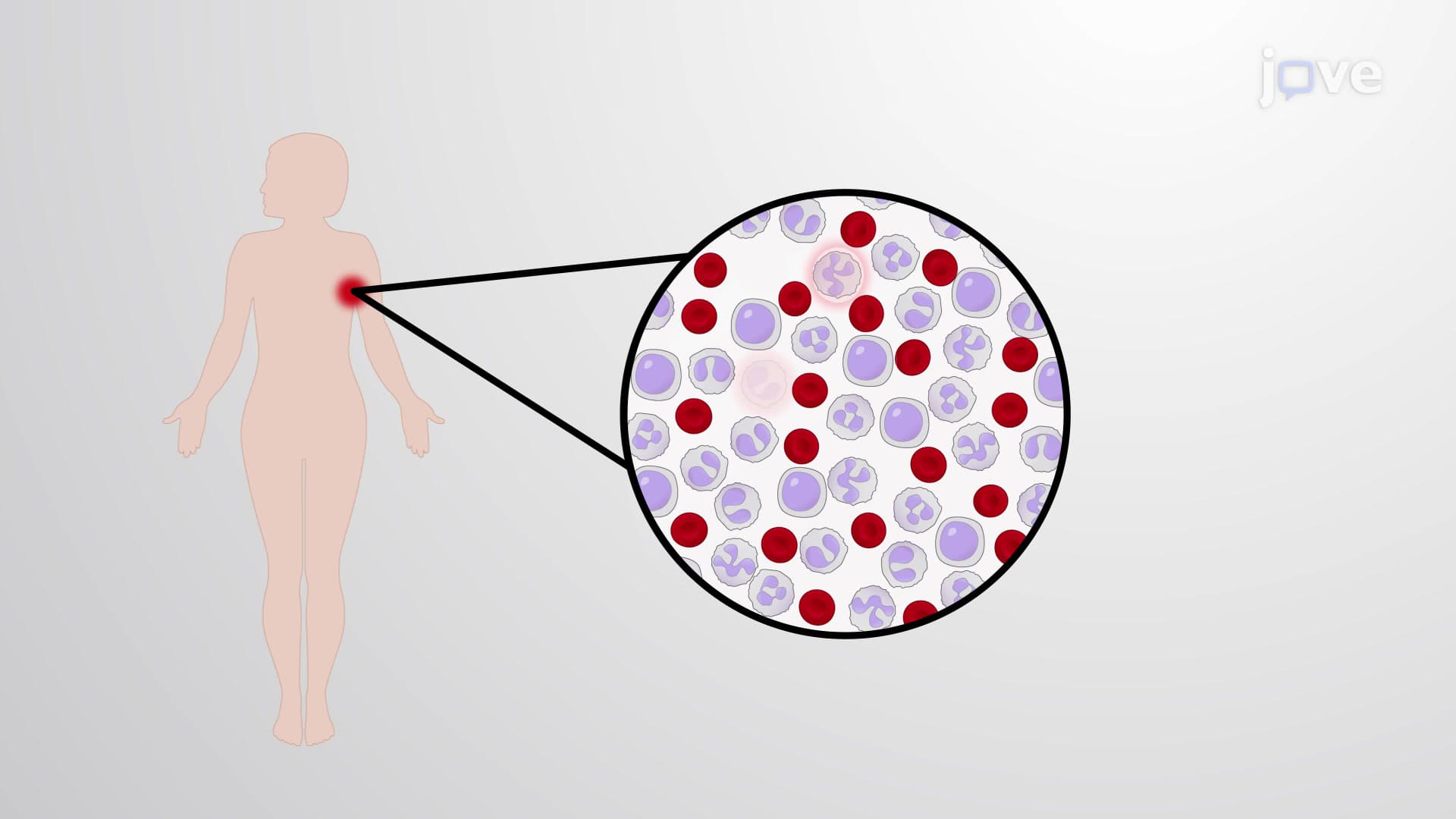
This process is essential for multicellular life. In humans, approximately 25 million cells divide every second to maintain tissue integrity, support growth during development, and facilitate wound healing. Understanding these mechanisms is crucial for students preparing for the MCAT, AP Biology exams, and college-level cell biology courses.
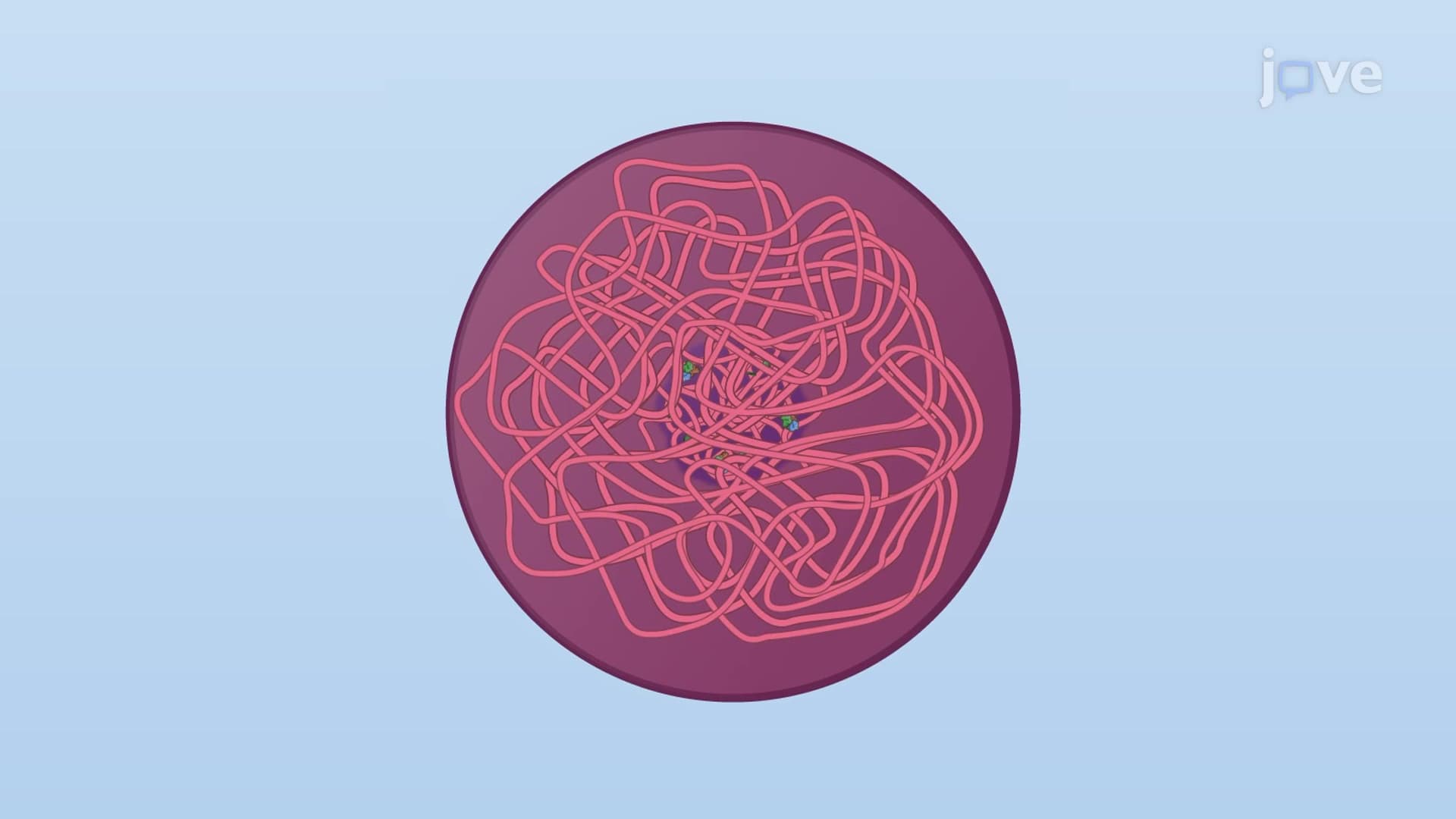
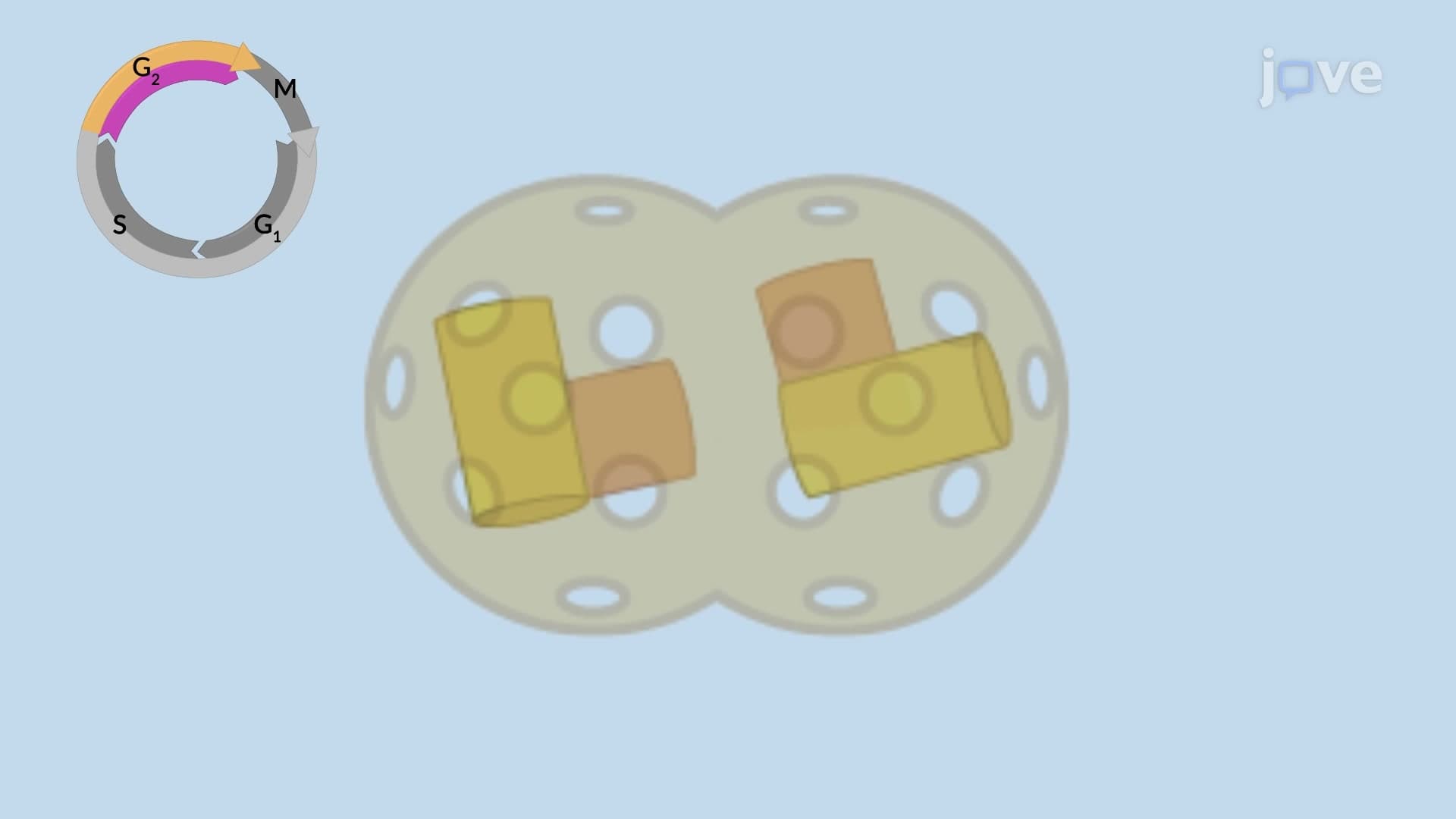
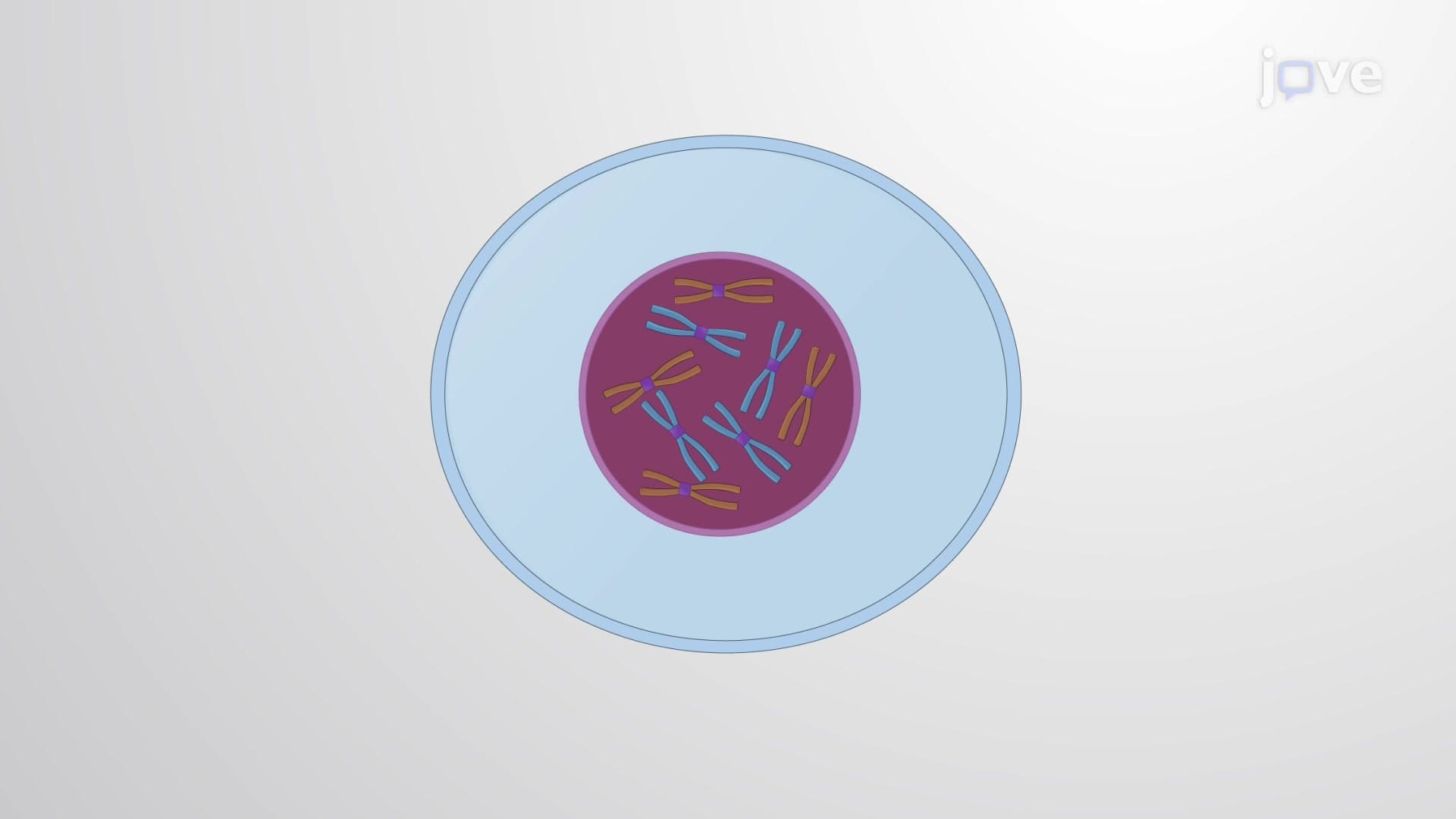
Prophase metaphase anaphase telophase represent the classical four-phase model that students encounter in standardized testing. During prophase, chromatin condenses into visible X-shaped chromosomes, each consisting of two sister chromatids joined at the centromere. Simultaneously, centrosomes migrate to opposite cell poles and begin assembling the mitotic spindle apparatus-a complex network of microtubules that will orchestrate chromosome movement.
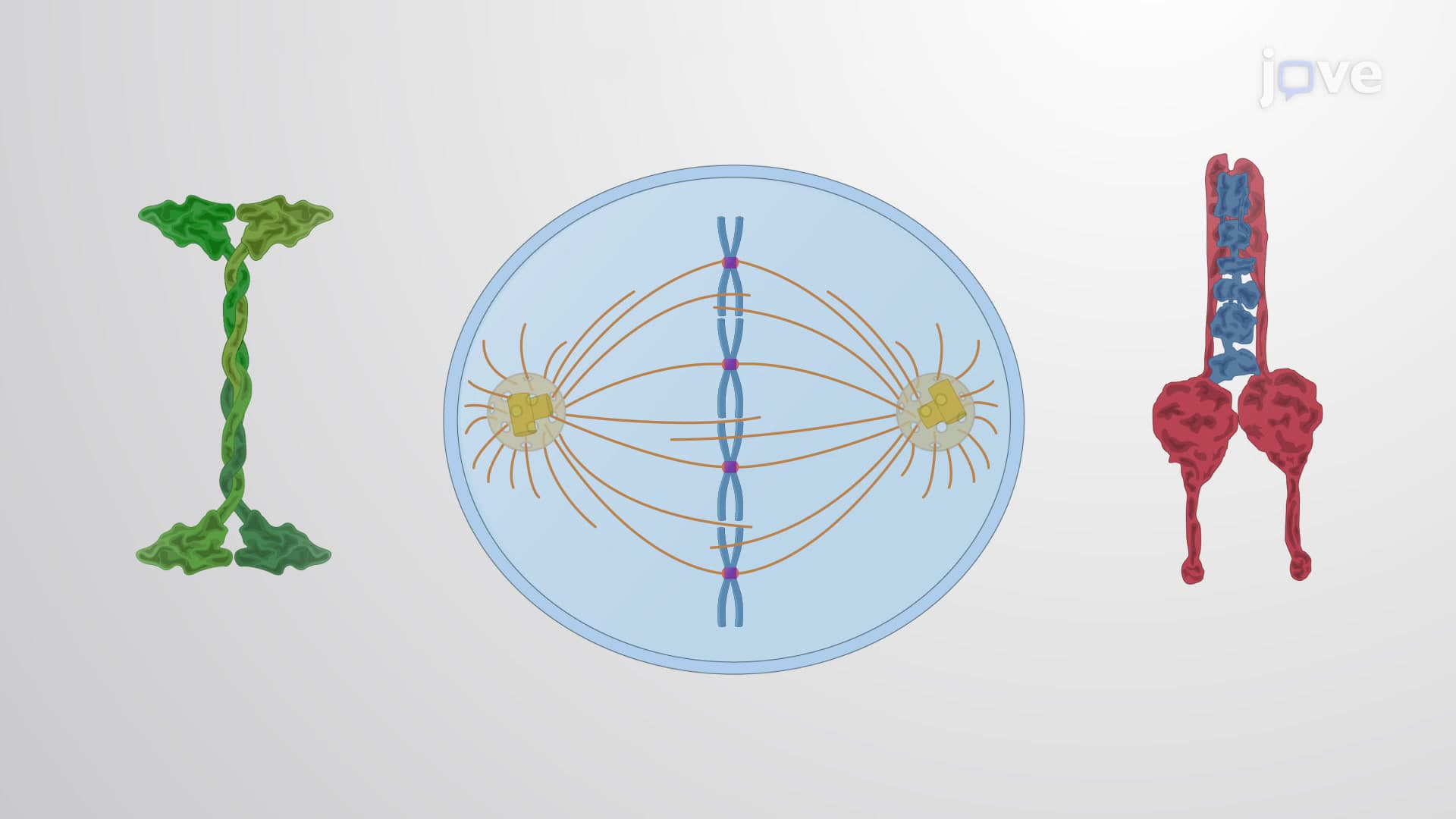
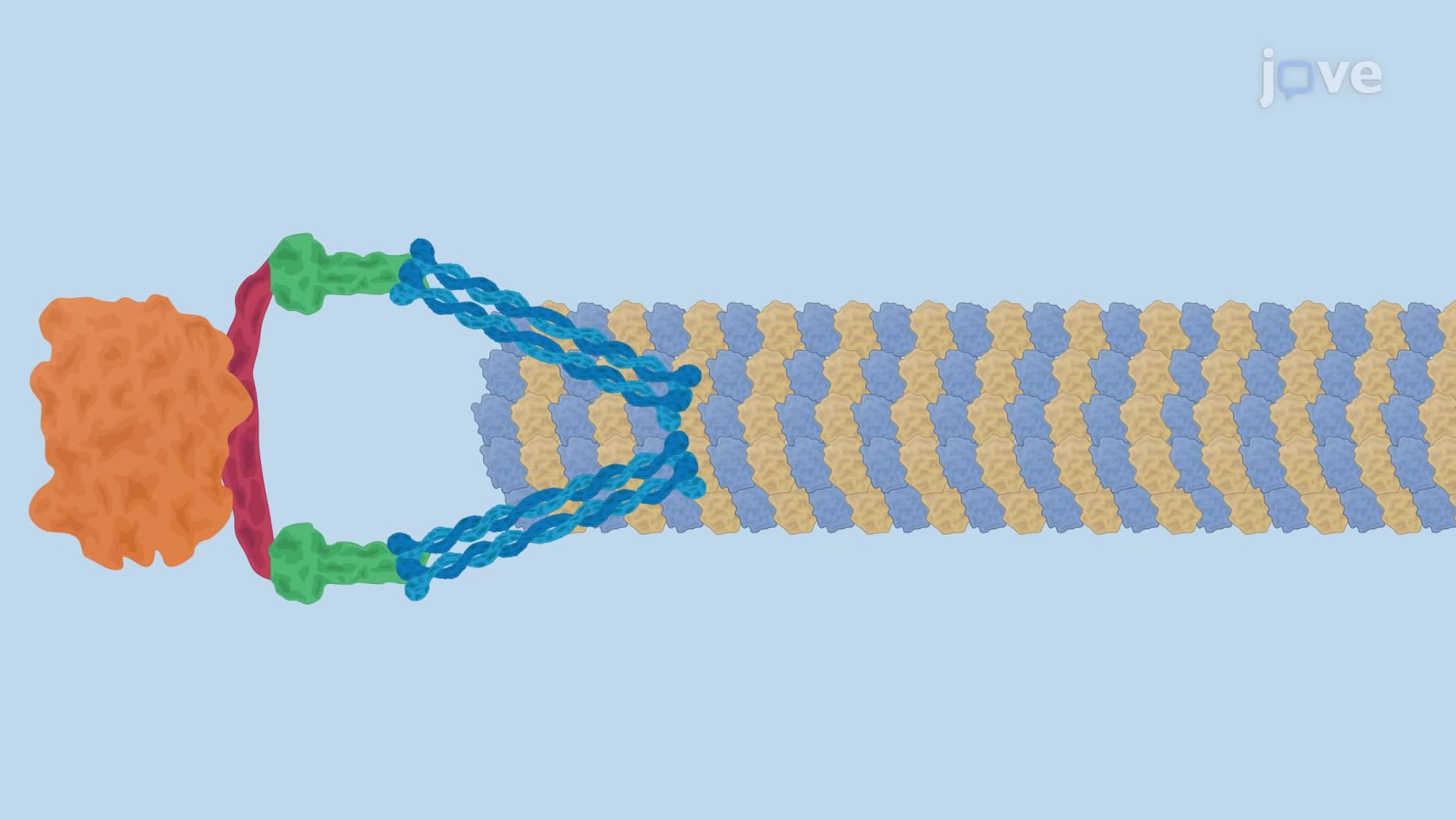
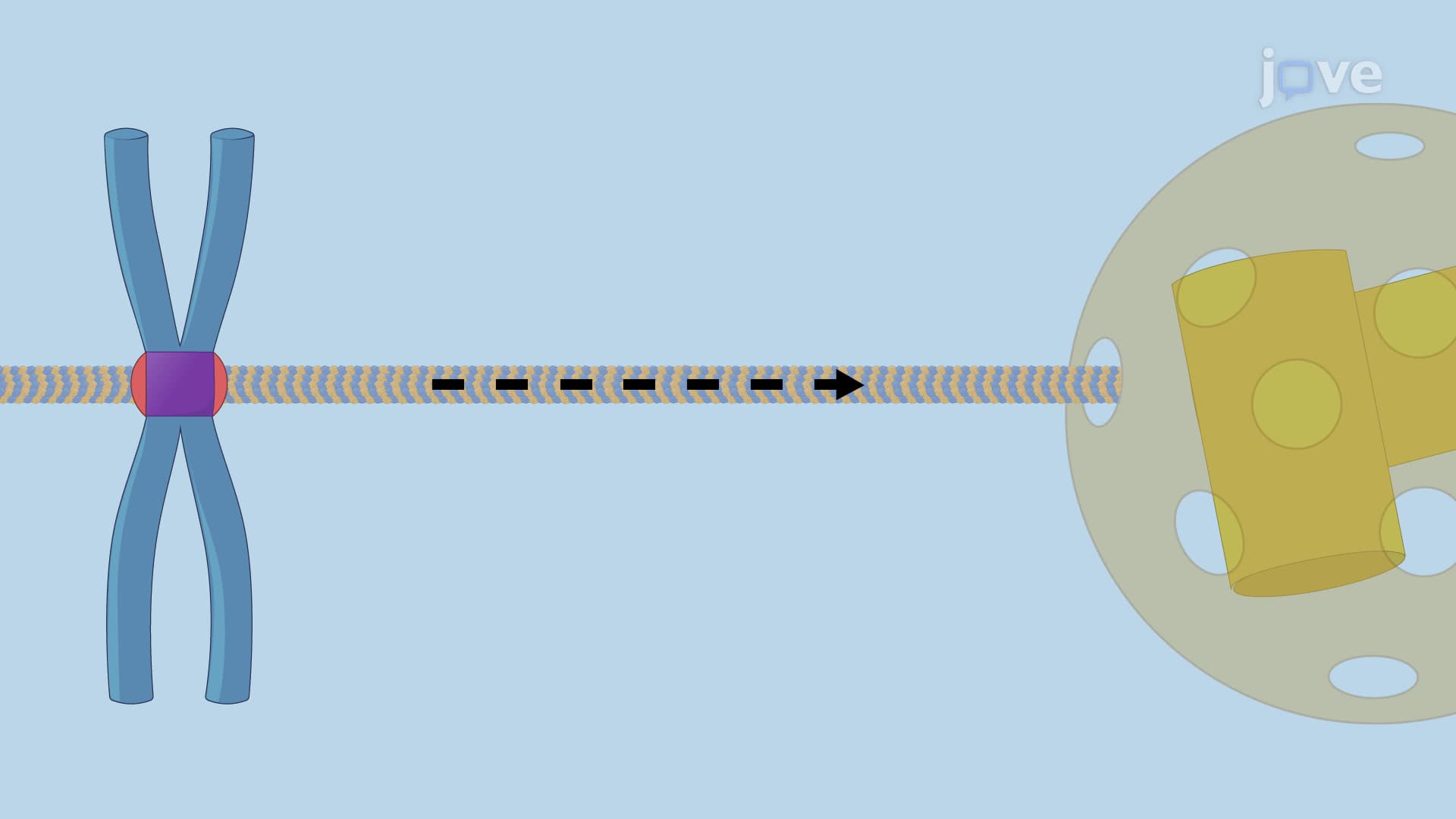
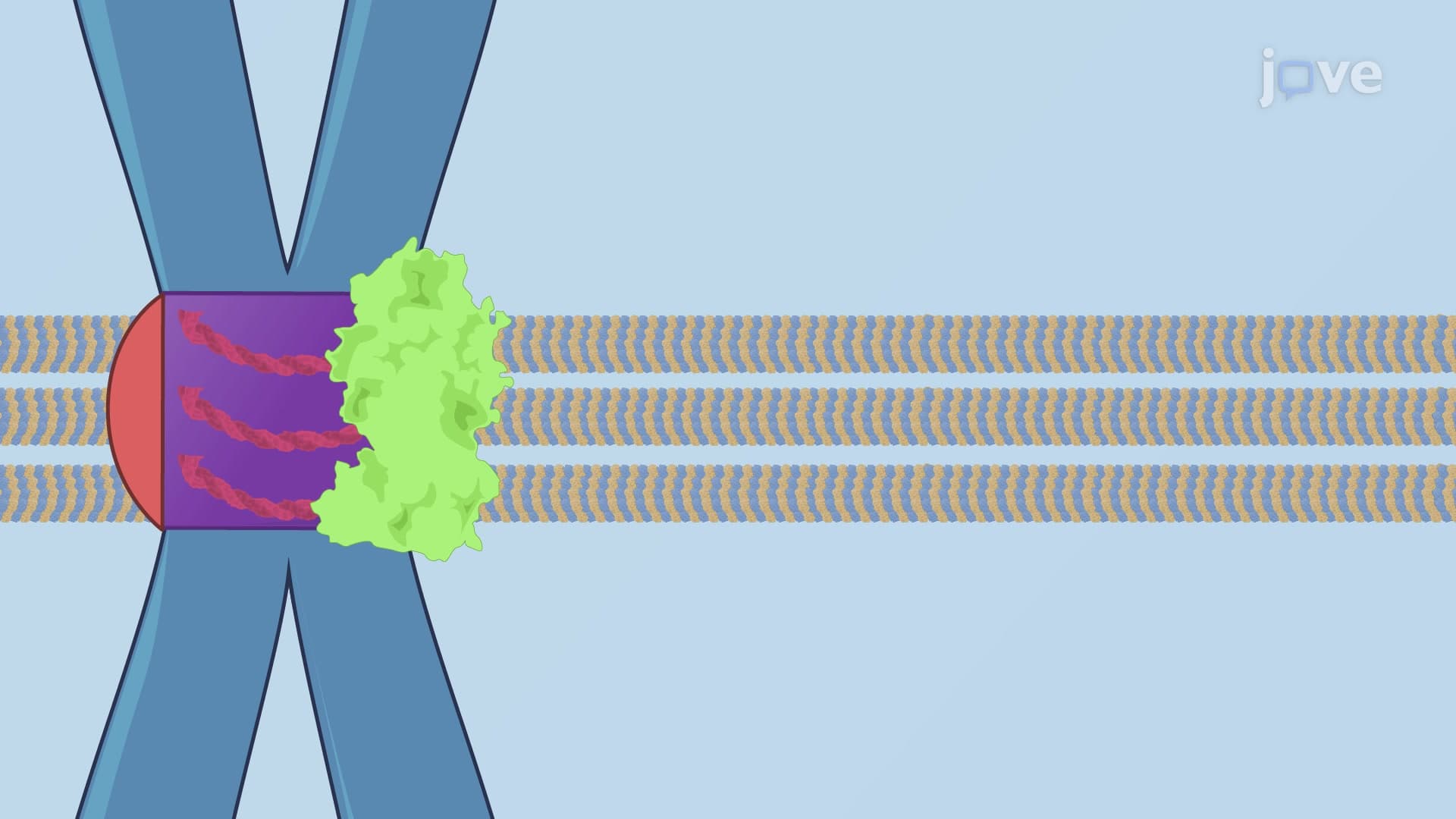
Prometaphase marks nuclear envelope breakdown and kinetochore assembly. These protein complexes serve as attachment points where spindle microtubules connect to chromosomes. Each sister chromatid develops its own kinetochore, ensuring attachment to opposite spindle poles-a critical arrangement for proper segregation.
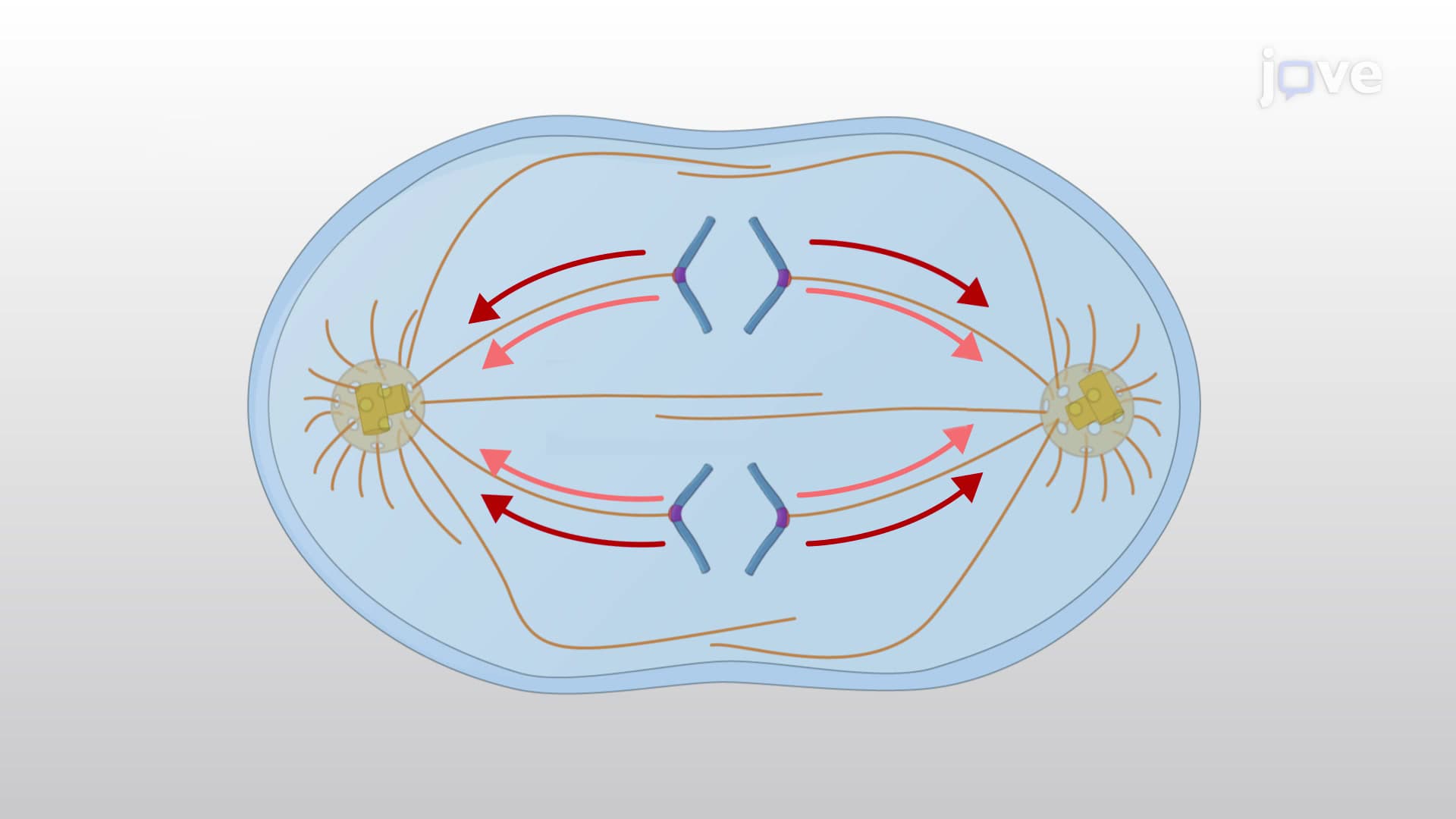
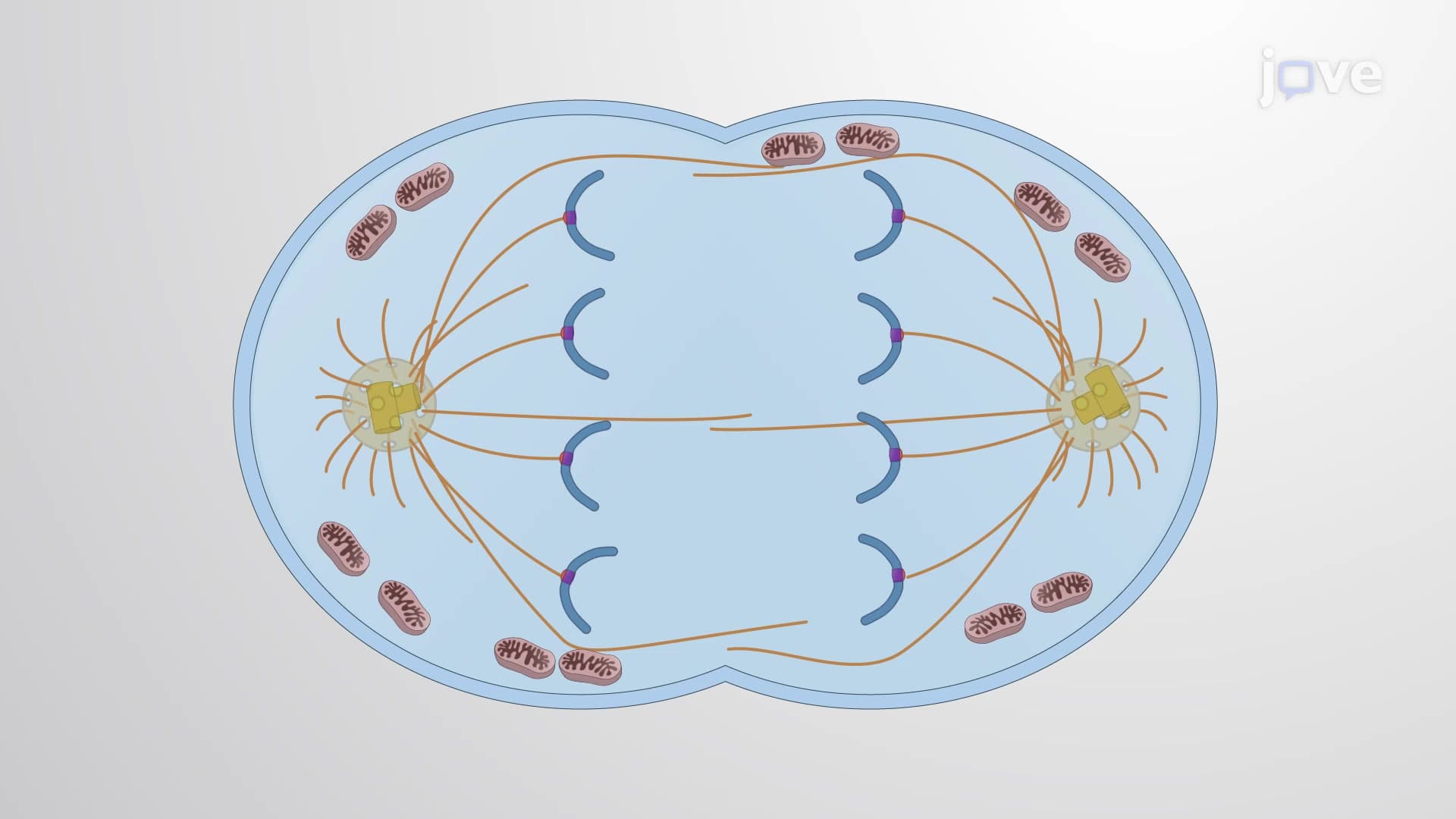
Metaphase achieves perfect chromosomal alignment at the cell's equator, forming the metaphase plate. This arrangement allows the cell cycle checkpoint machinery to verify that every chromosome has proper bipolar attachment before proceeding. In anaphase, coordinated microtubule shortening and lengthening drives sister chromatids apart while simultaneously elongating the entire cell.
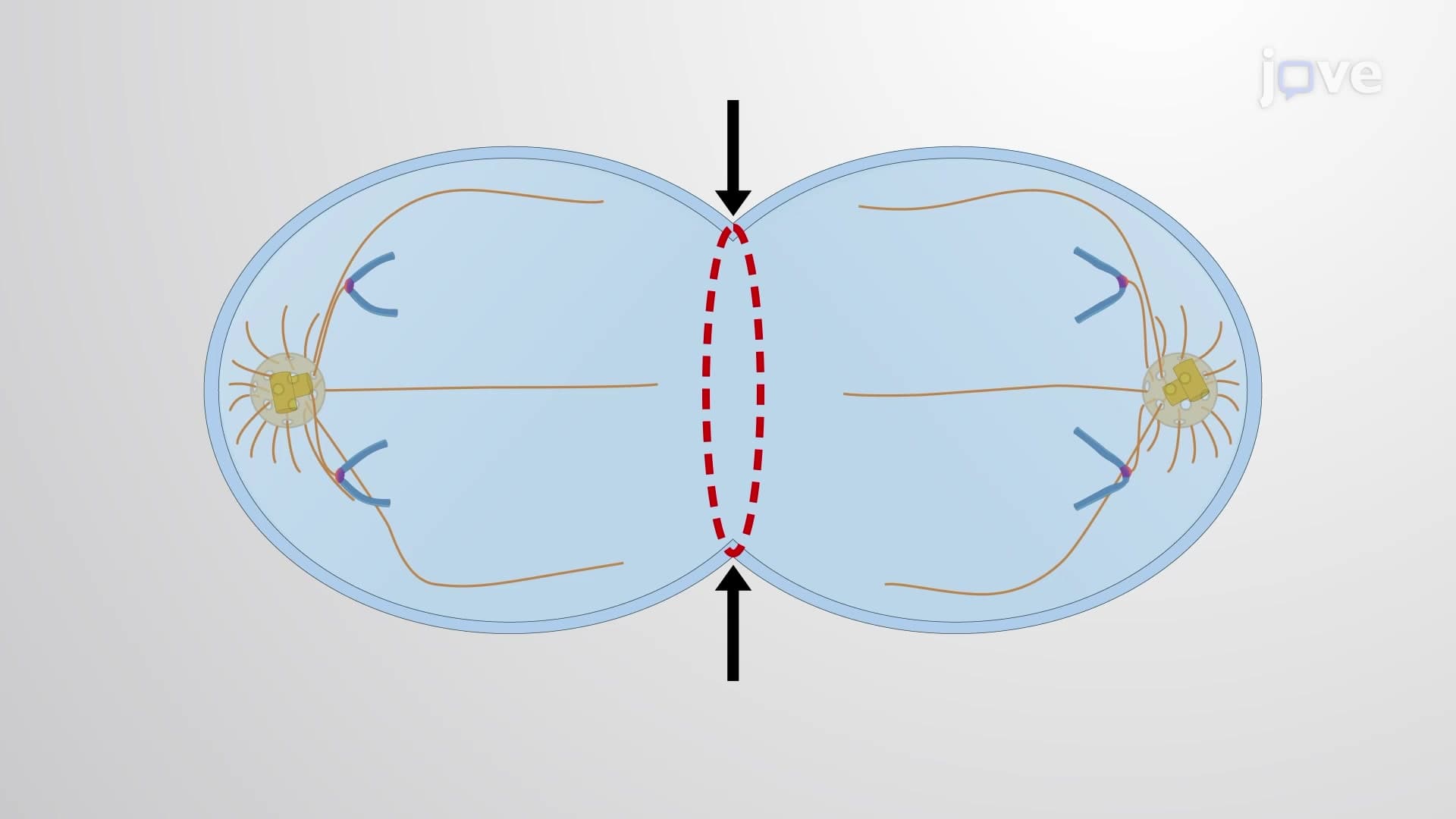
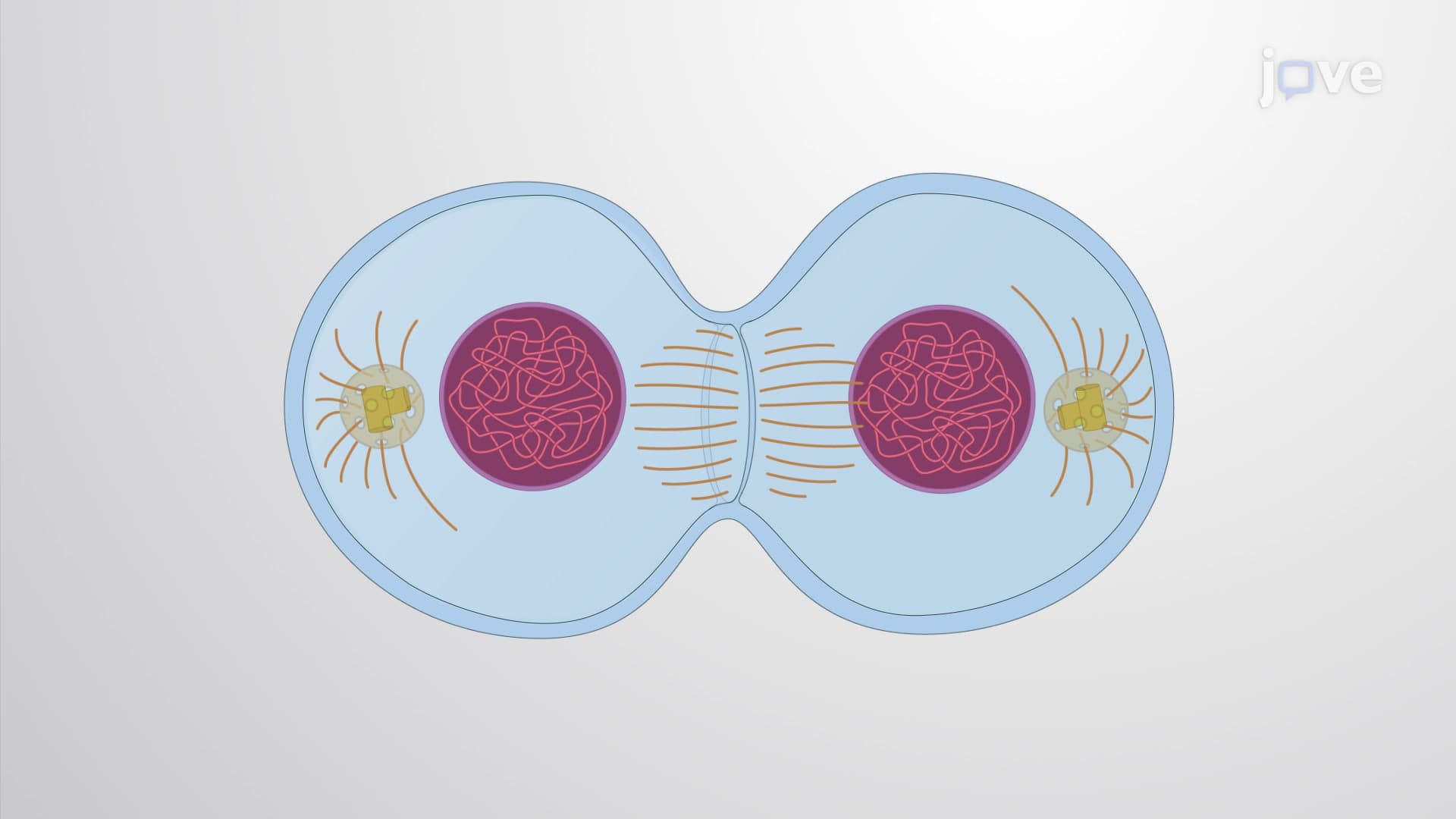
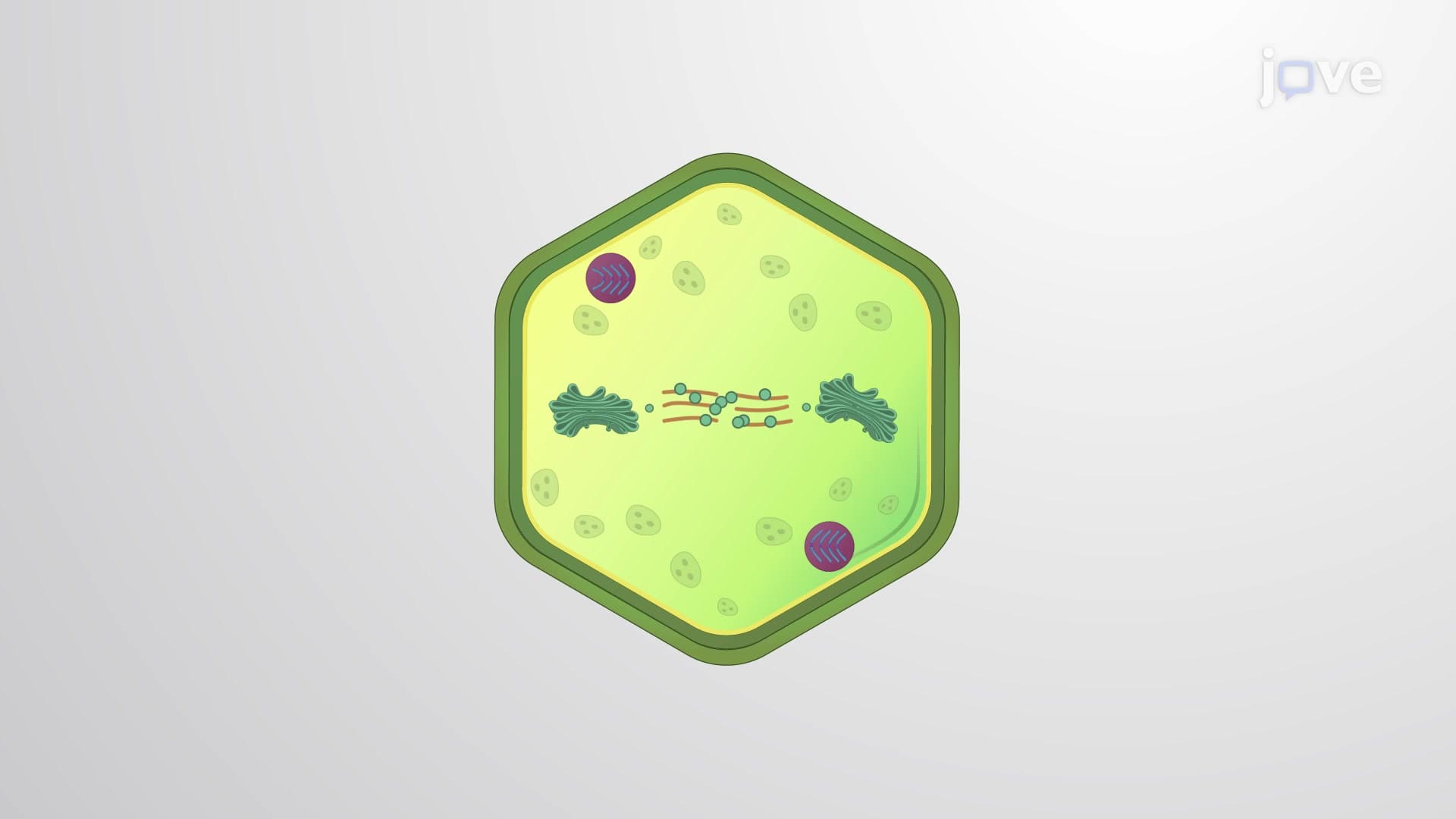
Cytokinesis cleavage furrow formation in animal cells involves contractile ring assembly beneath the plasma membrane. This ring, composed primarily of actin and myosin filaments, contracts to pinch the cell into two parts. The process differs significantly in plant cells, which synthesize new cell wall material from the center outward, creating a cell plate that eventually fuses with the existing cell wall.
Chromosome segregation mitosis errors contribute to various human diseases. Nondisjunction events can cause aneuploidy, leading to conditions like Down syndrome. Cancer cells often exhibit mitotic abnormalities, making cell division machinery an important therapeutic target. Drugs like taxanes (used in breast cancer treatment) disrupt microtubule dynamics to prevent cancer cell division.
Research institutions like the National Cancer Institute and major medical centers such as Mayo Clinic actively study mitotic mechanisms to develop better cancer treatments. For pre-med students, understanding these connections helps bridge basic cell biology with clinical medicine applications they'll encounter in medical school and practice.
Related Micro-courses