Loading video…


 17 Concepts
 37.9K views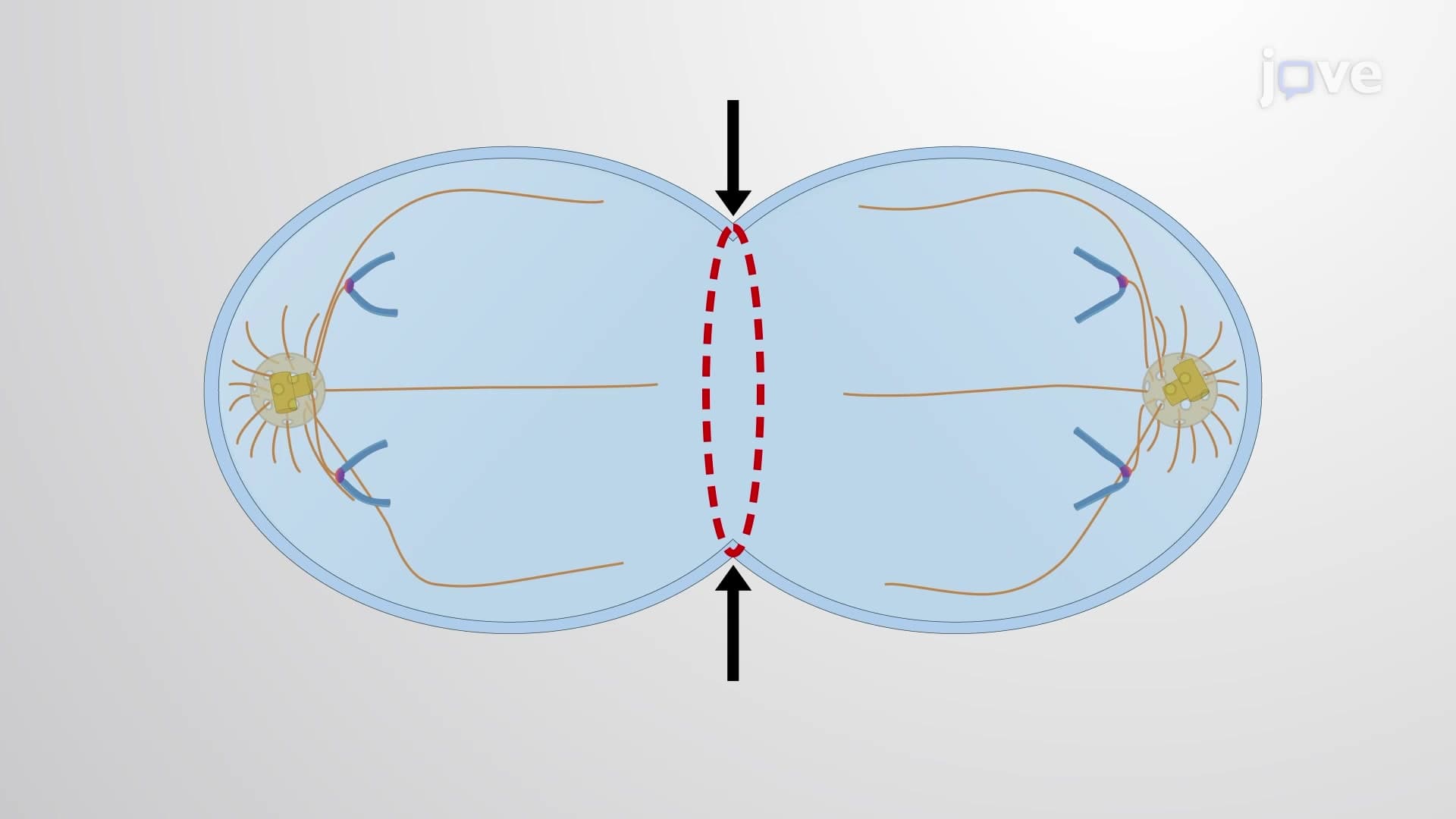

Video Summary: What Is the Contractile Ring
Every time a single cell becomes two during cell division, an invisible cellular "drawstring" performs one of biology's most precise operations. The contractile ring acts as this molecular machinery, physically pinching apart dividing cells with remarkable accuracy. In cancer research at institutions like MD Anderson Cancer Center in Houston, scientists study how defects in this process contribute to tumor formation when cells fail to divide properly. Watch the full video on JoVE Coach to master this concept with expert-led visuals and step-by-step explanations.
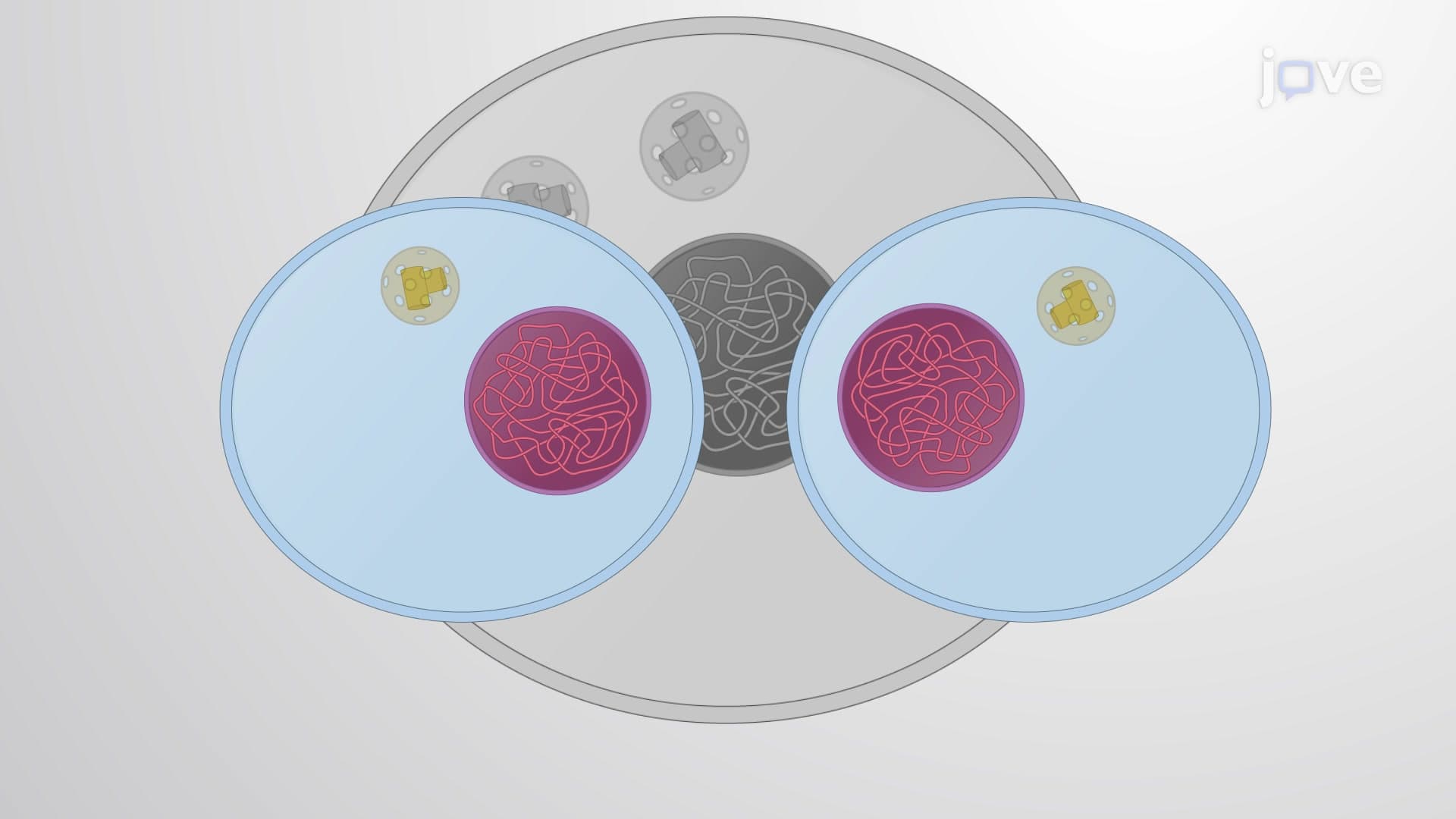
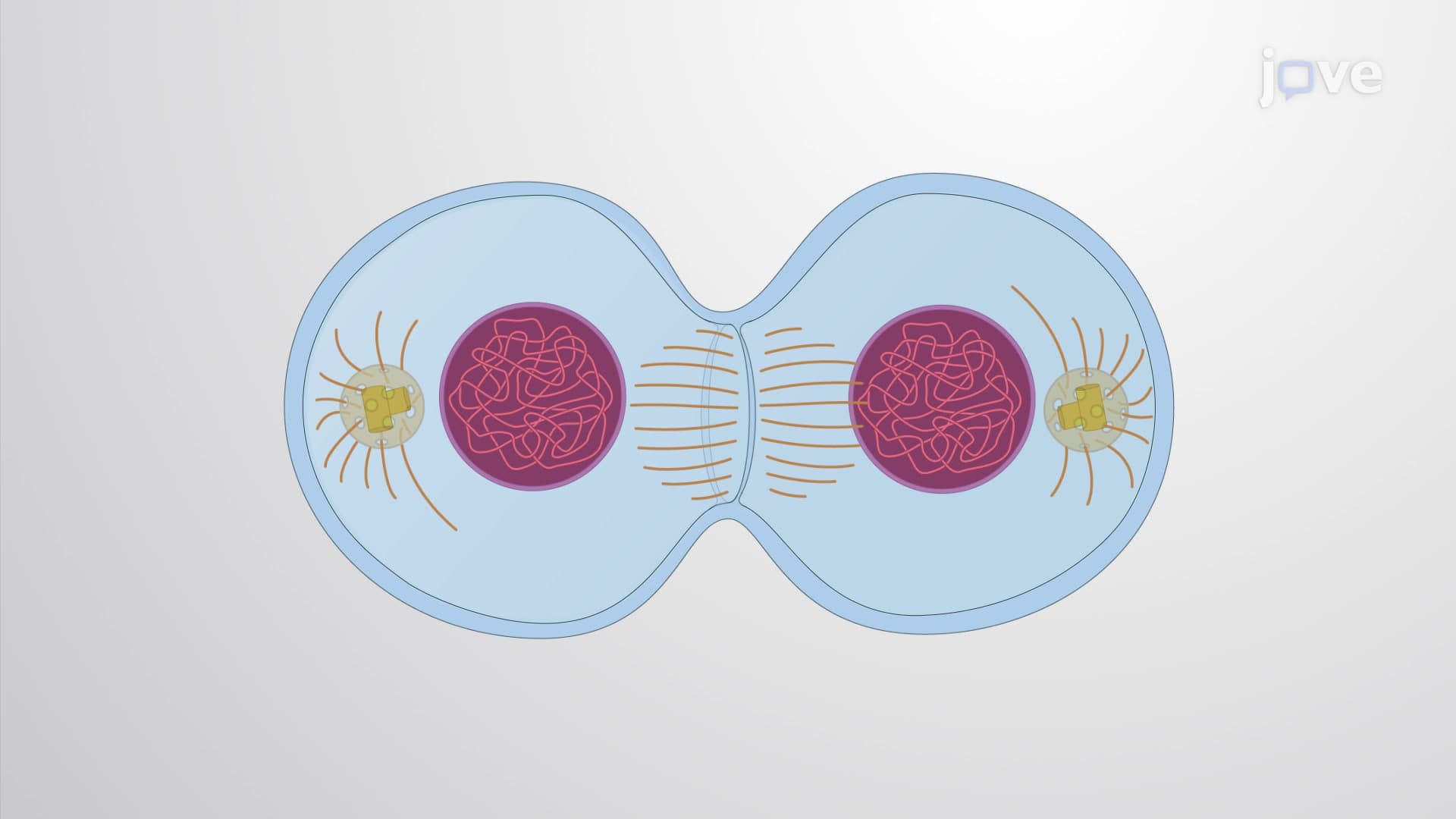
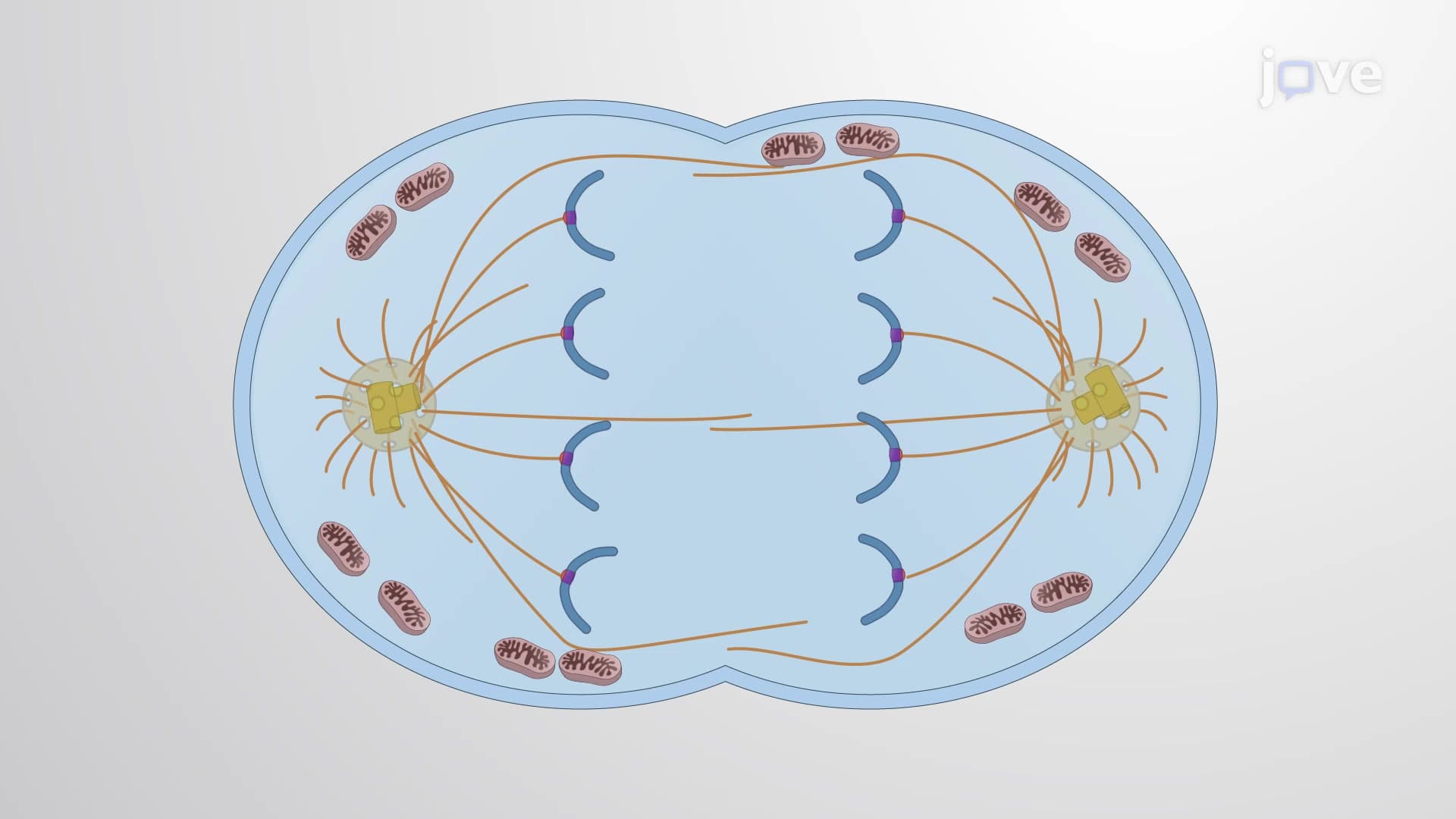
The contractile ring represents one of cell biology's most elegant molecular machines, functioning as a precisely controlled "cellular scissors" that physically separates one cell into two daughter cells. This dynamic structure assembles specifically during cytokinesis, the final phase of cell division, positioning itself at the cell's equator like a tightening belt around the cell's middle.
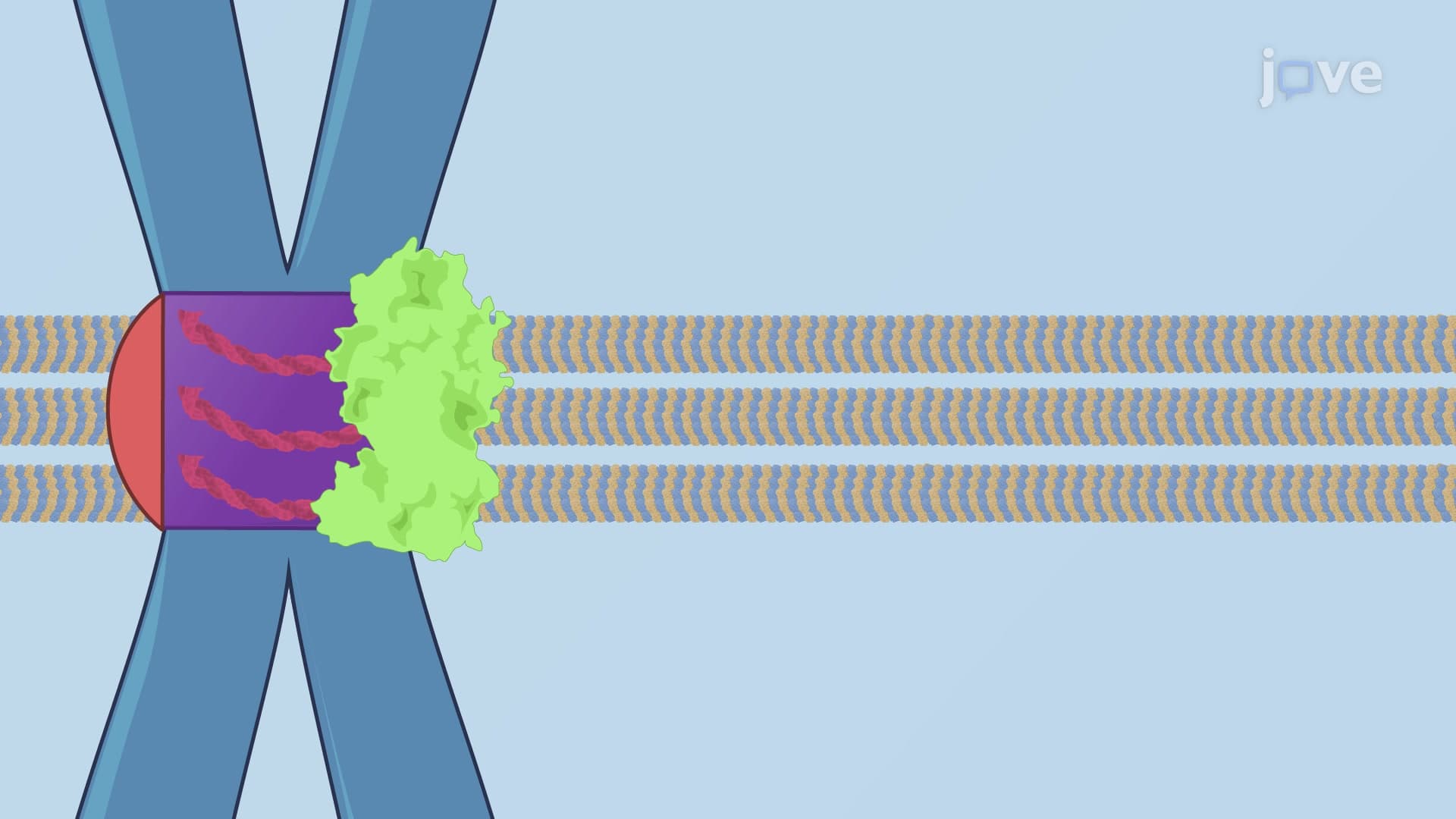
At its core, the contractile ring operates through the same fundamental mechanism that powers muscle contraction. Filamentous actin (F-actin) forms the ring's structural backbone, while myosin II motor proteins generate the contractile force. These myosin motors "walk" along actin filaments, causing them to slide past one another and progressively constrict the ring diameter. Supporting proteins including formins nucleate new actin filaments to maintain ring integrity, while septins provide crucial structural scaffolding that prevents premature ring disassembly.
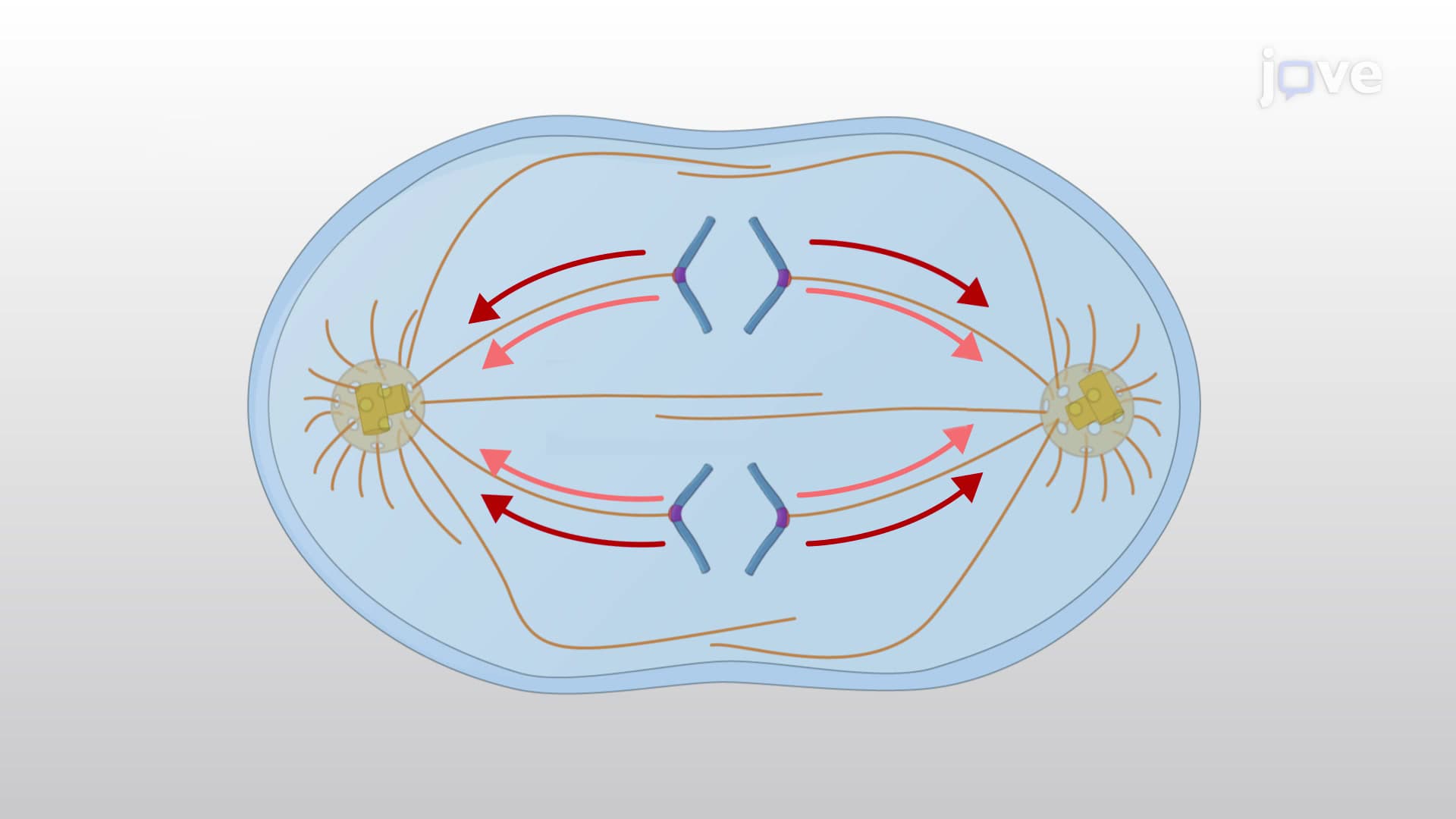
The ring's formation requires exquisite spatial and temporal control. RhoA GTPase acts as the master regulator, responding to signals from the mitotic spindle to activate actin polymerization and myosin contractility specifically at the cell equator. This ensures cytokinesis occurs at the precise location where the chromosomes have already separated, maintaining genomic stability.
Understanding contractile ring function has profound implications for human health. At cancer research centers like Memorial Sloan Kettering in New York, scientists investigate how contractile ring defects contribute to tumorigenesis. When the ring fails to form or function properly, cells become multinucleated and genomically unstable-hallmarks of cancer progression. This knowledge directly impacts therapeutic development, as researchers explore targeting contractile ring components to prevent cancer cell proliferation.
For students preparing for advanced coursework, contractile ring concepts appear prominently in AP Biology curricula under cell division topics and feature regularly in MCAT Cell and Molecular Biology sections. College-level cell biology courses at institutions like Stanford and MIT dedicate substantial coverage to cytokinesis mechanisms. Understanding the molecular details helps students excel in questions about cytoskeletal dynamics, cell cycle regulation, and the relationship between cellular processes and disease states.
Related Micro-courses