Loading subject page…


167,935 views

Video Summary: Multi Pass Transmembrane Proteins and Barrels Explained
Did you know that your taste buds rely on multi pass transmembrane proteins to detect flavors? These complex cellular gatekeepers span cell membranes multiple times, creating intricate pathways for molecular communication. From dopamine receptors in your brain to sodium channels in your heart, Multi Pass Transmembrane Proteins And Barrels form the foundation of cellular signaling in every organ system. Watch the full video on JoVE Coach to master this concept with expert-led visuals and step-by-step explanations.
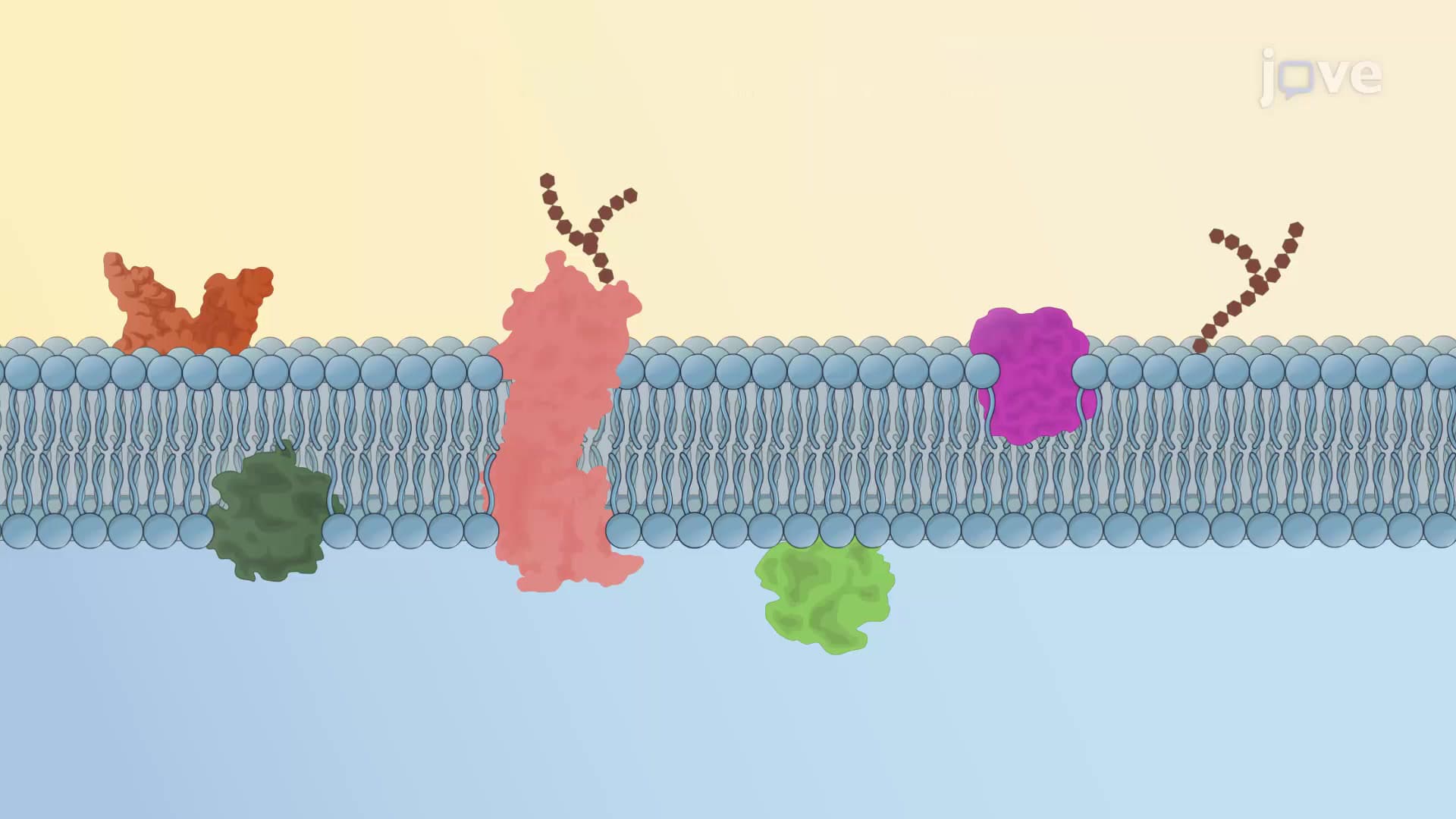
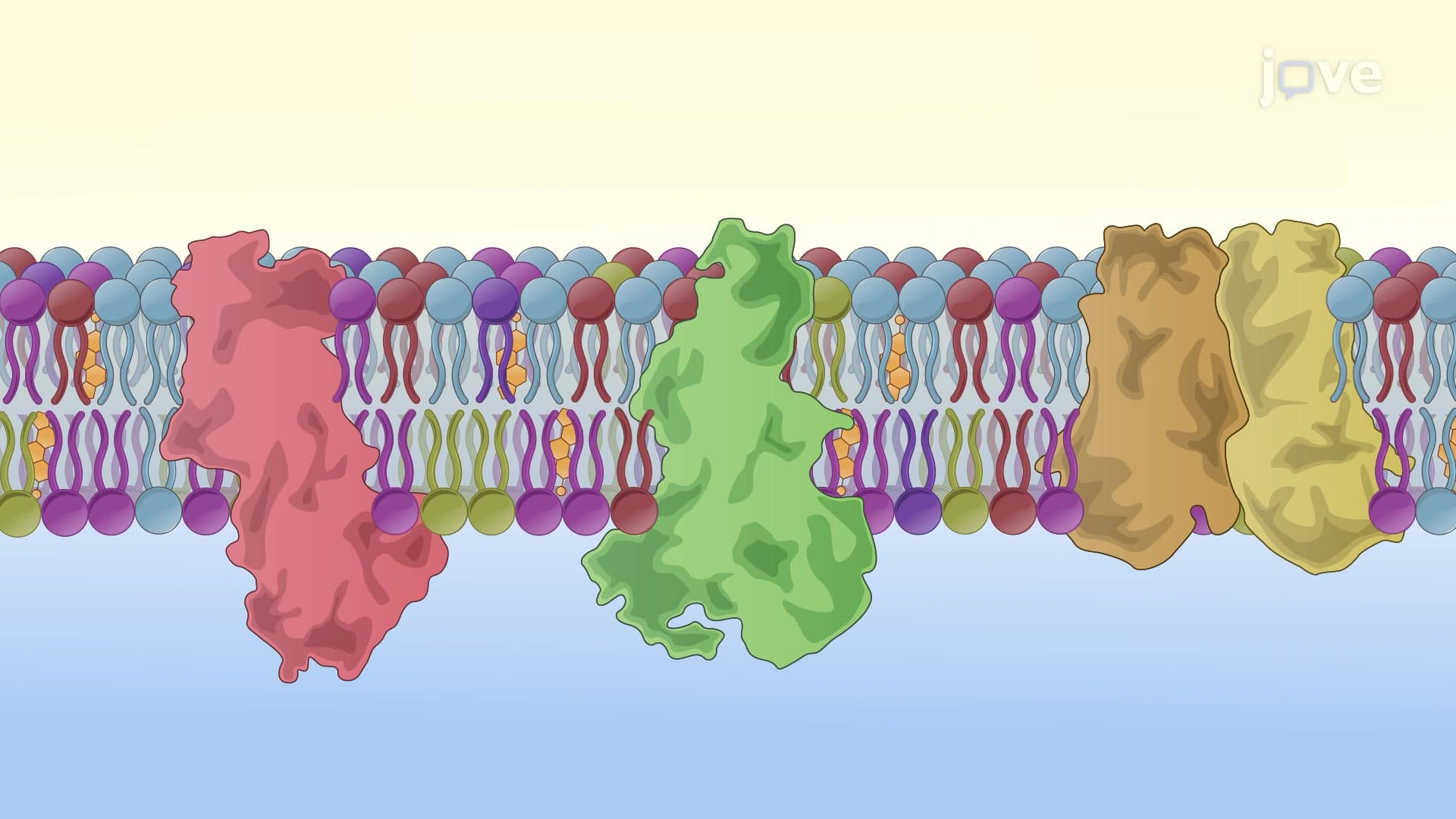
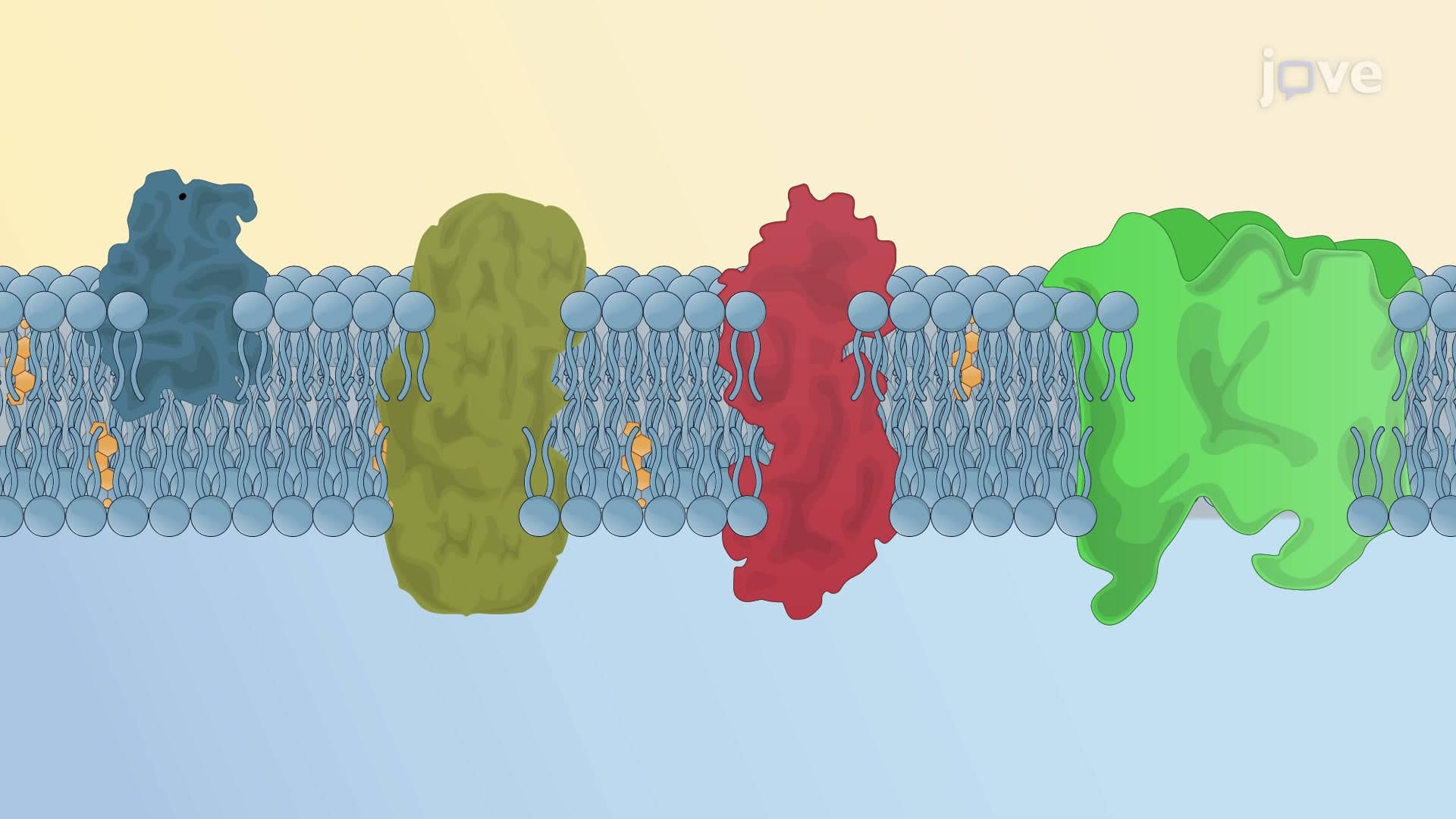
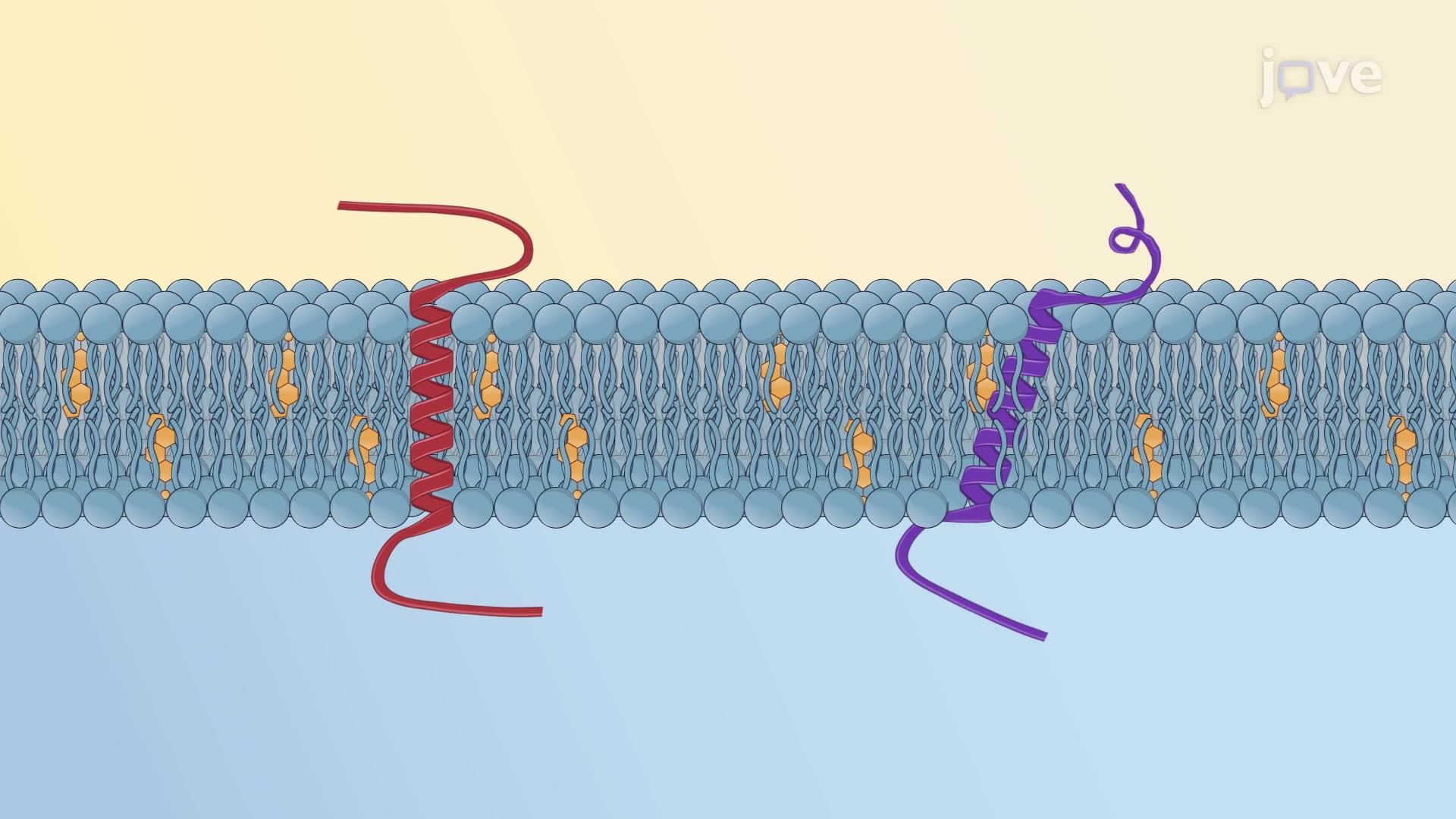
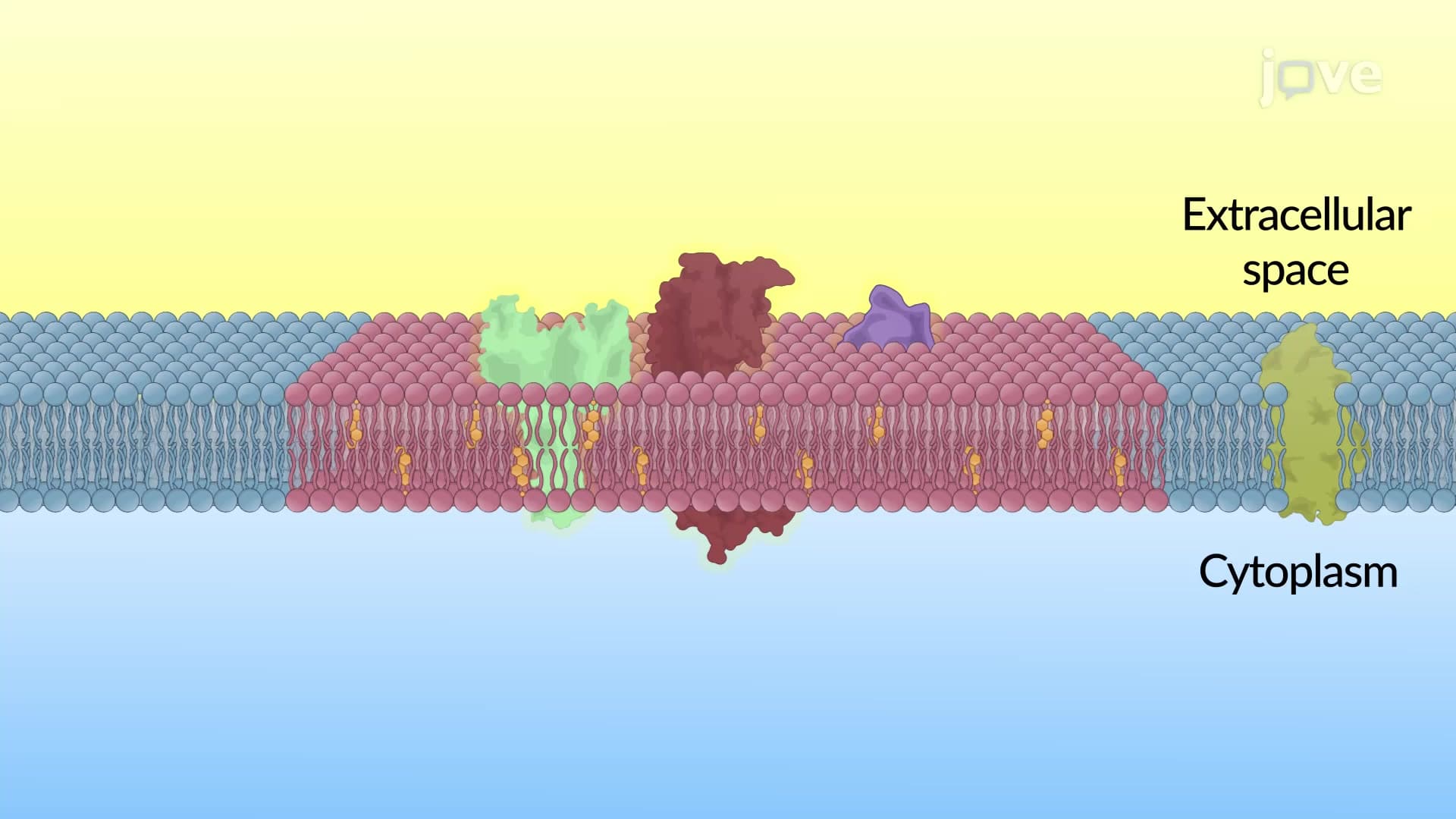
Multi pass transmembrane proteins represent some of the most structurally sophisticated molecules in cellular biology. Unlike single-pass proteins that cross the membrane once, these proteins traverse the lipid bilayer multiple times, creating complex three-dimensional structures essential for cellular communication and transport. This architectural complexity allows them to perform specialized functions that single-pass proteins cannot accomplish.
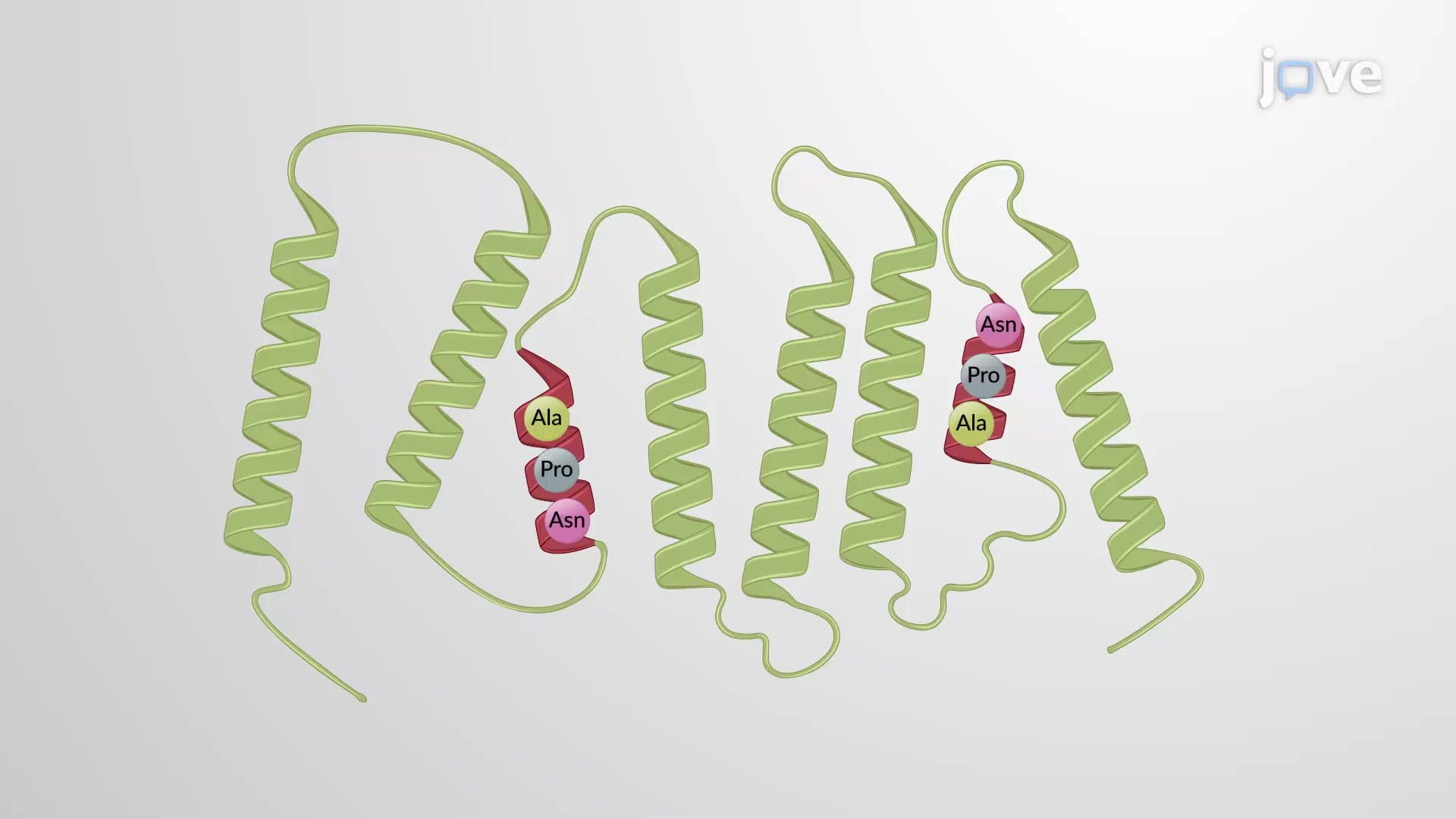
The "multi-pass" designation refers to the number of times the protein chain crosses the membrane. G protein-coupled receptors (GPCRs), for example, make seven passes through the membrane, while some ion channels may have dozens of transmembrane segments. Each pass must be precisely positioned to maintain the protein's functional conformation.
GPCRs exemplify the alpha-helical approach to multi-pass design. These proteins contain seven transmembrane alpha-helices that work together to detect external signals and relay them inside the cell. In the human body, GPCRs enable your eyes to detect light, your nose to smell coffee, and your brain to respond to neurotransmitters like serotonin.
The seven-helix bundle creates a ligand-binding pocket that can specifically recognize target molecules. When activated, GPCRs undergo conformational changes that trigger intracellular signaling cascades. This mechanism is so important that approximately 40% of all modern pharmaceuticals target GPCR pathways, including blood pressure medications and antidepressants used throughout US healthcare systems.
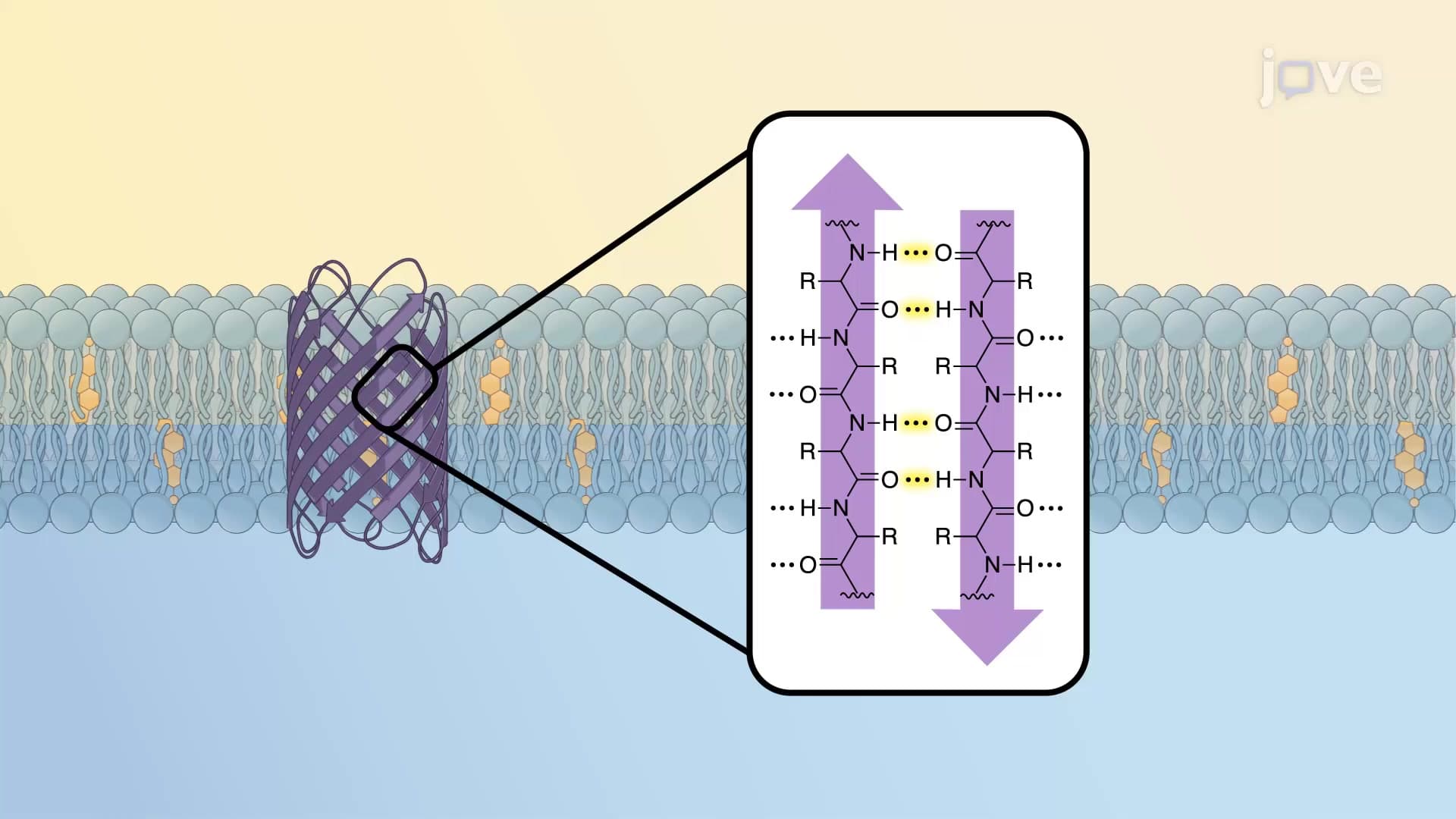
In contrast to alpha-helical GPCRs, many transport proteins utilize beta-strand architecture to form barrel-like structures. These multi pass transmembrane proteins and barrels create rigid, cylindrical channels through the membrane. Porins represent the classic example, forming precise openings that allow small molecules to pass between cellular compartments.
The beta-barrel structure relies on hydrogen bonding between adjacent beta-strands to form a continuous cylindrical sheet. The amino acid sequence alternates between polar and non-polar residues in a highly organized pattern. Non-polar amino acids face outward, interacting favorably with the hydrophobic membrane interior, while polar residues line the inner channel, creating a hydrophilic pathway for water-soluble molecules.
Understanding these structures proves crucial for success on standardized exams like the MCAT, where membrane protein questions frequently appear in biochemistry sections. AP Biology students encounter these concepts when studying cellular transport and signal transduction. The alternating amino acid pattern in beta-barrels often appears as multiple-choice questions testing pattern recognition skills.
In clinical contexts, mutations affecting multi-pass transmembrane proteins cause numerous genetic diseases. Cystic fibrosis results from defects in the CFTR chloride channel, while certain forms of diabetes involve insulin receptor dysfunction. US medical schools emphasize these protein-disease relationships in biochemistry and pathology coursework.
Related Micro-courses