Loading video…


 16 Concepts
 168K views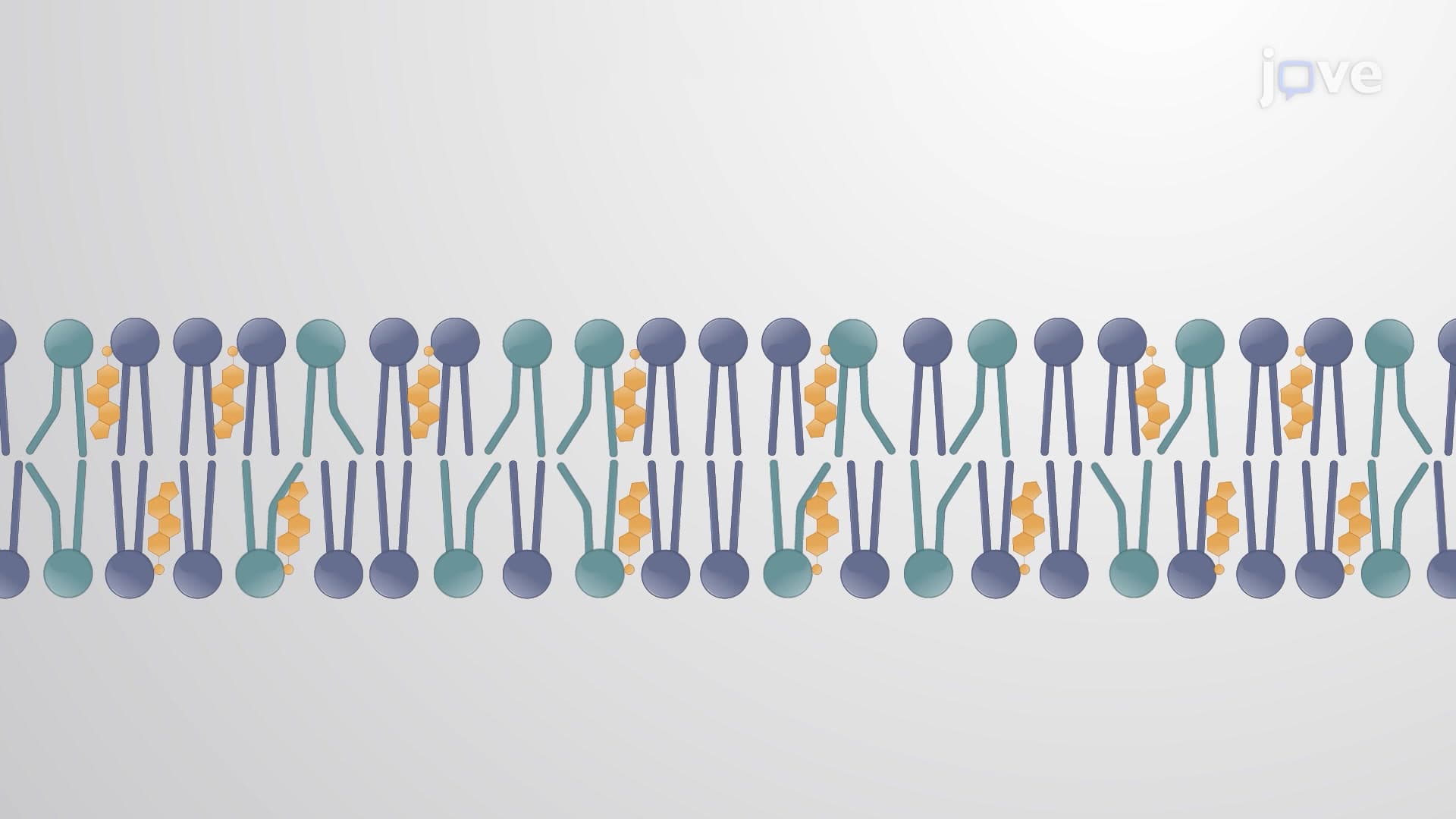

Video Summary: What Is Membrane Fluidity
Ever wonder why butter melts on hot toast but stays solid in the refrigerator? Membrane fluidity works similarly in your cells, determining how easily molecules move through cellular barriers. This biological concept explains how cell membranes in human tissues-from brain neurons to muscle fibers-maintain their flexibility and function under different temperature conditions. Understanding what is membrane fluidity reveals how phospholipids, cholesterol, and temperature work together to keep your cells healthy and responsive. Watch the full video on JoVE Coach to master this concept with expert-led visuals and step-by-step explanations.
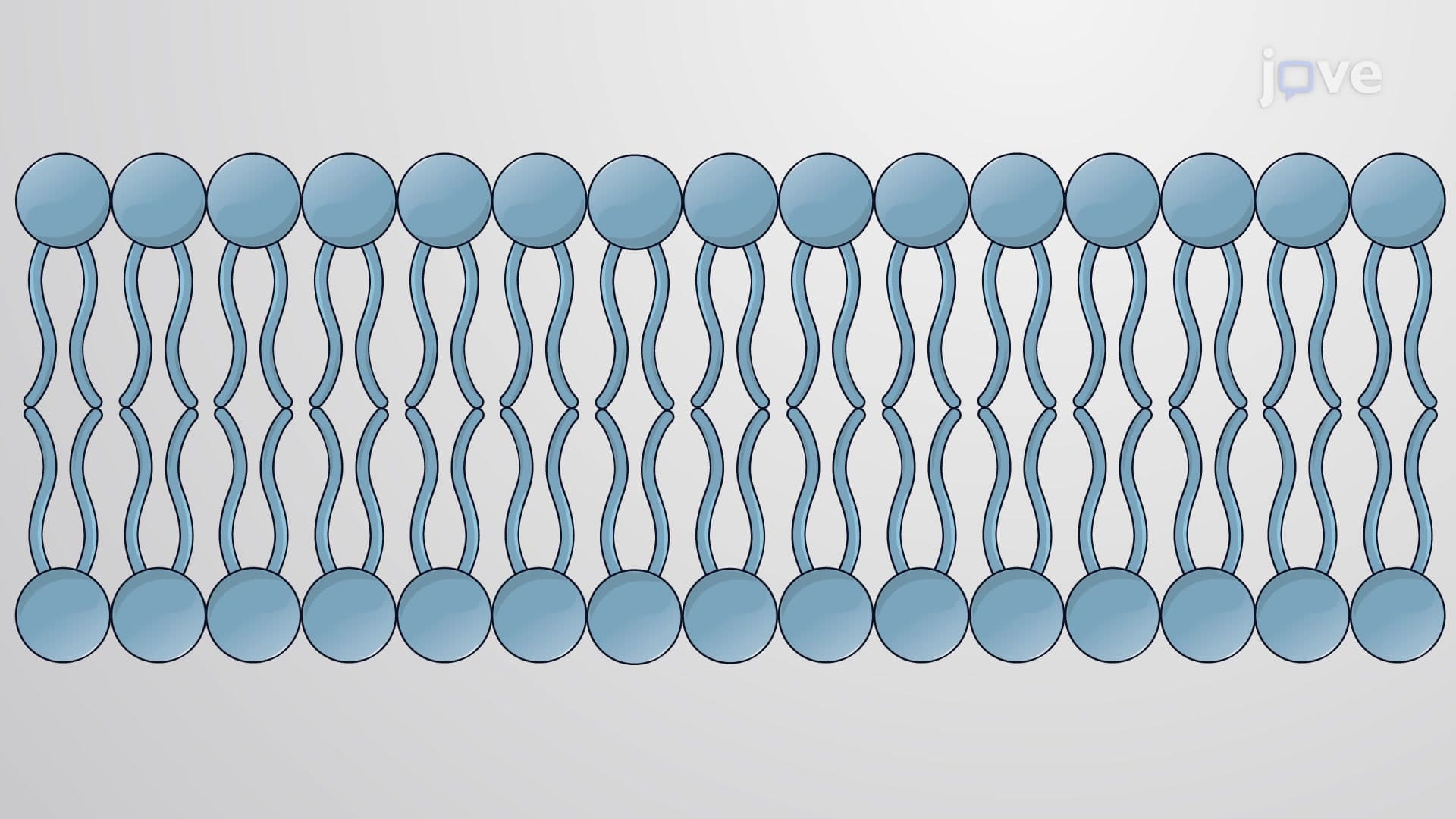
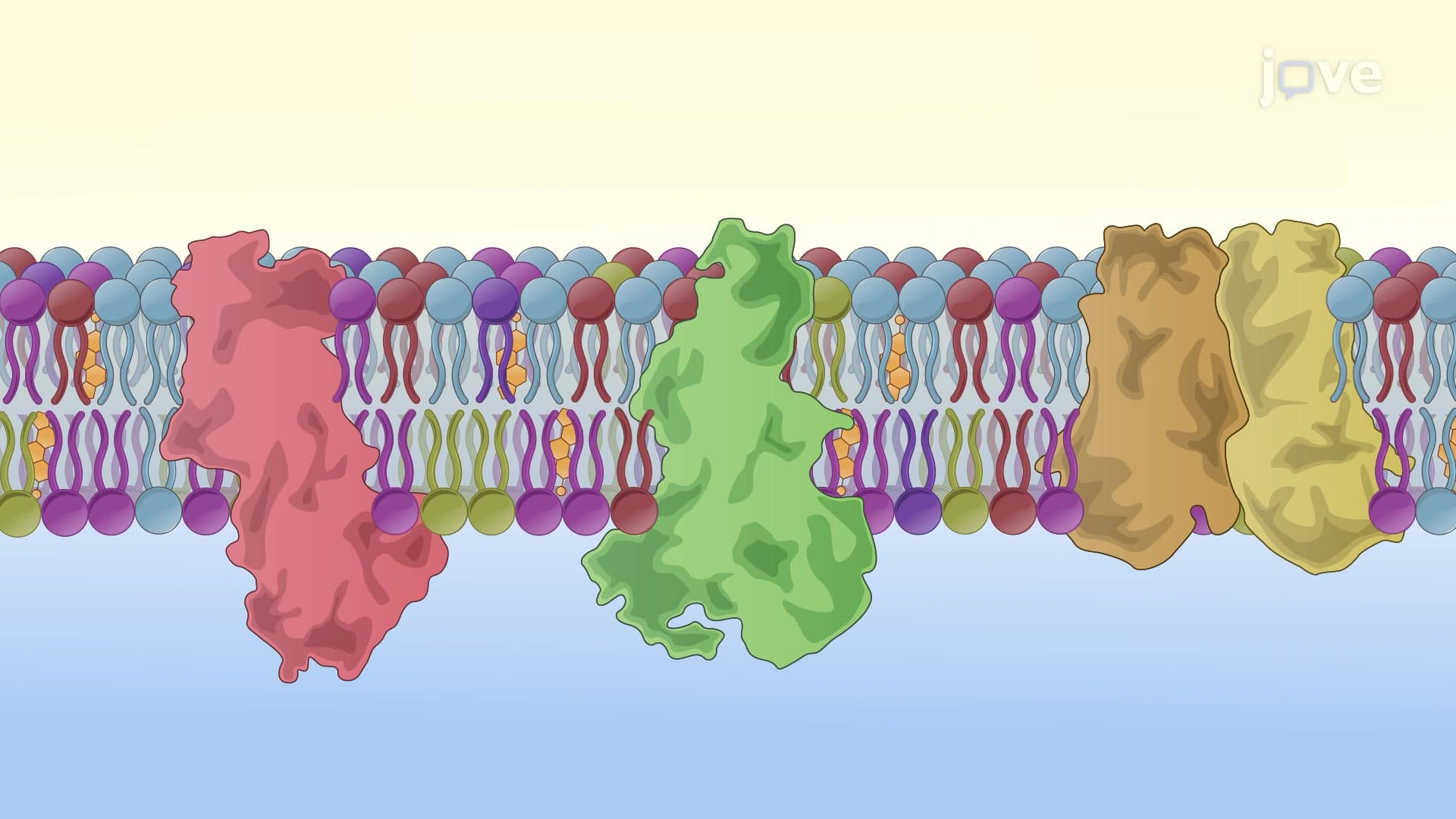
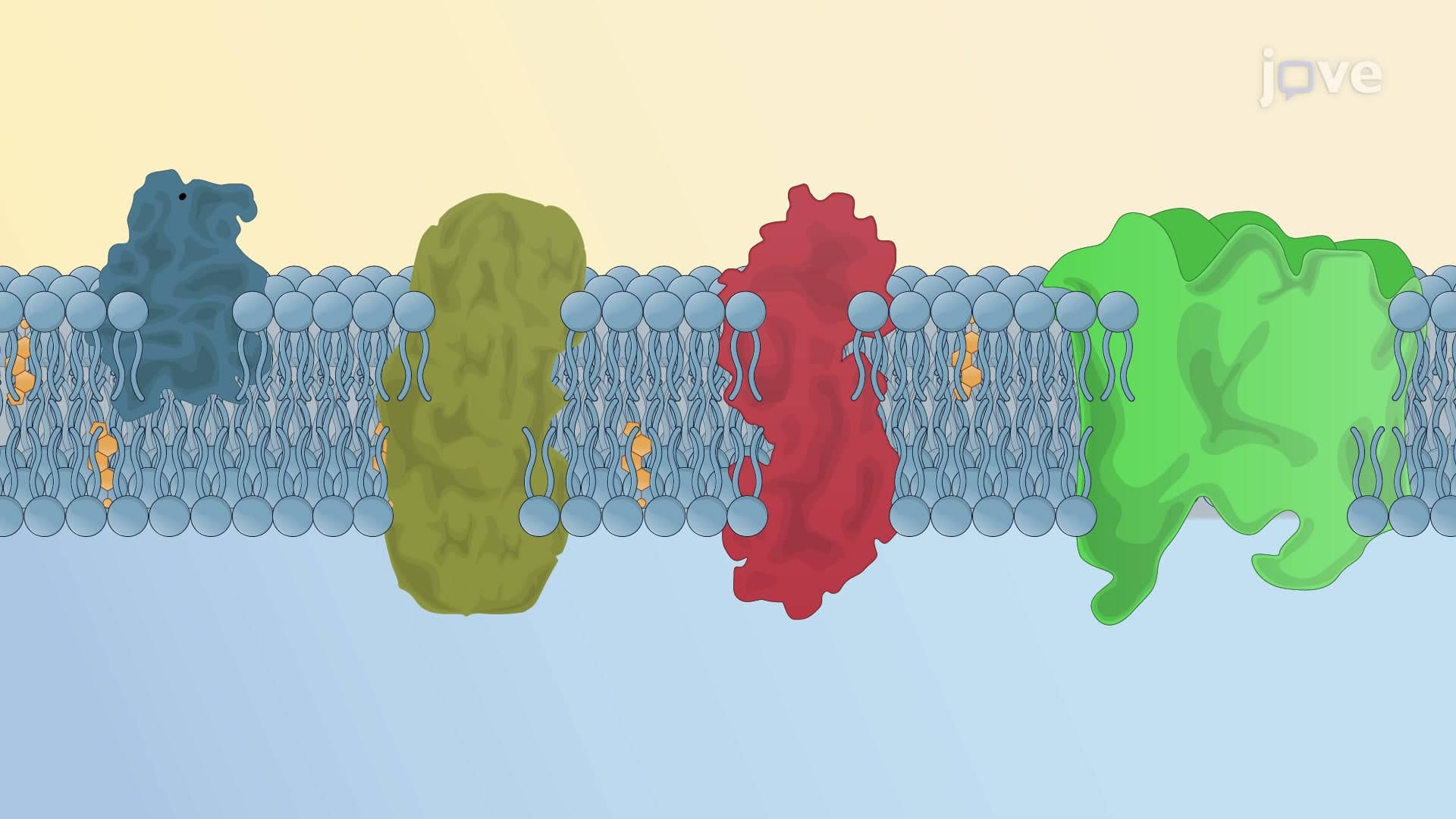
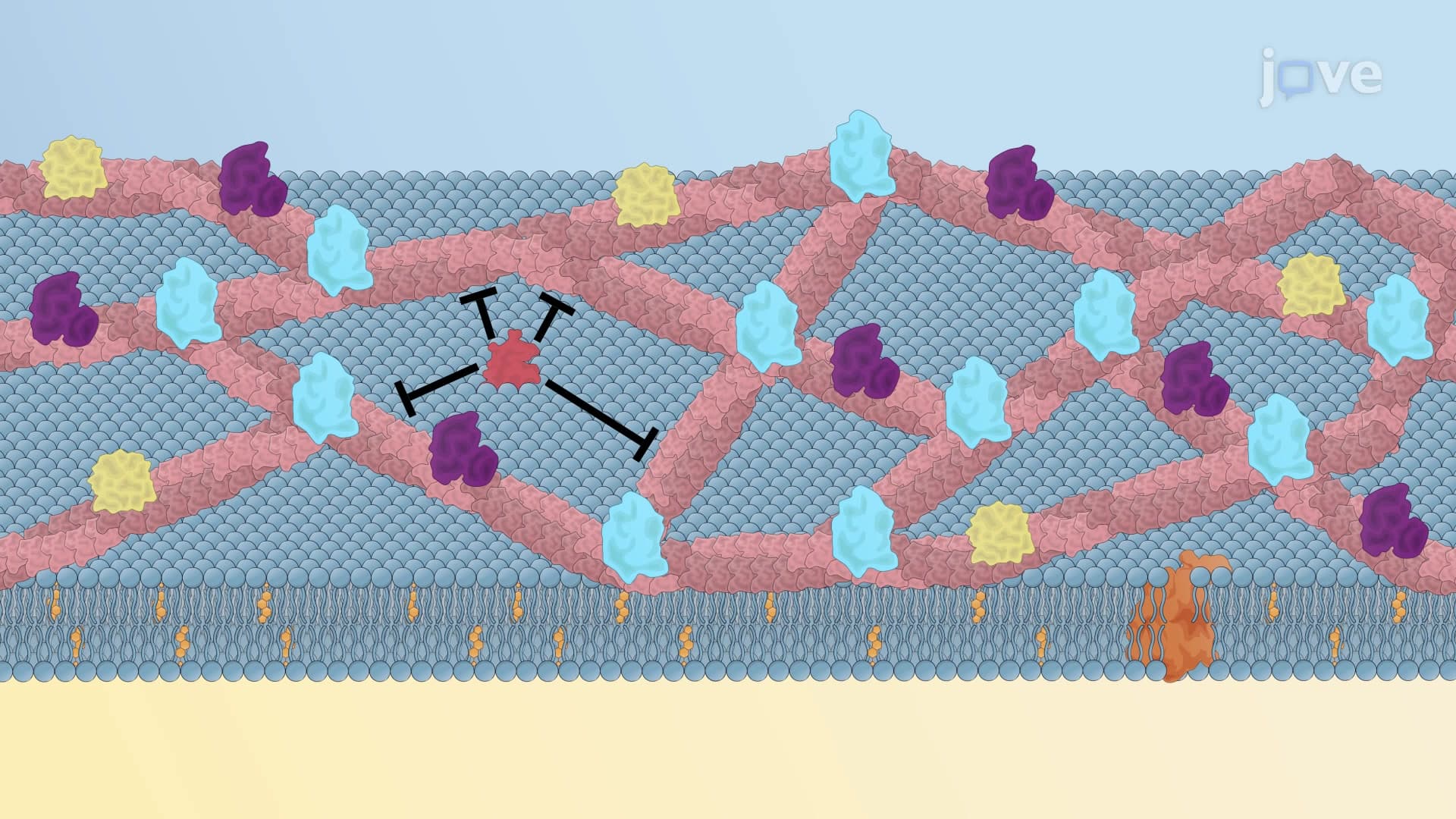
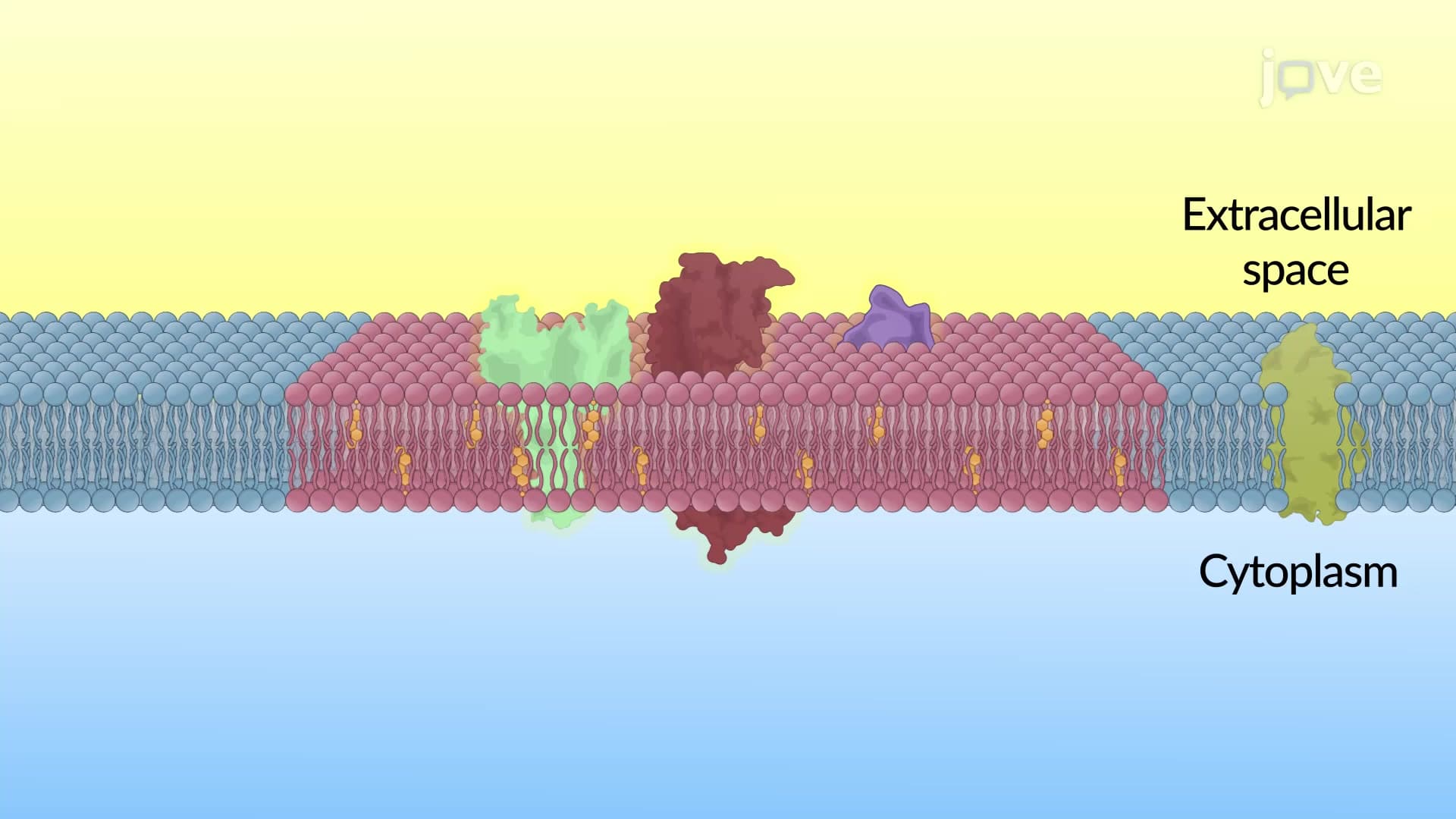
Membrane fluidity represents one of the most critical properties determining cellular health and function. This fundamental concept describes how freely phospholipids and embedded proteins can move within the cell membrane's lipid bilayer. Think of it as the "liquidity" of your cell membranes-too rigid, and essential processes stop; too fluid, and the membrane loses its structural integrity.
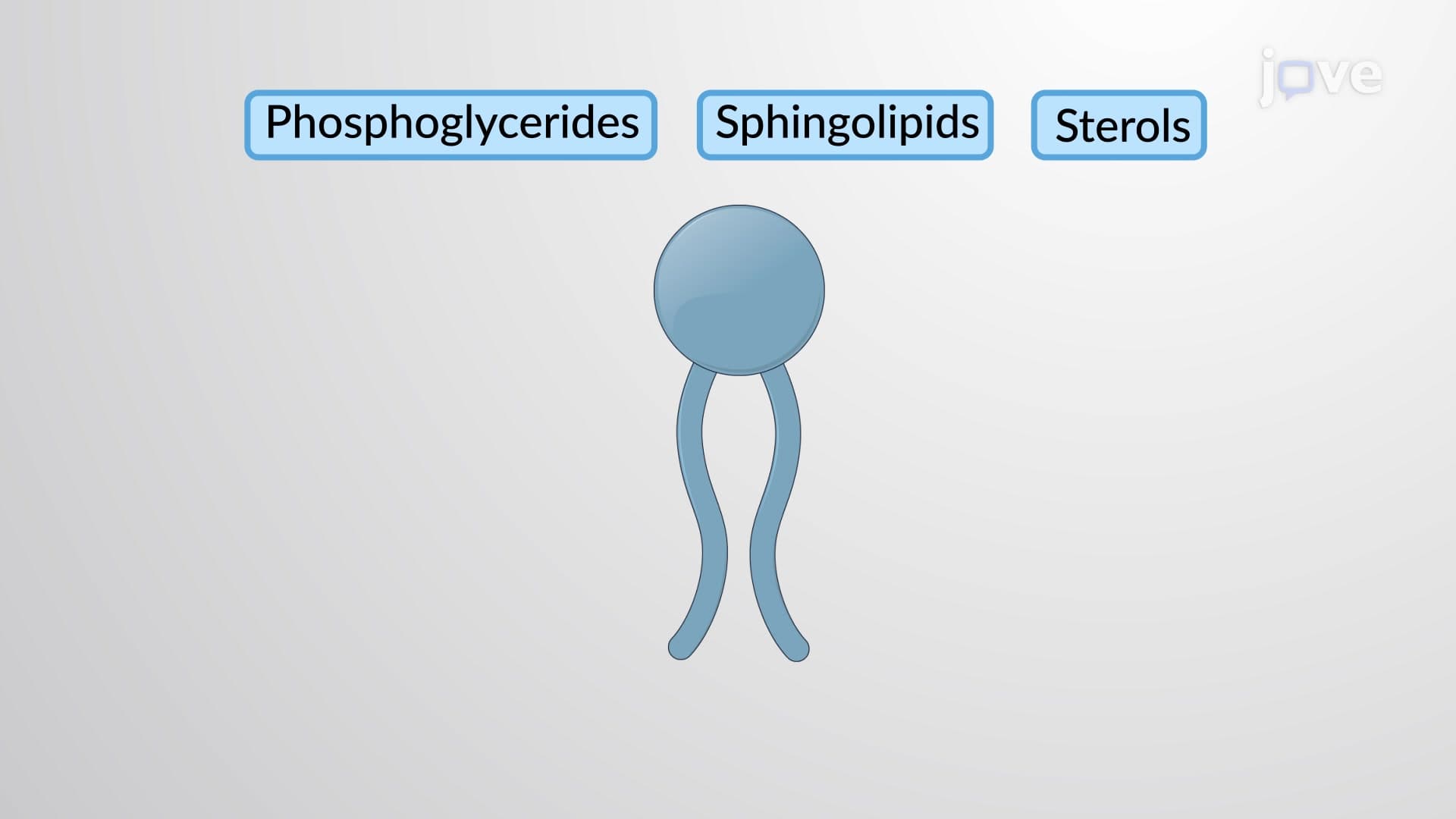
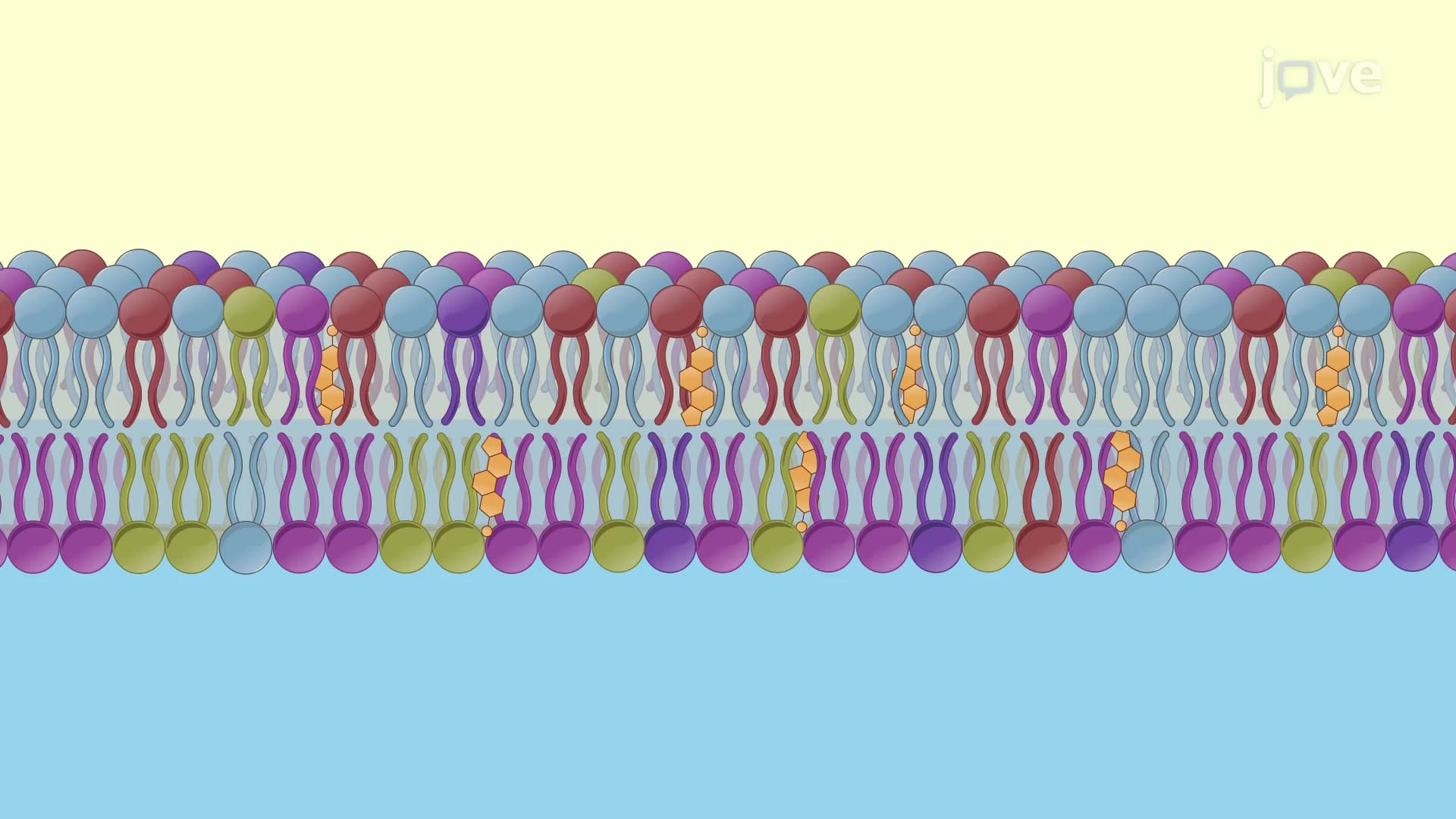
The types of phospholipids present dramatically influence membrane fluidity biology. Saturated phospholipids, with their straight fatty acid chains, pack tightly together like soldiers in formation, creating a more rigid membrane structure. In contrast, unsaturated phospholipids contain double bonds that create "kinks" in their fatty acid chains, preventing tight packing and increasing membrane flexibility.
This principle explains why patients with certain genetic disorders affecting phospholipid synthesis may experience cellular dysfunction. For instance, individuals with specific lipid metabolism disorders often show altered membrane properties in their red blood cells, which can be detected through specialized laboratory tests at major US medical centers like Mayo Clinic or Johns Hopkins.
Temperature acts as a universal regulator of membrane fluidity. At lower temperatures, phospholipids move slowly and pack closely, creating a gel-like state that restricts molecular movement. As temperature increases, thermal energy causes phospholipids to move more rapidly, increasing membrane fluidity. This temperature dependence explains why hypothermia patients experience cellular dysfunction-their cell membranes become too rigid for optimal function.
Cholesterol serves as nature's sophisticated membrane fluidity buffer. During cold conditions, cholesterol molecules insert between phospholipids, creating spacing that maintains necessary fluidity. When temperatures rise, cholesterol's rigid steroid rings restrict excessive phospholipid movement, preventing membranes from becoming dangerously fluid.
This dual action makes cholesterol essential for human survival, which students often encounter in AP Biology exams and college-level cell biology courses. Understanding this concept proves crucial for MCAT preparation, particularly in biochemistry and cell biology sections.
Related Micro-courses