Loading subject page…


167,937 views

Video Summary: What Is Membrane Domains
Ever wonder how your gut knows to absorb nutrients on one side while staying sealed from bacteria on the other? Membrane domains are specialized regions within cell membranes that organize proteins and lipids into distinct functional neighborhoods. These biological zip codes allow cells like intestinal epithelial cells in the human digestive tract to perform different tasks on opposite sides of the same membrane. What is membrane domains becomes clear when you see how lipid rafts and protein clusters create these essential cellular compartments. Watch the full video on JoVE Coach to master this concept with expert-led visuals and step-by-step explanations.
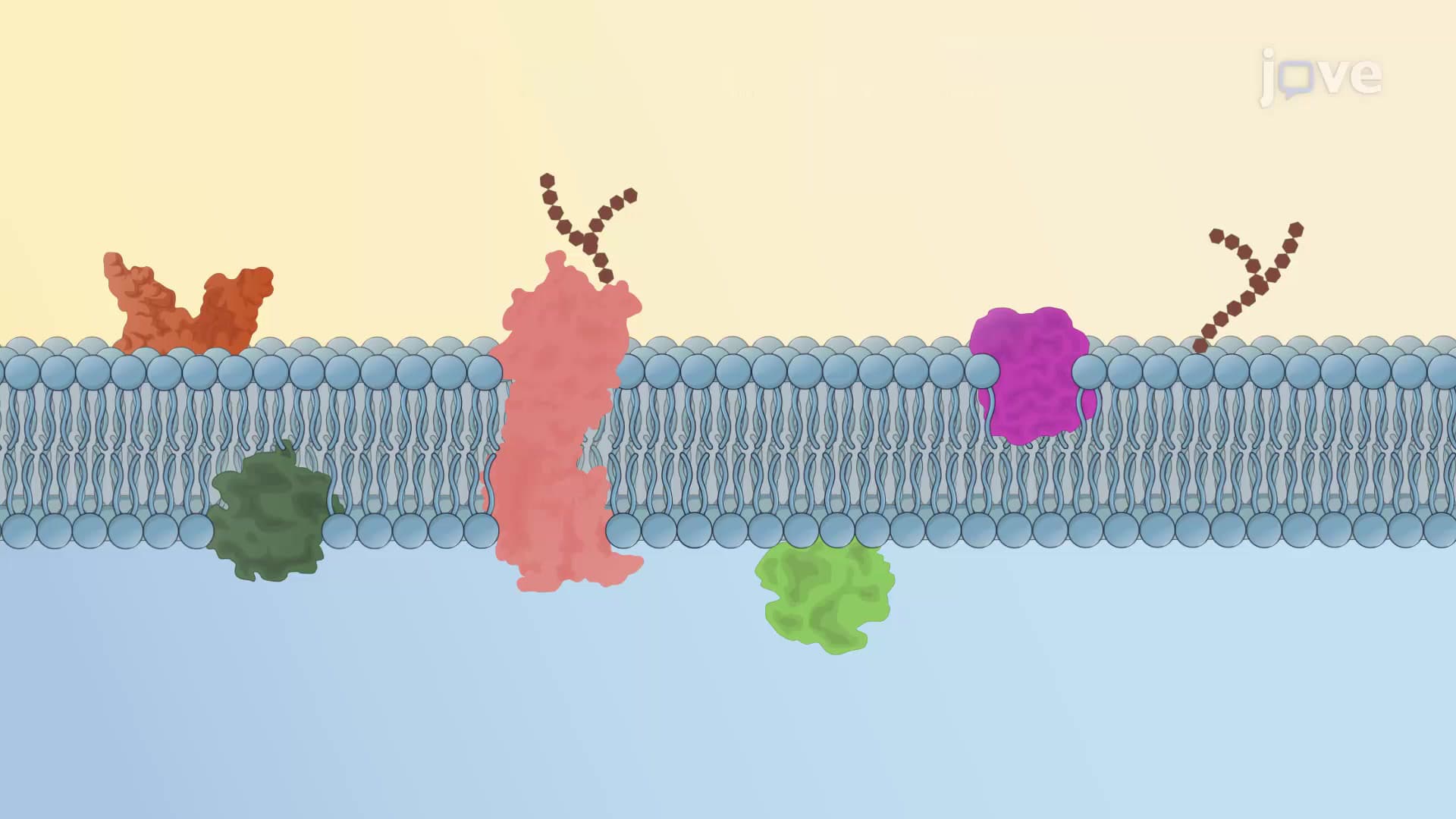
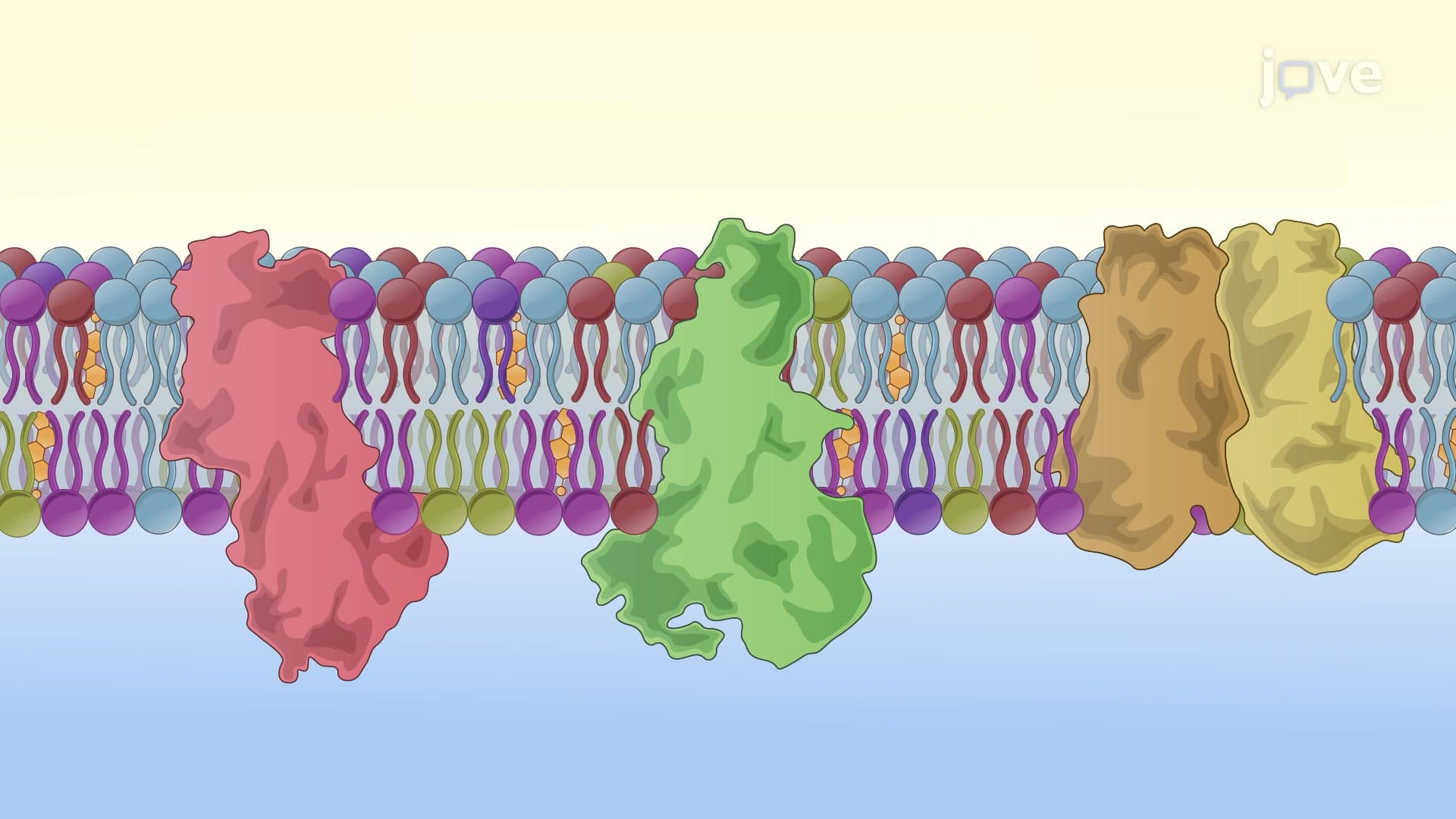
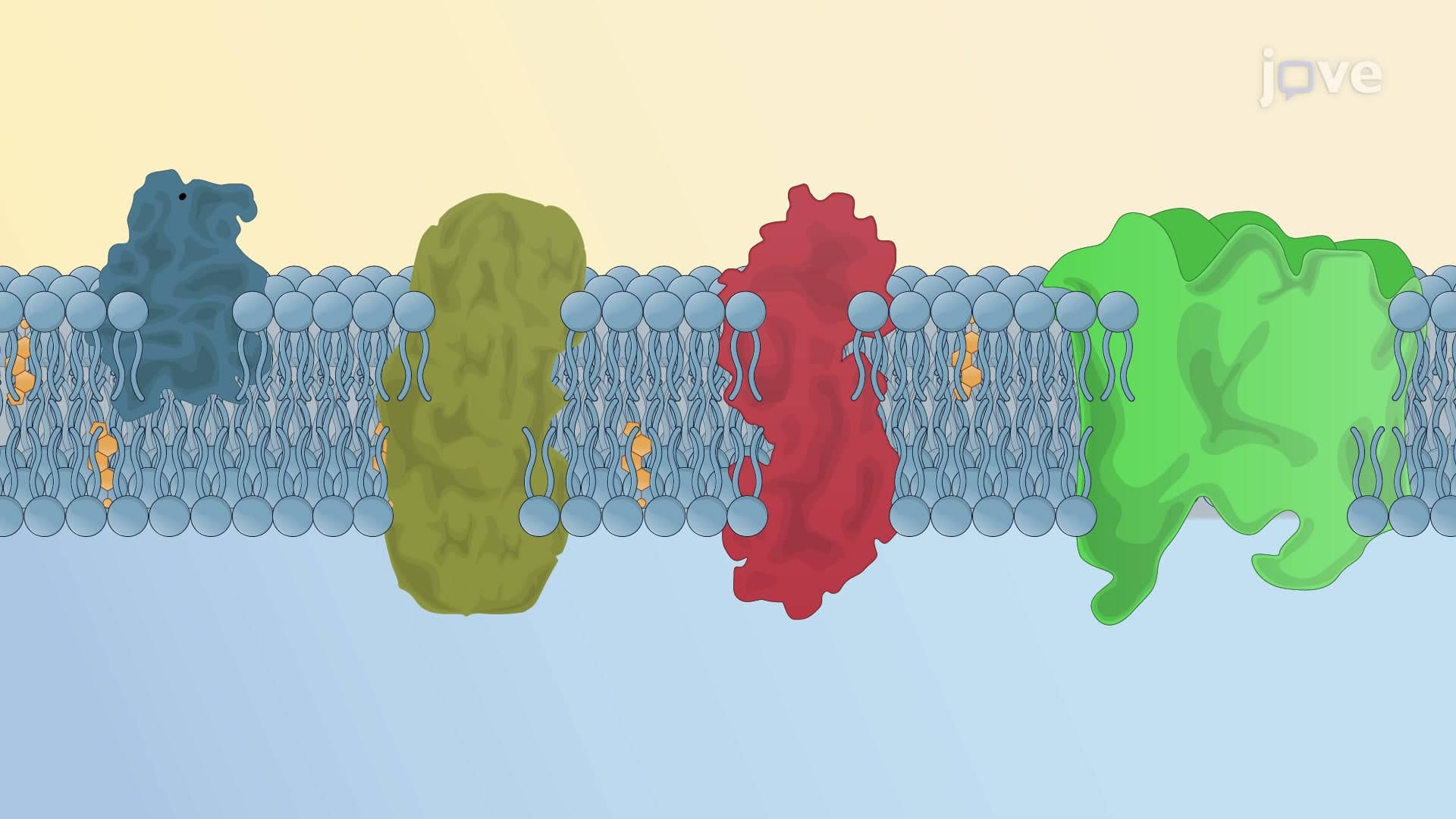
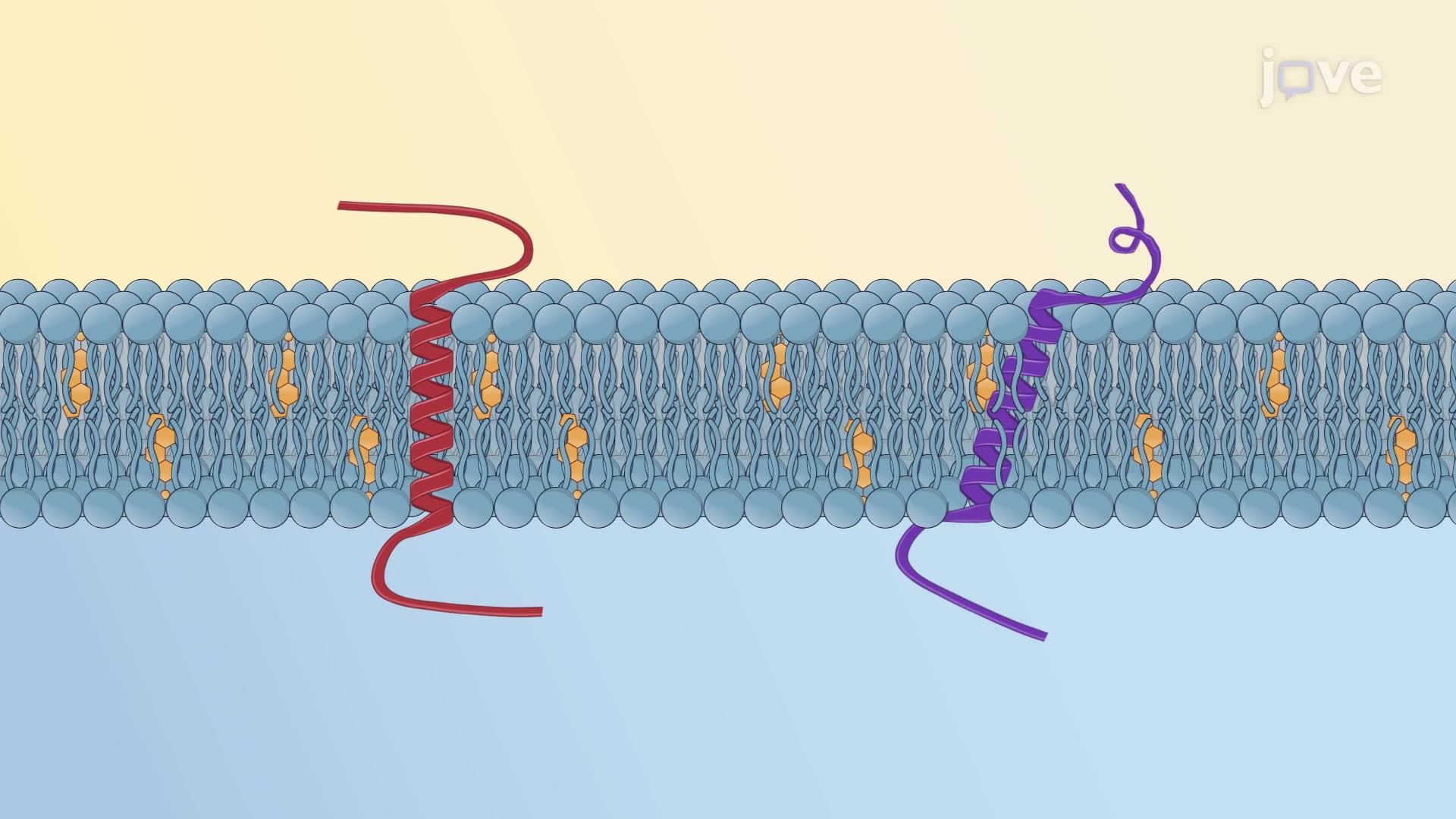
Membrane domains represent one of biology's most elegant organizational systems-specialized regions within cell membranes that create distinct functional neighborhoods. Rather than being uniform structures, cell membranes contain carefully organized patches where specific lipids and proteins cluster together to perform specialized tasks.
Think of membrane domains like different departments in a hospital: each area has specialized equipment and staff trained for specific functions. Just as you wouldn't find surgical instruments in the cafeteria, cells don't randomly distribute their molecular machinery.
The most well-studied examples come from epithelial cells lining organs like the small intestine, kidneys, and lungs. These cells exhibit apical-basolateral polarity, creating two distinct domains with dramatically different compositions.
The apical domain faces the organ's interior space (like the intestinal lumen) and concentrates proteins for nutrient absorption, ion transport, and waste secretion. In contrast, the basolateral domain interfaces with blood vessels and neighboring cells, housing proteins for cell-to-cell communication and structural support.
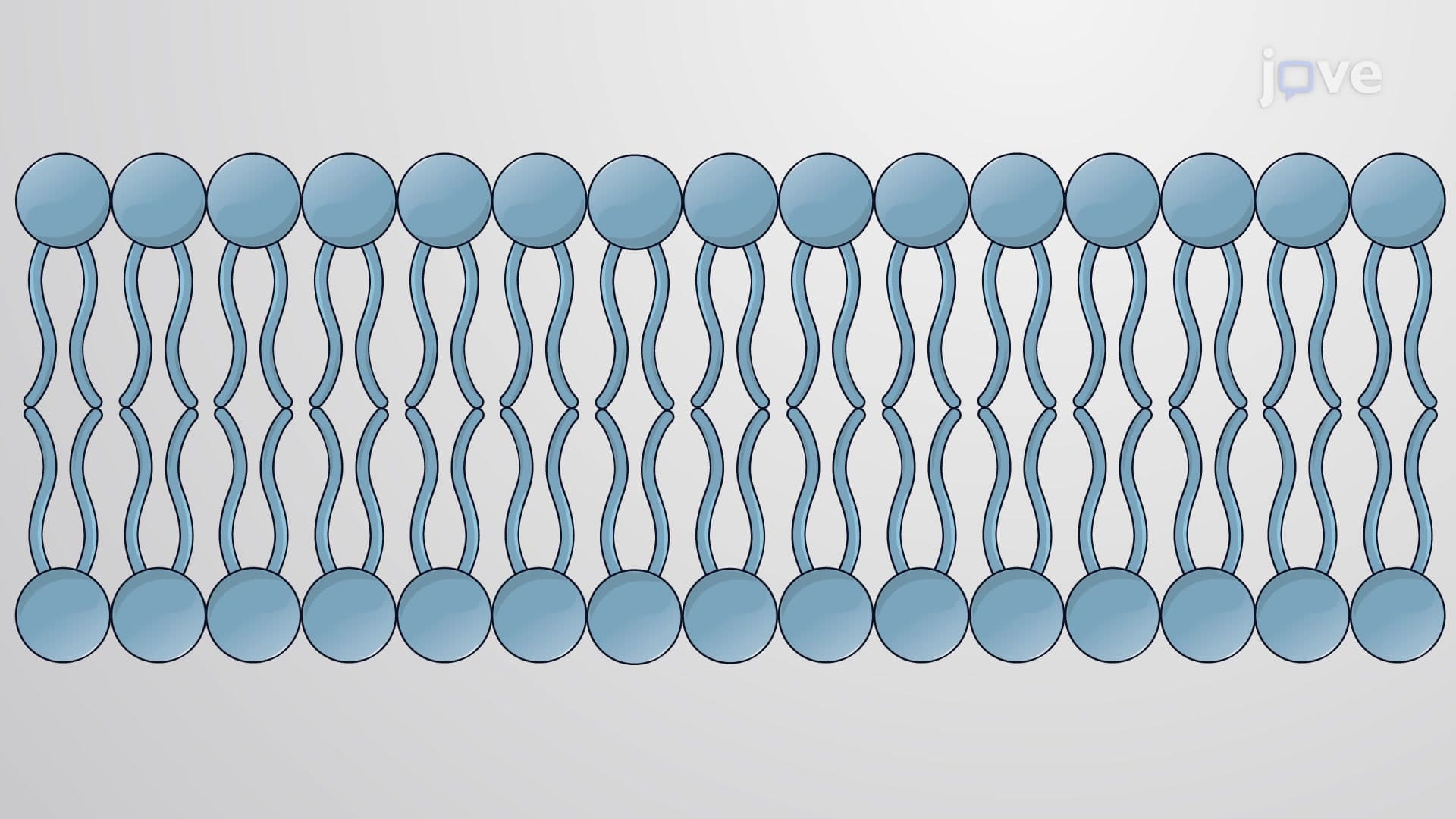
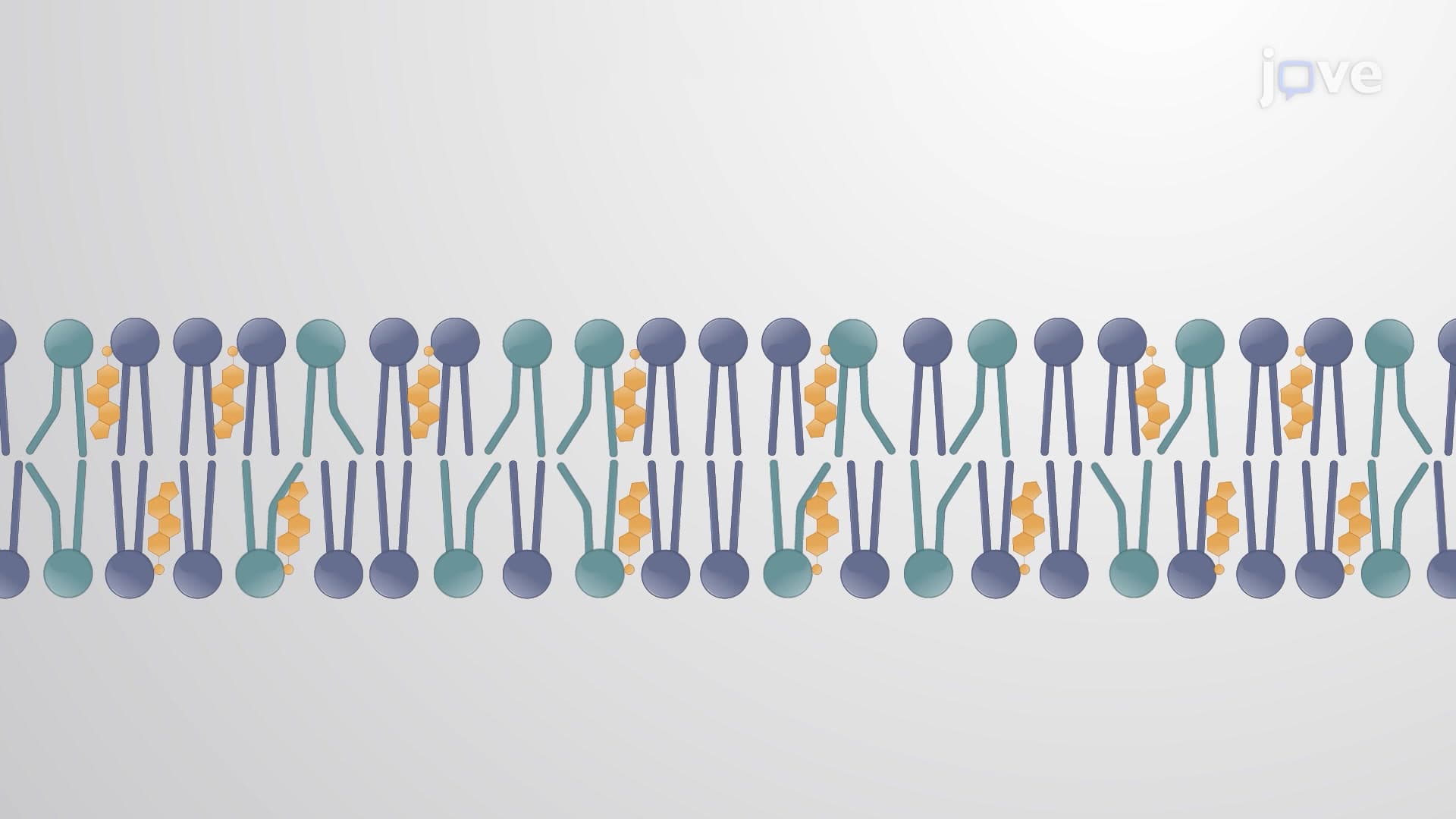
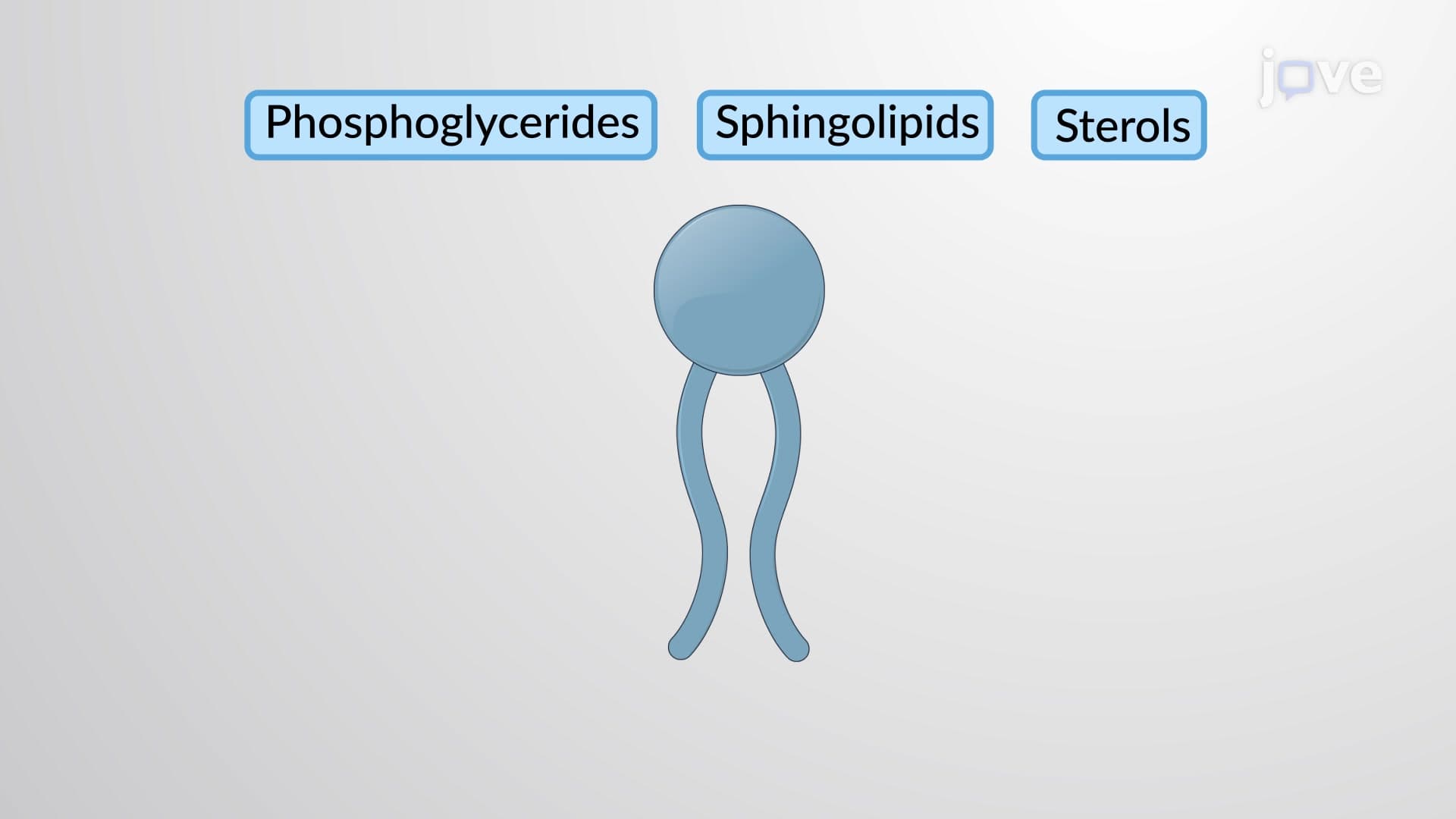
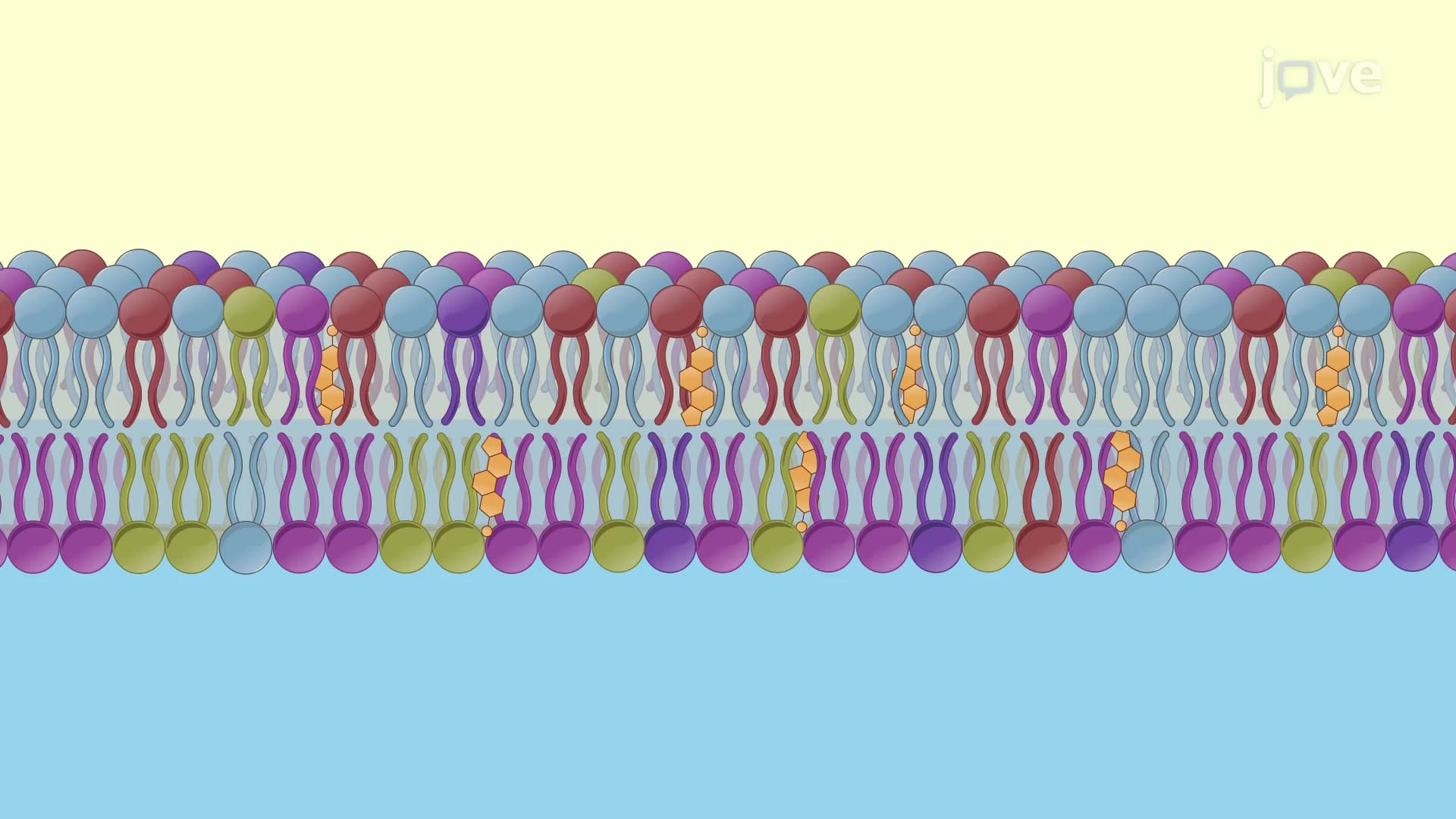
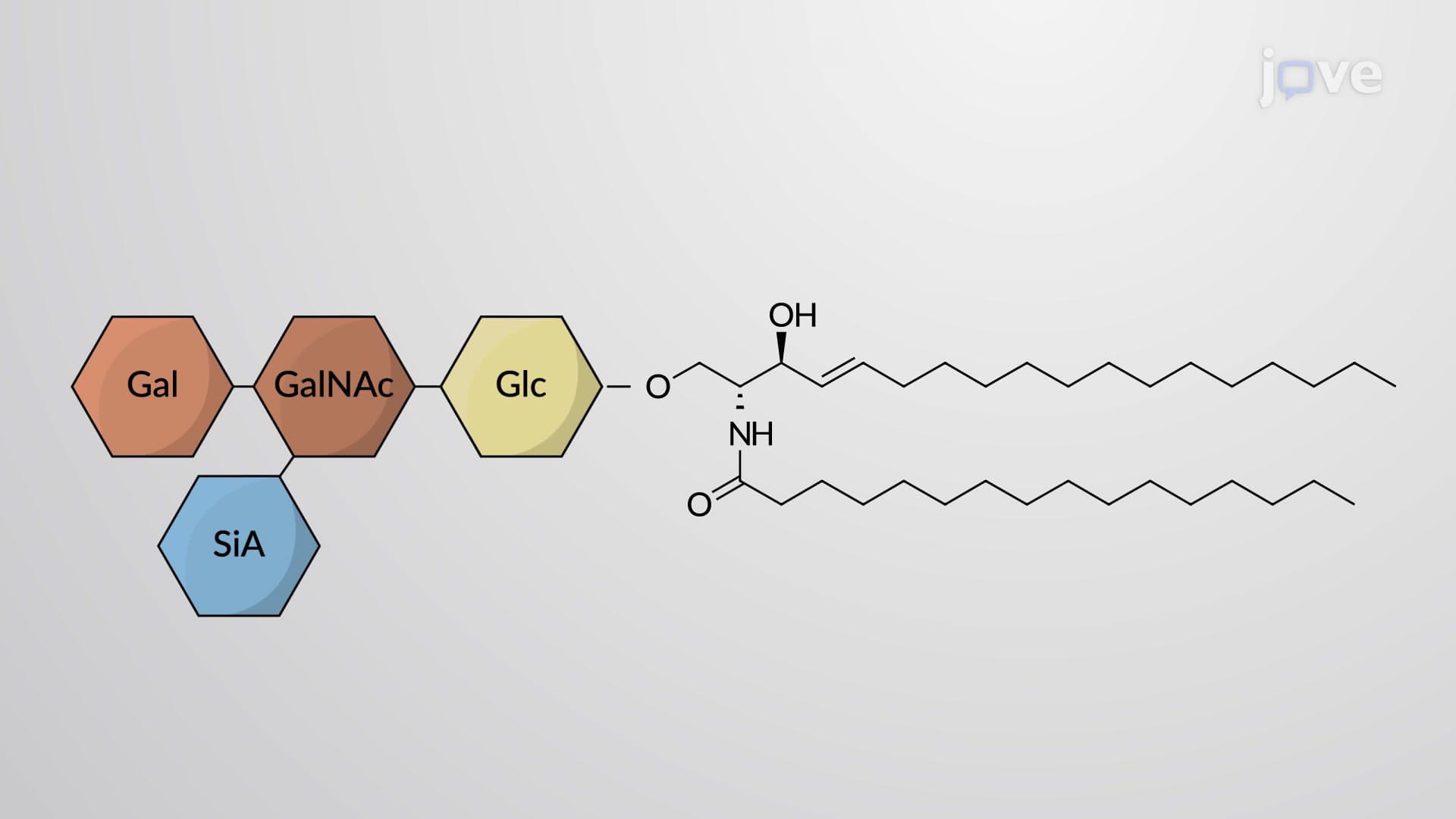
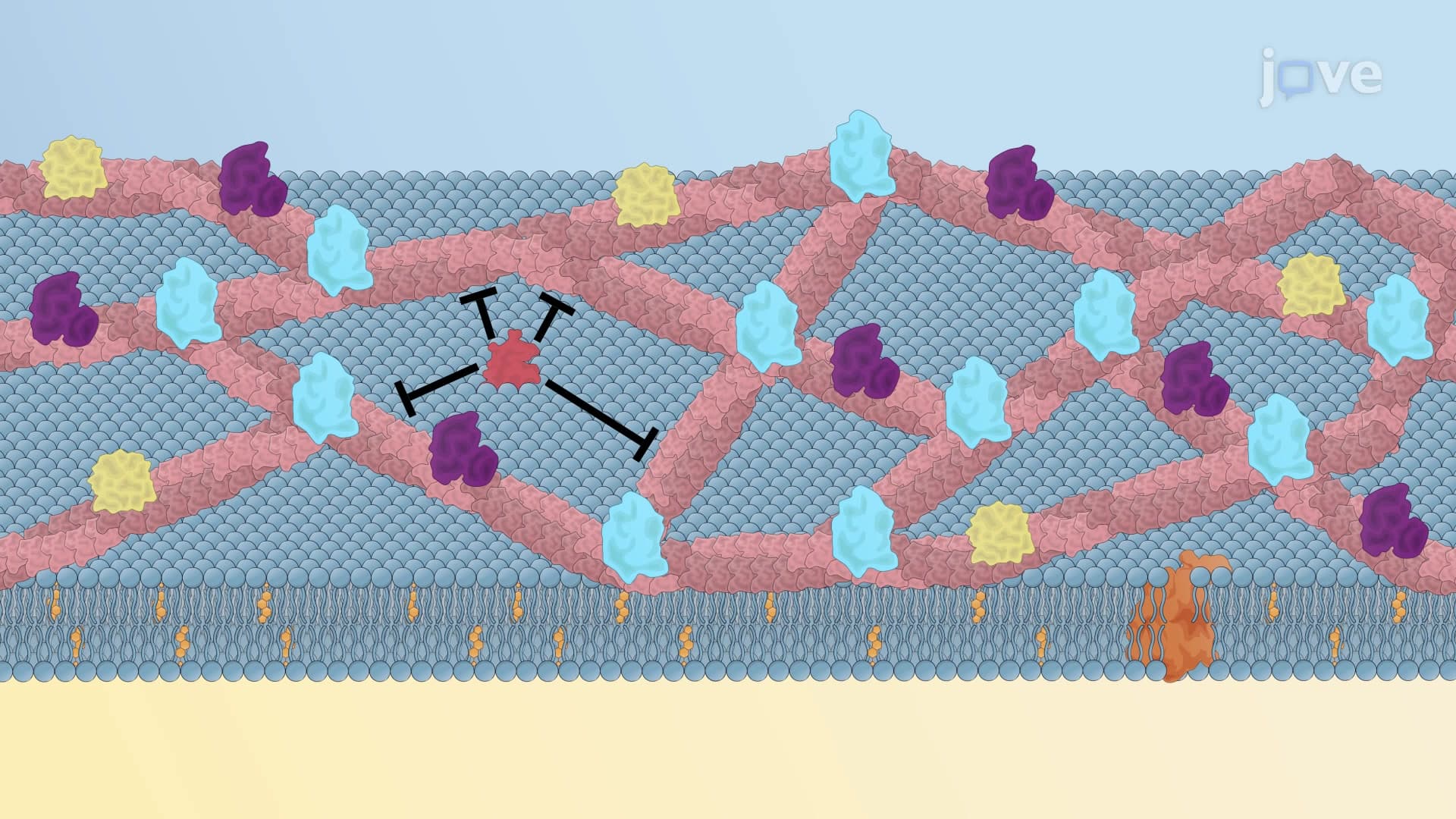
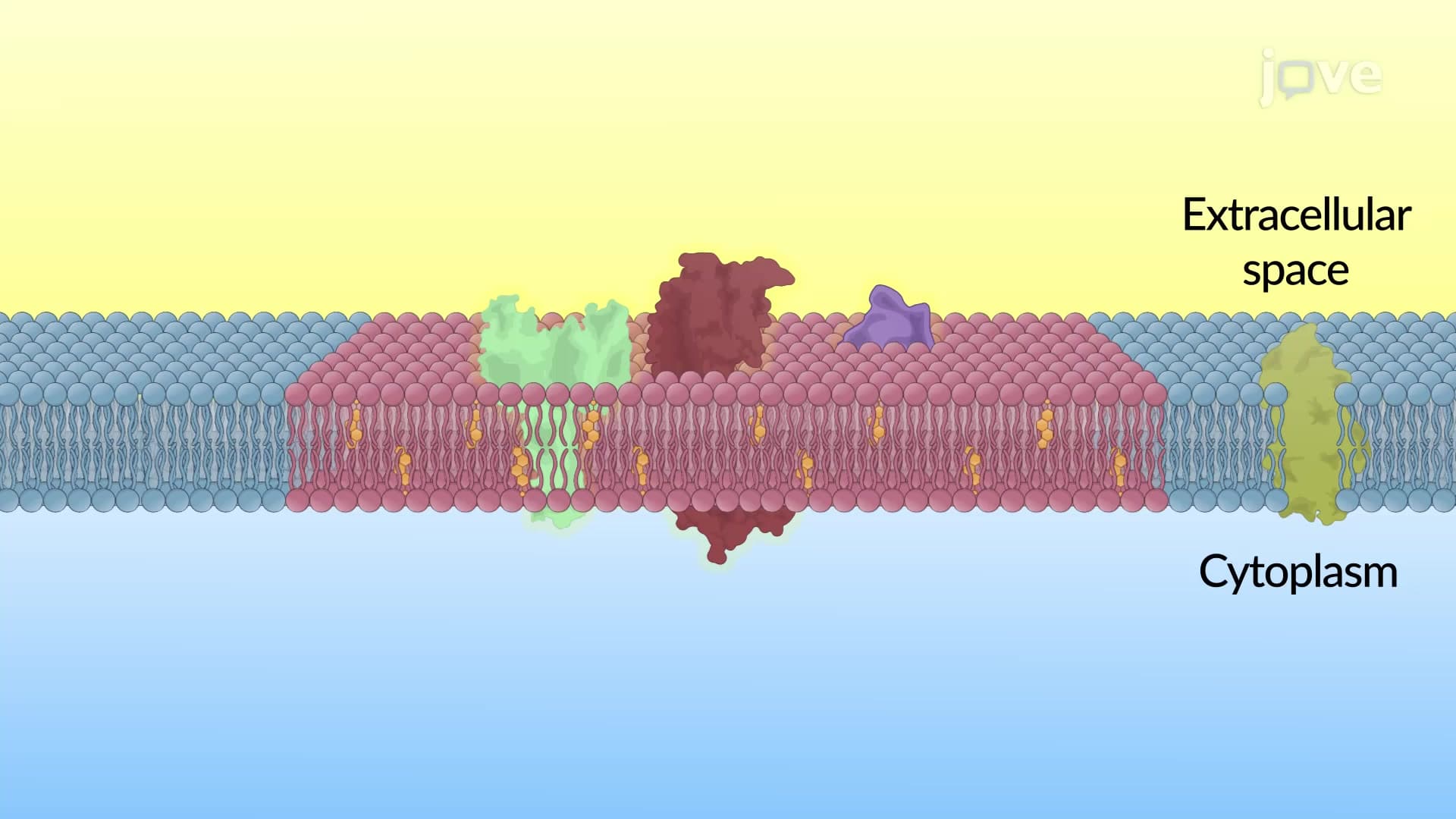
Lipid rafts represent another crucial type of membrane domain. These microdomains form when sphingolipids and cholesterol cluster together, creating regions that are more densely packed than surrounding areas rich in unsaturated phospholipids. This density difference affects protein function and cellular signaling-imagine trying to move through a crowded subway car versus an empty one.
Understanding membrane domains proves essential for medical applications. Many prescription drugs target proteins specifically located in lipid rafts, including certain cholesterol-lowering medications and cancer treatments. Disrupted domain organization contributes to diseases like cystic fibrosis, where defective protein trafficking affects lung and digestive function.
Students preparing for the MCAT or AP Biology exam frequently encounter questions about membrane domain organization, particularly regarding epithelial cell polarity and lipid raft function. College biochemistry courses often explore how domain disruption affects drug delivery and cellular signaling pathways.
Tight junctions act as molecular fences, preventing proteins from wandering between apical and basolateral domains. These protein complexes form continuous belts around epithelial cells, maintaining the distinct compositions necessary for proper cellular function.
The lipid composition itself drives domain formation through thermodynamic principles. Saturated sphingolipid chains pack tightly with cholesterol, naturally separating from looser arrangements of unsaturated phospholipids-similar to how oil and water separate based on their molecular properties.
Related Micro-courses