Loading subject page…


669,502 views


Video Summary: What are Ionic Crystal Structures
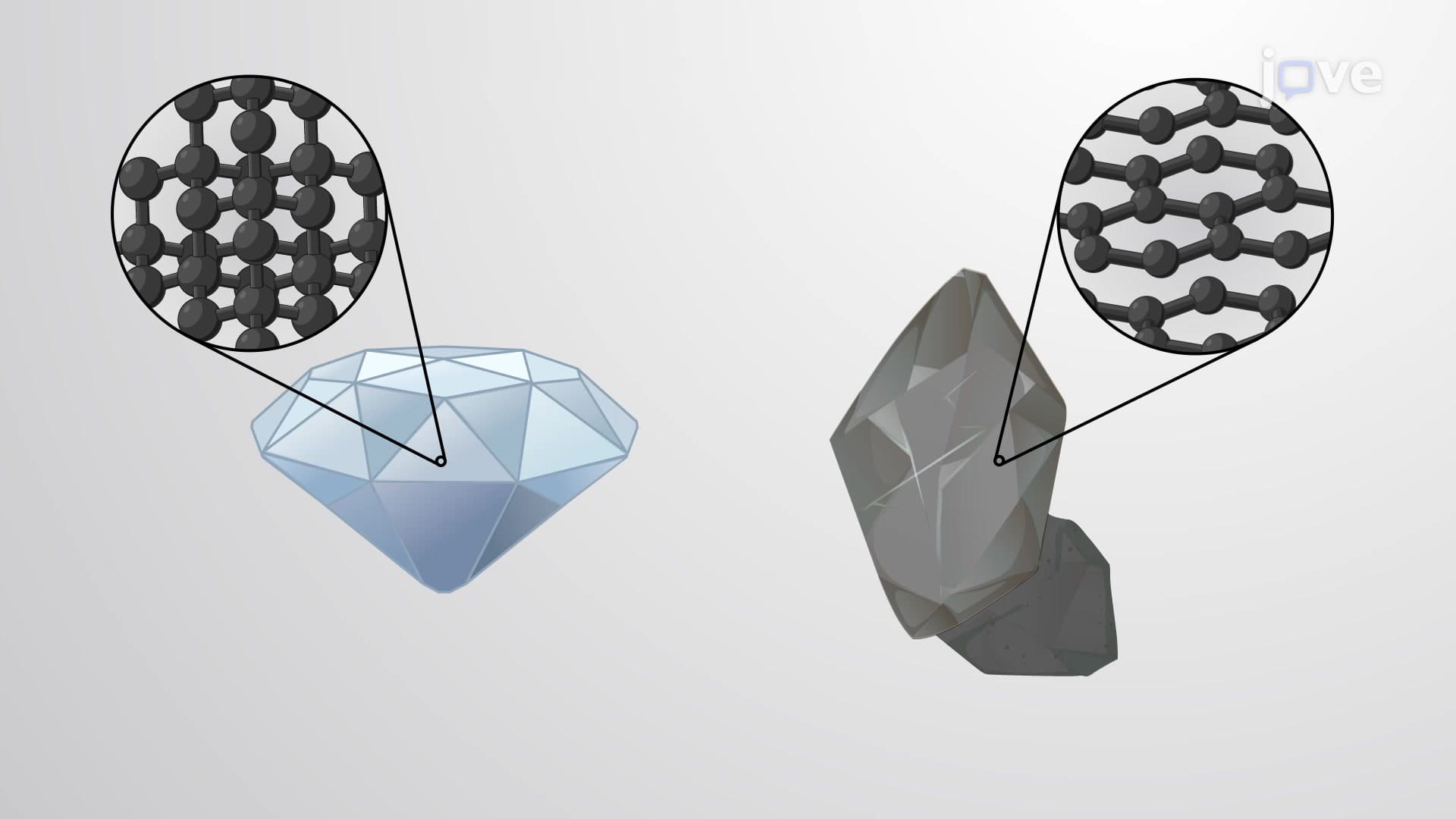
Ever wonder why table salt forms perfect cubes while diamonds sparkle with different facets? Ionic crystal structures determine how charged atoms arrange themselves in repeating three-dimensional patterns, creating the solid materials we encounter daily. From the sodium chloride in your kitchen to the calcium fluoride used in telescope lenses at observatories like those operated by the National Science Foundation, these structures dictate material properties. Watch the full video on JoVE Coach to master this concept with expert-led visuals and step-by-step explanations.
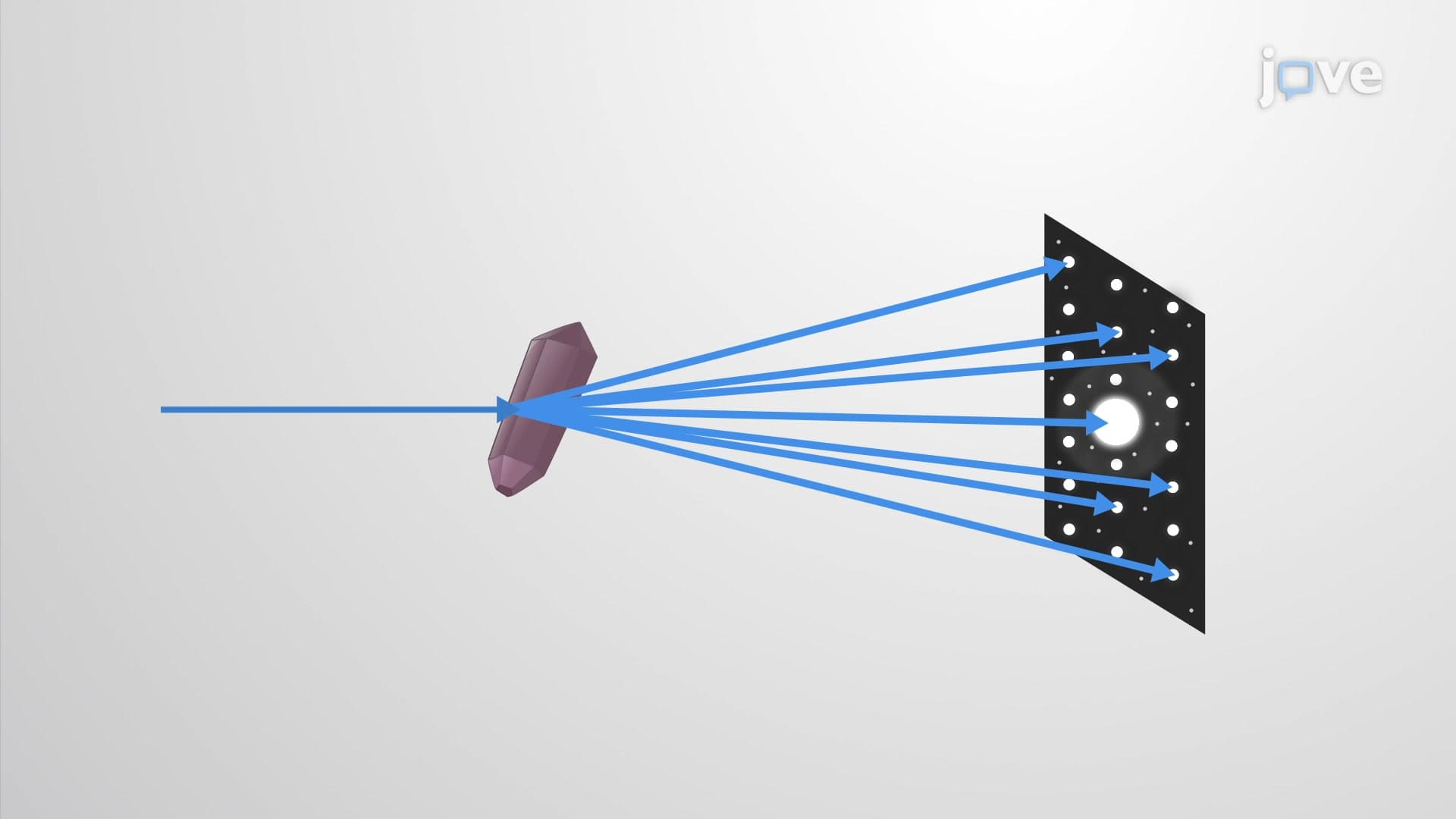
Ionic crystal structures represent the three-dimensional arrangements of cations and anions in ionic solids, where electrostatic forces drive ions to pack in highly ordered, repeating patterns. Unlike molecular compounds, ionic materials form extended networks where each ion is surrounded by oppositely charged neighbors, creating structures that maximize attractive forces while minimizing repulsion.
The key factors determining these arrangements include ionic size ratios, charge magnitudes, and stoichiometric proportions. Students preparing for AP Chemistry or college-level inorganic chemistry courses must understand that these structures aren't random-they follow predictable patterns based on fundamental physical principles.
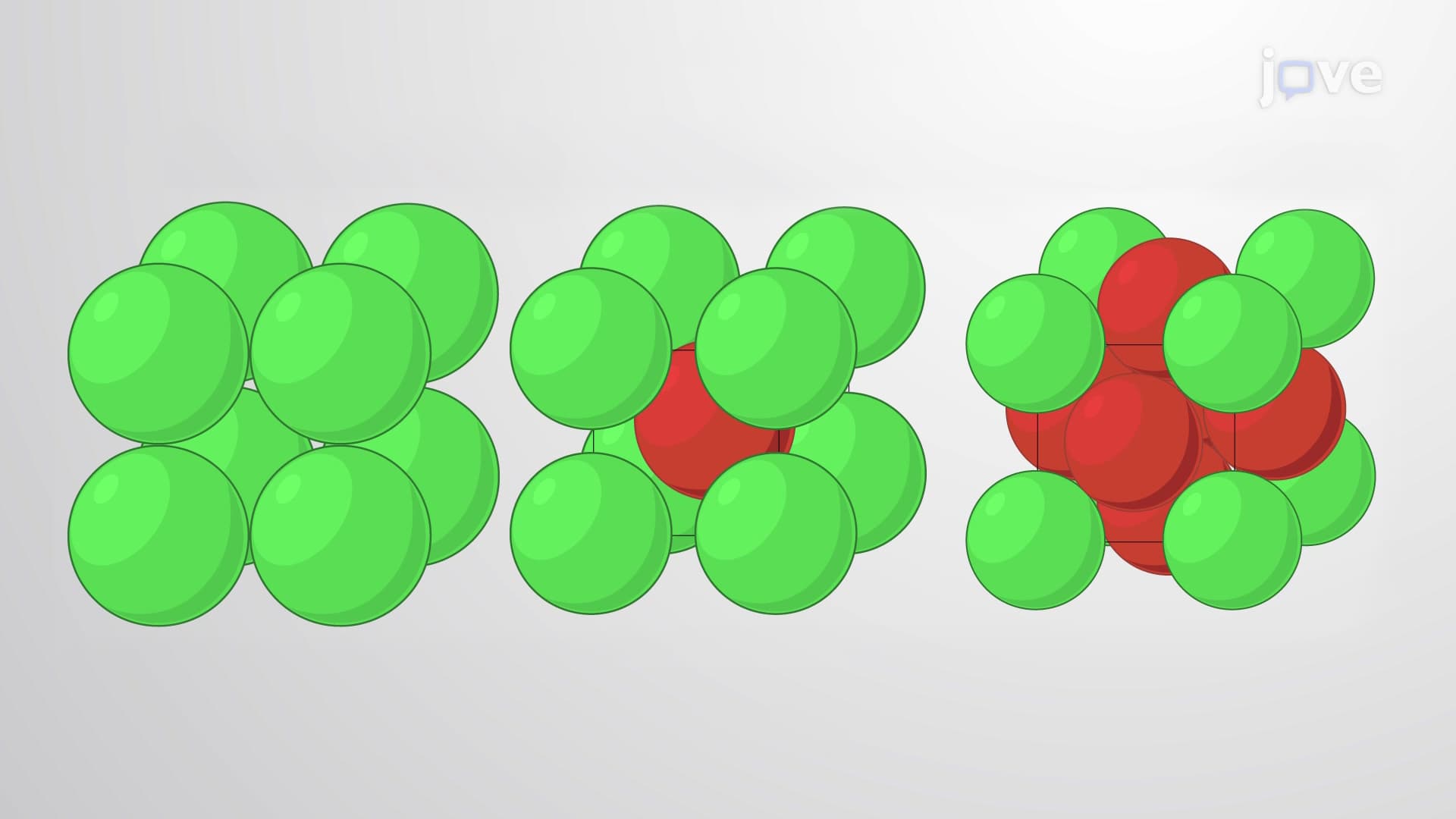
The cesium chloride structure represents the simplest case, where large cations and anions of similar size adopt a primitive cubic arrangement. Each cesium ion sits at the center of eight chloride ions, yielding a coordination number of 8:8. This structure appears in compounds where the radius ratio approaches unity.
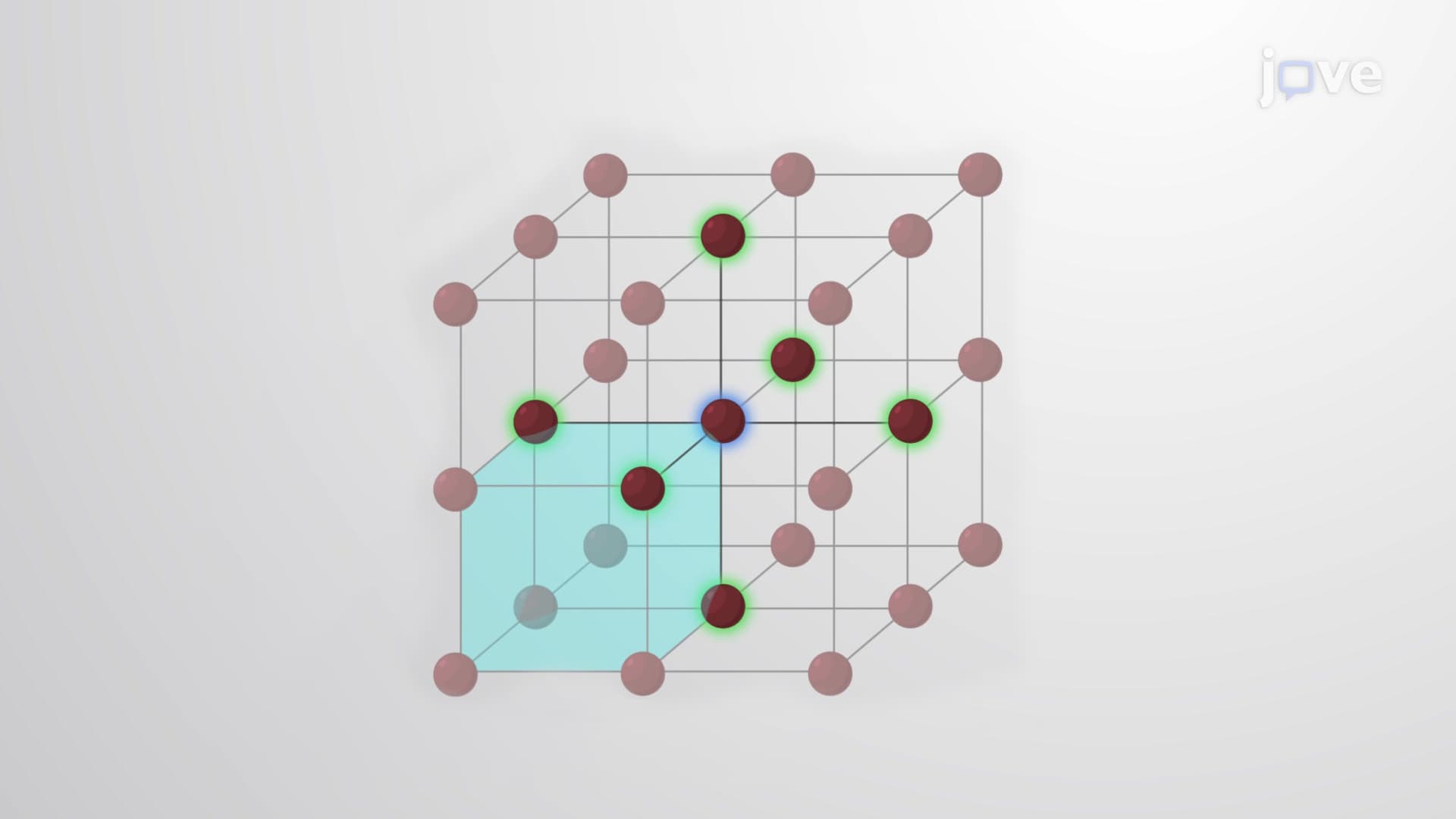
The rock salt structure (sodium chloride type) dominates ionic chemistry, featuring a face-centered cubic array of anions with cations occupying octahedral holes. This 6:6 coordination occurs when cations are significantly smaller than anions, as seen in common laboratory reagents like potassium bromide used in infrared spectroscopy.
The zinc blende structure emerges when size differences become more pronounced. Here, cations occupy only half the tetrahedral holes in a face-centered cubic anion array, creating 4:4 coordination. This structure appears in semiconductors like gallium arsenide, crucial for electronic devices manufactured in Silicon Valley.
Coordination numbers-the number of nearest neighbors surrounding each ion-directly reflect geometric constraints and electrostatic optimization. Students can predict structures using radius ratios: ratios near 1.0 favor 8:8 coordination (cesium chloride), ratios of 0.4-0.7 prefer 6:6 coordination (rock salt), and smaller ratios drive 4:4 coordination (zinc blende).
For MCAT preparation, understanding that coordination environments affect material properties proves essential. Higher coordination numbers generally correlate with greater lattice energies and higher melting points, explaining why sodium chloride melts at 801°C while zinc sulfide decomposes at lower temperatures.
When cation-to-anion ratios deviate from 1:1, entirely different structures emerge. The fluorite structure (calcium fluoride type) accommodates 1:2 stoichiometry with cations in face-centered cubic arrangement and anions filling all tetrahedral holes, creating 8:4 coordination. Conversely, the antifluorite structure reverses this arrangement for 2:1 compounds like sodium oxide.
These principles apply directly to industrial processes-fluoride compounds serve as fluxes in steel production at facilities like those operated by U.S. Steel Corporation, while understanding structure-property relationships guides materials selection in aerospace applications.
Related Micro-courses