Loading video…


 9 Concepts
 5.2K views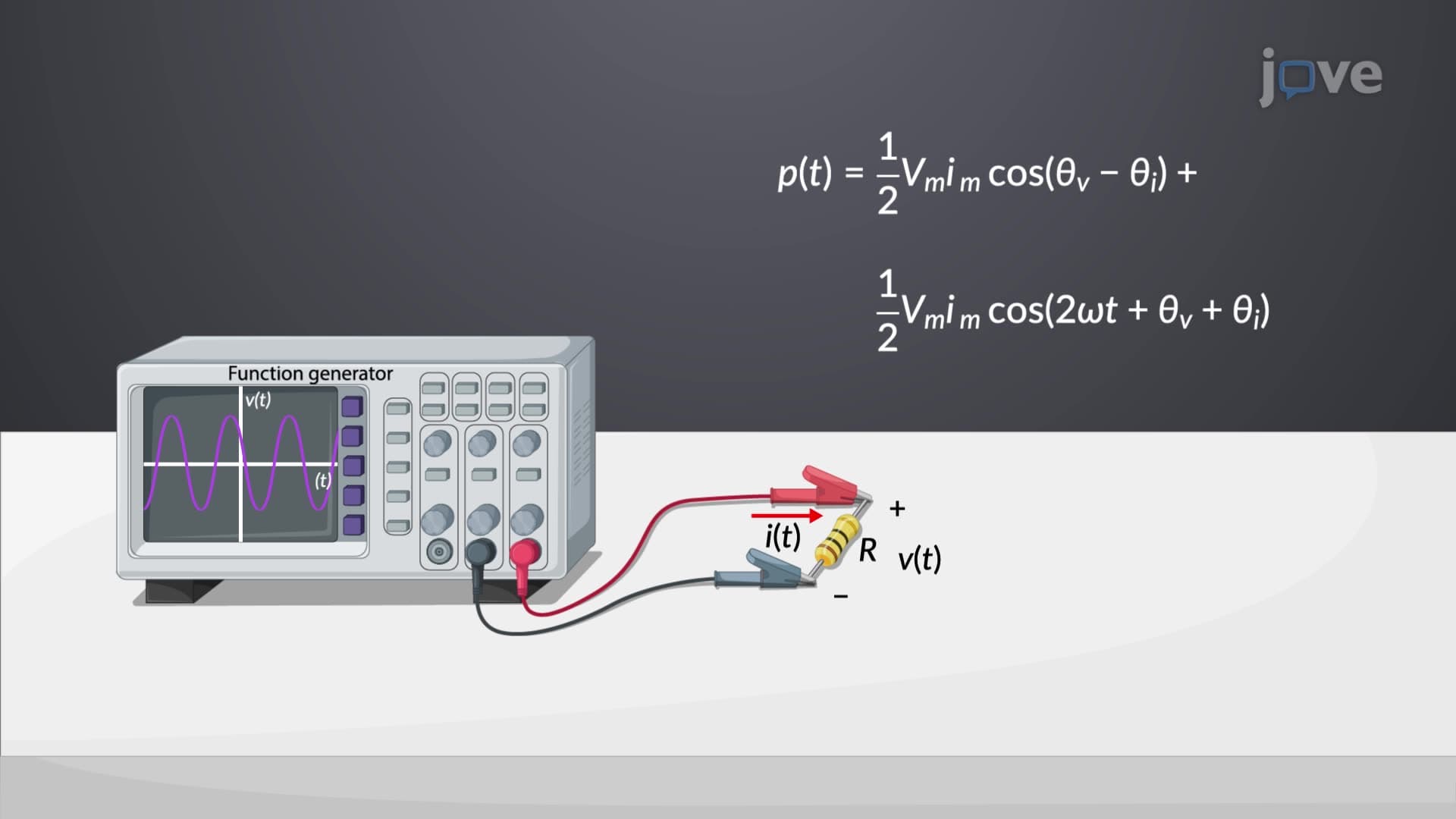

Video Summary: What Is Instantaneous Power
Ever wonder why your home's electrical meter spins at different rates throughout the day? Average power determines the actual energy consumption your utility company bills you for, even though instantaneous power constantly fluctuates in AC circuits. When analyzing electrical systems like those powering US homes at 60 Hz, understanding what is instantaneous power becomes crucial for predicting energy costs and system efficiency. Watch the full video on JoVE Coach to master this concept with expert-led visuals and step-by-step explanations.
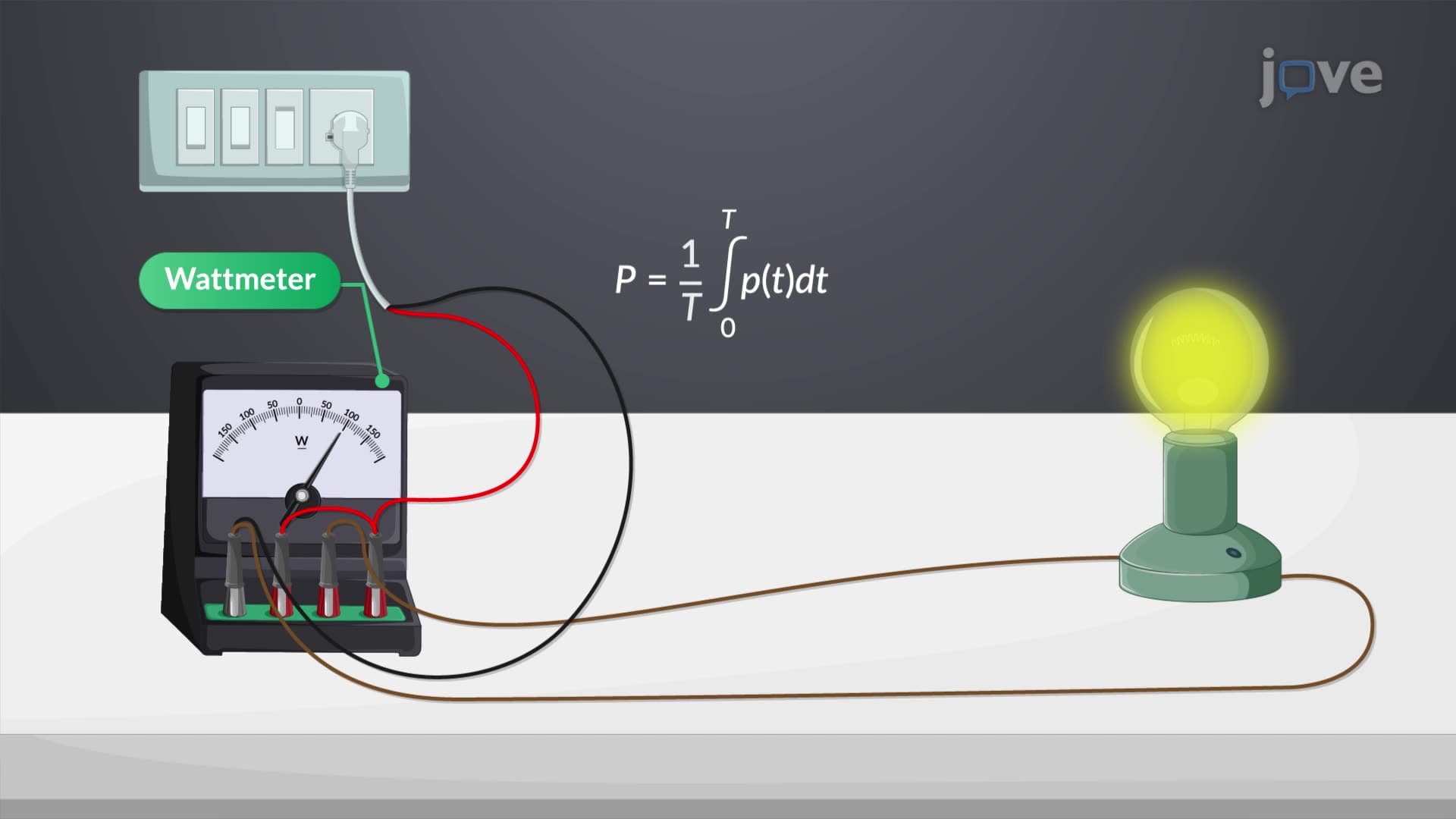
Instantaneous power represents the rate of energy transfer at any specific moment in an electrical circuit. Unlike average power, which provides a steady measurement over time, instantaneous power constantly varies in AC systems. This concept becomes particularly important when analyzing the 120V, 60 Hz electrical systems standard throughout US homes and industries.
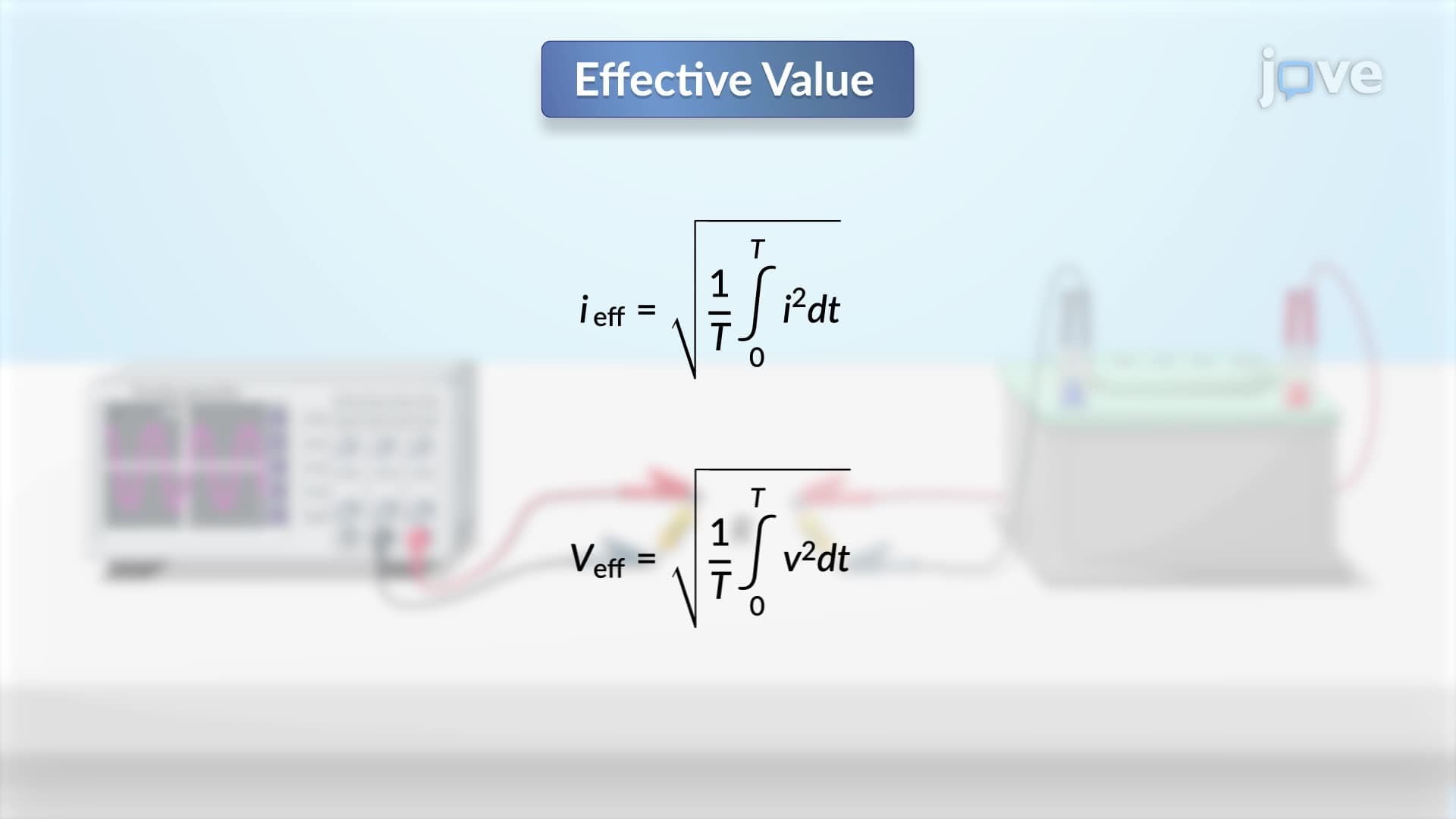
The average power definition emerges from instantaneous power analysis. When voltage and current follow sinusoidal patterns, instantaneous power equals their product at each instant. Using trigonometric identities, this product yields two distinct terms: a constant component representing average power, and a sinusoidal component oscillating at twice the fundamental frequency.
For US power systems operating at 60 Hz, the instantaneous power oscillates at 120 Hz. This high-frequency oscillation explains why incandescent light bulbs appear to provide steady illumination-our eyes cannot detect the rapid power fluctuations occurring 120 times per second.
Understanding what is average power in detail requires examining different circuit types. In purely resistive circuits, like electric heaters or incandescent bulbs, voltage and current remain in phase. This alignment ensures instantaneous power never becomes negative-energy flows consistently from source to load, resulting in steady heat or light production.
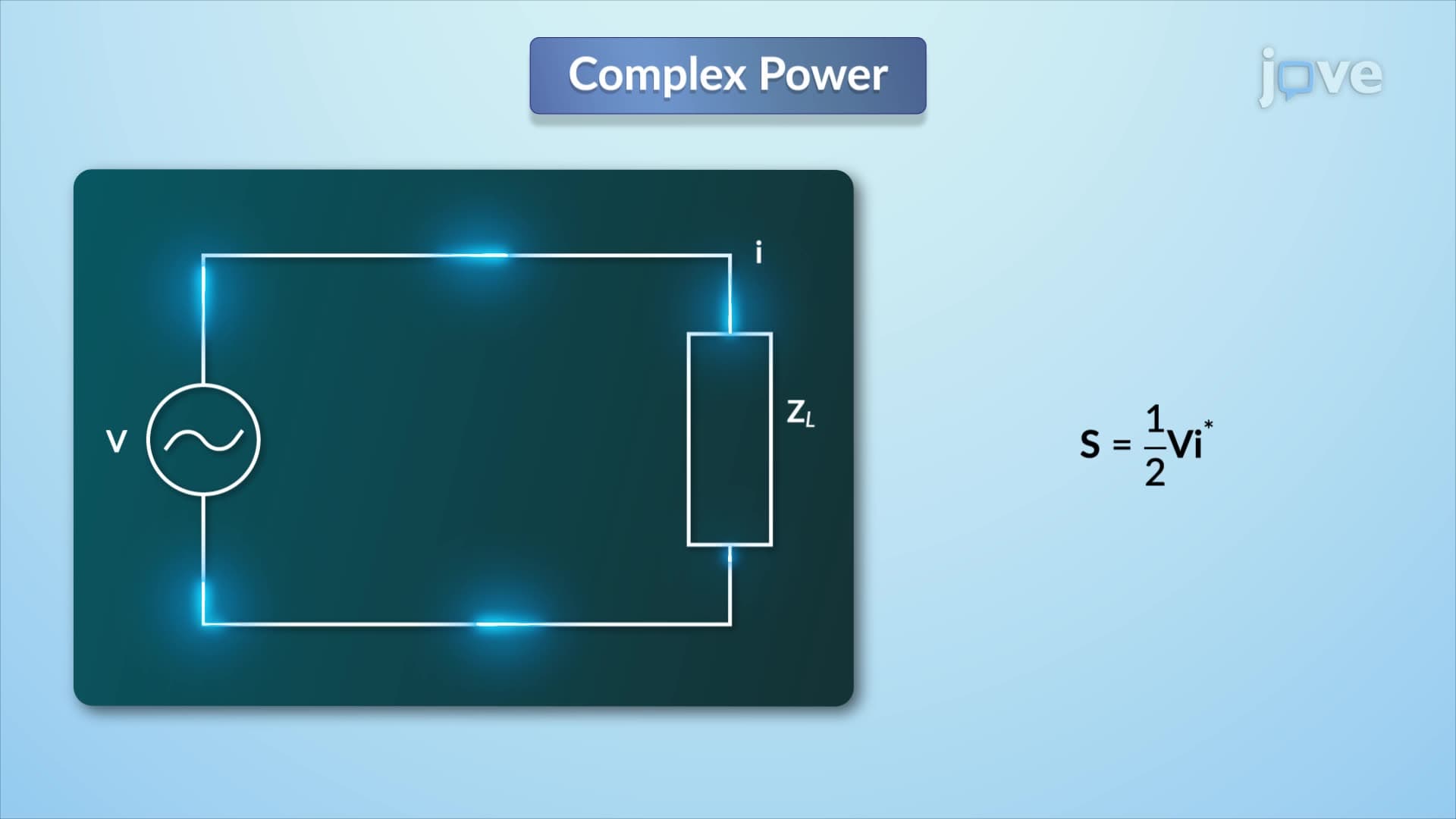
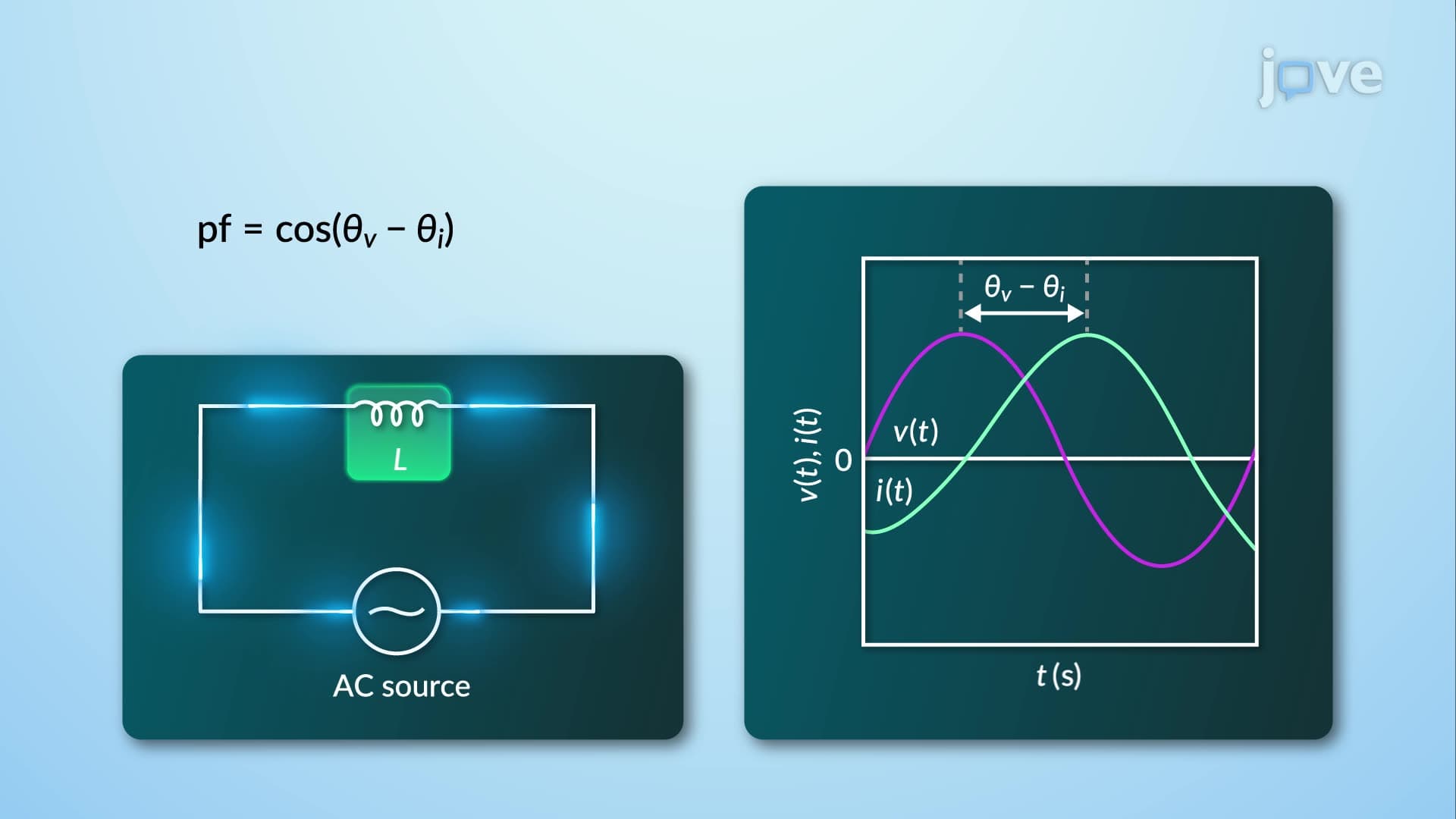
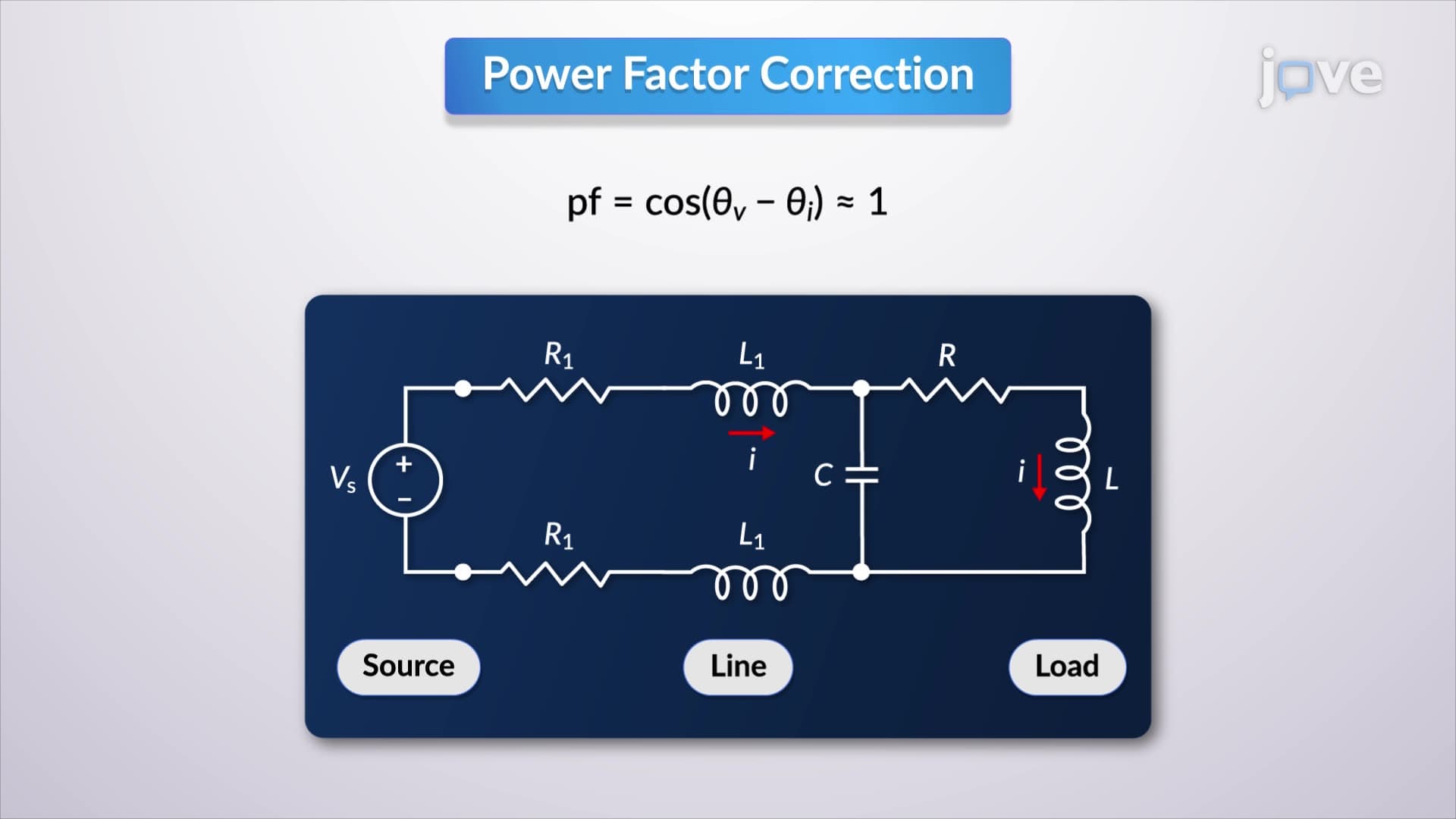
Reactive circuits containing inductors (motors, transformers) or capacitors (power factor correction equipment) exhibit different behavior. The phase shift between voltage and current causes instantaneous power to alternate between positive and negative values. During negative power periods, these reactive elements return stored energy to the circuit, temporarily acting as power sources.
This average power concept appears frequently in AP Physics courses, college-level electrical engineering programs, and professional engineering examinations. Students preparing for the Fundamentals of Engineering (FE) exam or pursuing Electrical and Computer Engineering degrees at institutions like MIT, Stanford, or Georgia Tech encounter these principles in circuit analysis coursework.
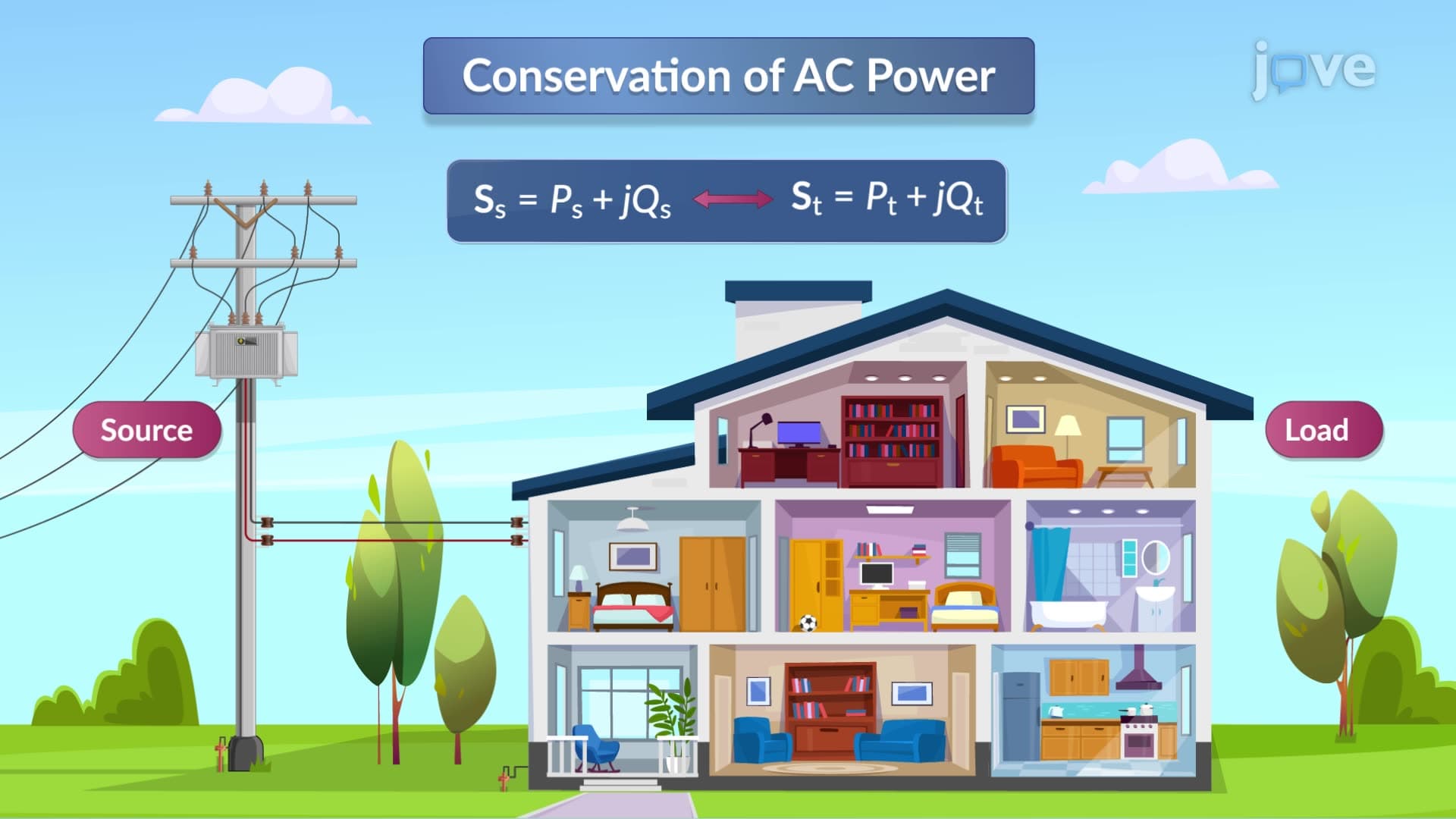
Power companies across the United States, from Pacific Gas & Electric to ConEd, must account for both average power consumption and reactive power effects when designing distribution systems. Understanding instantaneous power fluctuations helps engineers specify appropriate equipment ratings and prevent system overloads during peak demand periods.
Related Micro-courses