Loading video…


 9 Concepts
 5.2K views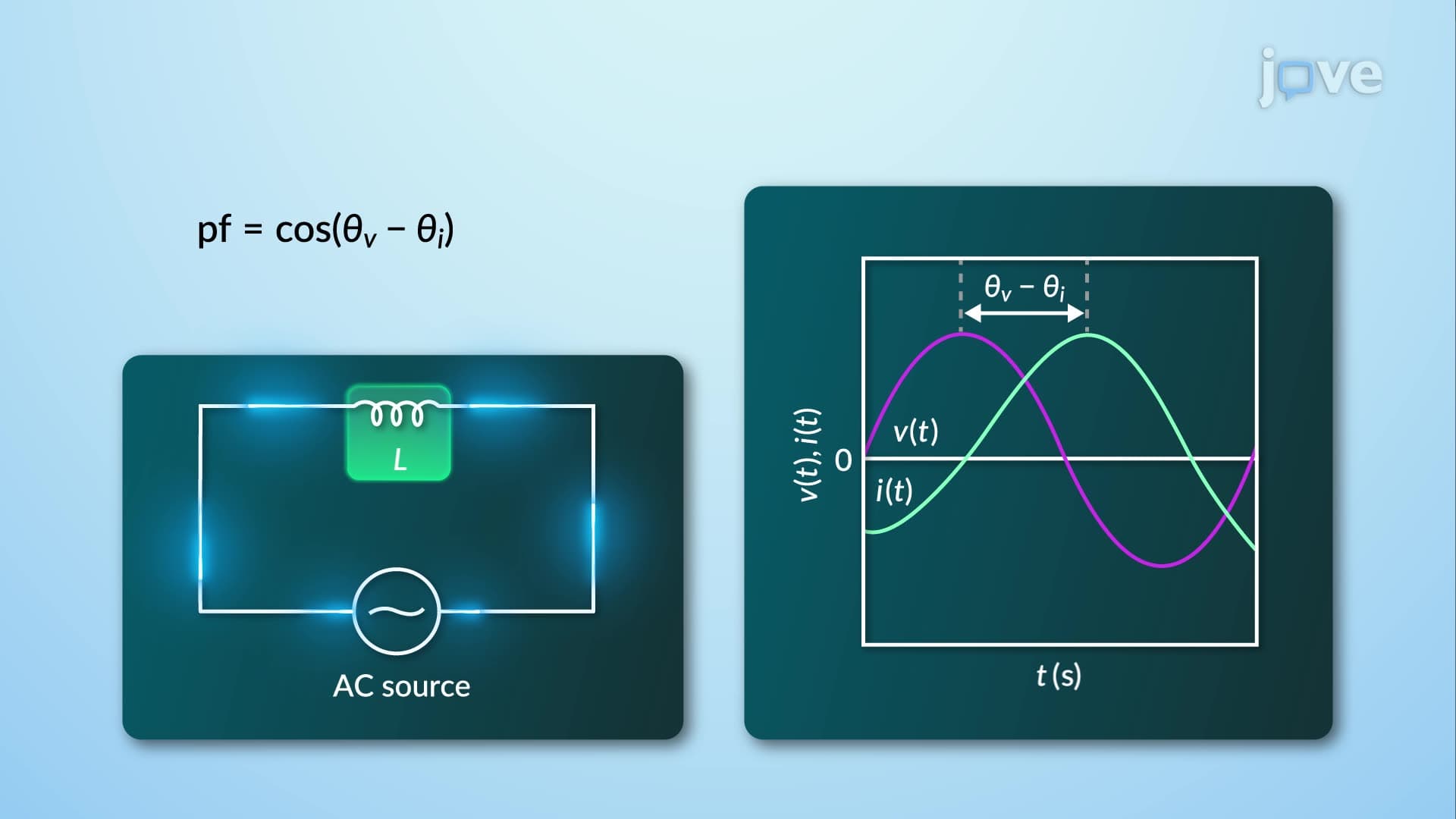

Video Summary: What Is Power Factor
Ever wonder why your electricity bill doesn't just reflect the power your appliances actually use? Power factor correction addresses this puzzle by optimizing how efficiently electrical systems consume power. For instance, industrial facilities across the US often face utility penalties when their power factor drops below 0.9, forcing them to pay for "wasted" reactive power. What is power factor becomes crucial when understanding that poor power factor can increase energy costs by 15-25% in manufacturing plants. Watch the full video on JoVE Coach to master this concept with expert-led visuals and step-by-step explanations.
What is power factor fundamentally describes how effectively an electrical system converts supplied power into useful work. In US electrical engineering curricula, this concept appears prominently in AP Physics C courses and introductory college electrical engineering programs. The power factor equals the cosine of the phase angle between voltage and current waveforms, ranging from 0 to 1.0 (or 0% to 100%).
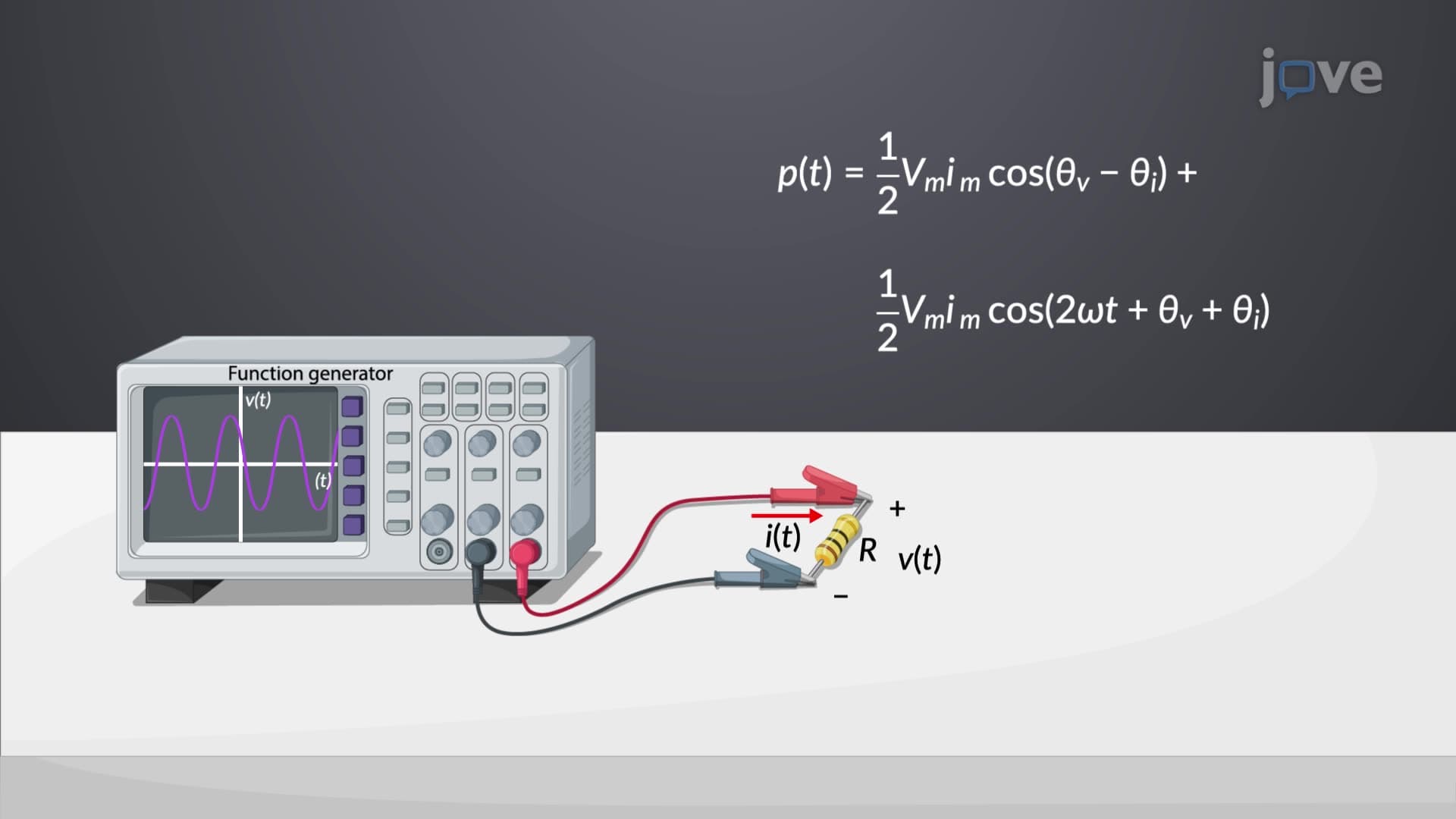
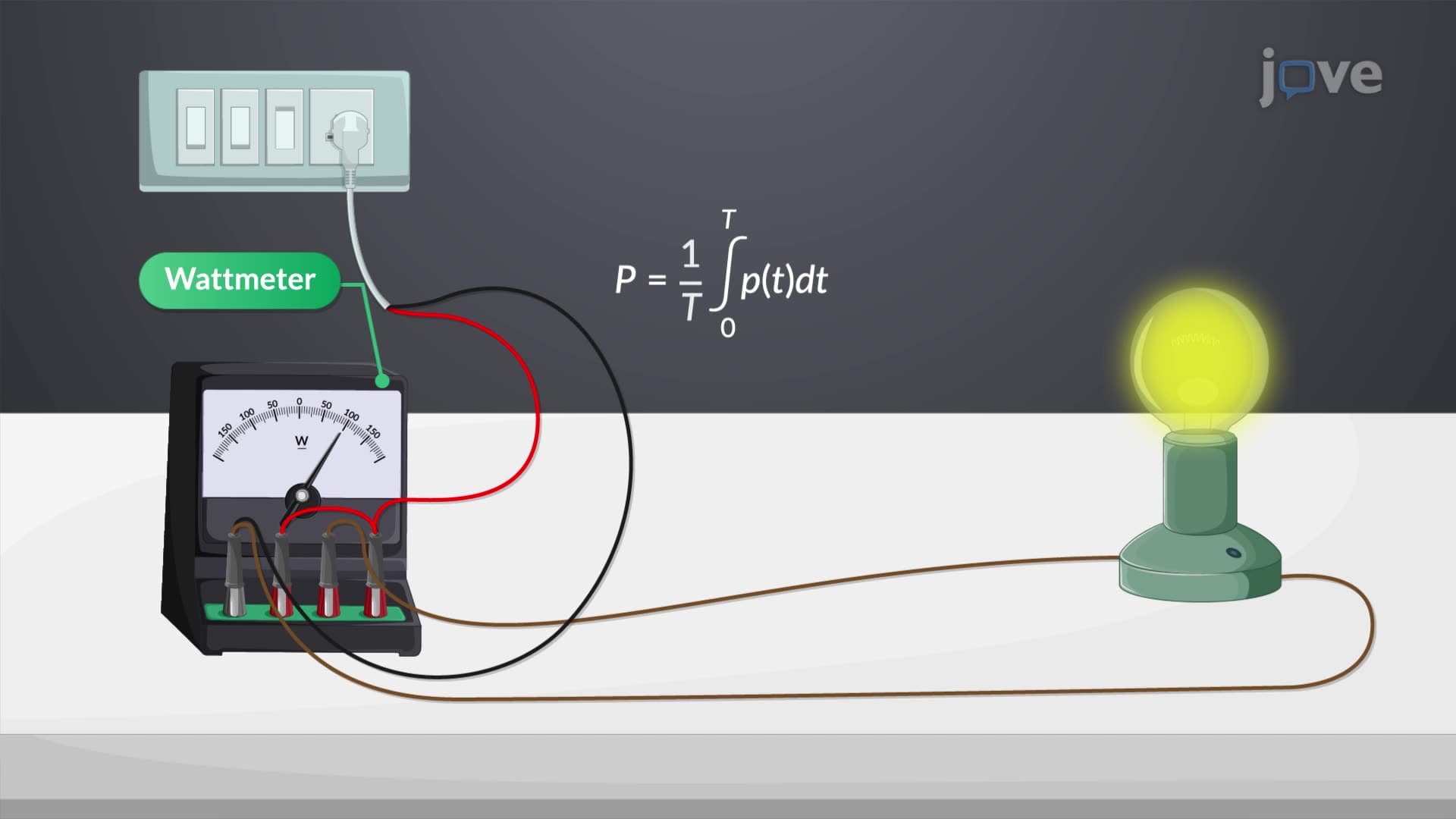
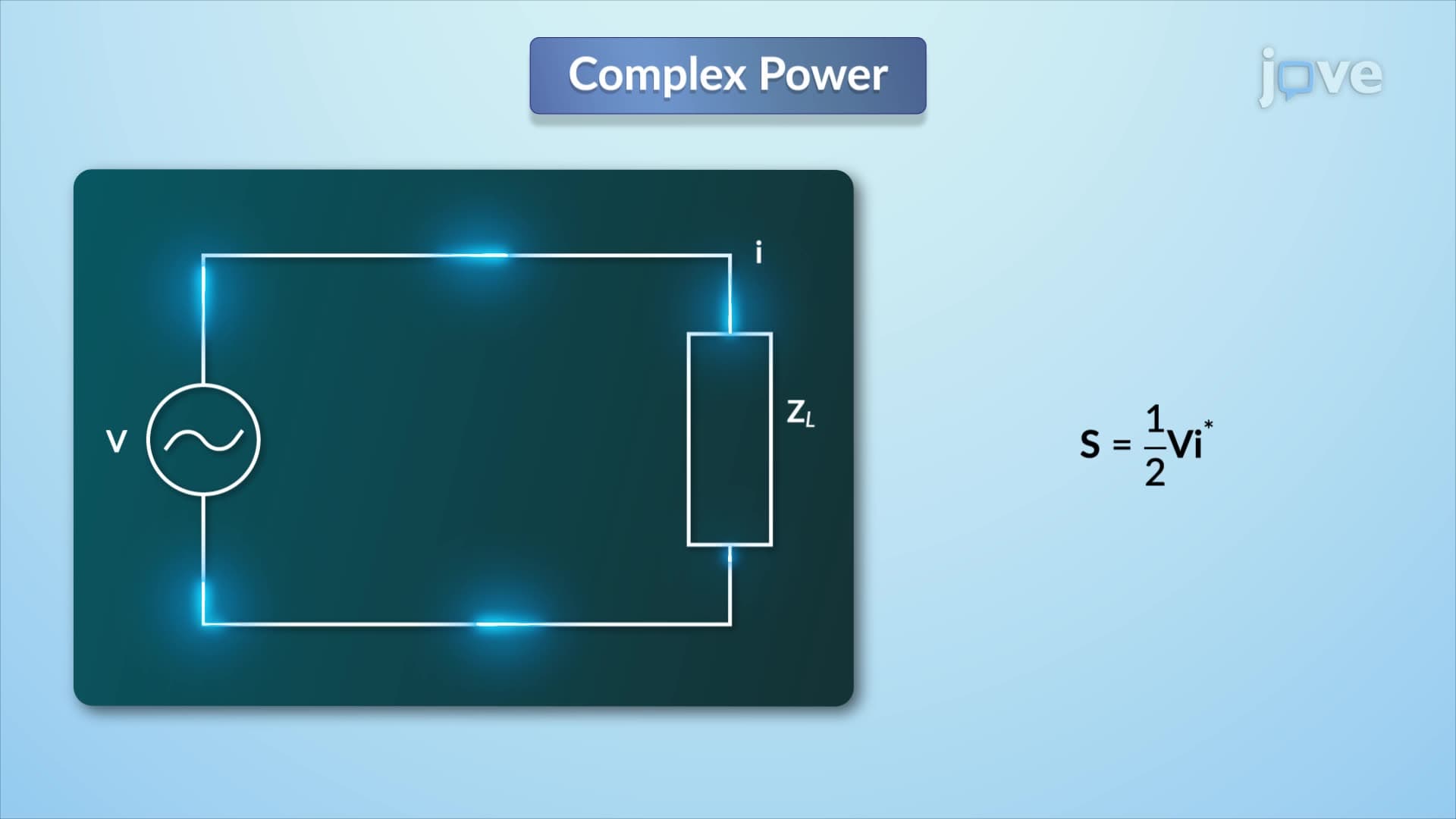
The power factor correction definition centers on three power relationships: Active Power (P) = V × I × cos(φ), Reactive Power (Q) = V × I × sin(φ), and Apparent Power (S) = V × I. Here, φ represents the phase angle between voltage and current. Power factor correction becomes essential when φ deviates significantly from zero degrees, indicating energy inefficiency.
US utility companies typically require commercial customers to maintain power factors above 0.85-0.95. Below these thresholds, facilities face demand charges that can increase monthly bills by thousands of dollars. For example, a Texas manufacturing plant drawing 1000 kVA at 0.7 power factor pays for 1000 kVA while only utilizing 700 kW of useful power.
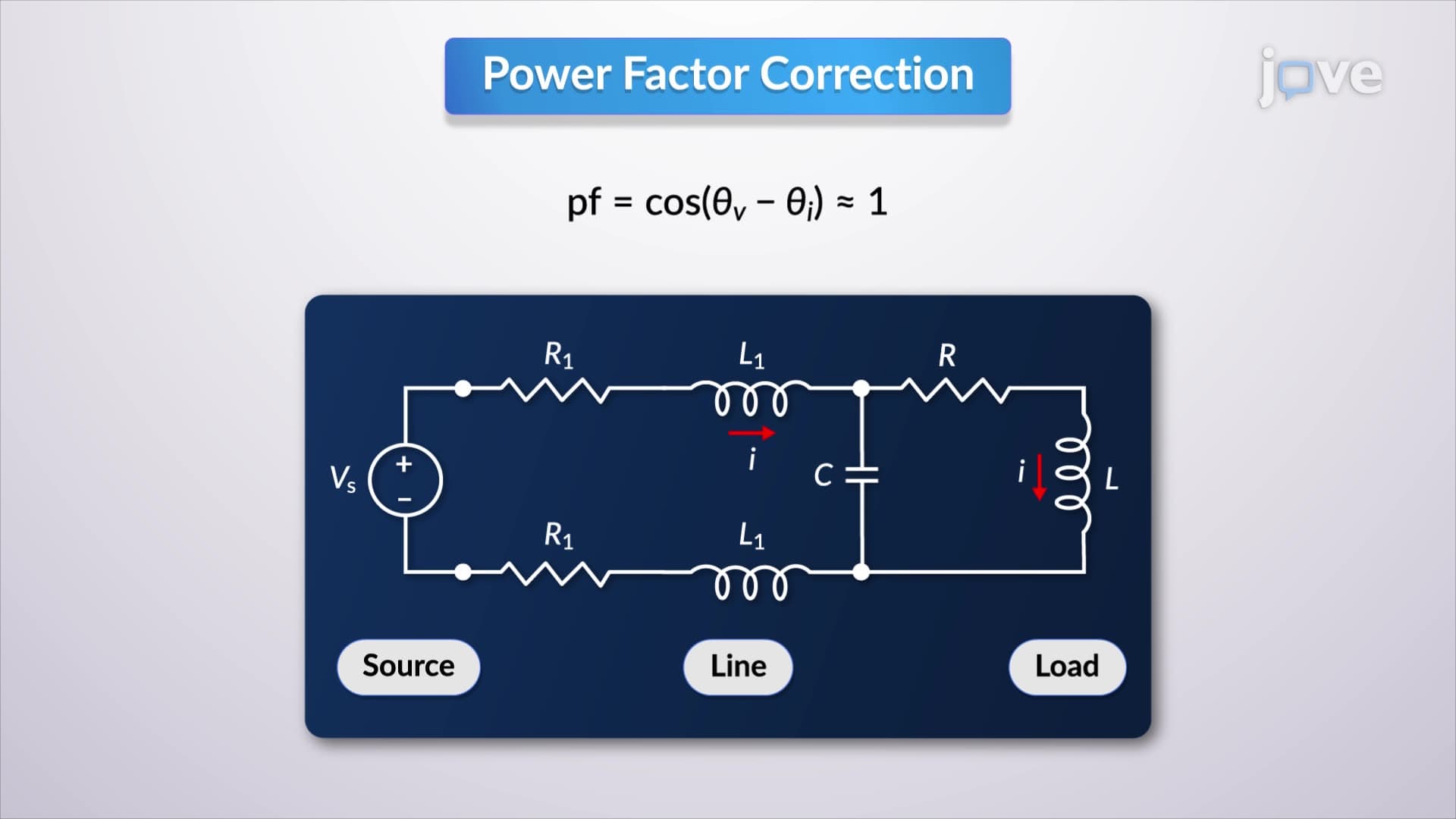
What is power factor correction in detail involves adding capacitive or inductive elements to counteract existing reactive components. Inductive loads like motors and transformers create lagging power factors, requiring capacitor banks for correction. Conversely, capacitive loads create leading power factors, needing inductor addition.
Modern power factor correction systems use automatic controllers that monitor real-time power factor and switch capacitor banks accordingly. These systems prevent over-correction, which can create harmonic distortion and equipment damage. Students preparing for the Fundamentals of Engineering (FE) exam encounter power factor calculations involving complex power triangles and correction capacitor sizing.
Power factor correction proves critical in US manufacturing, data centers, and commercial buildings. HVAC systems, which dominate building energy consumption, typically operate at 0.8-0.85 power factor without correction. Installing power factor correction equipment can improve efficiency to 0.95+, reducing utility demand charges significantly.
The National Electrical Code (NEC) requires power factor correction in specific applications, making this knowledge essential for electricians pursuing licensing exams. Understanding power factor correction basics helps students recognize why energy efficiency extends beyond simple power consumption to include reactive power management.
Related Micro-courses