Loading video…


 9 Concepts
 5.2K views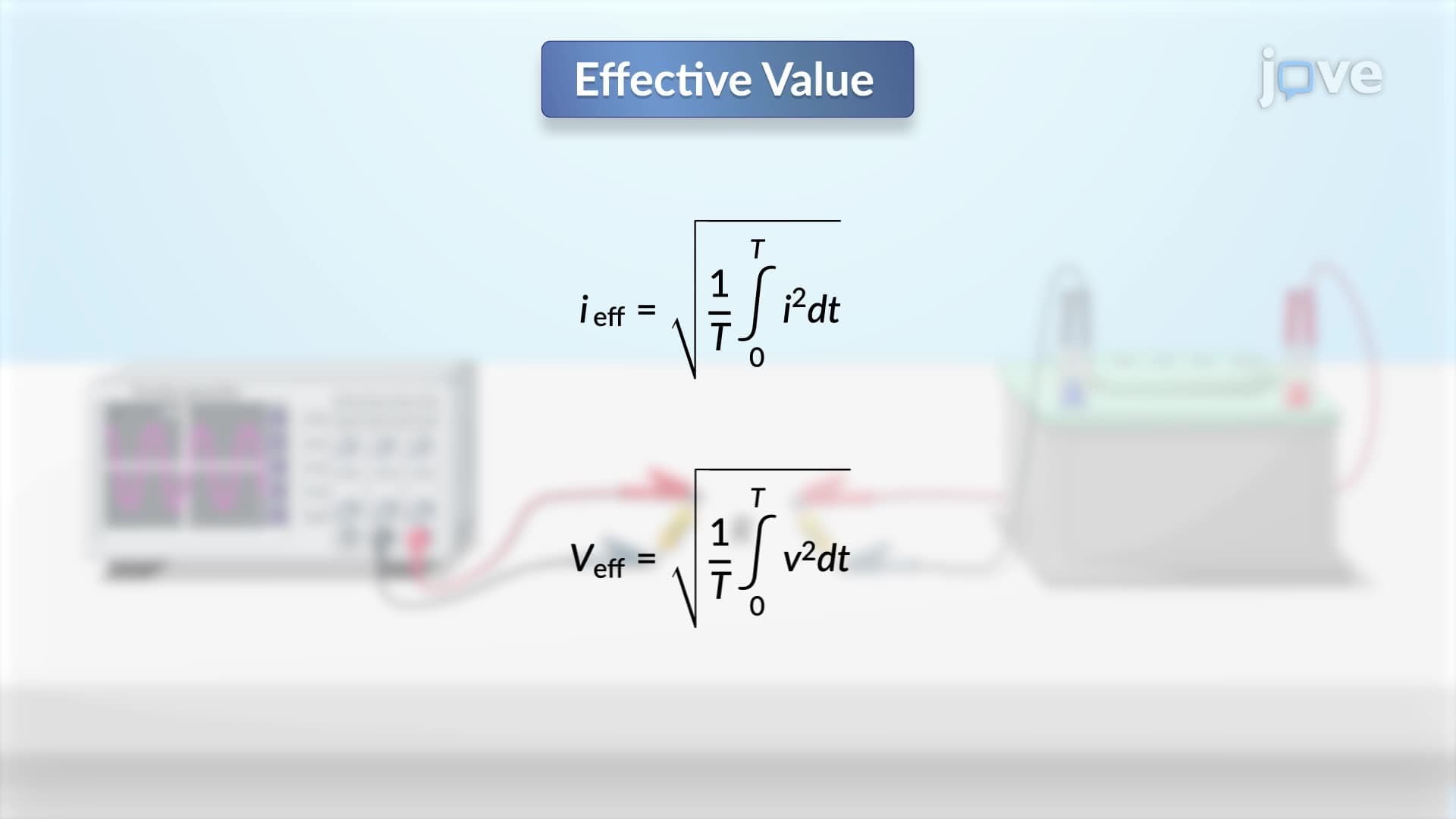

Video Summary: What Is Effective Value Periodic Waveform
Ever wondered why your home's electrical outlets deliver 120V AC when the actual voltage constantly changes? The answer lies in complex power calculations and effective values of periodic waveforms. When engineers design the US power grid, they use root-mean-square (RMS) values to ensure your microwave receives equivalent heating power whether from AC or DC sources. Understanding what is effective value periodic waveform reveals how alternating current delivers consistent power despite its oscillating nature. Watch the full video on JoVE Coach to master this concept with expert-led visuals and step-by-step explanations.
The effective value periodic waveform concept bridges the gap between alternating current theory and practical power delivery. When electrical engineers at companies like General Electric design power systems, they must ensure that AC sources deliver the same heating effect as equivalent DC sources. This equivalence principle forms the foundation of effective value calculations.
The mathematical definition stems from power equivalence: if an AC source delivers the same average power to a resistor as a DC source, their effective values are equal. This leads to the root-mean-square (RMS) formula, where the effective value equals the square root of the mean of the squared instantaneous values over one complete period.
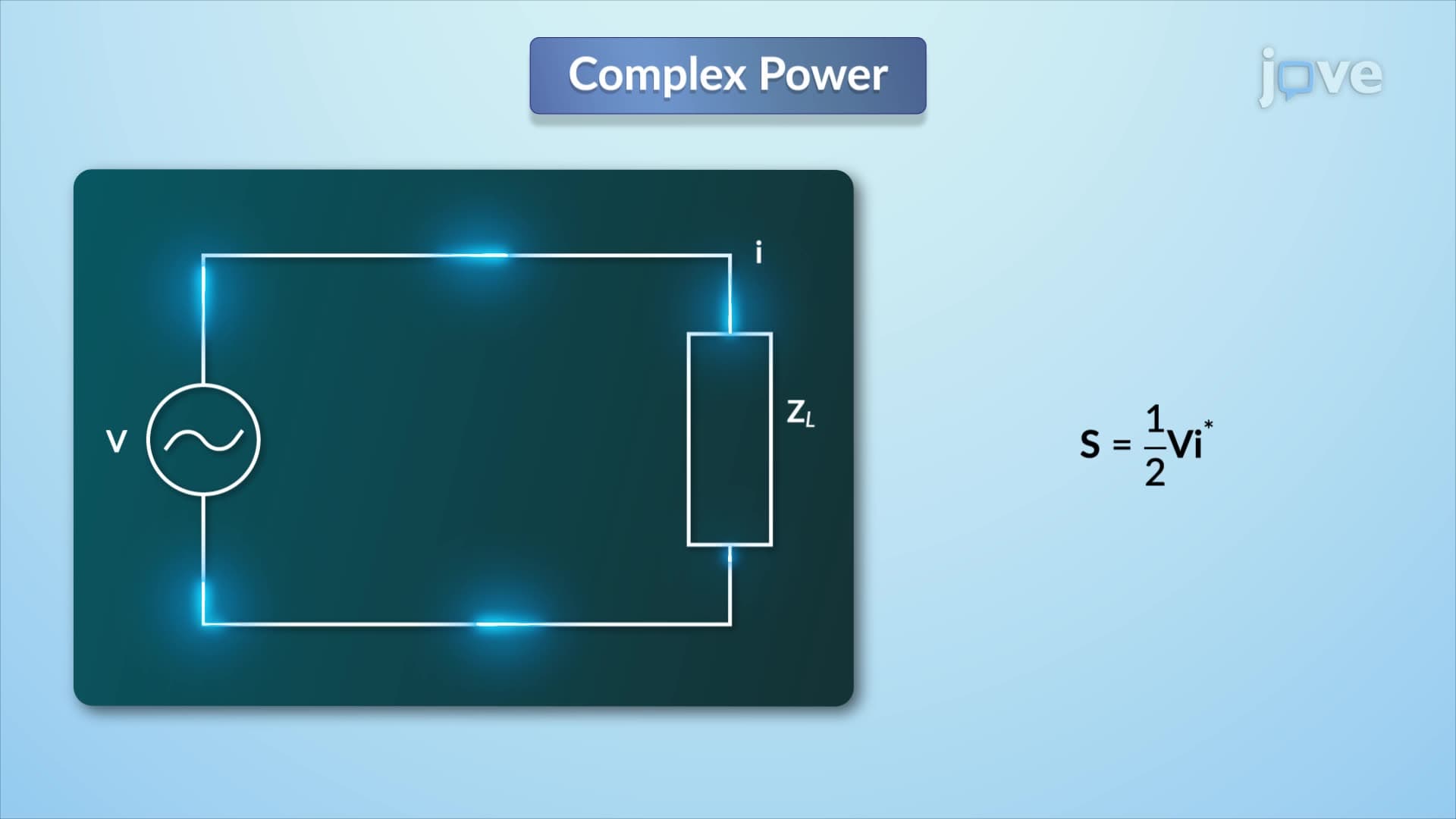
Complex power calculations heavily rely on effective values to determine total power flow in AC circuits. The complex power definition encompasses both real power (doing actual work) and reactive power (stored and released by reactive components). Understanding what is complex power in detail requires grasping how effective values represent the "equivalent DC" magnitude of oscillating AC quantities.
For sinusoidal waveforms common in US power systems, the RMS value equals the peak amplitude divided by √2 (approximately 0.707). This relationship explains why standard household voltage measures 120V RMS, even though the peak voltage reaches about 170V.
American electrical infrastructure demonstrates effective value importance daily. The National Electrical Code (NEC) bases all voltage and current ratings on RMS values. When Pacific Gas & Electric delivers power to California homes, transformers and protective devices operate using effective value calculations to ensure safety and efficiency.
Students preparing for AP Physics exams or college electrical engineering courses encounter effective values in power calculations, impedance analysis, and circuit design problems. The concept appears frequently on standardized tests because it connects theoretical AC analysis with practical engineering applications.
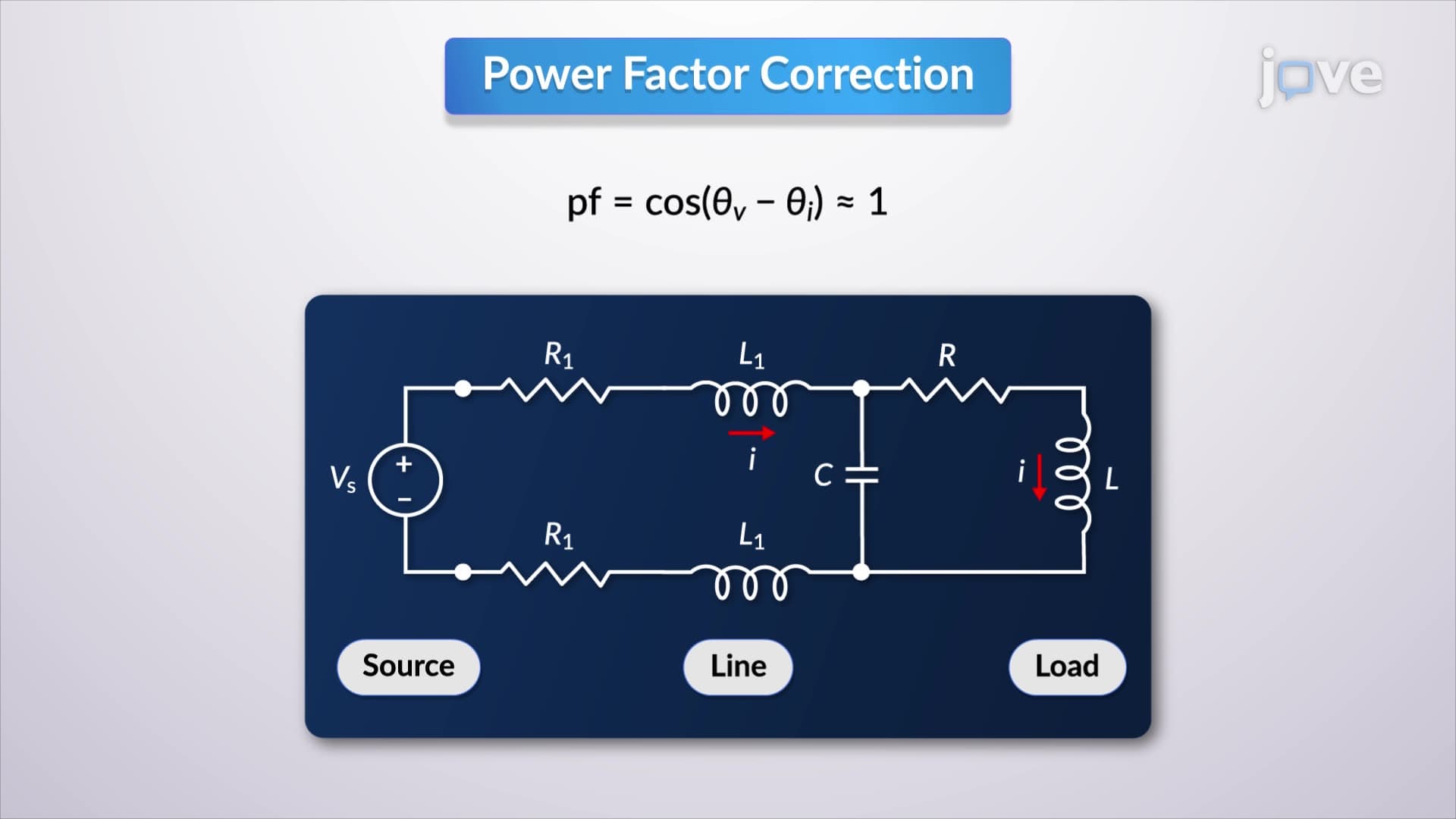
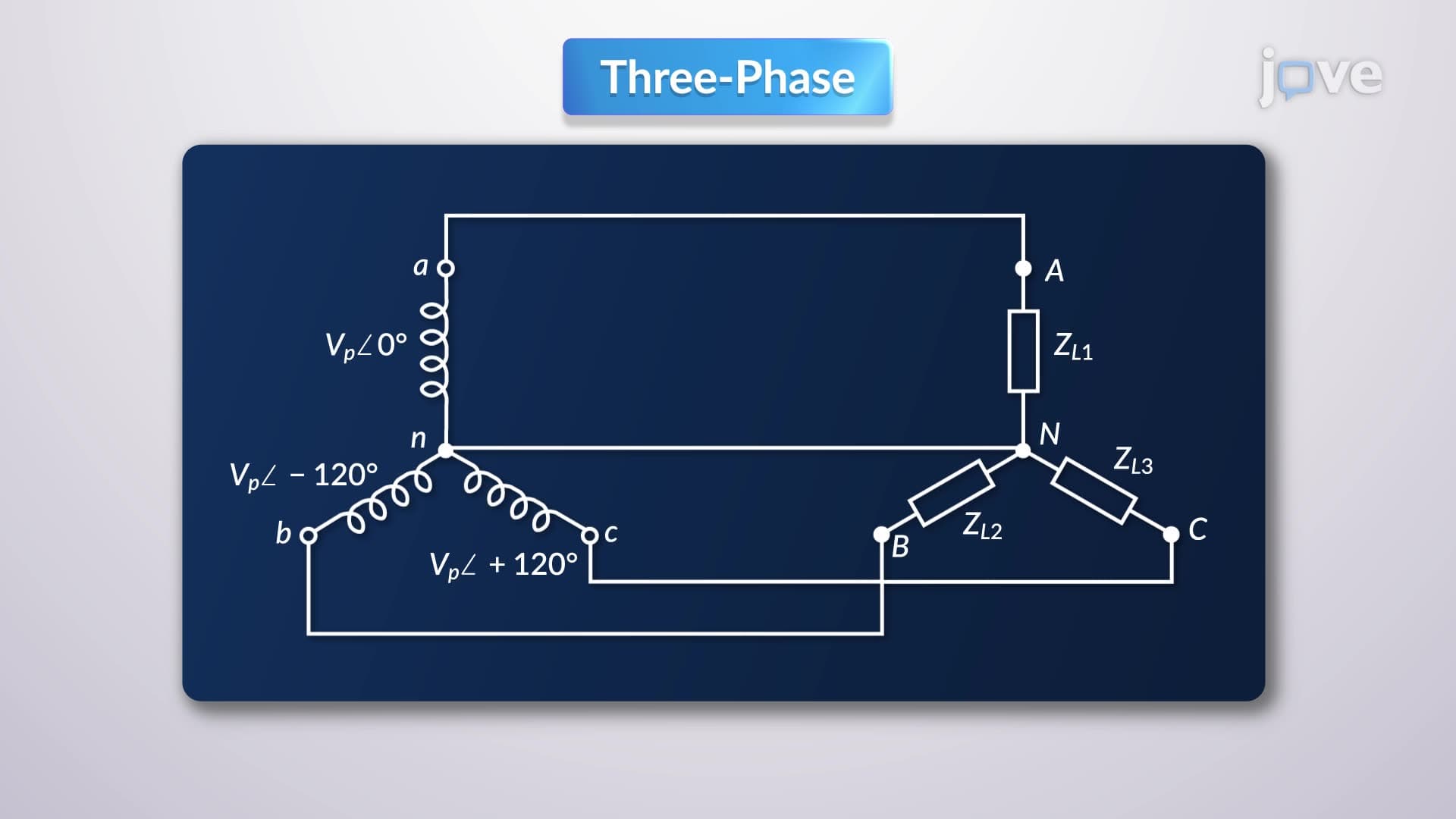
Engineers use effective values to analyze complex power basics in three-phase systems powering industrial facilities like Ford manufacturing plants. The complex power concept extends beyond simple resistive circuits to include motors, transformers, and power factor correction equipment.
When solving problems involving effective values, remember that the RMS calculation method applies to any periodic waveform, not just sinusoids. This versatility makes effective values essential for analyzing square waves, triangular waves, and other non-sinusoidal signals found in modern electronic systems.
Related Micro-courses