Loading video…


 7 Concepts
 3.3K views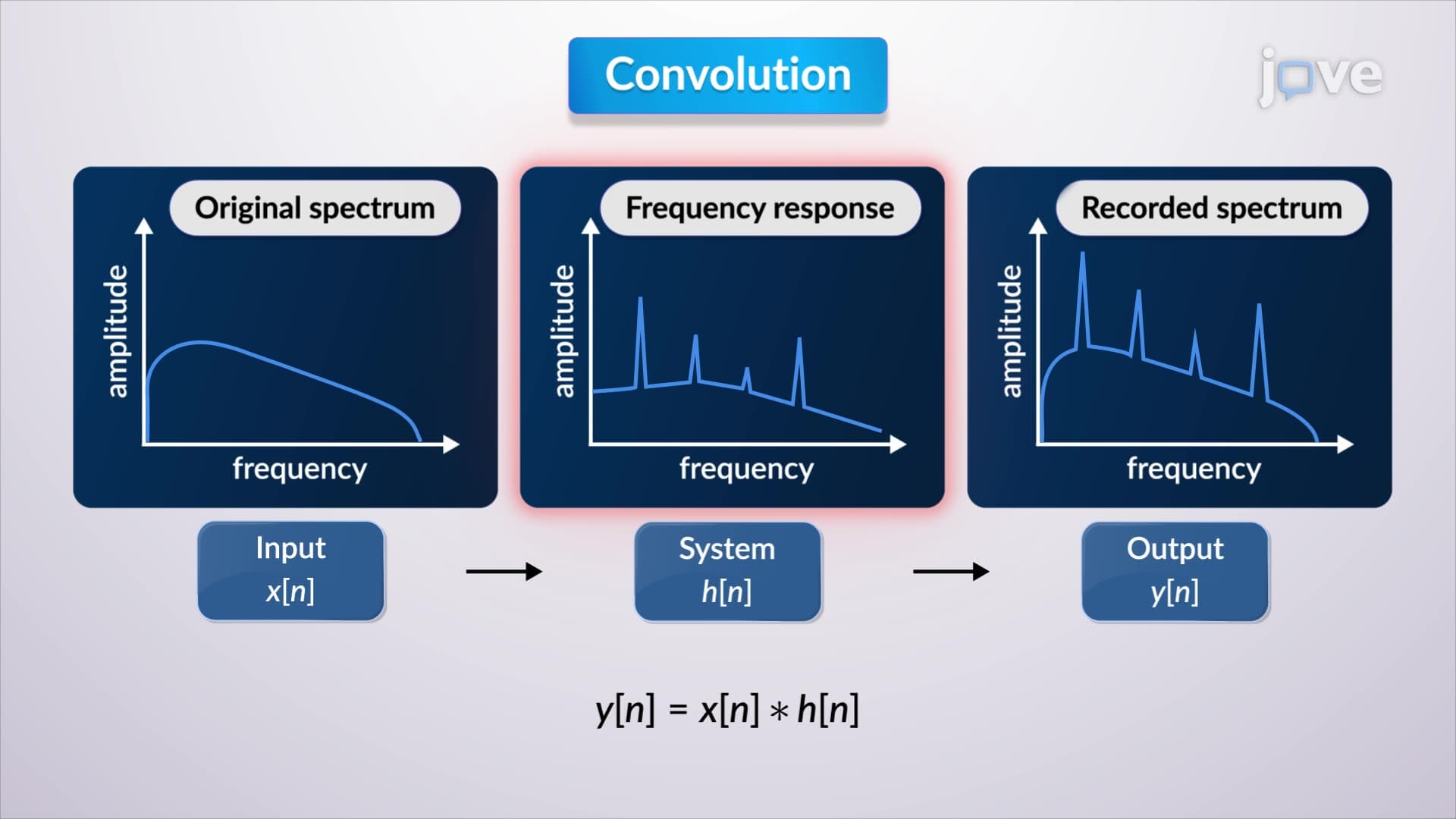

Video Summary: What Is Deconvolution
Ever wondered how engineers reverse-engineer unknown systems from their outputs? BIBO stability in continuous- and discrete-time systems becomes crucial when we need to work backwards from system responses. Consider how NASA's Deep Space Network must deconvolve radio signals from spacecraft to extract original data despite interference. What is deconvolution represents this mathematical process of finding unknown input signals or system characteristics when you know the output. This inverse filtering technique uses polynomial division and recursive algorithms to uncover hidden system properties. Watch the full video on JoVE Coach to master this concept with expert-led visuals and step-by-step explanations.
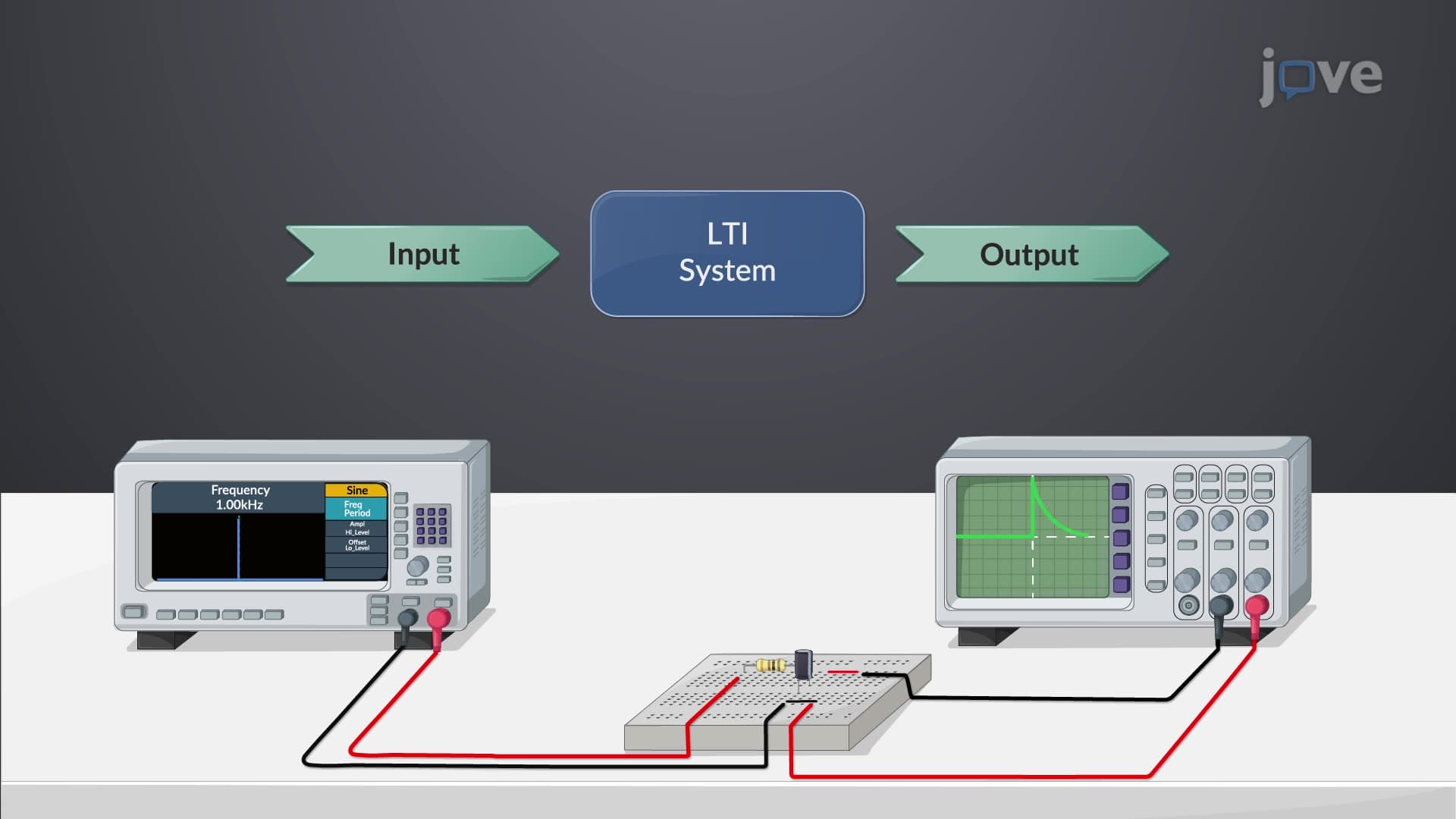
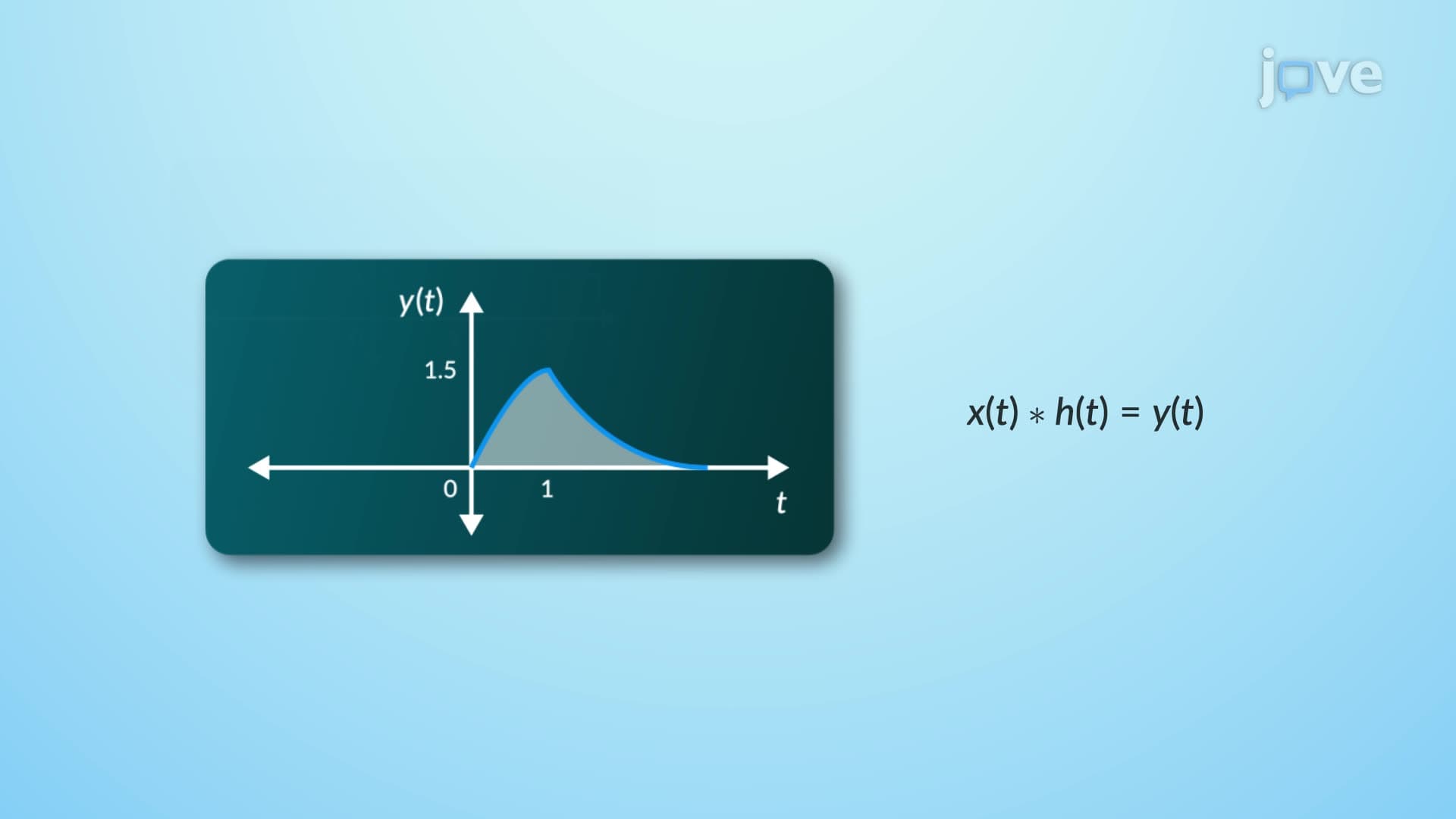
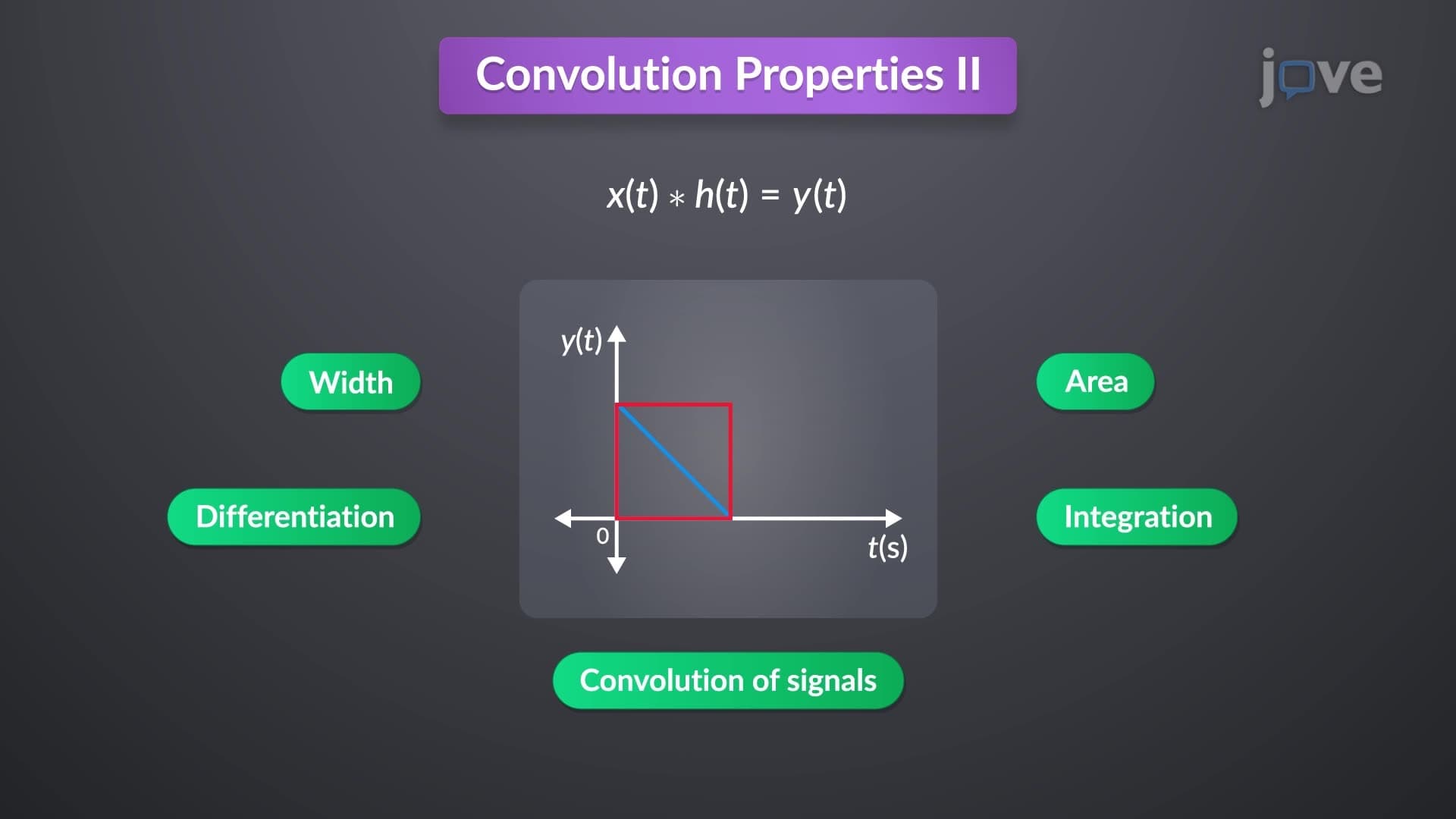
Deconvolution represents one of the most powerful inverse operations in signal processing and systems engineering. While convolution combines signals to produce outputs, deconvolution reverses this process to recover unknown components. This mathematical technique proves essential when engineers need to identify system characteristics or extract original signals from processed outputs.
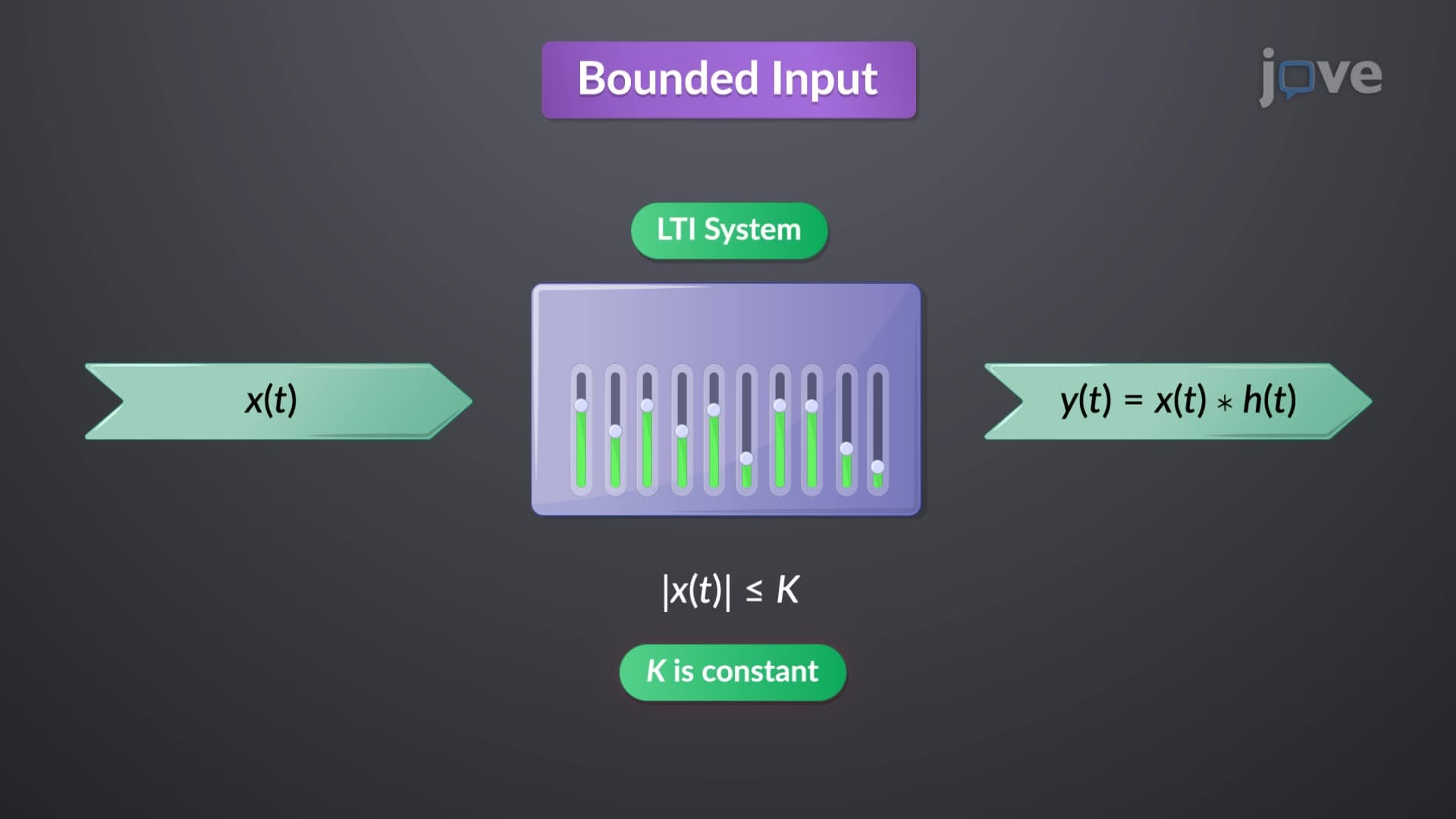
BIBO stability in continuous- and discrete-time systems directly impacts deconvolution success. A bounded-input, bounded-output (BIBO) stable system ensures that finite input signals produce finite output responses, making deconvolution mathematically feasible. For BIBO stability in continuous- and discrete-time systems explained, the system's impulse response must be absolutely summable (discrete-time) or integrable (continuous-time). This stability criterion guarantees that deconvolution algorithms converge to meaningful solutions rather than diverging to infinity.
Understanding how to understand BIBO stability in continuous- and discrete-time systems requires recognizing that unstable systems can amplify noise during deconvolution, making signal recovery impossible. The BIBO stability in continuous- and discrete-time systems concept ensures that small measurement errors don't destroy deconvolution accuracy.
The polynomial division approach treats signal sequences as coefficients of descending polynomials, similar to algebraic long division taught in high school algebra. For example, if analyzing audio echo cancellation in smartphones, engineers represent the original audio signal and the echo-corrupted signal as polynomial coefficients, then perform division to recover the room's acoustic impulse response.
Recursive algorithms offer computational advantages by reformulating the convolution sum into iterative equations. This method proves particularly valuable in real-time applications like radar signal processing, where the FAA's air traffic control systems must continuously deconvolve radar returns to track aircraft positions accurately.
Deconvolution appears extensively in AP Physics C, college-level electrical engineering courses, and MCAT physics sections. Students encounter these concepts when studying acoustic imaging in medical ultrasound, where hospitals use deconvolution to sharpen ultrasound images by removing blurring effects from the transducer's impulse response.
The BIBO stability in continuous- and discrete-time systems study guide emphasizes that successful deconvolution requires stable systems. NASA's Hubble Space Telescope uses deconvolution algorithms to enhance images by removing optical distortions, but only because the telescope's optical system remains BIBO stable. This understanding BIBO stability in continuous- and discrete-time systems proves crucial for any engineering application involving signal recovery or system identification.
Related Micro-courses