Loading video…


 7 Concepts
 3.3K views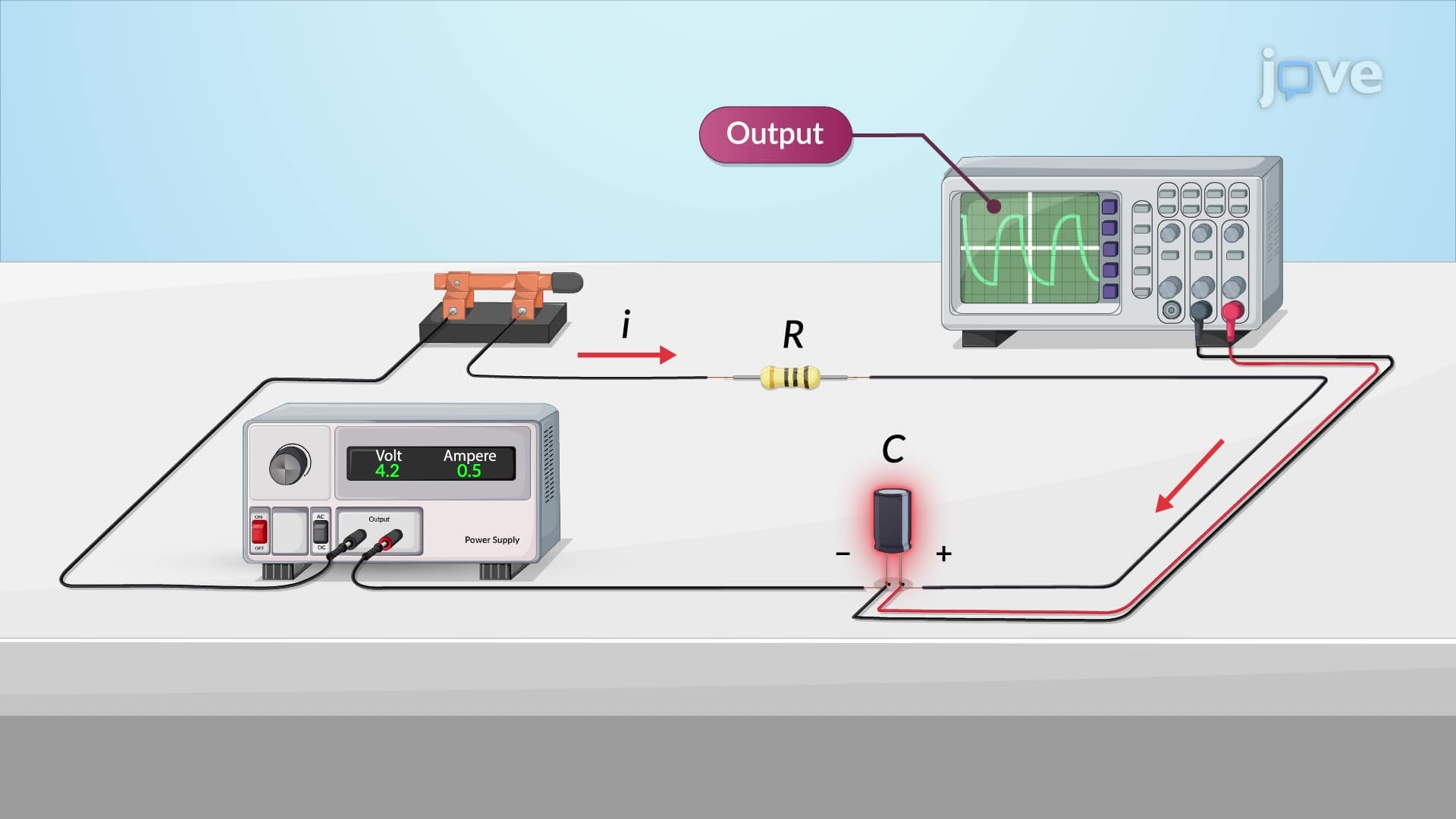

Video Summary: What Is Impulse Response
Ever wondered how your smartphone's touchscreen instantly responds to your finger tap? This lightning-fast reaction demonstrates convolution math graphics and discrete signals in action through impulse response systems. What is impulse response reveals how electronic systems react to sudden input changes, like the instantaneous voltage jump in RC circuits found in every Apple iPhone's charging circuitry. Watch the full video on JoVE Coach to master this concept with expert-led visuals and step-by-step explanations.
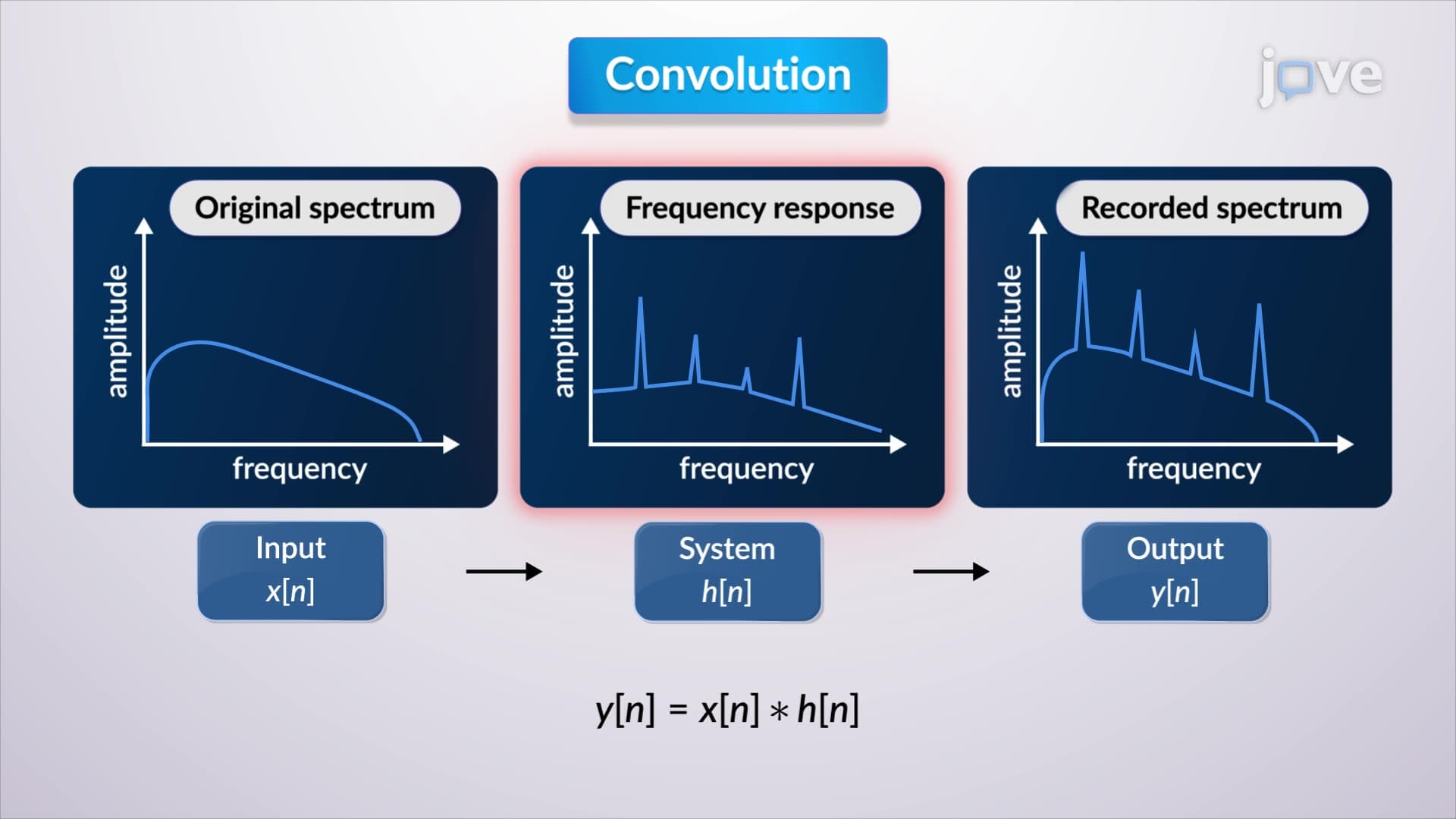
What is impulse response fundamentally describes how a system reacts when hit with an instantaneous input signal. In electrical engineering, this concept forms the backbone of convolution math graphics and discrete signals analysis, helping engineers predict how circuits will behave under various conditions.
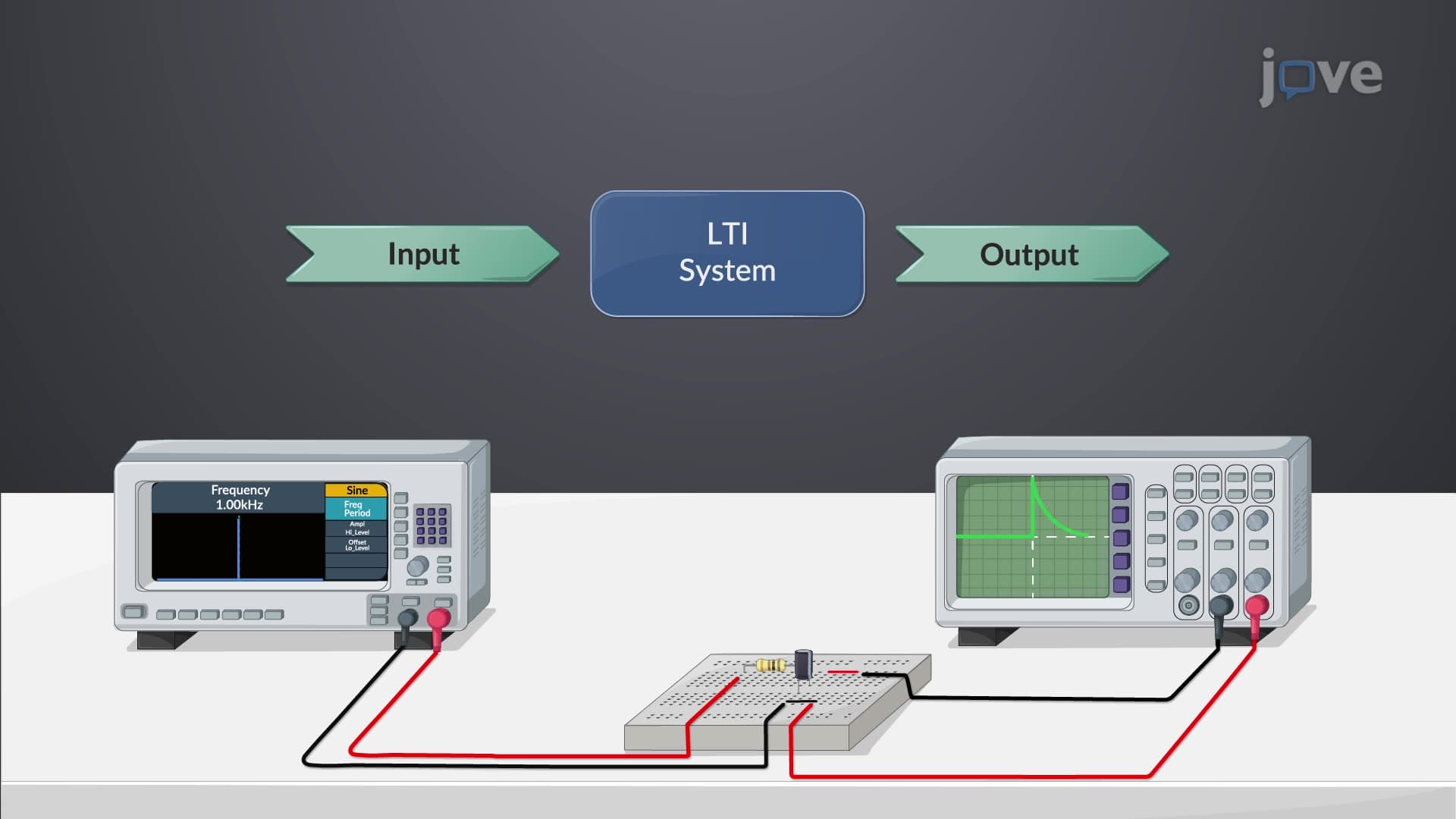
The mathematical framework begins with Kirchhoff's voltage law applied to RC circuits. When we examine a simple resistor-capacitor circuit, the voltage source serves as our input while the capacitor voltage becomes our measurable output. The governing differential equation emerges through current-voltage relationships: i = C(dv/dt) for capacitors and v = iR for resistors.
This convolution math graphics and discrete signals concept becomes crucial when we substitute these relationships into Kirchhoff's law, yielding the fundamental differential equation: RC(dv/dt) + v = v_input. The time constant τ = RC appears naturally, defining how quickly the system responds to changes.
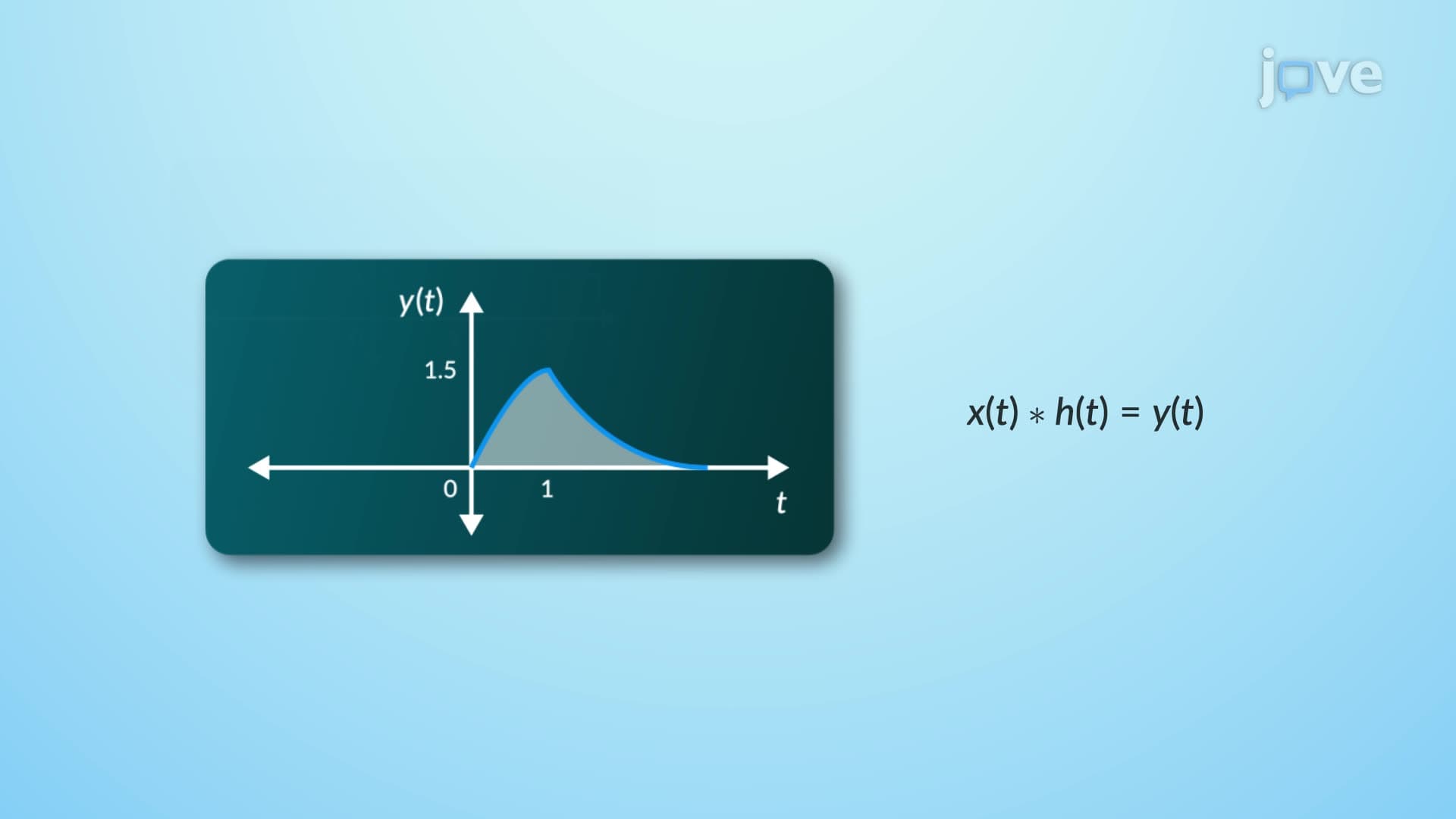
The solution process involves multiplying both sides by an integrating factor e^(t/τ), leveraging the impulse function's unique sampling property. This mathematical technique, essential in convolution math graphics basics, transforms our differential equation into an integrable form. The resulting impulse response takes the characteristic exponential form that appears throughout electrical engineering applications.
Students preparing for AP Physics C or college-level circuit analysis courses will encounter this derivation frequently. The step function that emerges in the final solution represents the instantaneous voltage jump that occurs theoretically at t = 0, though real circuits cannot achieve perfect impulse responses due to physical limitations.
Modern applications of impulse response analysis appear everywhere from audio equipment design at companies like Bose to digital signal processing in Tesla's Autopilot systems. Understanding this convolution math graphics and discrete signals study guide material prepares students for advanced topics in control systems, communications engineering, and digital filter design. The theoretical contradiction of instantaneous voltage changes helps students appreciate the difference between idealized mathematical models and practical engineering constraints.
Related Micro-courses