Loading video…


 7 Concepts
 3.3K views

Video Summary: Convolution Math Graphics and Discrete Signals Guide
Ever wonder how noise-canceling headphones in your iPhone remove background sounds while preserving your music? The secret lies in convolution properties i, a mathematical operation that combines two signals to produce a third. This fundamental concept in the Convolution Math Graphics And Discrete Signals Guide powers everything from audio processing in Spotify to image filtering in Instagram. Engineers at companies like Apple and Google rely on convolution to design systems that respond predictably to inputs, whether processing voice commands through Siri or enhancing photos automatically. Watch the full video on JoVE Coach to master this concept with expert-led visuals and step-by-step explanations.
Convolution properties i form the mathematical backbone of how linear systems process signals in engineering and physics. At its core, convolution describes how one signal modifies another when they interact through a system. This operation appears everywhere in US engineering curricula, from introductory circuits courses at MIT to advanced signal processing classes at Stanford.
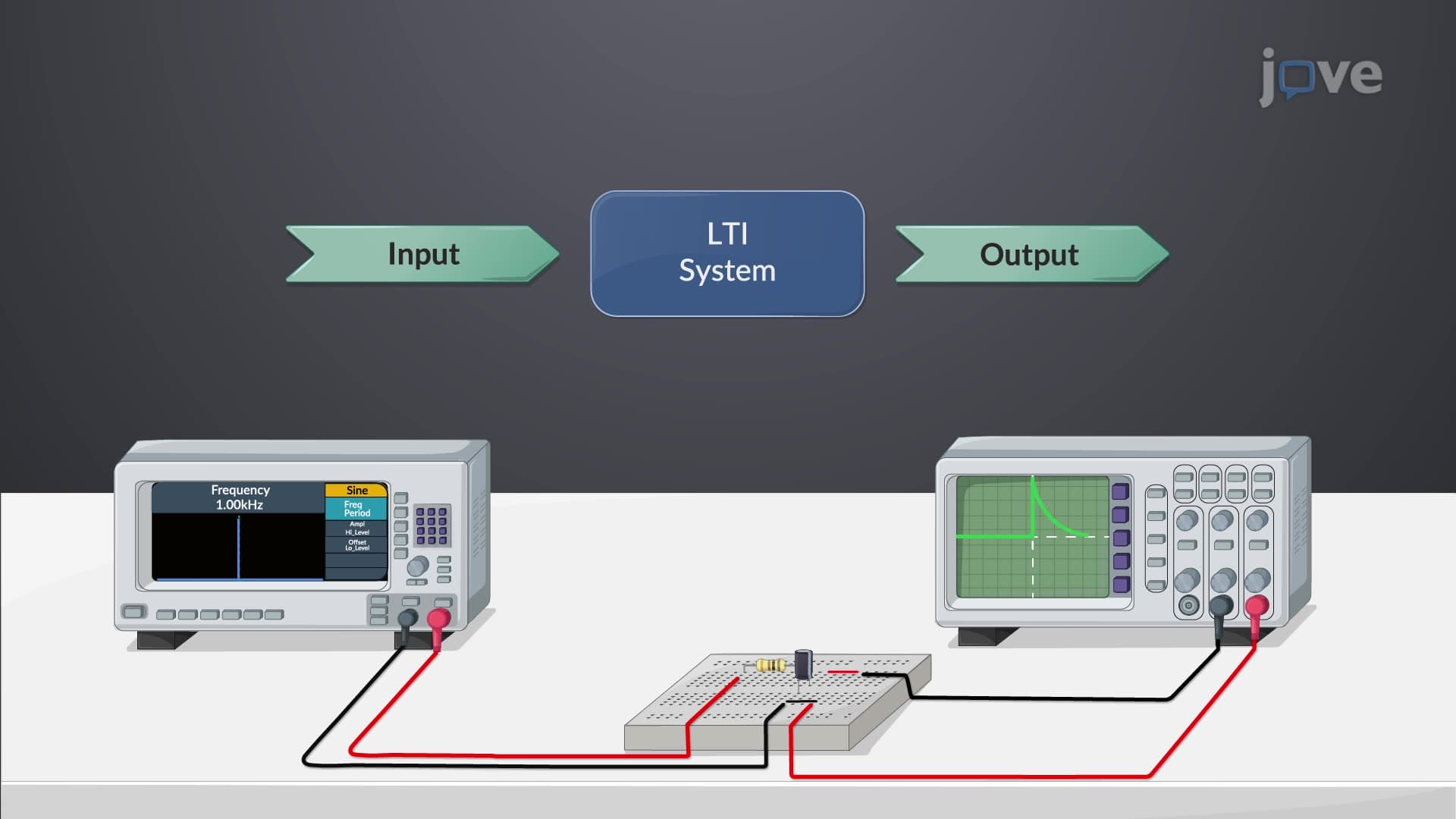
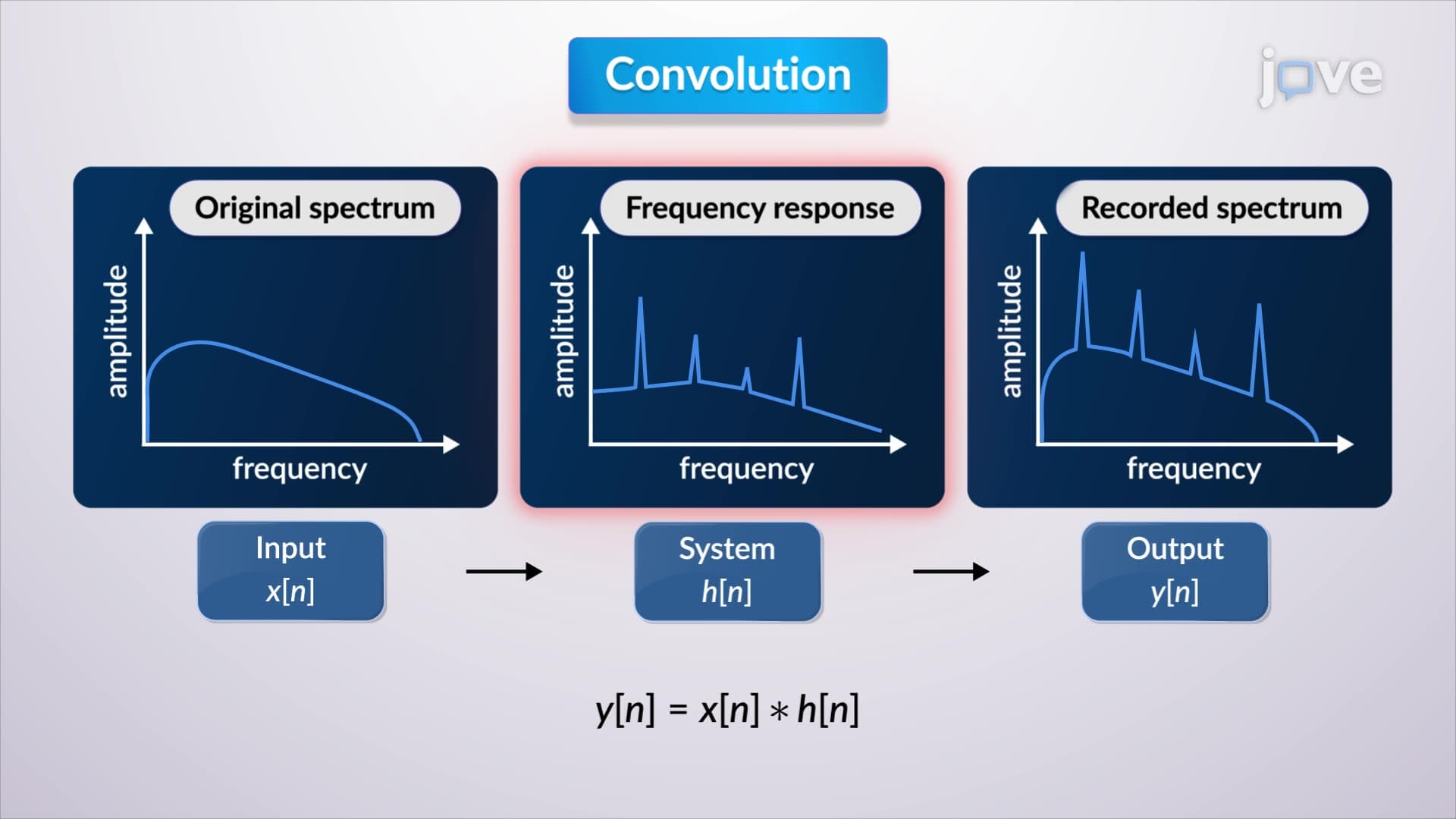
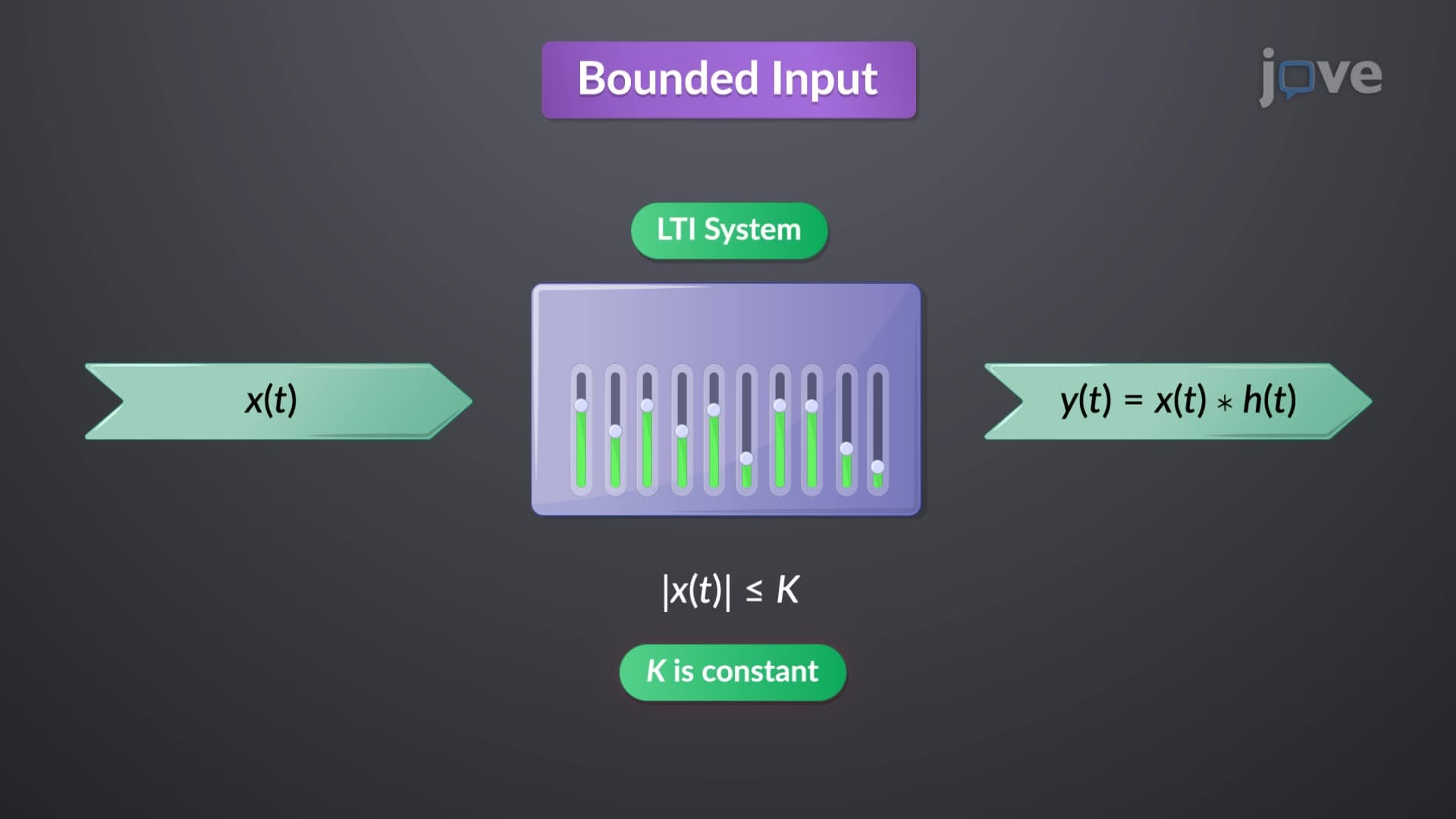
The convolution operation mathematically represents the output of any Linear Time-Invariant (LTI) system when given an input signal and the system's impulse response. Think of it as a mathematical recipe: take your input signal, combine it with how the system naturally responds to impulses, and the result tells you exactly what the output will be.
The graphical approach to convolution properties i breaks down this complex operation into manageable visual steps. Folding creates a mirror image of one signal along the vertical axis-imagine flipping a graph left-to-right. Shifting moves this folded signal along the time axis, like sliding a transparency across another image. Multiplication combines the overlapping portions of both signals point-by-point. Finally, Integration calculates the total area under the multiplied result.
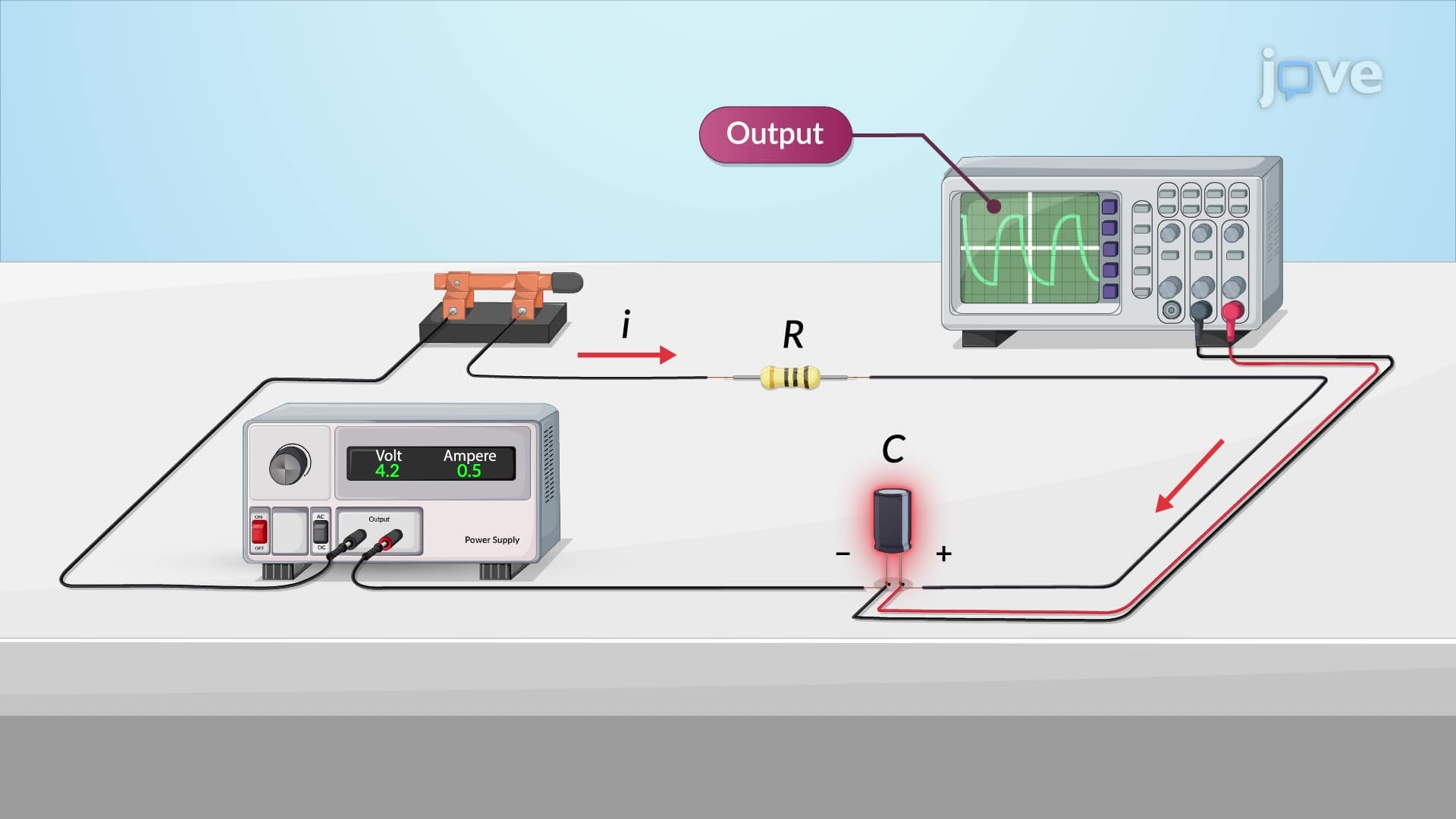
This systematic approach proves invaluable for students tackling AP Physics C or college-level electrical engineering courses. For example, when analyzing how an RC circuit responds to a rectangular pulse input-common in digital electronics-the graphical method provides clear visual insight into the charging and discharging behavior.
Understanding convolution properties i in detail requires distinguishing between continuous and discrete implementations. Continuous convolution uses integrals and applies to analog systems like audio amplifiers or medical monitoring equipment used in US hospitals. Discrete convolution employs summation and governs digital systems-from the processors in Tesla vehicles to the algorithms in Netflix's recommendation engine.
The convolution properties i definition remains consistent across both domains: the mathematical operation that determines system output based on input and system characteristics. However, the computational approach differs significantly, with discrete systems using convolution sums rather than integrals.
Major US technology companies leverage convolution properties i concept daily. Google's image recognition algorithms use convolution to identify features in photos. Medical device manufacturers like Medtronic apply convolution in pacemaker signal processing. Even NASA employs convolution techniques in spacecraft communication systems, ensuring reliable data transmission from Mars rovers back to mission control in California.
Related Micro-courses