Loading video…


 7 Concepts
 3.3K views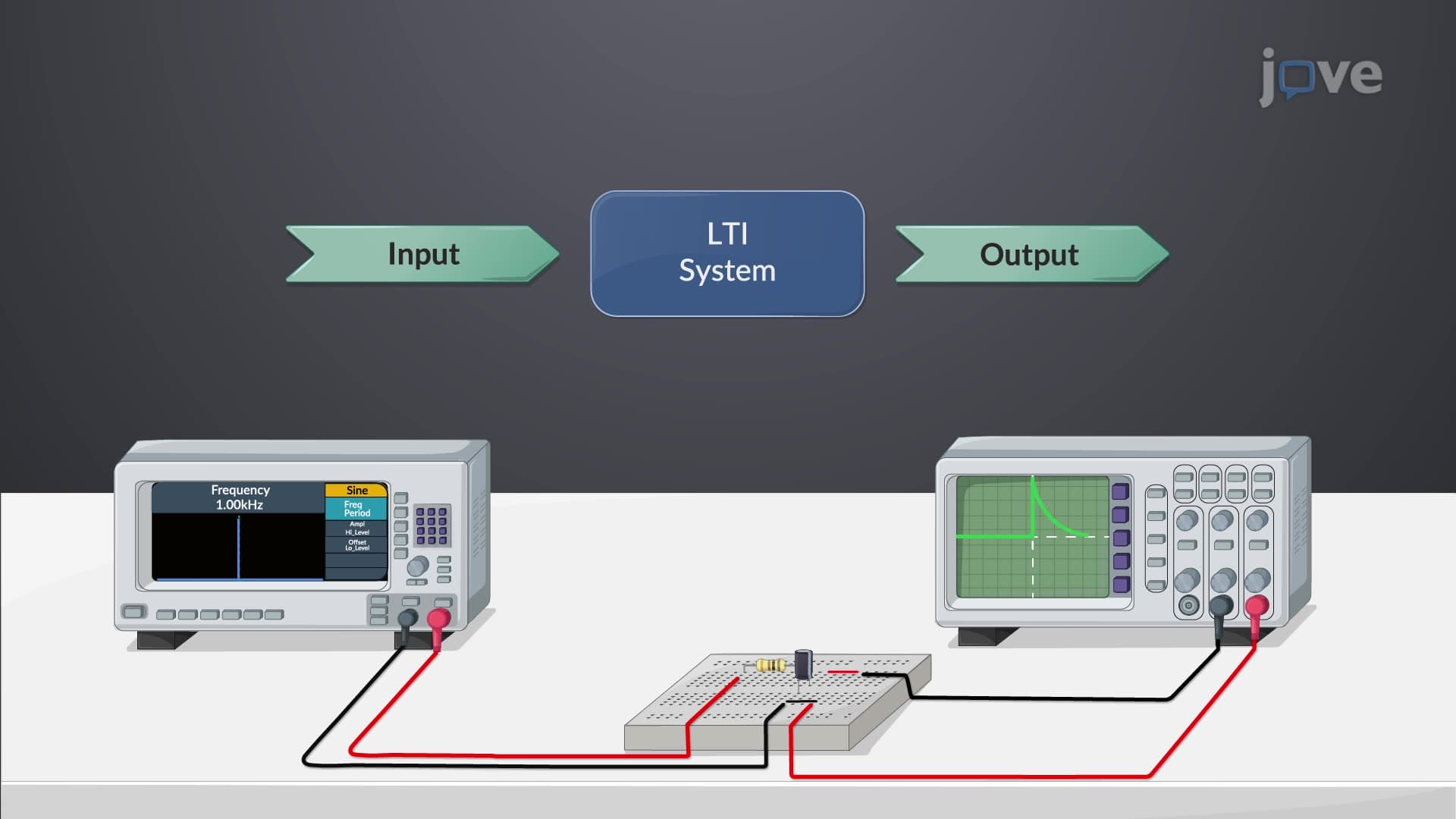

Video Summary: What are Linear Time Invariant Systems
Ever wondered how noise-canceling headphones like Apple's AirPods Pro magically filter out background chatter? The secret lies in impulse response analysis, a cornerstone of signal processing that determines how systems react to sudden inputs. When engineers at companies like Bose design audio equipment, they rely on What are Linear Time Invariant Systems to predict and control how their devices will modify sound waves. These mathematical models help create everything from hearing aids to smartphone speakers by characterizing system behavior through a single test signal. Watch the full video on JoVE Coach to master this concept with expert-led visuals and step-by-step explanations.
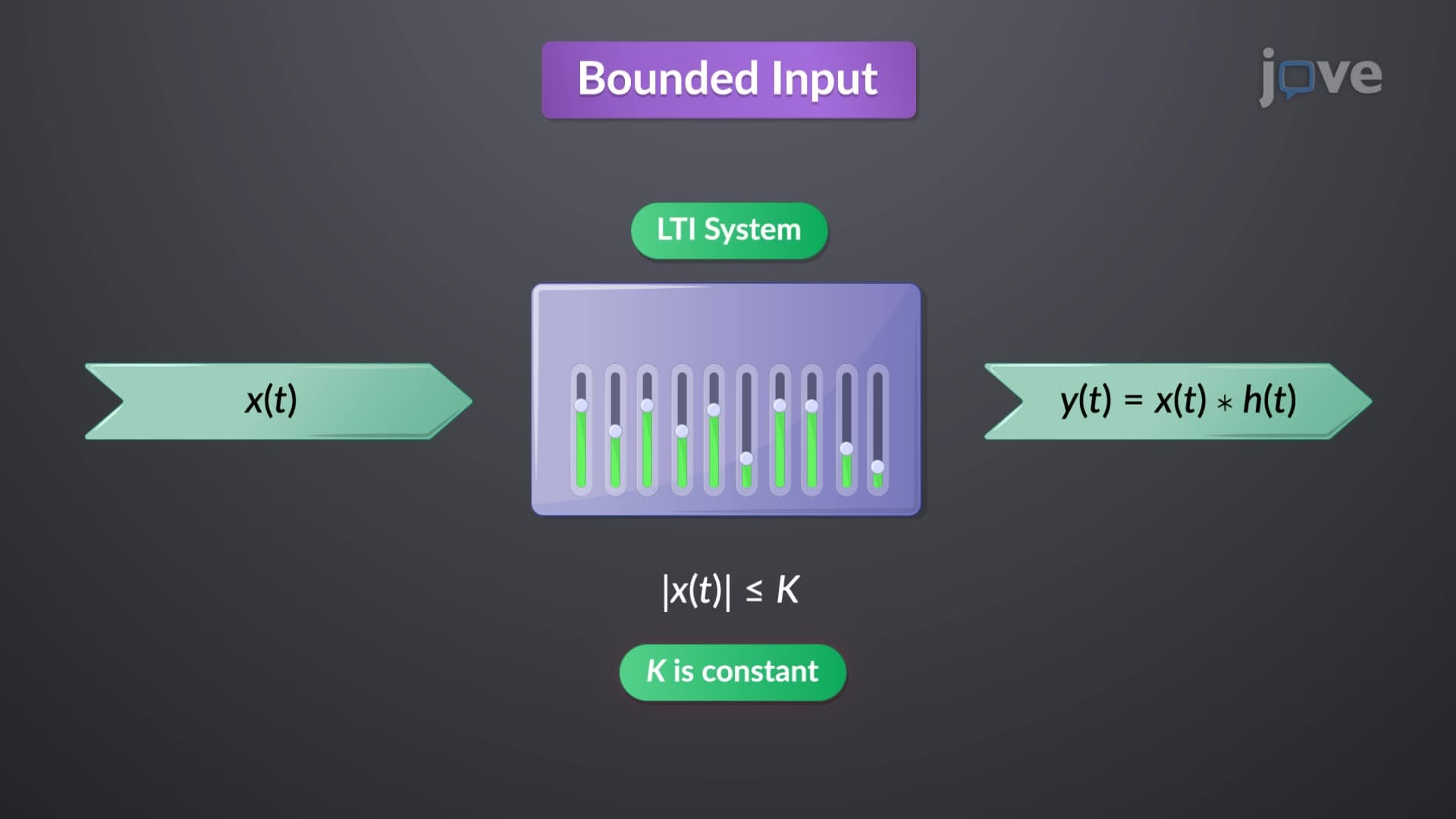
Linear Time Invariant (LTI) systems form the backbone of modern engineering analysis, from designing Tesla's electric vehicle control systems to developing medical imaging equipment used in US hospitals. These systems satisfy two critical properties: linearity (encompassing homogeneity and additivity) and time invariance. The impulse response serves as the system's fingerprint-a complete mathematical description of how any LTI system will behave.
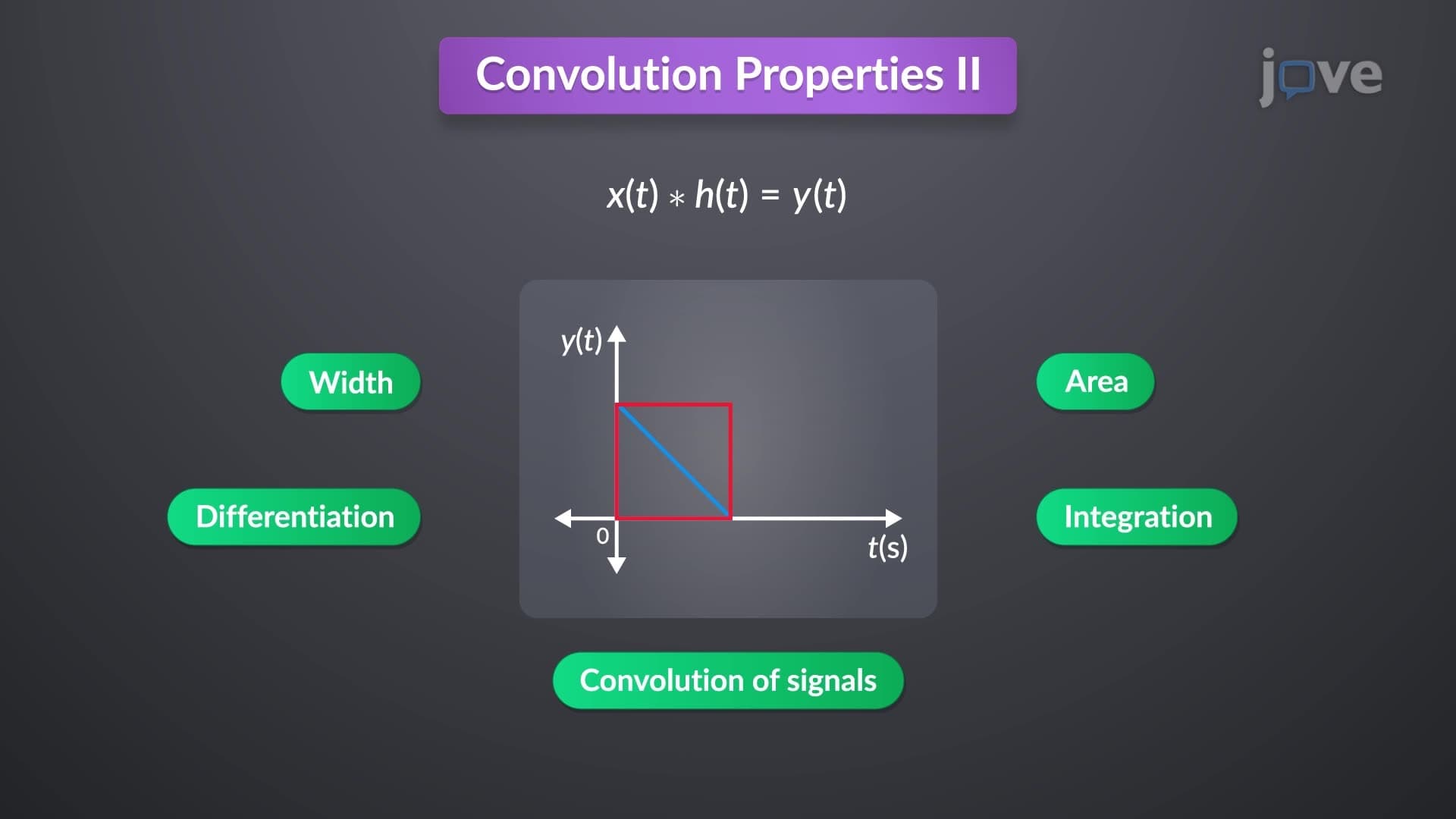
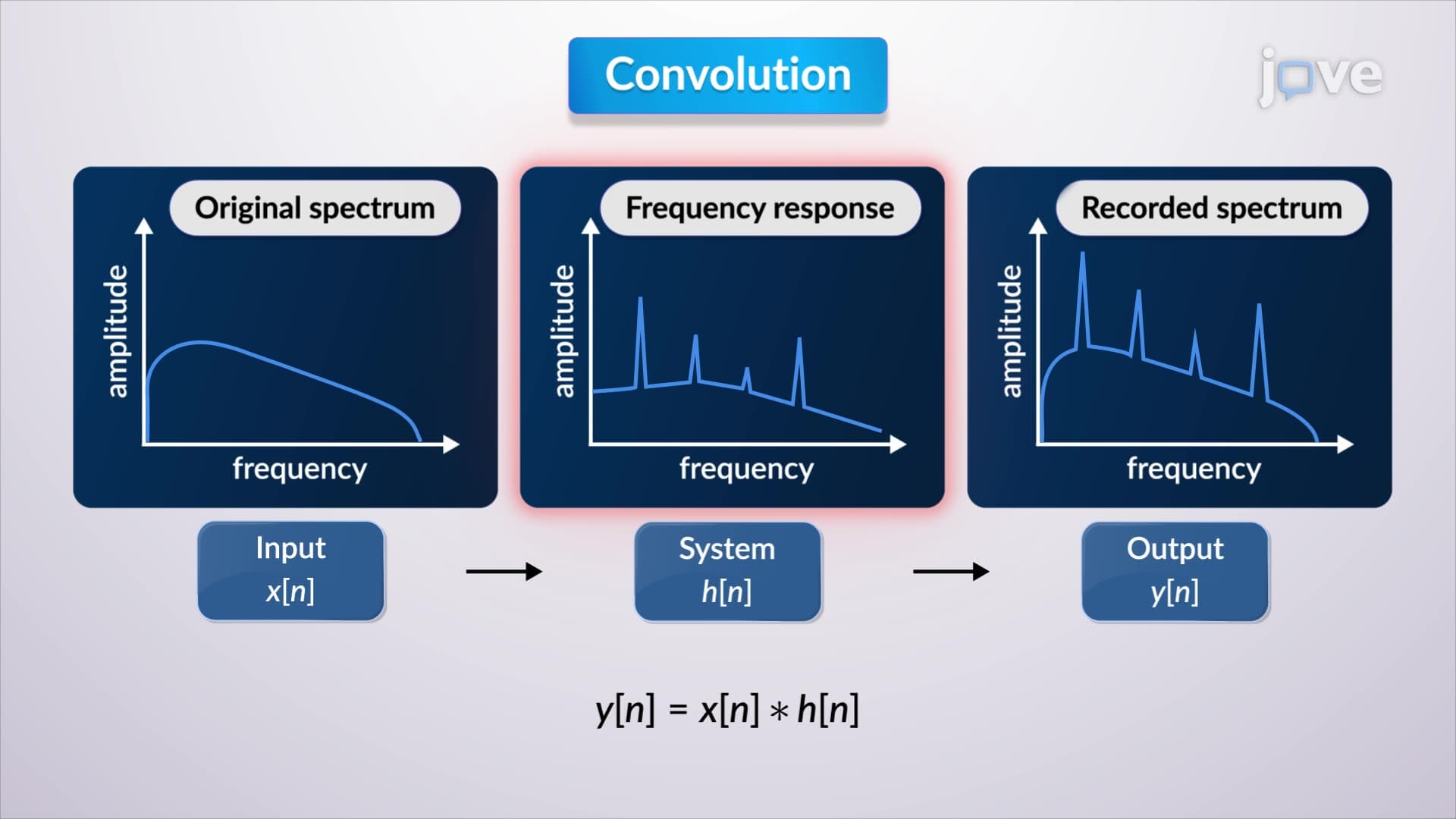
The impulse response definition centers on a system's reaction to a unit impulse input, typically represented as a delta function. This seemingly simple concept unlocks extraordinary analytical power. When MIT students study signal processing, they learn that knowing a single impulse response allows prediction of the system's behavior for any possible input through convolution mathematics. This principle drives innovations at companies like Intel, where engineers design microprocessors that must process millions of signals reliably.
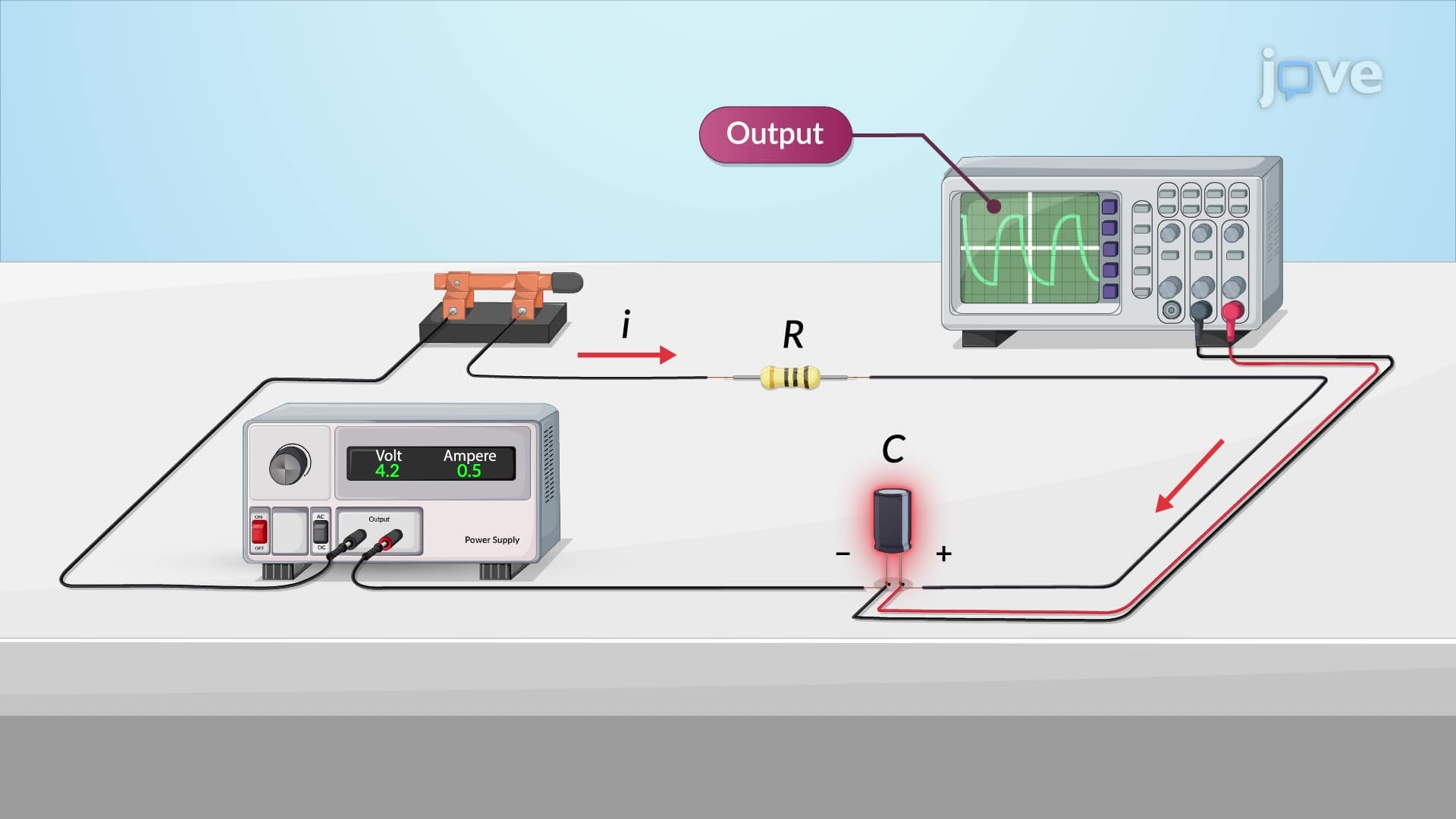
What is impulse response in detail becomes clearer when examining Linear Constant Coefficient Differential Equations (LCCDEs). These mathematical tools model real systems like the RC circuits found in every smartphone charger or the operational amplifiers in medical devices manufactured by companies like Texas Instruments. The coefficients remain constant over time, enabling predictable system behavior that engineers can optimize for specific applications.
LTI systems exhibit remarkable frequency preservation properties-they modify amplitude and phase but never change fundamental frequencies. This principle enables noise-canceling technology in headphones, where the system generates precisely phase-shifted signals to cancel unwanted sounds. Students preparing for AP Physics C or engineering college courses encounter these concepts when analyzing AC circuits and signal filtering applications.
From automotive cruise control systems designed by Ford engineers to the image processing algorithms in medical CT scanners, LTI system analysis appears throughout American industry. Students facing MCAT physics sections or college engineering exams must master these concepts to understand everything from cardiac pacemaker design to the digital signal processing chips in modern smartphones. The impulse response basics provide the foundation for advanced topics like Fourier transforms and system stability analysis, essential knowledge for future engineers and scientists.
Related Micro-courses