Loading video…


 7 Concepts
 1.7K views

Video Summary: What are Properties Root Locus
Ever wondered how NASA engineers design spacecraft control systems that remain stable throughout complex missions? The construction of root locus provides the mathematical foundation for analyzing these sophisticated control systems without complex factorization. This powerful method helps engineers at companies like Boeing and Lockheed Martin predict system behavior by tracking how poles move as system parameters change. Watch the full video on JoVE Coach to master this concept with expert-led visuals and step-by-step explanations.
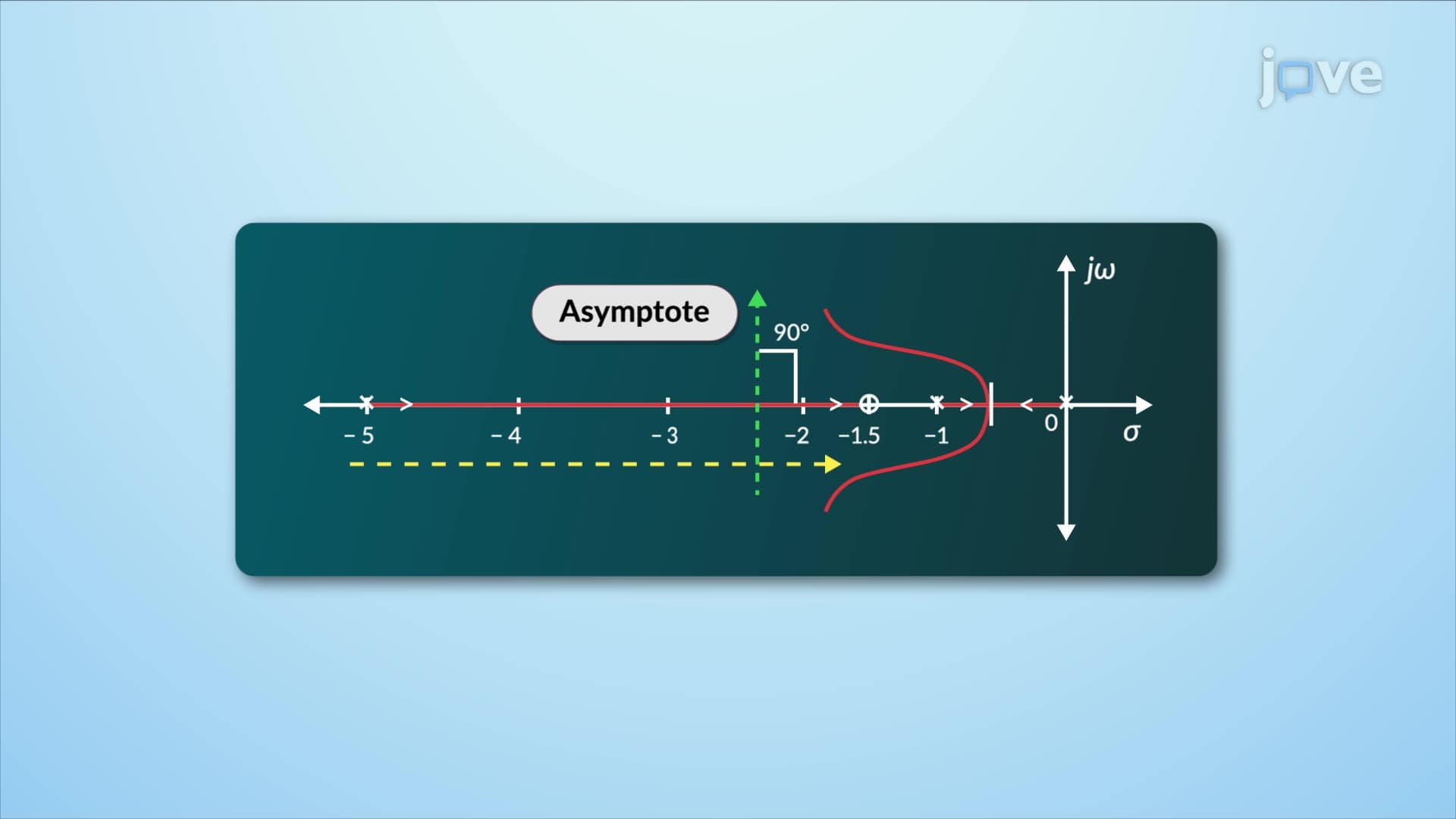
The construction of root locus represents one of the most elegant methods in control systems engineering, allowing engineers to visualize how system poles migrate as gain varies. This technique proves invaluable when analyzing complex systems where traditional factorization becomes computationally prohibitive or impossible.
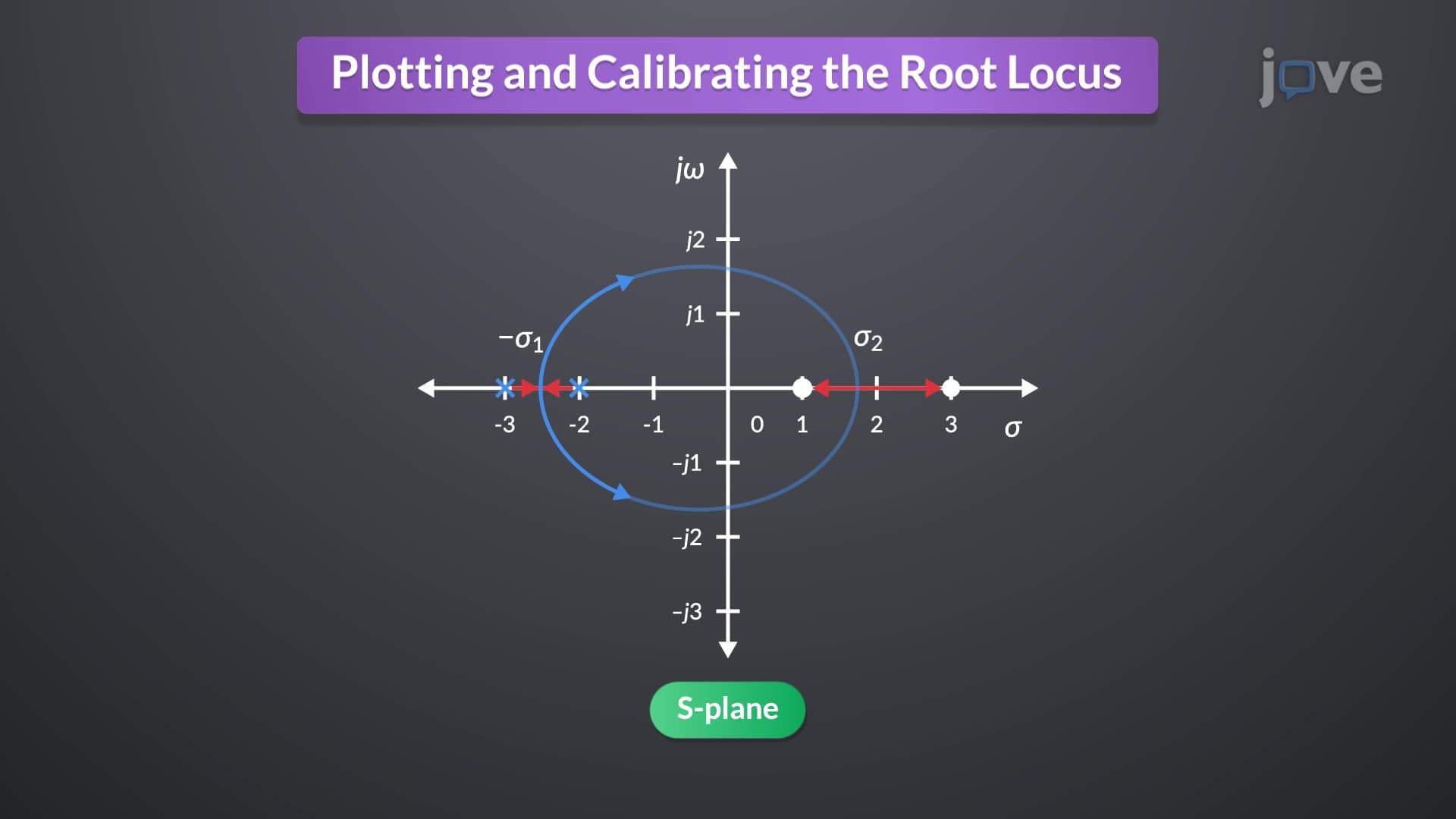
The construction of root locus definition centers on a precise mathematical condition: any point qualifies as part of the root locus when the total angle contribution from all zeros minus the total angle contribution from all poles equals an odd multiple of 180 degrees (±180°, ±540°, ±900°, etc.). This angle criterion forms the backbone of root locus theory and enables systematic construction without solving high-order polynomials.
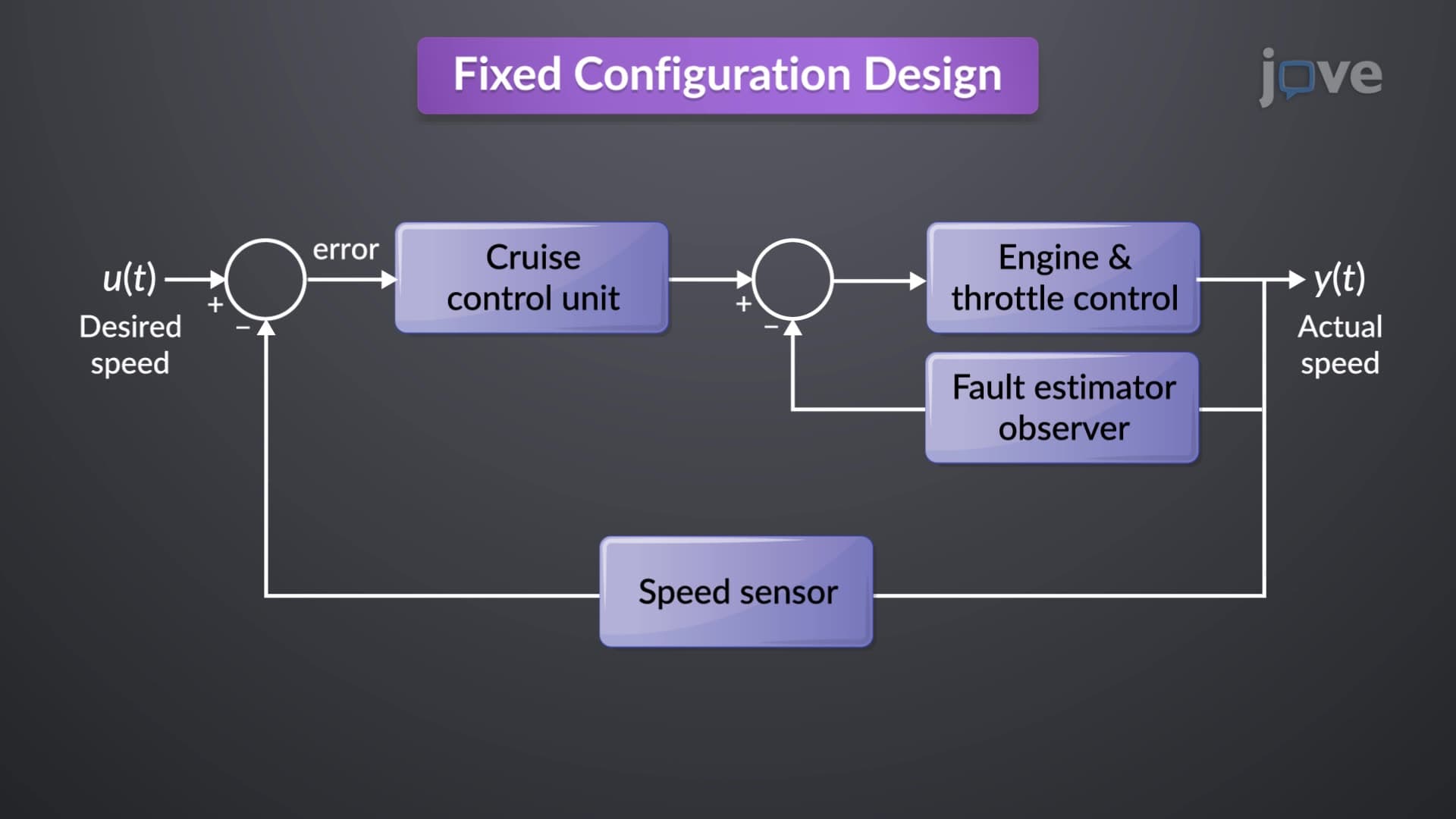
When implementing the construction of root locus concept, engineers draw vectors from each pole and zero to the test point. The algebraic sum of angles from zeros minus angles from poles must satisfy the odd-multiple condition. This geometric approach transforms abstract mathematical concepts into visual tools that engineering students at universities like MIT and Stanford use to design everything from automotive cruise control systems to aerospace guidance systems.
The gain at any root locus point equals the product of all pole vector lengths divided by the product of all zero vector lengths. This relationship provides immediate insight into system behavior without complex calculations. For AP Physics students and college engineering majors, this concept frequently appears in exams as a practical problem-solving tool.
Major US corporations like General Electric and Honeywell employ root locus techniques in developing industrial control systems. The construction of root locus study guide principles apply directly to designing power plant controllers, robotic systems, and automotive stability systems. Understanding these properties prepares students for careers in control systems engineering and helps them excel in standardized tests like the Fundamentals of Engineering (FE) exam.
Related Micro-courses