Loading subject page…


5,175 views

Video Summary: Difference Between Digital and Traditional Marketing Explained
The difference between digital traditional marketing approaches directly impacts Fortune 500 companies' budget allocation and customer acquisition strategies. While Coca-Cola's Super Bowl commercials exemplify traditional marketing's broad reach, their personalized mobile campaigns demonstrate digital precision targeting. Understanding the difference between digital and traditional marketing marketing explained helps executives optimize marketing mix decisions across channels. Traditional methods offer credibility and mass awareness, while digital approaches provide measurable ROI and real-time optimization capabilities. Watch the full video on JoVE Coach to master this concept with expert-led visuals and step-by-step explanations.
Marketing executives face a fundamental strategic question: how to allocate limited budgets between traditional marketing's proven brand-building power and digital marketing's measurable performance capabilities. The difference between digital and traditional marketing extends far beyond channel selection-it represents two distinct philosophies for customer engagement and business growth.
Traditional marketing leverages established media channels-television, radio, print, and outdoor advertising-to create broad market presence and institutional credibility. When JPMorgan Chase invests $2.8 billion annually in marketing, a significant portion funds traditional channels that position the bank as a trusted financial institution. Television commercials during major sporting events, print advertisements in The Wall Street Journal, and billboard campaigns in financial districts serve strategic purposes beyond immediate customer acquisition.
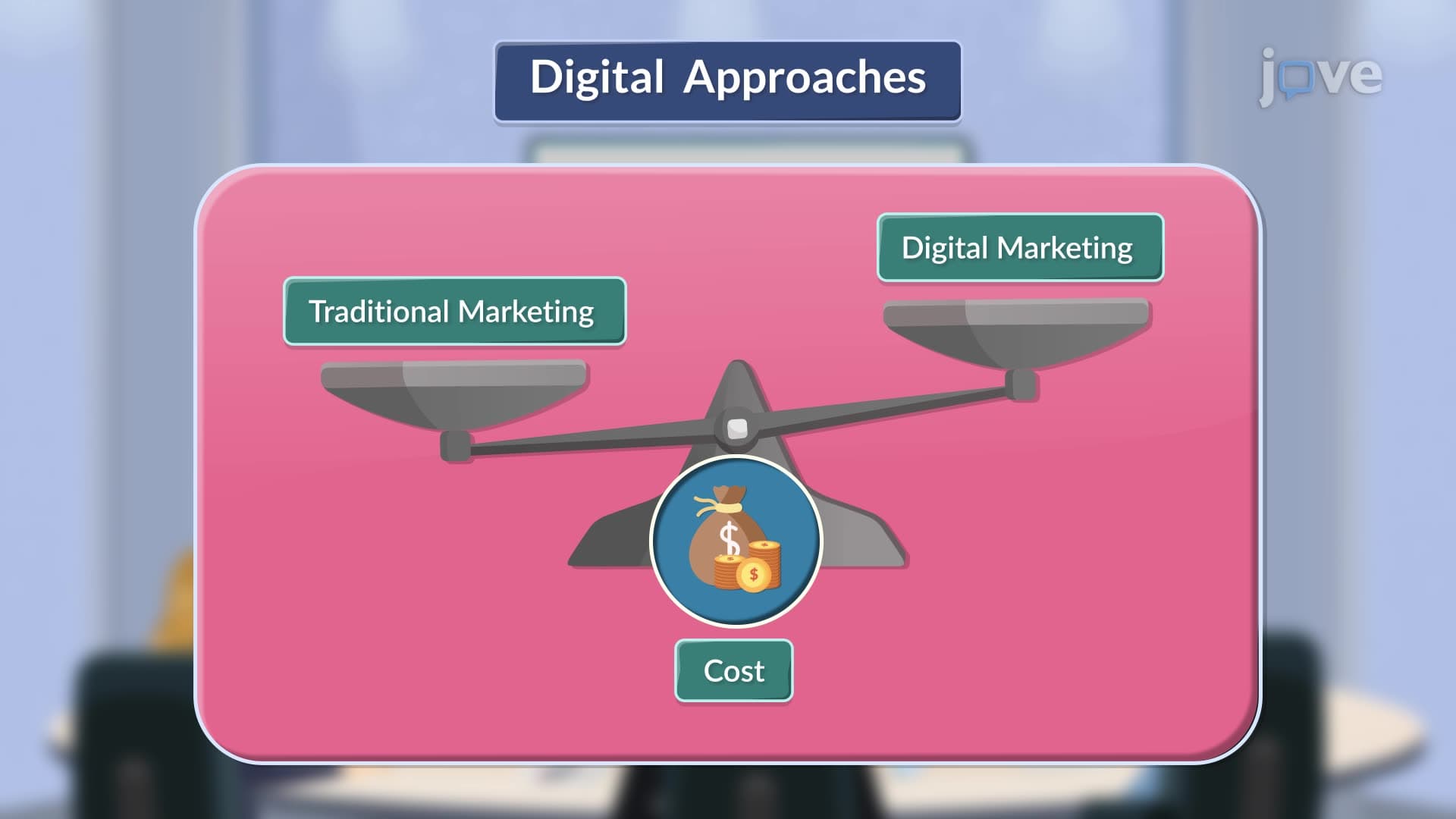
The competitive advantage lies in traditional marketing's ability to create shared cultural moments and establish market authority. Super Bowl commercials generate water-cooler conversations that digital ads rarely achieve. However, traditional marketing's limitations become apparent in performance measurement and cost efficiency. A $5 million television campaign might reach 50 million viewers, but determining specific conversion rates and customer acquisition costs remains challenging.
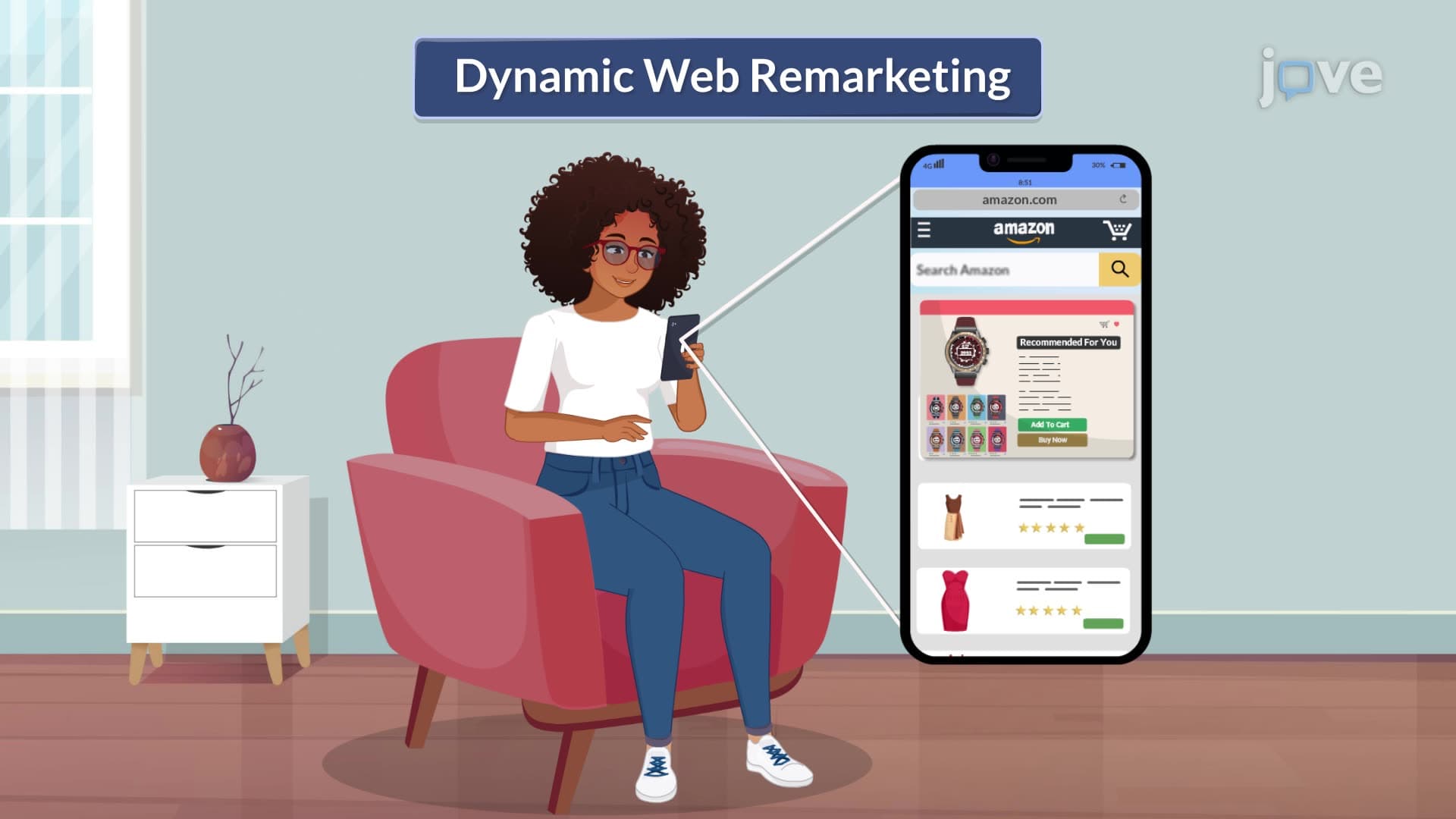
Digital marketing transforms customer engagement through data-driven precision and real-time optimization. Amazon's recommendation engine exemplifies digital marketing's power-serving personalized product suggestions based on browsing history, purchase patterns, and demographic data. This approach generates higher conversion rates and measurable return on advertising spend (ROAS).
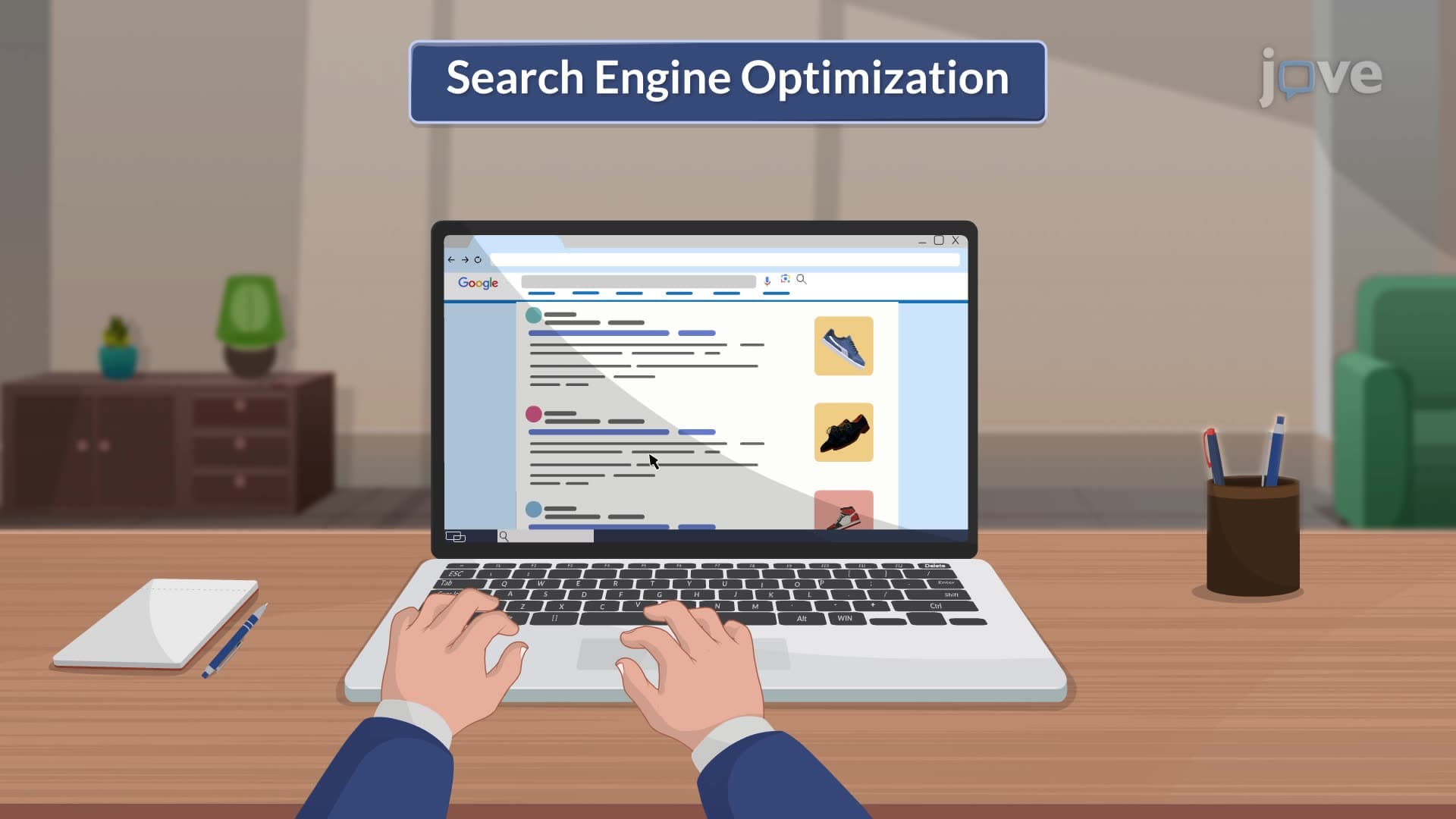
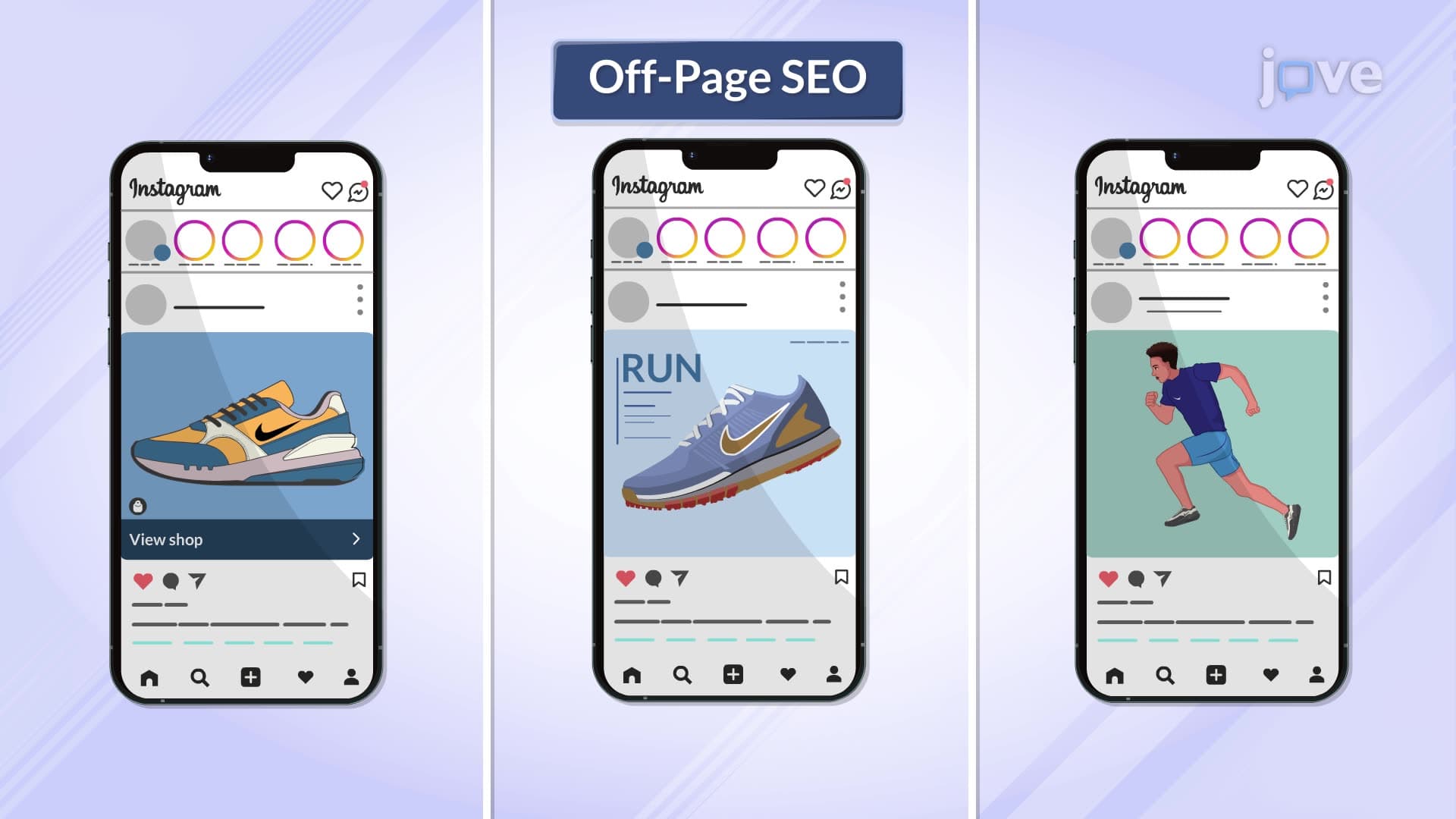
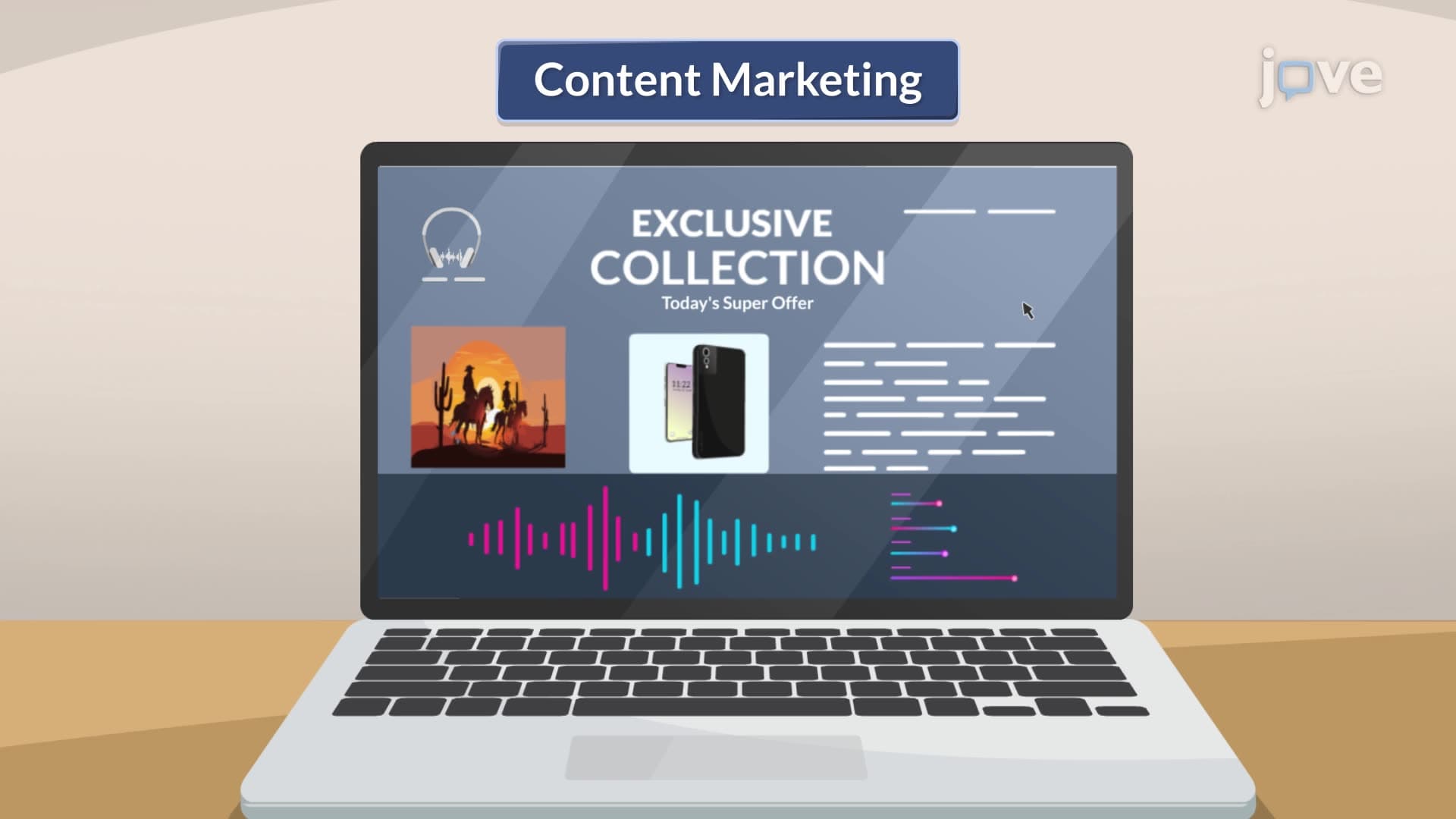
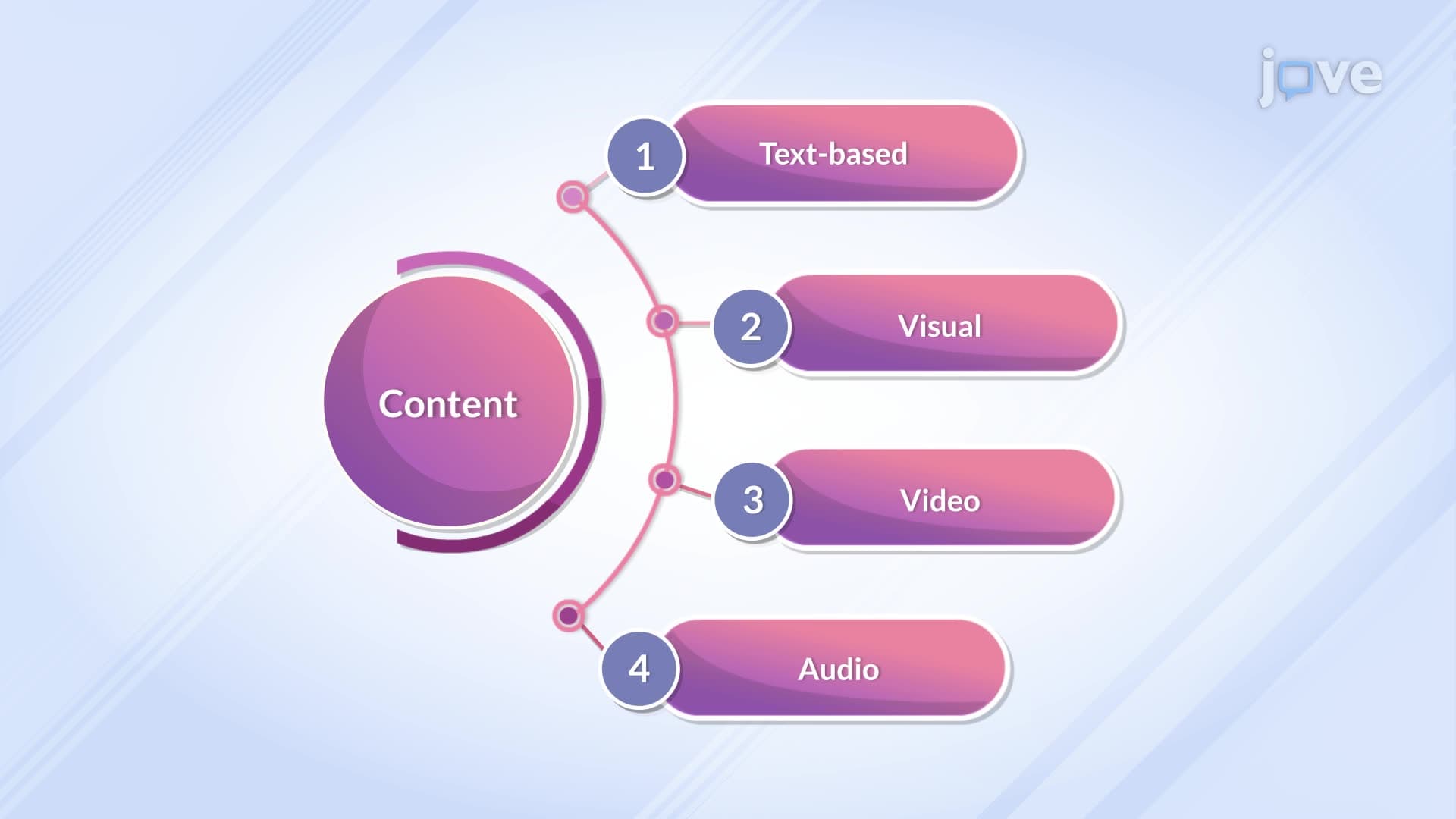
Digital channels-search engine marketing, social media advertising, email campaigns, and content marketing-enable micro-targeting that traditional media cannot match. A B2B software company can target CFOs at companies with 500-1000 employees in specific industries, delivering customized messaging that speaks directly to their operational challenges. This precision reduces waste and improves marketing efficiency.
Leading companies increasingly adopt integrated approaches that leverage both traditional and digital strengths. Apple's product launches demonstrate this integration-traditional advertising builds anticipation and brand prestige, while digital channels capture intent and drive conversions. The key lies in understanding each channel's role within the customer journey and optimizing the marketing mix accordingly.
Related Micro-courses