Loading subject page…


5,175 views

Video Summary: On Page and Off Page Explained
When 73% of US companies struggle with digital visibility, understanding page off page optimization becomes critical for competitive advantage. On page and off page explained strategies separate industry leaders like Amazon and Google from businesses losing market share to better-optimized competitors. These foundational SEO methodologies directly impact customer acquisition costs, brand authority, and revenue growth across every sector from financial services to retail. Watch the full video on JoVE Coach to master this concept with expert-led visuals and step-by-step explanations.
When Shopify's merchants collectively generate over $200 billion in annual sales, their success often hinges on mastering what is on page and off page SEO optimization. For working professionals, these aren't just technical concepts-they're strategic business tools that directly impact market share, customer acquisition, and competitive positioning.
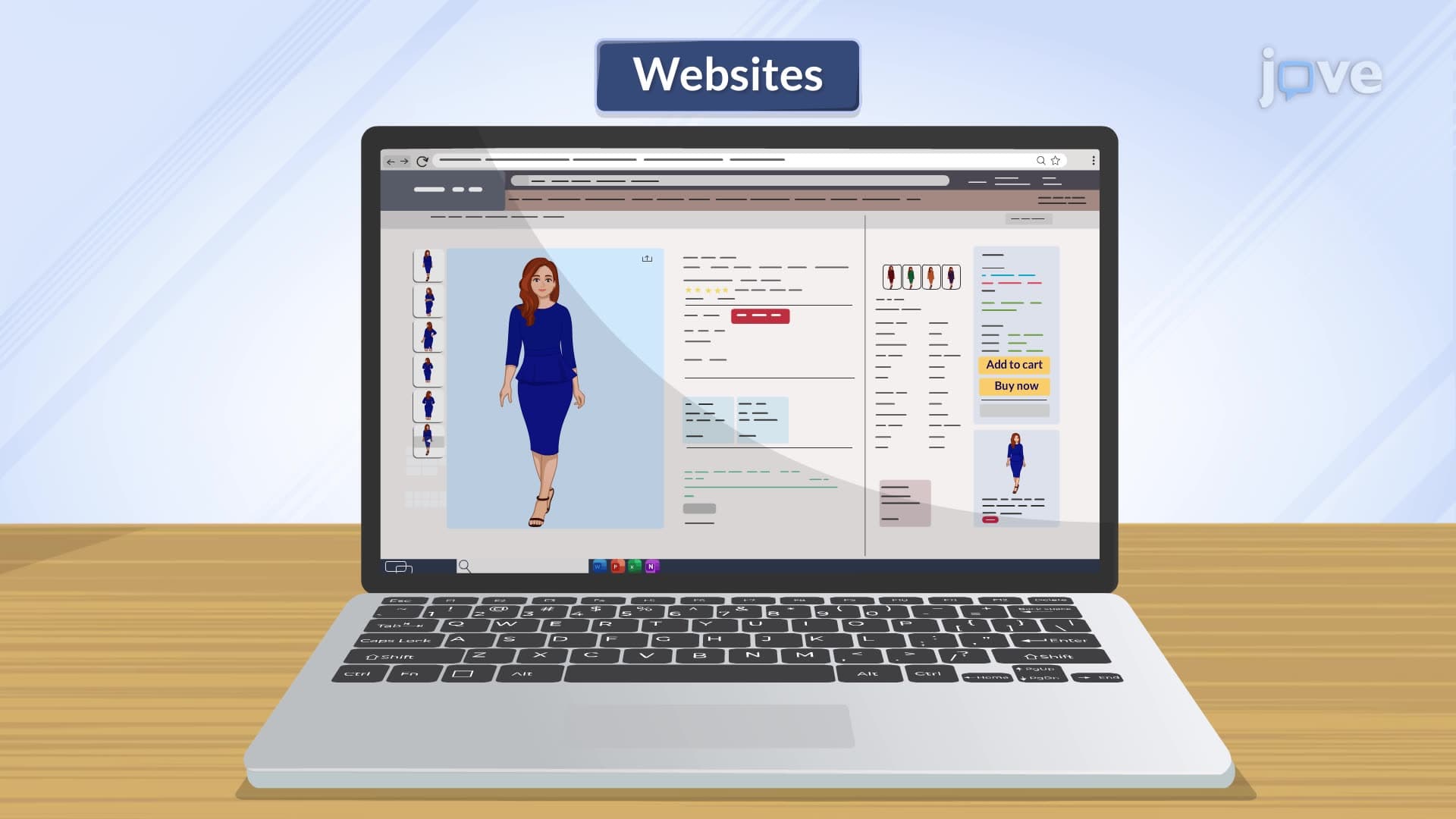
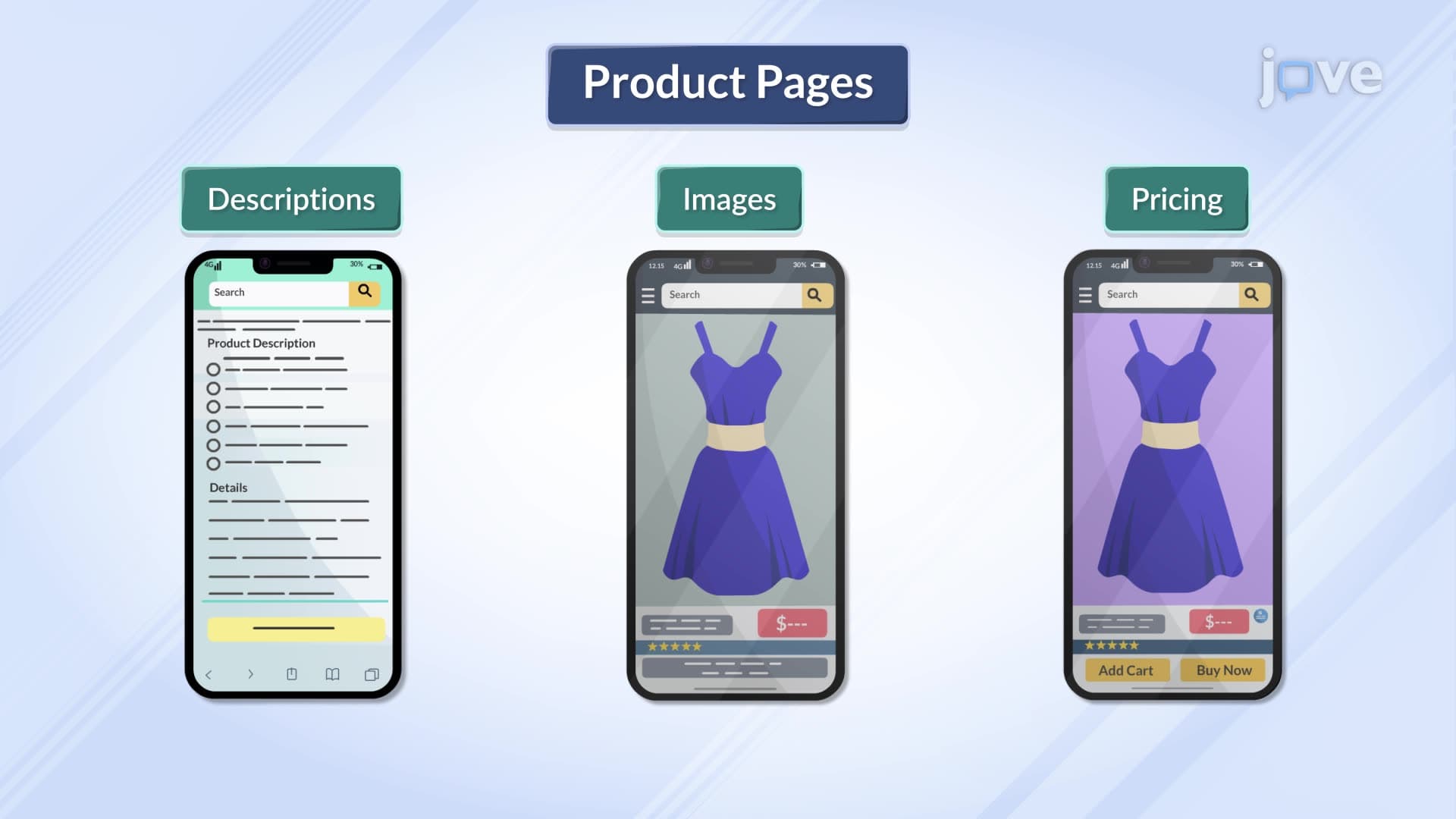
Page off page definition begins with on-page elements you directly control within your digital properties. Smart executives focus on title tag optimization, meta descriptions, URL structure, content quality, and internal linking architecture. Consider how JPMorgan Chase structures their wealth management pages: descriptive titles incorporate target keywords like "Private Banking Services," URLs remain clean and hierarchical, and content addresses specific client pain points while maintaining semantic keyword density.
Professional implementation requires viewing on-page optimization through P&L impact. When your website's organic traffic increases 40% through improved title tags and content optimization, that translates to reduced paid advertising spend and lower customer acquisition costs. Internal linking strategies guide prospects through your sales funnel more effectively than traditional marketing tactics.
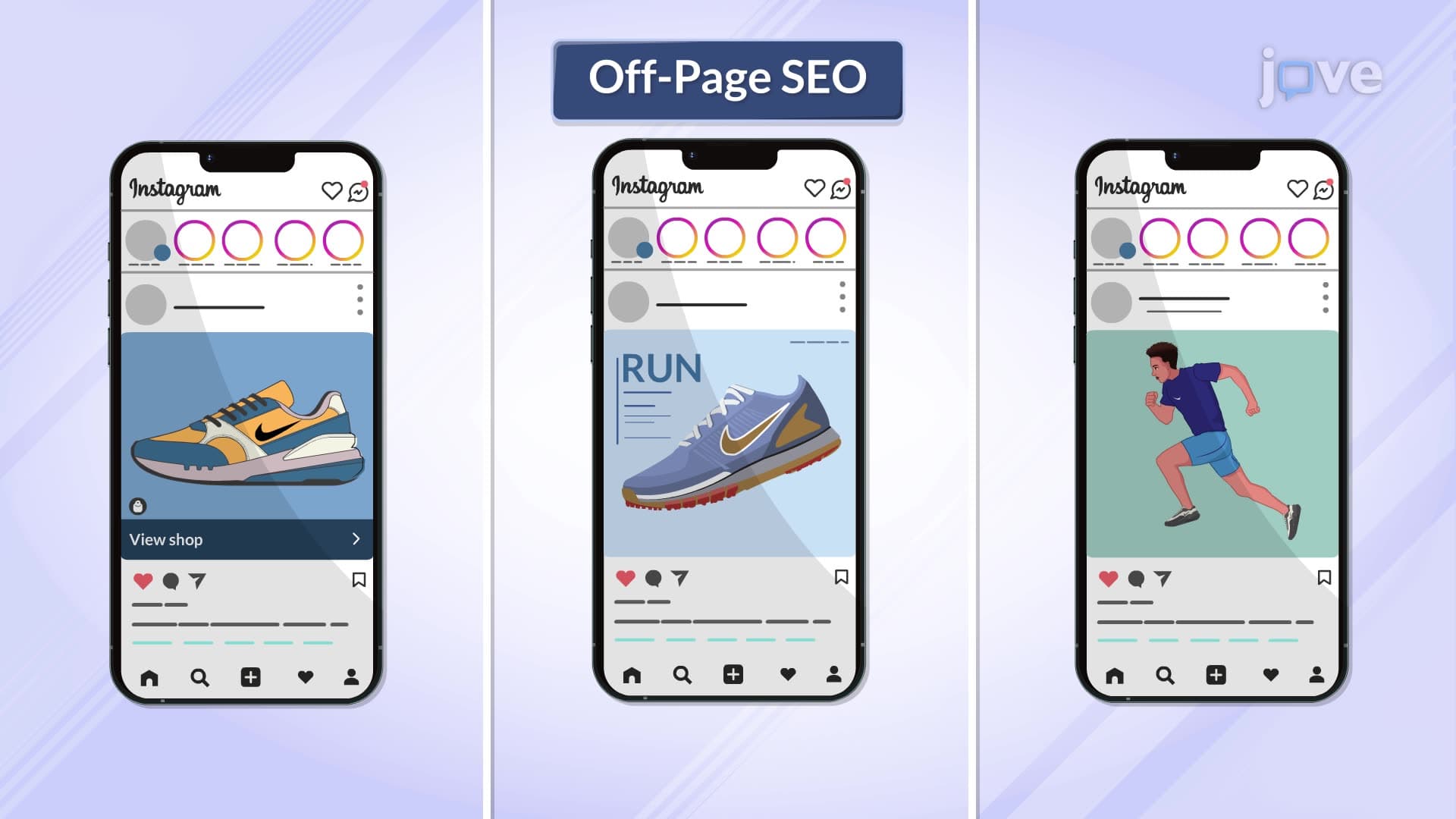
Off-page SEO encompasses external signals that establish your brand's market authority. This includes strategic backlink acquisition, social media amplification, influencer partnerships, and industry event sponsorships. Goldman Sachs exemplifies this approach through thought leadership content that naturally attracts high-quality backlinks from financial publications, speaking engagements at industry conferences, and strategic partnerships with fintech companies.
Page off overview strategies require long-term thinking and relationship building. When Harvard Business Review links to your company's research, that single backlink carries more authority than hundreds of low-quality links. Similarly, when industry leaders share your content on LinkedIn, it signals market relevance to search engines and potential customers alike.
Successful organizations integrate on page and off page study guide principles into broader business strategy. Microsoft's approach demonstrates this integration: their on-page optimization ensures product pages rank for relevant business software searches, while their off-page strategy includes partnerships with system integrators, conference sponsorships, and thought leadership that positions them as the enterprise software authority.
Related Micro-courses