Loading video…


 4 Concepts
 3.8K views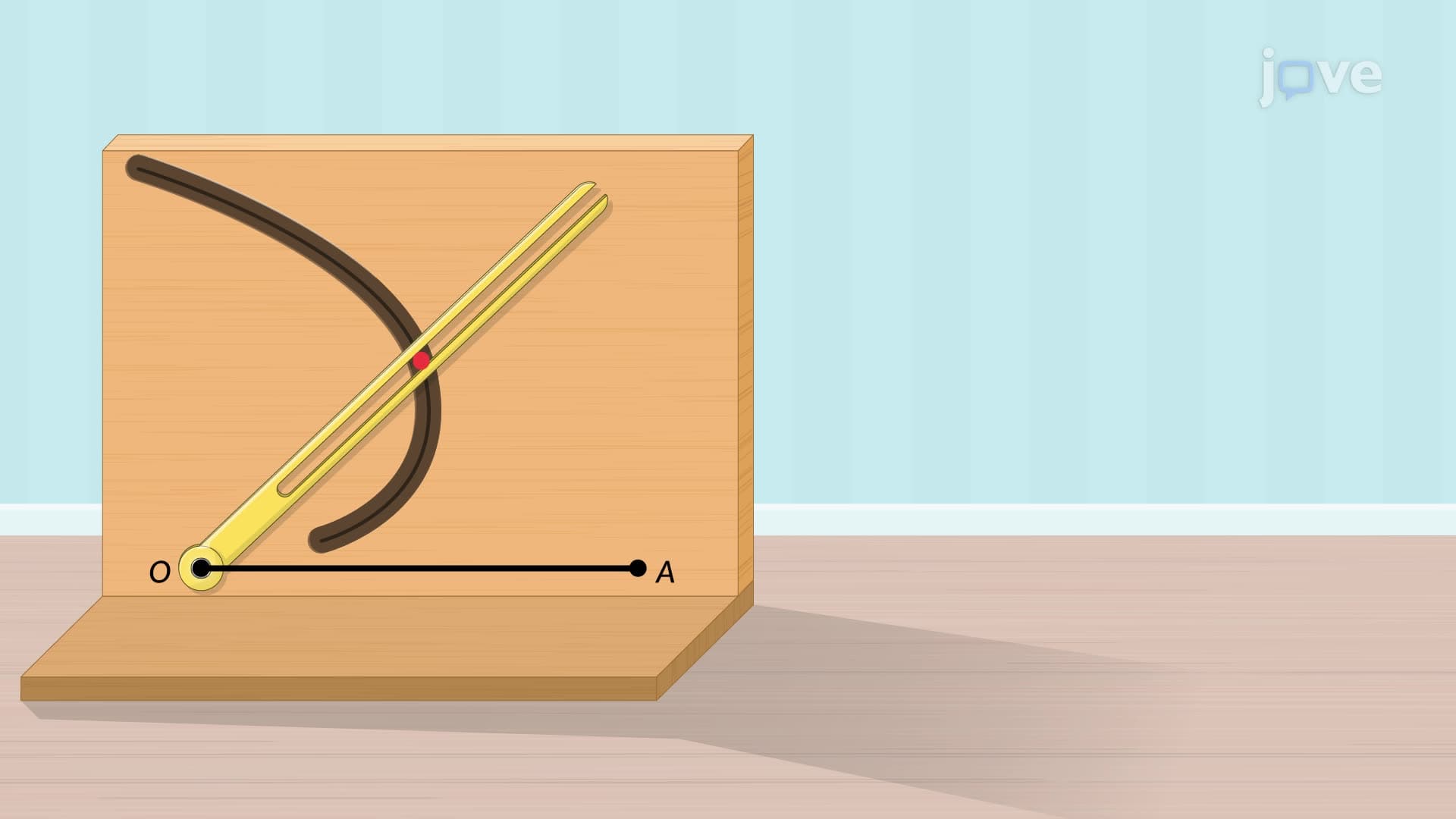

Video Summary: What are Curvilinear Motion Polar Coordinates
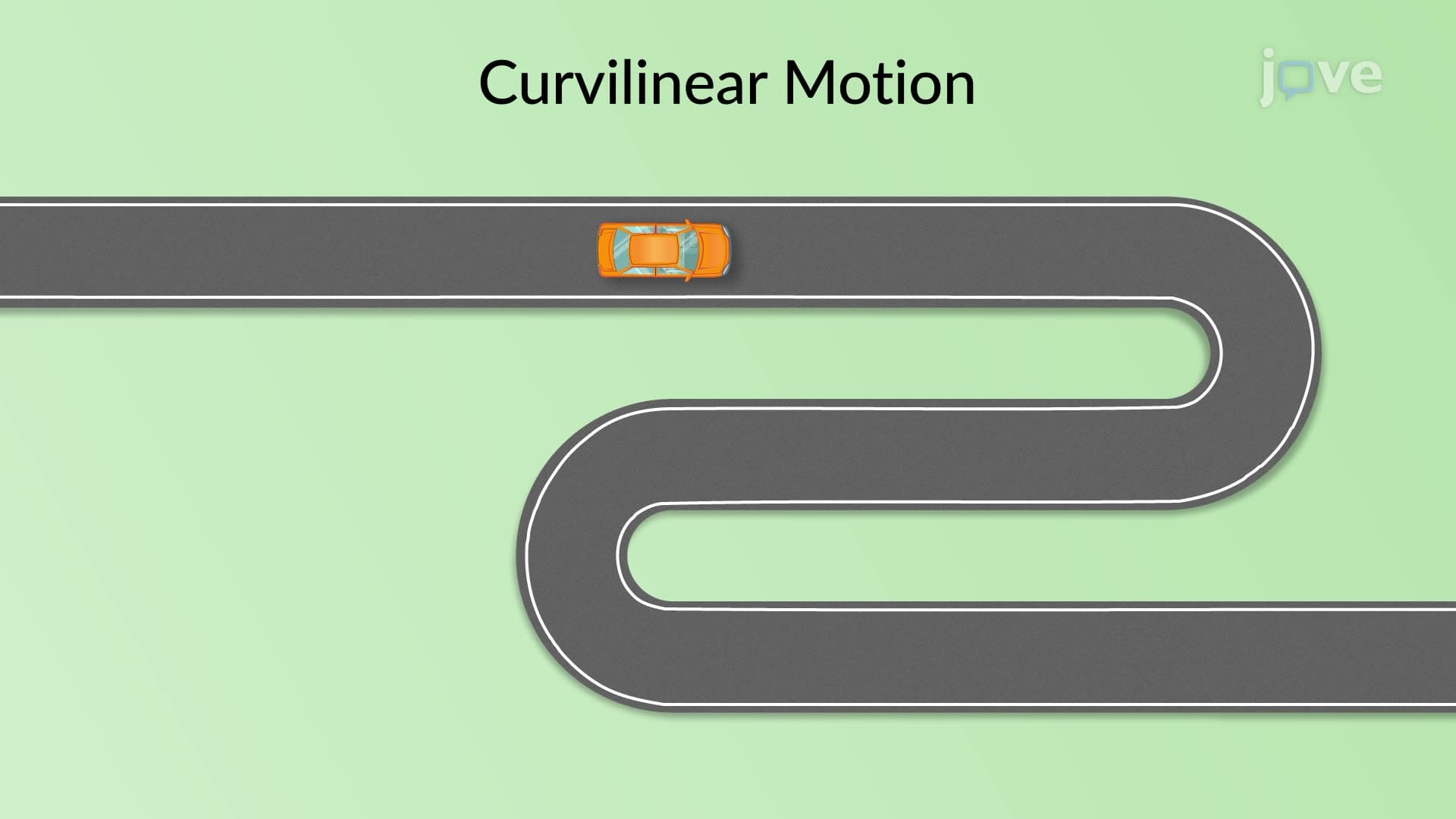
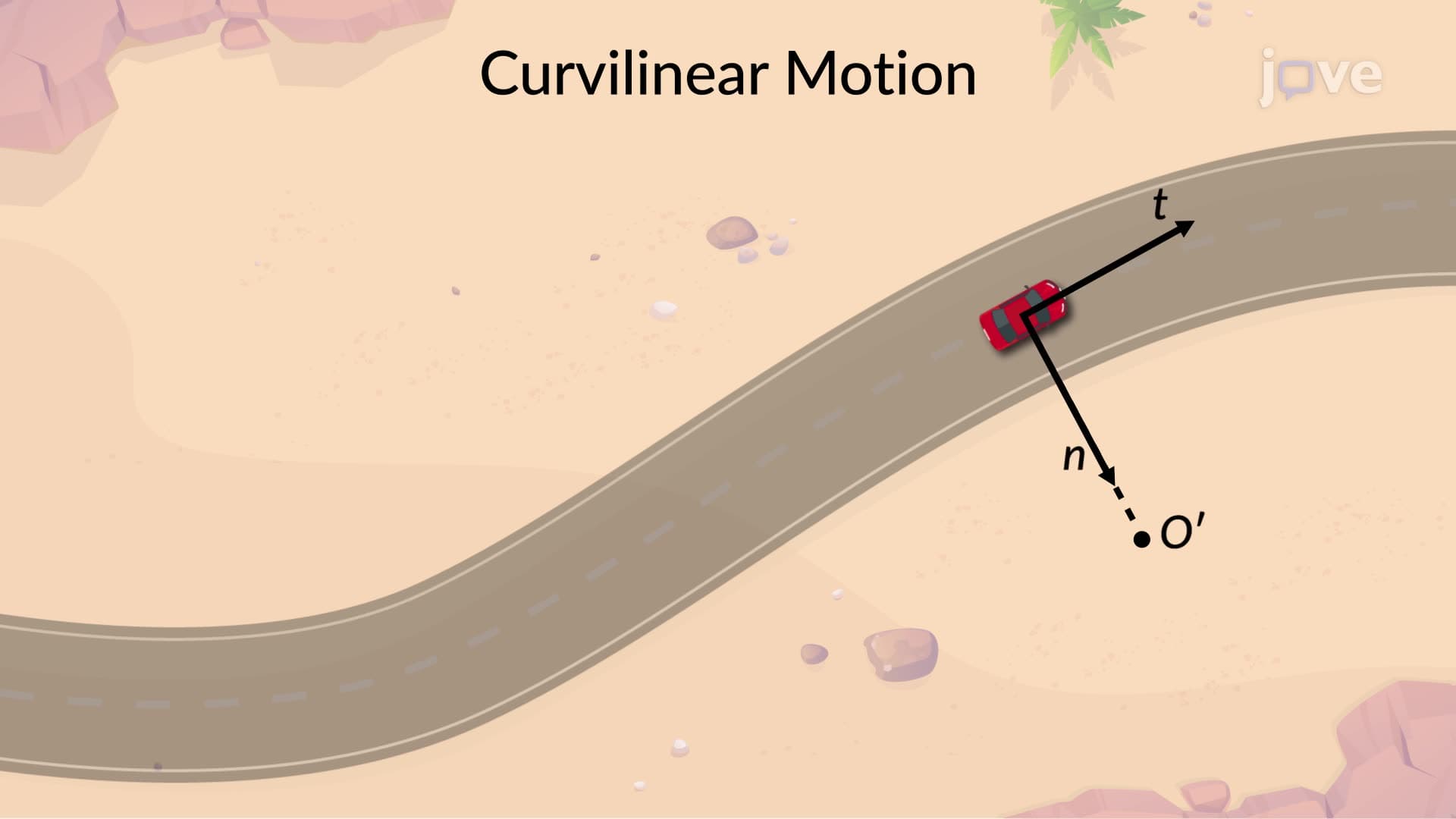
Ever wonder how NASA tracks a satellite's curved path around Earth or how engineers design roller coaster loops? Curvilinear motion polar coordinates provide the mathematical framework to analyze objects moving along curved trajectories, using radial distance (r) and angular position (θ) from a fixed origin. Consider a car navigating a curved highway ramp in San Francisco-polar coordinates help engineers calculate the precise forces and velocities involved. Watch the full video on JoVE Coach to master this concept with expert-led visuals and step-by-step explanations.
Curvilinear motion polar coordinates represent a powerful mathematical approach for analyzing objects that move along curved paths. Unlike rectangular (Cartesian) coordinates that use x and y positions, polar coordinates describe location using two parameters: the radial distance (r) from a fixed origin and the angular position (θ) measured counterclockwise from a reference line. This system proves particularly valuable when dealing with circular or spiral motion patterns.
The radial coordinate r extends outward from the origin to the particle's location, while the angular coordinate θ (measured in radians) defines the counterclockwise angle from a fixed reference line. Engineers at companies like Boeing use these coordinates when designing aircraft navigation systems, where the radar origin serves as the fixed point and aircraft positions are tracked using range and bearing angles.
Position in polar coordinates utilizes unit vectors: the radial unit vector (e_r) points outward along the radial line, and the transverse unit vector (e_θ) points perpendicular to the radial direction. These unit vectors are crucial because they rotate as the particle moves, unlike the fixed unit vectors in Cartesian systems.
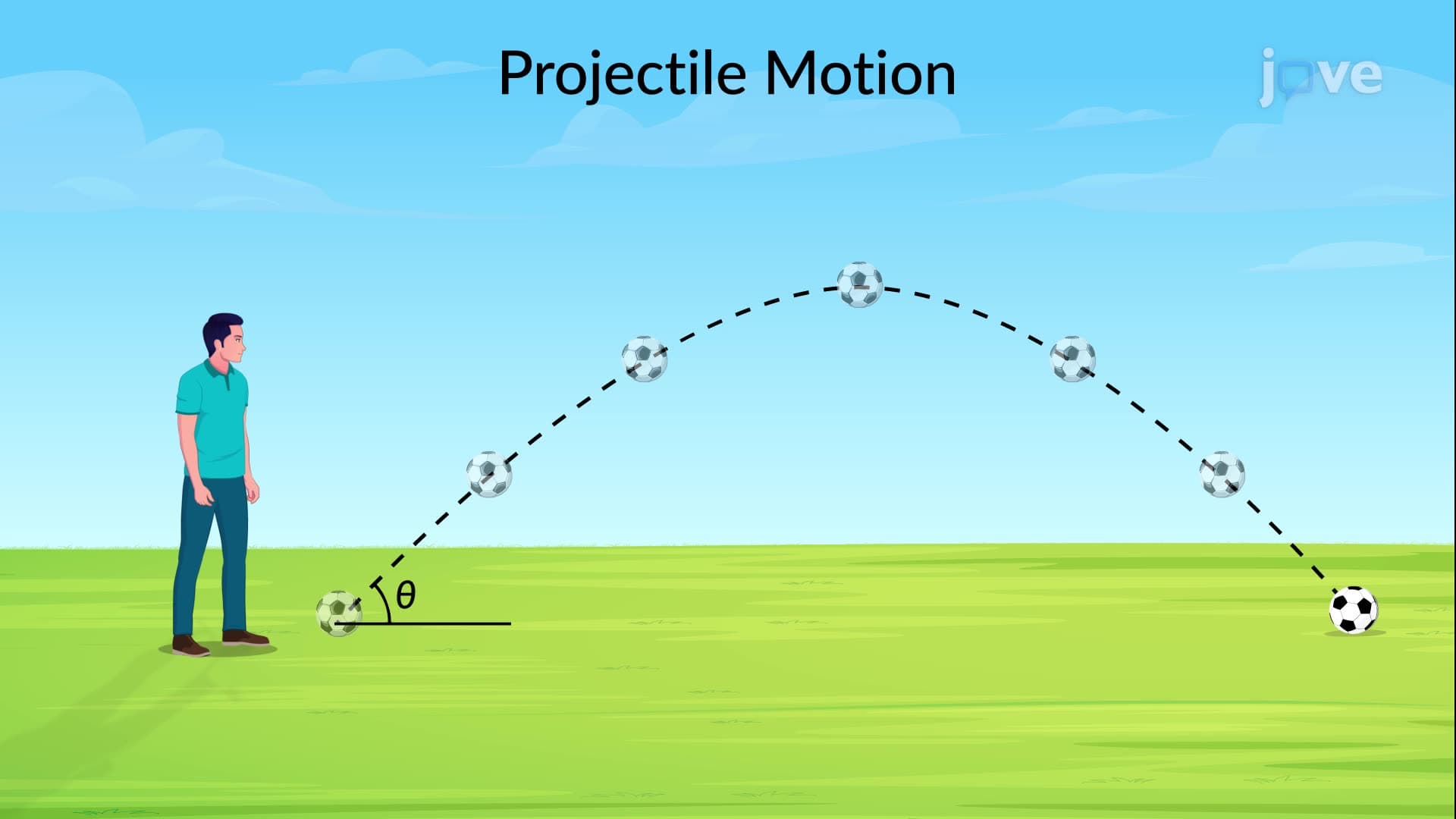
Velocity in polar coordinates contains two perpendicular components. The radial velocity component (dr/dt) represents how fast the particle moves toward or away from the origin, while the transverse velocity component (r × dθ/dt) describes motion perpendicular to the radial line. This perpendicular relationship is fundamental-students often encounter this concept in AP Physics C mechanics problems involving projectile motion and circular motion.
Acceleration analysis becomes more complex due to the rotating nature of polar unit vectors. The acceleration contains radial and transverse components that account for both the changing magnitude and direction of velocity. This concept frequently appears in college-level physics courses, particularly in dynamics and engineering mechanics. Students preparing for the MCAT physics section or AP Physics C exams should master the mathematical relationships between position, velocity, and acceleration in polar coordinates, as these problems often involve satellite orbits, pendulum motion, or rotating machinery analysis.
Related Micro-courses