Loading video…


 4 Concepts
 3.8K views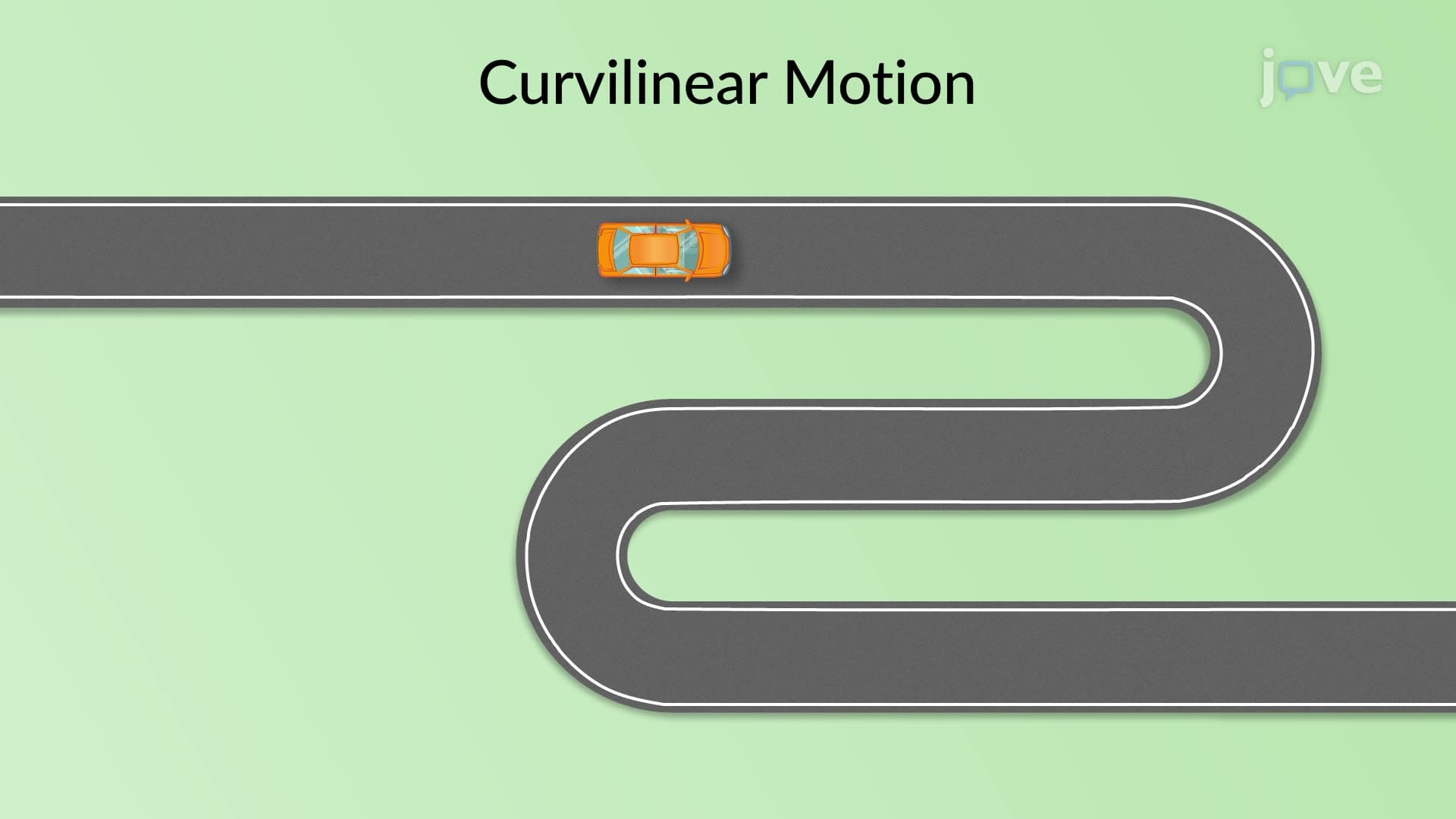

Video Summary: What Is Curvilinear Motion Rectangular Components
Ever wonder how NASA tracks a satellite's path as it orbits Earth in a curved trajectory? Curvilinear motion rectangular components break down complex curved motion into simple x, y, and z directions, making calculations manageable. When a spacecraft follows a curved path around our planet, engineers use rectangular components to analyze its position, velocity, and acceleration vectors at every point. This systematic approach to what is curvilinear motion rectangular components transforms complicated curved motion into straightforward mathematical analysis. Watch the full video on JoVE Coach to master this concept with expert-led visuals and step-by-step explanations.
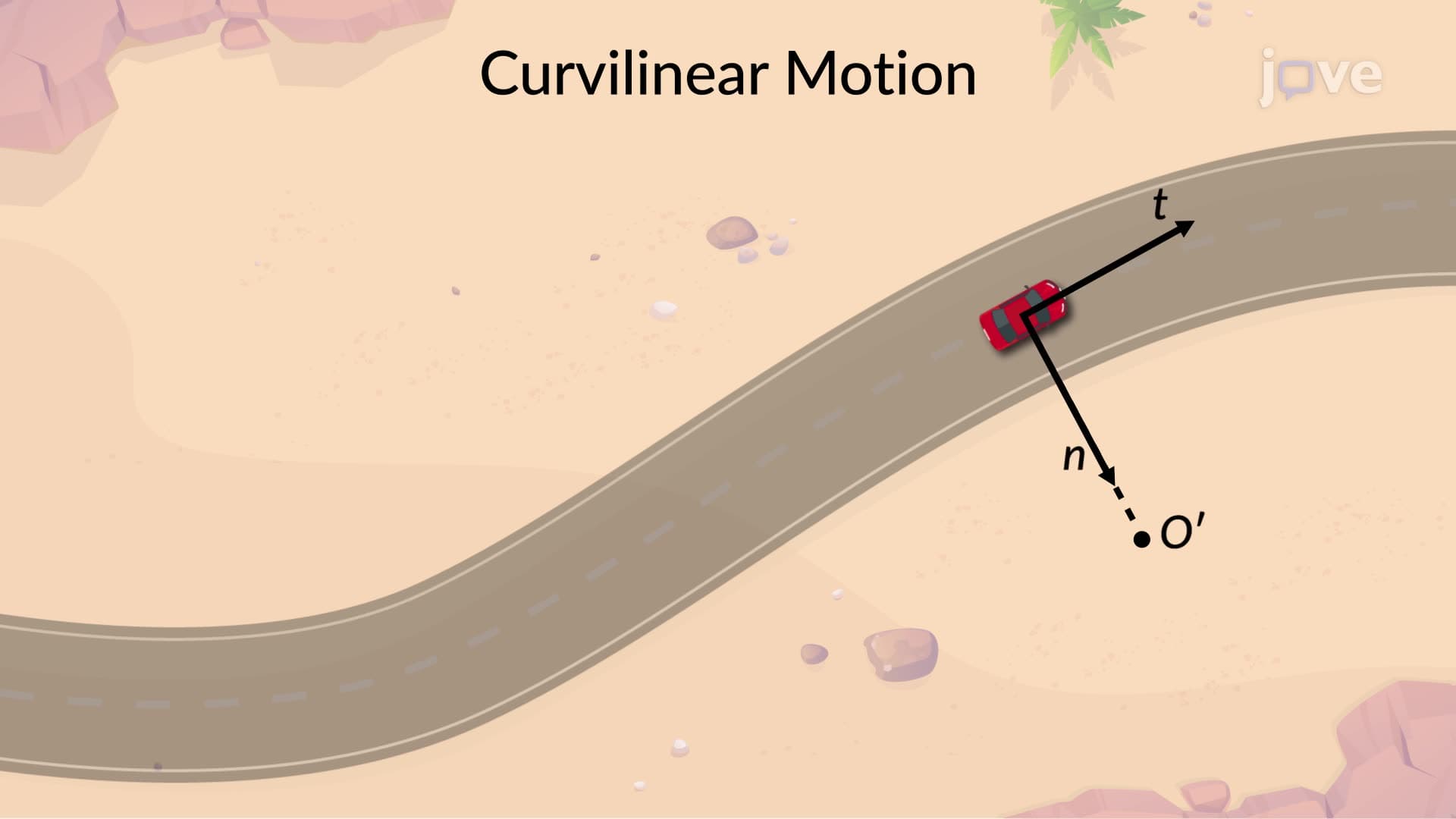
Curvilinear motion rectangular components provide a systematic framework for analyzing objects moving along curved paths by breaking down complex motion into manageable x, y, and z directional components. Unlike linear motion where objects travel in straight lines, curvilinear motion involves continuous changes in direction, requiring vector analysis to fully describe the object's behavior.
The foundation of rectangular component analysis begins with establishing a fixed reference frame, typically using Cartesian coordinates. When an object moves along a curved path, its position vector r(t) = x(t)i + y(t)j + z(t)k describes its location at any time t. The unit vector in the direction of position, calculated as r/|r|, indicates the object's orientation relative to the origin. This approach proves essential for tracking complex trajectories like those of roller coaster cars at Six Flags theme parks, where engineers must account for elevation changes, banking angles, and directional shifts throughout the ride.
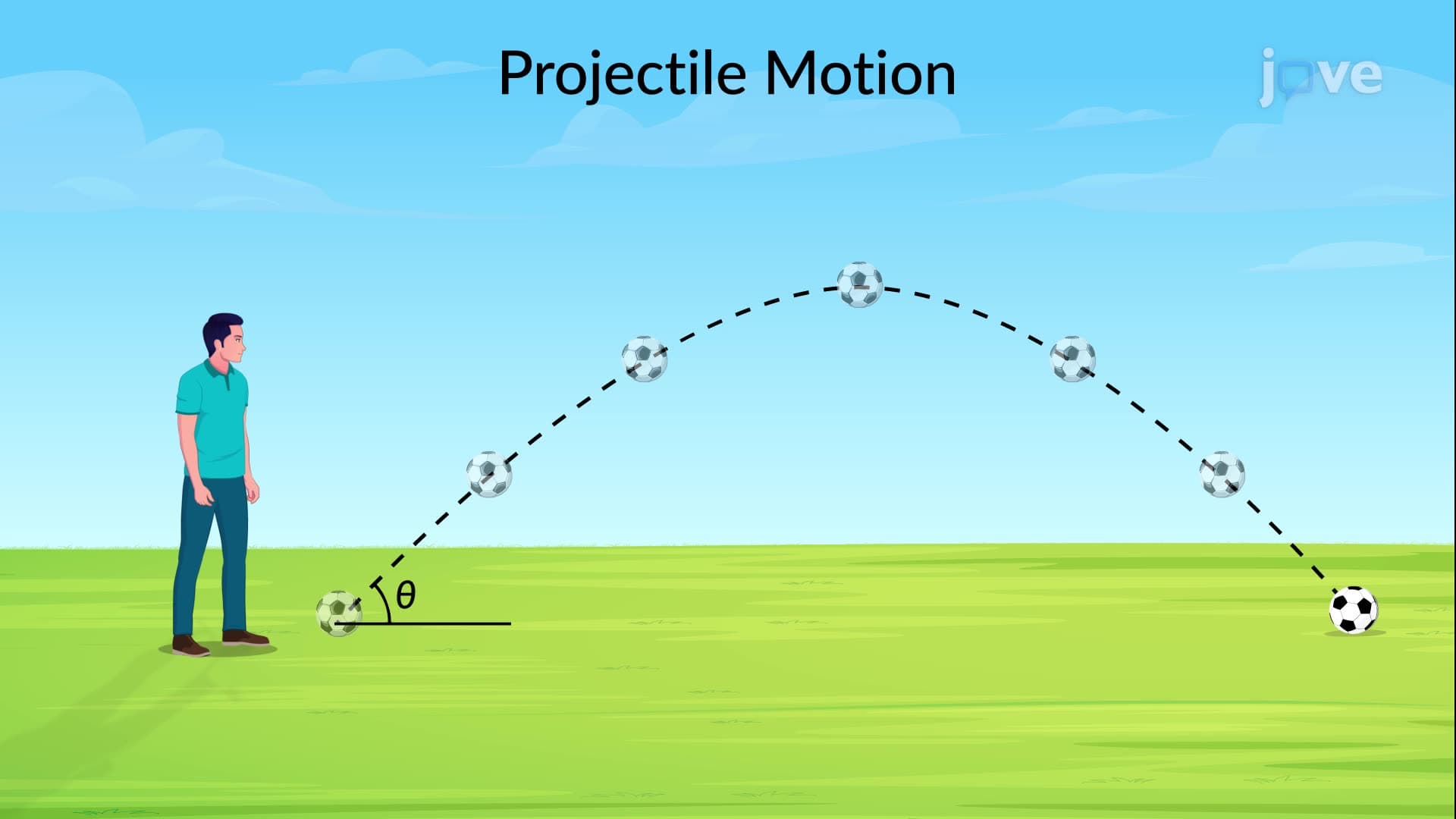
Velocity vectors emerge by taking the time derivative of position vectors: v = dr/dt = (dx/dt)i + (dy/dt)j + (dz/dt)k. Each component represents the rate of change in its respective direction. For AP Physics students, this concept frequently appears in projectile motion problems where horizontal and vertical components must be analyzed separately. Consider a baseball pitcher's curveball, the rectangular components help coaches understand how spin affects the ball's curved trajectory, enabling better training strategies.
Acceleration vectors follow the same derivative principle: a = dv/dt = d²r/dt². This double differentiation reveals how velocity changes over time in each rectangular direction. Students preparing for the MCAT often encounter this concept in biomechanics contexts, such as analyzing the curved motion of limbs during athletic performance or understanding how the heart's curved chambers affect blood flow patterns.
The beauty of rectangular component analysis lies in its simplicity, complex curved motions become manageable when broken into perpendicular components. This method appears consistently in college physics courses, SAT Subject Tests, and engineering applications from automotive suspension design to aerospace trajectory planning.
Related Micro-courses