Loading subject page…

14,826 views

Video Summary: Prokaryotic Gene Structure and Organization Explained
Did you know that a single *E. coli* bacterium contains over 4,000 genes packed into a chromosome just 1.6 million base pairs long? Prokaryotic gene structure organization reveals how bacteria and archaea efficiently arrange their genetic material without a nucleus. From the antibiotic-producing *Streptomyces* used in US pharmaceutical manufacturing to the gut bacteria that help digest food, understanding prokaryotic gene structure and organization explained is crucial for biotechnology and medicine. Watch the full video on JoVE Coach to master this concept with expert-led visuals and step-by-step explanations.
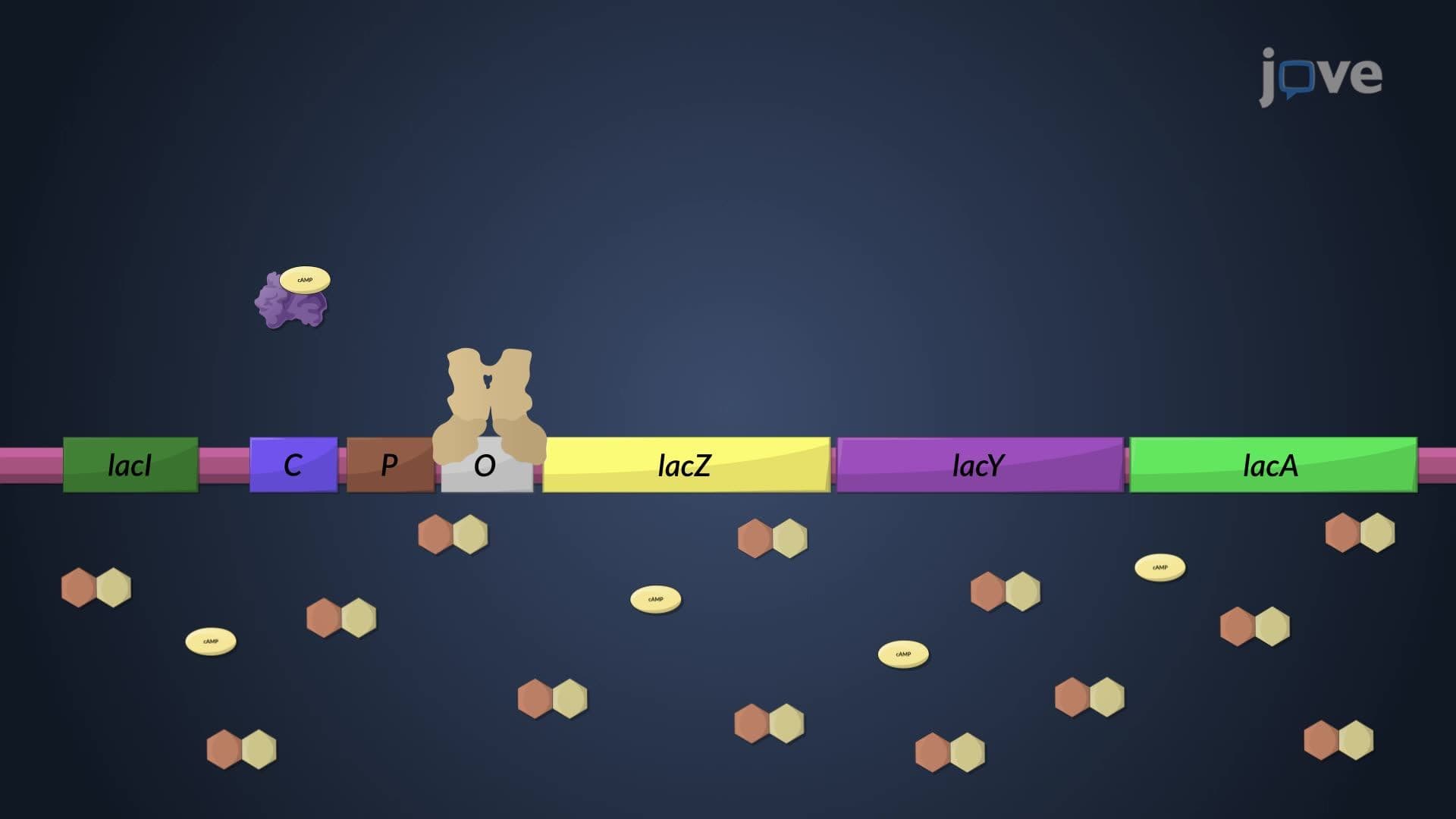
Prokaryotic gene structure organization fundamentally differs from eukaryotic systems due to the absence of a nucleus and membrane-bound organelles. In bacteria like *Staphylococcus aureus* (responsible for MRSA infections in US hospitals) and archaea found in Yellowstone's hot springs, genes are directly accessible to transcription machinery, enabling rapid response to environmental changes.
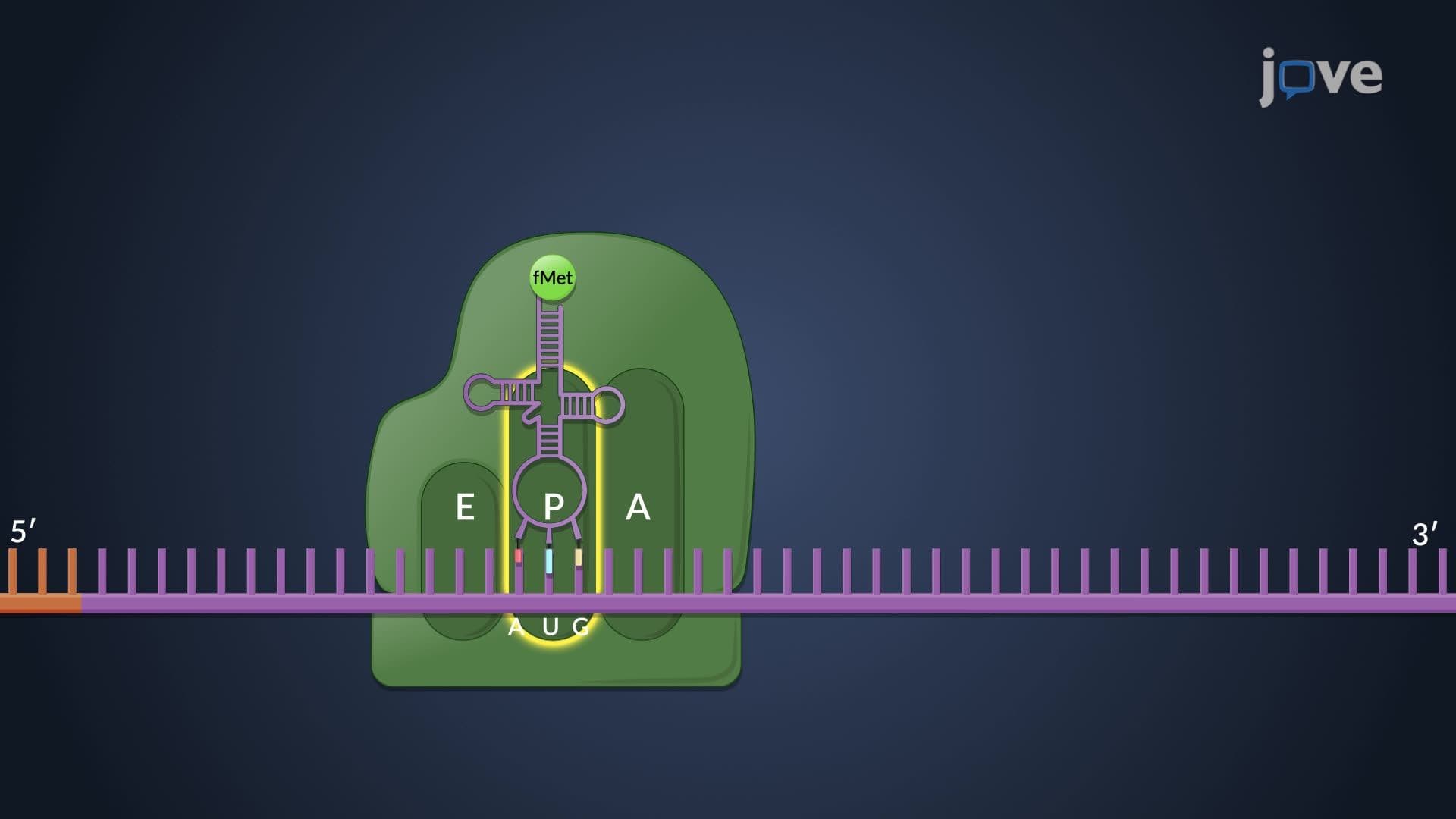
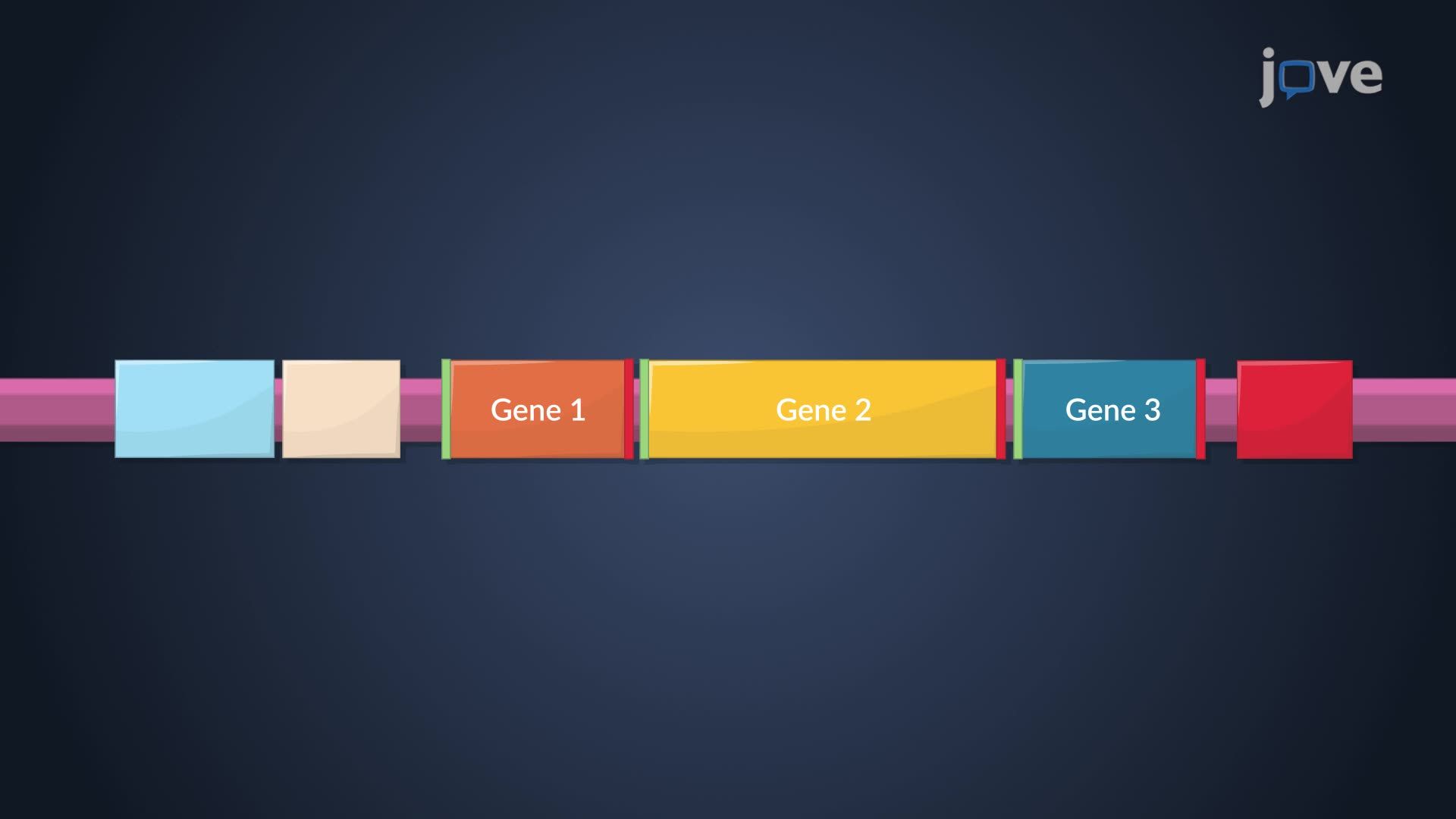
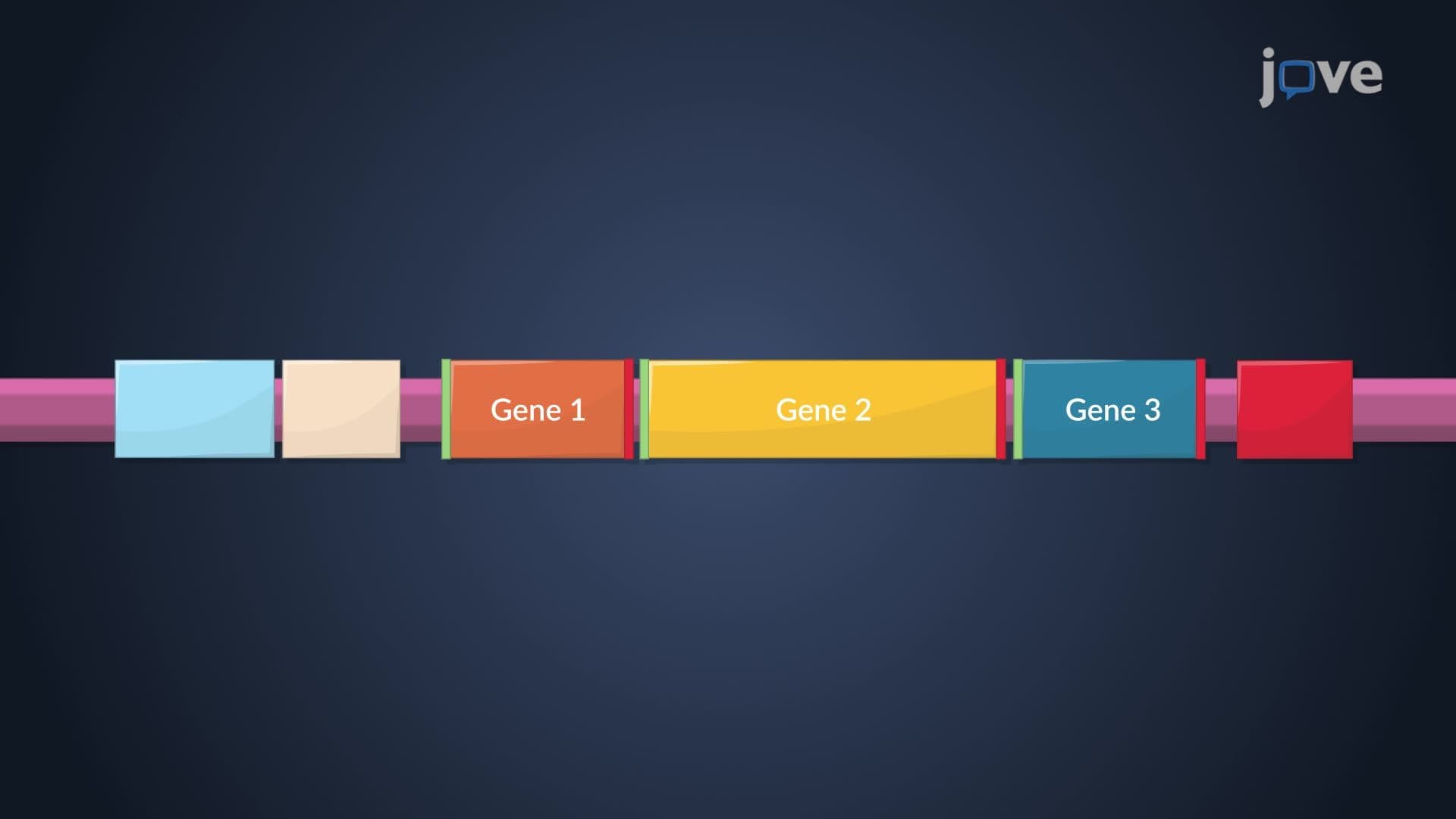
Coding regions in prokaryotes contain the instructions for three main products. Protein-coding genes begin with start codons (typically AUG) and end with stop codons (UAG, UAA, or UGA), directly dictating amino acid sequences. This organization proves crucial for understanding antibiotic mechanisms-many antibiotics target prokaryotic protein synthesis by interfering with these coding sequences. Additionally, tRNA and rRNA genes follow similar organizational patterns but produce functional RNA molecules rather than proteins, essential for the translation machinery that AP Biology students frequently encounter in exam questions.
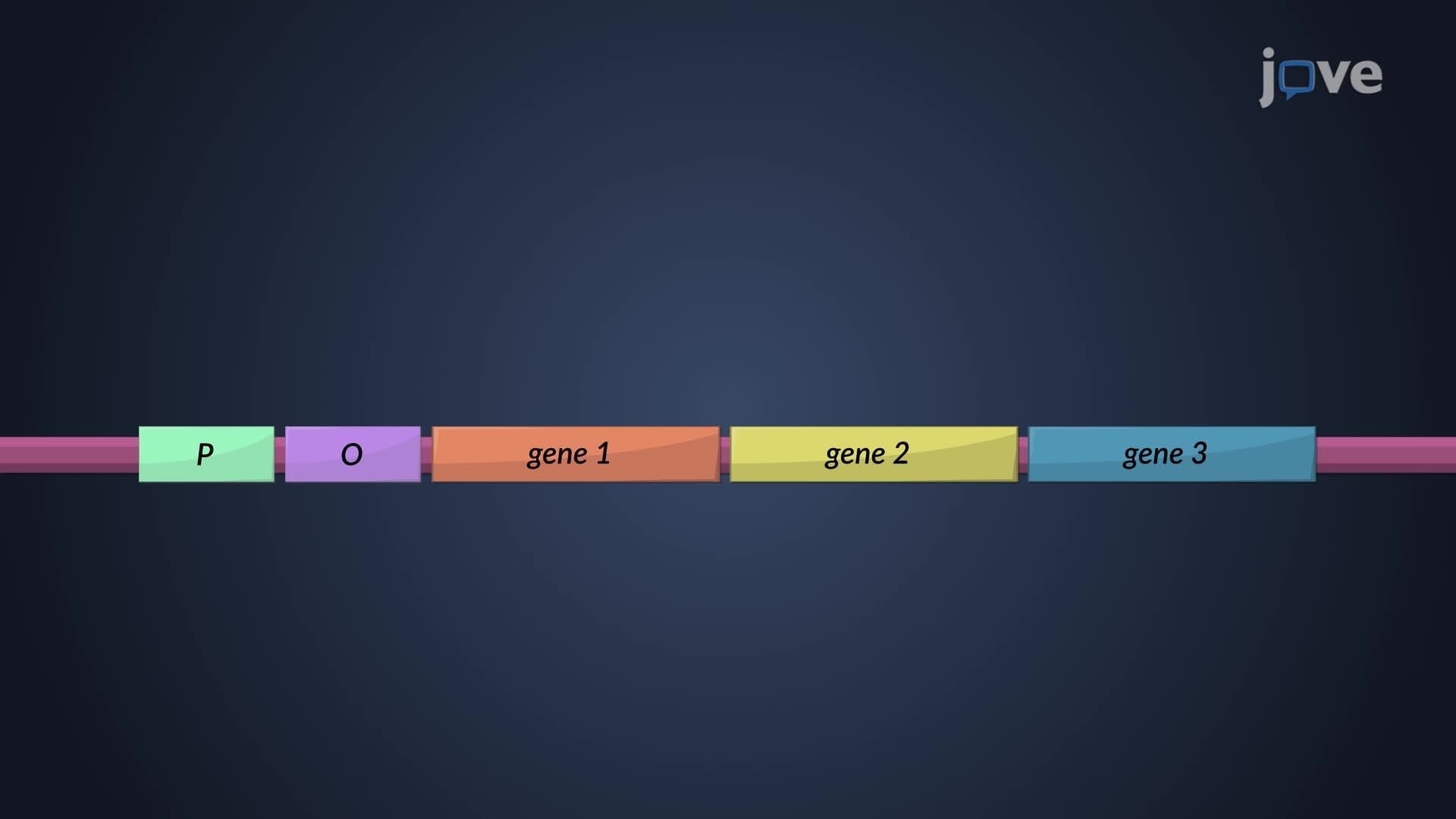
Promoter sequences act as molecular "on switches" upstream of coding regions. Bacterial promoters contain highly conserved -10 (Pribnow box) and -35 regions that RNA polymerase recognizes-knowledge essential for MCAT preparation. Archaeal promoters more closely resemble eukaryotic systems, featuring TATA boxes and additional recognition elements. These differences explain why certain antibiotics specifically target bacteria without affecting human cells or archaea.
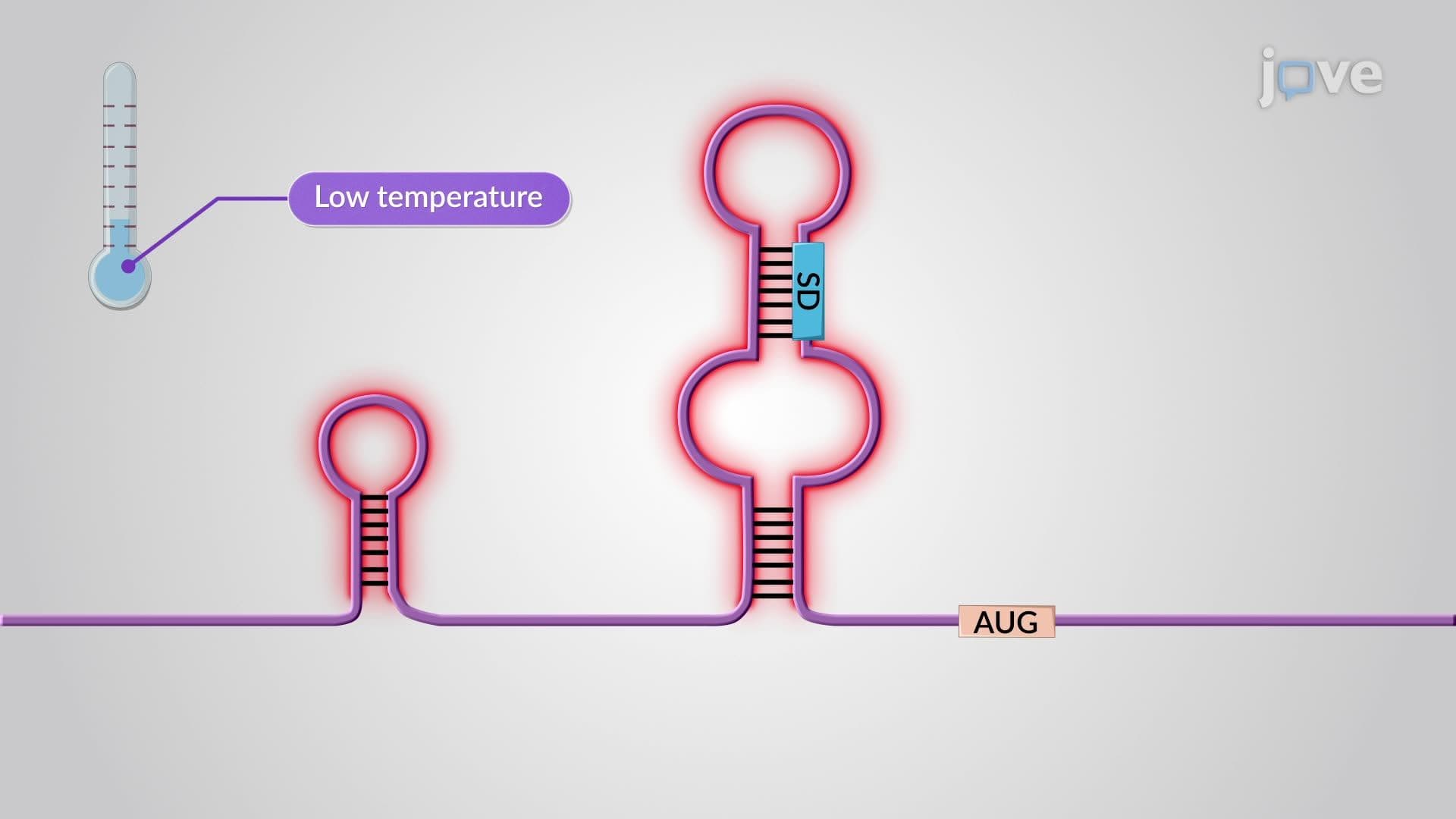
The Shine-Dalgarno sequence, found in the leader region before the start codon, ensures proper ribosome positioning in bacteria. This regulatory element is absent in archaea and eukaryotes, representing a key evolutionary distinction that college microbiology courses emphasize.
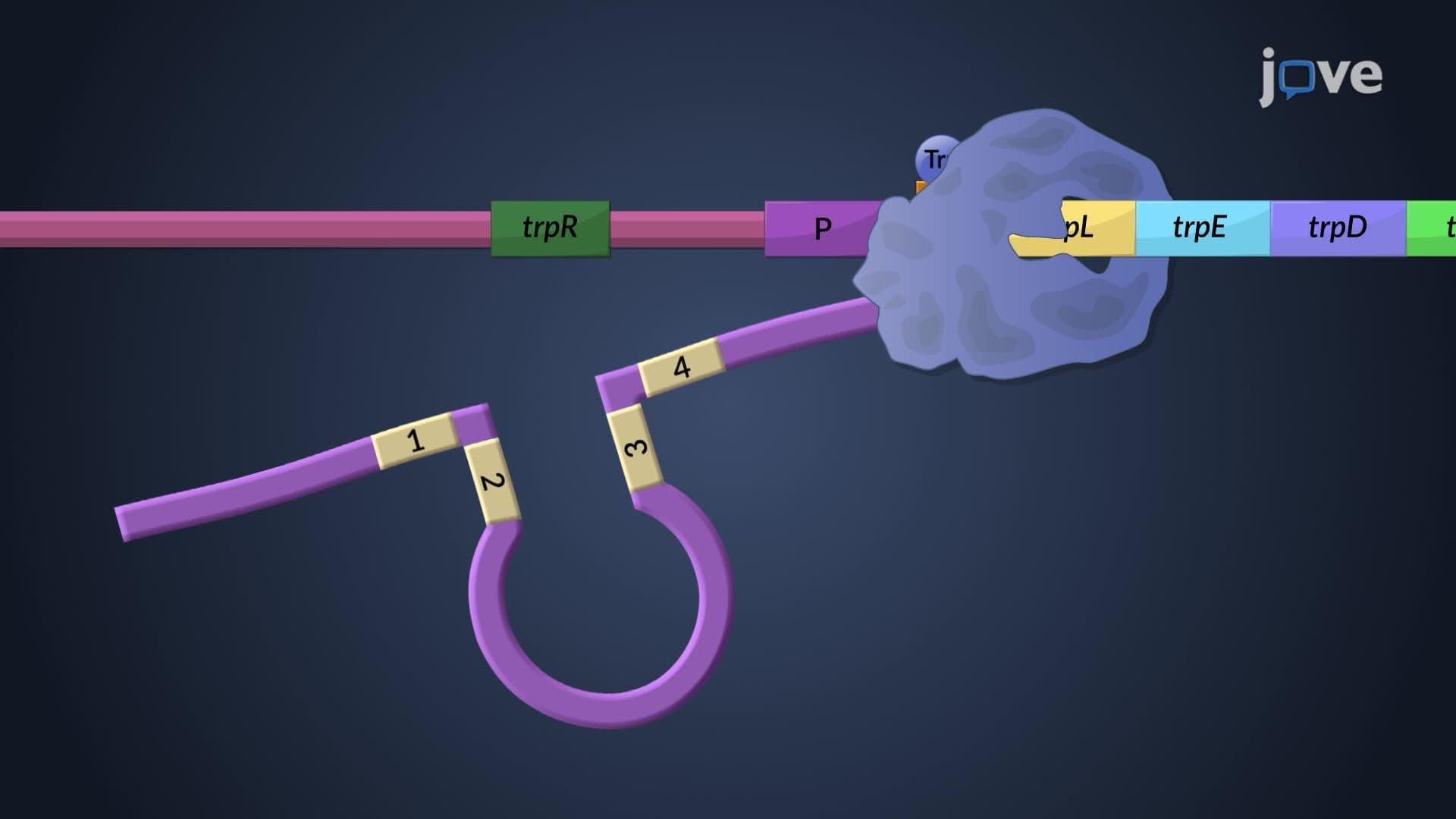
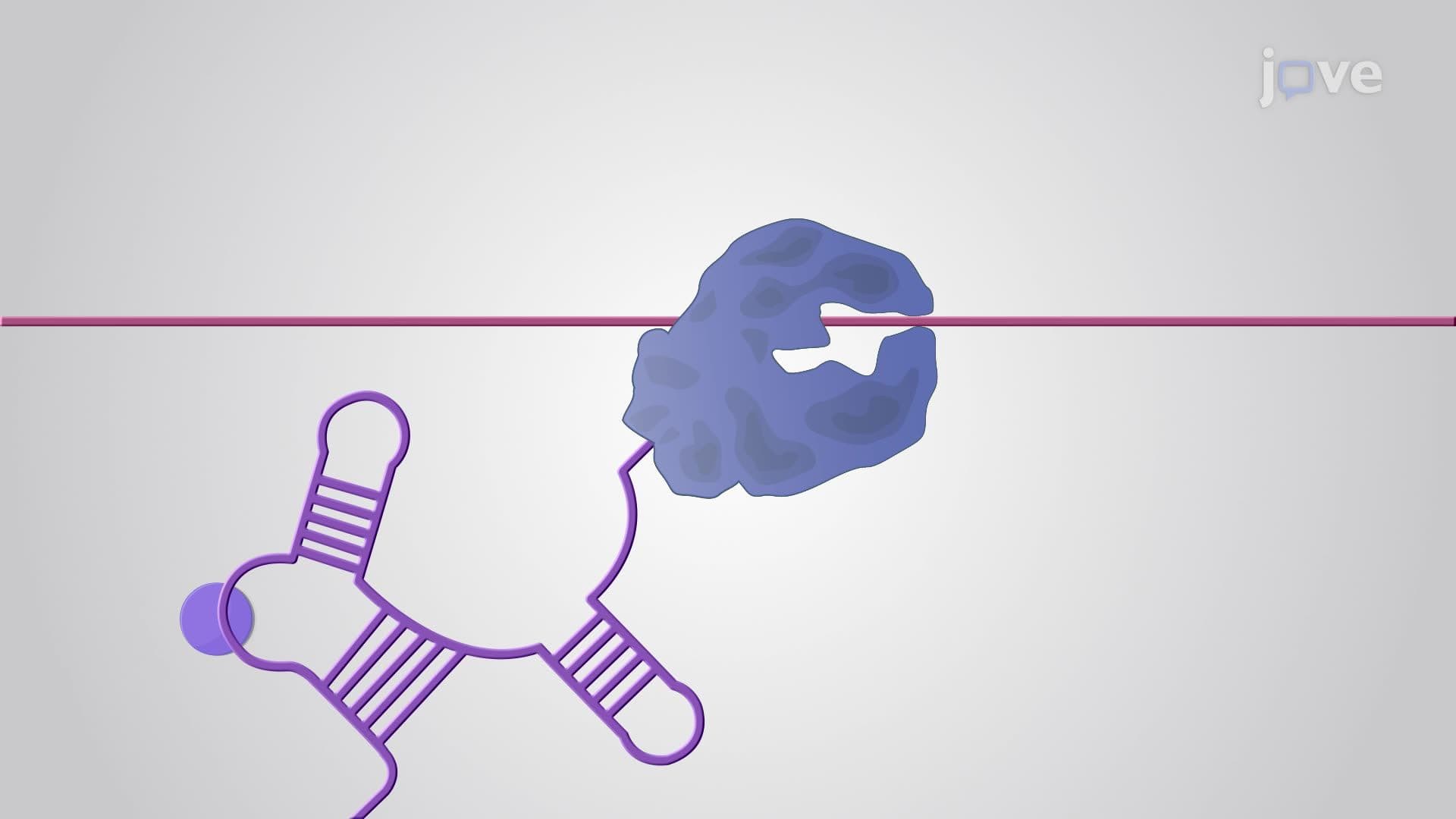
Prokaryotic genes employ two primary termination strategies. Intrinsic termination relies on stem-loop structures formed by complementary RNA sequences, creating hairpin loops that destabilize the RNA-DNA hybrid. Rho-dependent termination involves the Rho protein catching up to RNA polymerase at specific termination sites. Understanding these mechanisms helps students tackle questions about gene regulation in introductory biology courses and provides foundation knowledge for biotechnology careers in the growing US biotech sector.
Related Micro-courses